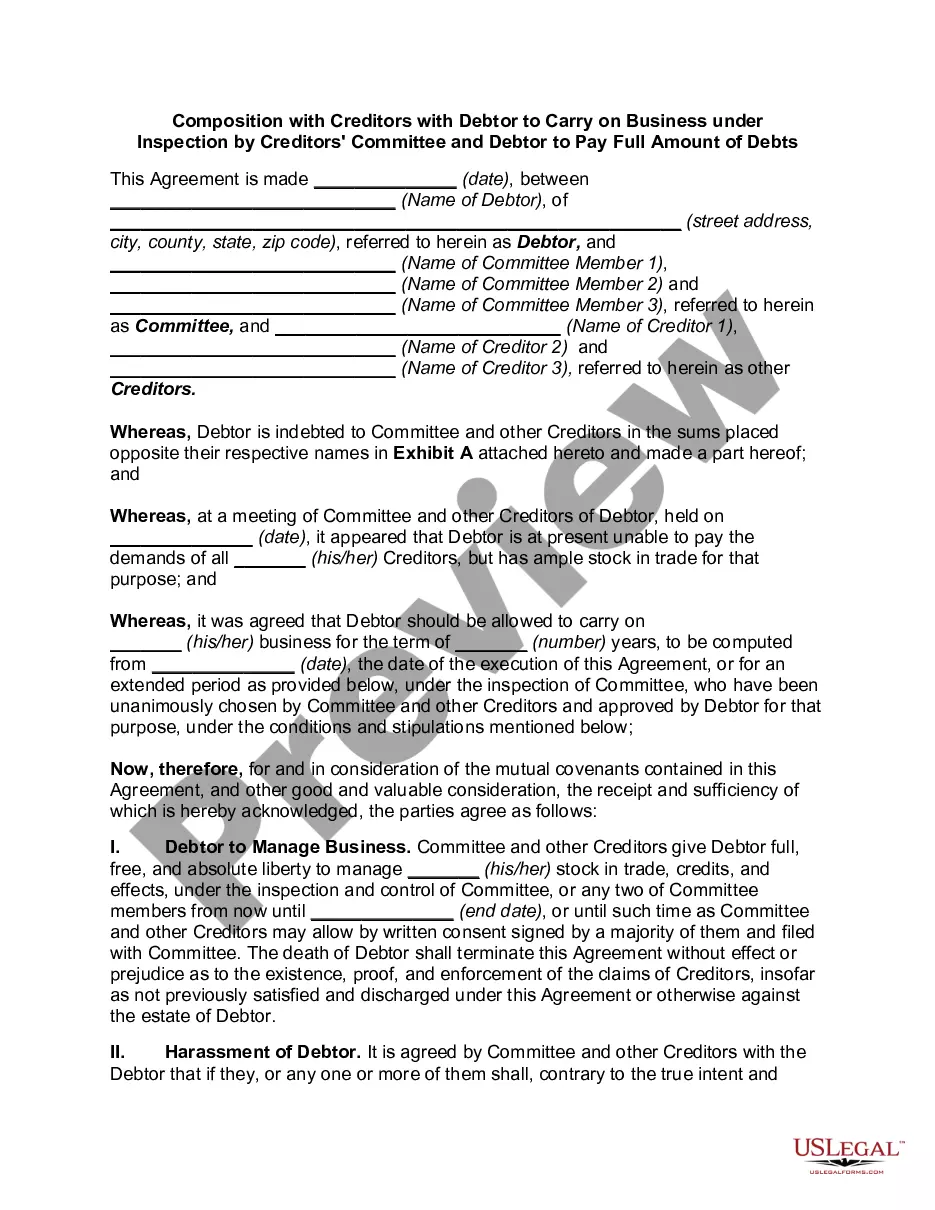
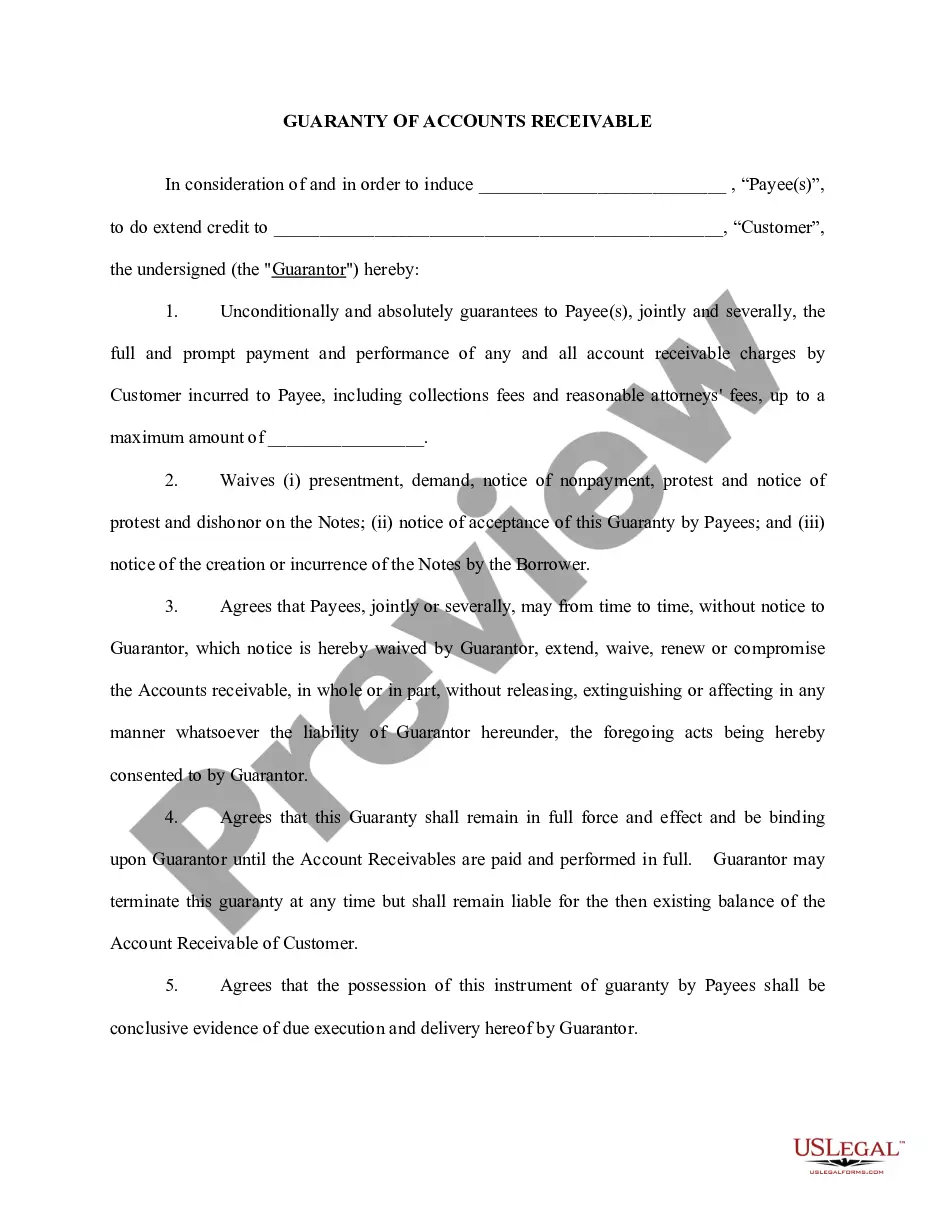
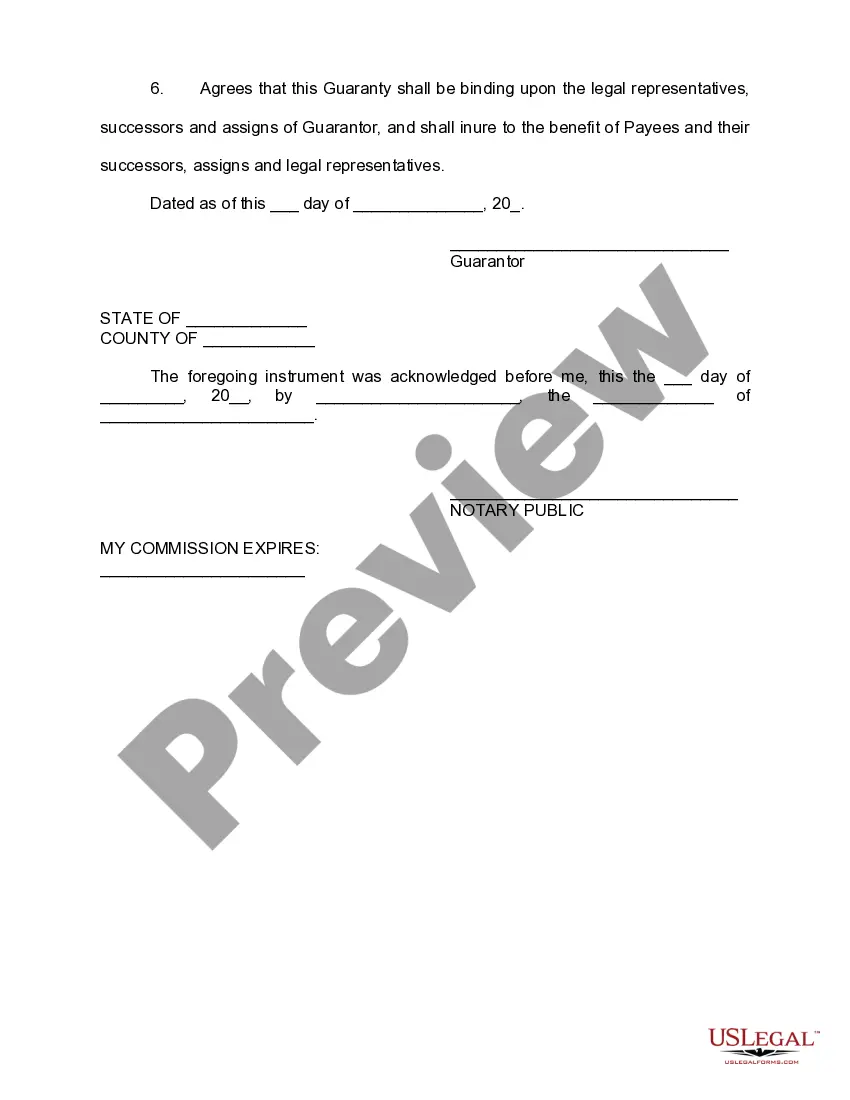
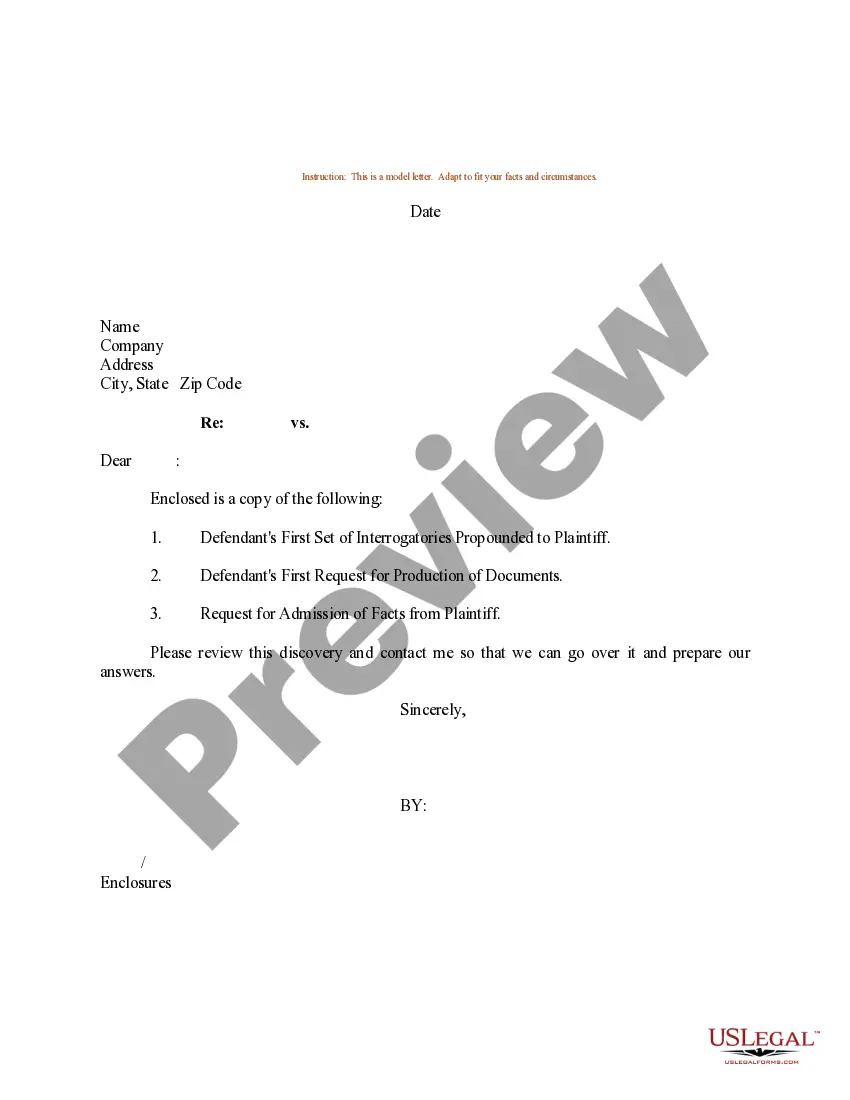
This form states that the guarantor unconditionally and absolutely guarantees to payee(s), jointly and severally, the full and prompt payment and performance of any and all account receivable charges by the customer incurred to the payee, including collections fees and reasonable attorneys' fees, up to a certain maximum amount.
North Carolina Accounts Receivable - Guaranty
Category:
State:
Multi-State
Control #:
US-00401
Format:
Word;
Rich Text
Instant download
Description
Free preview


How to fill out Accounts Receivable - Guaranty?
Selecting the optimal legal document template can be challenging. Clearly, there are numerous templates accessible online, but how do you obtain the legal form you require? Utilize the US Legal Forms website. The service provides thousands of templates, including the North Carolina Accounts Receivable - Guaranty, which can be utilized for both business and personal purposes. All forms are reviewed by experts and comply with federal and state regulations.
If you are already registered, Log In to your account and click on the Obtain button to access the North Carolina Accounts Receivable - Guaranty. Use your account to browse the legal forms you have previously purchased. Navigate to the My documents section of your account to download another copy of the document you need.
If you are a new user of US Legal Forms, here are simple instructions for you to follow: First, ensure you have selected the correct form for your city/region. You can review the template using the Review button and read the form description to verify it is suitable for you. If the form does not meet your expectations, use the Search field to find the appropriate form. When you are confident that the form is suitable, click on the Buy now button to purchase the document. Choose the payment plan you desire and enter the required information. Create your account and complete the transaction using your PayPal account or credit card. Select the file format and download the legal document template to your device. Complete, edit, print, and sign the acquired North Carolina Accounts Receivable - Guaranty.
- US Legal Forms is the largest collection of legal forms where you can find numerous document templates.
- Use the service to download properly crafted papers that meet state requirements.
- Avoid altering or deleting any HTML tags.
- Only synonymize plain text outside of the HTML tags.
Form popularity
FAQ
The 10 rule for accounts receivable states that 10% of your customers typically account for 90% of your sales. This principle emphasizes the importance of identifying and nurturing key relationships for effective management of North Carolina Accounts Receivable - Guaranty. By focusing on these high-value clients, businesses can optimize their collection efforts. Utilizing tools from US Legal Forms can streamline this identification process.
In general, you cannot go to jail solely for being in debt in North Carolina. However, if a court issues a judgment against you and you fail to comply, you might face legal repercussions. It's crucial to manage your North Carolina Accounts Receivable - Guaranty effectively to avoid such situations. Seeking guidance from platforms like US Legal Forms can provide clarity on your rights and obligations.
The 5 C's of accounts receivable management include Character, Capacity, Capital, Collateral, and Conditions. These elements help assess the creditworthiness of clients and ensure effective management of North Carolina Accounts Receivable - Guaranty. By evaluating these factors, businesses can make informed decisions about extending credit. This systematic approach can significantly enhance the collection process.
In North Carolina, a debt typically becomes uncollectible after three years from the date it becomes due. This timeframe is crucial for businesses managing their North Carolina Accounts Receivable - Guaranty. After this period, creditors may face challenges in collecting the debt through legal means. It's essential to stay informed about these timelines to ensure effective accounts receivable management.
Yes, North Carolina follows the principle of caveat emptor, which means 'let the buyer beware.' In transactions involving North Carolina Accounts Receivable - Guaranty, this principle emphasizes the responsibility of buyers to perform due diligence before making purchases. However, consumers still have rights under certain warranties and protections, ensuring they are not left vulnerable in commercial dealings.
In North Carolina, the implied warranty of merchantability guarantees that goods sold are fit for their intended purpose and meet reasonable quality standards. This warranty applies to transactions involving North Carolina Accounts Receivable - Guaranty, ensuring that products or services provided meet customer expectations. If a product fails to comply, consumers have the right to seek remedies or refunds, reinforcing trust in commercial transactions.
The North Carolina Life and Health Insurance Guaranty Association Act provides protection for policyholders in the event that their insurance company becomes insolvent. This Act ensures that individuals and businesses can recover a portion of their claims and benefits, thus safeguarding their financial interests. Understanding this Act is crucial for anyone dealing with North Carolina Accounts Receivable - Guaranty, as it establishes a safety net for insurance-related debts.