Training material for Harassment-Sexual and other issues.
Montana Harassment Training Handbook - Sexual as well as other forms of Harassment - Workplace
Instant download
Description
Free preview
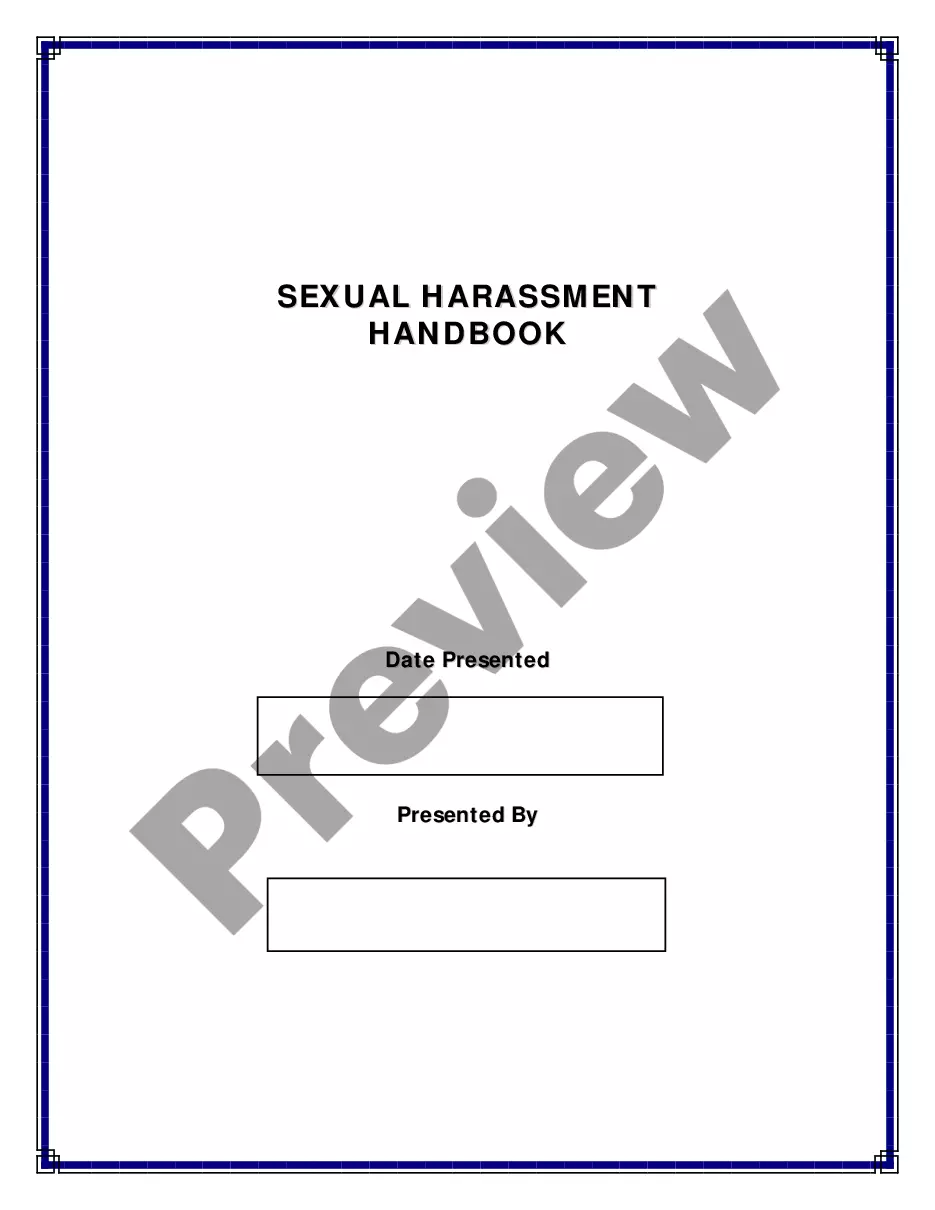
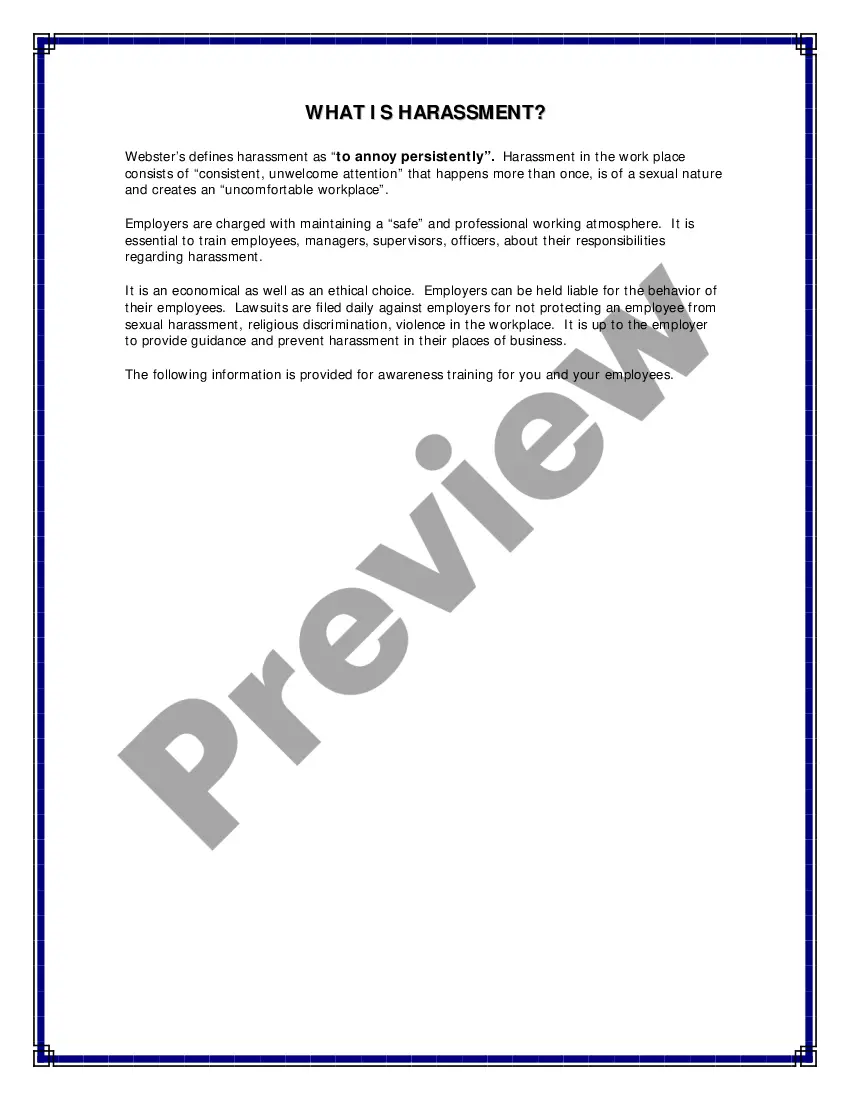
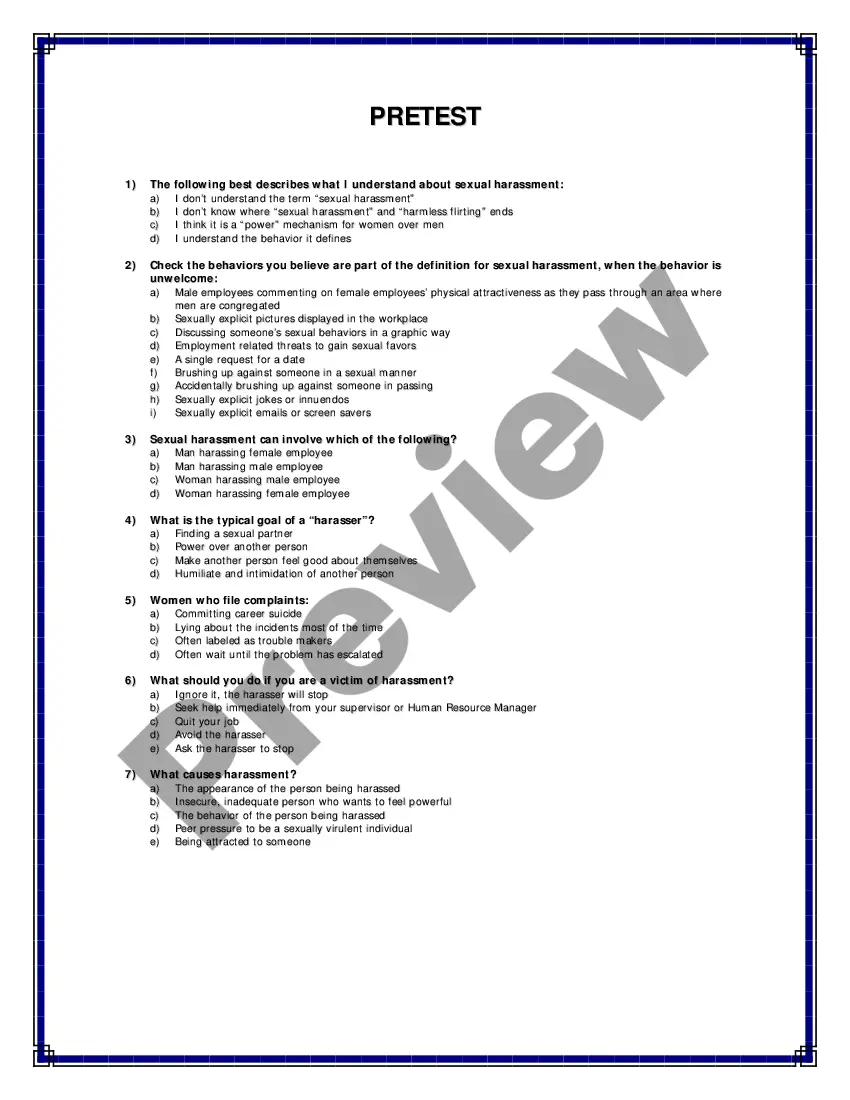
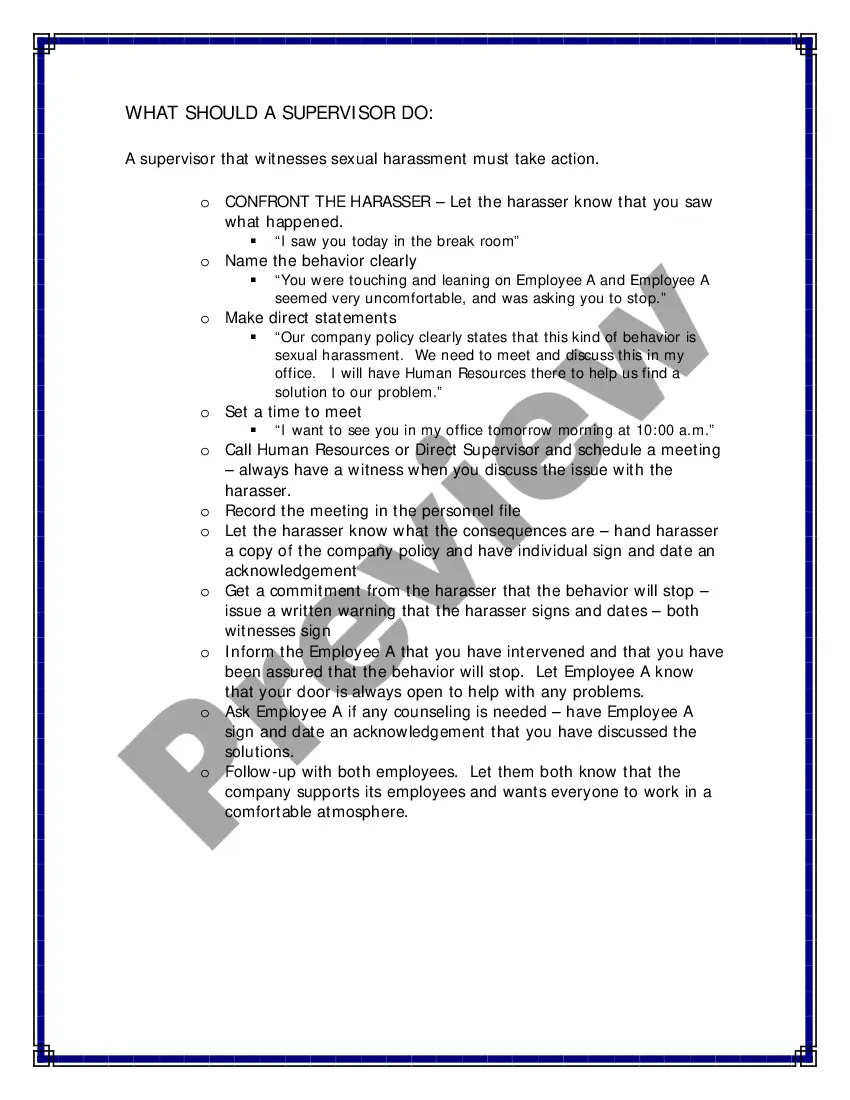
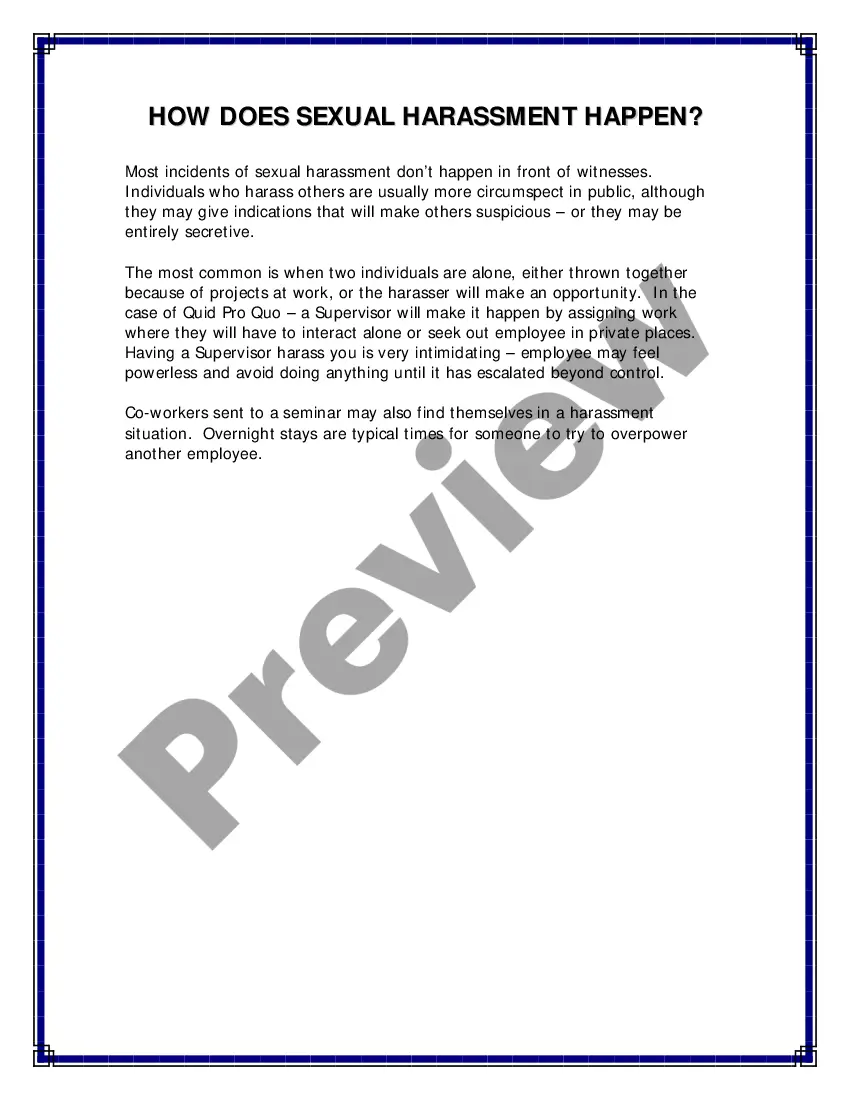
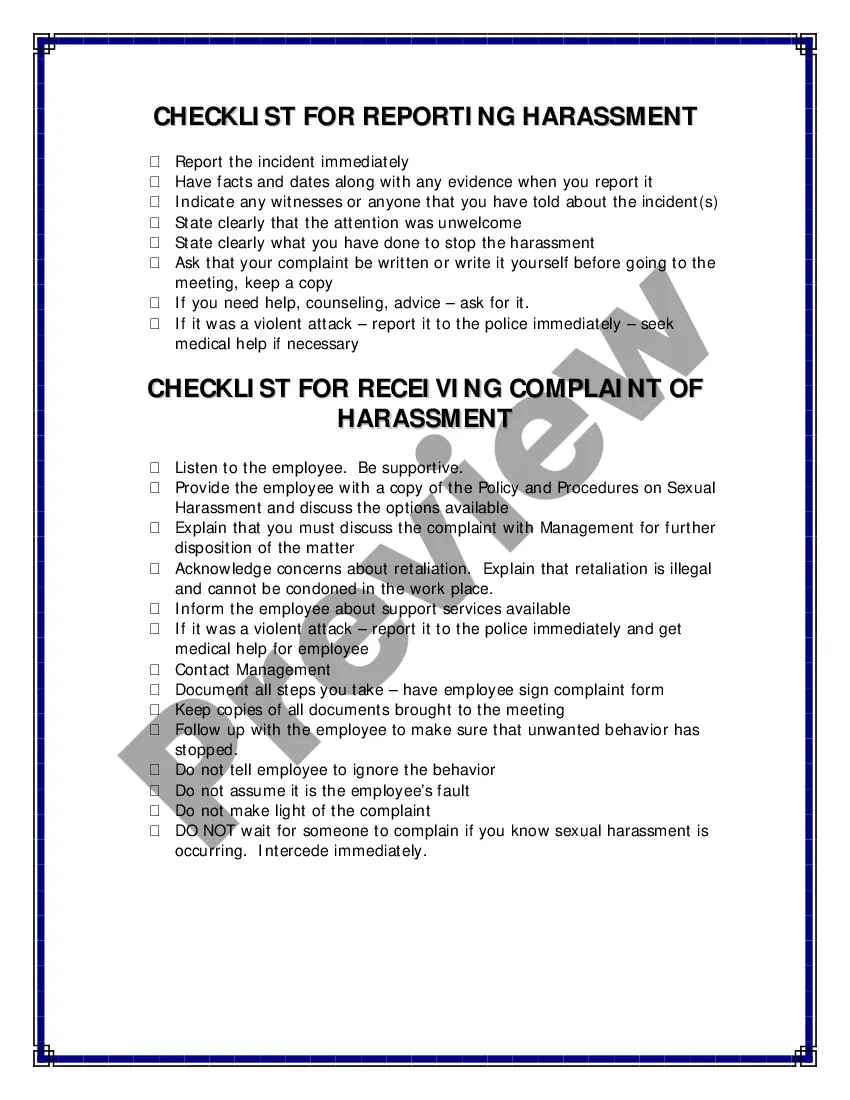

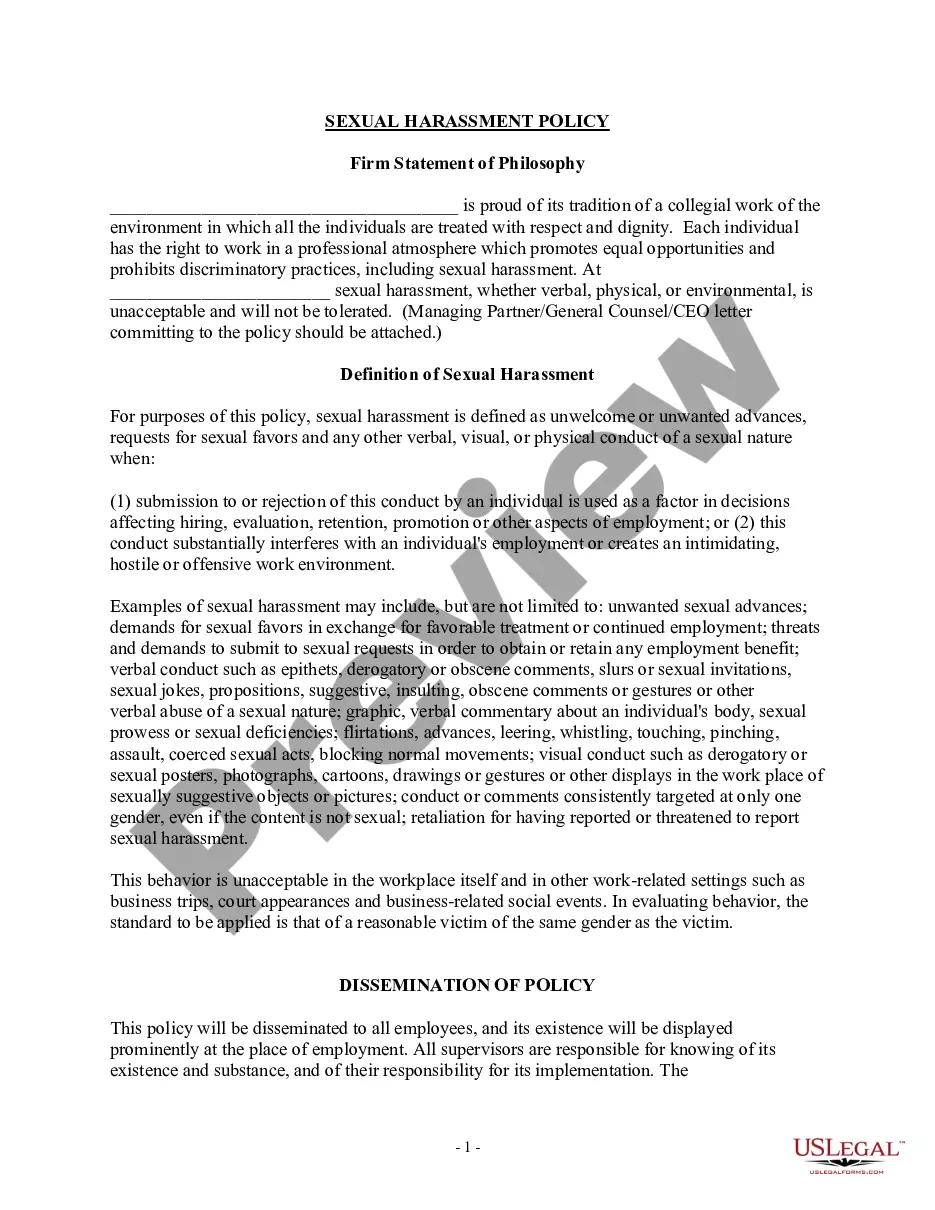
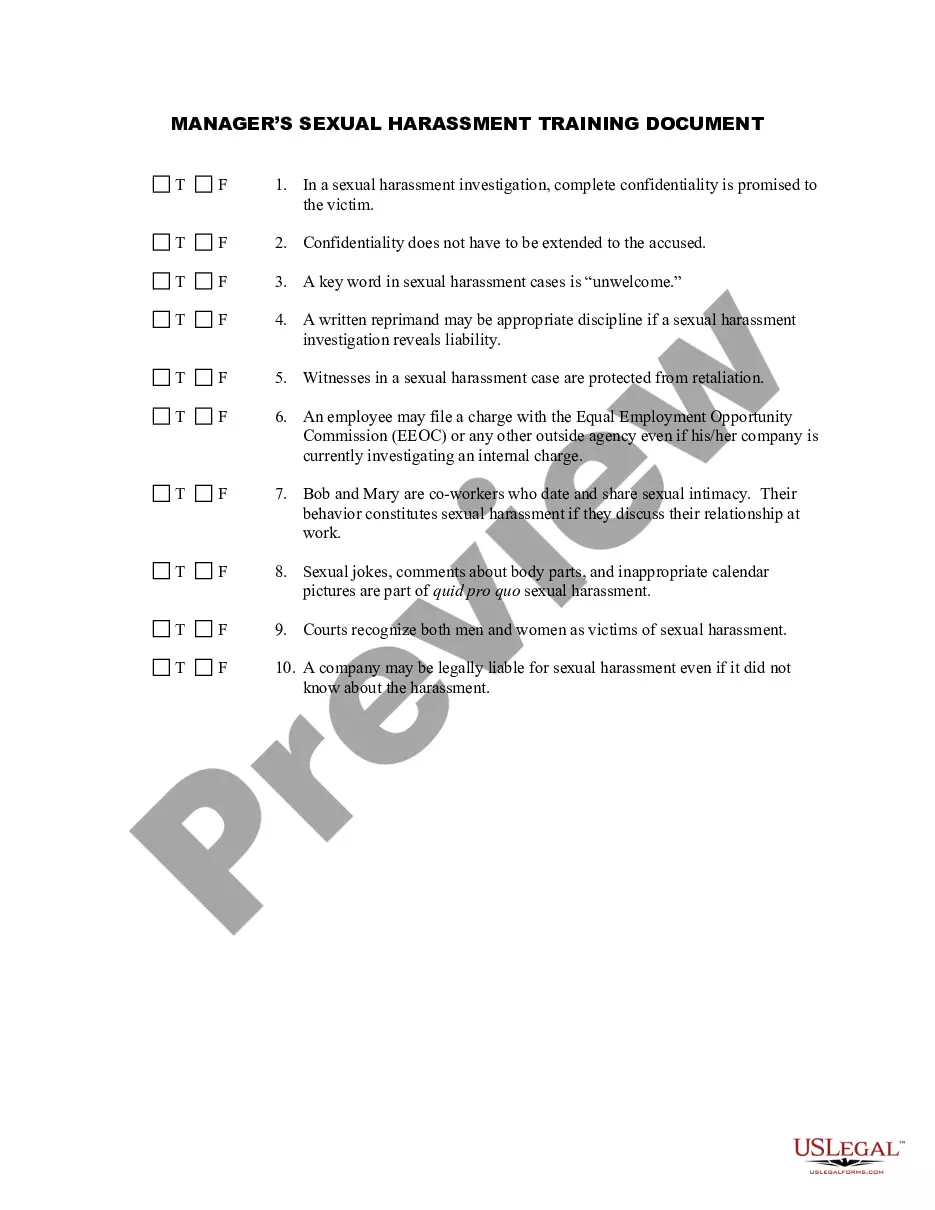
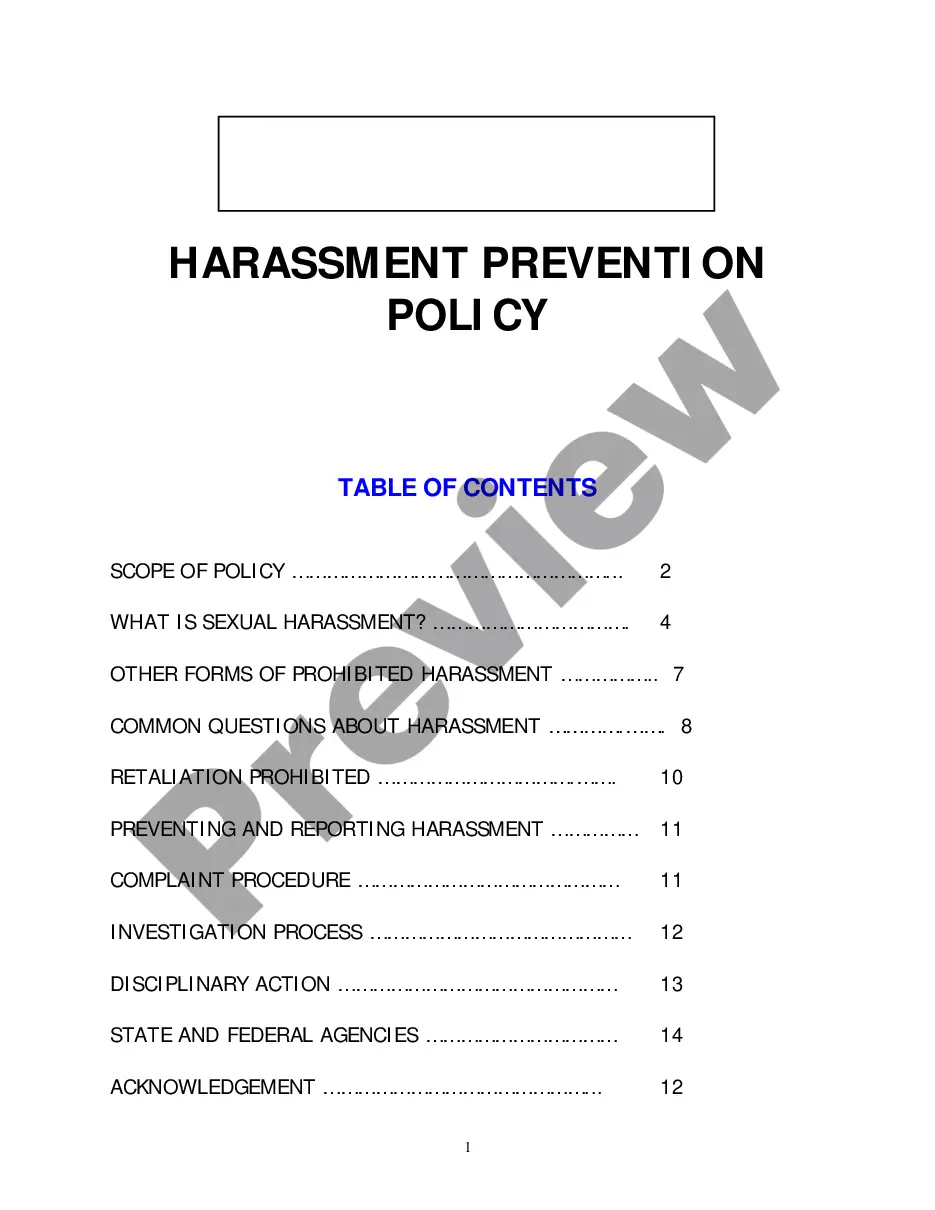
How to fill out Harassment Training Handbook - Sexual As Well As Other Forms Of Harassment - Workplace?
You might spend numerous hours online searching for the legal documents template that meets the federal and state requirements you desire.
US Legal Forms offers a vast selection of legal forms that can be reviewed by experts.
You can easily download or print the Montana Harassment Training Handbook - Sexual and other Workplace Harassment forms from the service.
First, ensure that you have selected the correct document template for the state/town of your choice. Review the form description to verify that you have chosen the correct document. If available, use the Review button to look through the document template as well.
- If you possess a US Legal Forms account, you can sign in and click on the Download button.
- After that, you can complete, modify, print, or sign the Montana Harassment Training Handbook - Sexual and other Workplace Harassment forms.
- Every legal document template you acquire belongs to you indefinitely.
- To get another copy of any purchased form, visit the My documents section and click the appropriate button.
- If you are using the US Legal Forms site for the first time, follow the simple instructions below.
Form popularity
FAQ
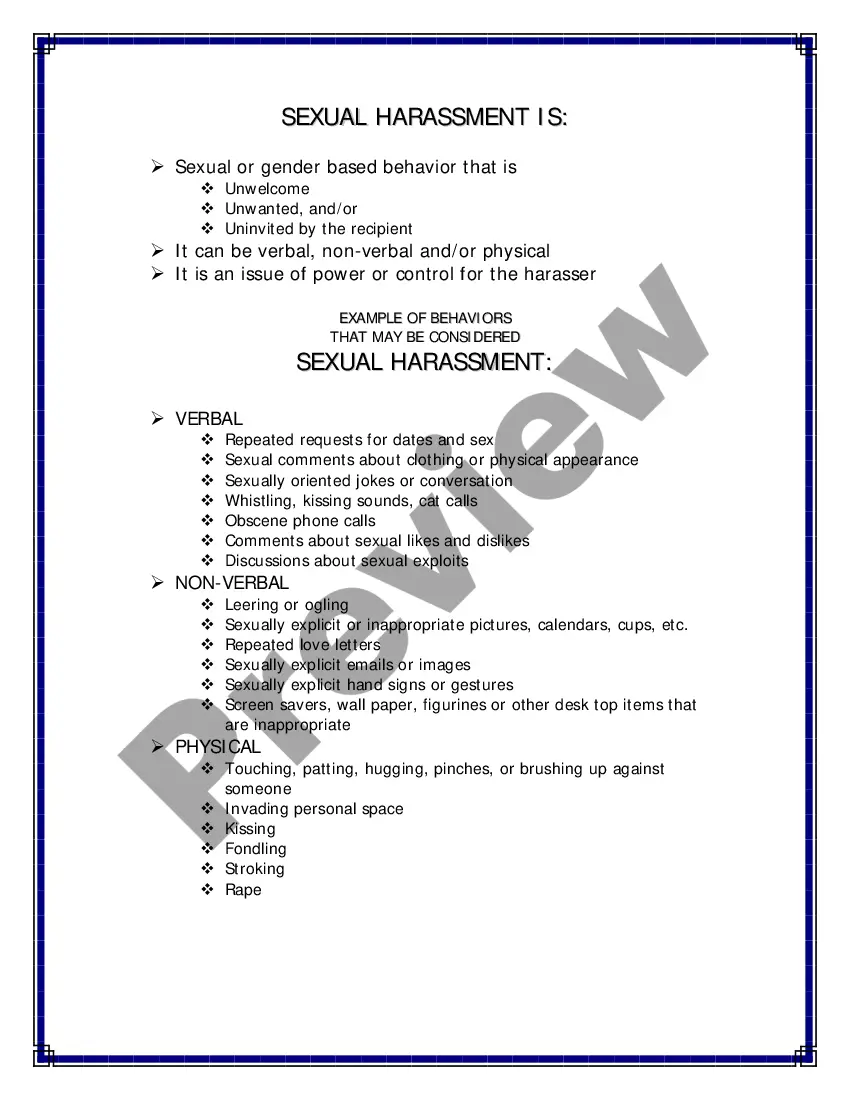
Harassment encompasses a broad range of unwanted behaviors, while sexual harassment specifically pertains to inappropriate actions of a sexual nature. Both forms can seriously affect the workplace, but sexual harassment includes remarks, gestures, or actions that have sexual connotations. Understanding this distinction is important, and the Montana Harassment Training Handbook - Sexual as well as other forms of Harassment - Workplace can offer further clarity on both topics, ensuring a respectful work environment.
In Montana, harassment generally includes unwanted and aggressive behavior that creates a hostile work environment. This can involve verbal abuse, bullying, or any unwanted advances that distress an employee. The Montana Harassment Training Handbook - Sexual as well as other forms of Harassment - Workplace outlines specific behaviors that are considered harassment, helping you recognize and address these serious issues effectively.
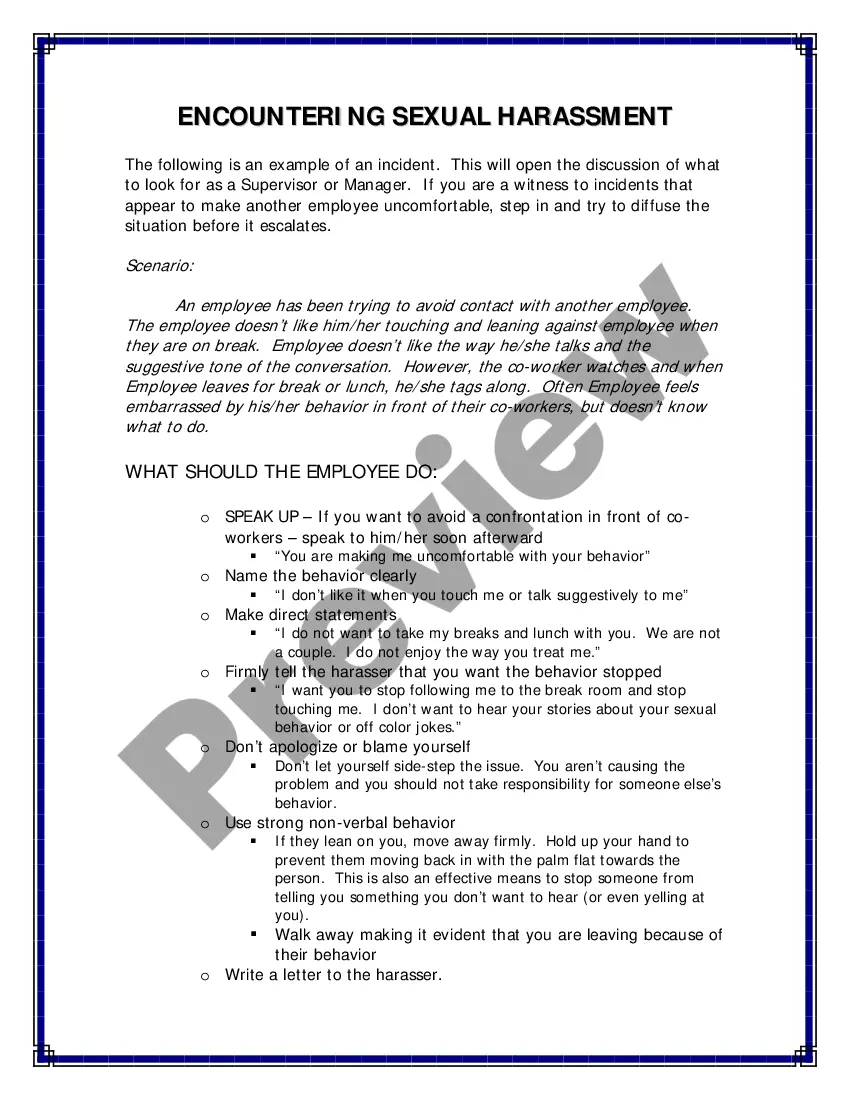
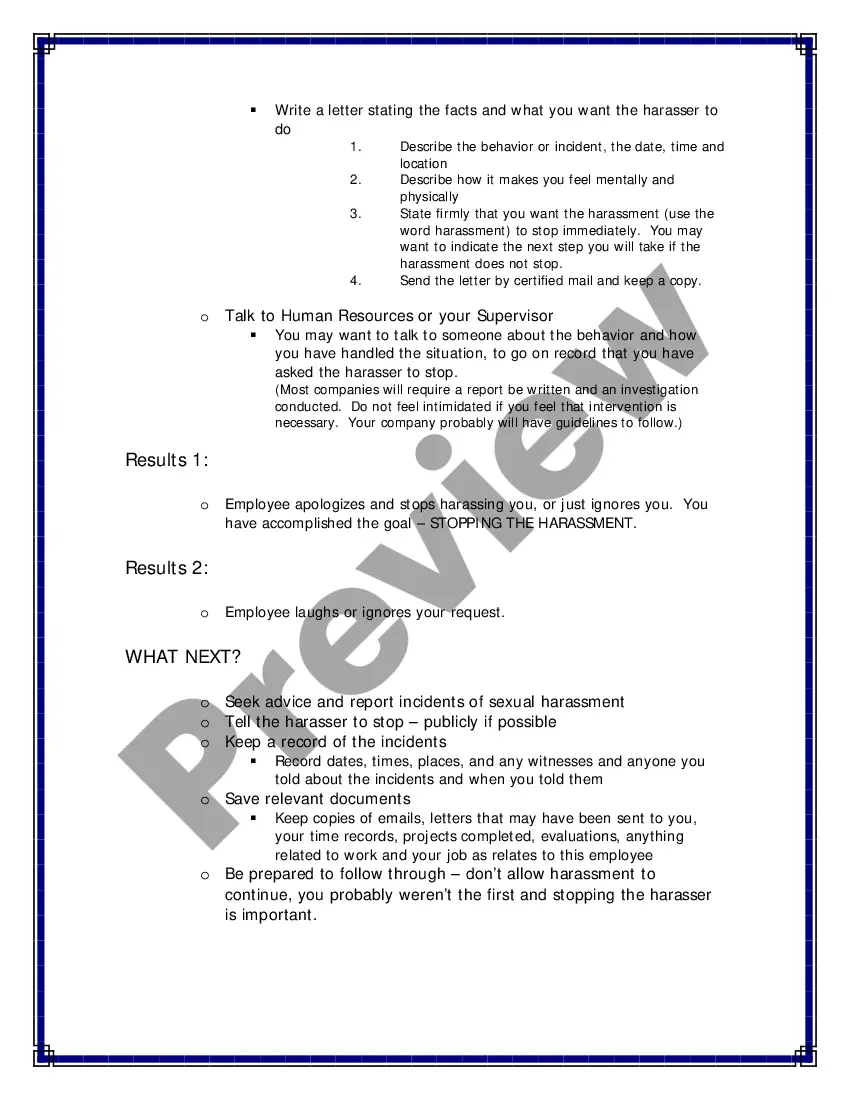
To prove harassment, you typically need to gather evidence that shows the behavior occurred. This may include witness statements, emails, text messages, or recorded conversations that demonstrate a pattern of unwanted behavior. It's crucial to document every incident clearly, as this information can support your case. For those looking to understand more, the Montana Harassment Training Handbook - Sexual as well as other forms of Harassment - Workplace can provide essential guidance.
Three common actions that are considered harassment include verbal abuse, physical intimidation, and unwanted sexual advances. Each of these behaviors can lead to a toxic work environment and violate company policies. The Montana Harassment Training Handbook - Sexual as well as other forms of Harassment - Workplace provides insights on recognizing and eliminating such behaviors. Utilizing these resources can foster a healthier workplace culture.
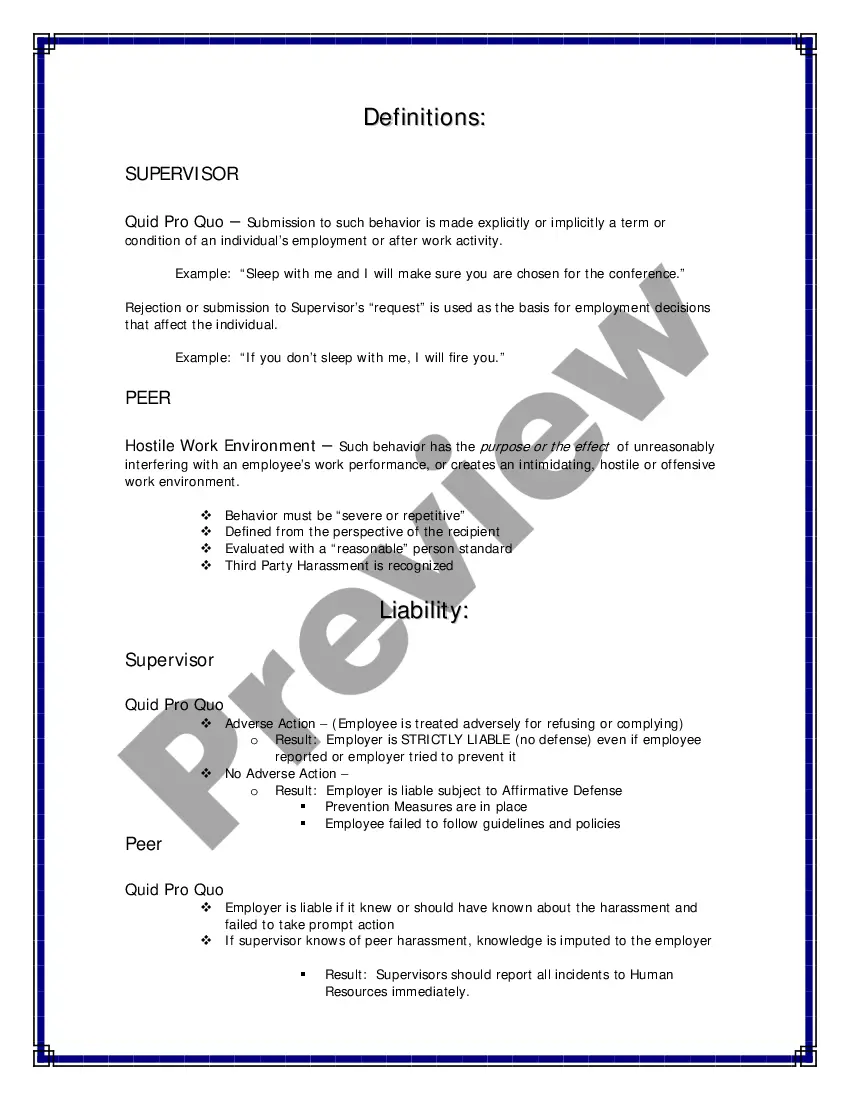
Legally, harassment is defined by four key elements: 1) the behavior must be unwelcome, 2) it must be based on a protected characteristic, 3) it must be severe or pervasive enough to create a hostile environment, and 4) it affects the victim's work performance or creates an intimidating atmosphere. Using the Montana Harassment Training Handbook - Sexual as well as other forms of Harassment - Workplace can help individuals understand these elements clearly. This knowledge empowers employees and employers to take appropriate action.
A behavior qualifies as harassment when it is unwelcome, persistent, and negatively affects an individual's work environment or job performance. For instance, repeated inappropriate jokes or comments can cross the line into harassment. The Montana Harassment Training Handbook - Sexual as well as other forms of Harassment - Workplace serves as an essential resource for identifying these behaviors and responding appropriately. Being proactive ensures a safer and more respectful workplace.
Harassment includes any unwelcome behavior that creates an intimidating, hostile, or abusive work environment. It encompasses various actions such as unwanted advances, derogatory comments, or spreading malicious rumors. The Montana Harassment Training Handbook - Sexual as well as other forms of Harassment - Workplace provides guidance on recognizing and addressing these behaviors effectively. Understanding these nuances can help maintain a respectful workplace.
Workplace harassment can manifest in various ways, including verbal harassment, physical harassment, and visual harassment. Verbal harassment involves offensive comments, jokes, or threats directed at an individual, creating a hostile work environment. Physical harassment includes any unwanted physical contact or intimidation, while visual harassment may consist of inappropriate images or materials displayed at work. The Montana Harassment Training Handbook - Sexual as well as other forms of Harassment - Workplace addresses these types of harassment, offering essential training tools to help organizations foster a respectful and safe workplace.