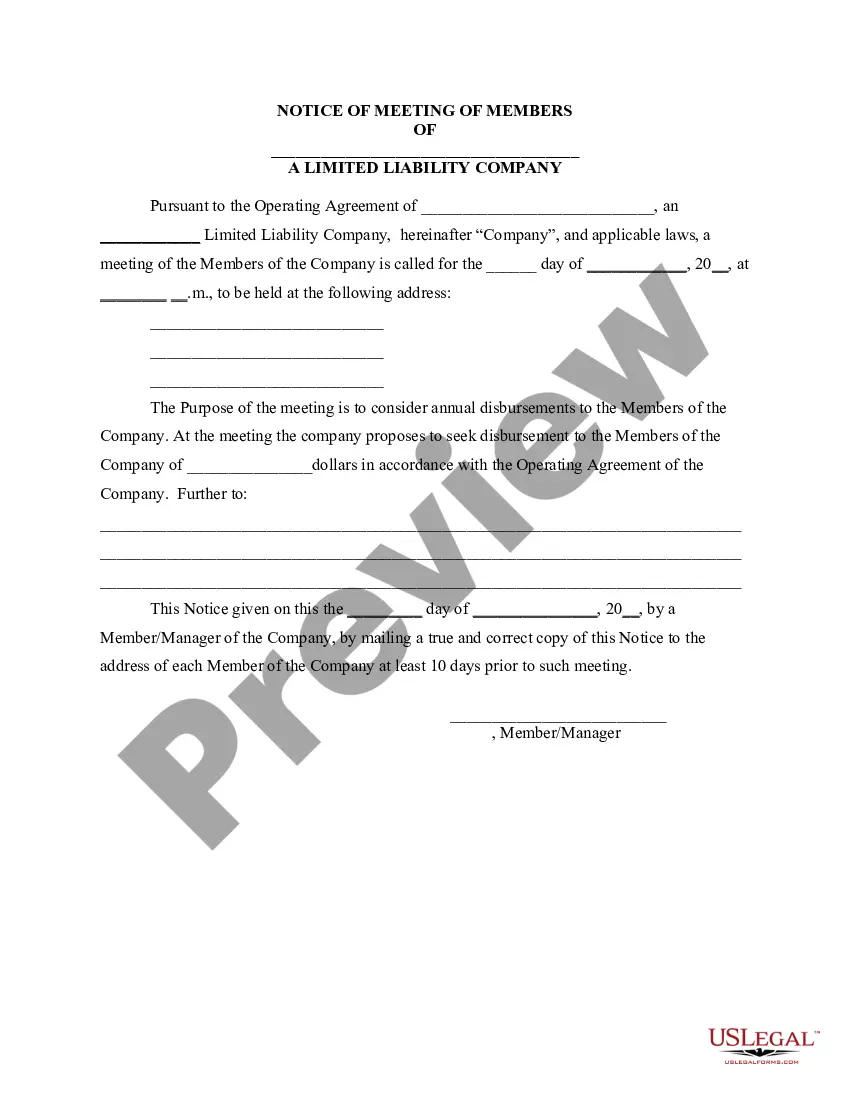
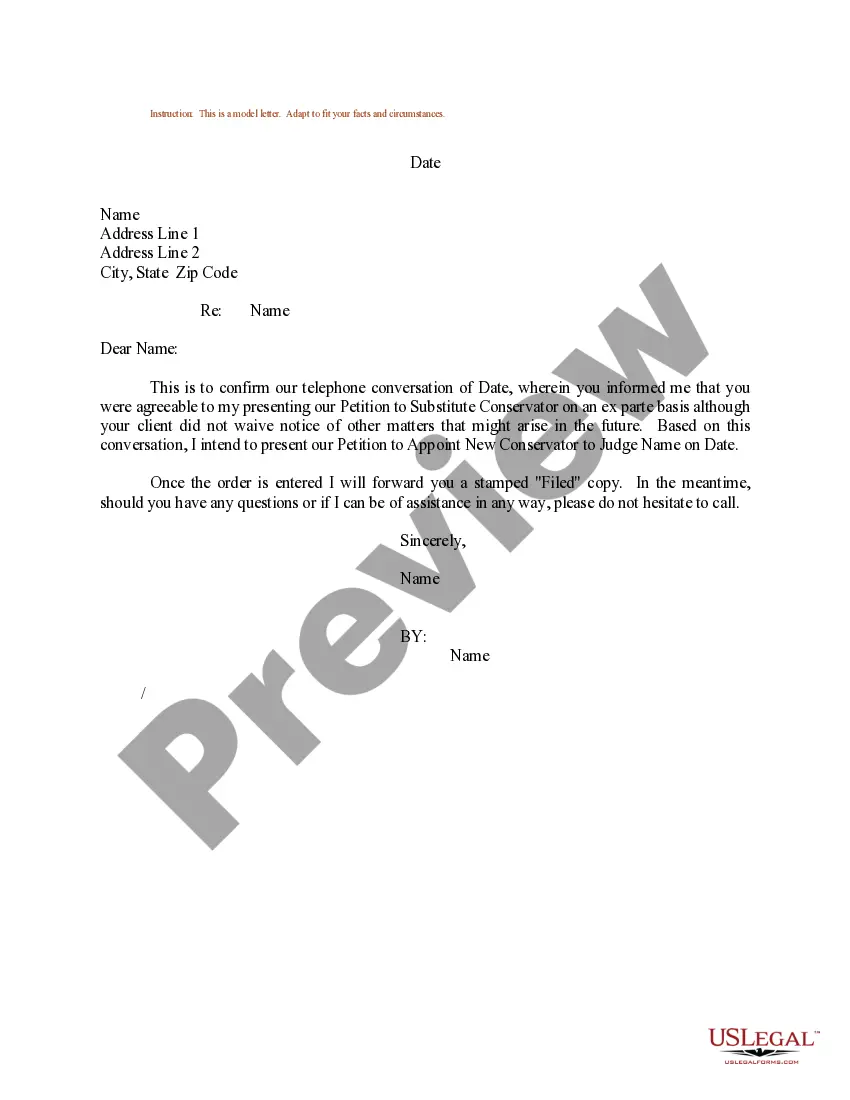
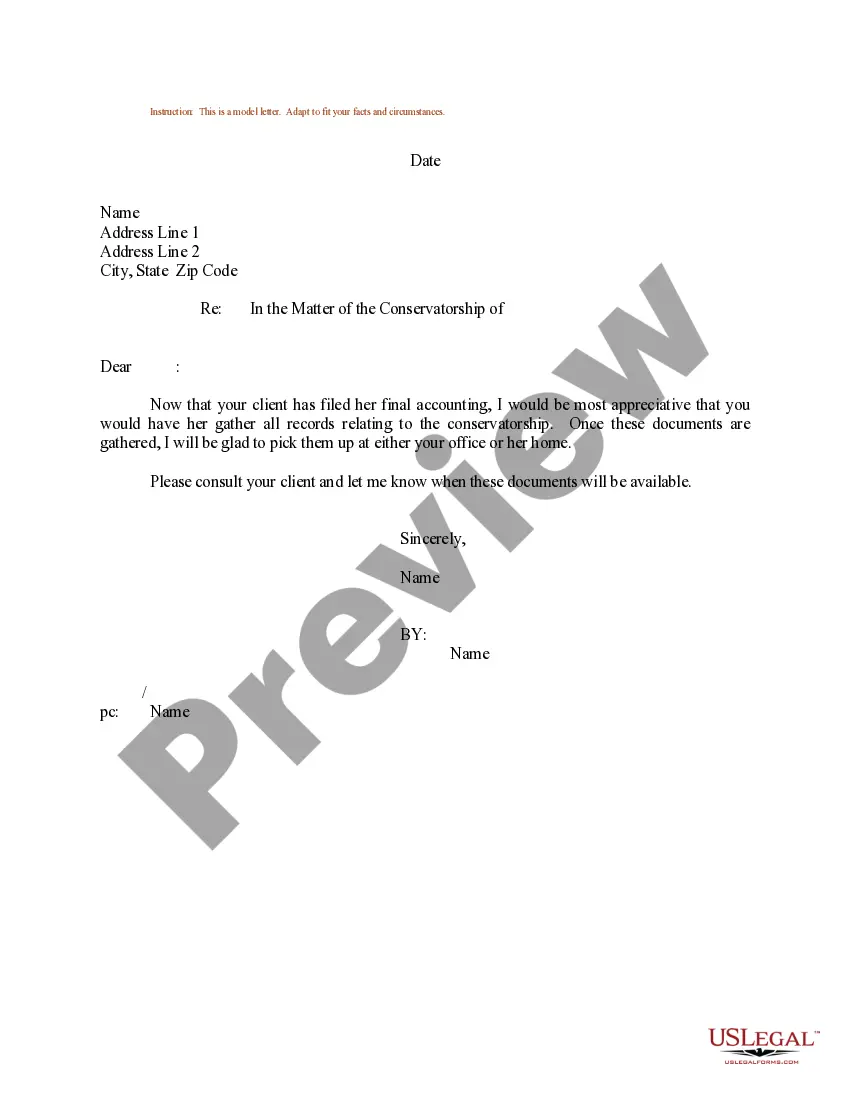
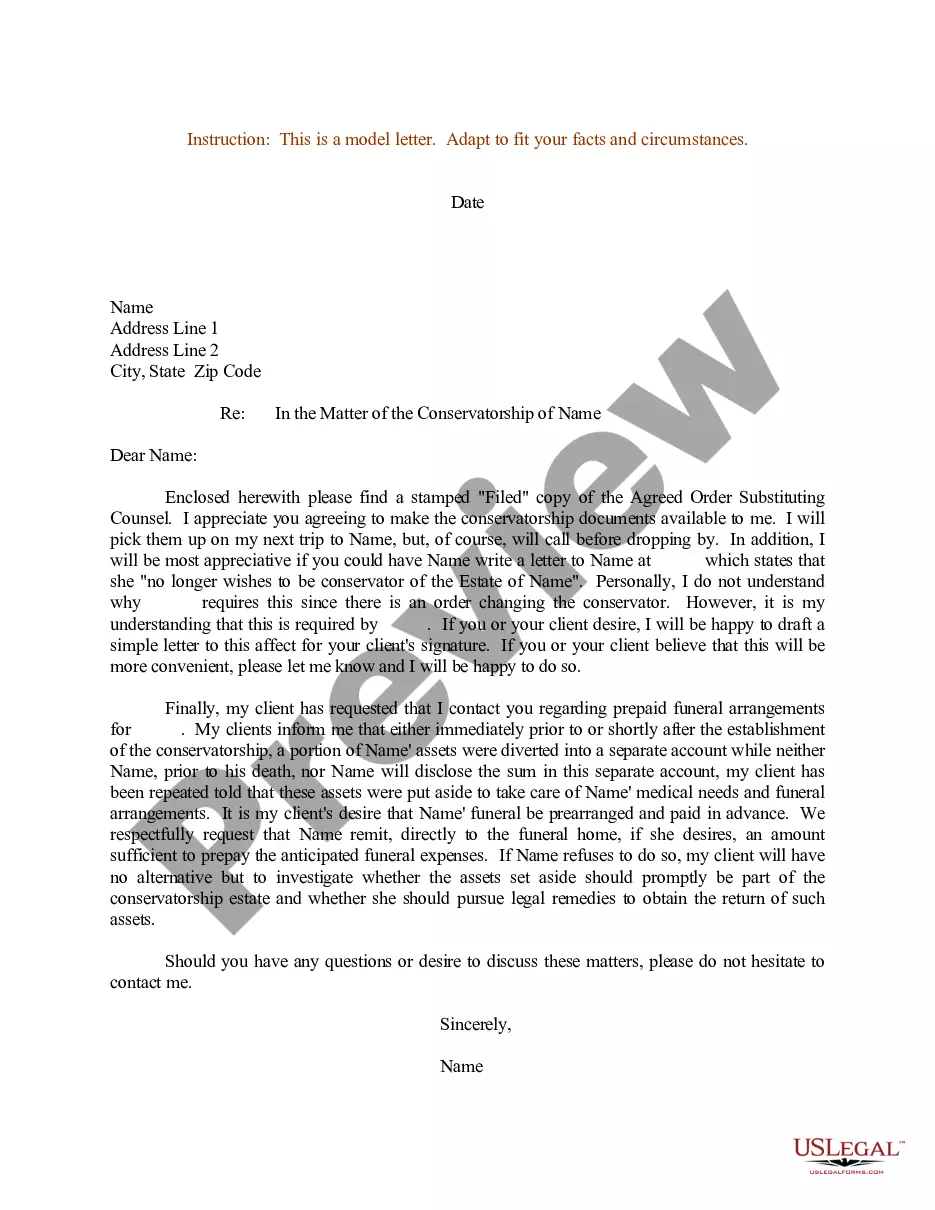
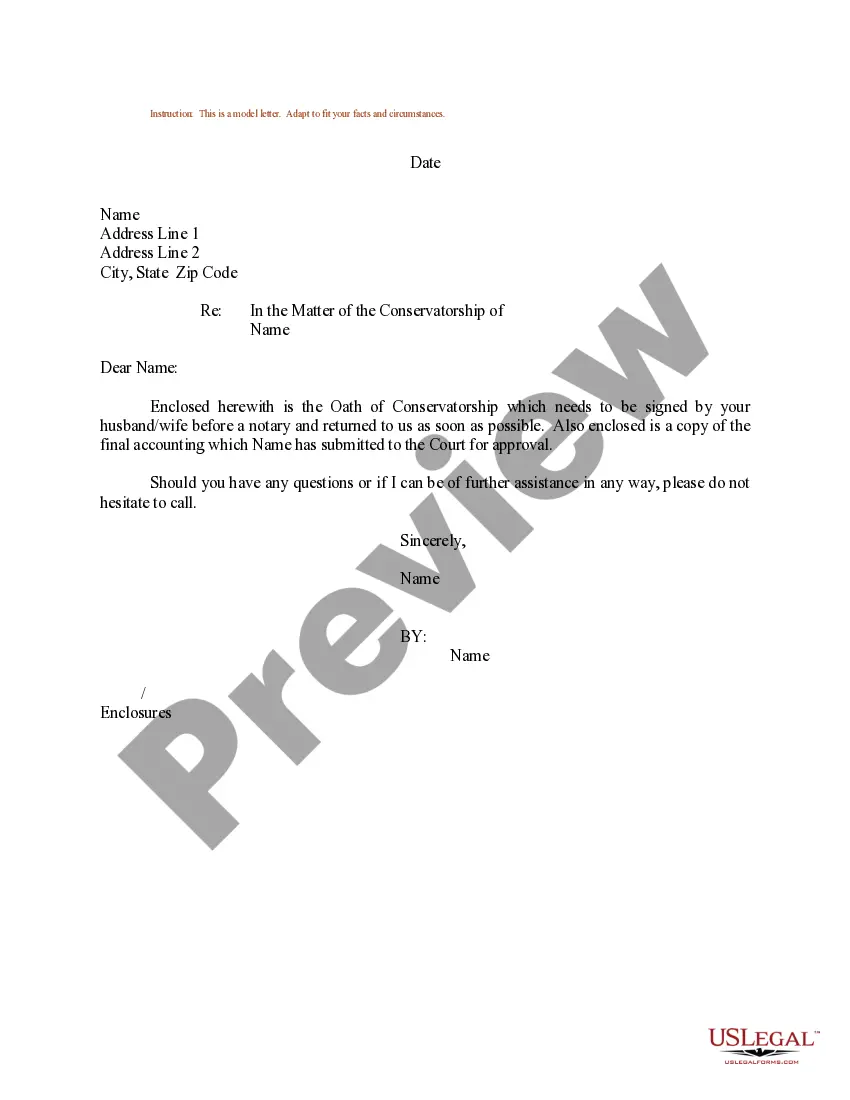
Montana Sample Letter for Petition to Substitute Conservator
Description
Get your form ready online
Our built-in tools help you complete, sign, share, and store your documents in one place.
Make edits, fill in missing information, and update formatting in US Legal Forms—just like you would in MS Word.
Download a copy, print it, send it by email, or mail it via USPS—whatever works best for your next step.
Sign and collect signatures with our SignNow integration. Send to multiple recipients, set reminders, and more. Go Premium to unlock E-Sign.
If this form requires notarization, complete it online through a secure video call—no need to meet a notary in person or wait for an appointment.
We protect your documents and personal data by following strict security and privacy standards.

Make edits, fill in missing information, and update formatting in US Legal Forms—just like you would in MS Word.

Download a copy, print it, send it by email, or mail it via USPS—whatever works best for your next step.

Sign and collect signatures with our SignNow integration. Send to multiple recipients, set reminders, and more. Go Premium to unlock E-Sign.

If this form requires notarization, complete it online through a secure video call—no need to meet a notary in person or wait for an appointment.

We protect your documents and personal data by following strict security and privacy standards.
Looking for another form?
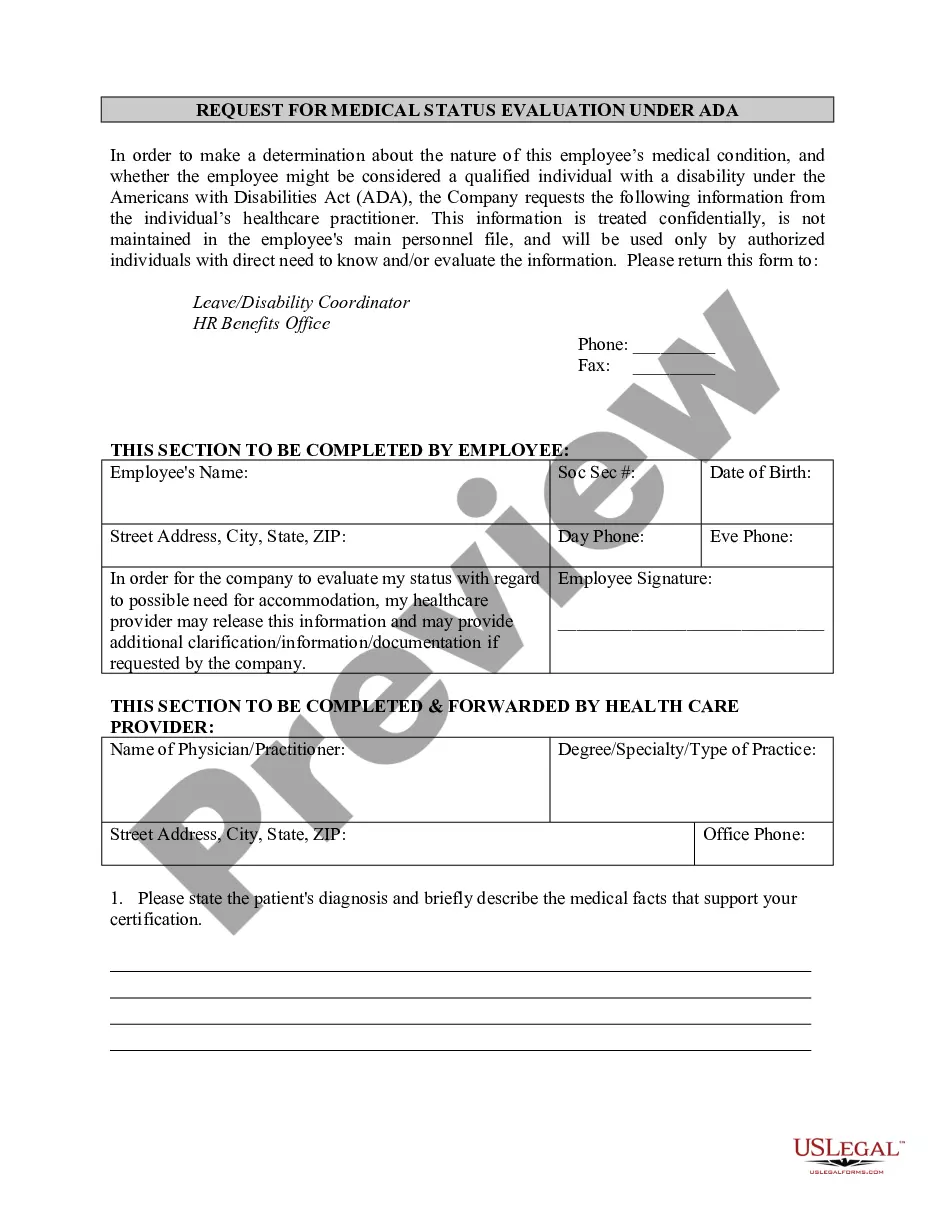







How to fill out Sample Letter For Petition To Substitute Conservator?
You are able to invest hrs on-line attempting to find the lawful papers web template that fits the state and federal requirements you need. US Legal Forms gives a huge number of lawful varieties that are evaluated by professionals. It is simple to acquire or print out the Montana Sample Letter for Petition to Substitute Conservator from my support.
If you already have a US Legal Forms profile, you can log in and click on the Acquire key. After that, you can total, change, print out, or signal the Montana Sample Letter for Petition to Substitute Conservator. Every single lawful papers web template you get is your own property for a long time. To have yet another version of the bought develop, visit the My Forms tab and click on the corresponding key.
If you work with the US Legal Forms website initially, adhere to the basic directions beneath:
- First, make sure that you have selected the best papers web template for that county/town of your choosing. Read the develop description to ensure you have chosen the proper develop. If readily available, take advantage of the Review key to search throughout the papers web template as well.
- In order to discover yet another version of your develop, take advantage of the Lookup industry to obtain the web template that fits your needs and requirements.
- Upon having discovered the web template you desire, click on Purchase now to move forward.
- Find the rates program you desire, type in your references, and sign up for an account on US Legal Forms.
- Total the deal. You should use your bank card or PayPal profile to fund the lawful develop.
- Find the format of your papers and acquire it to your system.
- Make alterations to your papers if necessary. You are able to total, change and signal and print out Montana Sample Letter for Petition to Substitute Conservator.
Acquire and print out a huge number of papers templates making use of the US Legal Forms Internet site, which offers the greatest variety of lawful varieties. Use professional and status-distinct templates to tackle your organization or person demands.
Form popularity
FAQ
Persons seeking conservatorship over a minor or incapacitated adult must file a petition for appointment with the district court with jurisdiction over where the minor/adult resides or owns property.
Guardians and conservators are appointed by a court. Any interested person can file a petition with the Superior Court asking the judge to decide these things: Can you meet your essential needs for physical health, safety, or self-care? Is a guardian or conservator needed to prevent harm to you?
Anyone considering becoming a legal guardian for an adult in Montana must first file a petition with the court, describing why the person in question requires a guardian, along with information about the proposed guardian. The petition also needs to provide the contact information for all involved family members.
Some people use ?conservatorship? and ?guardianship? interchangeably, but, in Montana, they are distinct legal processes. A guardian is responsible for making personal and healthcare-related decisions on behalf of the disabled individual, while a conservator manages the individual's finances.
When a guardianship is established for a minor child in the state of Montana, the guardian is responsible for the health and well being of that child. If a parent is not willing or able to meet the needs of a child, the Court may appoint a guardian for that child.
72-5-427. Powers of conservator in administration. (1) A conservator has all of the powers conferred in this section and any additional powers conferred by law on trustees in this state.
Some people use ?conservatorship? and ?guardianship? interchangeably, but, in Montana, they are distinct legal processes. A guardian is responsible for making personal and healthcare-related decisions on behalf of the disabled individual, while a conservator manages the individual's finances.