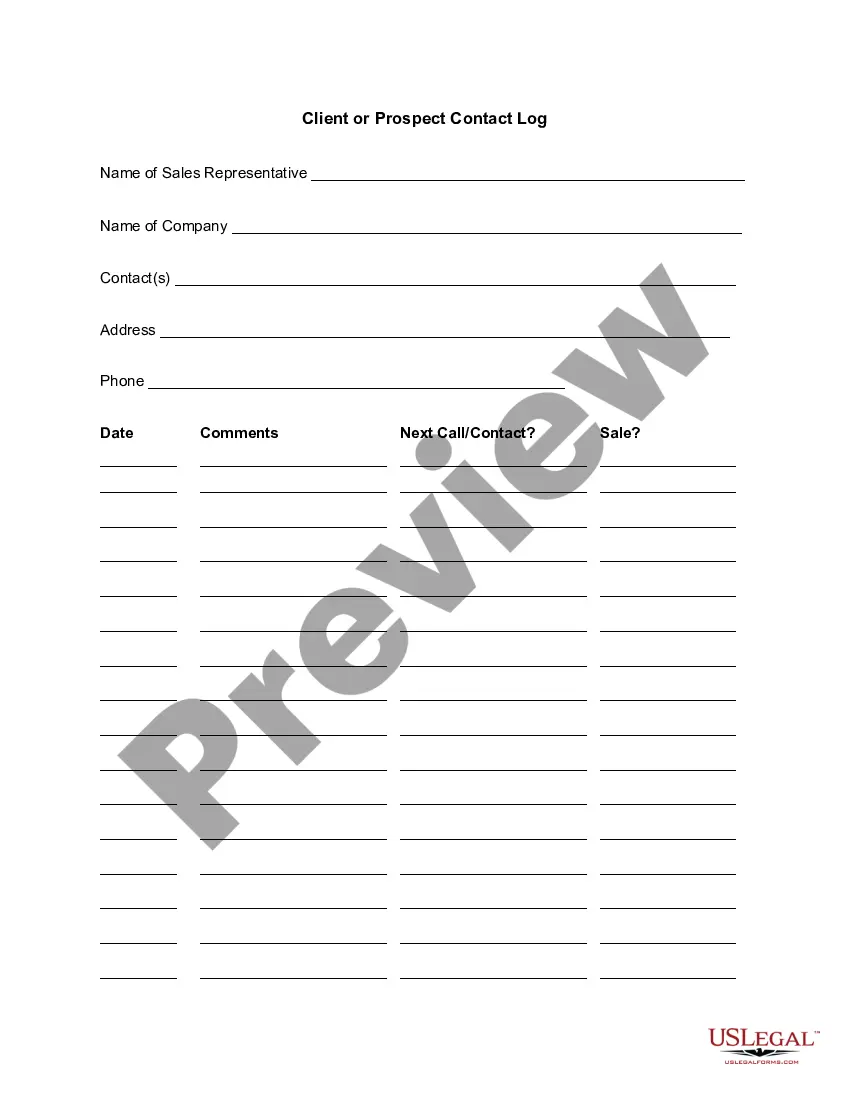
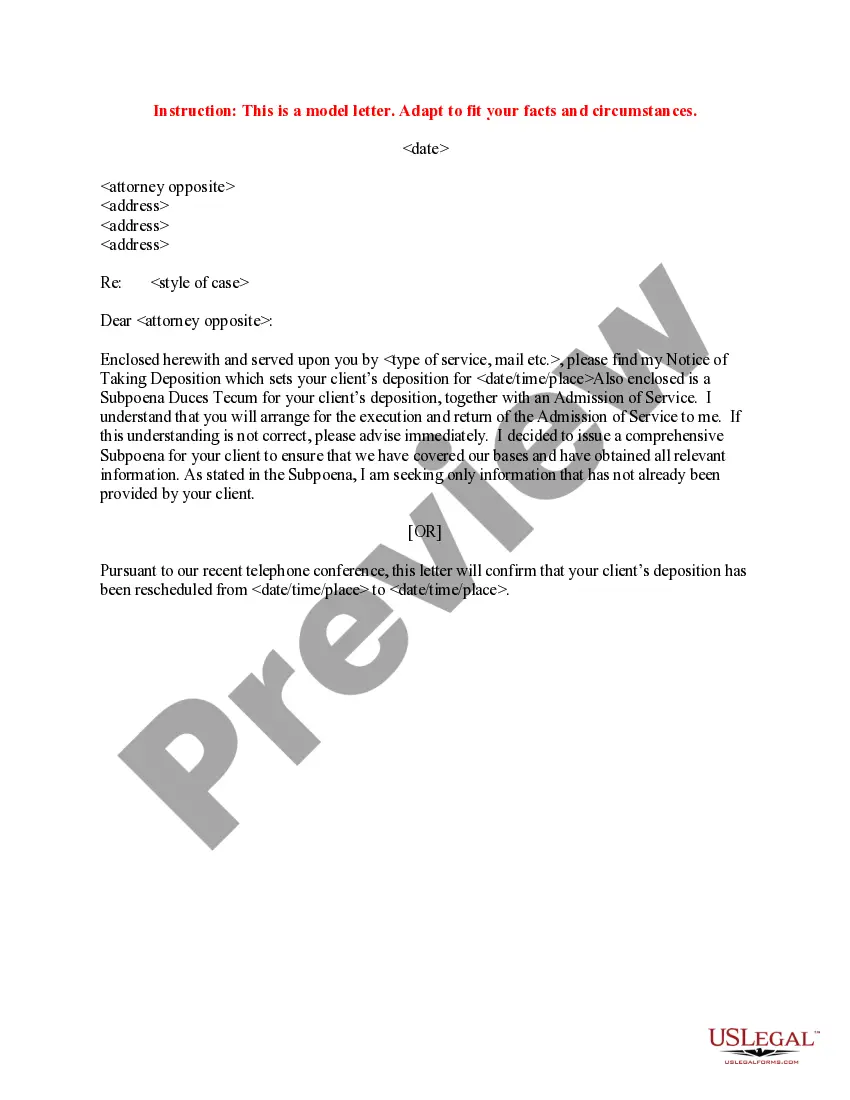
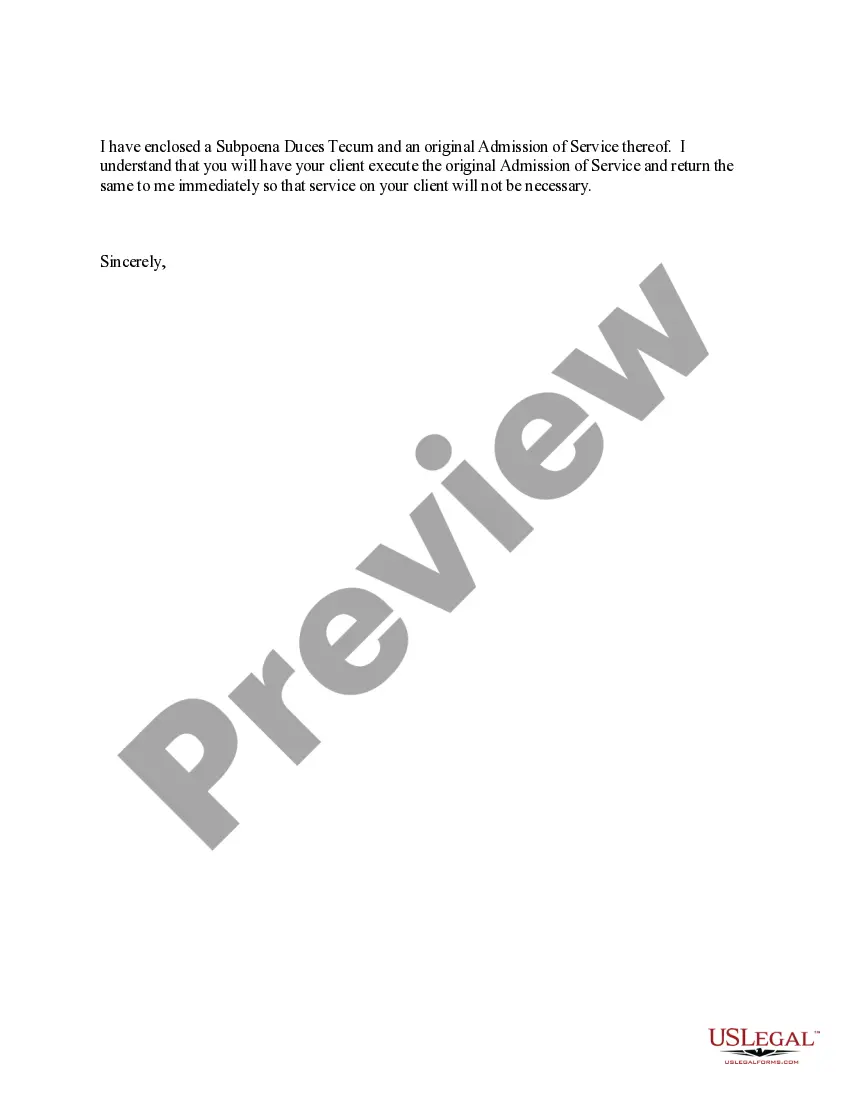
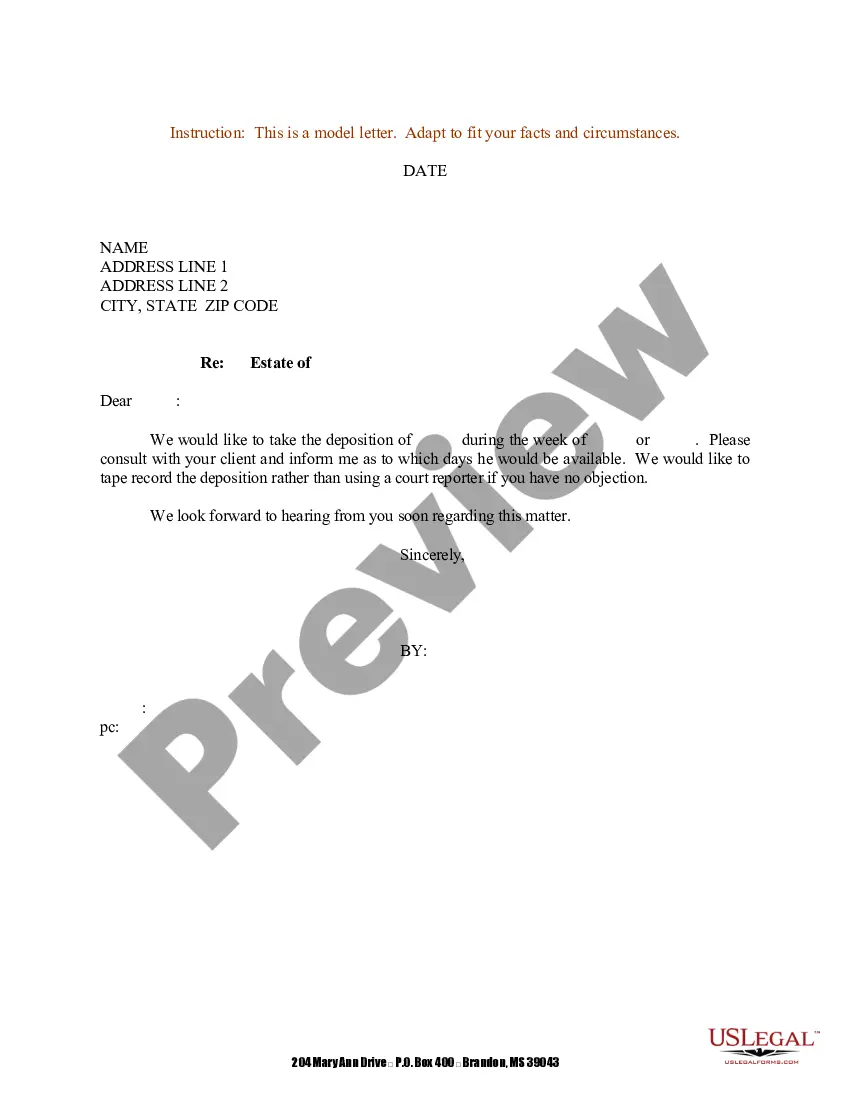
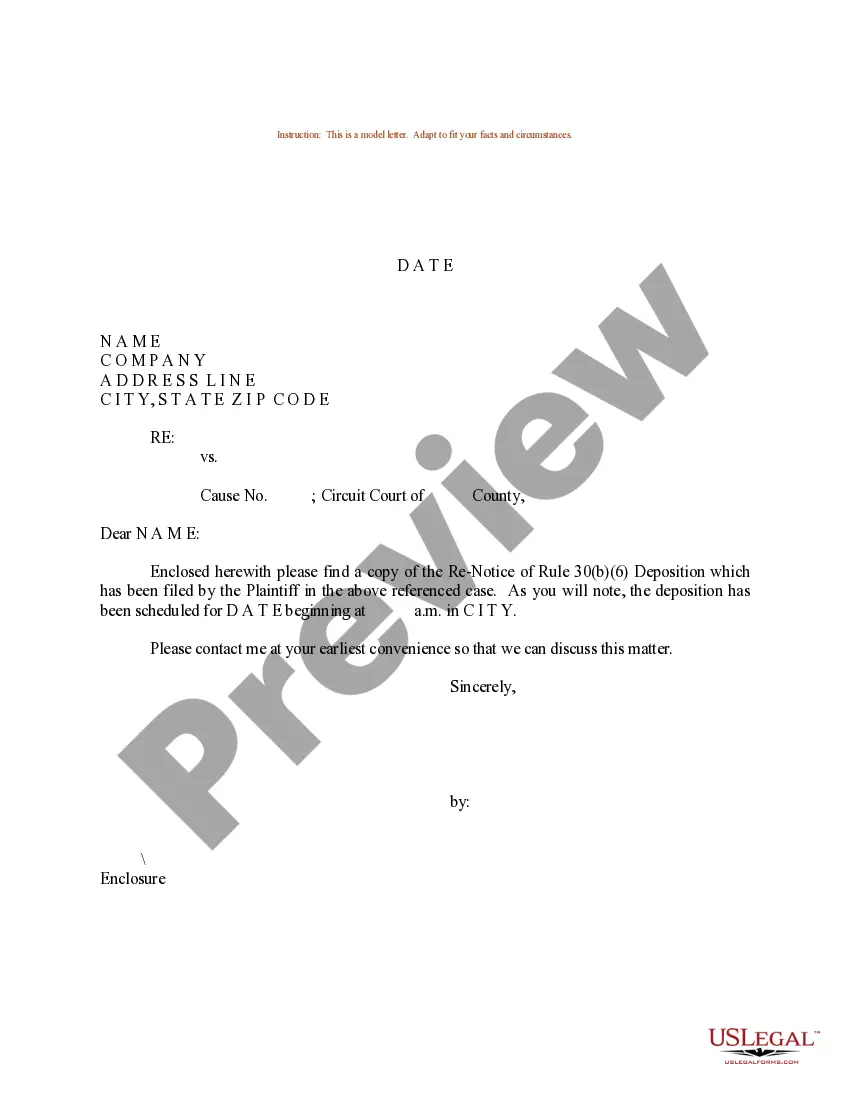
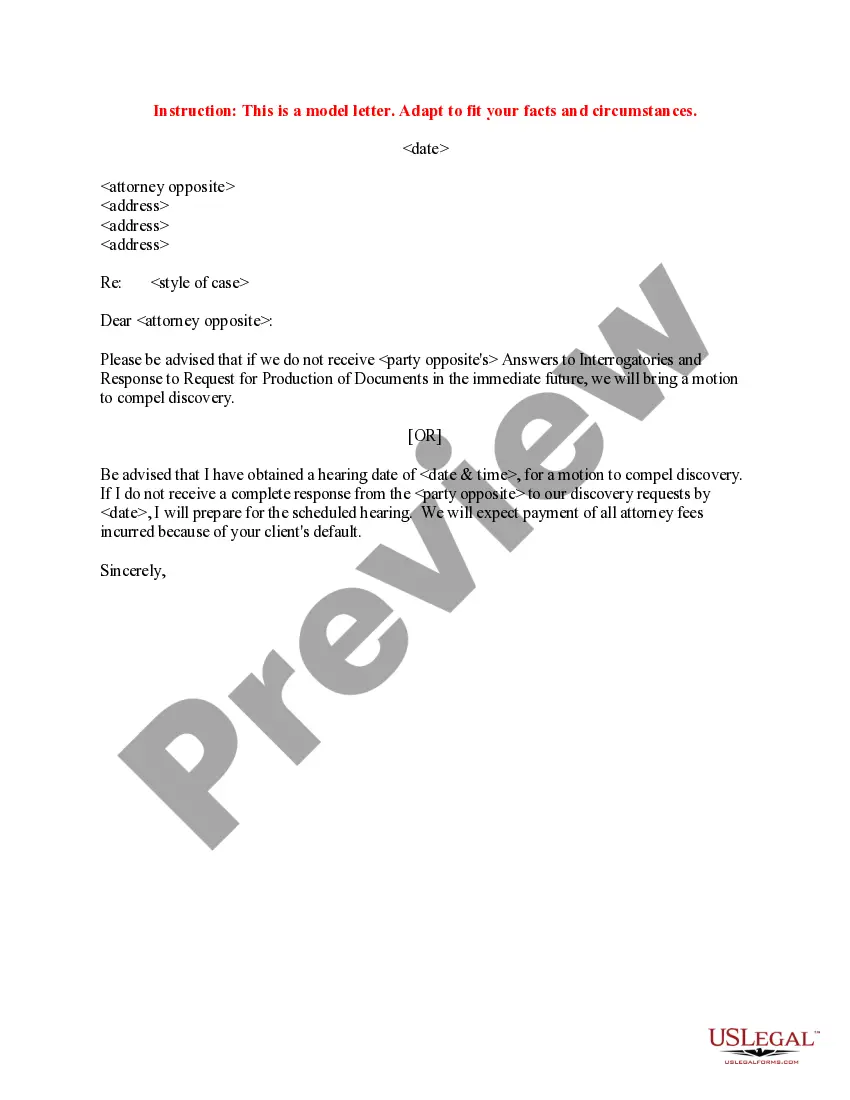
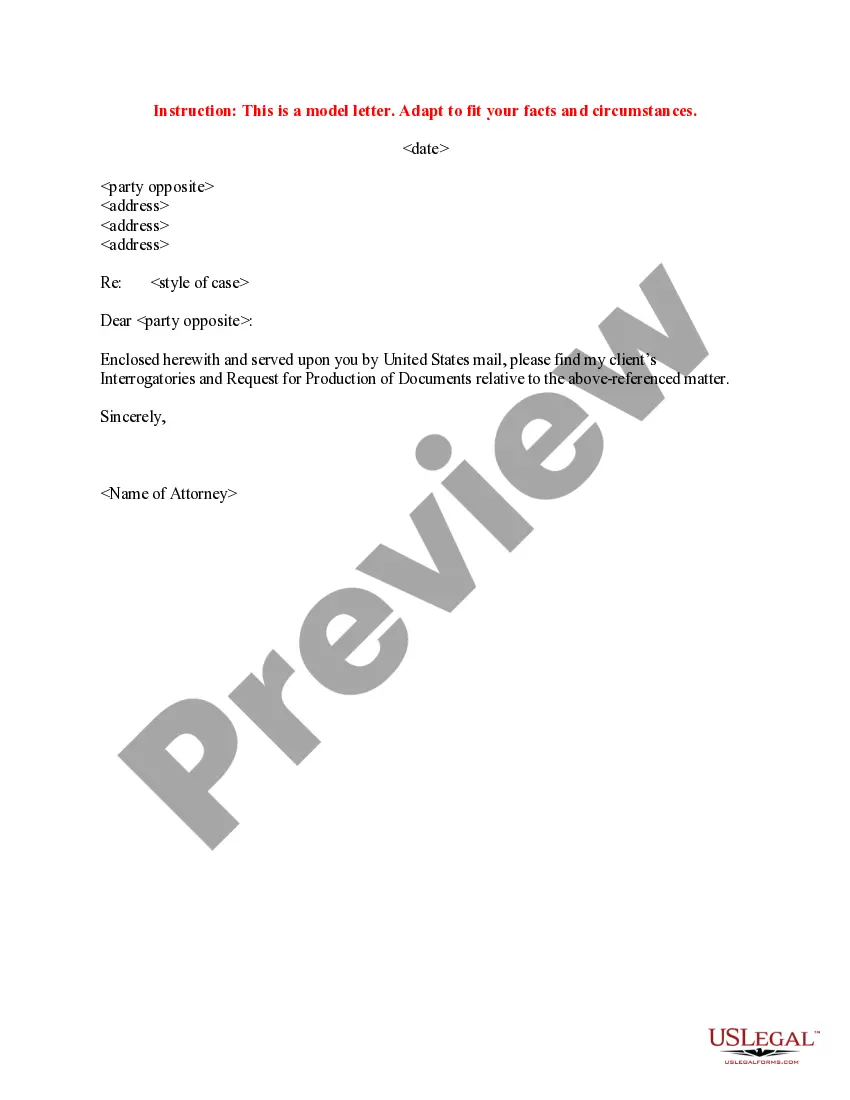
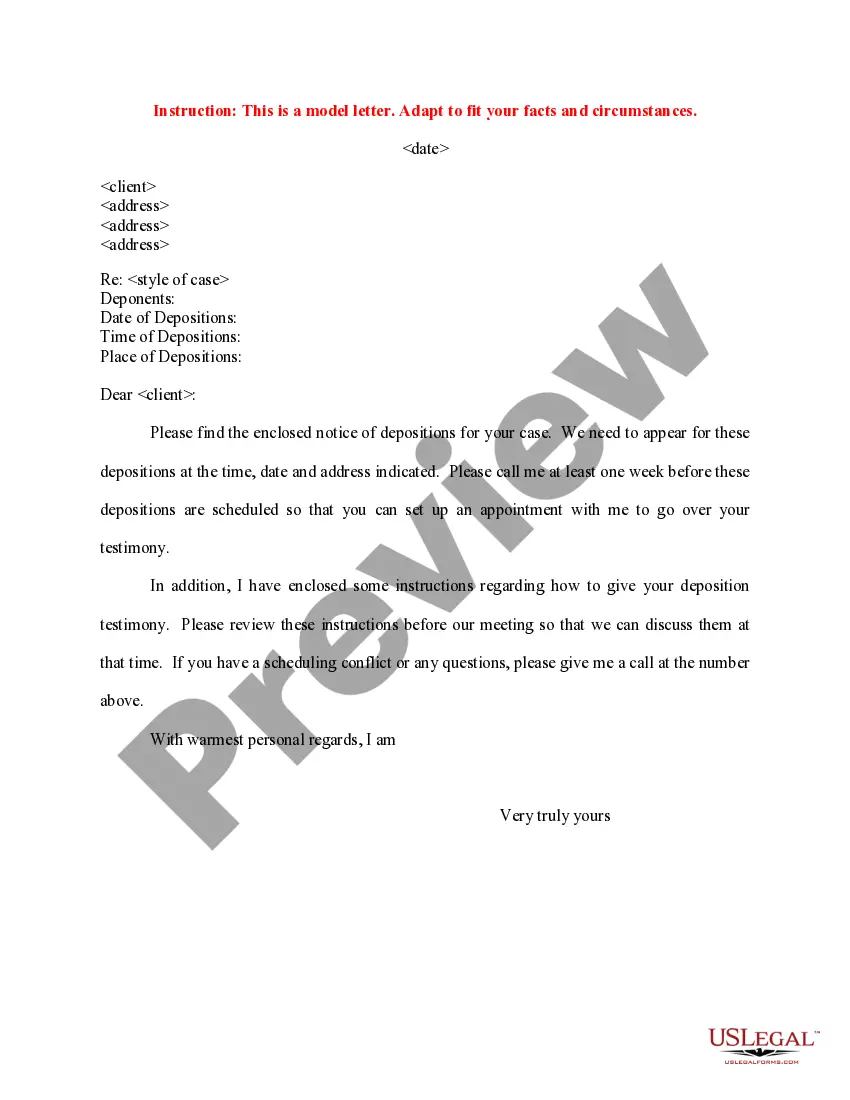
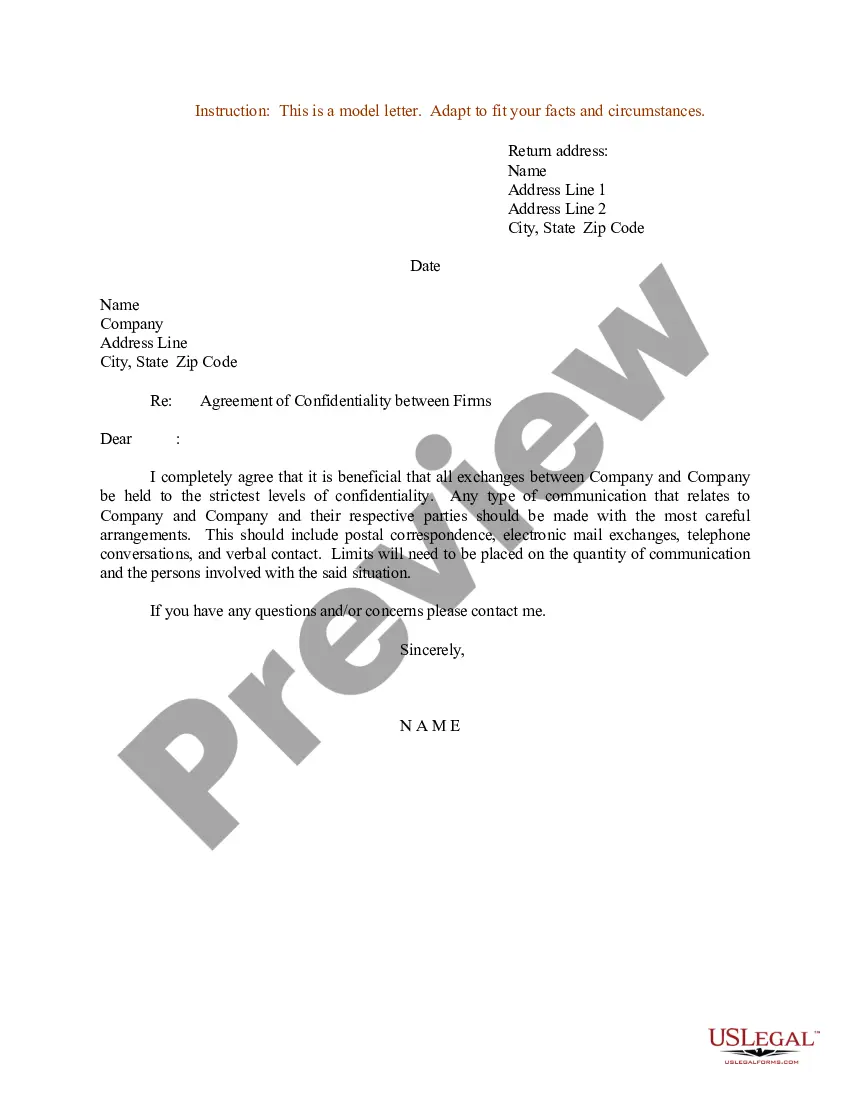
Montana Discovery - Sample Letter to Opposing Counsel regarding Deposition and Subpoena Duces Tecum
Description
Get your form ready online
Our built-in tools help you complete, sign, share, and store your documents in one place.
Make edits, fill in missing information, and update formatting in US Legal Forms—just like you would in MS Word.
Download a copy, print it, send it by email, or mail it via USPS—whatever works best for your next step.
Sign and collect signatures with our SignNow integration. Send to multiple recipients, set reminders, and more. Go Premium to unlock E-Sign.
If this form requires notarization, complete it online through a secure video call—no need to meet a notary in person or wait for an appointment.
We protect your documents and personal data by following strict security and privacy standards.

Make edits, fill in missing information, and update formatting in US Legal Forms—just like you would in MS Word.

Download a copy, print it, send it by email, or mail it via USPS—whatever works best for your next step.

Sign and collect signatures with our SignNow integration. Send to multiple recipients, set reminders, and more. Go Premium to unlock E-Sign.

If this form requires notarization, complete it online through a secure video call—no need to meet a notary in person or wait for an appointment.

We protect your documents and personal data by following strict security and privacy standards.
Looking for another form?


How to fill out Discovery - Sample Letter To Opposing Counsel Regarding Deposition And Subpoena Duces Tecum?
US Legal Forms - one of the most significant libraries of legal varieties in the USA - provides a variety of legal record templates you are able to down load or print. Using the site, you can find thousands of varieties for business and individual reasons, sorted by classes, suggests, or search phrases.You will discover the latest types of varieties much like the Montana Discovery - Sample Letter to Opposing Counsel regarding Deposition and Subpoena Duces Tecum in seconds.
If you currently have a registration, log in and down load Montana Discovery - Sample Letter to Opposing Counsel regarding Deposition and Subpoena Duces Tecum through the US Legal Forms local library. The Download key can look on each and every develop you look at. You gain access to all in the past downloaded varieties within the My Forms tab of the profile.
If you wish to use US Legal Forms the very first time, here are straightforward guidelines to help you get began:
- Be sure you have selected the best develop for your personal town/region. Click the Review key to analyze the form`s articles. Read the develop explanation to actually have chosen the right develop.
- In case the develop does not match your needs, take advantage of the Search field on top of the screen to obtain the one which does.
- In case you are satisfied with the shape, verify your decision by clicking the Get now key. Then, pick the pricing strategy you prefer and give your references to sign up on an profile.
- Procedure the purchase. Make use of Visa or Mastercard or PayPal profile to accomplish the purchase.
- Find the structure and down load the shape on your device.
- Make adjustments. Fill out, change and print and signal the downloaded Montana Discovery - Sample Letter to Opposing Counsel regarding Deposition and Subpoena Duces Tecum.
Every single template you put into your money does not have an expiry particular date and is your own for a long time. So, in order to down load or print one more copy, just check out the My Forms segment and then click in the develop you need.
Get access to the Montana Discovery - Sample Letter to Opposing Counsel regarding Deposition and Subpoena Duces Tecum with US Legal Forms, probably the most substantial local library of legal record templates. Use thousands of professional and condition-certain templates that meet your organization or individual requirements and needs.
Form popularity
FAQ
Failure of United States to Participate in Good Faith in Discovery. Rule 37 authorizes the court to direct that parties or attorneys who fail to participate in good faith in the discovery process pay the expenses, including attorney's fees, incurred by other parties as a result of that failure.
Rule 37 authorizes the court to direct that parties or attorneys who fail to participate in good faith in the discovery process pay the expenses, including attorney's fees, incurred by other parties as a result of that failure.
Summary. This discovery deficiency letter is a standard form that attorneys can use in a federal court litigation to facilitate a discussion with opposing counsel concerning his or her failure to respond to discovery requests or provision of inadequate, incomplete, or otherwise deficient responses.
Dear [Opposing Counsel Name], I am writing to follow up on our recent communication regarding [case name]. I have not yet received a response from you regarding [list the specific issue or question]. Please let me know your thoughts as soon as possible so that we can continue to move forward with the case.
Discovery means you send the other side questions and requests for information or items (like documents) in writing. The other side must respond to your question or request in writing.
If you object to a discovery request, generally you have to let the other side know that you are not giving him/her documents that s/he has asked for.
This letter is often called a good faith letter. And it is needed under many courts' rules before you can file a motion to compel discovery if the other party ignores your requests or provides evasive responses or move for sanctions if your opponent refuses to comply with the court's discovery order.
Good faith is a legal term that describes the intention of the party or parties in a contract to deal in an honest manner with each other. In contracts, the parties signing abide by and uphold the contract. It requires people to act honestly without taking advantage of others.