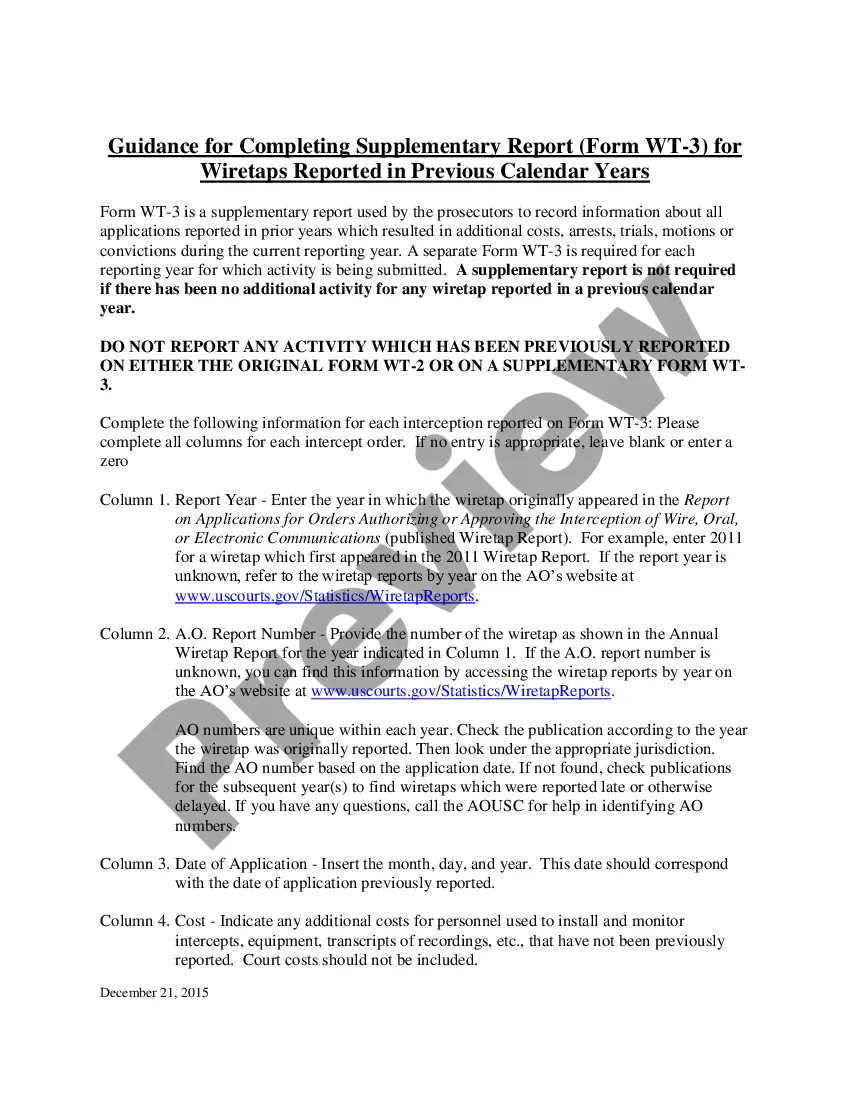
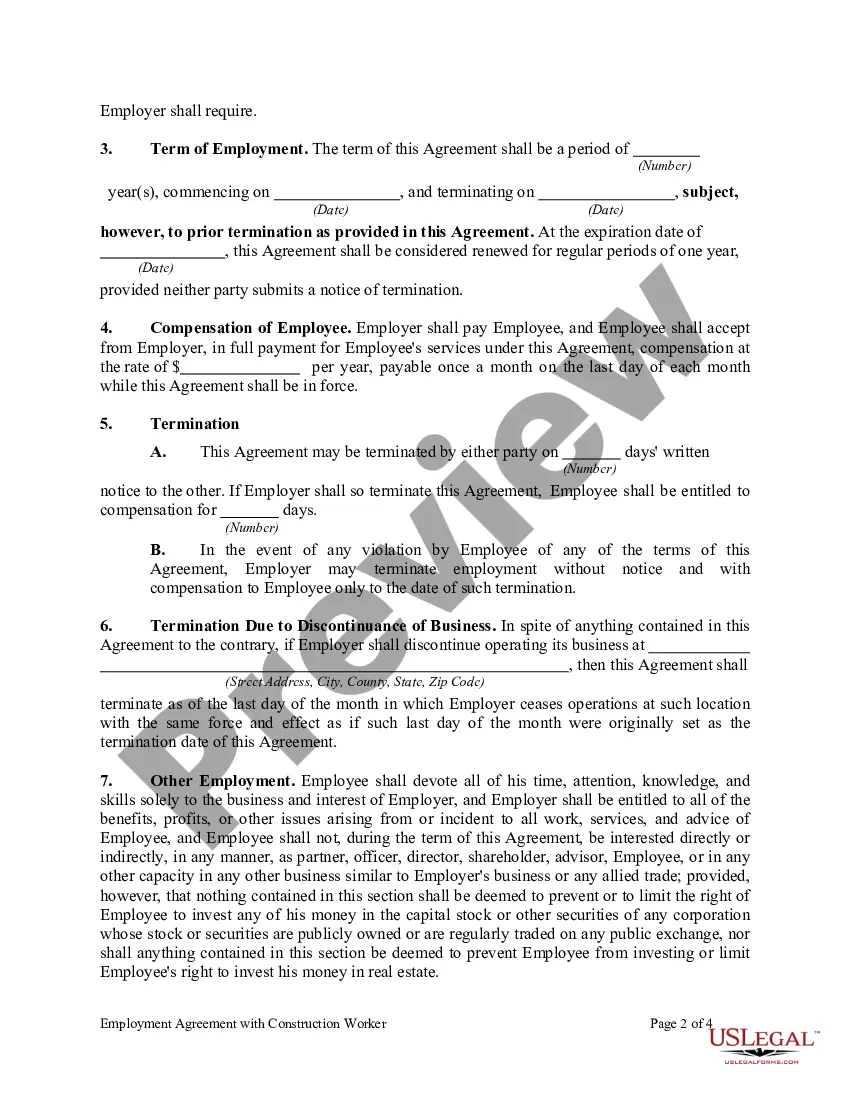
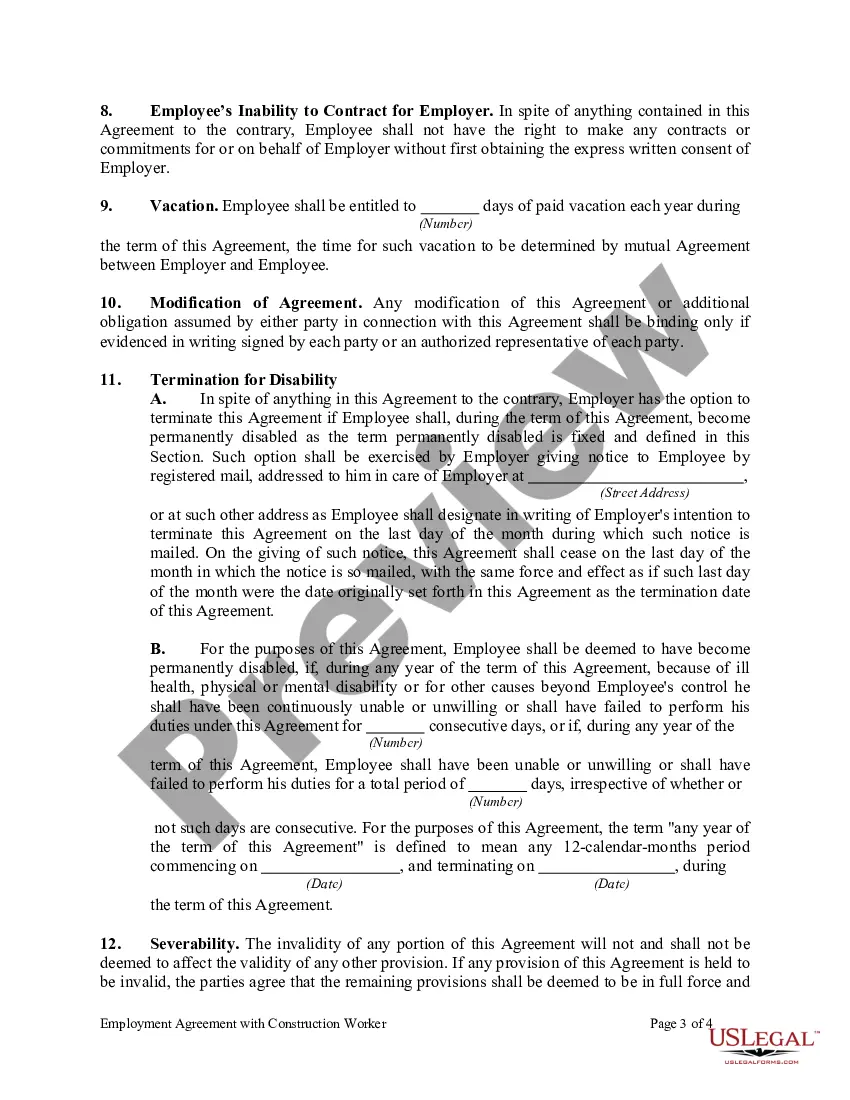
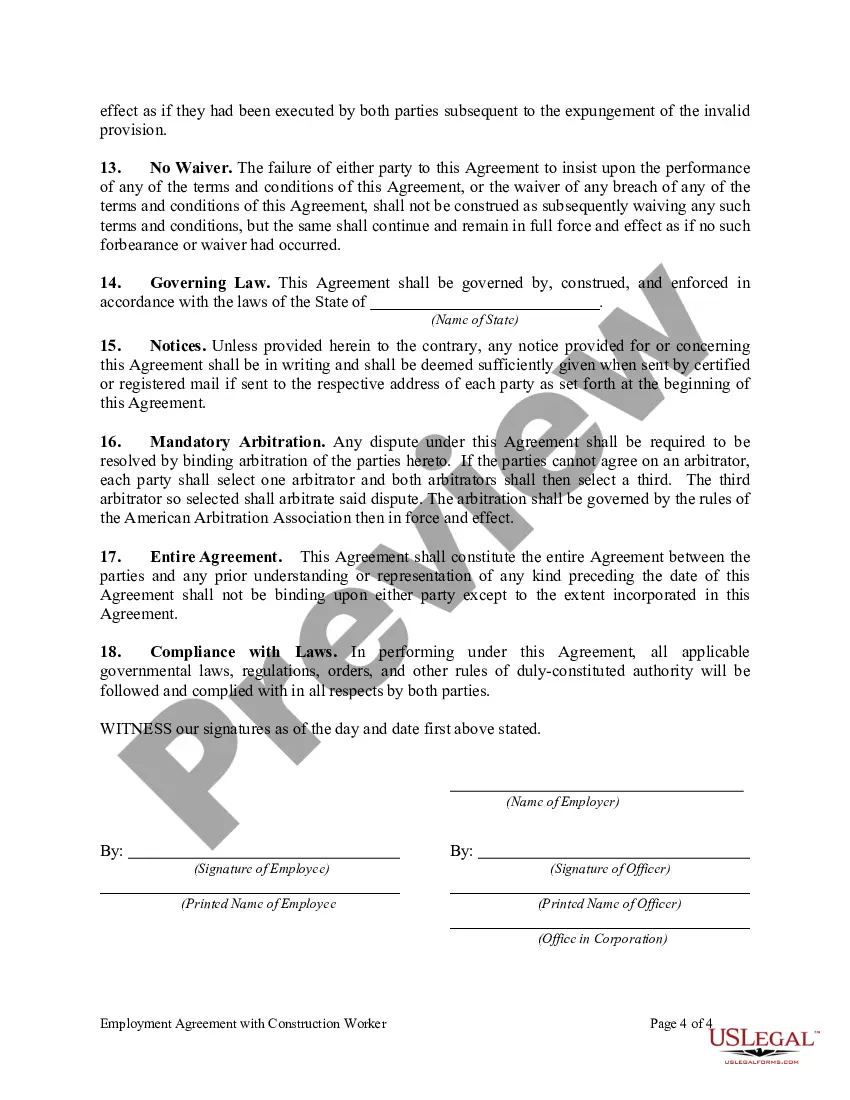
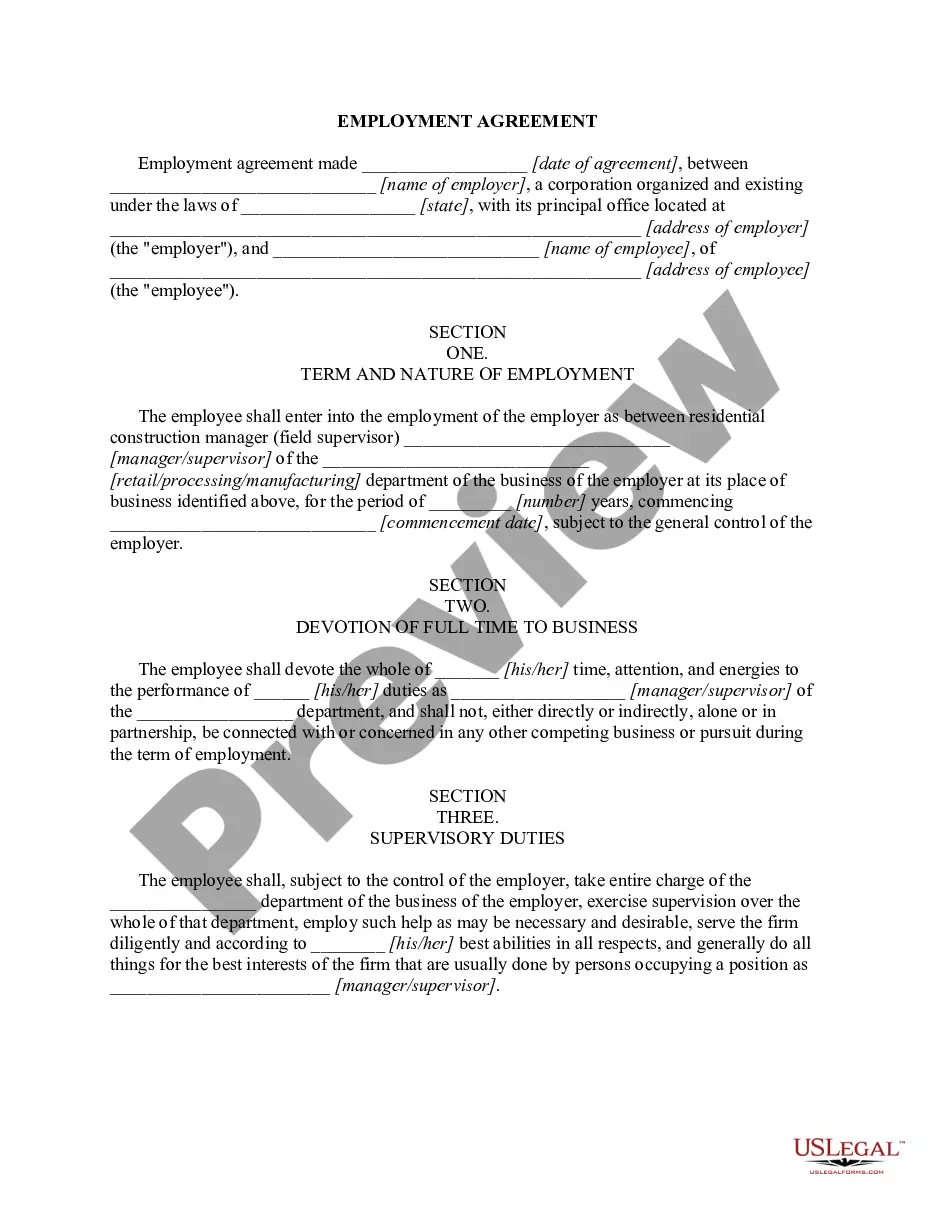
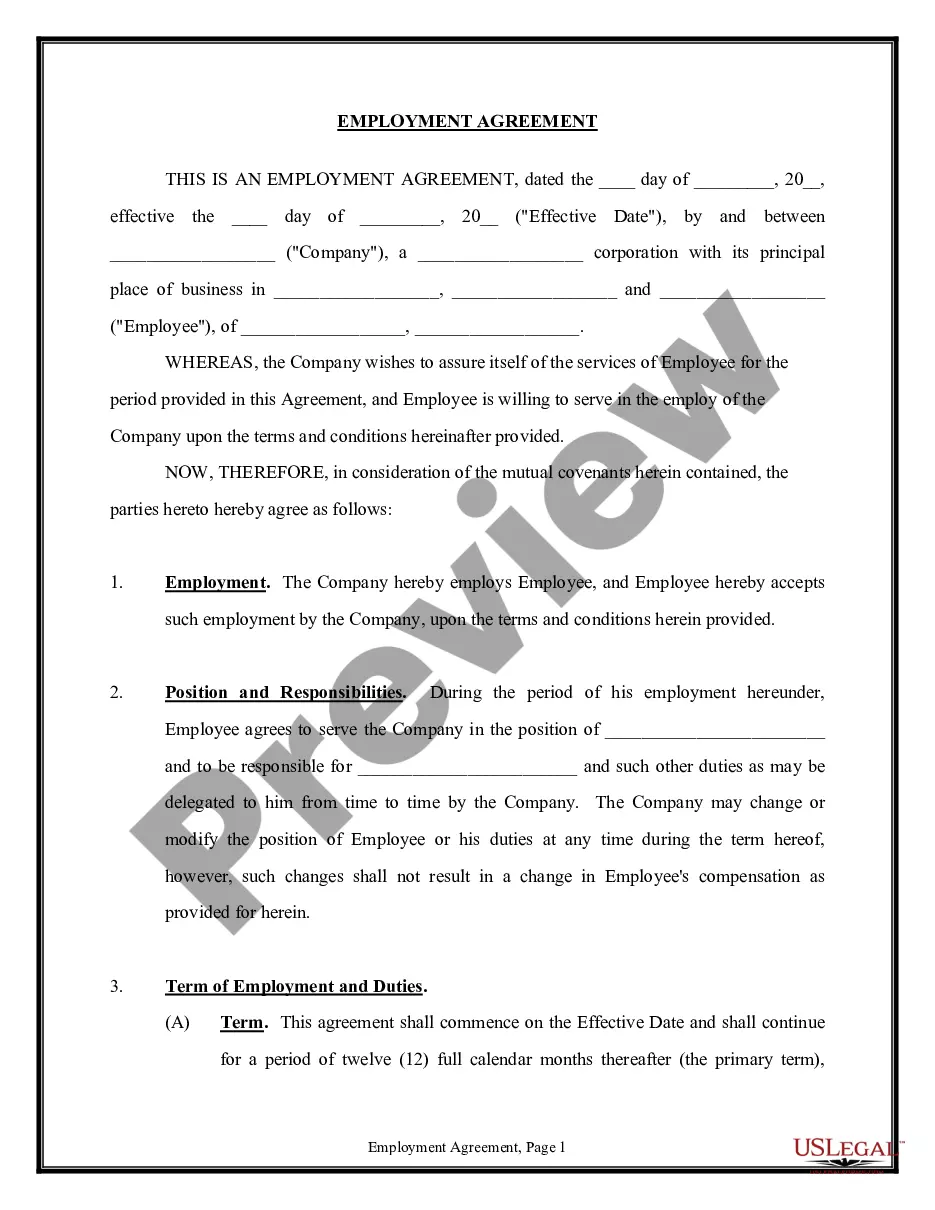
Montana Employment Agreement with Construction Worker
Description
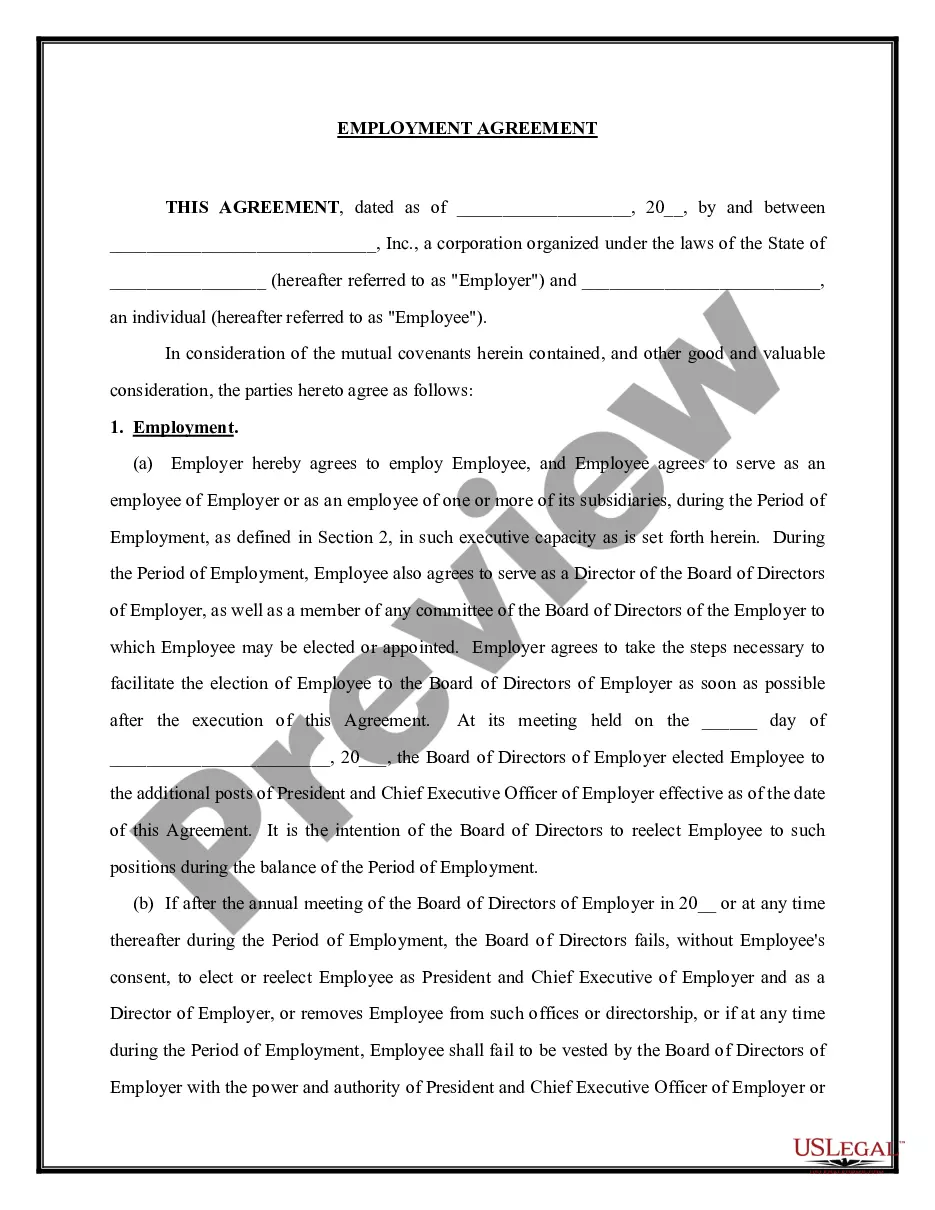
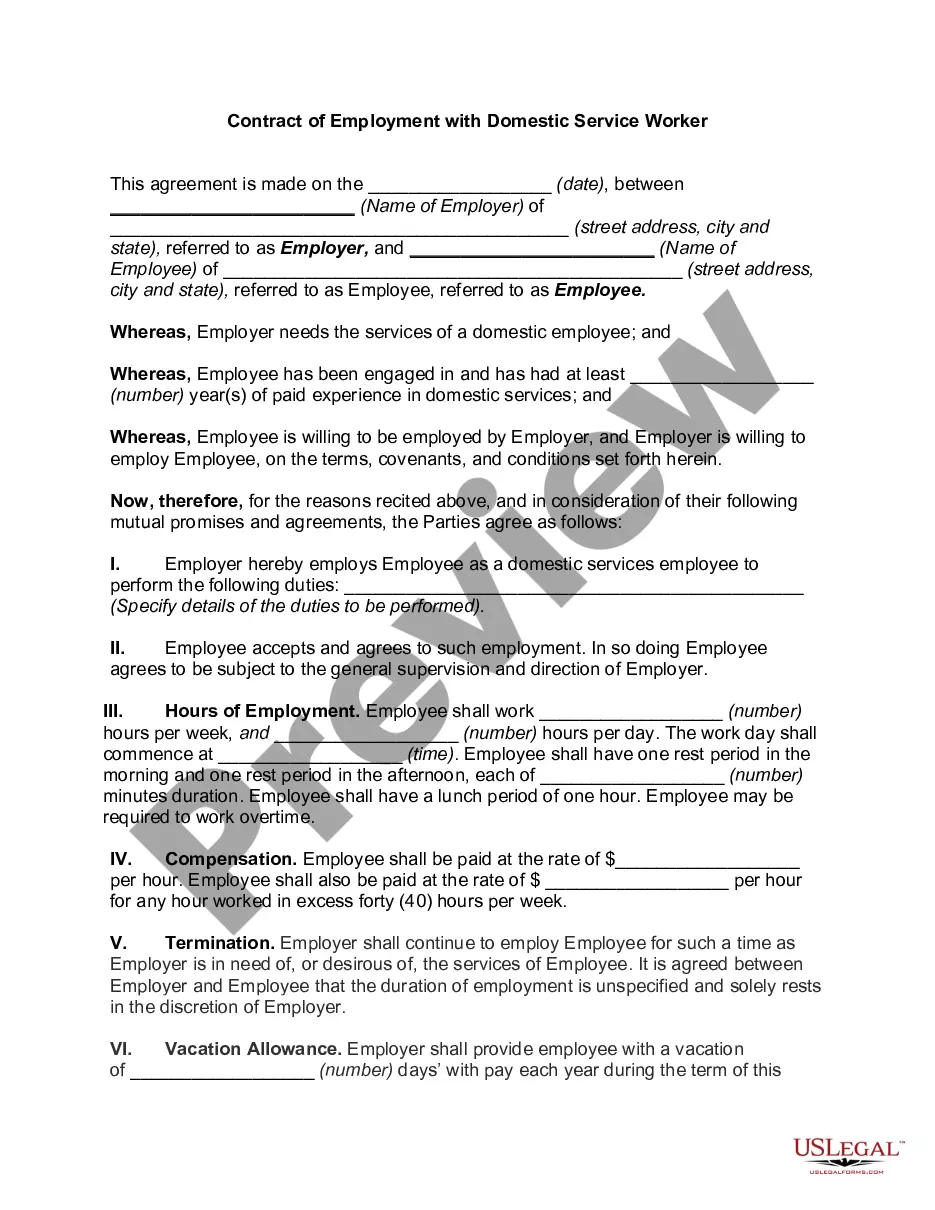
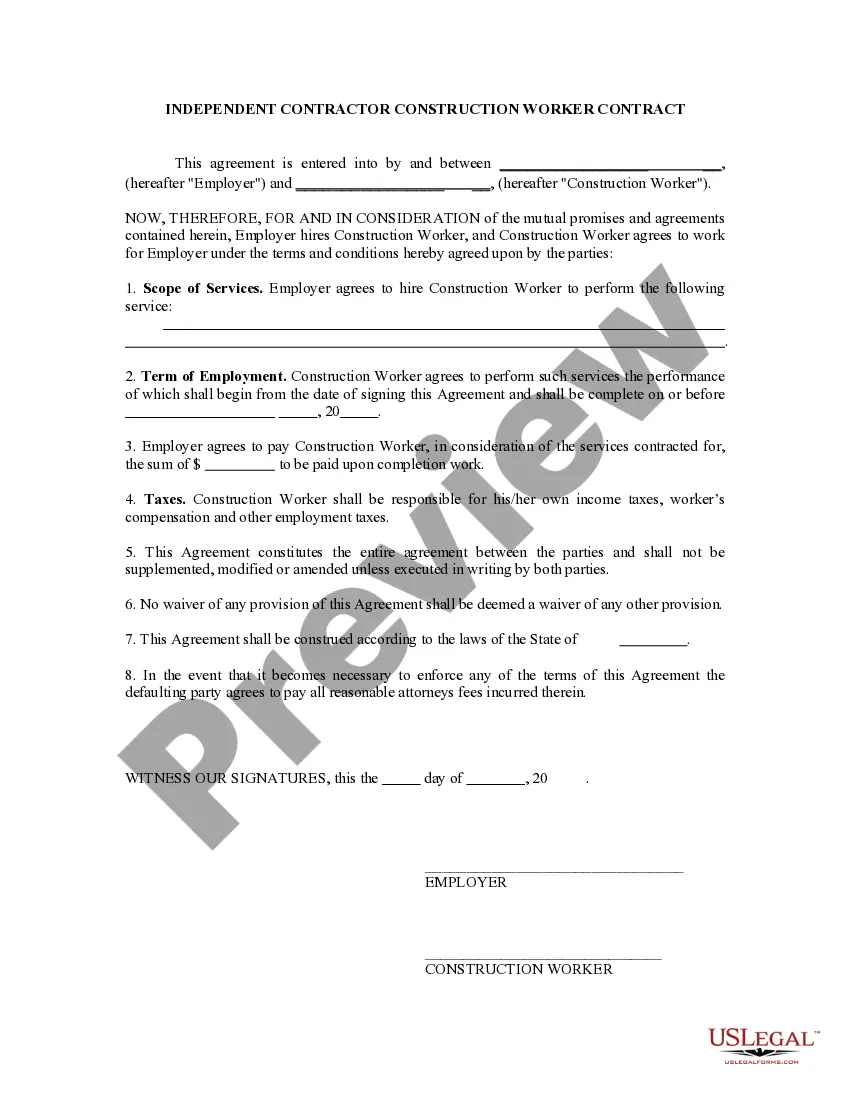
Get your form ready online
Our built-in tools help you complete, sign, share, and store your documents in one place.
Make edits, fill in missing information, and update formatting in US Legal Forms—just like you would in MS Word.
Download a copy, print it, send it by email, or mail it via USPS—whatever works best for your next step.
Sign and collect signatures with our SignNow integration. Send to multiple recipients, set reminders, and more. Go Premium to unlock E-Sign.
If this form requires notarization, complete it online through a secure video call—no need to meet a notary in person or wait for an appointment.
We protect your documents and personal data by following strict security and privacy standards.

Make edits, fill in missing information, and update formatting in US Legal Forms—just like you would in MS Word.

Download a copy, print it, send it by email, or mail it via USPS—whatever works best for your next step.

Sign and collect signatures with our SignNow integration. Send to multiple recipients, set reminders, and more. Go Premium to unlock E-Sign.

If this form requires notarization, complete it online through a secure video call—no need to meet a notary in person or wait for an appointment.

We protect your documents and personal data by following strict security and privacy standards.
Looking for another form?
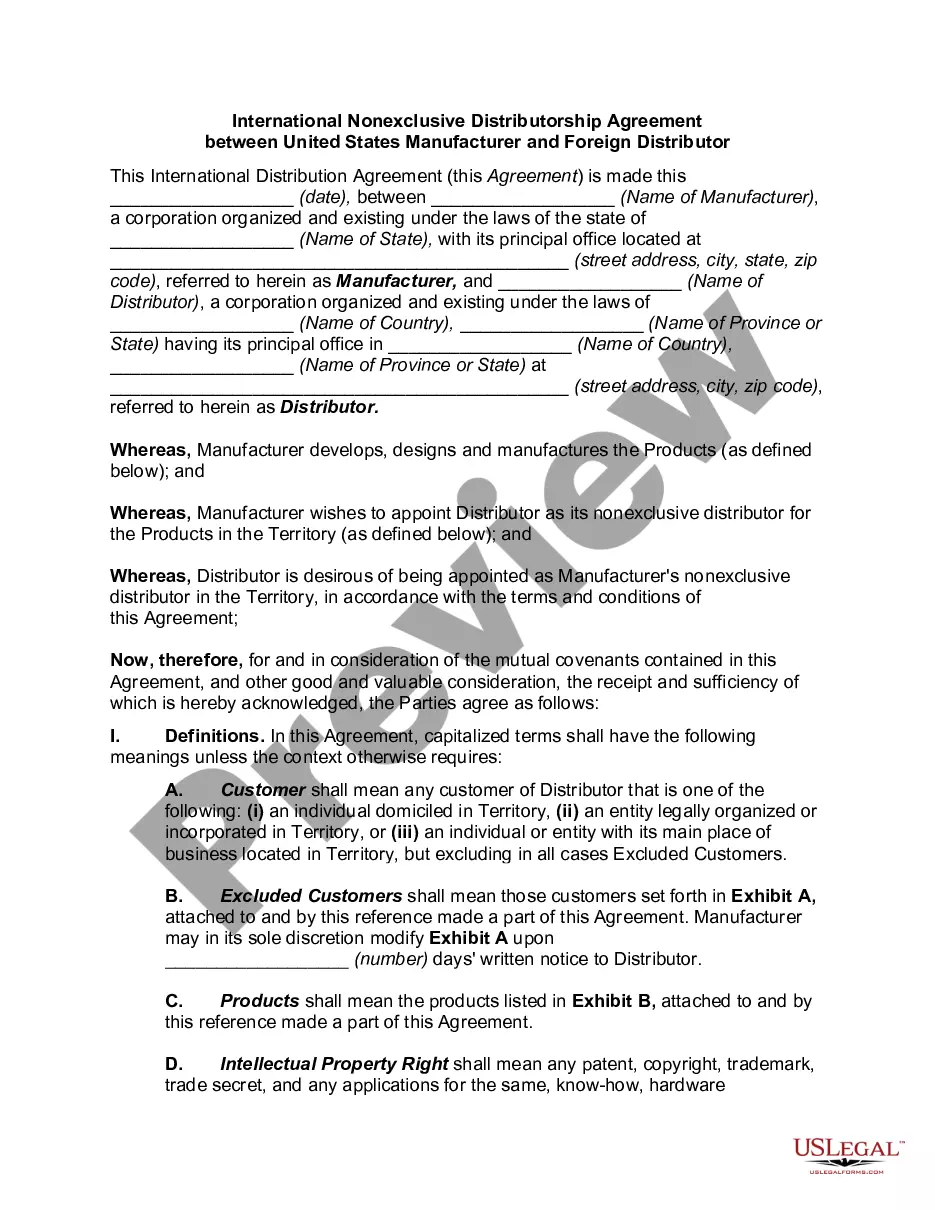


How to fill out Employment Agreement With Construction Worker?
You can spend time online looking for the legal document template that meets the federal and state requirements you need.
US Legal Forms offers a vast array of legal forms that have been assessed by experts.
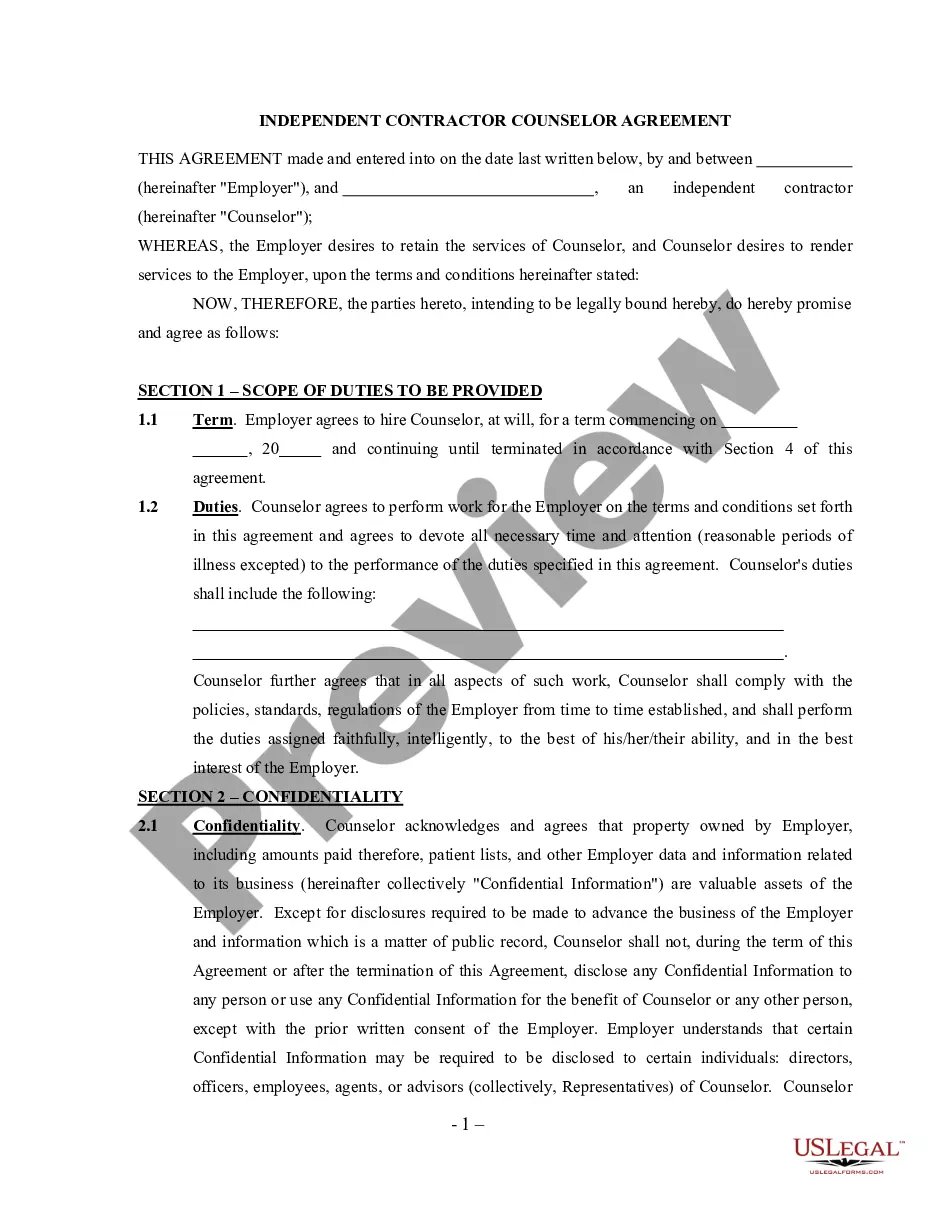
You can conveniently download or print the Montana Employment Agreement with Construction Worker from our platform.
Review the form details to verify you have chosen the correct document. If available, use the Review button to browse through the document template as well.
- If you already have a US Legal Forms account, you can sign in and press the Download button.
- Then, you can fill out, edit, print, or sign the Montana Employment Agreement with Construction Worker.
- Each legal document template you purchase belongs to you indefinitely.
- To obtain another copy of the purchased form, navigate to the My documents section and click the respective button.
- If you are using the US Legal Forms website for the first time, follow the straightforward instructions below.
- First, ensure you have selected the appropriate document template for the county/city of your choice.
Form popularity
FAQ
Three Common Construction ContractsFIXED PRICE. Fixed price construction contracts, also commonly referred to as lump sum or stipulated sum contracts, are the most common types of construction contracts.COST PLUS.GUARANTEED MAXIMUM PRICE.
Elements of a Construction ContractName of contractor and contact information.Name of homeowner and contact information.Describe property in legal terms.List attachments to the contract.The cost.Failure of homeowner to obtain financing.Description of the work and the completion date.Right to stop the project.More items...
Specific Contract Terms To IncludeIdentification: The parties must be identified completely, including full name, address, and other information. Effective date: The effective date is the date both parties have signed. Pay and benefits: Give details of pay rate, pay dates, and benefits provided by the company.
A construction contract is a mutual or legally binding agreement between two parties based on policies and conditions recorded in document form. The two parties involved are one or more property owners and one or more contractors.
Types of Employment Contracts: Permanent employment, temporary employment and independent contractors.
A contract position fills holes in a client's workforce, and is an increasingly popular element of staffing management plans for employers. Usually, a contract worker does work for a company and is legally employed by a staffing agency or employer of record partner.
The 'employer' is the contracting party for whom the work is carried out and is typically the owner of the land upon which the work is carried out. The employer can also be referred to as the 'owner', 'client', 'purchaser' or even the 'developer'.
But in a strict sense, self-employed contractors do not have the rights and protections afforded to employees and workers. However, even if someone is described as being self-employed in their contract and pays tax as a self-employed person, they may in fact have 'worker' or, in some cases, 'employee' status.
A construction contract is a mutual or legally binding agreement between two parties based on policies and conditions recorded in document form. The two parties involved are one or more property owners and one or more contractors.
Definition. An agreement between private parties creating mutual obligations enforceable by law. The basic elements required for the agreement to be a legally enforceable contract are: mutual assent, expressed by a valid offer and acceptance; adequate consideration; capacity; and legality.