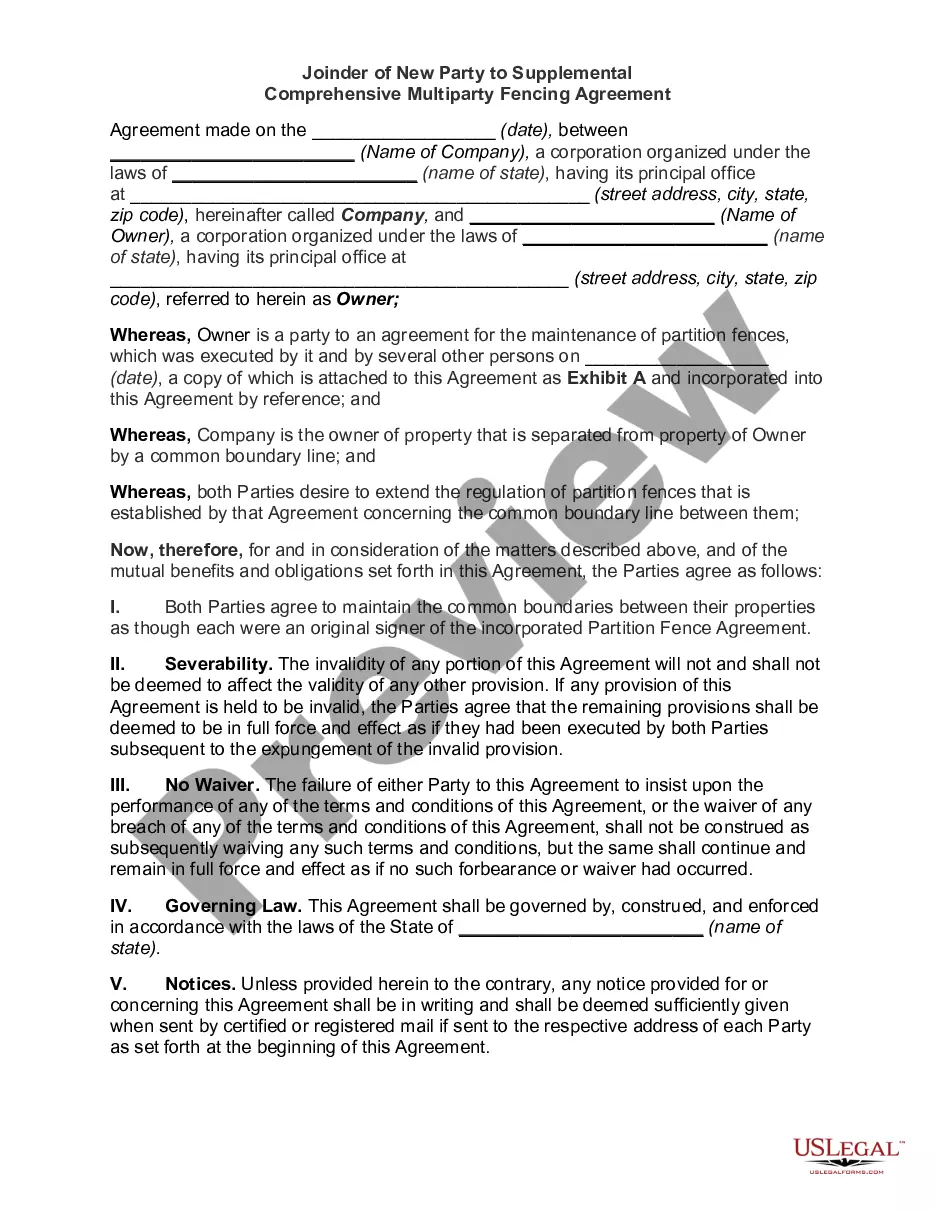
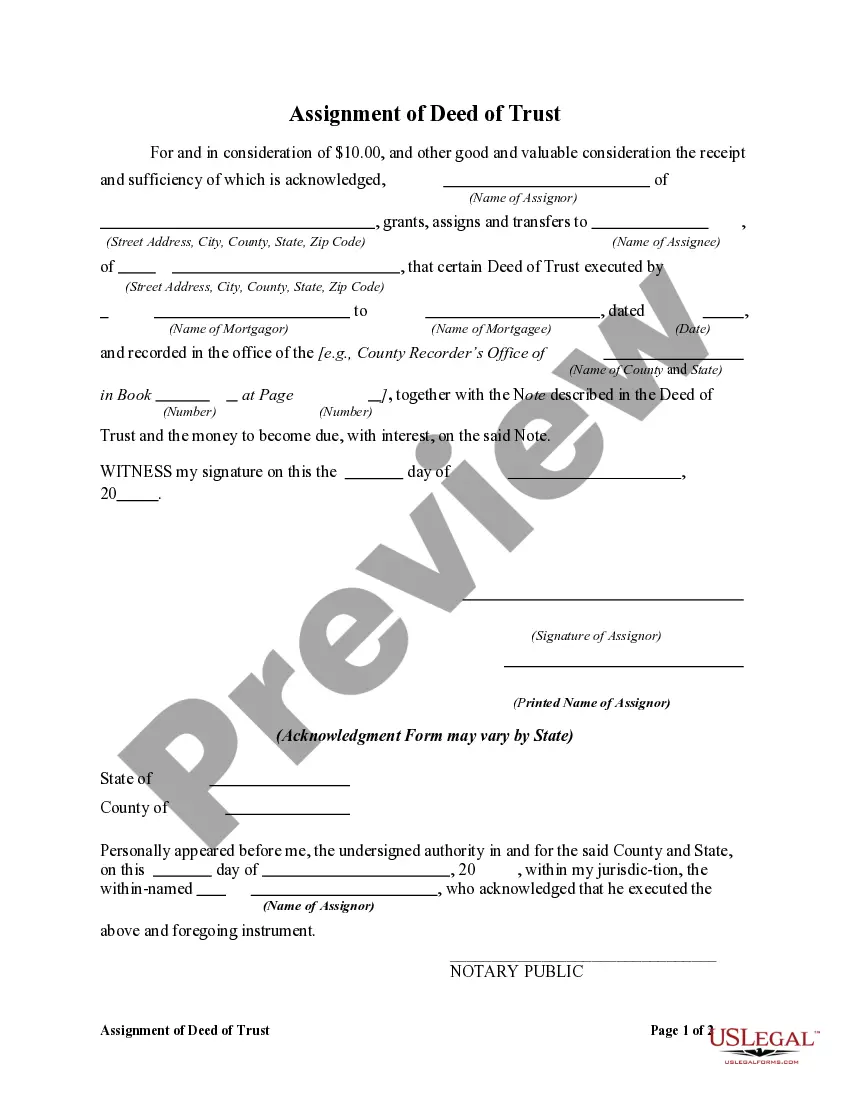
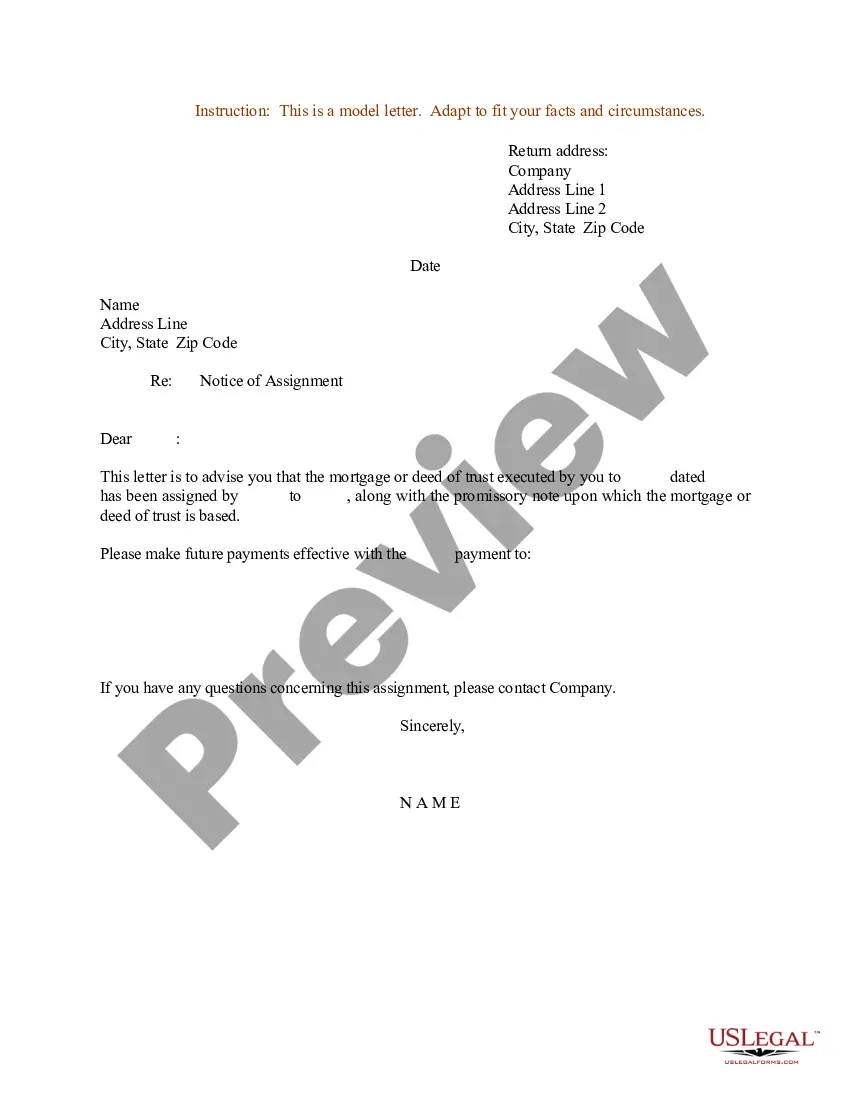
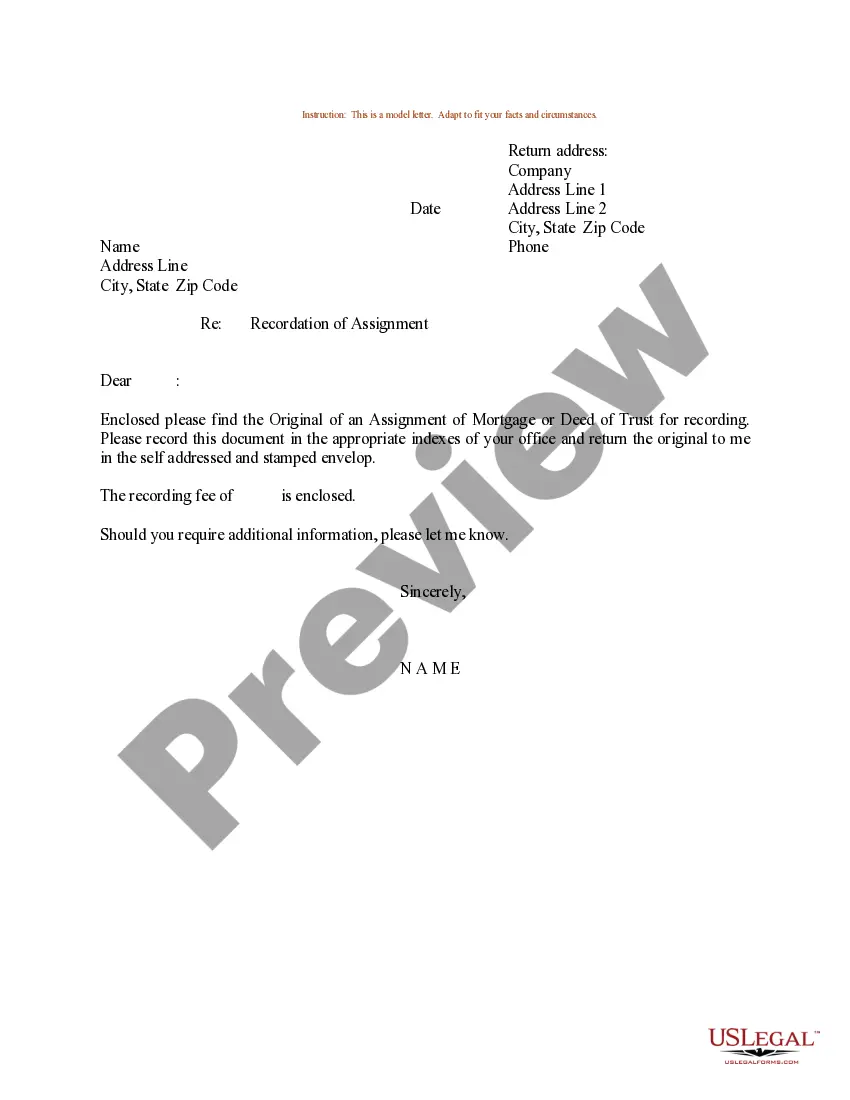
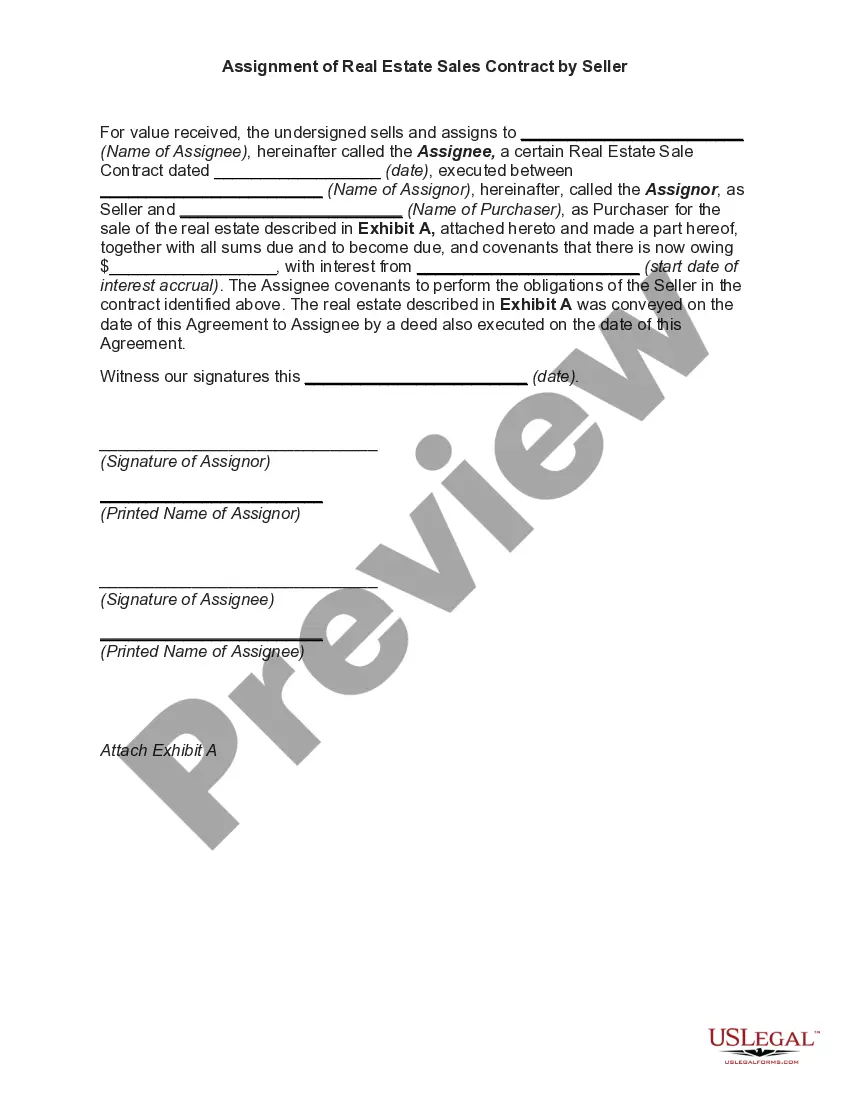
Grantor conveys and assigns all its right, title, and interest to a certain deed of trust concerning real property.
Montana Deed of Trust - Assignment
State:
Multi-State
Control #:
US-00487
Format:
Word;
Rich Text
Instant download
Description
Get your form ready online
Our built-in tools help you complete, sign, share, and store your documents in one place.
Built-in online Word editor
Make edits, fill in missing information, and update formatting in US Legal Forms—just like you would in MS Word.
Export easily
Download a copy, print it, send it by email, or mail it via USPS—whatever works best for your next step.
E-sign your document
Sign and collect signatures with our SignNow integration. Send to multiple recipients, set reminders, and more. Go Premium to unlock E-Sign.
Notarize online 24/7
If this form requires notarization, complete it online through a secure video call—no need to meet a notary in person or wait for an appointment.
Store your document securely
We protect your documents and personal data by following strict security and privacy standards.

Make edits, fill in missing information, and update formatting in US Legal Forms—just like you would in MS Word.

Download a copy, print it, send it by email, or mail it via USPS—whatever works best for your next step.

Sign and collect signatures with our SignNow integration. Send to multiple recipients, set reminders, and more. Go Premium to unlock E-Sign.

If this form requires notarization, complete it online through a secure video call—no need to meet a notary in person or wait for an appointment.

We protect your documents and personal data by following strict security and privacy standards.
Looking for another form?



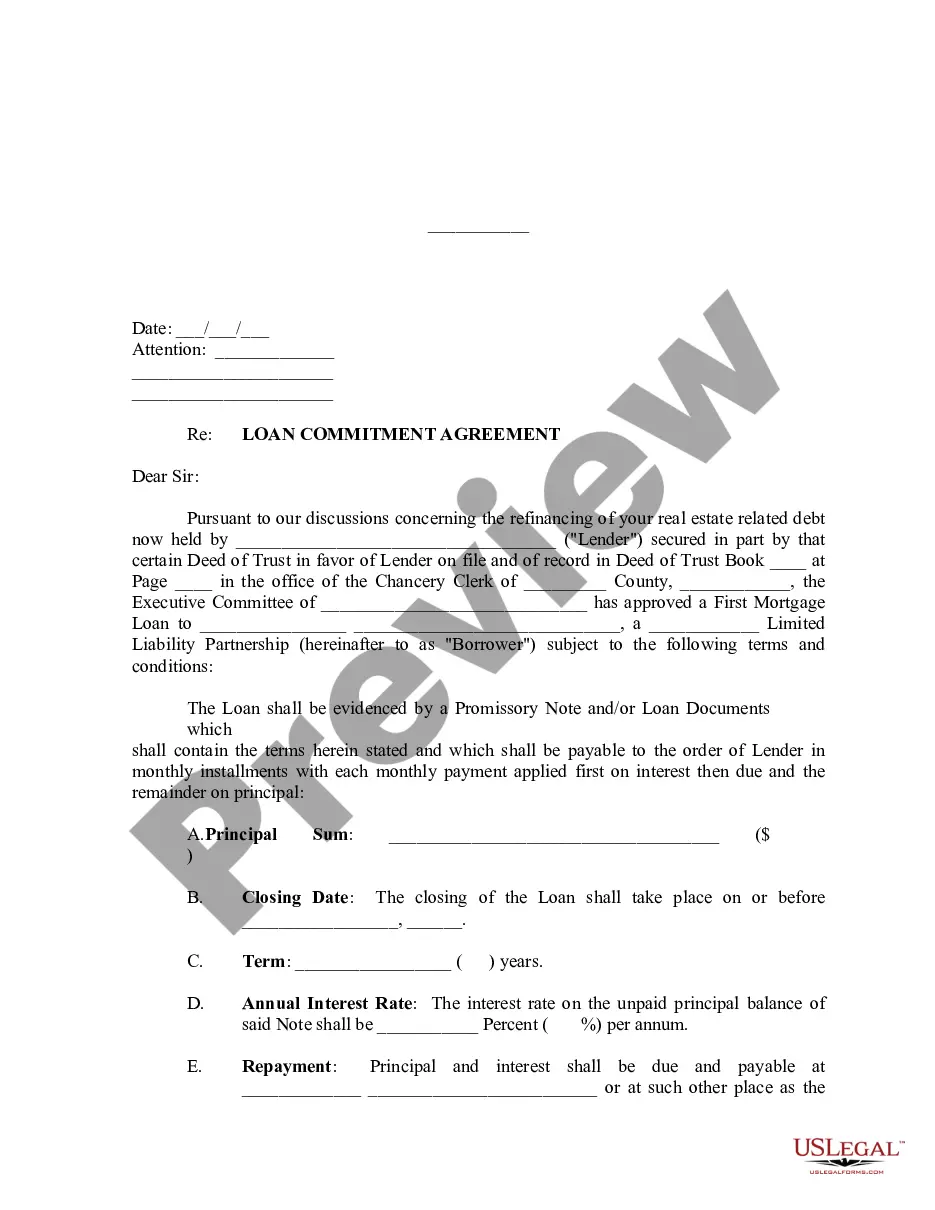

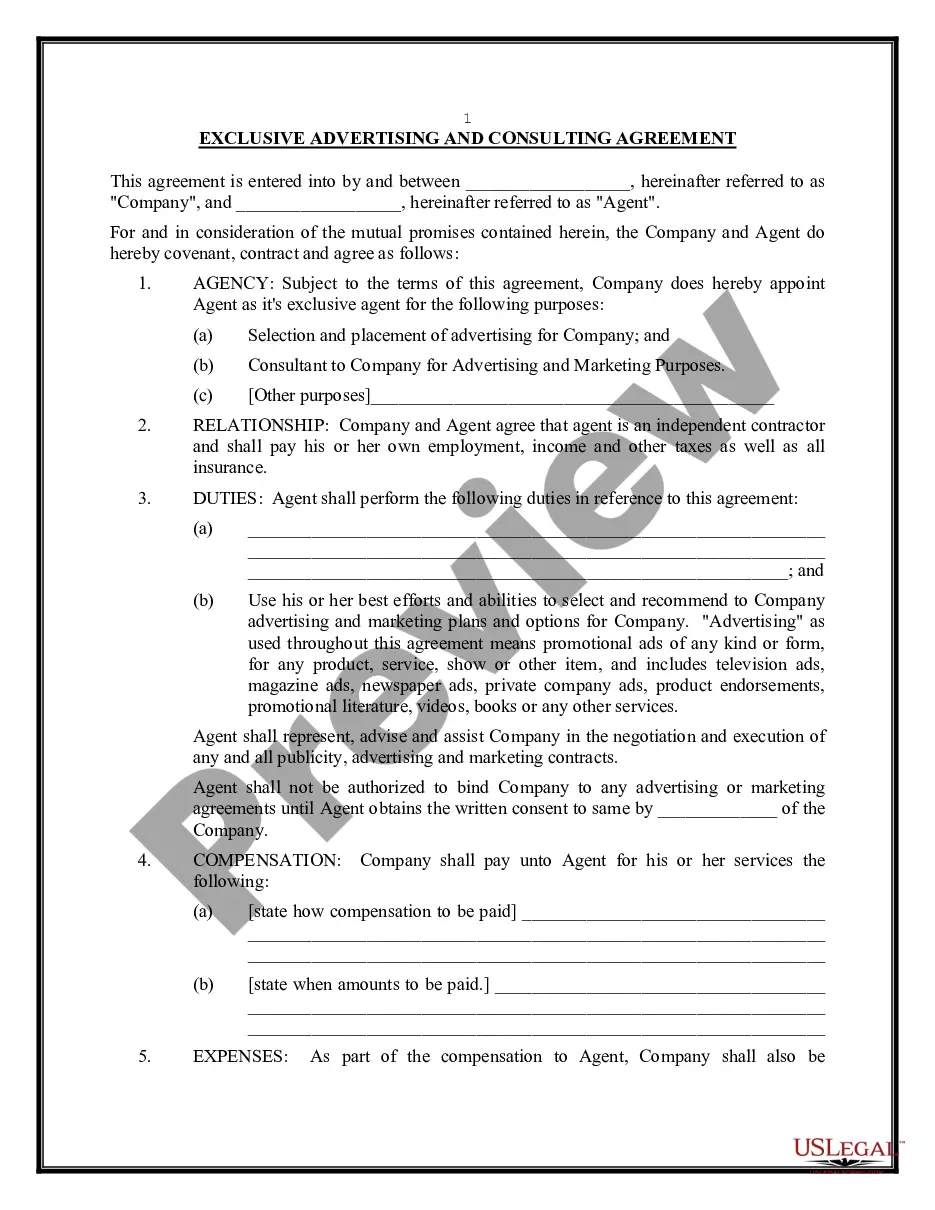
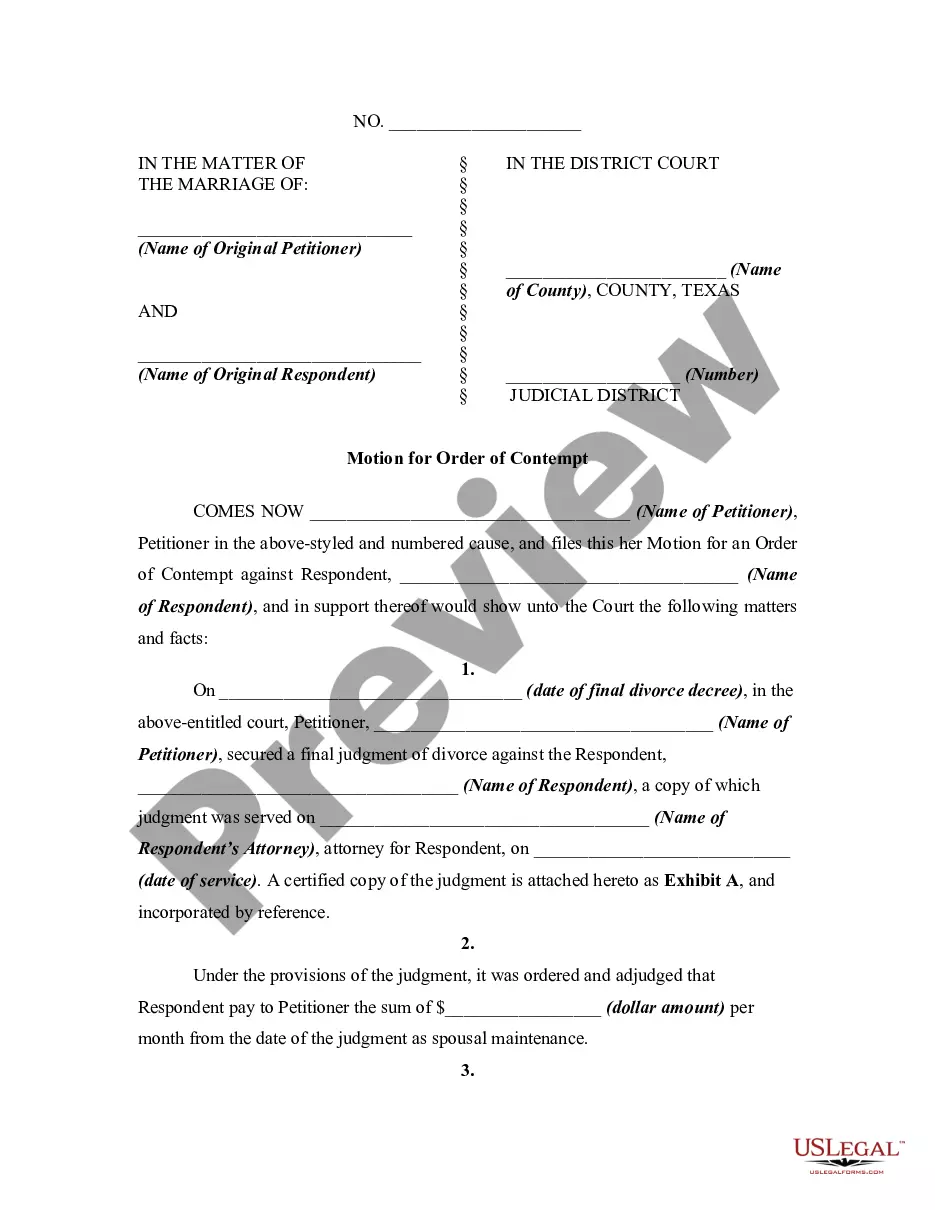

How to fill out Deed Of Trust - Assignment?
Are you presently in a role where you require documents for either business or personal purposes almost every day.
There are numerous legitimate document templates available online, but finding trustworthy ones is challenging.
US Legal Forms provides a vast array of template documents, such as the Montana Deed of Trust - Assignment, that are designed to comply with federal and state regulations.
When you find the correct document, click on Get now.
Choose the pricing plan you want, fill in the required information to create your account, and make the payment using your PayPal or credit card.
- If you are already familiar with the US Legal Forms website and have an account, simply Log In.
- Then, you can download the Montana Deed of Trust - Assignment template.
- If you do not have an account and wish to start using US Legal Forms, follow these steps.
- Find the document you need and ensure it is for the correct city/county.
- Utilize the Review button to examine the document.
- Check the details to ensure that you have selected the right form.
- If the document is not what you're looking for, use the Search box to locate the form that suits your needs.
Form popularity
FAQ
In real estate law, "assignment" is simply the transfer of a deed of trust from one party to another. This usually happens when the beneficiary of a trust deed sells their loan to another lender.
The grantor must sign a quitclaim deed and acknowledge it before a notary public. The grantor then records the deed with the Clerk and Recorder in the county where the real property is located. Recording a quitclaim deed provides notice to all subsequent mortgagees and purchasers there is a new owner of the property.
While most states have either mortgages or deeds of trust, there are a few states that allow you to choose which is better for you. These states include Alabama, Arizona, Arkansas, Illinois, Kentucky, Maryland, Michigan, and Montana.
With a deed of trust, a trustee holds the interest. With a mortgage, the bank holds an interest. This means that if you have a mortgage, you are directly giving the bank your money, rather than having a trustee hold onto it until the bank or courts need it.
States Using Deed of Trust In Alabama, Arizona, Arkansas, Illinois, Kentucky, Maryland, Michigan, Montana and South Dakota, the lender has the choice of either a mortgage or deed of trust. In any other state, you must have a mortgage.
Whenever property is sold or gifted, a deed must be executed by the person or entity transferring ownership, the ?grantor,? and recorded with the Clerk and Recorder in the county where the property is located. The grantor will also need to file a Realty Transfer Certificate and pay the recording fee ($8 per page).
In ance with Montana's Small Tract Financing Act, only real estate with an area of forty (40) acres or less is eligible to be conveyed with a deed of trust, and such instruments are subject to the same laws as mortgages on real estate.
What Is A Deed Of Trust? A deed of trust is an agreement between a home buyer and a lender at the closing of a property. The agreement states that the home buyer will repay the home loan and the mortgage lender will hold the property's legal title until the loan is paid in full.