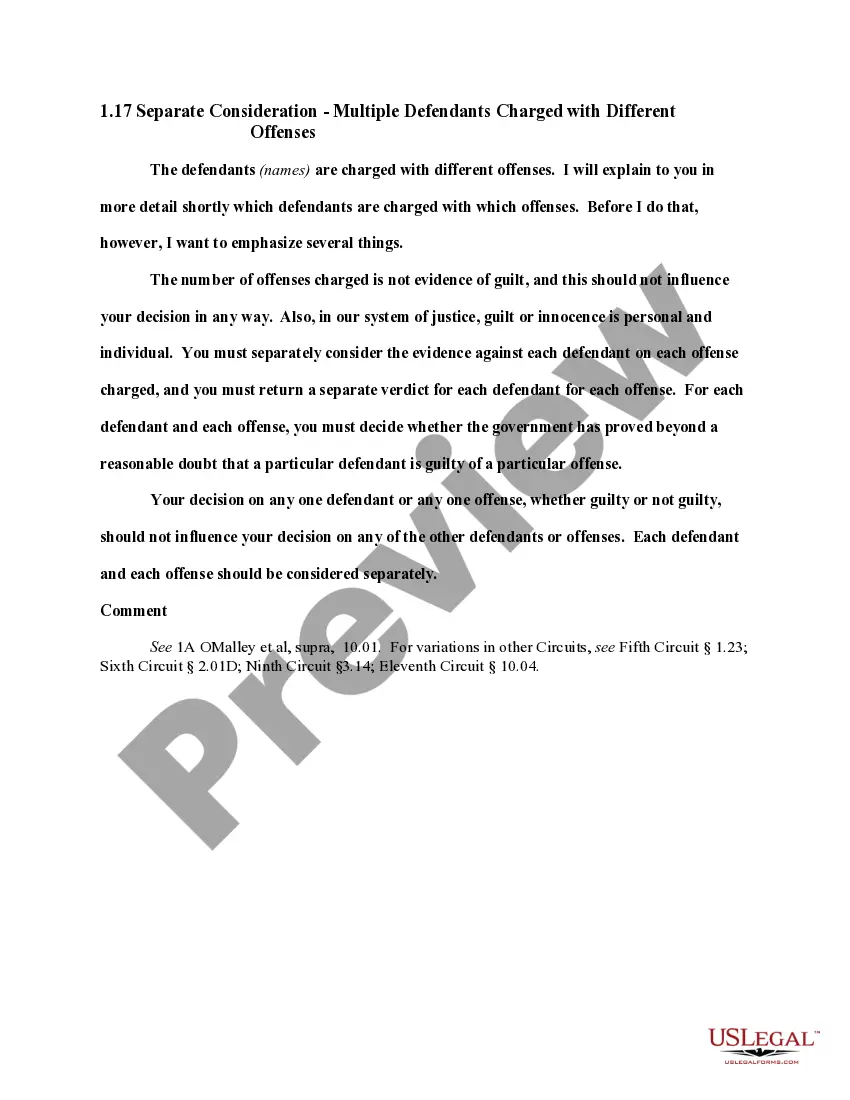
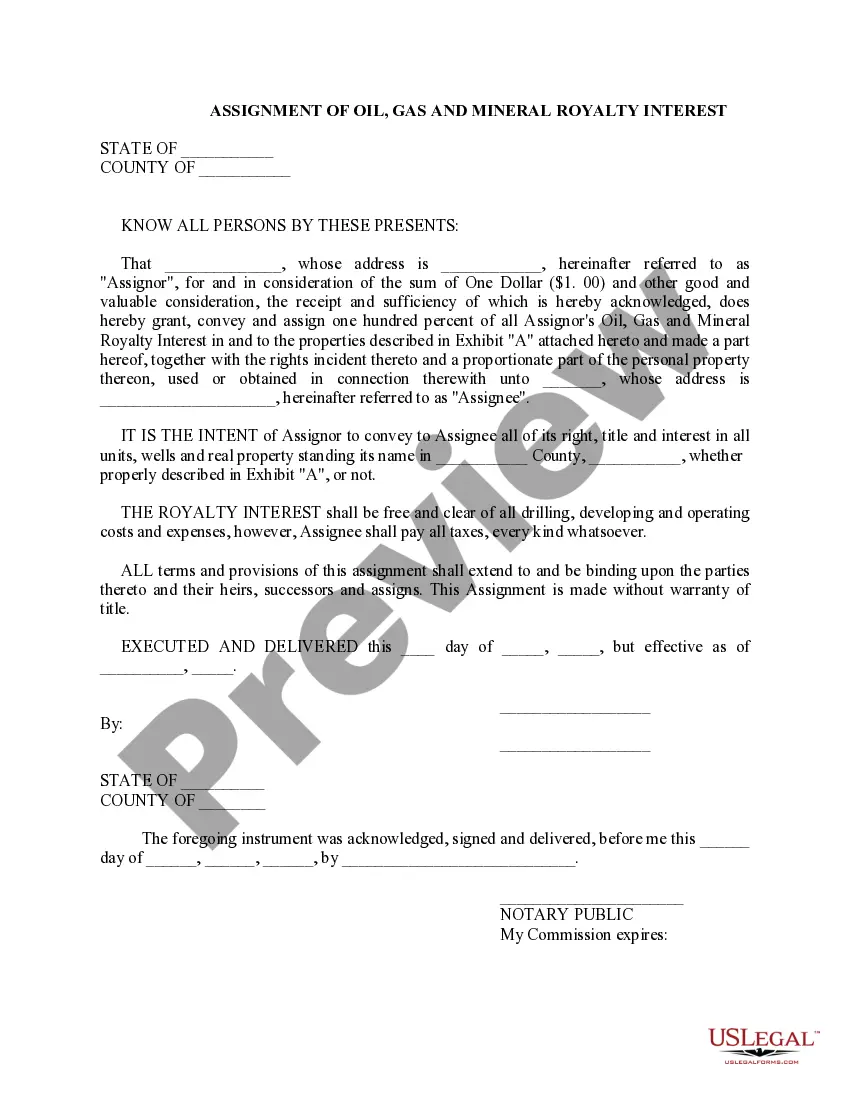
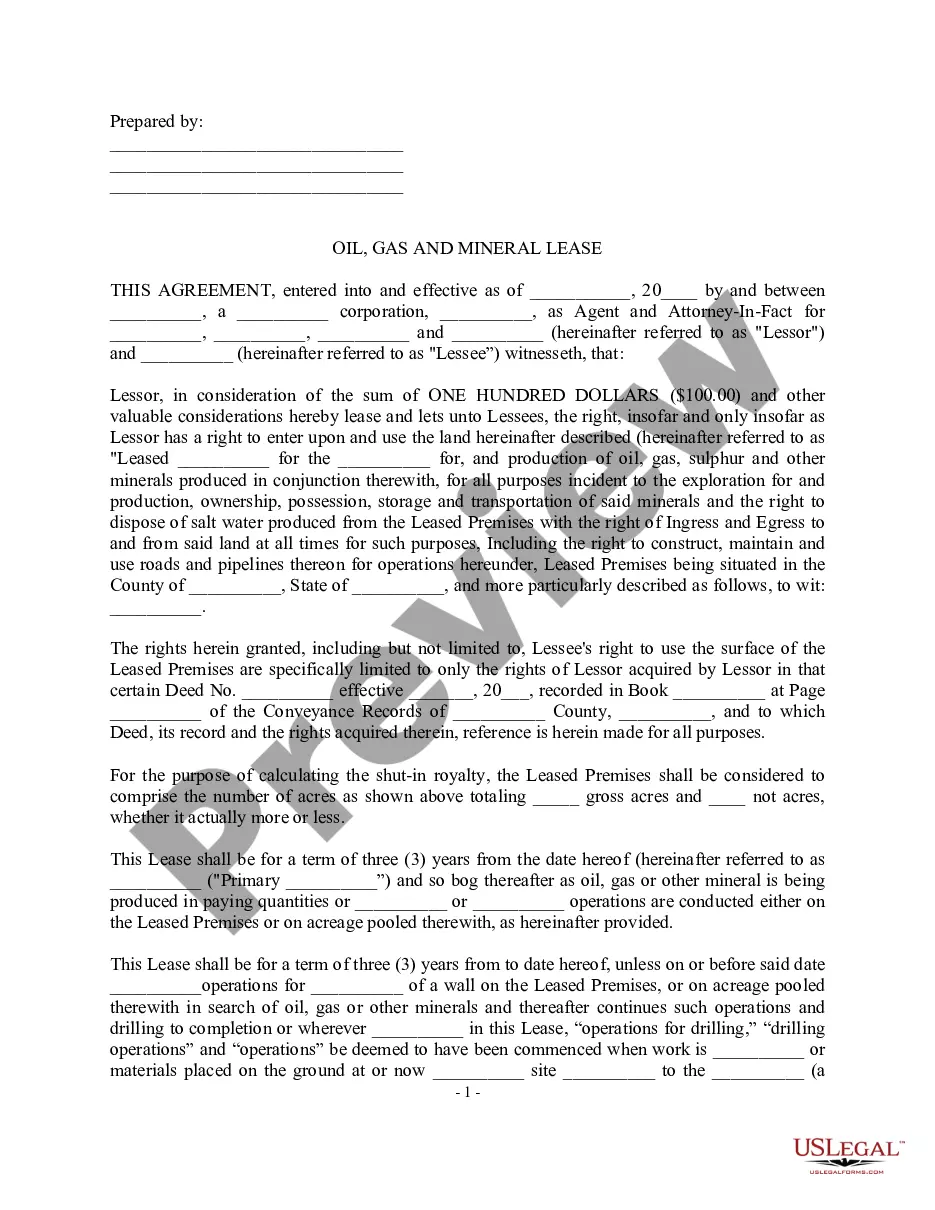
Mississippi Oil, Gas and Mineral Royalty Transfer
Description
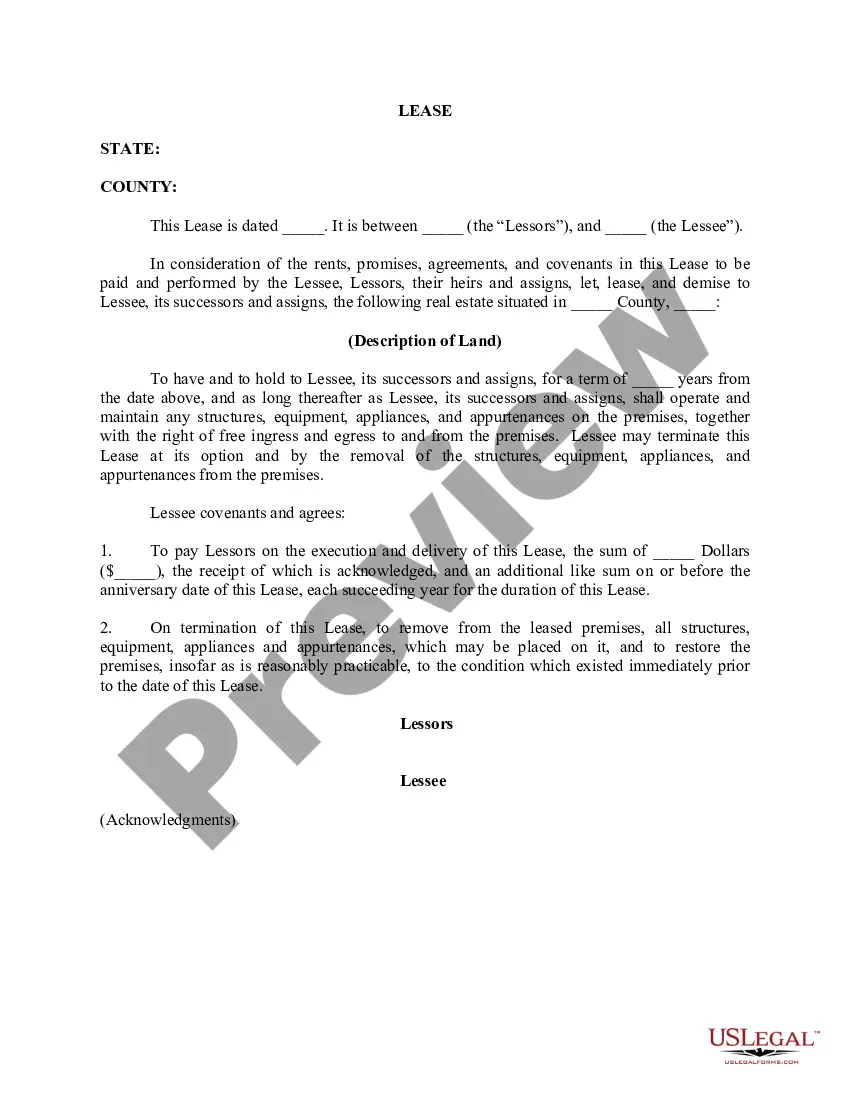
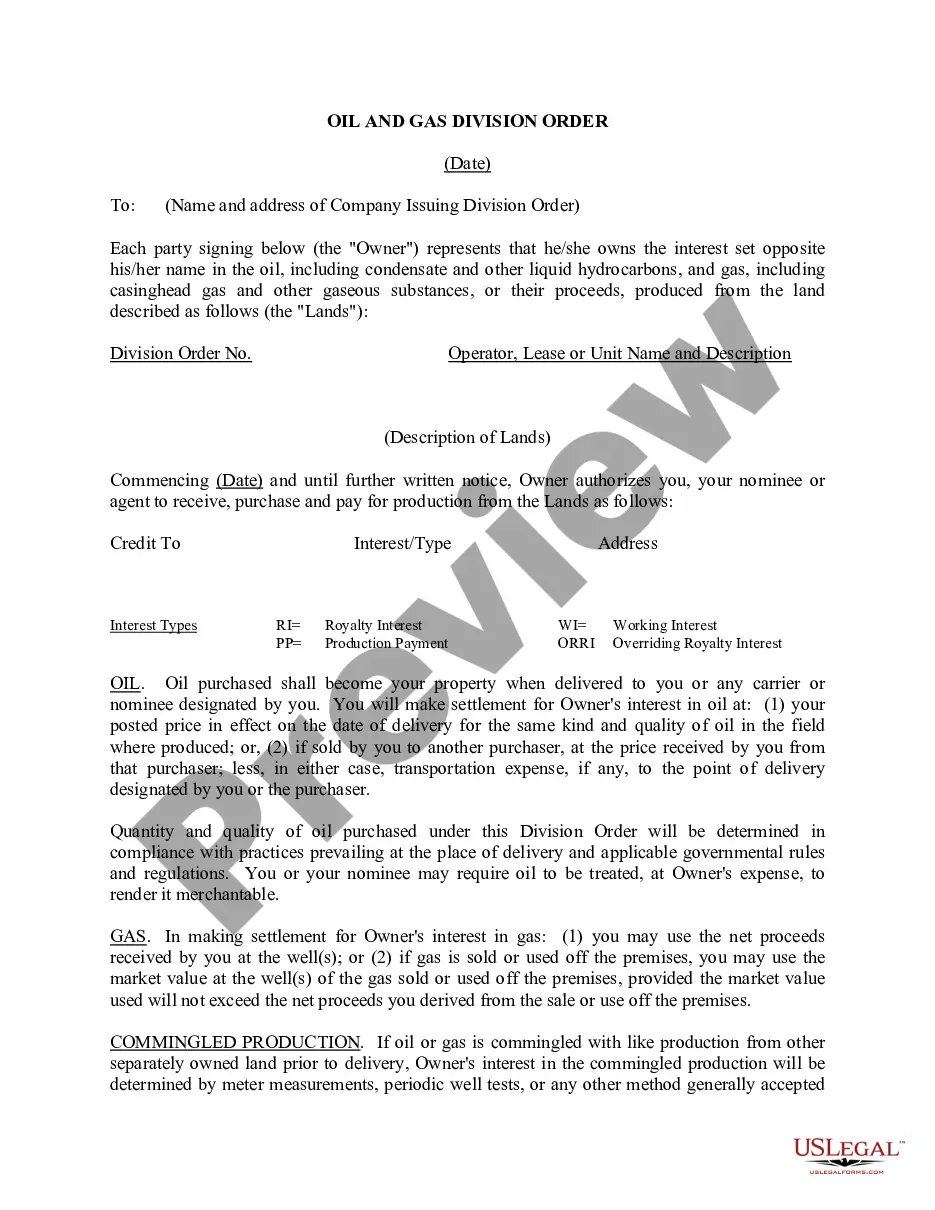
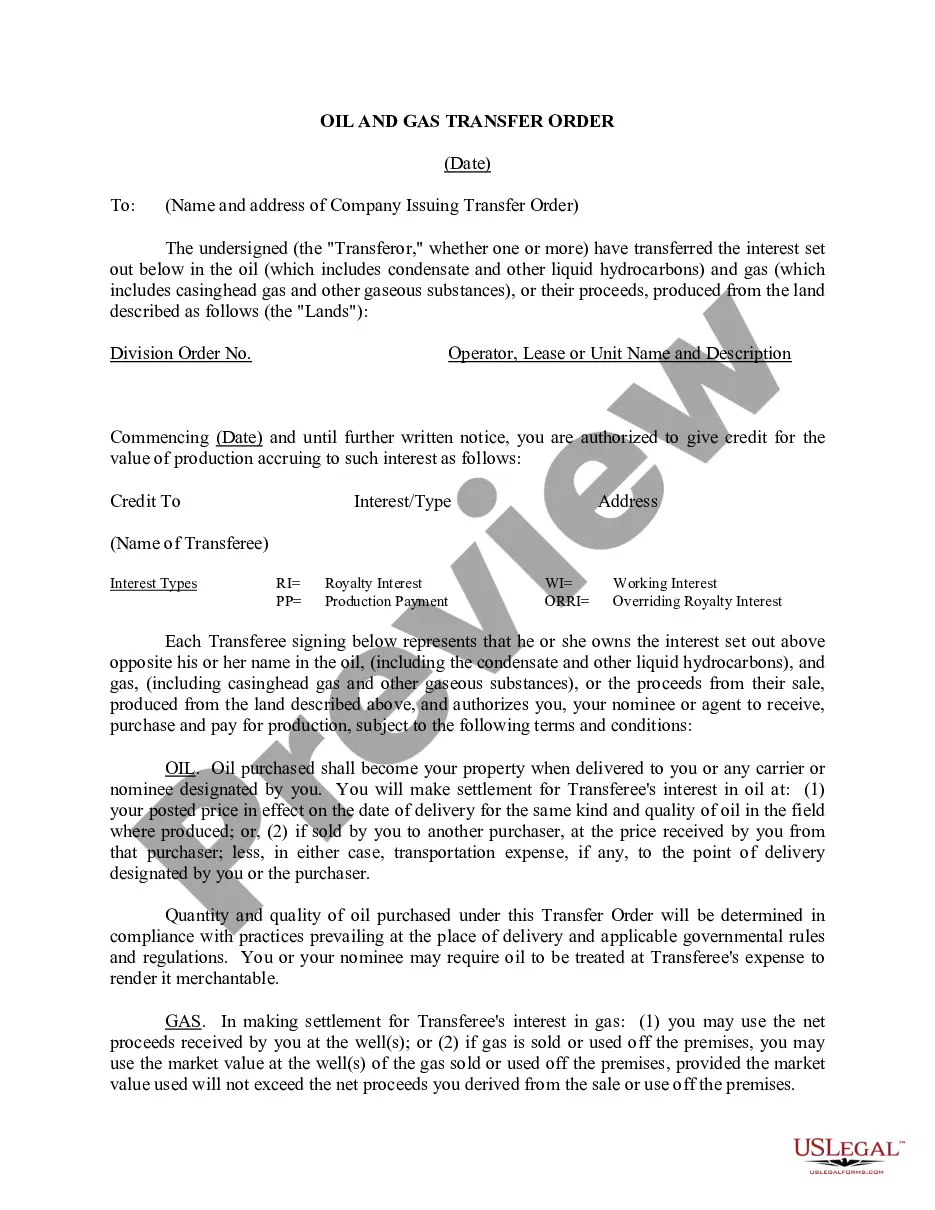
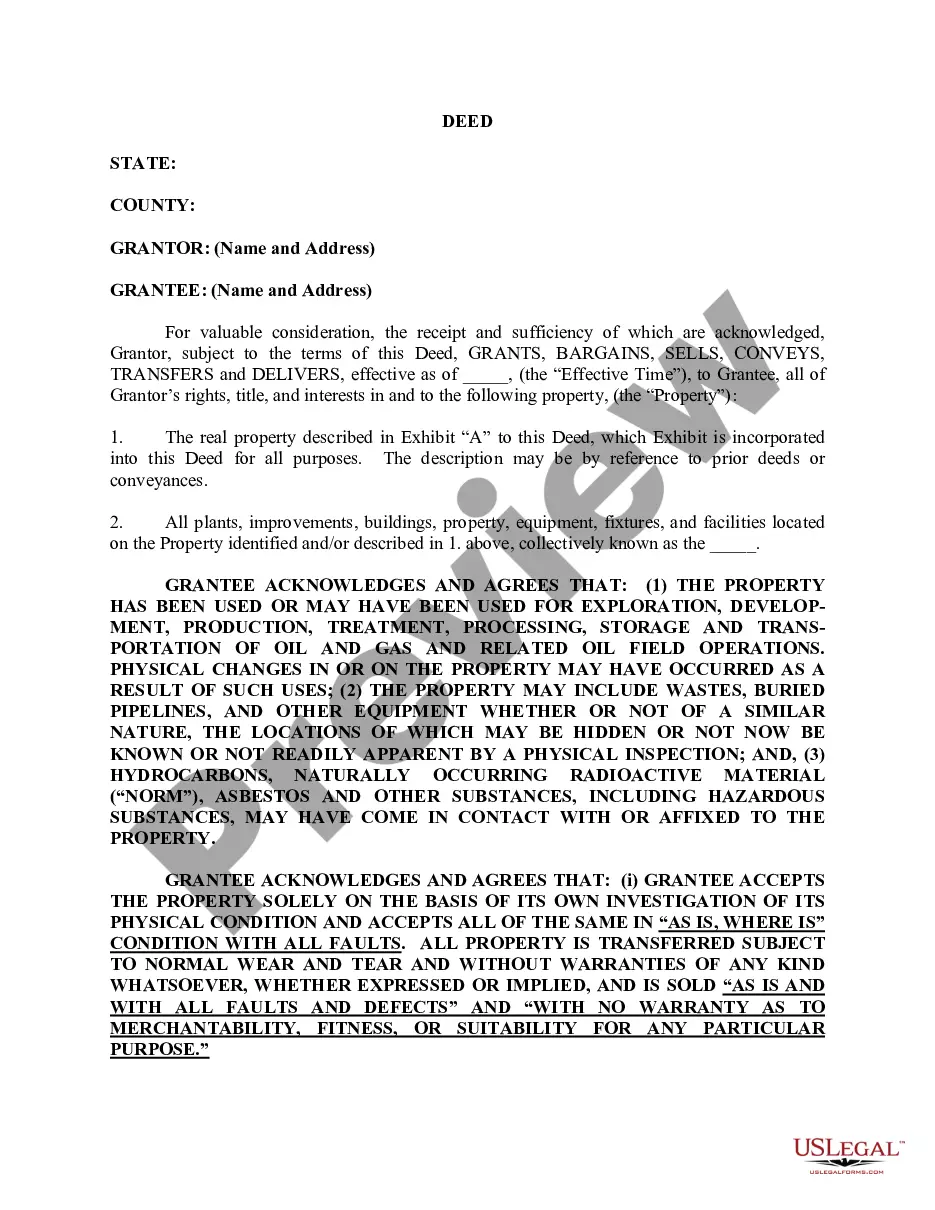
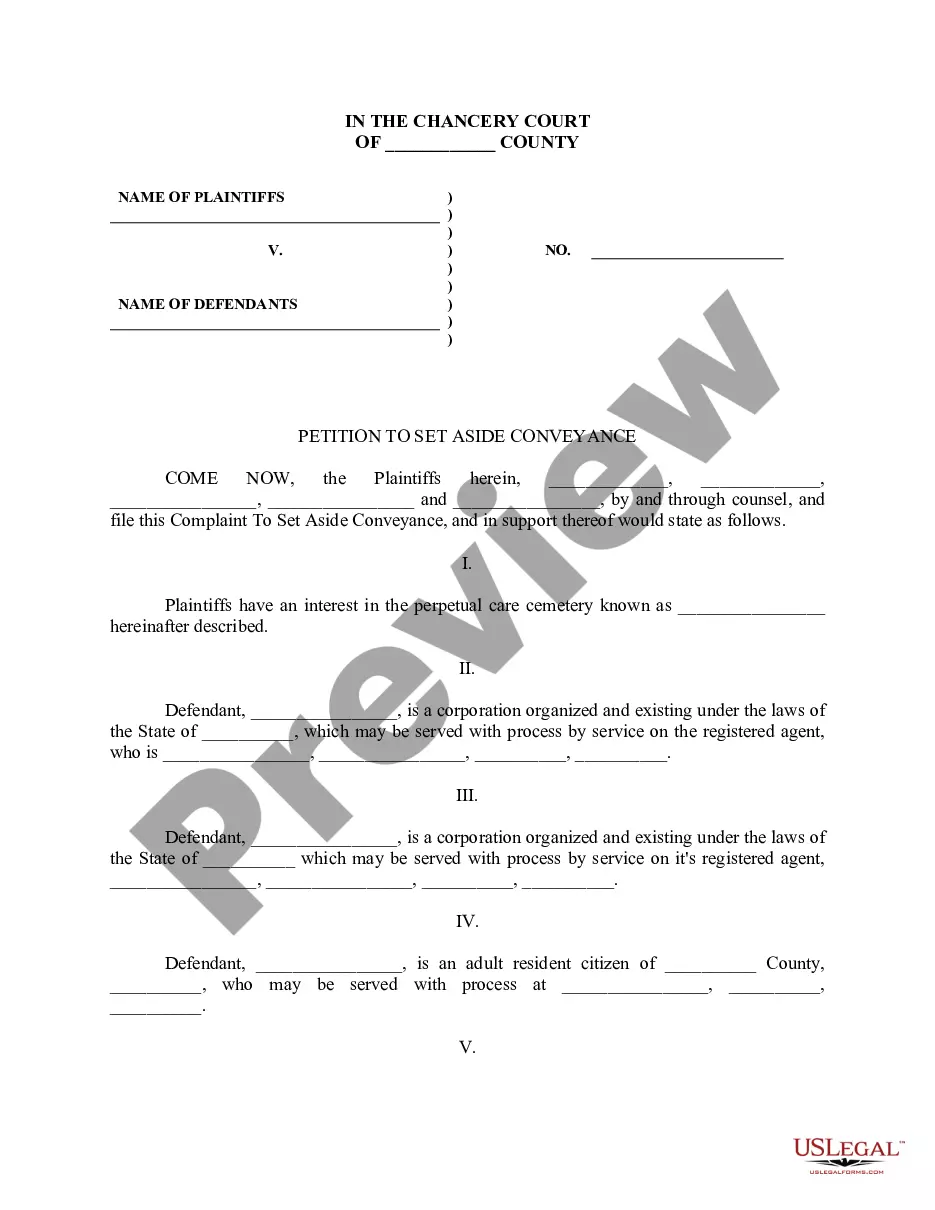
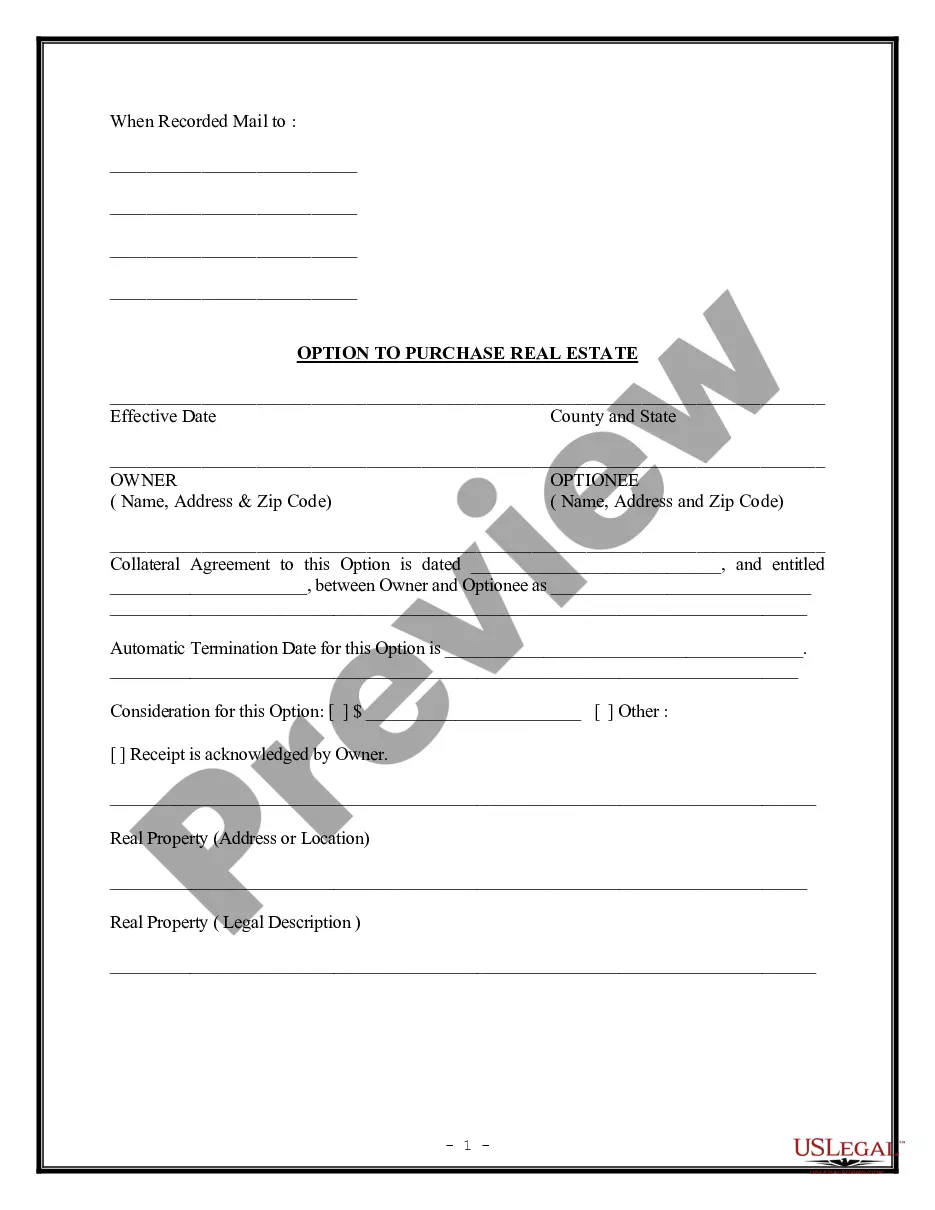
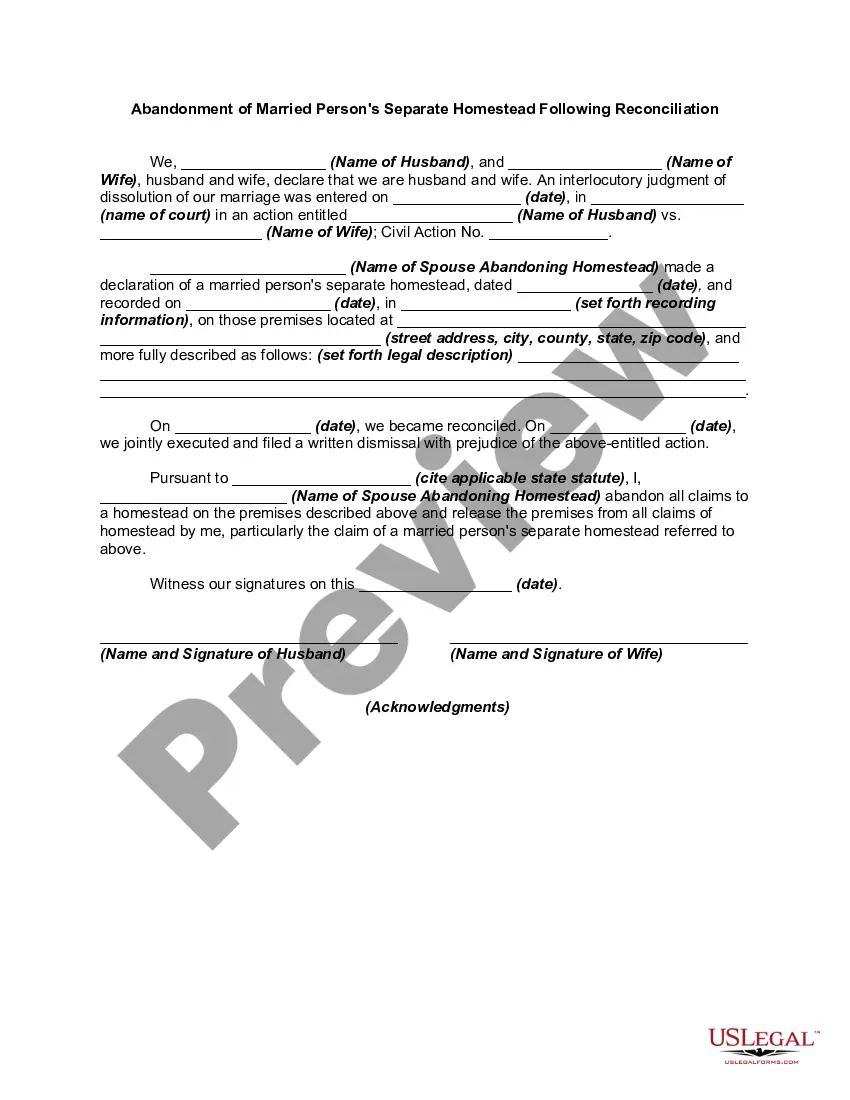
How to fill out Oil, Gas And Mineral Royalty Transfer?
If you want to be thorough, download, or create official document templates, use US Legal Forms, the largest collection of legal forms available online.
Utilize the site's simple and convenient search to find the documents you need. A range of templates for business and personal purposes are categorized by types and states, or keywords.
Use US Legal Forms to acquire the Mississippi Oil, Gas and Mineral Royalty Transfer in just a few clicks.
Step 5. Process the payment. You can use your Visa or MasterCard or PayPal account to complete the transaction.
Step 6. Choose the format of your legal form and download it to your system. Step 7. Complete, edit, and print or sign the Mississippi Oil, Gas and Mineral Royalty Transfer. Every legal document template you purchase is yours indefinitely. You will have access to every form you downloaded within your account. Click on the My documents section and select a form to print or download again. Be proactive and download, and print the Mississippi Oil, Gas and Mineral Royalty Transfer with US Legal Forms. There are thousands of professional and state-specific forms you can use for your business or personal needs.
- If you are already a US Legal Forms user, Log In to your account and click the Download button to obtain the Mississippi Oil, Gas and Mineral Royalty Transfer.
- You can also access forms you previously downloaded from the My documents section of your account.
- If you are using US Legal Forms for the first time, follow the instructions below.
- Step 1. Ensure you have selected the form for the correct city/state.
- Step 2. Use the Preview option to review the form's content. Don't forget to read the summary.
- Step 3. If you are not satisfied with the form, use the Search box at the top of the screen to find other versions of the legal form template.
- Step 4. Once you have found the form you need, select the Get now option. Choose the pricing plan you prefer and enter your details to register for an account.
Form popularity
FAQ
Transfer by deed: You can sell your mineral rights to another person or company by deed. Transfer by will: You can specify who you want to inherit your mineral rights in your will. Transfer by lease: You can lease mineral rights to a third party through a lease agreement.
Conduct a title deed search at the county records office to find the owner history in the title deed. Follow the history of the property through the chain of owners. This can tell you whether the property or land was ever owned by an oil and gas company.
The most common way is through a will or estate plan. When the mineral rights owner dies, their heirs will become the new owners. Another way to transfer mineral rights is through a lease. If the mineral rights are leased to a third party, the new owner will need approval from the current lessee to claim them.
After a divorce, mineral rights can be transferred by submitting the divorce decree and conveyances to the county (where the minerals are located) for recording. They usually go to the same agency that records titles and property deeds. The county will return the recorded original documents to the new owner.
If you own mineral rights or royalties, it's important to know how much they're worth. One way to determine their value is through the income approach or discounted cash flow analysis method. In this method, the present value of all estimated future cash flows is calculated based on certain assumptions.
The right to minerals transfers at the time of death to the individuals named as beneficiaries. If no specific beneficiaries to the mineral rights are designated, ownership passes to the property and real estate heir.
The first step in claiming your inherited mineral rights is to find the deed or title to the property. This document will outline who owns the mineral rights and how you can transfer them. Once you have the deed or title, you must contact the appropriate state agency to make a claim.
If you sign a mineral rights lease, then you are on your way to earning oil and gas royalties. As a mineral rights owner, you can receive royalty compensation. This is from the sale of crude oil, natural gas, and other valuable resources found on your property.