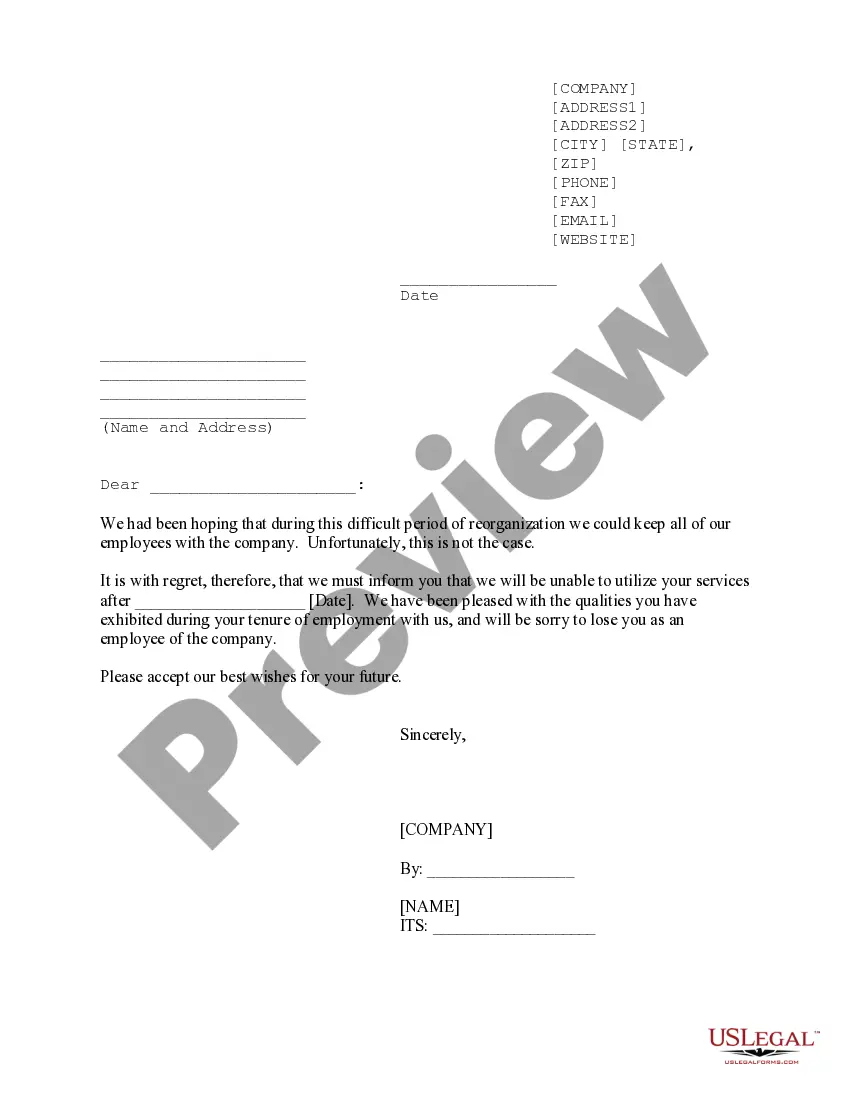
This is a Complaint pleading for use in litigation of the title matter. Adapt this form to comply with your facts and circumstances, and with your specific state law. Not recommended for use by non-attorneys.
Mississippi Complaint For Declaratory Judgment, Temporary Restraining Order, Preliminary and Permanent Injunction From Enforcement Of County Hog farming Ordinances
Instant download
Description
Free preview
















Get your form ready online
Our built-in tools help you complete, sign, share, and store your documents in one place.
Built-in online Word editor
Make edits, fill in missing information, and update formatting in US Legal Forms—just like you would in MS Word.
Export easily
Download a copy, print it, send it by email, or mail it via USPS—whatever works best for your next step.
E-sign your document
Sign and collect signatures with our SignNow integration. Send to multiple recipients, set reminders, and more. Go Premium to unlock E-Sign.
Notarize online 24/7
If this form requires notarization, complete it online through a secure video call—no need to meet a notary in person or wait for an appointment.
Store your document securely
We protect your documents and personal data by following strict security and privacy standards.

Make edits, fill in missing information, and update formatting in US Legal Forms—just like you would in MS Word.

Download a copy, print it, send it by email, or mail it via USPS—whatever works best for your next step.

Sign and collect signatures with our SignNow integration. Send to multiple recipients, set reminders, and more. Go Premium to unlock E-Sign.

If this form requires notarization, complete it online through a secure video call—no need to meet a notary in person or wait for an appointment.

We protect your documents and personal data by following strict security and privacy standards.
Looking for another form?





How to fill out Complaint For Declaratory Judgment, Temporary Restraining Order, Preliminary And Permanent Injunction From Enforcement Of County Hog Farming Ordinances?
Selecting the appropriate authentic document template can be quite a challenge.
Certainly, there are numerous designs accessible online, but how do you find the genuine form you require.
Utilize the US Legal Forms website. The platform offers a multitude of templates, such as the Mississippi Complaint For Declaratory Judgment, Temporary Restraining Order, Preliminary and Permanent Injunction From Enforcement Of County Hog Farming Ordinances, which can be utilized for business and personal purposes. All of the forms are reviewed by experts and comply with state and federal regulations.
If the form does not meet your expectations, use the Search field to find the correct form. When you are confident that the form is appropriate, click on the Buy Now button to obtain the form. Choose the pricing plan you need and enter the required information. Create your account and process the order using your PayPal account or credit card. Select the file format and download the legal document template for your device. Complete, edit, and print and sign the obtained Mississippi Complaint For Declaratory Judgment, Temporary Restraining Order, Preliminary and Permanent Injunction From Enforcement Of County Hog Farming Ordinances. US Legal Forms is the largest collection of legal forms where you can find various document templates. Utilize the service to obtain properly crafted documents that adhere to state requirements.
- If you are already registered, sign in to your account and click on the Download button to locate the Mississippi Complaint For Declaratory Judgment, Temporary Restraining Order, Preliminary and Permanent Injunction From Enforcement Of County Hog Farming Ordinances.
- Use your account to search for the legal forms you have previously acquired.
- Visit the My documents tab of your account and download another copy of the document you require.
- If you are a new user of US Legal Forms, here are simple steps for you to follow.
- First, ensure you have selected the correct form for your city/state.
- You can review the form using the Preview button and check the form details to ensure it is the right one for you.
Form popularity
FAQ
Rule 11 of the Mississippi Rules of Civil Procedure requires attorneys to sign documents submitted to the court, affirming that the information is well-grounded in fact and law. This rule helps maintain the integrity of the judicial system, especially in cases like a Mississippi Complaint For Declaratory Judgment, Temporary Restraining Order, Preliminary and Permanent Injunction From Enforcement Of County Hog farming Ordinances. Violating Rule 11 can result in sanctions, so understanding this rule is essential for anyone filing legal documents.
To ask for injunctive relief in a complaint, you must clearly outline the circumstances necessitating such relief. In your Mississippi Complaint For Declaratory Judgment, Temporary Restraining Order, Preliminary and Permanent Injunction From Enforcement Of County Hog farming Ordinances, specify the harm you face and the legal basis for your request. It’s also important to demonstrate how the injunction would prevent irreparable harm. Utilizing platforms like uslegalforms can help streamline this process by providing templates and guidance.
A Rule 81 hearing in Mississippi pertains to specific civil actions, including those related to a Mississippi Complaint For Declaratory Judgment, Temporary Restraining Order, Preliminary and Permanent Injunction From Enforcement Of County Hog farming Ordinances. This type of hearing permits a party to present their case before a judge, often without the need for a jury. The court assesses the evidence and arguments to determine the appropriate legal relief, which can be vital in urgent matters.
Rule 41 B of the Mississippi Rules of Civil Procedure allows a defendant to seek dismissal of a case for lack of prosecution. This rule is particularly relevant in cases involving a Mississippi Complaint For Declaratory Judgment, Temporary Restraining Order, Preliminary and Permanent Injunction From Enforcement Of County Hog farming Ordinances, where timely action is essential. If the plaintiff fails to move the case forward within a specified time, the court may dismiss the case altogether, providing a crucial mechanism for defendants.
A preliminary injunction is temporary relief that preserves the status quo until the courts decide on the merits of the case. The relief sought often involves asking a court to prevent an opposing party from taking specific action or continuing a current course of action.
Every order granting an injunction and every restraining order must: (A) state the reasons why it issued; (B) state its terms specifically; and Page 3 Rule 65 (C) describe in reasonable detail ? and not by referring to the complaint or other document ? the act or acts restrained or required.
Every order granting an injunction and every restraining order shall set forth the reasons for its issuance; shall be specific in terms; shall describe in reasonable detail, and not by reference to the complaint or other document, the act or acts sought to be restrained; and is binding only upon the parties to the ...
- No restraining order or preliminary injunction shall issue except upon the giving of security by the applicant, in such sum as the judge deems proper, for the payment of such costs and damages as may be incurred or suffered by any party who is found to have been wrongfully enjoined or restrained.
Rule 65 of the Federal Rules of Civil Procedure governs injunctions and restraining orders. It sets specific requirements for two types of orders that courts may issue before a full trial on the merits: preliminary injunctions and temporary restraining orders (TROs).
Declaratory judgment and injunction Order (Injunctive Relief) are different in nature but same in purpose. The effects and outcomes may be varying ing to situation and requirements. The judgment doesn't award the remedies but the injunctive relief awards the remedies on the temporary or permanent base.