Mississippi Closing Statement
Understanding this form
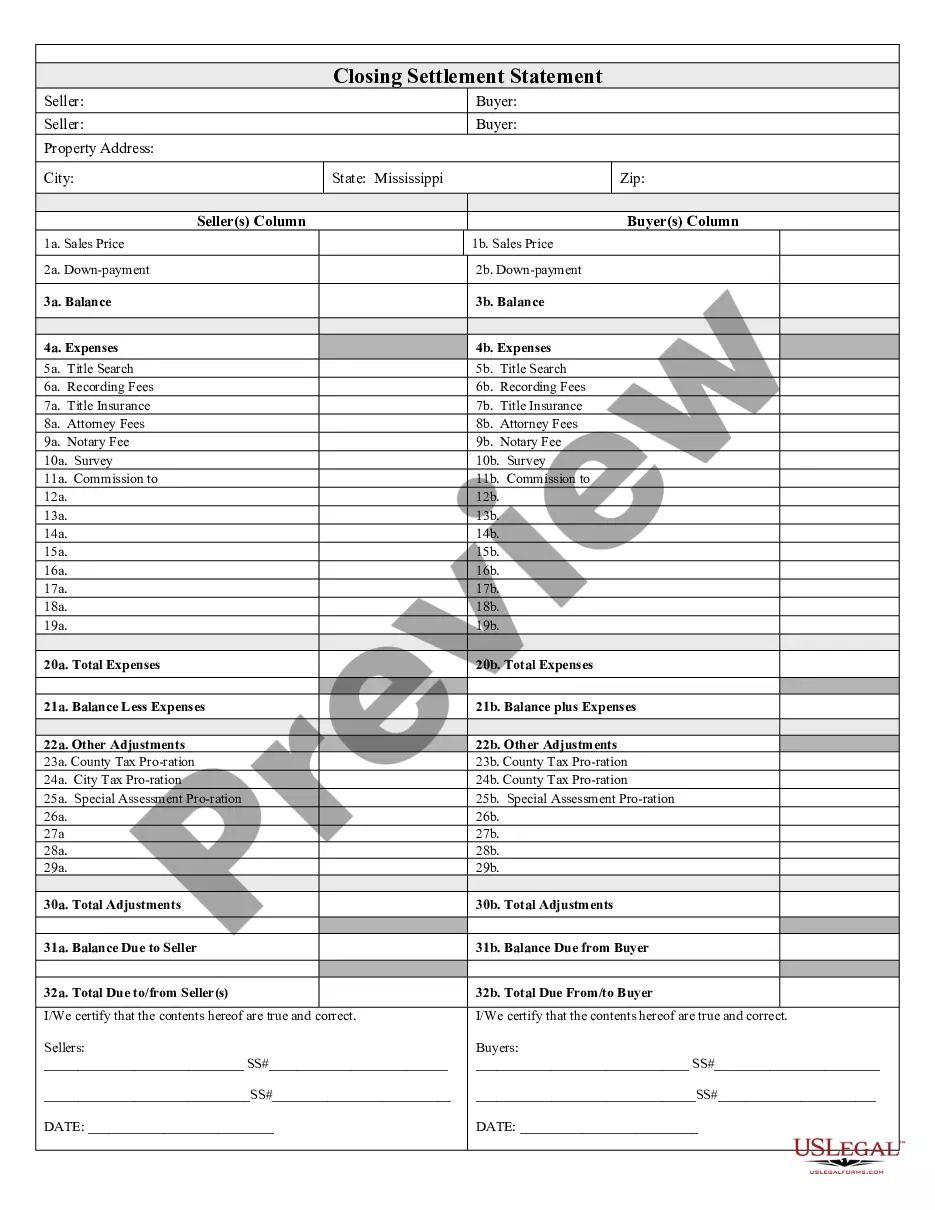
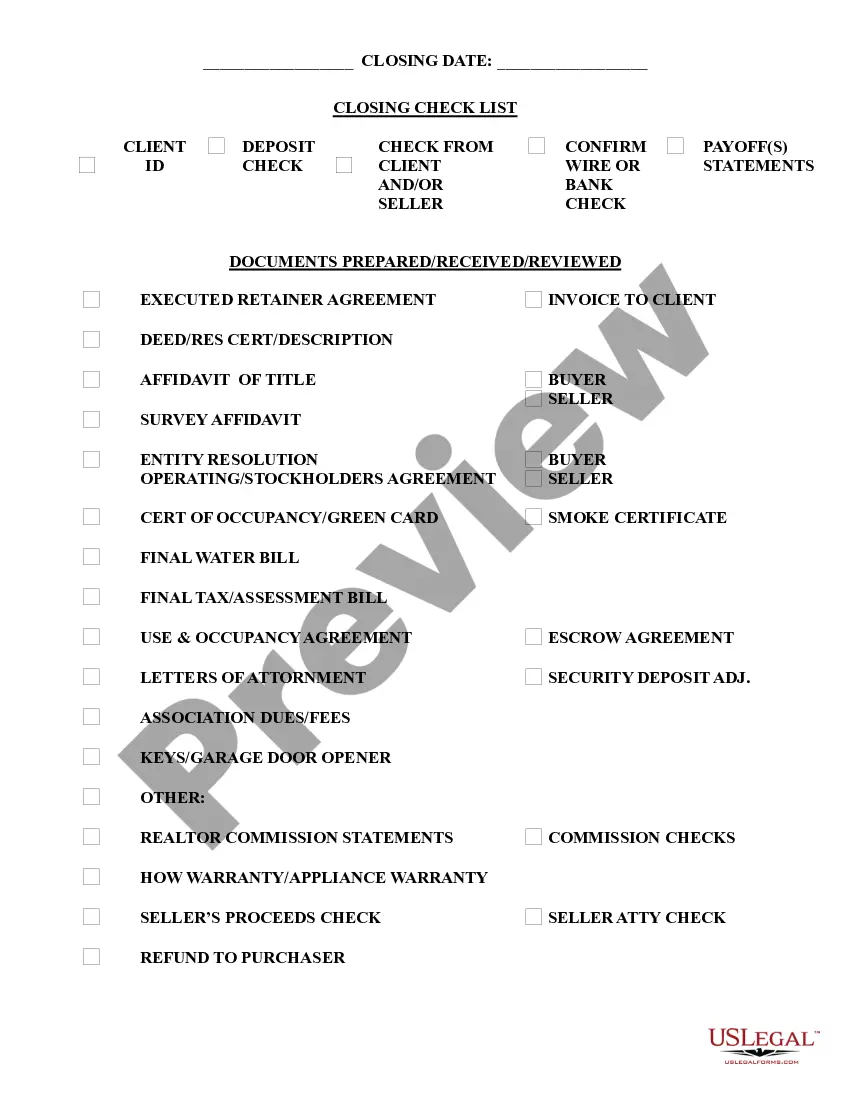
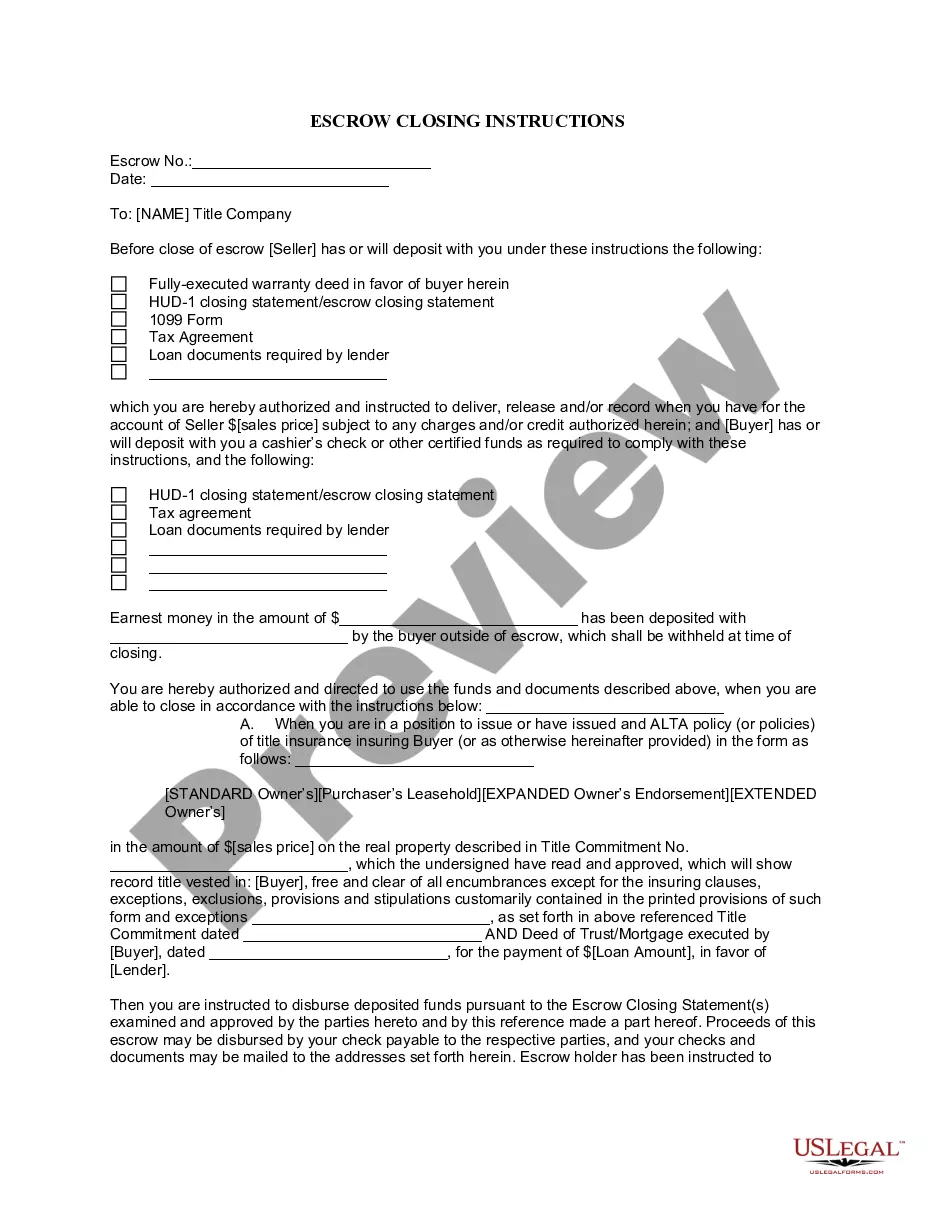
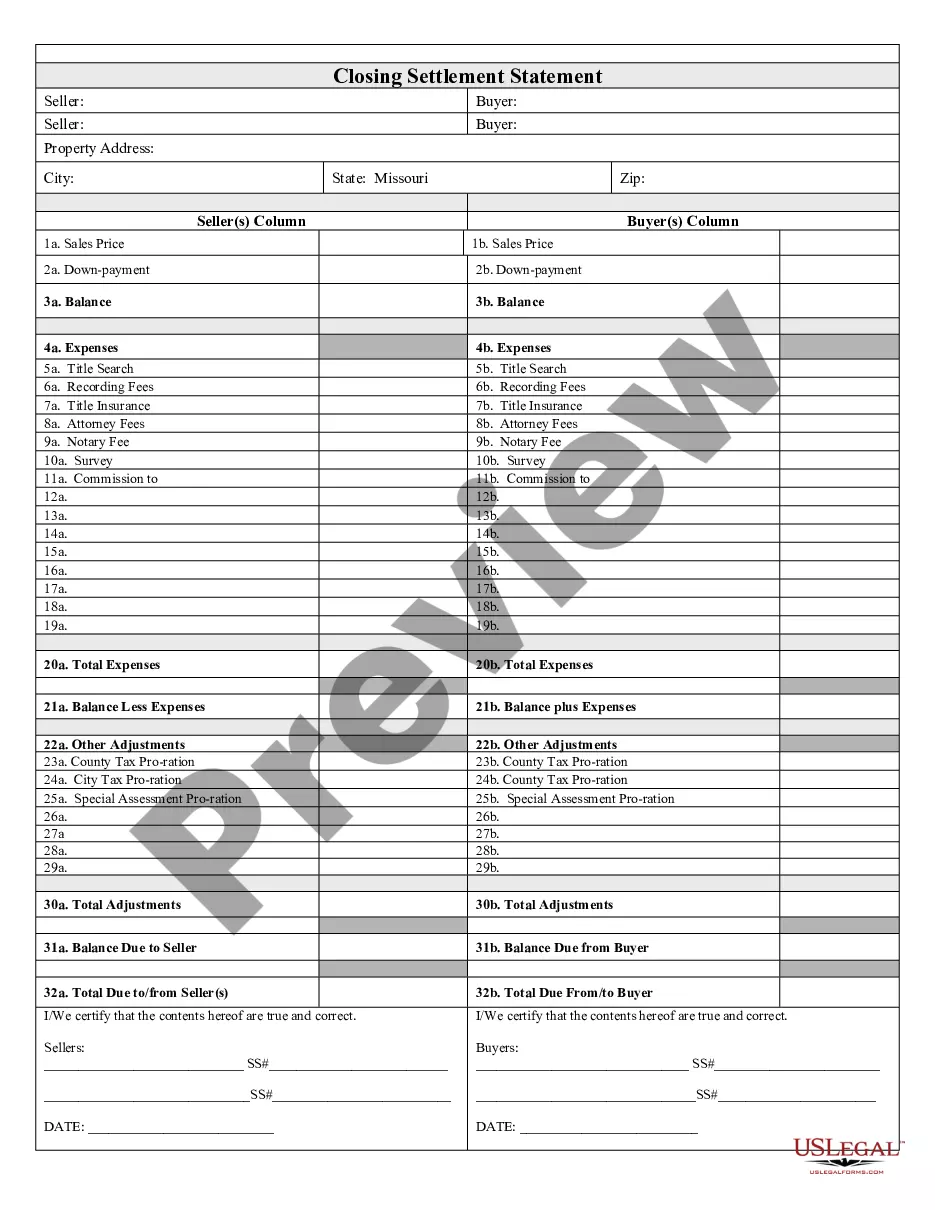
The Closing Statement is a crucial document used during a real estate transaction, specifically for cash sales or owner financing agreements. It details the financial aspects of the transaction, including all costs associated with closing and is verified by both the seller and buyer. This form serves to ensure transparency and clarity in the financial dealings of the real estate transaction, distinguishing it from other real estate forms, such as purchase agreements or leases.
Main sections of this form
- Balance calculations for both buyer and seller
- Detailed breakdown of expenses, including title search, recording fees, and attorney fees
- Inclusion of any adjustments such as pro-ration of taxes
- Certification by both buyer and seller verifying the accuracy of the information

Common use cases
This form should be used during the closing phase of a real estate transaction. It is essential when a property is being purchased outright in cash or through an owner financing agreement. The Closing Statement ensures all parties are aware of the total expenses involved and confirms the amounts to be exchanged between buyer and seller.
Intended users of this form
- Real estate sellers and buyers involved in cash transactions or owner financing
- Real estate agents or brokers assisting parties in a transaction
- Attorneys involved in the closing process
Completing this form step by step
- Identify the parties involved in the transaction, including buyers and sellers.
- Specify the property details and transaction type (cash sale or owner financing).
- List all expenses incurred during the transaction, such as title insurance and recording fees.
- Calculate the total expenses and balances due to and from each party.
- Ensure both parties sign the form to certify its accuracy.
Notarization guidance
This form must be notarized to be legally valid. US Legal Forms provides secure online notarization powered by Notarize, allowing you to complete the process through a verified video call.
Get your form ready online
Our built-in tools help you complete, sign, share, and store your documents in one place.
Make edits, fill in missing information, and update formatting in US Legal Forms—just like you would in MS Word.
Download a copy, print it, send it by email, or mail it via USPS—whatever works best for your next step.
Sign and collect signatures with our SignNow integration. Send to multiple recipients, set reminders, and more. Go Premium to unlock E-Sign.
If this form requires notarization, complete it online through a secure video call—no need to meet a notary in person or wait for an appointment.
We protect your documents and personal data by following strict security and privacy standards.

Make edits, fill in missing information, and update formatting in US Legal Forms—just like you would in MS Word.

Download a copy, print it, send it by email, or mail it via USPS—whatever works best for your next step.

Sign and collect signatures with our SignNow integration. Send to multiple recipients, set reminders, and more. Go Premium to unlock E-Sign.

If this form requires notarization, complete it online through a secure video call—no need to meet a notary in person or wait for an appointment.

We protect your documents and personal data by following strict security and privacy standards.
Mistakes to watch out for
- Failing to accurately list all expenses involved in the transaction.
- Not obtaining necessary signatures from both the buyer and seller.
- Incorrectly calculating totals or balances due, leading to disputes.
Benefits of using this form online
- Convenient access to the form at any time, from anywhere.
- Easy to edit and customize according to individual transaction details.
- Reliability of documents drafted by licensed attorneys, ensuring legal compliance.
Looking for another form?
Form popularity
FAQ
Each closing argument usually lasts 20-60 minutes. Some jurisdictions limit how long the closing may be, and some jurisdictions allow some of that time to be reserved for later.
The criminal statute of limitations requires prosecutors to file criminal charges against a suspect within two years for misdemeanors and within five years for certain felonies, but there is no time limit in Mississippi for charges of murder, kidnapping, rape, burglary, robbery, larceny, and several other serious
There are basically 3 stages to a civil appeal in Mississippi. First, you file your notice of appeal and other preliminary documents. Critically, you MUST file your notice of appeal within 30 days of the trial court's final judgment. In some cases, you should file a post-trial motion within 10 days of the judgment.
A summary of the evidence. any reasonable inferences that can be draw from the evidence. an attack on any holes or weaknesses in the other side's case. a summary of the law for the jury and a reminder to follow it, and.
Factual Evidence. How it supports your case. Factual Evidence. How it supports your case. Factual Evidence. How it supports your case. Comments on the credibility of witnesses: How do the puzzle pieces of evidence and testimony fit into a compelling whole? This is your narrative of what happened.
Filing the Notice of Appeal. Abandonment or Settlement. Waiver of Fees. Designating the Record. Civil Case Information Sheet. Briefs. Oral Argument. The Court's Decision.
The closing statement is the attorney's final statement to the jury before deliberation begins. The attorney reiterates the important arguments, summarizes what the evidence has and has not shown, and requests jury to consider the evidence and apply the law in his or her client's favor.
The prosecution goes first, followed by the defense and a rebuttal by the prosecution. Because the prosecution has the burden of proof, it gets the final word. After the closing arguments, the judge will give the jury its final instructions.Criminal juries must reach a unanimous verdict of guilty or not guilty.
A closing argument, summation, or summing up is the concluding statement of each party's counsel reiterating the important arguments for the trier of fact, often the jury, in a court case.A closing argument may not contain any new information and may only use evidence introduced at trial.