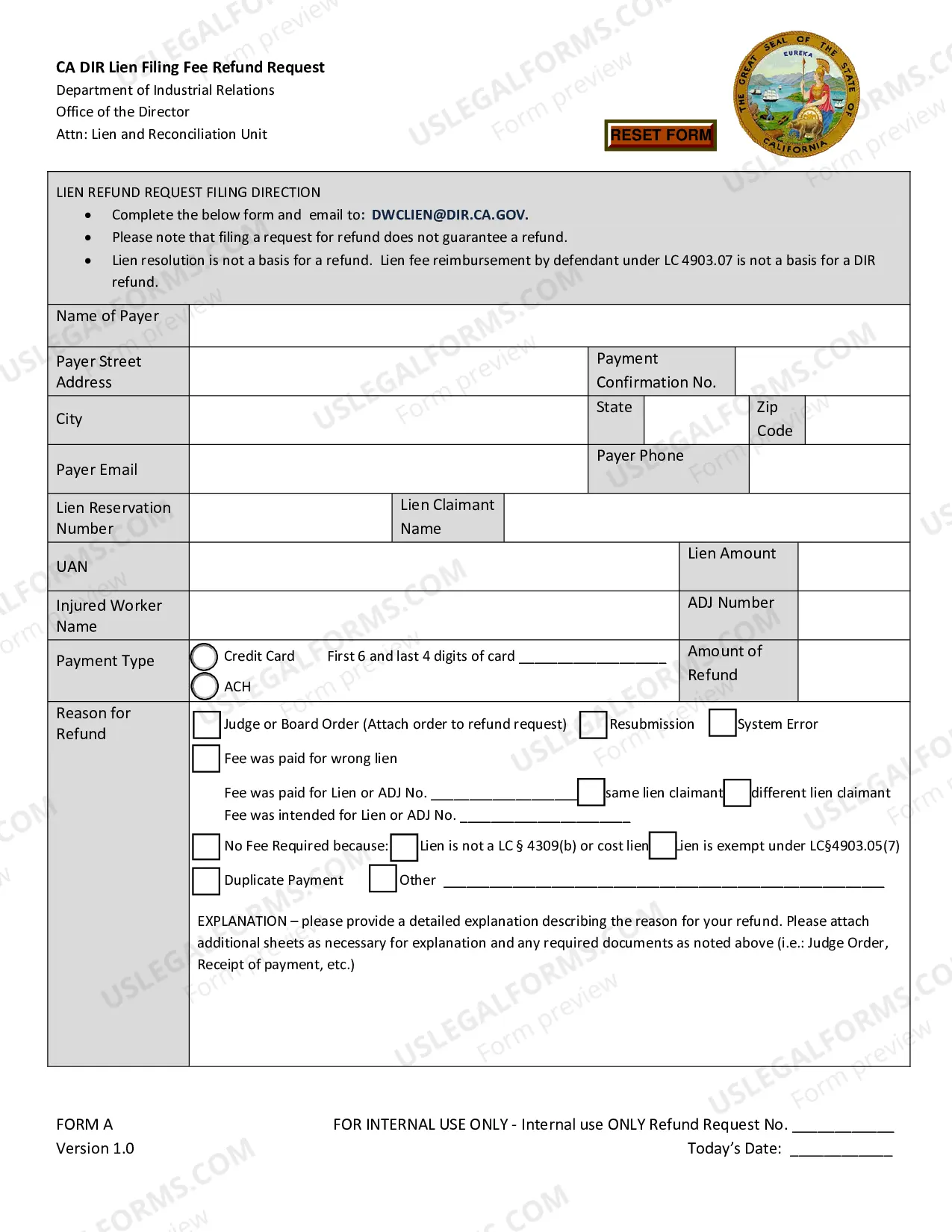
Mississippi Petition for Protection from Abuse
Understanding this form
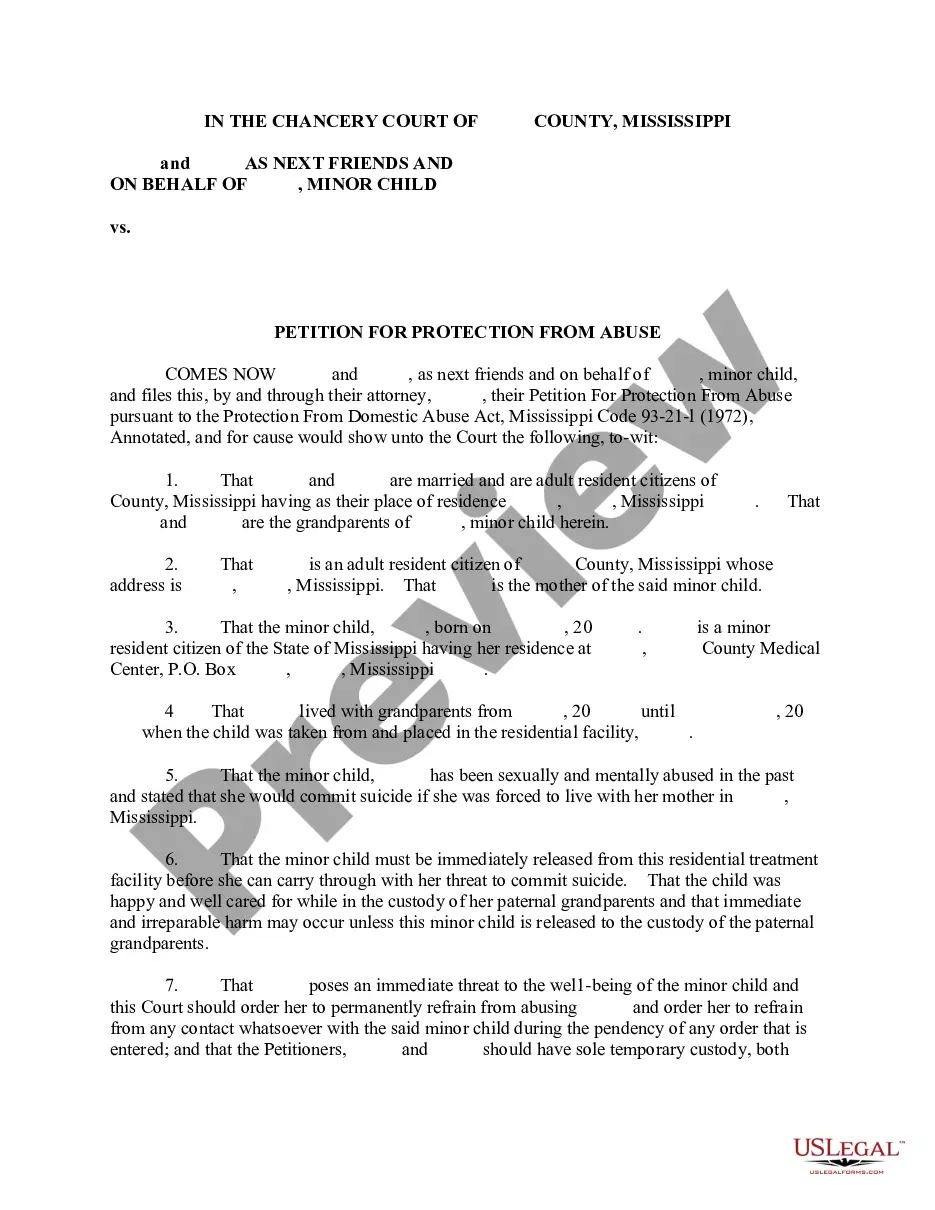
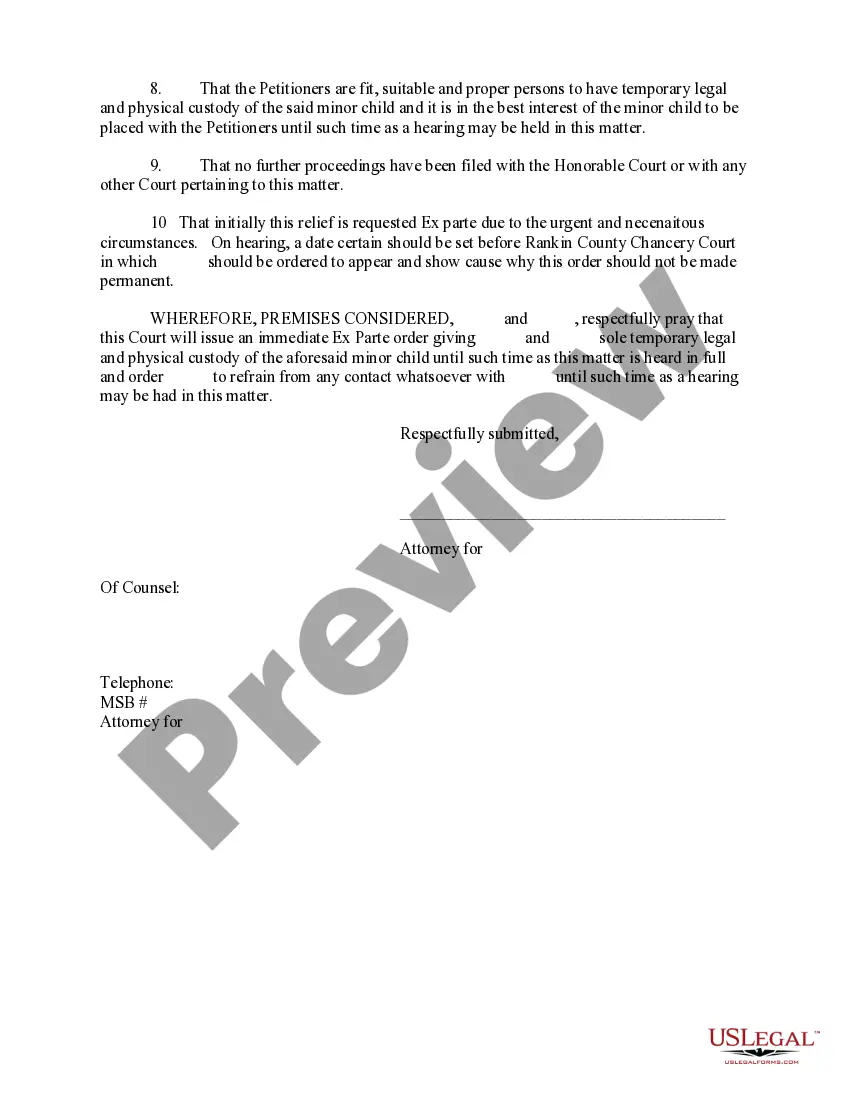
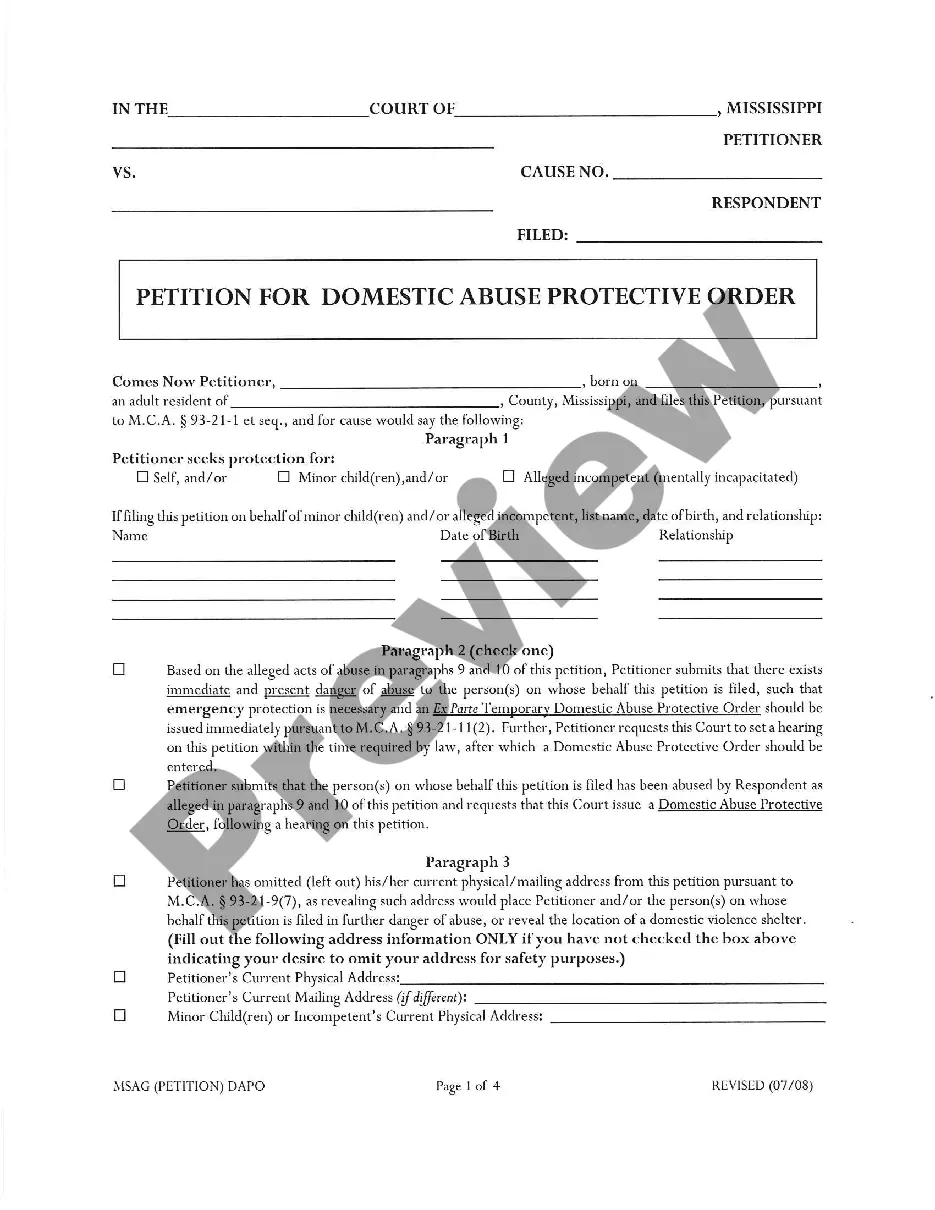
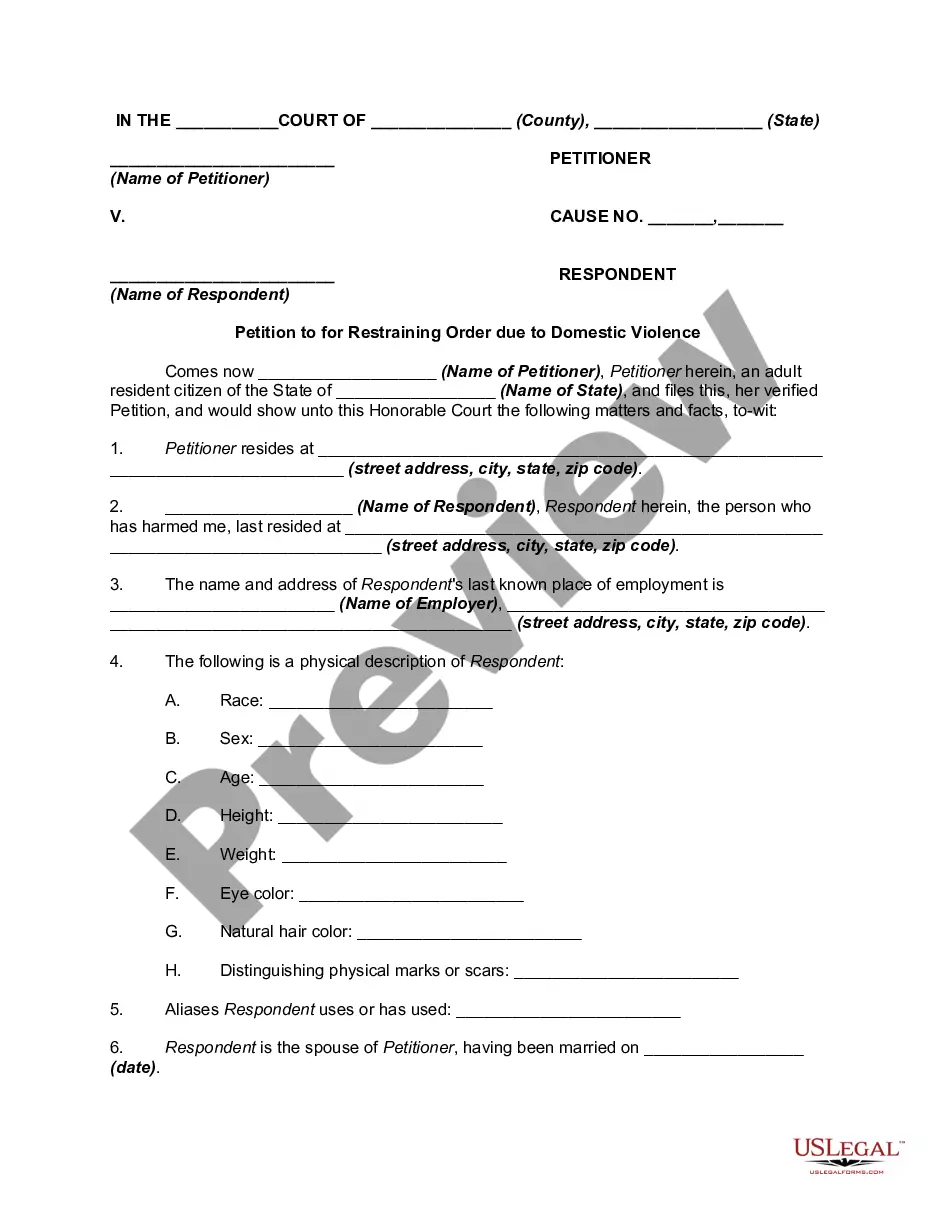
The Petition for Protection from Abuse is a legal document used to request a protective order from the court. This form enables individuals to seek legal protection in cases of domestic violence, harassment, or threats. It is designed to clearly state the need for protection and distinguish itself from other legal filings, such as restraining orders or general petitions, which may serve different purposes.
Form components explained
- Identification of the petitioner and respondent.
- Details regarding the past incidents of abuse or threats.
- Request for specific protection or relief from the court.
- Certification that no other proceedings related to the matter are pending.
- Signatures of the petitioner and date of filing.
Situations where this form applies
This form should be used when an individual feels threatened or has experienced abuse from a partner, family member, or someone they live with. It is appropriate to file this petition when immediate legal protection is necessary to ensure safety from further harm or intimidation.
Who should use this form
- Individuals seeking legal protection from an abuser.
- Persons who have experienced domestic violence or harassment.
- Victims who need immediate assistance from the court.
Steps to complete this form
- Identify and enter your information as the petitioner.
- Provide the respondent's details, including their relationship to you.
- Describe the incidents of abuse or threats clearly and accurately.
- Specify the type of protection you are requesting from the court.
- Sign and date the petition before filing it with the appropriate court.
Does this form need to be notarized?
In most cases, this form does not require notarization. However, some jurisdictions or signing circumstances might. US Legal Forms offers online notarization powered by Notarize, accessible 24/7 for a quick, remote process.
Get your form ready online
Our built-in tools help you complete, sign, share, and store your documents in one place.
Make edits, fill in missing information, and update formatting in US Legal Forms—just like you would in MS Word.
Download a copy, print it, send it by email, or mail it via USPS—whatever works best for your next step.
Sign and collect signatures with our SignNow integration. Send to multiple recipients, set reminders, and more. Go Premium to unlock E-Sign.
If this form requires notarization, complete it online through a secure video call—no need to meet a notary in person or wait for an appointment.
We protect your documents and personal data by following strict security and privacy standards.

Make edits, fill in missing information, and update formatting in US Legal Forms—just like you would in MS Word.

Download a copy, print it, send it by email, or mail it via USPS—whatever works best for your next step.

Sign and collect signatures with our SignNow integration. Send to multiple recipients, set reminders, and more. Go Premium to unlock E-Sign.

If this form requires notarization, complete it online through a secure video call—no need to meet a notary in person or wait for an appointment.

We protect your documents and personal data by following strict security and privacy standards.
Mistakes to watch out for
- Not providing enough detail about incidents of abuse.
- Failing to list all necessary parties involved.
- Neglecting to sign and date the form before submission.
Why use this form online
- Convenient access from any device, eliminating the need to visit a legal office.
- Editable templates allow customization to fit specific situations.
- Drafted by licensed attorneys to ensure legal reliability and compliance.
Legal use & context
- The petition is legally recognized in the court system.
- Proper completion and submission can lead to enforceable protective orders.
- Understand the limitations and duration of protection provided by the court.
What to keep in mind
- The Petition for Protection from Abuse is a critical tool for individuals seeking safety.
- Completing the form accurately is vital to ensure your request is taken seriously by the court.
- Consult local laws to understand the filing process and specific requirements in your state.
Looking for another form?


Form popularity
FAQ
Typically, either the victim or the defendant can ask the court to lift the restraining order. This is usually completed by filing a motion with the court, such as a Motion to Modify Conditions of Pretrial Release or a Motion to Lift Restraining Order. This legal motion must usually identify the parties.
While a restraining order might seem helpful in preventing you from harm, it can make things much worse.Because of this, they do not care and will continue to do all of the things that lead you to get a restraining order.
Under section 93-21-7(2) of the Mississippi Code, there is no cost to file for a protection order. . temporary restraining order. the clerk will fill out the information for you.
Under section 93-21-7(2) of the Mississippi Code, there is no cost to file for a protection order. . temporary restraining order. the clerk will fill out the information for you.
Be punctual. Make sure your witnesses are present and prepared. Ensure your evidence is ready. If witnesses or documents that have been subpoenaed and are not in the court, let the judge know. Dress in a manner similar to that as you would for a job interview.
Usually yes, but sometimes no. Temporary restraining orders will appear so law enforcement officers can see it.But if the hearing results in a permanent restraining order, it goes on your record. But even restraining orders that should be expunged sometimes stay in the system longer.
It does not cost anything to file for an order of protection. Many orders of protection cases are handled without a lawyer however it can often be helpful to have one represent you in court.If you are going to be in court without a lawyer, our Preparing for Court By Yourself section may be useful to you.
If the judge is satisfied, he or she will issue a temporary protective order that will last ten days, but which can be extended upon request, up to the maximum length of one year, but can only last 30 days where the victim has minor children with the abuser.