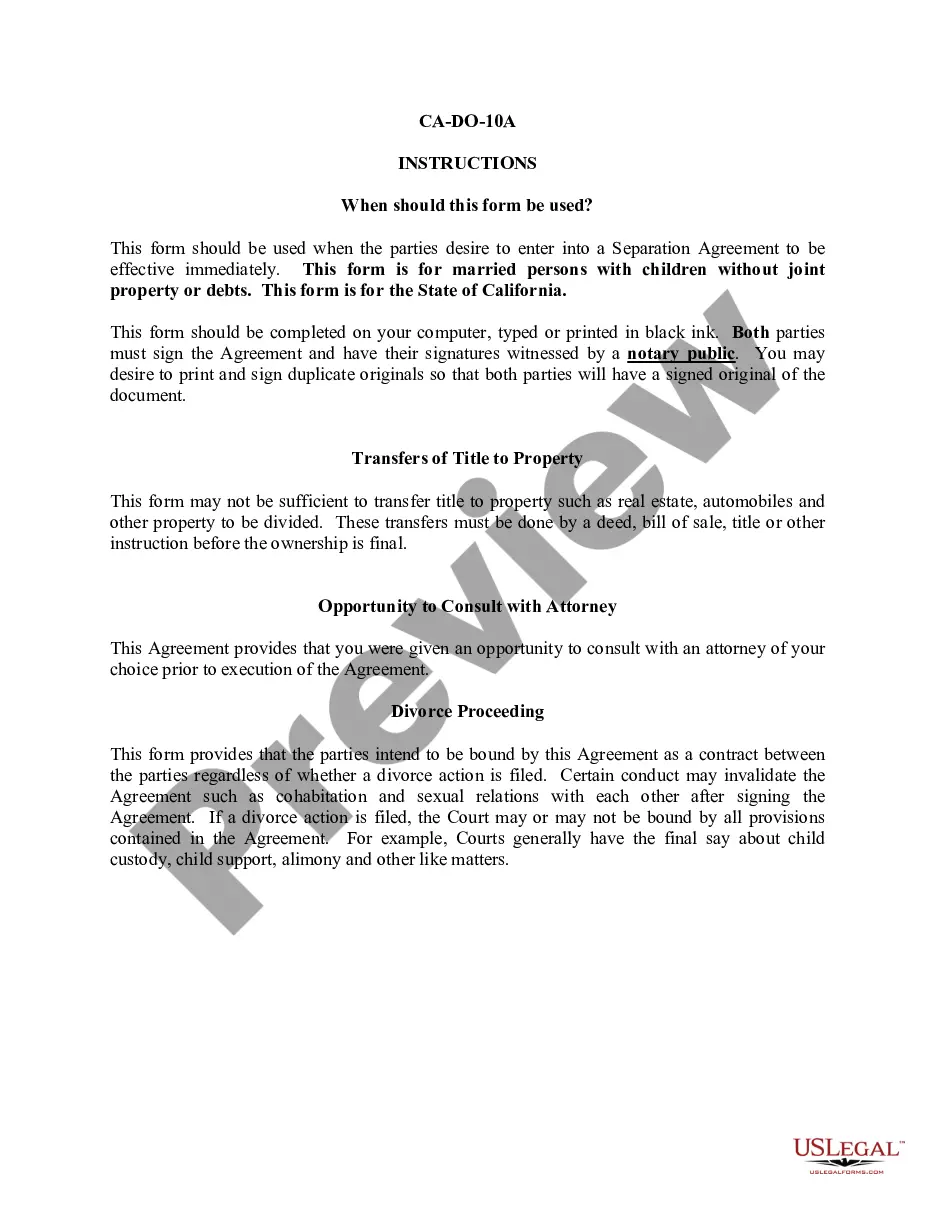
Mississippi Agreed Order Establishing Paternity, Custody, Support and Visitation
Overview of this form
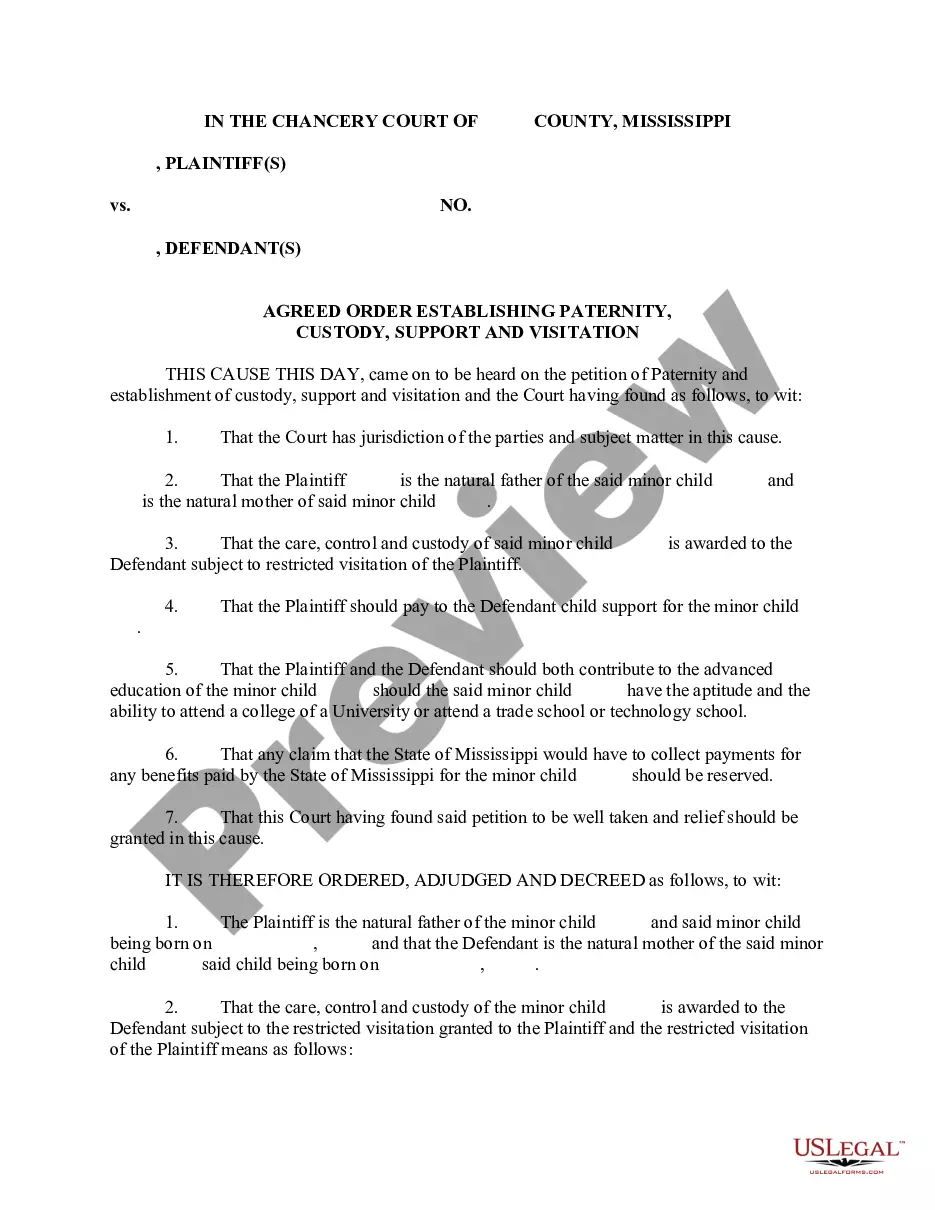
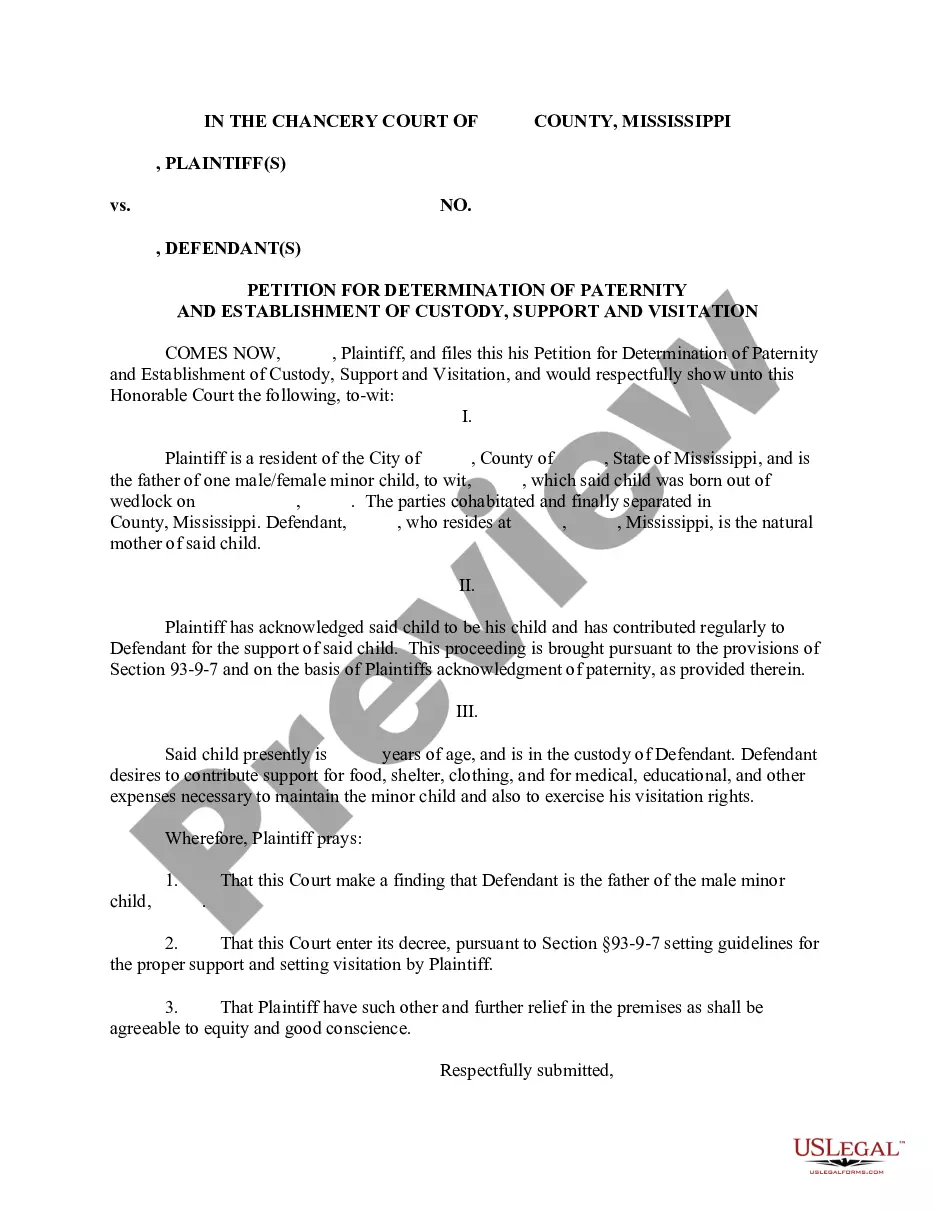
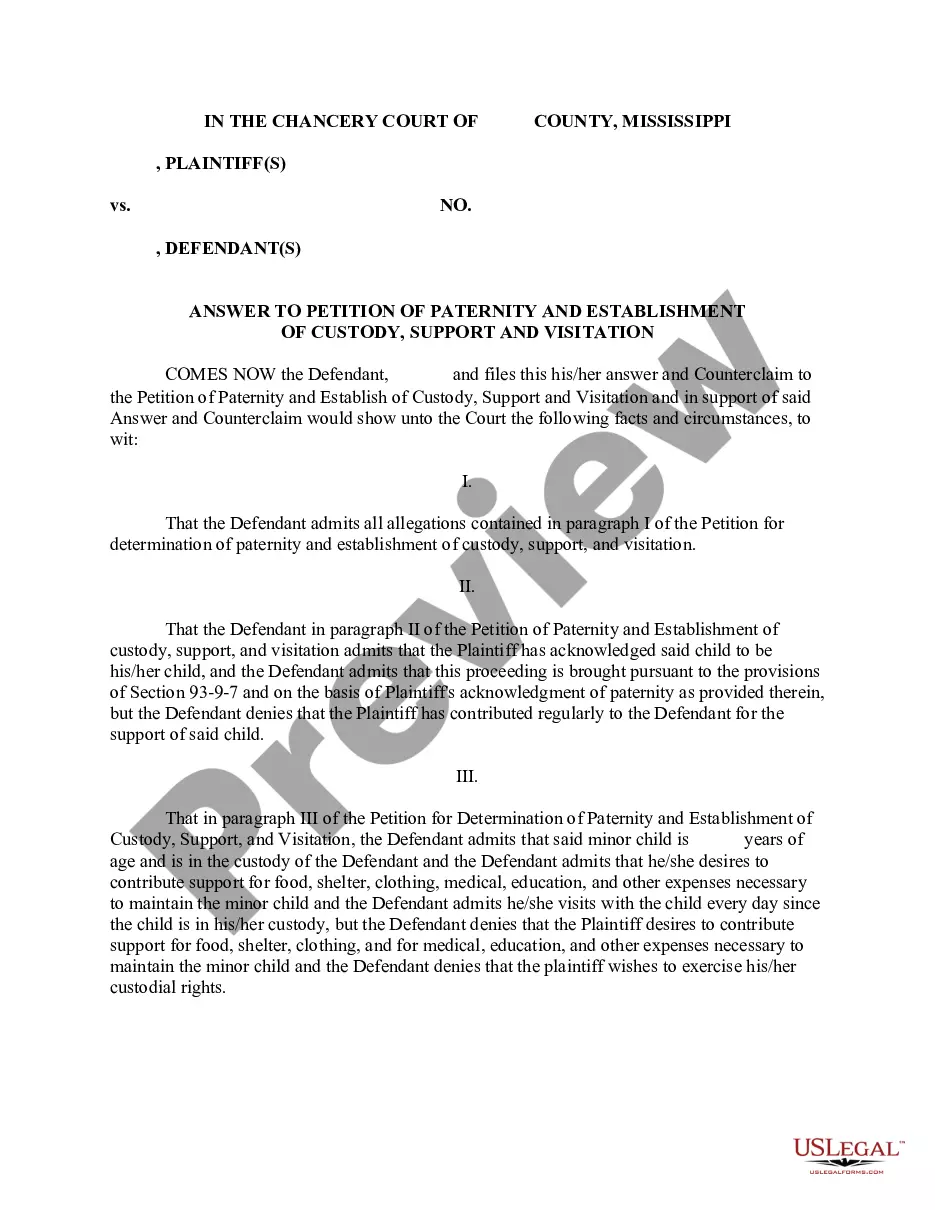
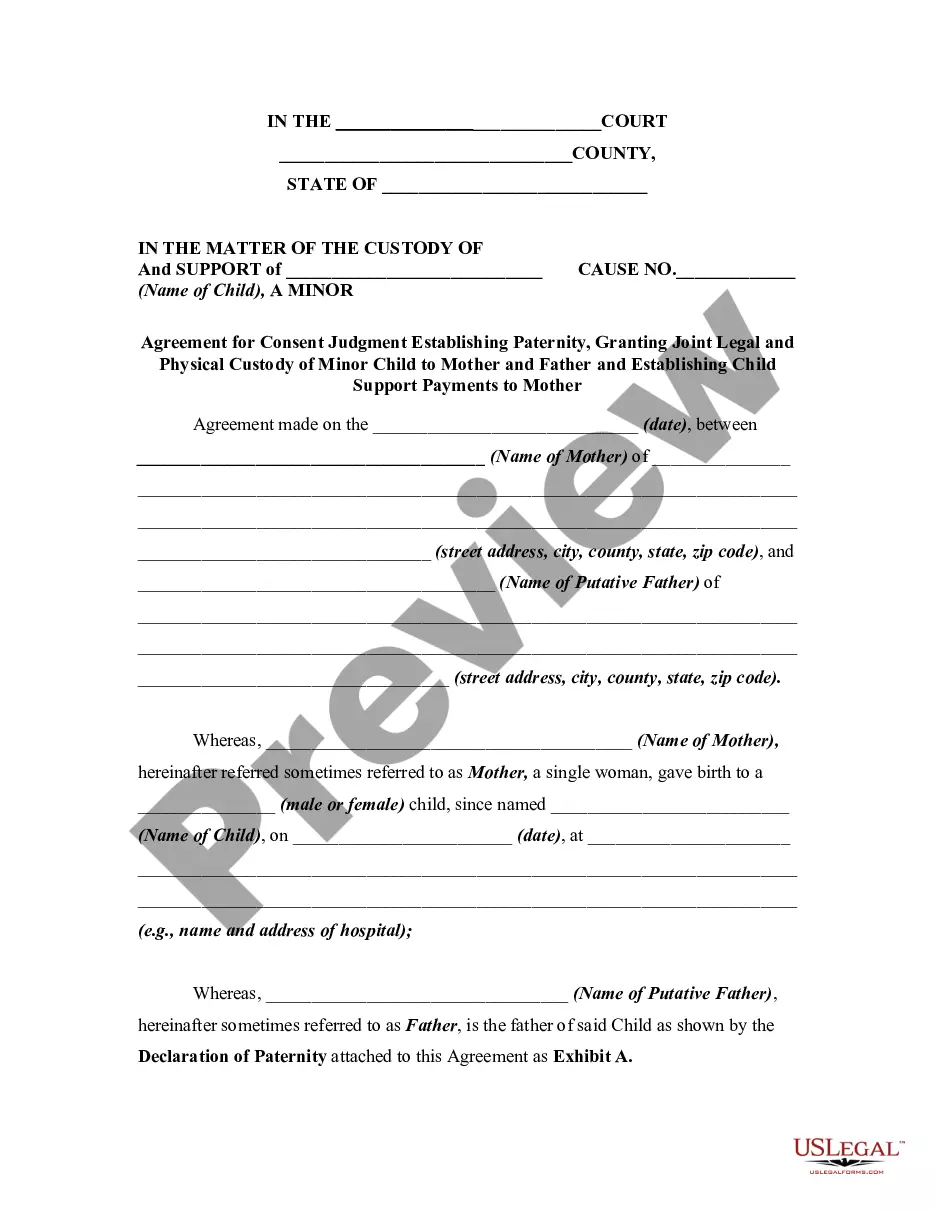
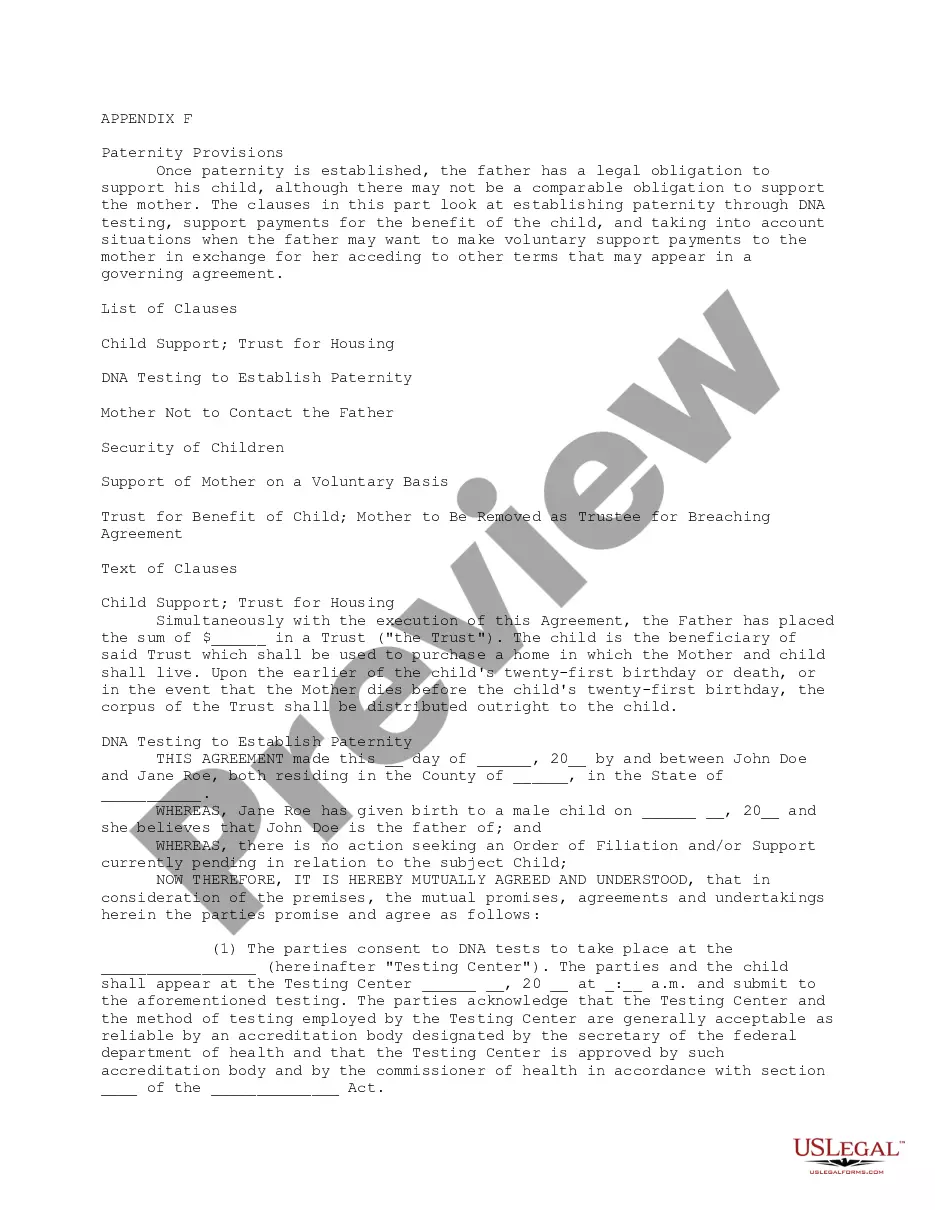
The Agreed Order Establishing Paternity, Custody, Support and Visitation is a legal document specifically designed for use in Mississippi. This form serves as a written agreement signed by both parties, confirming their mutual understanding regarding the paternity, custody, support, and visitation arrangements for their child. It is distinct from other custody and support forms as it reflects a consensus between parents rather than a court-imposed directive.
Key components of this form
- Jurisdiction acknowledgment, ensuring the court's authority over the matter.
- Details regarding the Defendant's obligation to maintain health and medical insurance for the child.
- Agreement on splitting costs for medical expenses not covered by insurance.
- Commitment to contribute to the child's education expenses after high school.
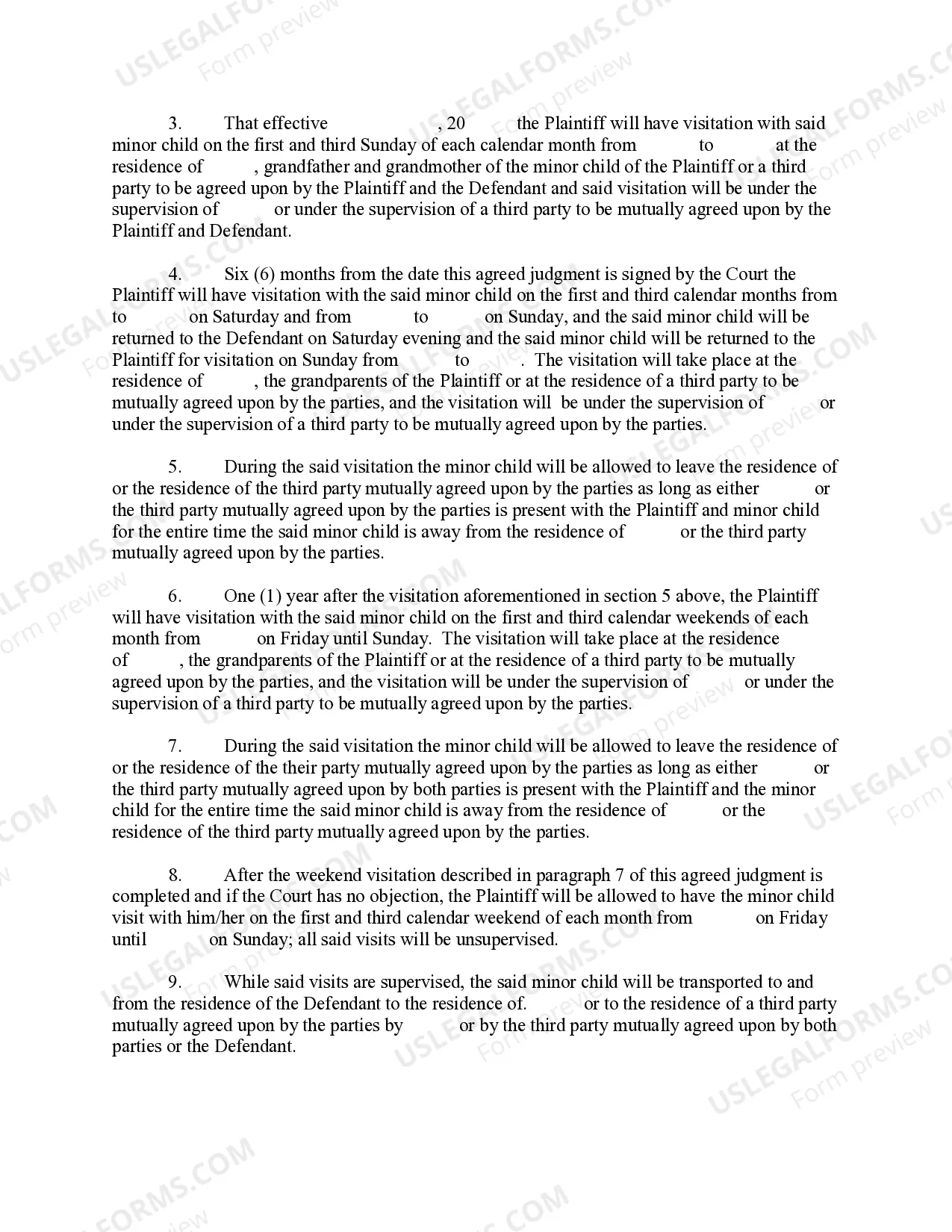
- Visitation schedule, including flexibility for the Plaintiff's work commitments.

When to use this document
This form is typically used when both parents of a minor child have reached an agreement on critical issues such as paternity, custody arrangements, child support, and visitation rights. It provides a clear framework for parents who wish to formalize their agreement in a legally binding manner without needing contentious court battles.
Who can use this document
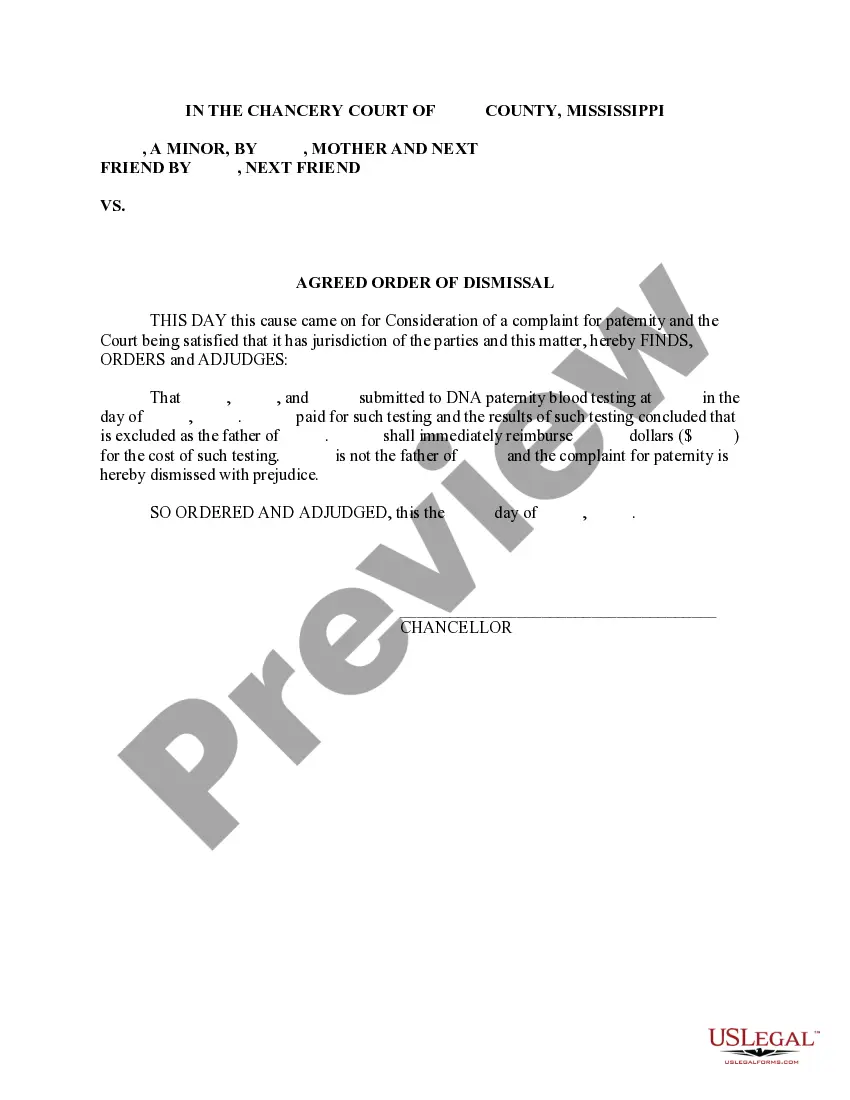
- Parents seeking to establish paternity of their child.
- Those needing to formalize custody, support, and visitation agreements amicably.
- Individuals looking to modify existing arrangements with mutual consent.
Instructions for completing this form
- Identify the parties involved: List the names of both parents.
- State the jurisdiction: Confirm that the court has the authority to oversee this matter.
- Detail the agreed arrangements: Fill out sections regarding custody, support, and visitation schedules.
- Include insurance provisions: Specify who will maintain medical coverage for the child and how expenses will be shared.
- Have both parties sign the document: Ensure both parents sign the agreement in the presence of appropriate witnesses if necessary.
Notarization requirements for this form
This form does not typically require notarization unless specified by local law. However, having the agreement notarized can provide an additional layer of authenticity and security.
Get your form ready online
Our built-in tools help you complete, sign, share, and store your documents in one place.
Make edits, fill in missing information, and update formatting in US Legal Forms—just like you would in MS Word.
Download a copy, print it, send it by email, or mail it via USPS—whatever works best for your next step.
Sign and collect signatures with our SignNow integration. Send to multiple recipients, set reminders, and more. Go Premium to unlock E-Sign.
If this form requires notarization, complete it online through a secure video call—no need to meet a notary in person or wait for an appointment.
We protect your documents and personal data by following strict security and privacy standards.

Make edits, fill in missing information, and update formatting in US Legal Forms—just like you would in MS Word.

Download a copy, print it, send it by email, or mail it via USPS—whatever works best for your next step.

Sign and collect signatures with our SignNow integration. Send to multiple recipients, set reminders, and more. Go Premium to unlock E-Sign.

If this form requires notarization, complete it online through a secure video call—no need to meet a notary in person or wait for an appointment.

We protect your documents and personal data by following strict security and privacy standards.
Typical mistakes to avoid
- Failing to clearly specify the custody and visitation arrangements.
- Not updating or reviewing the form with legal counsel before signing.
- Forgetting to include all necessary details about insurance and medical expenses.
Why complete this form online
- Convenient access to legal forms from home, at any time.
- Editable templates that can be customized to fit individual circumstances.
- Reliability backed by legal standards, ensuring compliance with Mississippi law.
Legal use & context
- The form serves as a legally binding document outlining parental agreements related to a minor child.
- While this form represents mutual consent, it may still be subject to review by a court.
- Not following the agreed terms can lead to legal implications and necessitate court intervention to resolve disputes.
Looking for another form?

Form popularity
FAQ
However, you can go file paperwork with a Mississippi court to request that they establish paternity for your child. In this process, a trusted family law attorney can help you file the necessary paperwork, and explain to a judge why he or she should force your child's potential father to submit to a paternity test.
When can my child decide which parent to live with? A child never has an automatic right to choose which parent to live with; however, a child that is age 12 or older will have the right to state a preference that will be considered as part of the Albright best interest of the child test.
Each parent can receive joint legal and physical custody. Both parents might receive joint legal custody, but one parent will have physical custody. Both parents might receive joint physical custody, but one parent will have legal custody. One parent could be given both legal and physical custody.
In Mississippi, your custody order can affect your child support obligation. Although both parents have a duty to support their child, typically only the noncustodial parent makes child support payments.
1 attorney answer Although a child's wishes are one factor among many the court must consider in determining the child's best interests, a minor child never gets to "decide" which parent to live with.
If child is 14 or older, child has the right to choose the custodial parent. If the child is 14 or older, child has the right to testify in court regarding the preference of custodial parent. If the child is 14 or older, the judge may consider the wishes of the child.
There is no legal age for a child to refuse to go to the court-ordered visitation while the child remains a minor. In the state of Mississippi, a child remains a minor until the child turns 21. Games with visitation should be AVOIDED because as the...
An acknowledgement of paternity form can be signed by the parents at the hospital or after the child is born through the Department of Human Services. The other way paternity can be established is through the involuntary process of going to court.