Mississippi Answer
What is this form?
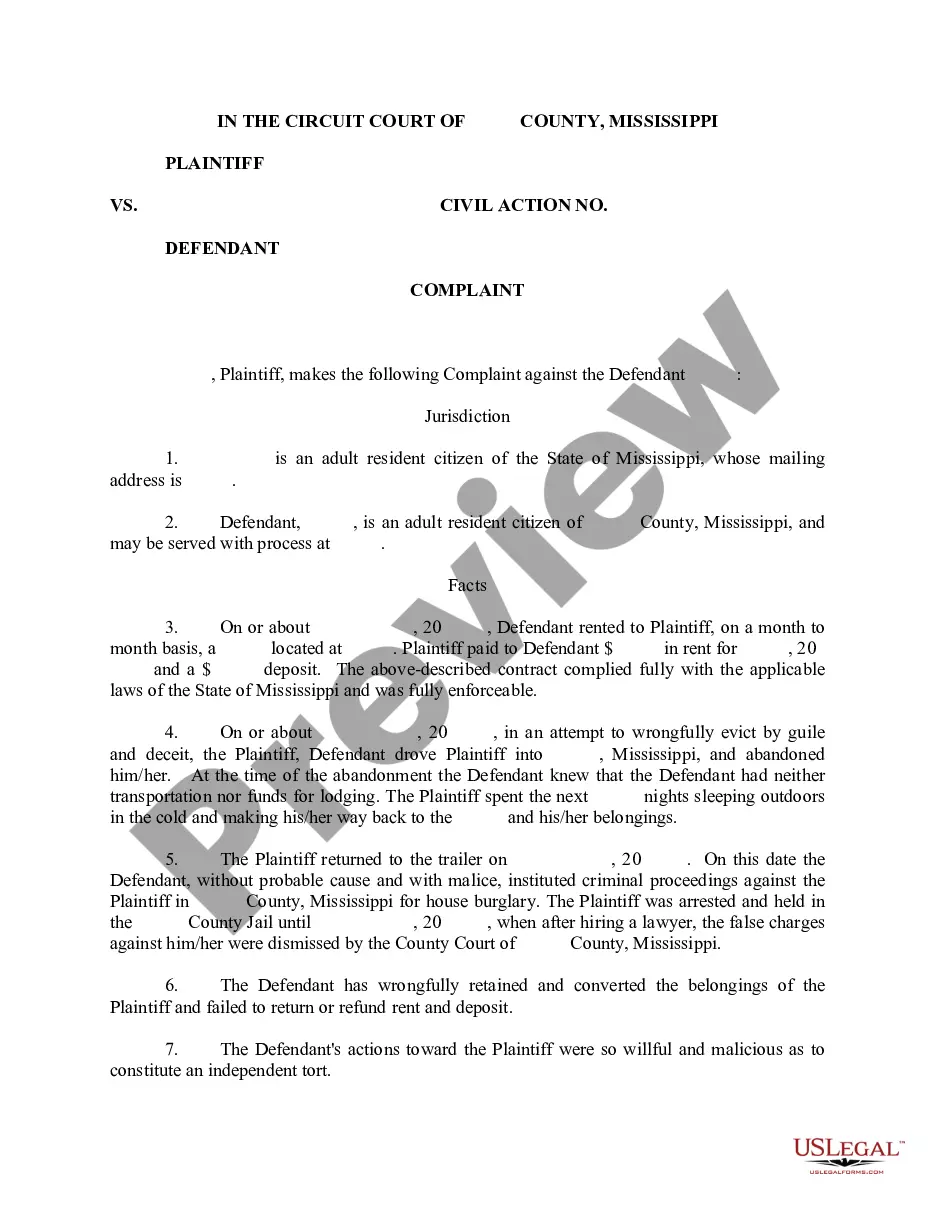
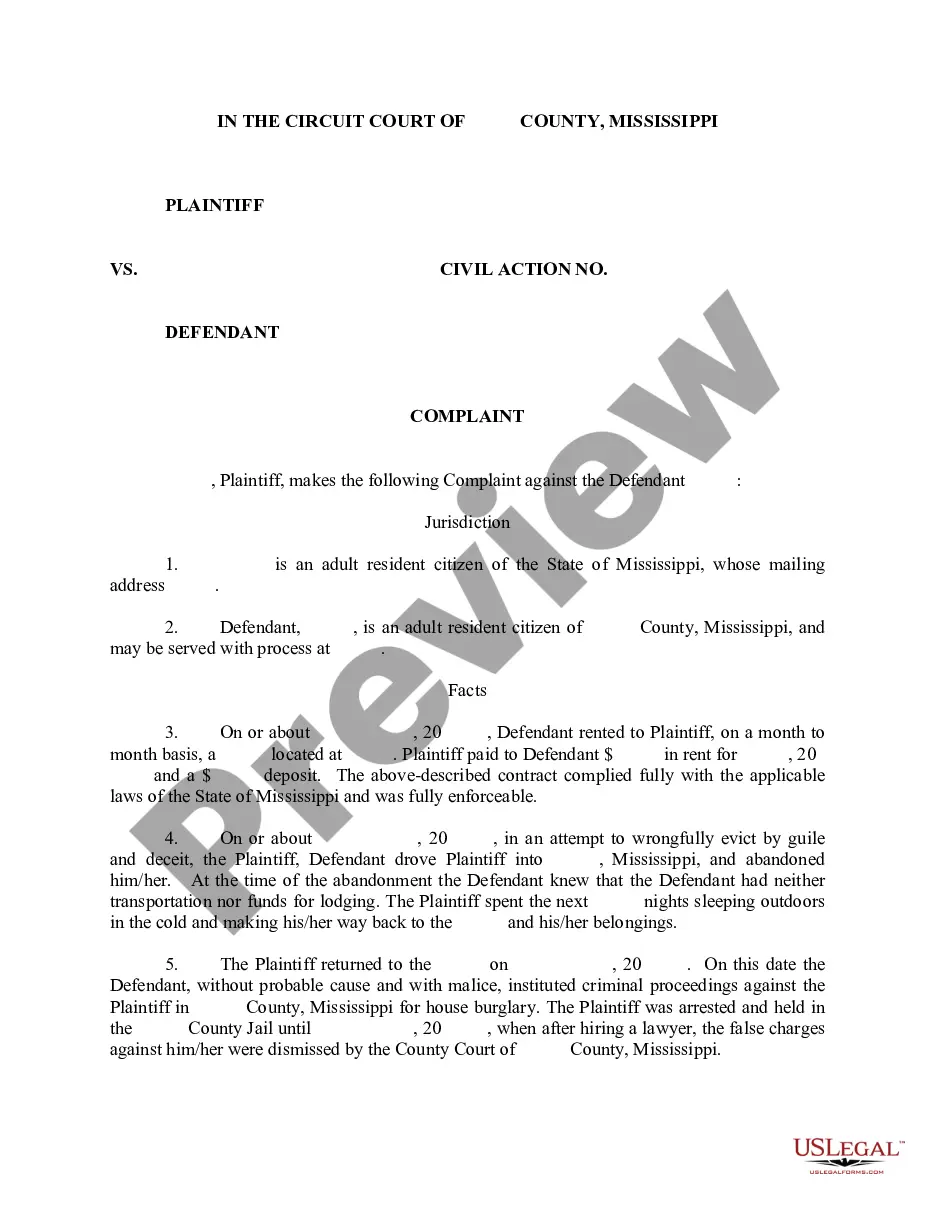
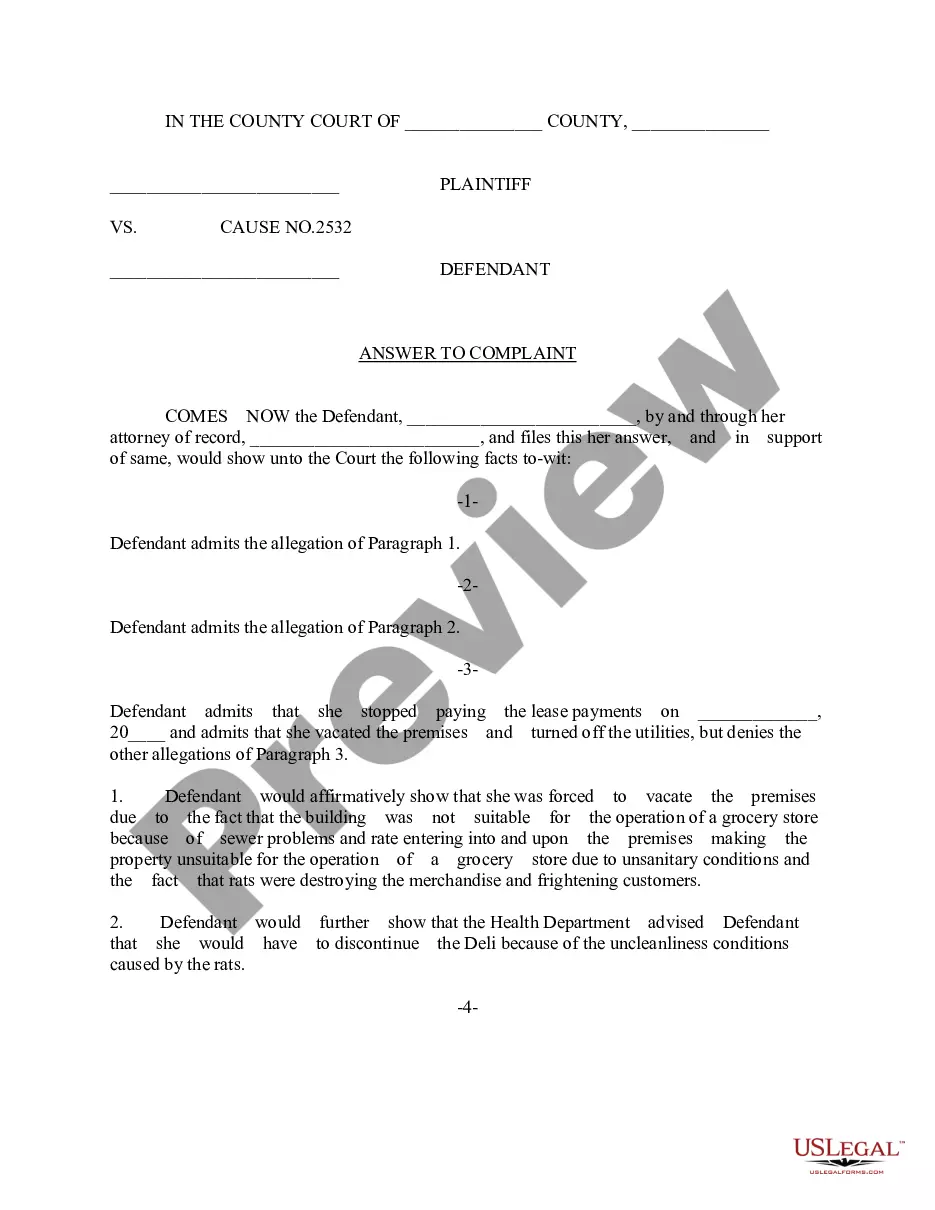
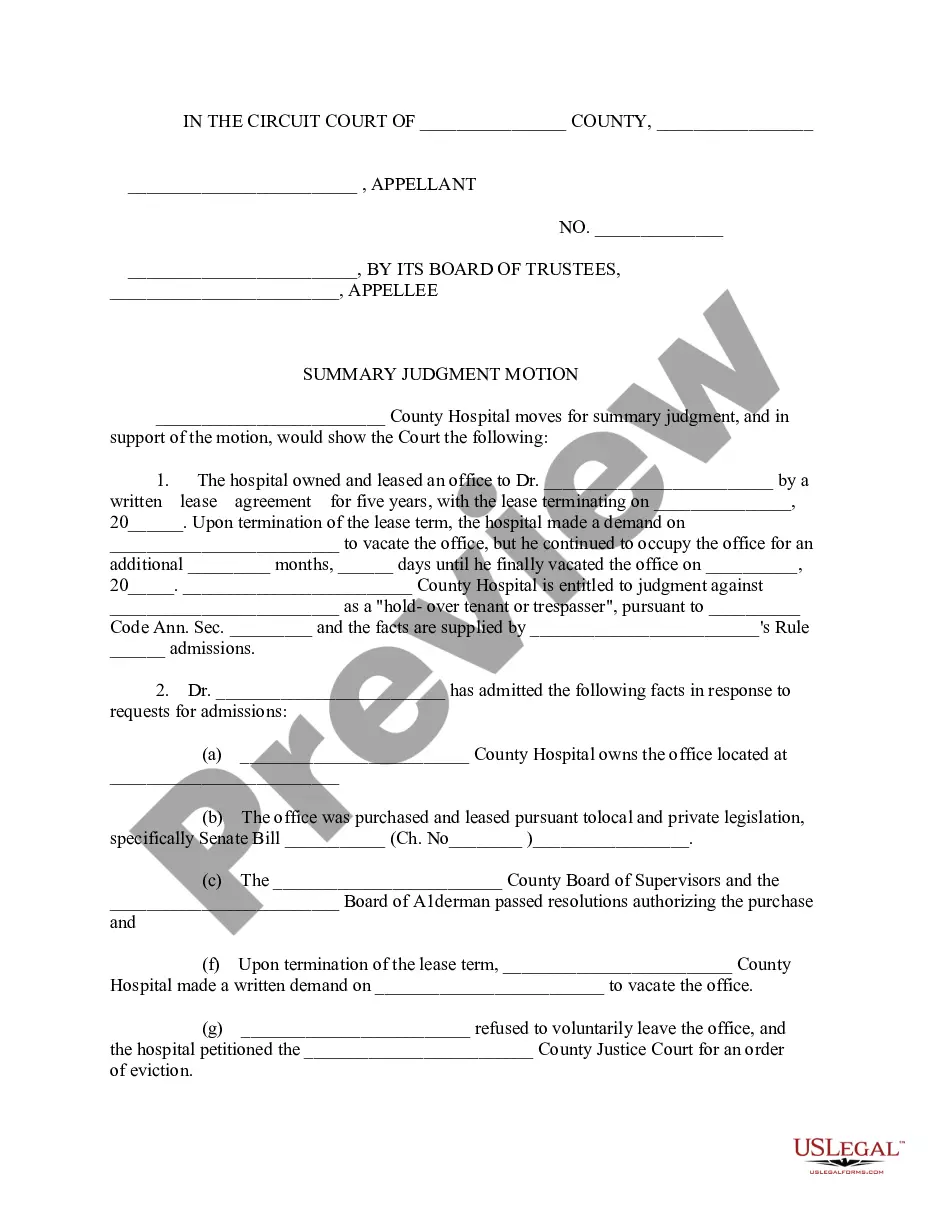
The Answer form is a legal document filed in response to a Complaint that initiates a lawsuit. Specifically designed for cases involving a landlord/tenant agreement and issues related to eviction practices, this form outlines the defendant's responses and defenses to the claims made against them. It serves a critical function in disputing wrongful eviction and breaches of rental agreements, ensuring that the rights of tenants are upheld. Unlike other legal forms, the Answer includes provisions for affirmative defenses that can protect the defendant's interests in court.
Key components of this form
- Defendant's acknowledgment or denial of the plaintiff's claims
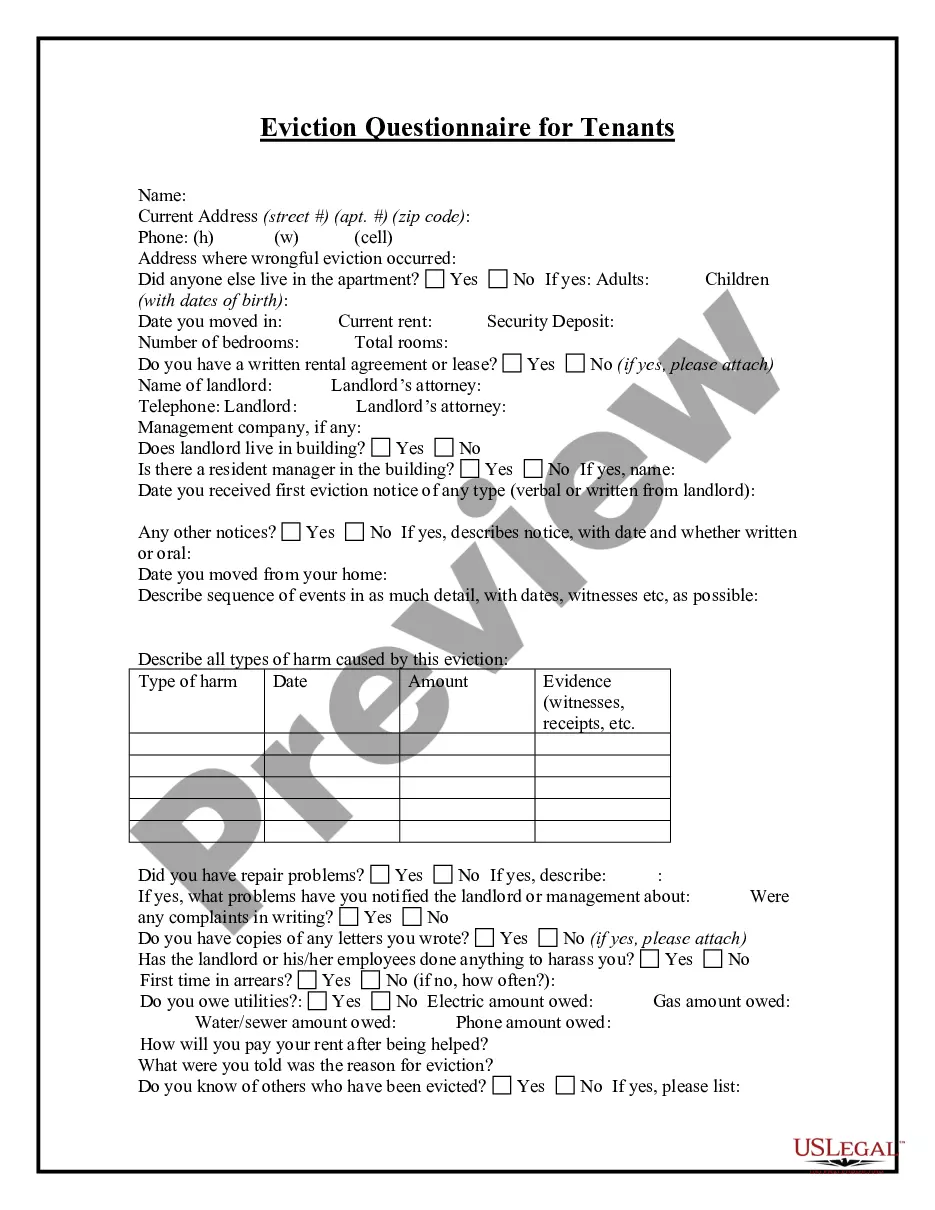
- Details of alleged wrongful eviction and breach of rental agreement
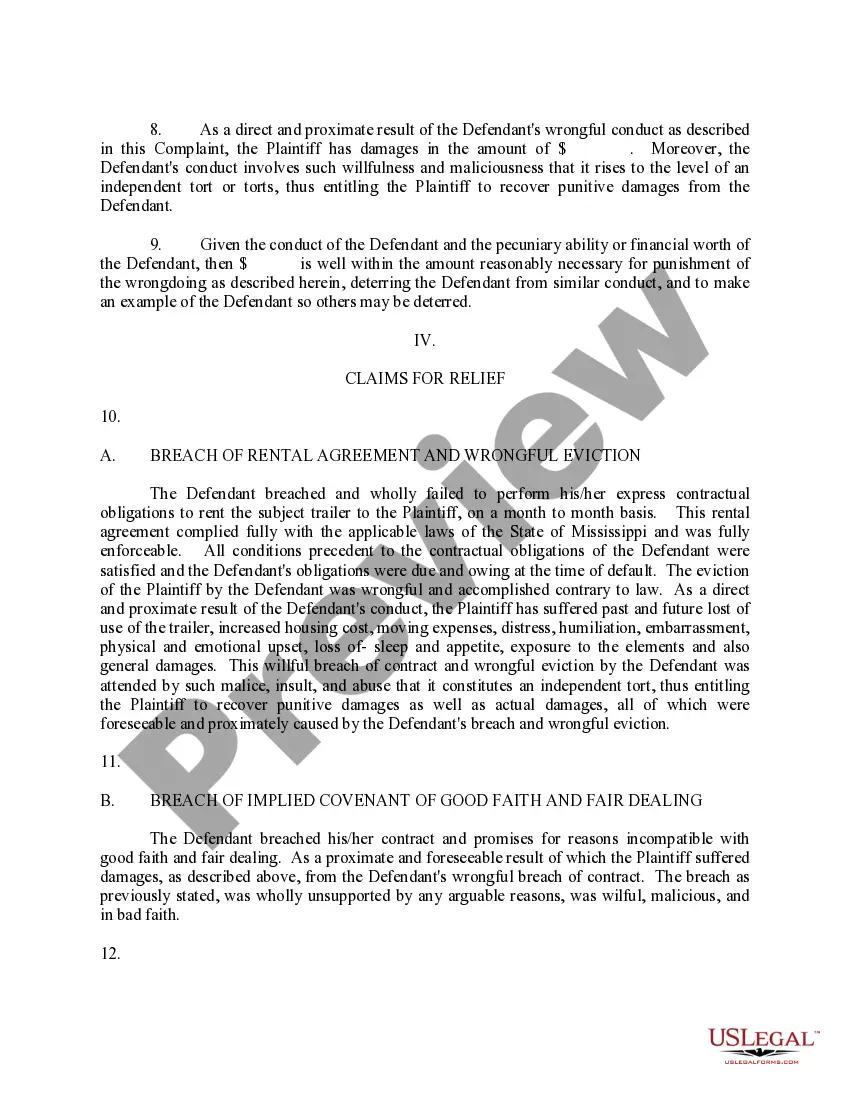
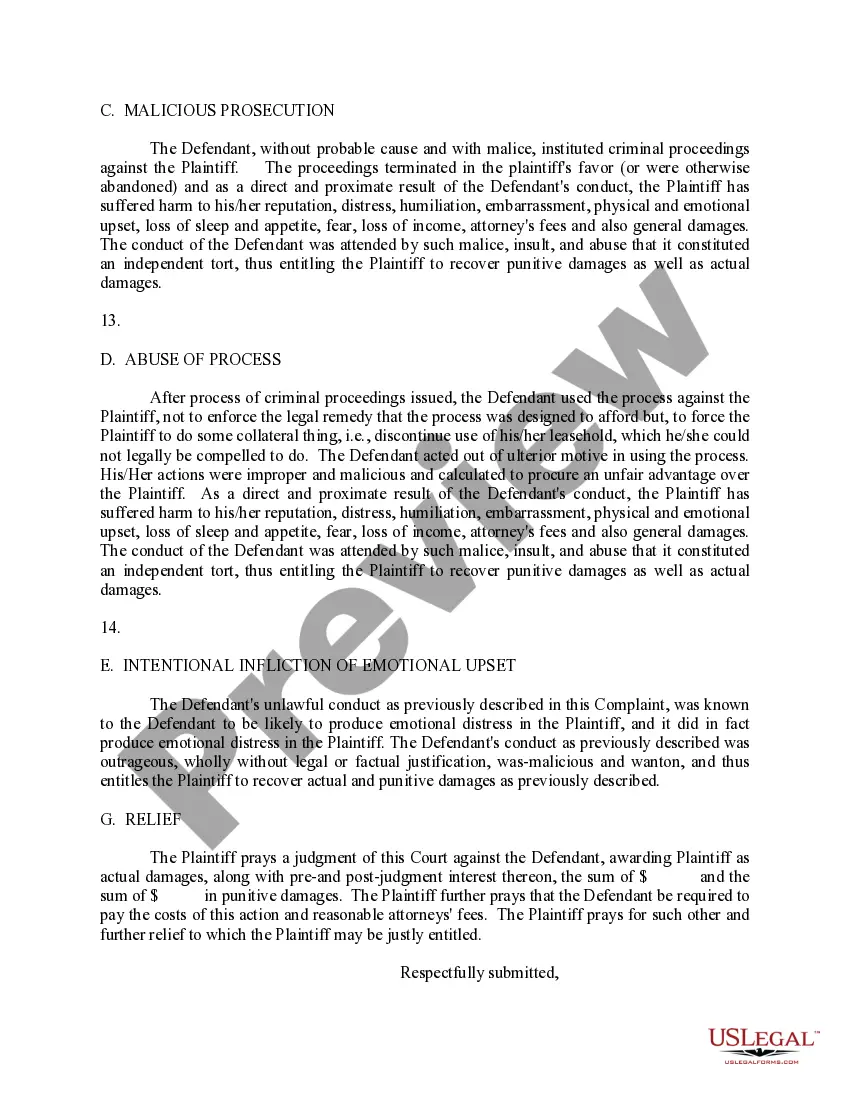
- Affirmative defenses including breach of good faith and fair dealing
- Claim for relief outlining damages suffered by the plaintiff
- Official signature and date fields for verification
Situations where this form applies
This form should be used when a defendant needs to respond to a complaint regarding a landlord's eviction actions. If you are being evicted and believe the eviction is unlawful or if the landlord has violated the terms of your rental agreement, this form can help you present your case effectively in court.
Who can use this document
- Tenants facing eviction proceedings
- Individuals who dispute a landlord's claims in court
- Anyone involved in a landlord/tenant lawsuit in response to a complaint
- Legal professionals representing clients in housing disputes
Completing this form step by step
- Identify the parties involved in the dispute.
- Read the Complaint carefully and prepare to address each claim.
- Provide your responses, clearly stating agreement or disagreement.
- Specify any affirmative defenses you are raising against the claims.
- Sign and date the form before filing it with the court.
Does this form need to be notarized?
This form does not typically require notarization to be legally valid. However, some jurisdictions or document types may still require it. US Legal Forms provides secure online notarization powered by Notarize, available 24/7 for added convenience.
Get your form ready online
Our built-in tools help you complete, sign, share, and store your documents in one place.
Make edits, fill in missing information, and update formatting in US Legal Forms—just like you would in MS Word.
Download a copy, print it, send it by email, or mail it via USPS—whatever works best for your next step.
Sign and collect signatures with our SignNow integration. Send to multiple recipients, set reminders, and more. Go Premium to unlock E-Sign.
If this form requires notarization, complete it online through a secure video call—no need to meet a notary in person or wait for an appointment.
We protect your documents and personal data by following strict security and privacy standards.

Make edits, fill in missing information, and update formatting in US Legal Forms—just like you would in MS Word.

Download a copy, print it, send it by email, or mail it via USPS—whatever works best for your next step.

Sign and collect signatures with our SignNow integration. Send to multiple recipients, set reminders, and more. Go Premium to unlock E-Sign.

If this form requires notarization, complete it online through a secure video call—no need to meet a notary in person or wait for an appointment.

We protect your documents and personal data by following strict security and privacy standards.
Common mistakes
- Failing to respond to all claims in the Complaint.
- Not providing adequate evidence or explanations for defenses.
- Missing signature or date on the form.
- Using outdated or incorrect versions of the form.
Benefits of completing this form online
- Convenient access to legal forms available 24/7.
- Easy to edit and customize to fit your specific situation.
- Reliable and professionally drafted documents by licensed attorneys.
Looking for another form?
Form popularity
FAQ
Affirmative defenses are legal defenses that raise new facts or issues not raised in the Complaint. If you want the court to consider your legal defenses you MUST include them in your Answer. Therefore, any possible defense you might want the court to consider at trial should be in your Answer.
(b) An affirmative defense is an allegation of a new matter which, while hypothetically admitting the material allegations in the pleading of the claimant, would nevertheless prevent or bar recovery by him.
While the availability of an affirmative defense will depend on the state, there are generally two categories of affirmative defenses, justifications and excuses.
31 Affirmative Defenses And How To Assert Them.
A denial or failure of proof defense focuses on the elements of the crime and prevents the prosecution from meeting its burden of proof. An affirmative defense is a defense that raises an issue separate from the elements of the crime.
An affirmative defense operates to prevent conviction even when the prosecutor has proof beyond a reasonable doubt as to every element of the crime. Some jurisdictions place the burden on the defendant to prove the defense, while others require that the prosecution disprove the defense beyond a reasonable doubt.