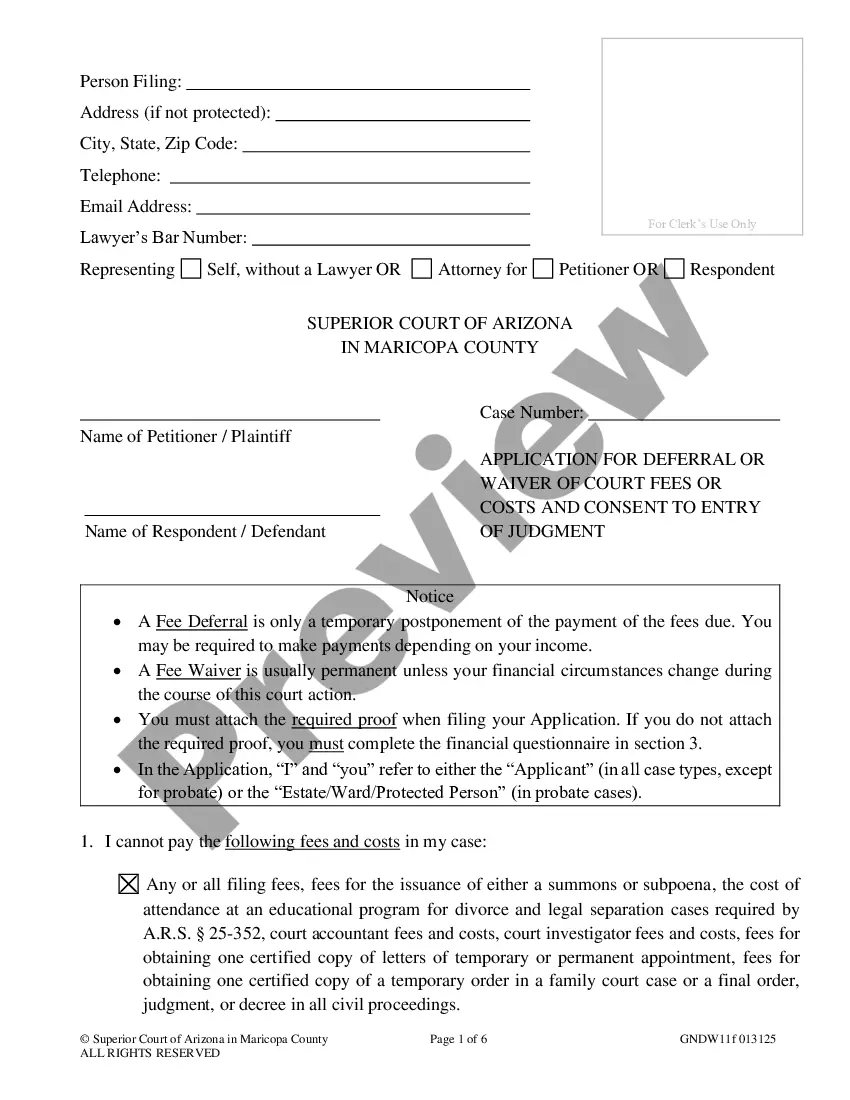
Mississippi Release of Credit History and Personal Background to Prospective Employer
Overview of this form
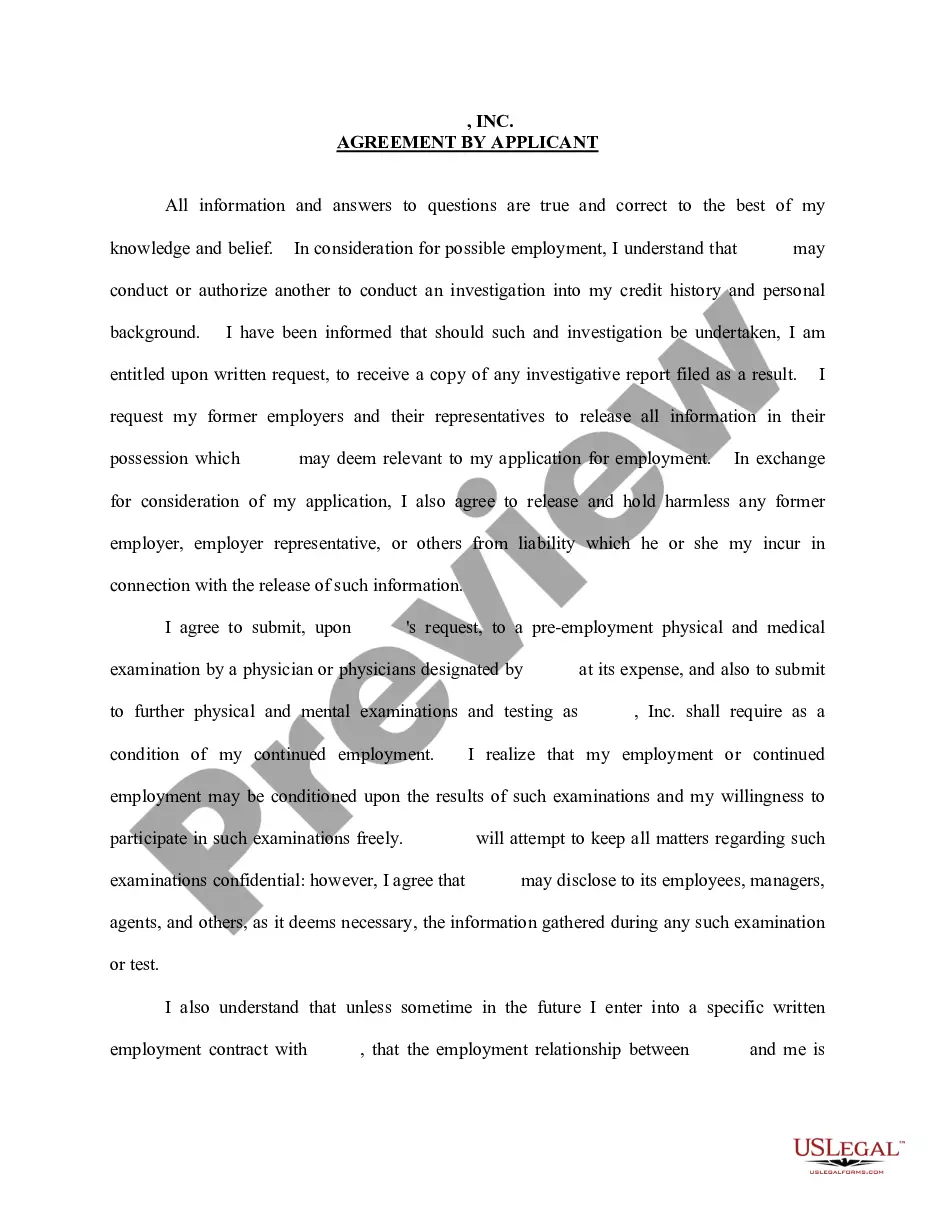
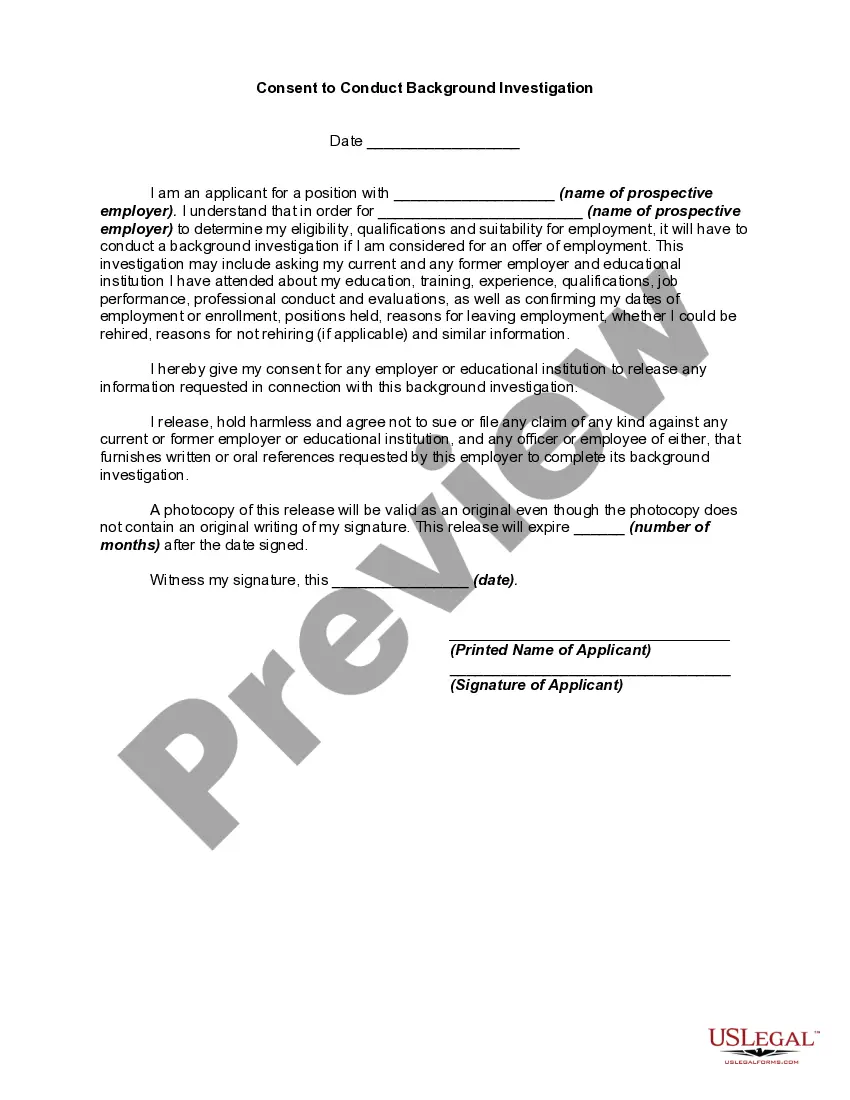
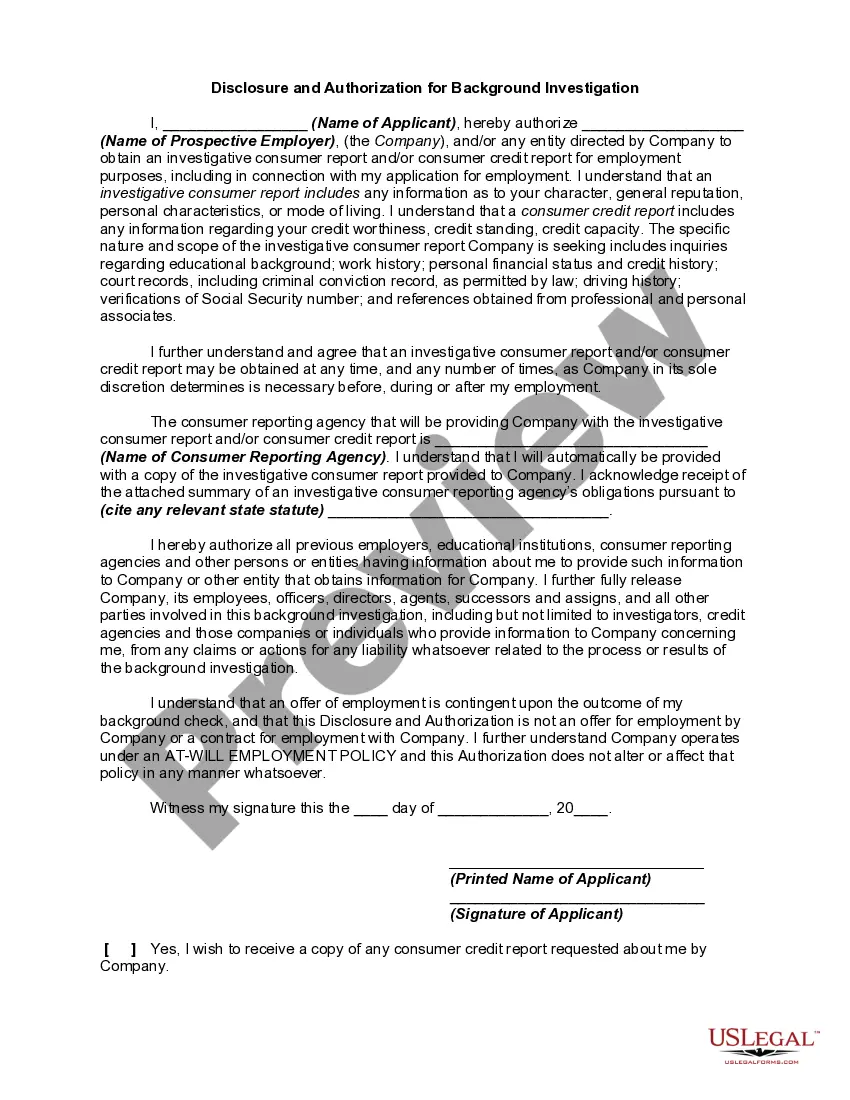
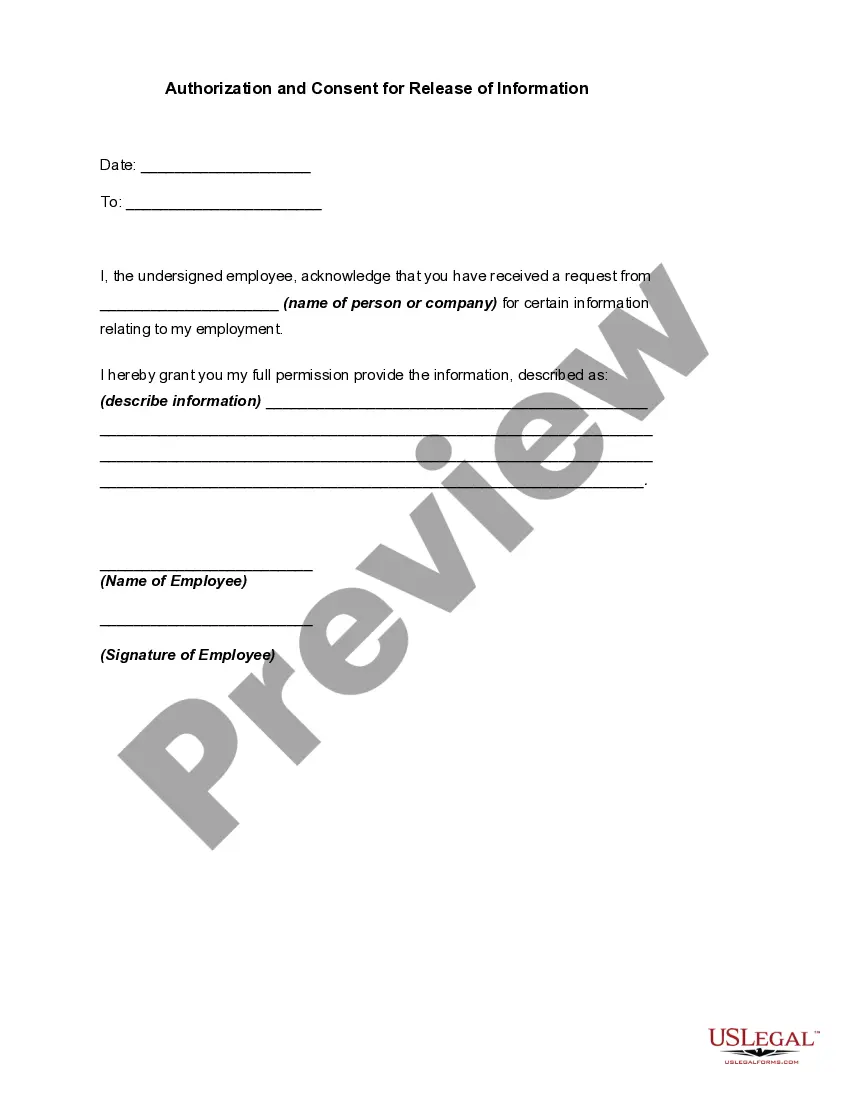
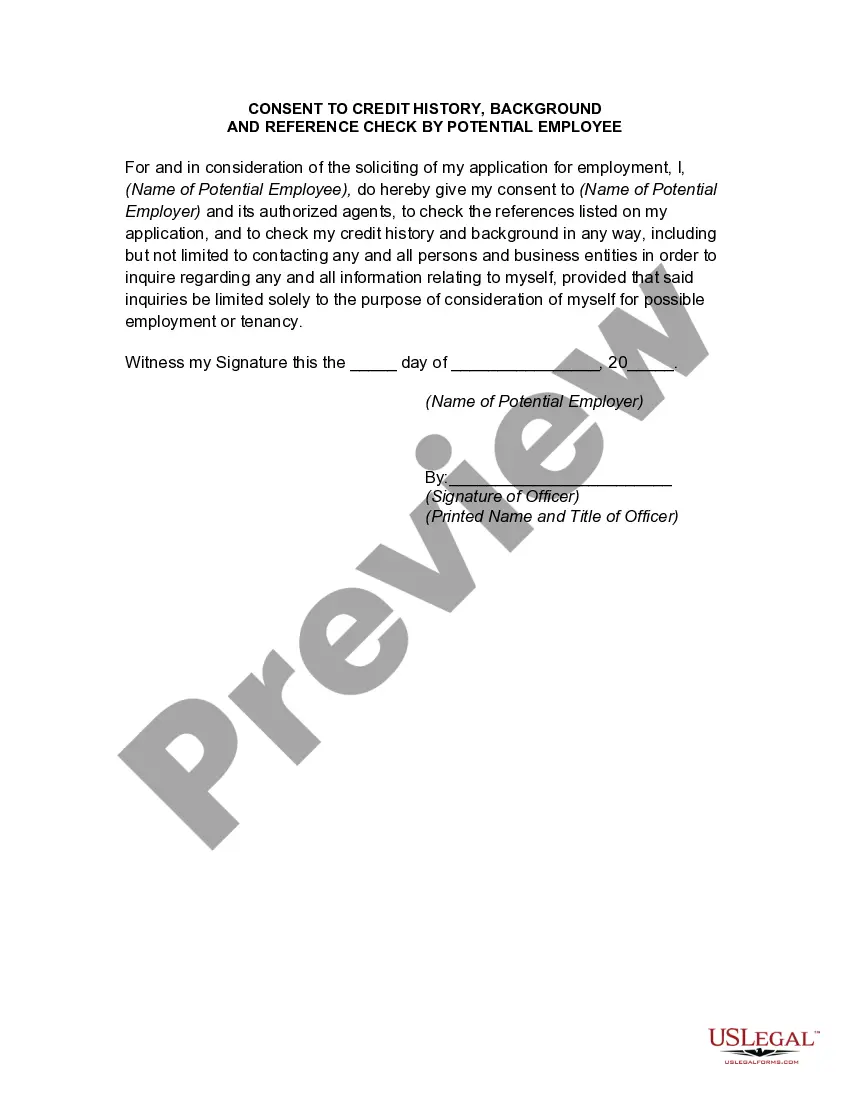
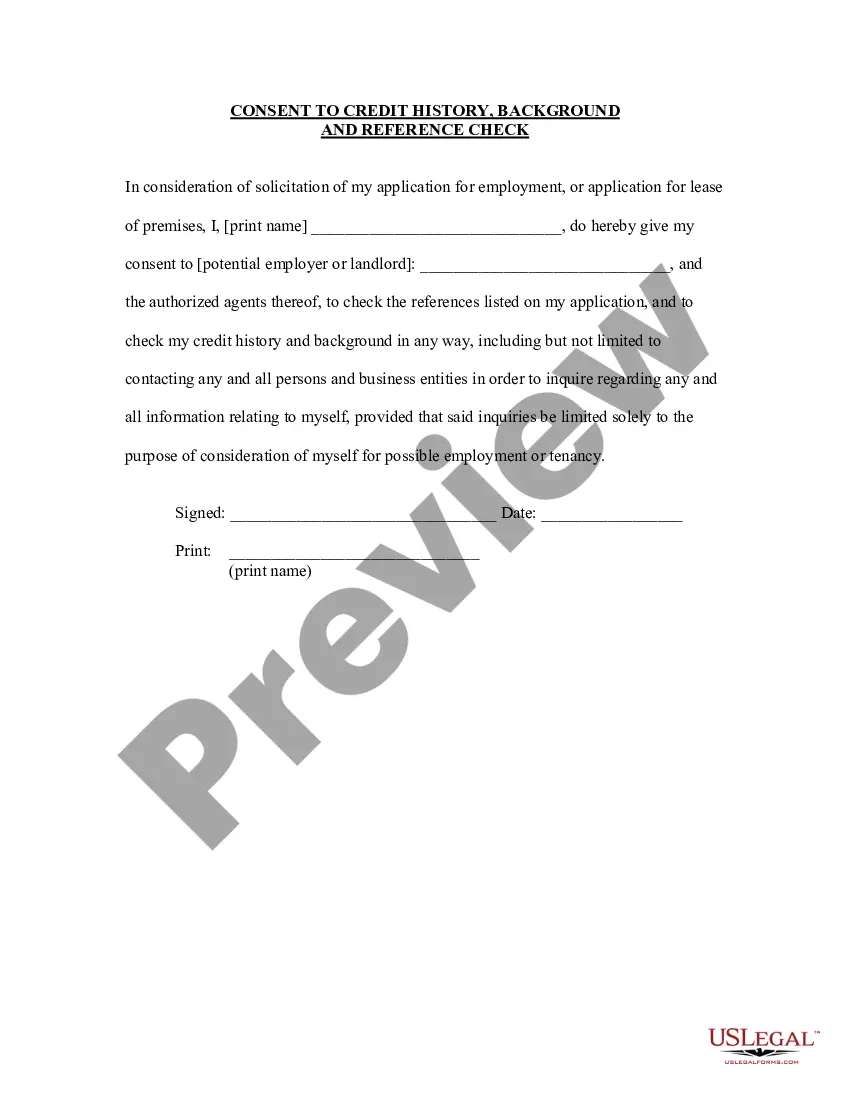
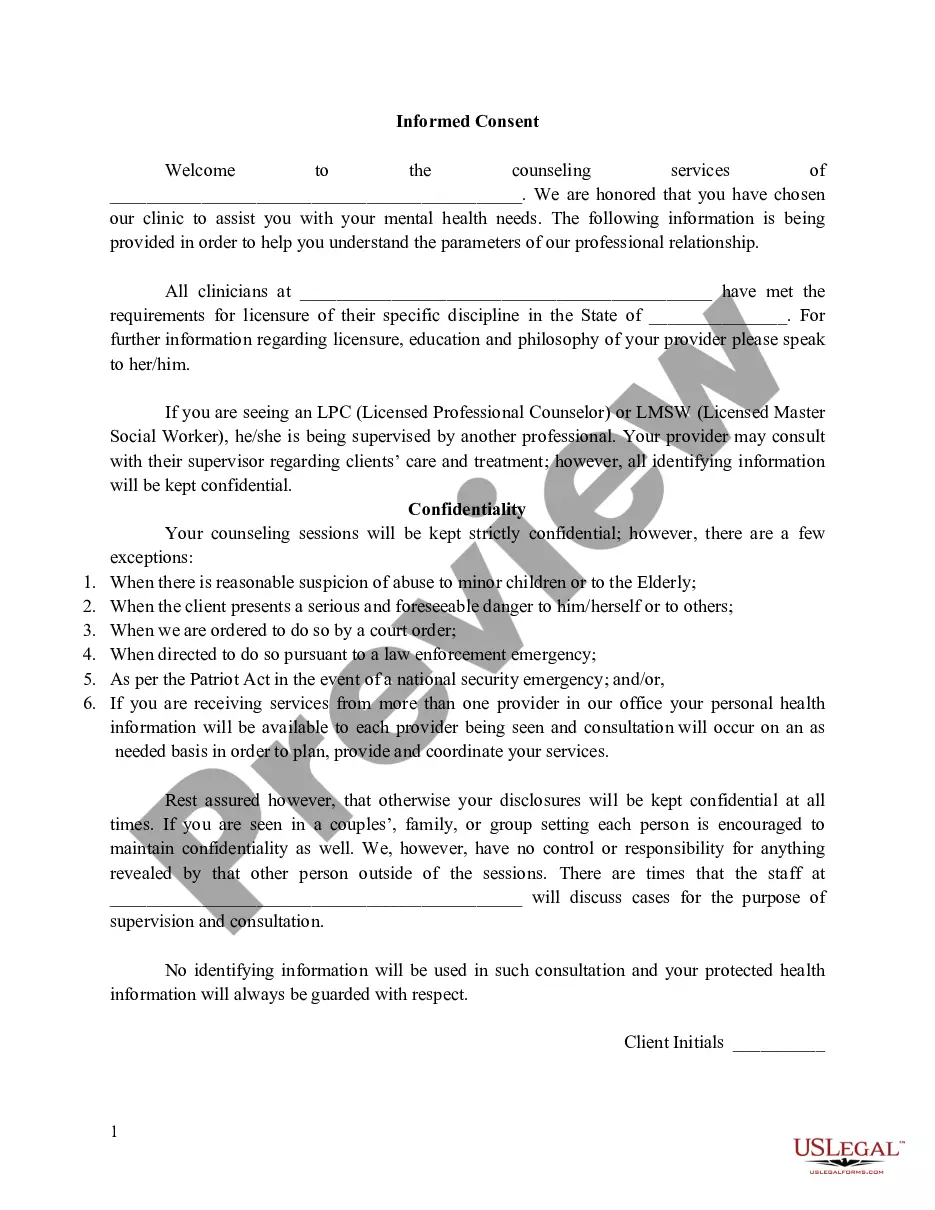
The Release of Credit History and Personal Background to Prospective Employer is a legal document signed by a prospective employee. This form grants the employer permission to conduct a credit history report and a personal background check. Unlike other employment forms, this release specifically focuses on the applicant's authorization for background verification, which is crucial for employers in assessing potential hires.
Key parts of this document
- Date: The date the form is completed.
- Signature of Applicant: The prospective employee's signature to authorize the release of their credit history and background.

When to use this form
This form is needed when a prospective employer requires permission to investigate an applicant's credit history and personal background as part of the hiring process. It is particularly beneficial in fields that involve financial responsibility, such as banking, finance, or positions requiring a high level of trust.
Who should use this form
This form is intended for:
- Prospective employees who are applying for jobs that require a background check.
- Employers who need to verify the credit and background of potential hires.
How to prepare this document
- Enter the current date at the top of the form.
- Read the statement to ensure you understand what you are authorizing.
- Sign the form to give your consent to the employer.
Notarization guidance
In most cases, this form does not require notarization. However, some jurisdictions or signing circumstances might. US Legal Forms offers online notarization powered by Notarize, accessible 24/7 for a quick, remote process.
Get your form ready online
Our built-in tools help you complete, sign, share, and store your documents in one place.
Make edits, fill in missing information, and update formatting in US Legal Forms—just like you would in MS Word.
Download a copy, print it, send it by email, or mail it via USPS—whatever works best for your next step.
Sign and collect signatures with our SignNow integration. Send to multiple recipients, set reminders, and more. Go Premium to unlock E-Sign.
If this form requires notarization, complete it online through a secure video call—no need to meet a notary in person or wait for an appointment.
We protect your documents and personal data by following strict security and privacy standards.

Make edits, fill in missing information, and update formatting in US Legal Forms—just like you would in MS Word.

Download a copy, print it, send it by email, or mail it via USPS—whatever works best for your next step.

Sign and collect signatures with our SignNow integration. Send to multiple recipients, set reminders, and more. Go Premium to unlock E-Sign.

If this form requires notarization, complete it online through a secure video call—no need to meet a notary in person or wait for an appointment.

We protect your documents and personal data by following strict security and privacy standards.
Typical mistakes to avoid
- Failing to date the form before signing.
- Not providing accurate identification details if requested by the employer.
- Overlooking the requirement for understanding the rights regarding background checks.
Why use this form online
- Easy download in versatile formats, such as Word and Rich Text.
- Quick completion without the need for a physical visit to legal offices.
- Access to templates reviewed and drafted by licensed attorneys for reliability.
Legal use & context
- This form is legally binding once signed, granting permission for the employer to conduct the necessary background checks.
- Ensure clarity on what information will be accessed and used by the employer.
Quick recap
- The form allows employers to conduct credit and background checks.
- It is crucial for job applications, especially in sensitive roles.
- Complete all required fields accurately to avoid delays in the hiring process.
Looking for another form?
Form popularity
FAQ
Know your rights. Before diving into employment and credit laws, let's dispel a myth that's been perpetuated online. When you hear things like a bad credit score can prevent you from getting a job, it's actually not true. That's because employers don't pull your actual credit scores like a lender might, says Griffin.
It's vital to understand that employers can use employee background checks to verify your past employment history. Generally speaking, a background check for employment may show identity verification, employment verification, credit history, driver's history, criminal records, education confirmation, and more.
Common background report red flags include application discrepancies, derogatory marks and criminal records.
You have an extensive criminal history. You lied on your resume. Your credit history is poor. Your driving record revealed issues. A previous employer gave you a bad review.
Generally speaking, a background check for employment may show identity verification, employment verification, credit history, driver's history, criminal records, education confirmation, and more.Read on to learn the various types of background checks for employment, what they may show, and why they matter.
If a company is conducting a background check on you, it typically means you are a top contender for the job.Companies usually only screen the candidates that they are interested in hiring.
Remember that passing a background check isn't just about criminal history. Many employment background checks include verifications of education, work history, and professional licenses. While resume lies are common, they are also easy for employers to find.
Graphic artist. Freelance writer. Transcriptionist. Data entry. House painter.
Yes, you can be denied a job because of bad credit in 39 states and the District of Columbia, while 11 states ban the practice in most cases.In fact, your credit report won't even necessarily be pulled during the application process. And if it is, the employer is required by law to get your written permission.