Mississippi Collection Contract
Overview of this form
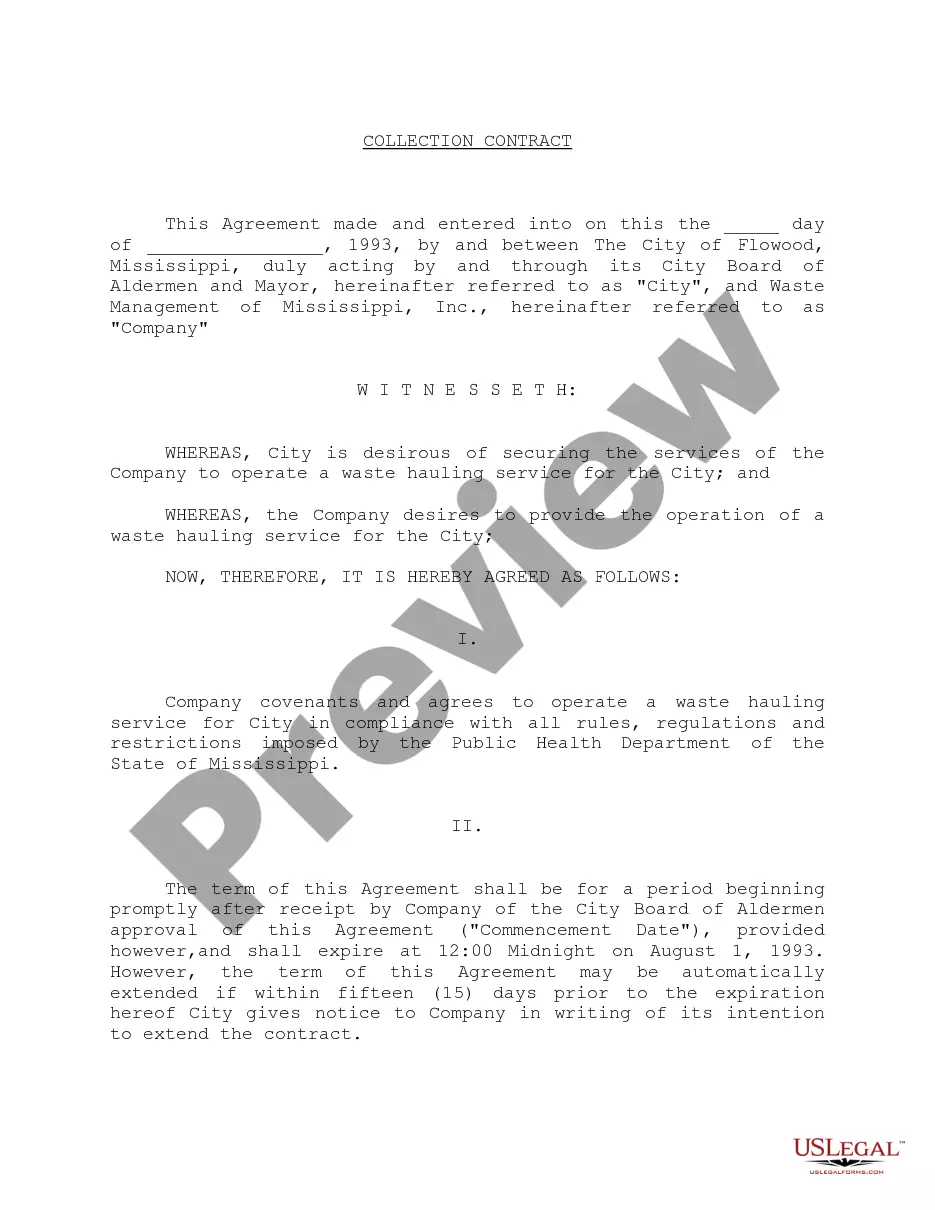
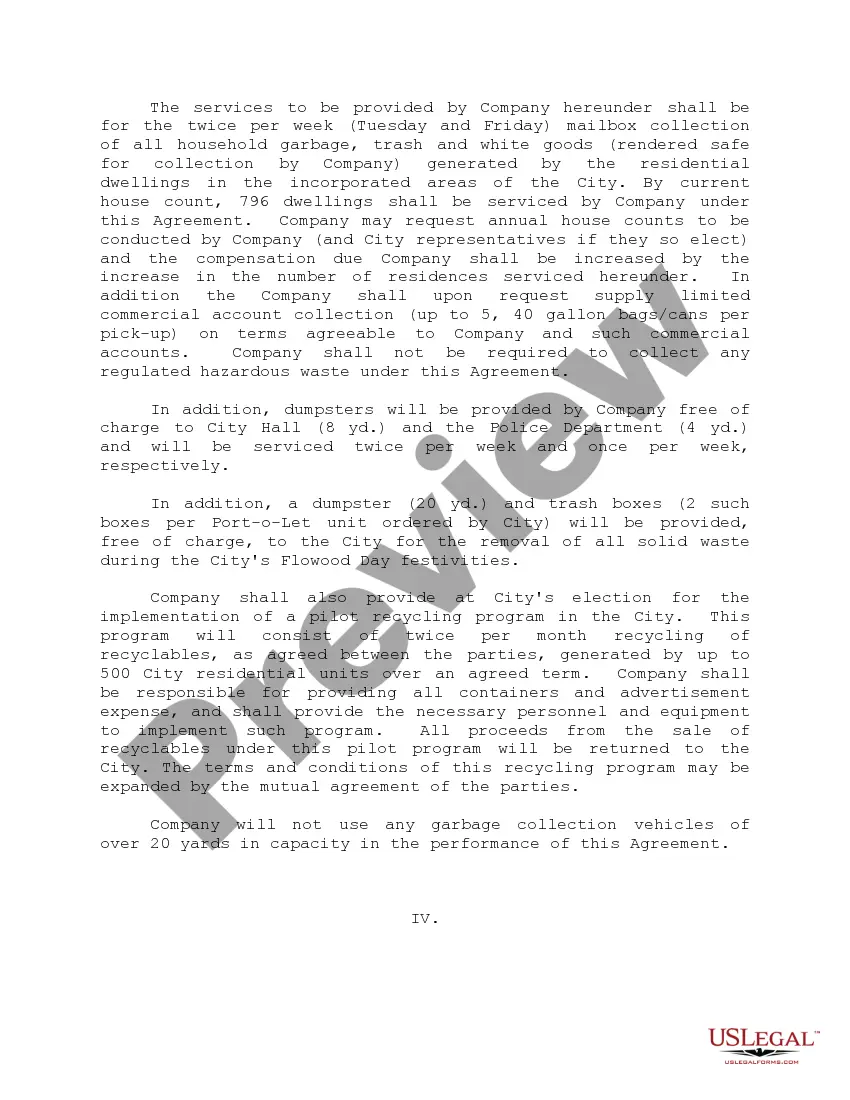
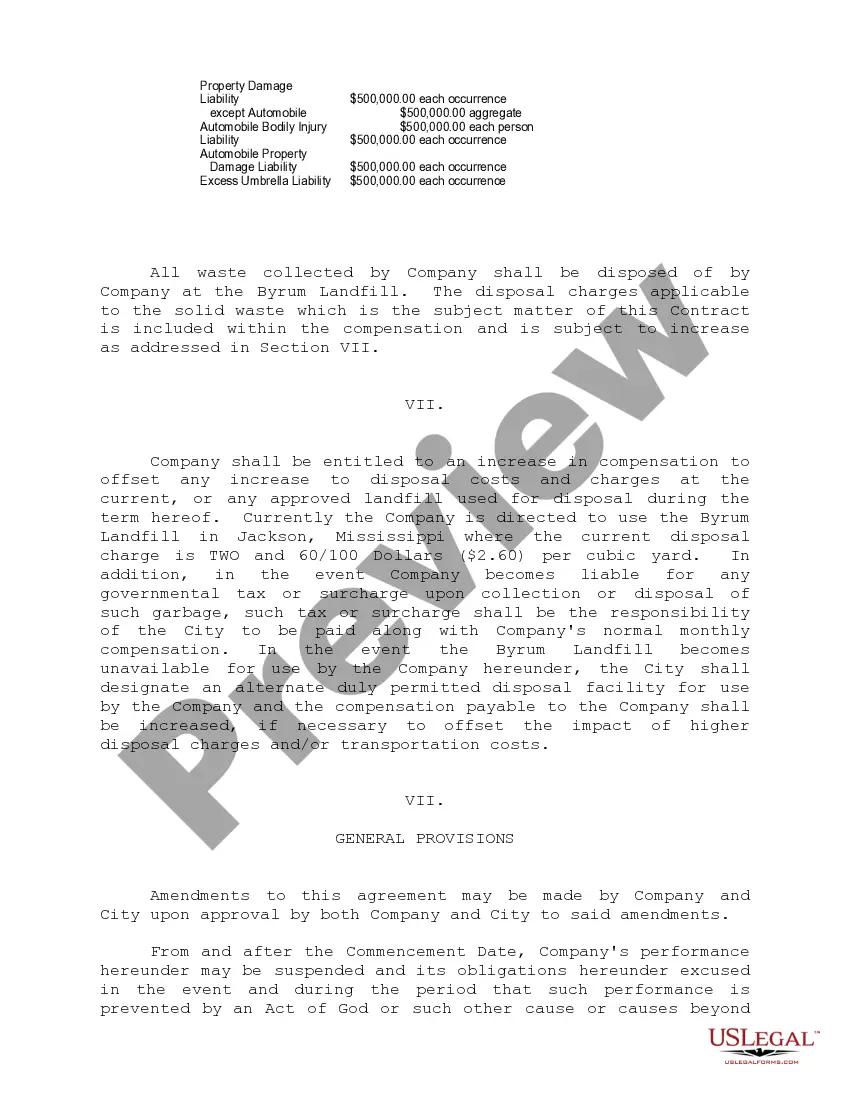
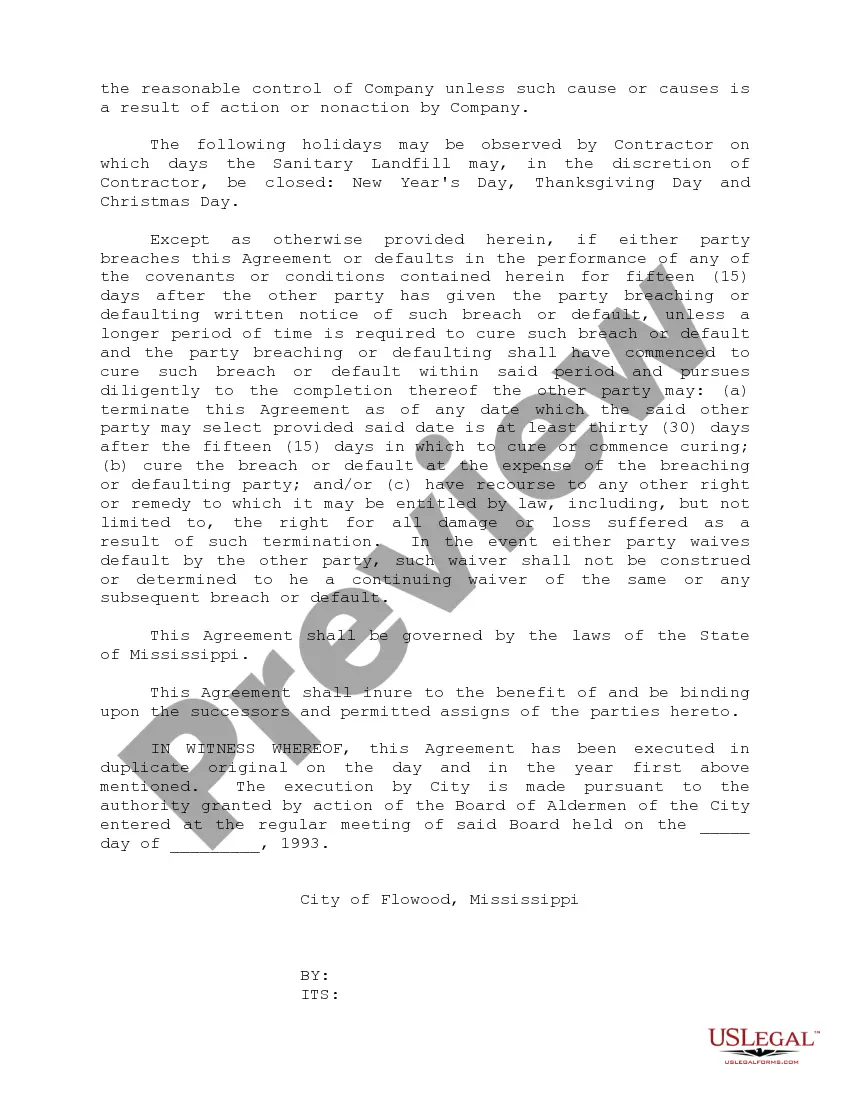
A Collection Contract is a formal agreement between two parties, detailing the terms under which one party will collect debts on behalf of another. This document outlines the responsibilities and duties of both parties involved, ensuring clarity on service expectations and compensation. Unlike other forms of contracts, a Collection Contract specifically focuses on debt collection services, making it essential for businesses or individuals seeking to manage accounts receivable effectively.
Form components explained
- Identification of the parties involved, including a description of their roles.
- Duration of the contract and conditions for extension.
- Details of the services to be provided, such as frequency and type of collections.
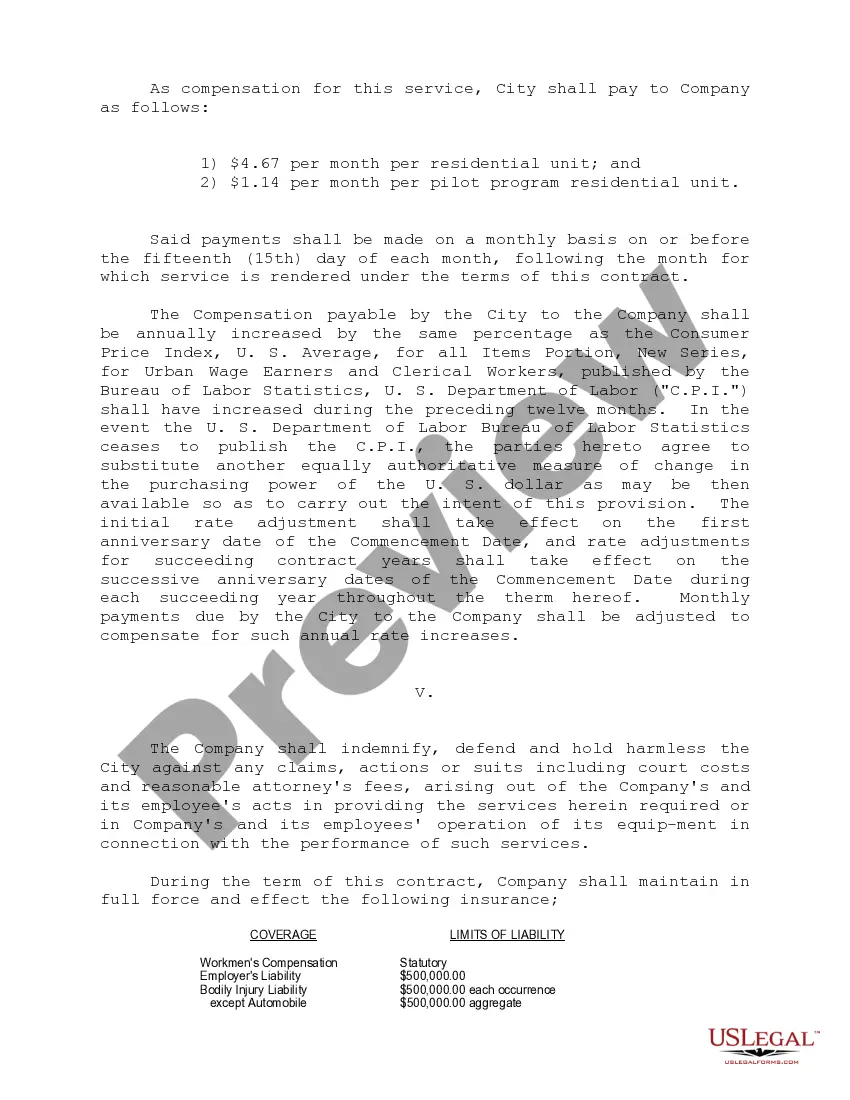
- Compensation structure, including payment intervals and potential adjustments.
- Indemnification clauses to protect both parties from potential liability.
- Termination processes in case of breach of contract.

When to use this document
This form is useful in scenarios where a business or individual needs to engage someone to collect debts on their behalf. This could include small businesses that struggle with overdue payments or companies that want to streamline their accounts receivable process. It is also beneficial for any situation where clarity on debt collection duties and compensation is required.
Who this form is for
- Businesses looking to formally outsource debt collection services.
- Individuals who need assistance in recovering personal debts.
- Lawyers or financial advisors representing clients in debt recovery scenarios.
- Entities seeking to establish clear terms for debt collection services.
Instructions for completing this form
- Identify and enter the names and addresses of both parties involved in the agreement.
- Specify the start date and duration of the contract, including terms for extension.
- Detail the services to be provided, such as scheduling and the scope of debt collections.
- Outline the compensation terms, including how payments will be made and adjusted over time.
- Include necessary indemnity clauses to protect against legal claims.
- Ensure both parties sign the contract to validate the agreement.
Does this form need to be notarized?
Notarization is not commonly needed for this form. However, certain documents or local rules may make it necessary. Our notarization service, powered by Notarize, allows you to finalize it securely online anytime, day or night.
Get your form ready online
Our built-in tools help you complete, sign, share, and store your documents in one place.
Make edits, fill in missing information, and update formatting in US Legal Forms—just like you would in MS Word.
Download a copy, print it, send it by email, or mail it via USPS—whatever works best for your next step.
Sign and collect signatures with our SignNow integration. Send to multiple recipients, set reminders, and more. Go Premium to unlock E-Sign.
If this form requires notarization, complete it online through a secure video call—no need to meet a notary in person or wait for an appointment.
We protect your documents and personal data by following strict security and privacy standards.

Make edits, fill in missing information, and update formatting in US Legal Forms—just like you would in MS Word.

Download a copy, print it, send it by email, or mail it via USPS—whatever works best for your next step.

Sign and collect signatures with our SignNow integration. Send to multiple recipients, set reminders, and more. Go Premium to unlock E-Sign.

If this form requires notarization, complete it online through a secure video call—no need to meet a notary in person or wait for an appointment.

We protect your documents and personal data by following strict security and privacy standards.
Avoid these common issues
- Not clearly defining the services to be rendered, leading to misunderstandings.
- Failing to specify payment terms or how adjustments will be handled.
- Ignoring the need for both parties to sign the contract.
- Overlooking state-specific laws that may impact the validity of the contract.
Benefits of completing this form online
- Convenient access to a legally drafted template that can be tailored to specific needs.
- Editability allows for easy modifications to suit individual circumstances.
- Reliability from using a form created by licensed attorneys, ensuring legal compliance.
Quick recap
- A Collection Contract formalizes the relationship between a debtor and a debt collector.
- Understanding the terms of the contract is crucial for all parties involved.
- This form can be customized to meet specific contractual needs and regional regulations.
Looking for another form?
Form popularity
FAQ
Mississippi law limits the amount of money that your creditors can garnish (take) from your wages to repay your debts.Most creditors with judgments can take only 25% of your wages, but some types of creditors are permitted to take more. Read on to learn about wage garnishment law in Mississippi.
In California, there is generally a four-year limit for filing a lawsuit to collect a debt based on a written agreement.
Credit card companies sue for non-payment in about 15% of collection cases. Usually debt holders only have to worry about lawsuits if their accounts become 180-days past due and charge off, or default. That's when a credit card company writes off a debt, counting it as a loss for accounting purposes.
Don't ignore them. Debt collectors will continue to contact you until a debt is paid. Find out debt information. Find out who the original creditor was, as well as the original amount. Get it in writing. Don't give personal details over the phone. Try settling or negotiating.
A statute of limitations is a law that tells you how long someone has to sue you. In California, most credit card companies and their debt collectors have only four years to do so. Once that period elapses, the credit card company or collector loses its right to file a lawsuit against you.
A statute of limitations is a law that tells you how long someone has to sue you. In California, most credit card companies and their debt collectors have only four years to do so. Once that period elapses, the credit card company or collector loses its right to file a lawsuit against you.
However there are times when you should not pay a collection agency: If you pay the collection agency directly, the debt is removed from your credit report in six years from the date of payment. If you don't pay, it purges six years from the last activity date, but you may be at risk for wage garnishment.
Debt collectors report accounts to the credit bureaus, a move that can impact your credit score for several months, if not years.The late payments and subsequent charge-off that typically precede a collection account already will have damaged your credit score by the time the collection happens.
If you pay the collection agency directly, the debt is removed from your credit report in six years from the date of payment. If you don't pay, it purges six years from the last activity date, but you may be at risk for wage garnishment.