Mississippi Contractor's Lien Release
What this document covers
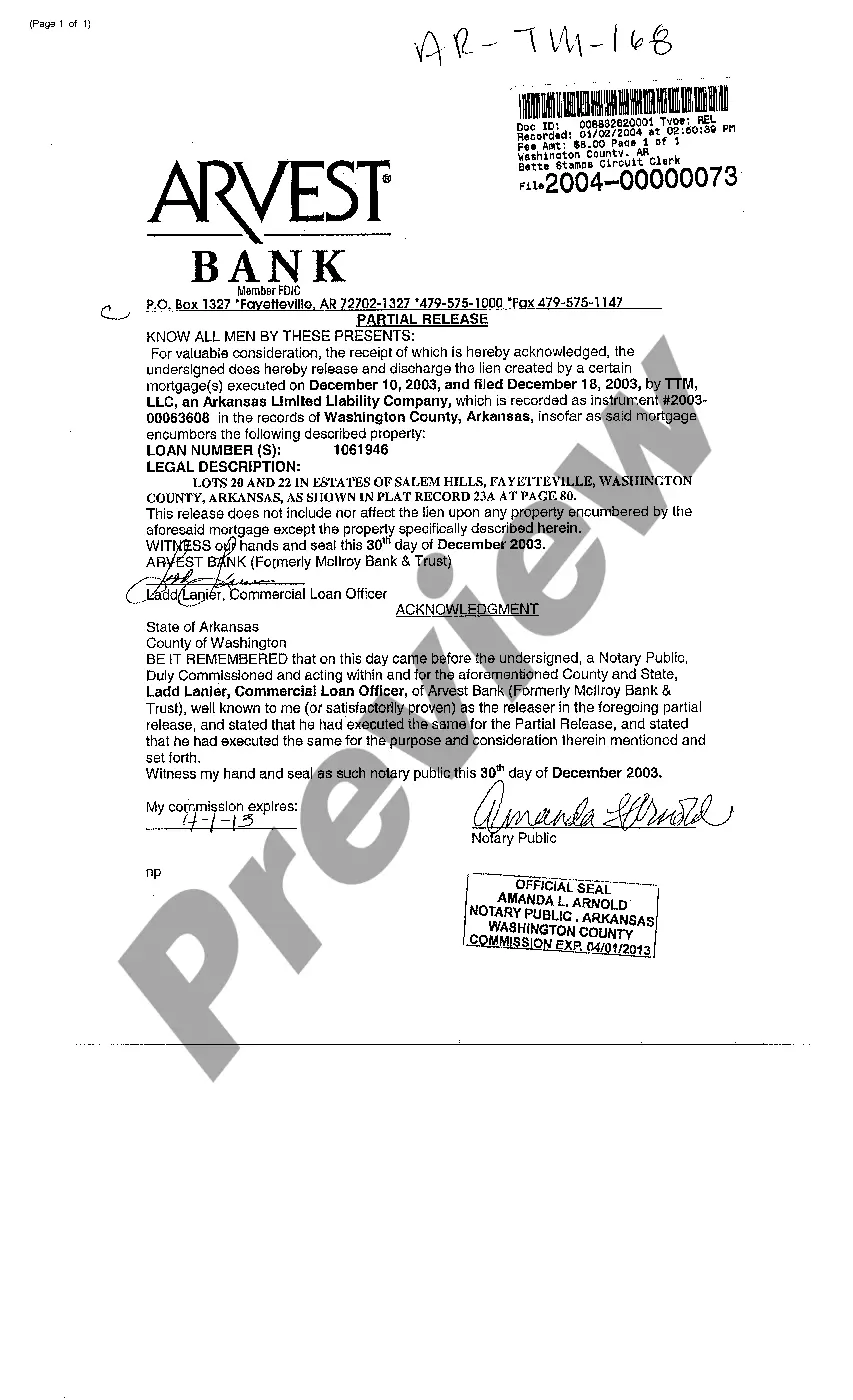
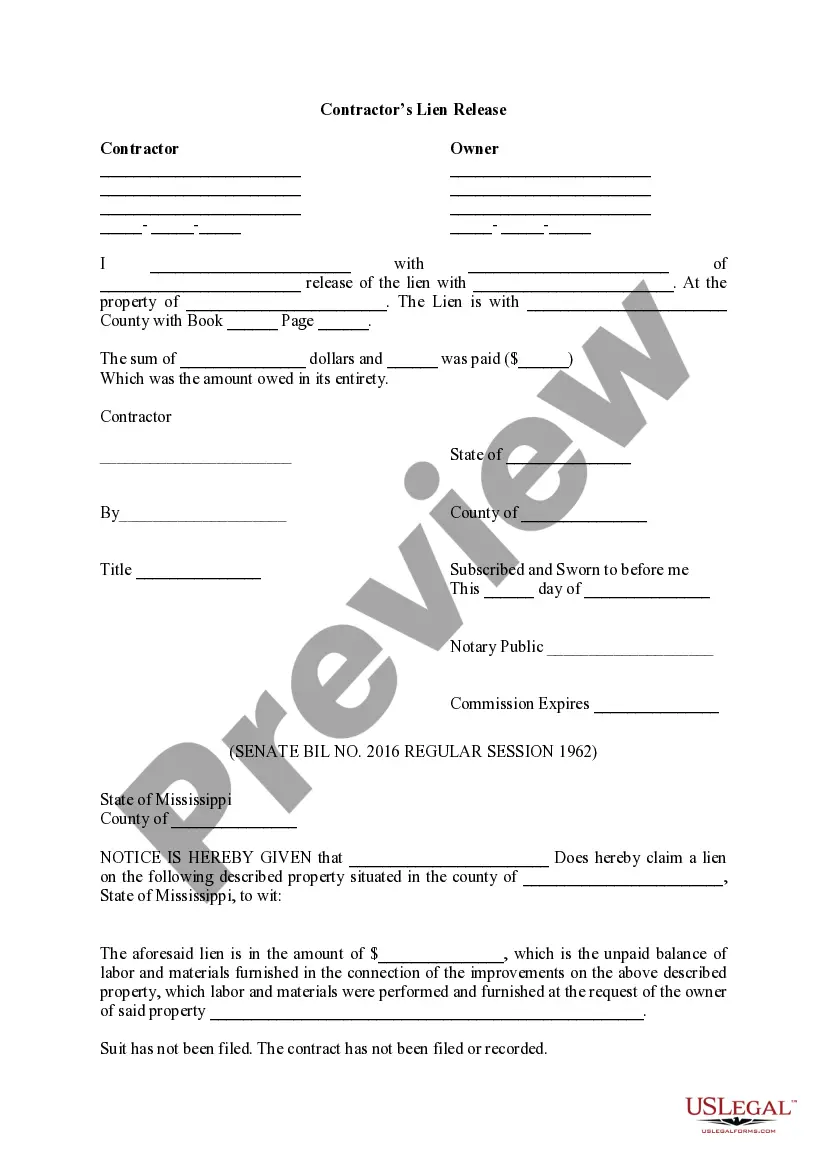
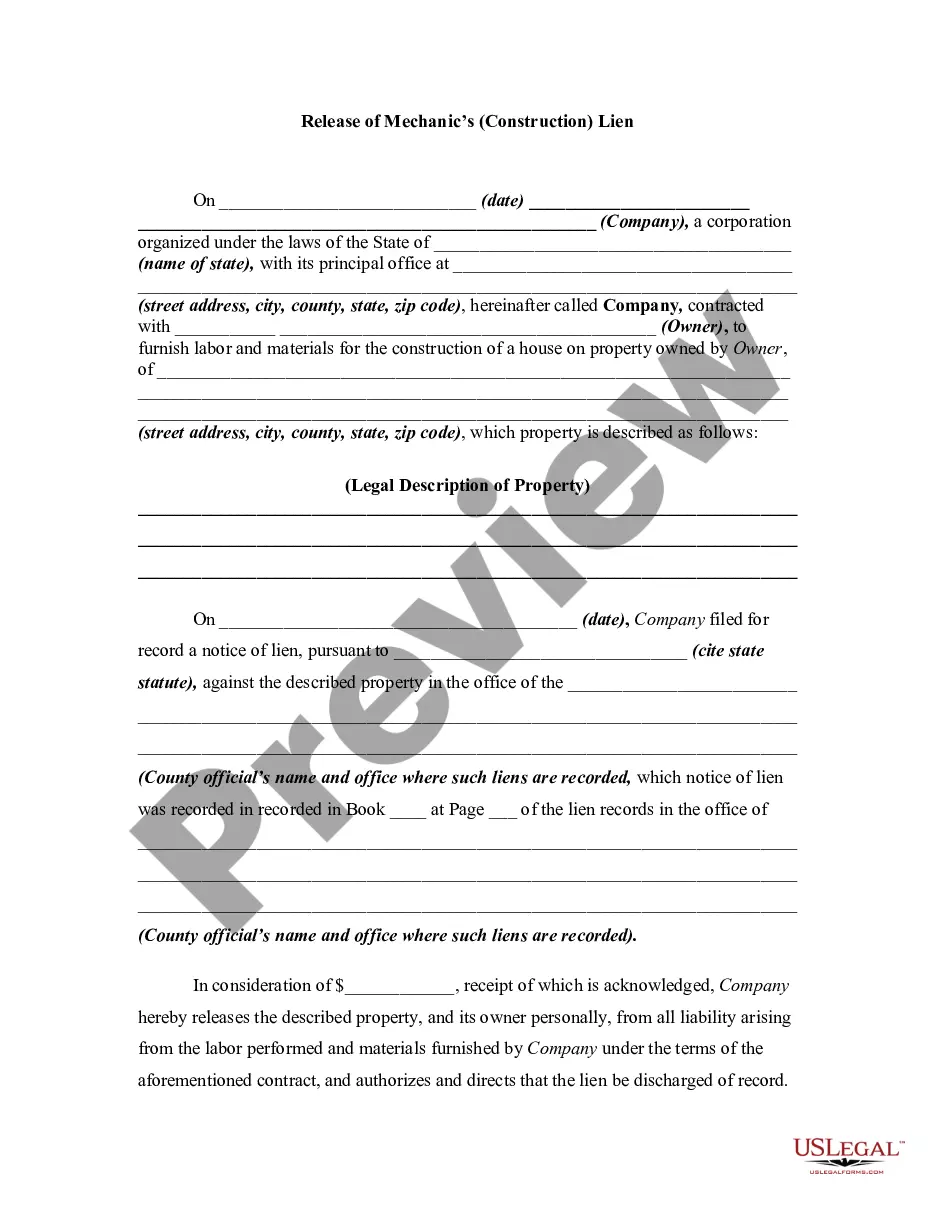
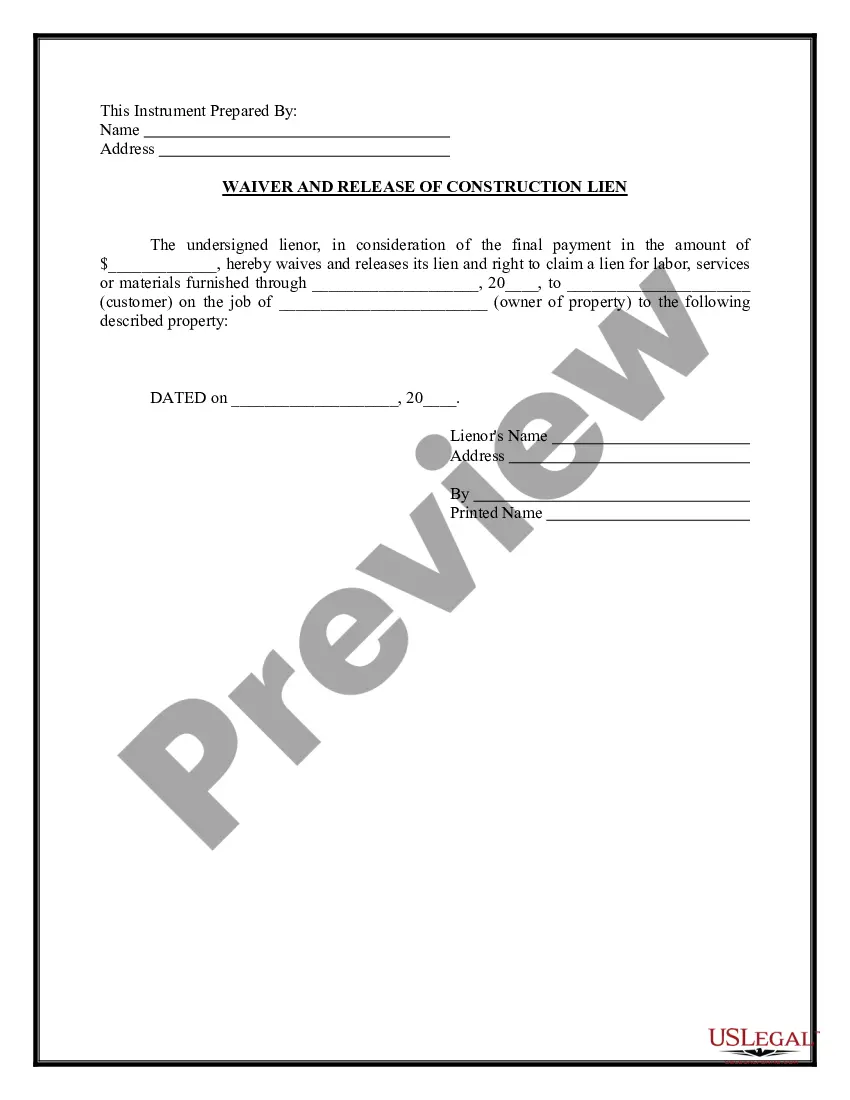
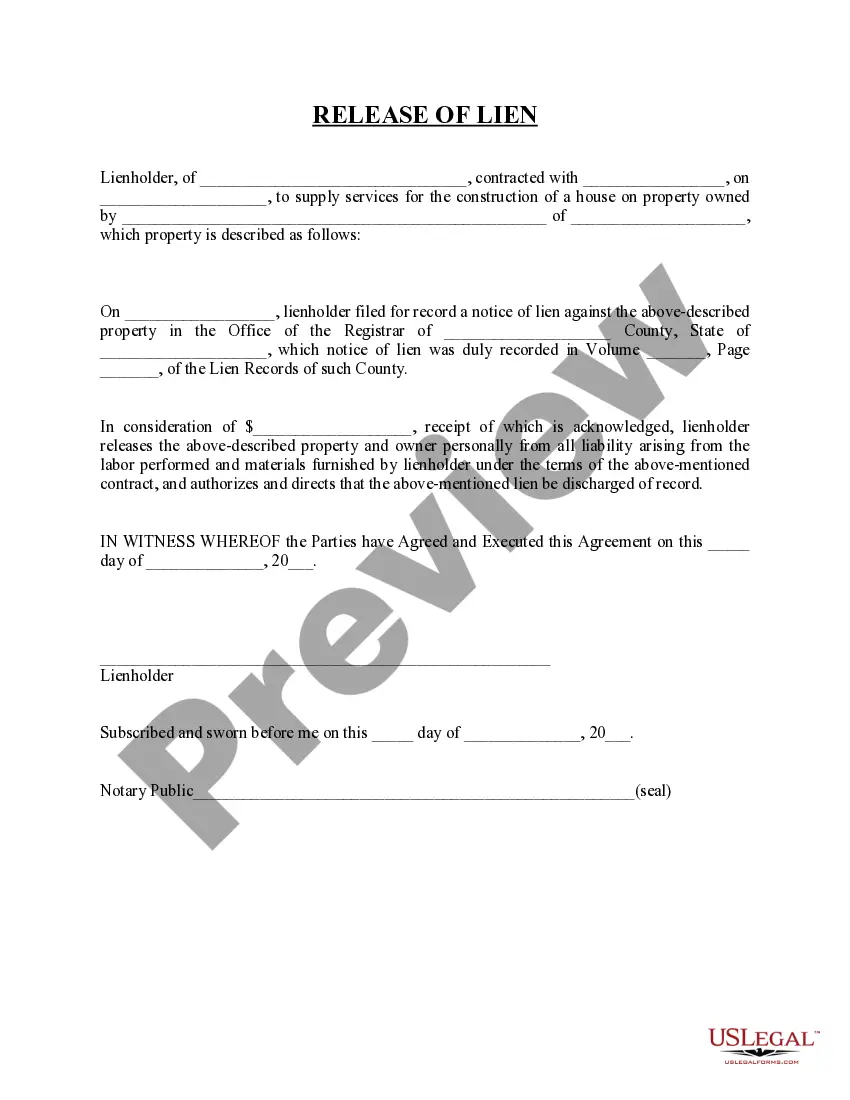
The Contractor's Lien Release is a legal document used to formally relinquish a lien once payment has been made in full for services rendered or materials supplied. This form is important because it protects both the contractor's right to payment and the property owner's ability to clear the title of any encumbrances. It differs from other lien-related documents by specifically providing evidence that a lien has been satisfied and released, enabling the property owner to proceed without further claims from the contractor.
Form components explained
- Names of the contractor and property owner
- Description of the property where the lien was placed
- The amount paid in full, confirming the settlement of the lien
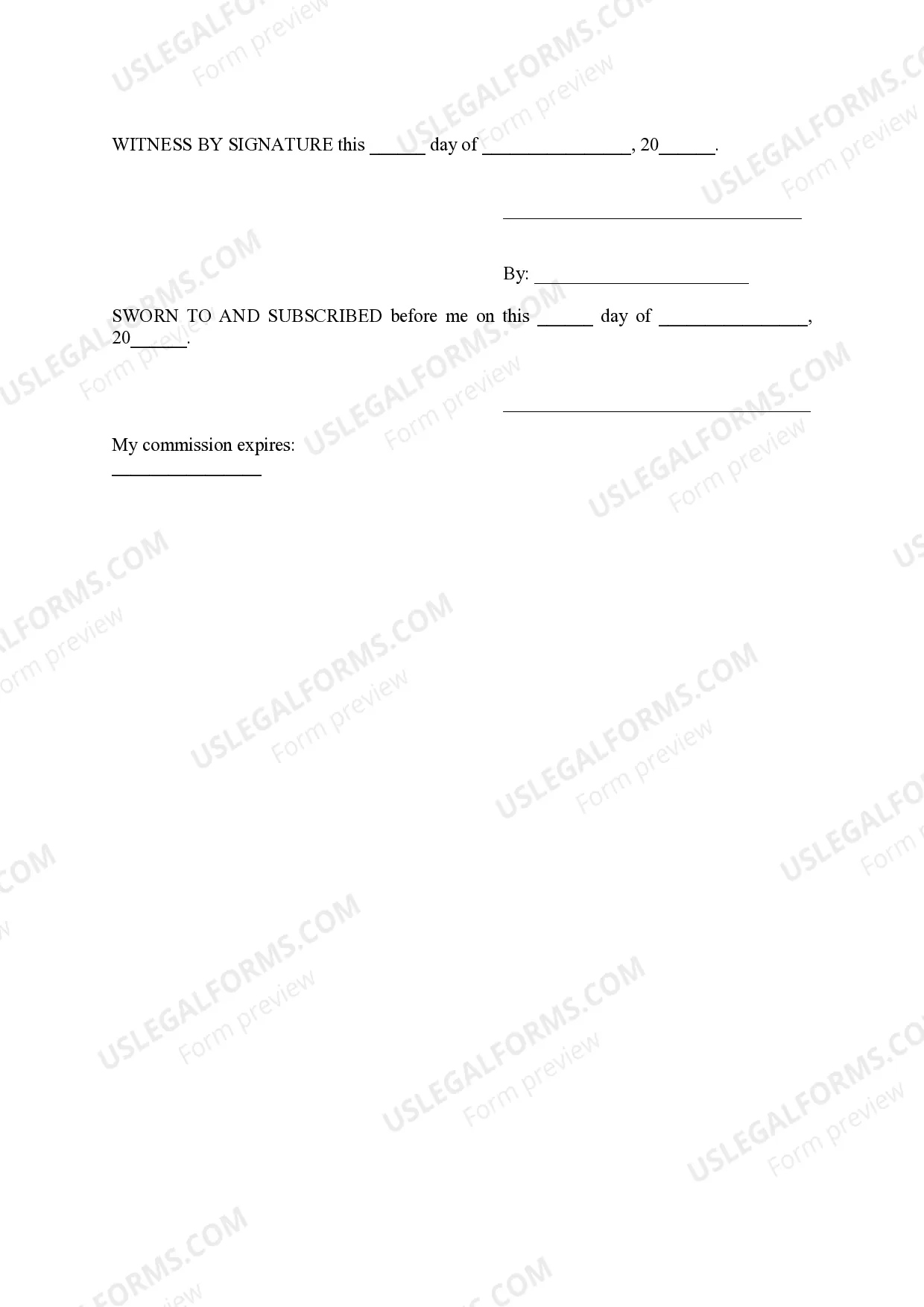
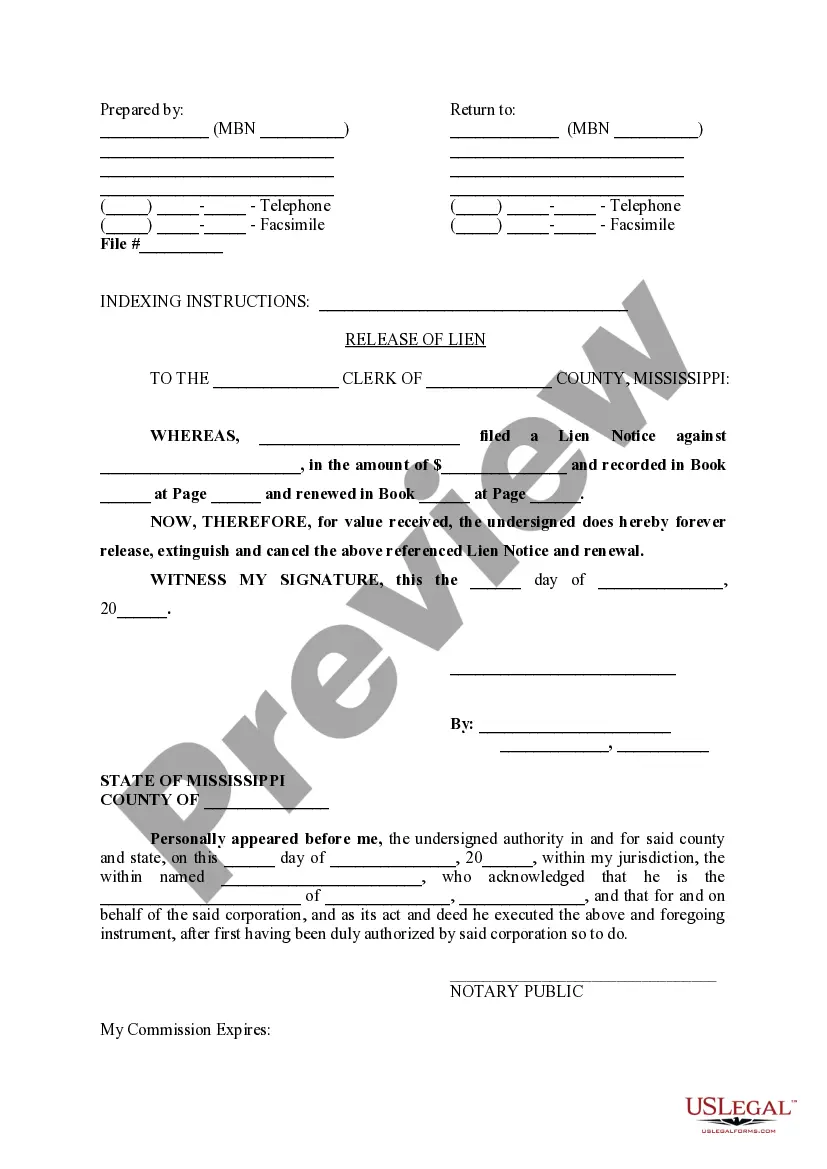
- Signature of the contractor and notary acknowledgment
- Details of the lien filing, including county and book/page information
When this form is needed
This form should be used after a contractor has received full payment for completed work or materials supplied to a property. It is necessary to clear the property title and ensure that there are no outstanding claims against the property from the contractor, particularly when the property is being sold, refinanced, or otherwise transferred.
Who should use this form
- Contractors who have completed their work and received payment
- Property owners who wish to clear any existing liens on their title
- Real estate professionals involved in property transactions
- Attorneys representing contractors or property owners in lien matters
Steps to complete this form
- Identify the contractor and property owner by entering their names.
- Specify the property involved by providing a complete description.
- Enter the total amount that has been paid to release the lien.
- Sign the document in the presence of a notary public.
- Ensure the notary completes their section, confirming the identity of the parties involved.
Notarization requirements for this form
Yes, this form must be notarized to be legally valid. This requirement ensures that the signatures are verified and that the document is duly executed in accordance with legal standards. US Legal Forms offers integrated online notarization services, making it convenient and secure for users to complete the notarization process without the need for travel.
Get your form ready online
Our built-in tools help you complete, sign, share, and store your documents in one place.
Make edits, fill in missing information, and update formatting in US Legal Forms—just like you would in MS Word.
Download a copy, print it, send it by email, or mail it via USPS—whatever works best for your next step.
Sign and collect signatures with our SignNow integration. Send to multiple recipients, set reminders, and more. Go Premium to unlock E-Sign.
If this form requires notarization, complete it online through a secure video call—no need to meet a notary in person or wait for an appointment.
We protect your documents and personal data by following strict security and privacy standards.

Make edits, fill in missing information, and update formatting in US Legal Forms—just like you would in MS Word.

Download a copy, print it, send it by email, or mail it via USPS—whatever works best for your next step.

Sign and collect signatures with our SignNow integration. Send to multiple recipients, set reminders, and more. Go Premium to unlock E-Sign.

If this form requires notarization, complete it online through a secure video call—no need to meet a notary in person or wait for an appointment.

We protect your documents and personal data by following strict security and privacy standards.
Typical mistakes to avoid
- Failing to enter the correct property description, which could lead to legal issues.
- Leaving out the total amount paid, causing ambiguity about the lien status.
- Not obtaining the required notarization of the form.
- Signing the document without verifying all information is accurate and complete.
Why use this form online
- Convenient access to legal forms anytime, anywhere.
- Easy customization to suit specific scenarios and state regulations.
- Reliable templates drafted by licensed attorneys, ensuring legal compliance.
Looking for another form?
Form popularity
FAQ
A lien is a claim on property to ensure payment of a debt. When you borrow money to purchase a car, the lender files a lien on the vehicle with the state to insure that if the loan defaults, the lender can take the car. When the debt is fully repaid, a release of the lien is provided by the lender.
Negotiate with the contractor who placed the lien (the "lienor" to remove it. Obtain a lien bond to discharge the lien, or. File a lawsuit to vacate the lien.
Satisfy the terms of the loan by paying the balance of the loan back to the lender, including any interest incurred. If you don't receive the lien release, submit a request to your lender for proof that the loan has been satisfied.
When a person pays off a loan in full, the lien is removed. The asset is no longer pledged to the creditor when the balance is completely paid. When this happens, the creditor acknowledges the release of the lien by signing a Mortgage Release of Lien Certificate.
It basically states that you've paid the subcontractor what is owed, they accept the payment in full, and they waive the right to put a lien on your property. Simply present this form to the subcontractor with your payment and ask them to sign it. Make sure you get their signature!
The main purpose of a lien waiver is to provide protection to the paying party. In exchange for such payment, the lien waiver waives the payee's right to file a lien for the exact value of the payment they have received.
What Is a Mechanics' (Construction) Lien? When a contractor files a mechanics' (construction) lien on your home, the lien makes your home into what's called security for an outstanding debt, which the contractor claims is due and unpaid for services or materials.