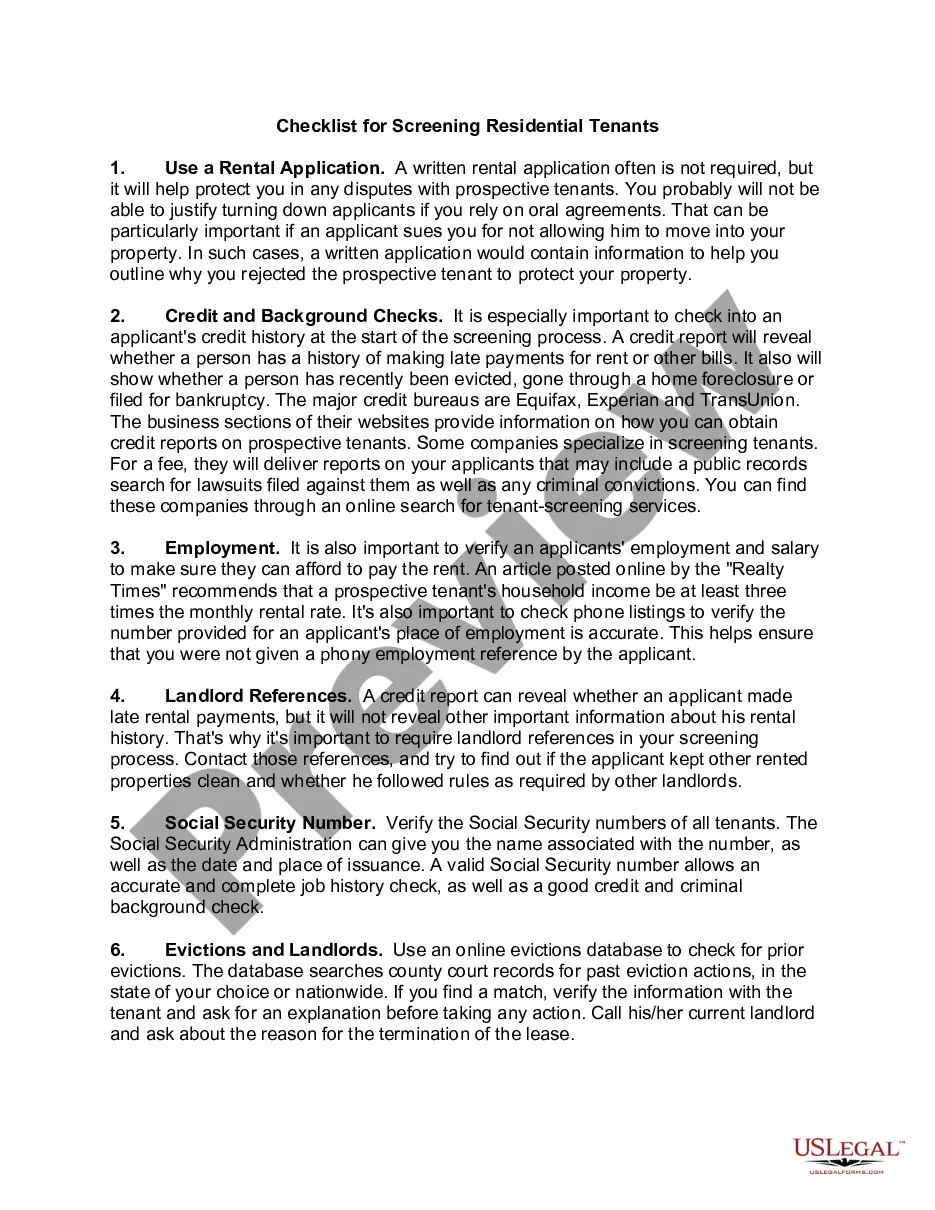
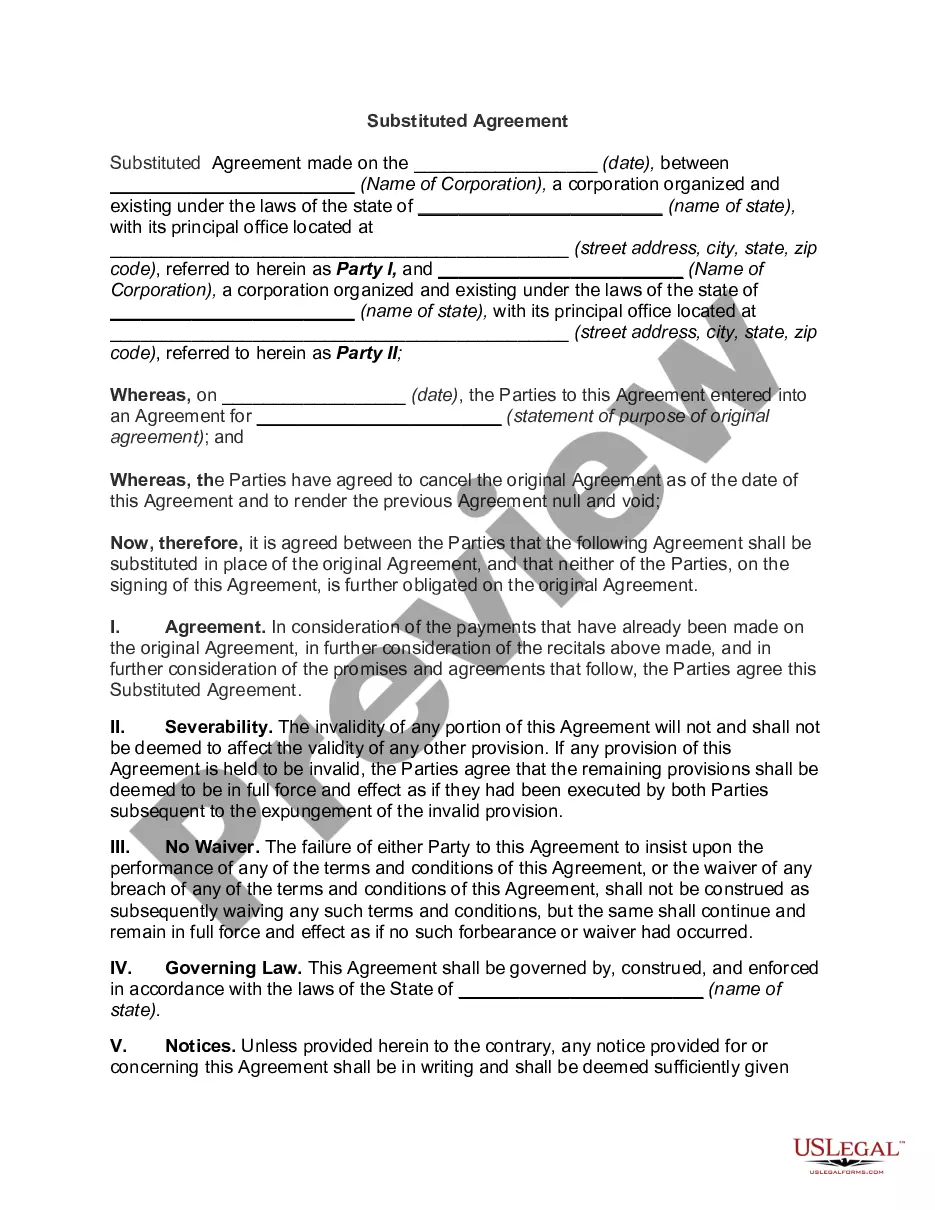
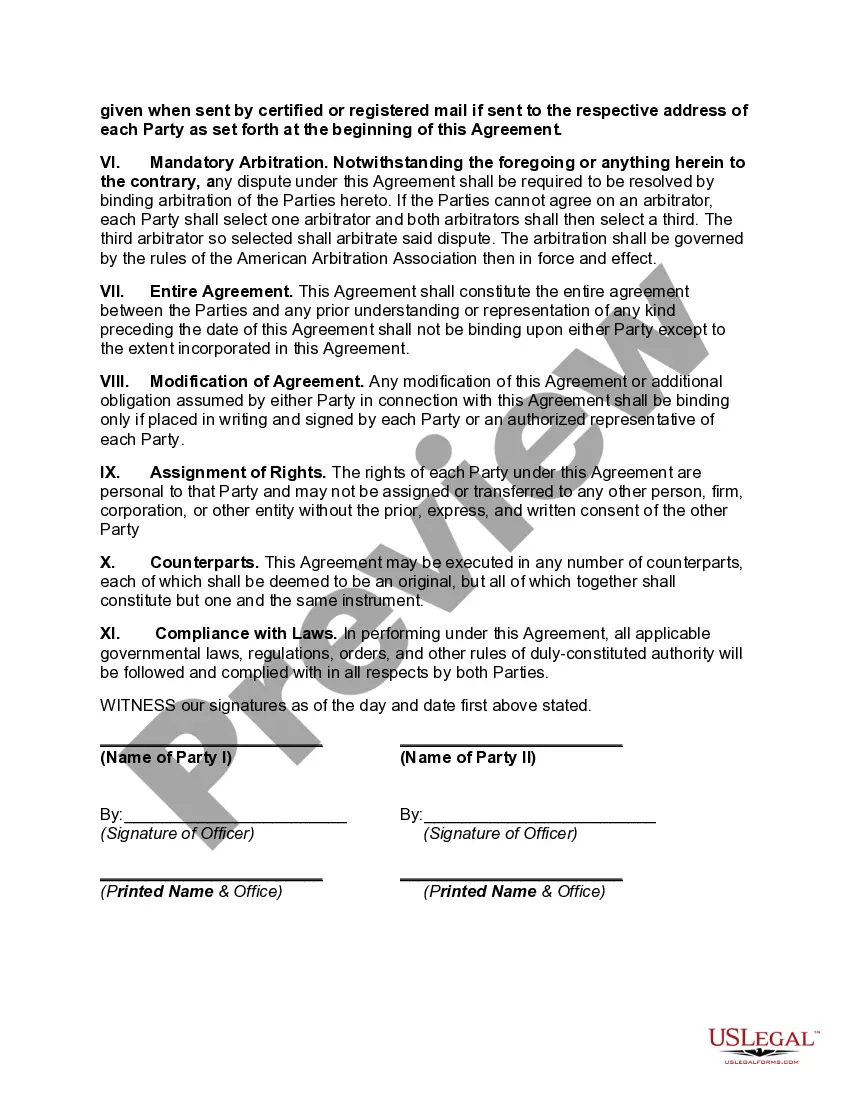
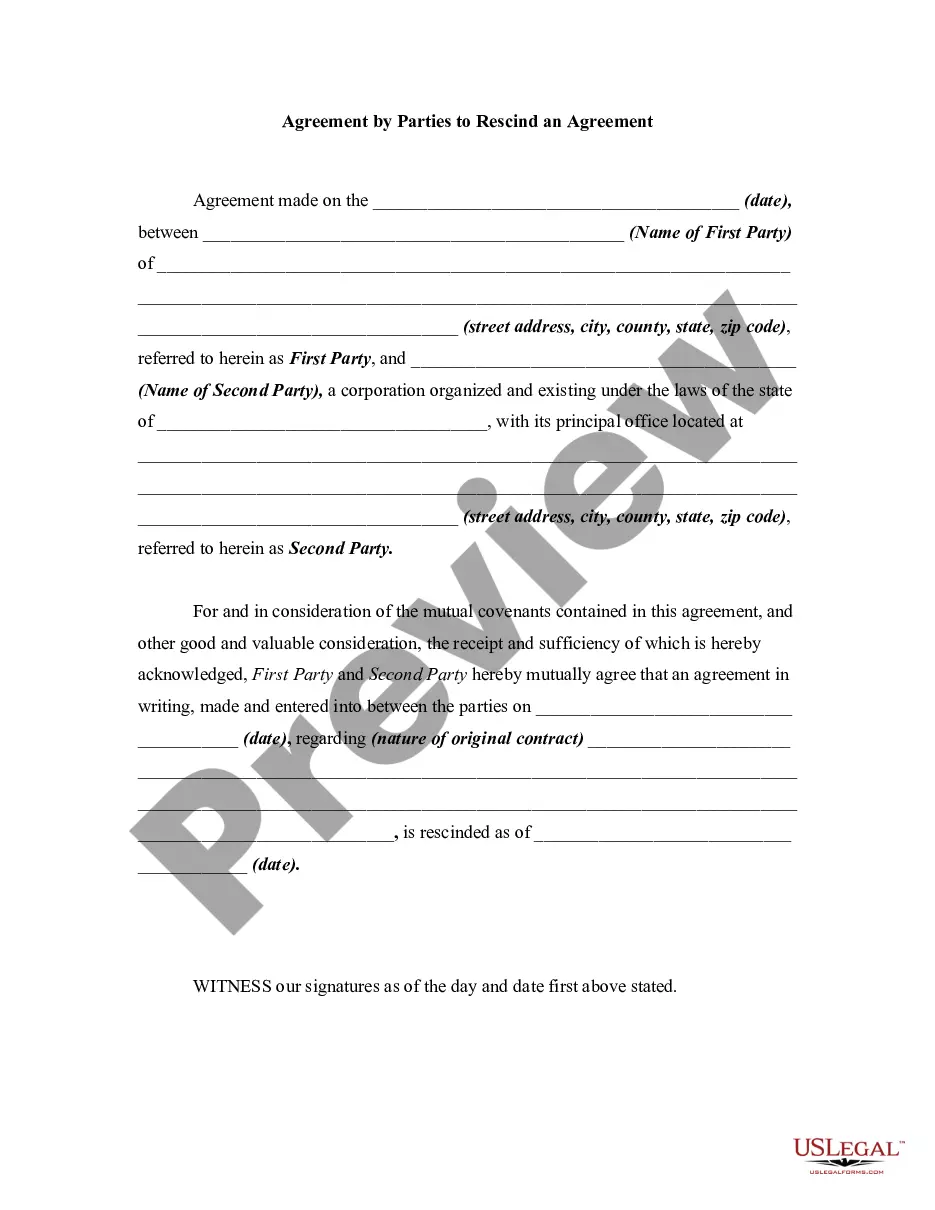
Missouri Substituted Agreement
Description
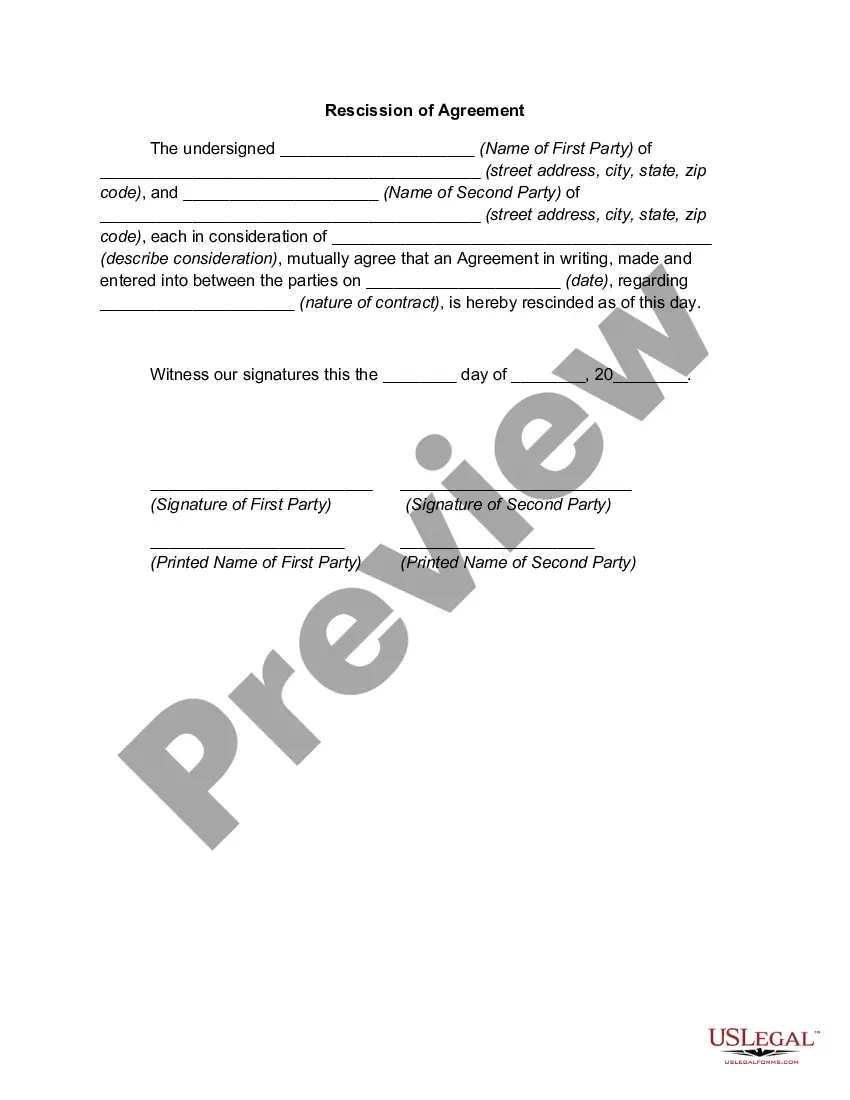
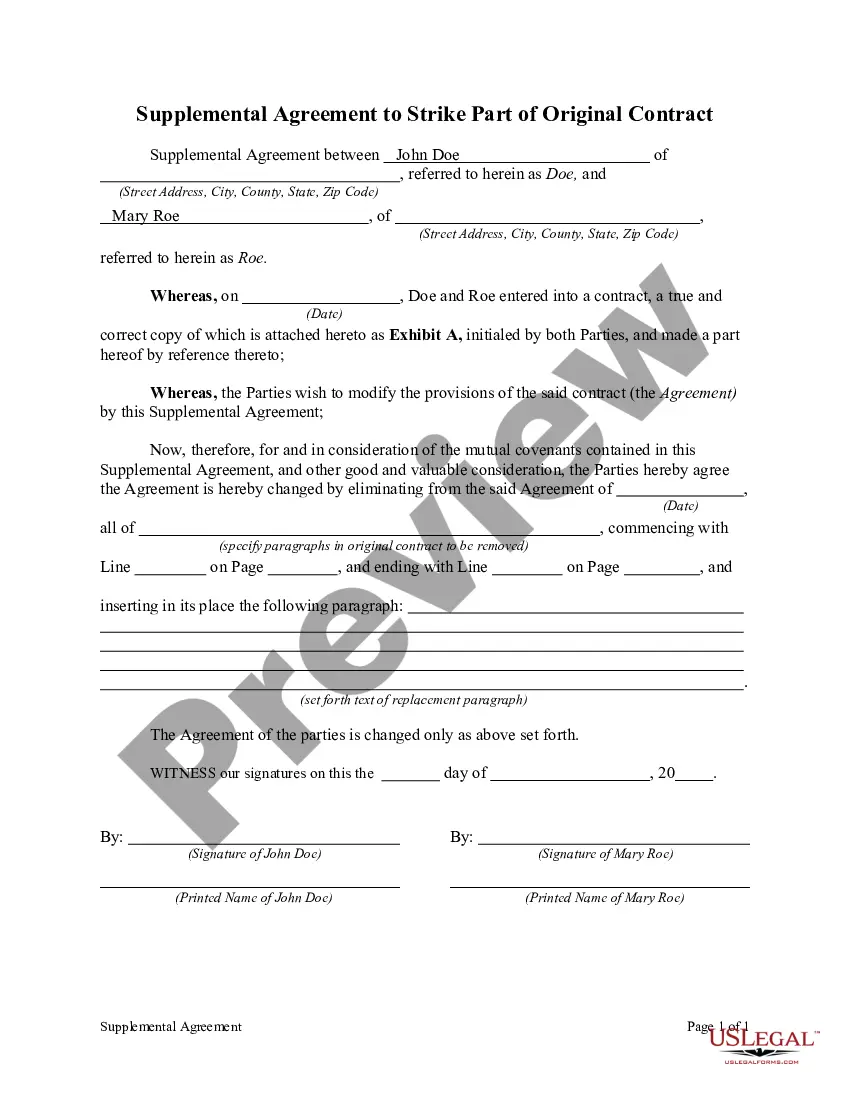
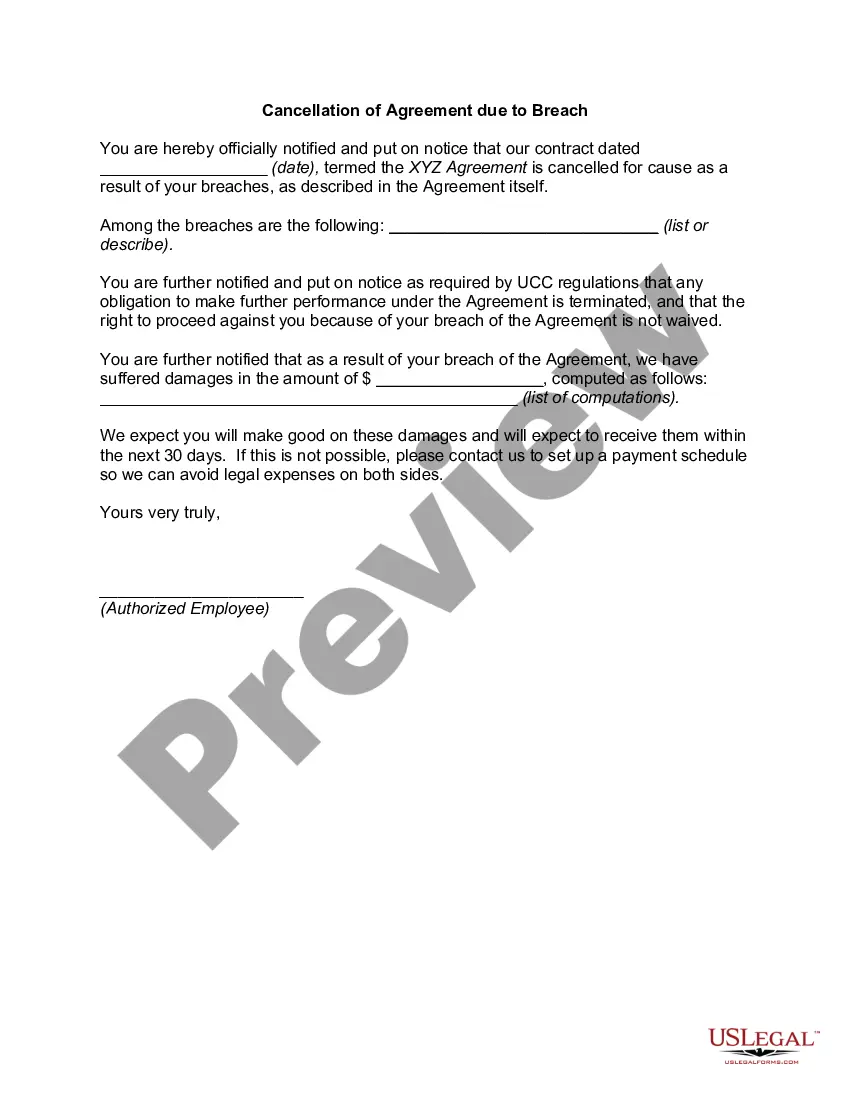
Get your form ready online
Our built-in tools help you complete, sign, share, and store your documents in one place.
Make edits, fill in missing information, and update formatting in US Legal Forms—just like you would in MS Word.
Download a copy, print it, send it by email, or mail it via USPS—whatever works best for your next step.
Sign and collect signatures with our SignNow integration. Send to multiple recipients, set reminders, and more. Go Premium to unlock E-Sign.
If this form requires notarization, complete it online through a secure video call—no need to meet a notary in person or wait for an appointment.
We protect your documents and personal data by following strict security and privacy standards.

Make edits, fill in missing information, and update formatting in US Legal Forms—just like you would in MS Word.

Download a copy, print it, send it by email, or mail it via USPS—whatever works best for your next step.

Sign and collect signatures with our SignNow integration. Send to multiple recipients, set reminders, and more. Go Premium to unlock E-Sign.

If this form requires notarization, complete it online through a secure video call—no need to meet a notary in person or wait for an appointment.

We protect your documents and personal data by following strict security and privacy standards.
Looking for another form?

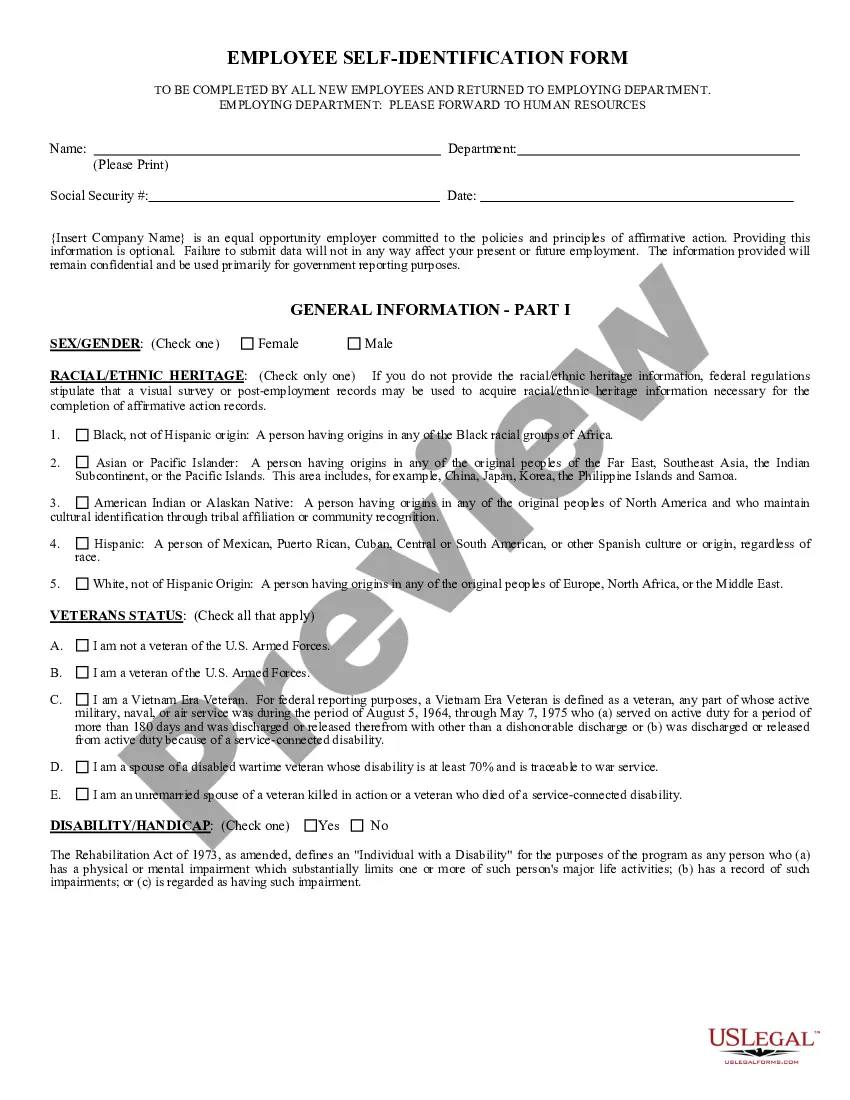





How to fill out Substituted Agreement?
You have the capability to spend time online looking for the legal form template that complies with the state and federal requirements you require.
US Legal Forms provides thousands of legal templates that are reviewed by professionals.
It is easy to download or print the Missouri Substituted Agreement from my service.
If available, utilize the Preview button to browse through the form template as well.
- If you already possess a US Legal Forms account, you may Log In and click on the Acquire button.
- Then, you may complete, modify, print, or sign the Missouri Substituted Agreement.
- Every legal form template you obtain is yours indefinitely.
- To get another copy of any purchased form, navigate to the My documents tab and click on the corresponding button.
- When accessing the US Legal Forms website for the first time, follow these simple instructions.
- Firstly, ensure that you have selected the correct form template for the area/region of your choice.
- Check the form description to verify you have chosen the appropriate form.
Form popularity
FAQ
The Missouri long-arm statute provides that an out-of-state defendant can be subject to personal jurisdiction in Missouri when it commits a tortious act within Missouri. See R.S.Mo. §506.500.
Missouri Evidence, a complete source on the law of evidence in Missouri and federal courts, follows the organizational scheme of the Federal Rules of Evidence. Evidence rules are not codified in Missouri, making them difficult to locate.
These criteria require (1) that the defendant has purposefully availed himself or herself of the benefits of the state so as to reasonably foresee being haled into court in that state; (2) that the forum state has sufficient interest in the dispute; and (3) that haling the defendant into court does not offend "notions
In 1997, Missouri added the "residual" hearsay exception, which has been recognized in Federal Courts for decades.
arm statute is a statute that allows for a court to obtain personal jurisdiction over an outofstate defendant on the basis of certain acts committed by an outofstate defendant, provided that the defendant has a sufficient connection with the state.
Typically for a court to have personal jurisdiction over a defendant, the plaintiff needs to serve the defendant in the state in which the court sits, and the defendant needs to voluntarily appear in court.
A party requesting service by registered or certified mail shall file an affidavit made by the party or by someone on behalf of the party, stating:Why personal service cannot be had in this state on the party to be served by mail, and.The name and address of the party to be served by mail.
There were rules of evidence prior to 1975, but not all federal courts used the same rules or applied them evenly. While the Federal Rules of Evidence apply only in federal court, many states base their own rules of evidence on the federal system.
The Tome case is relevant to the issues presented here, even though Missouri has not adopted the Federal Rules of Evidence. Rule 801(d)(1)(B) continues the common law rule on the admission of prior consistent statements with the exception that if the statements qualify the come in as substantive evidence.
The Federal Rules of Evidence are a set of rules that governs the introduction of evidence at civil and criminal trials in United States federal trial courts. The current rules were initially passed by Congress in 1975, after several years of drafting by the Supreme Court.