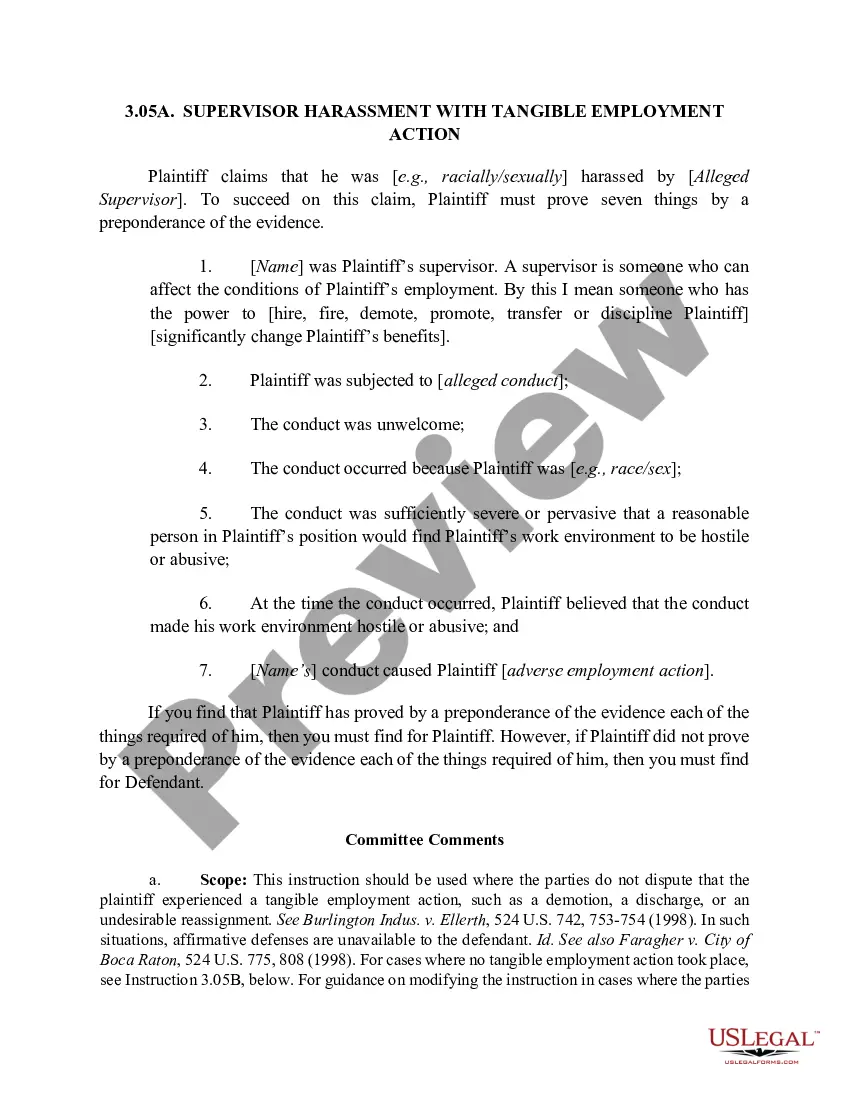
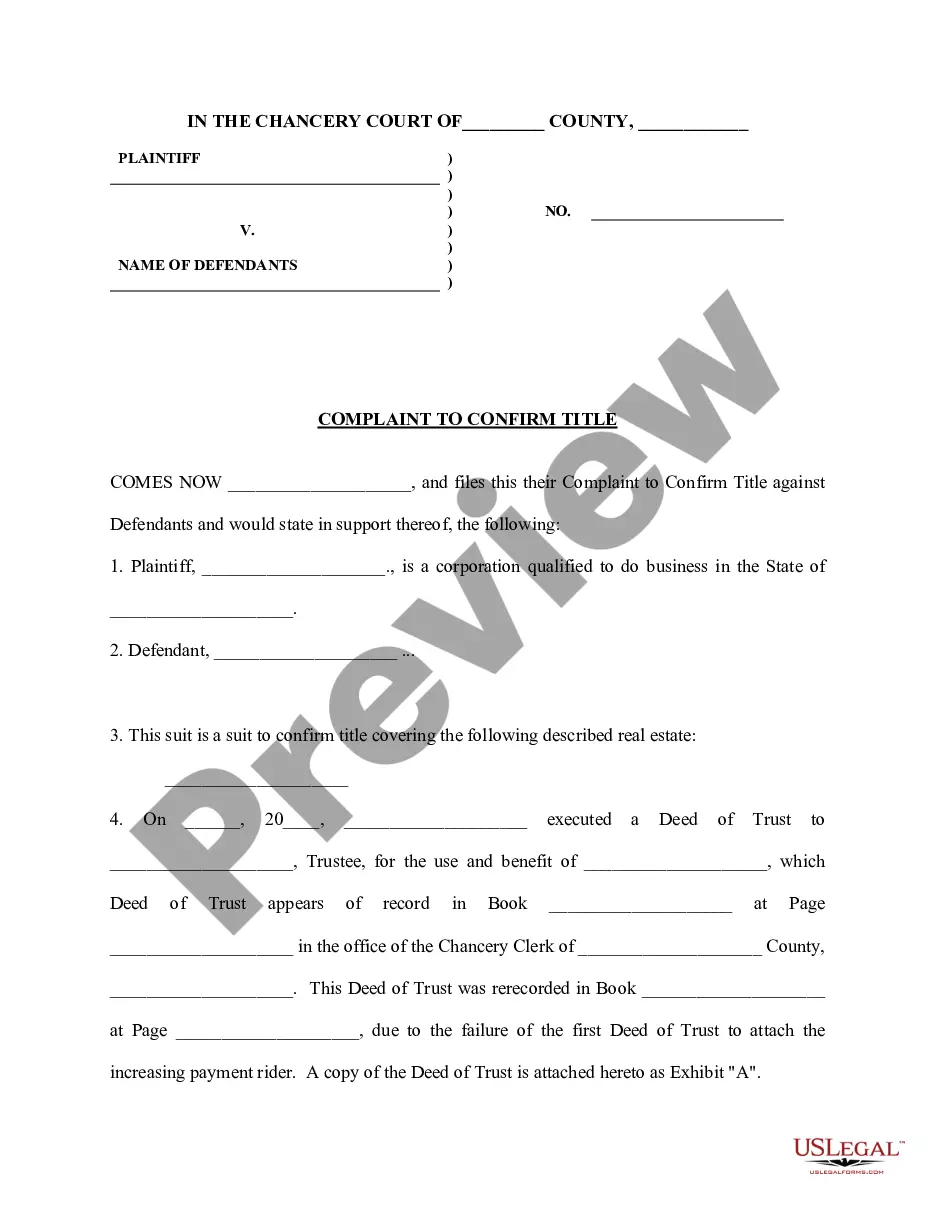
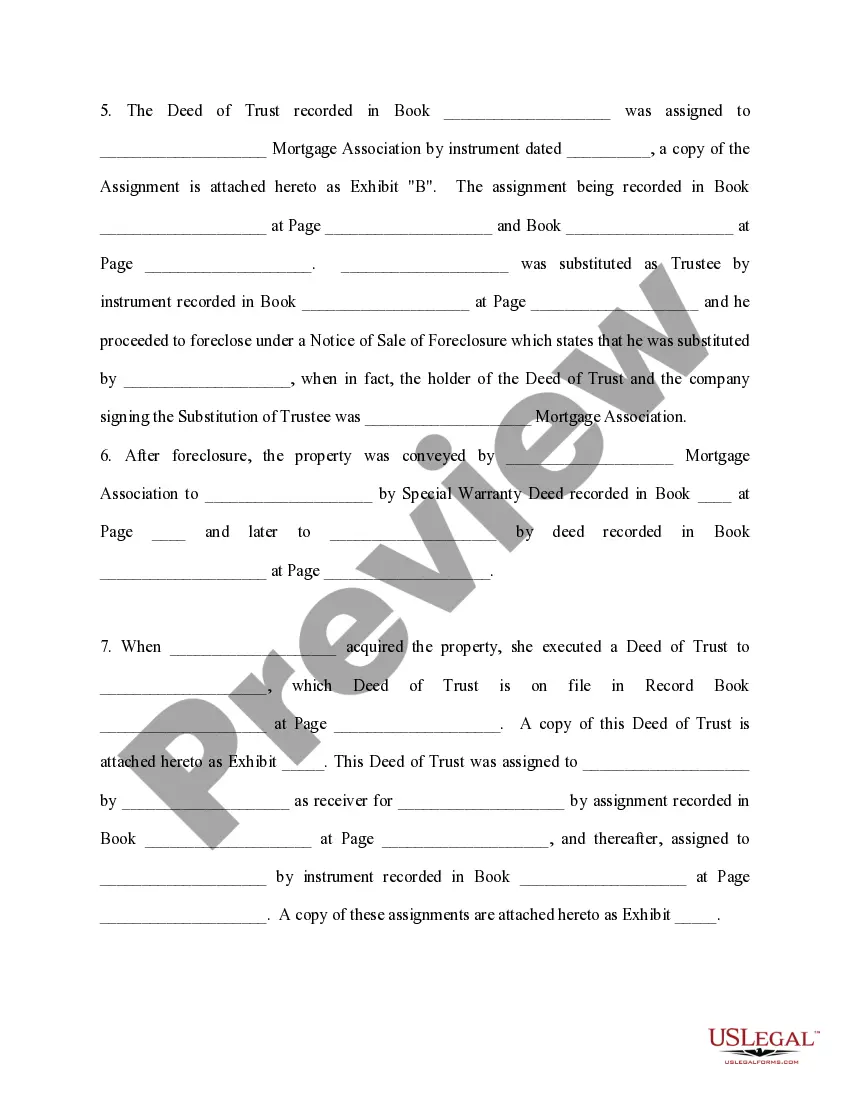
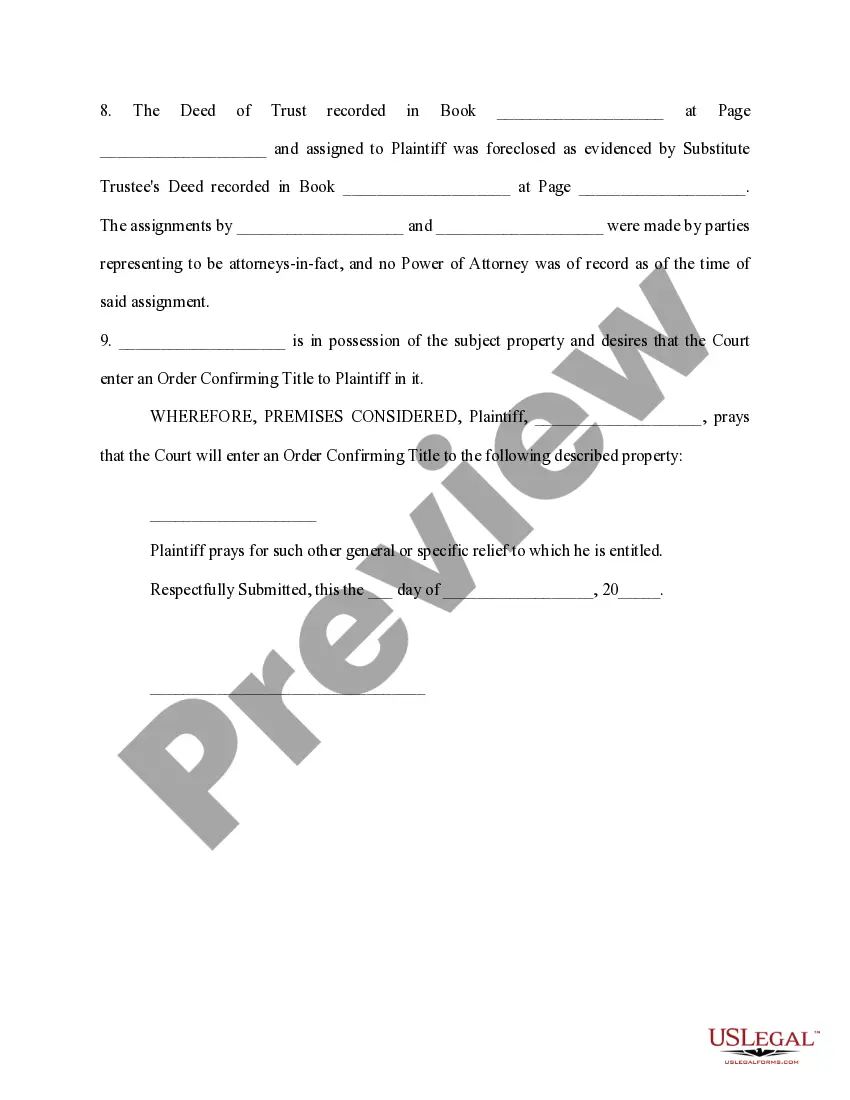
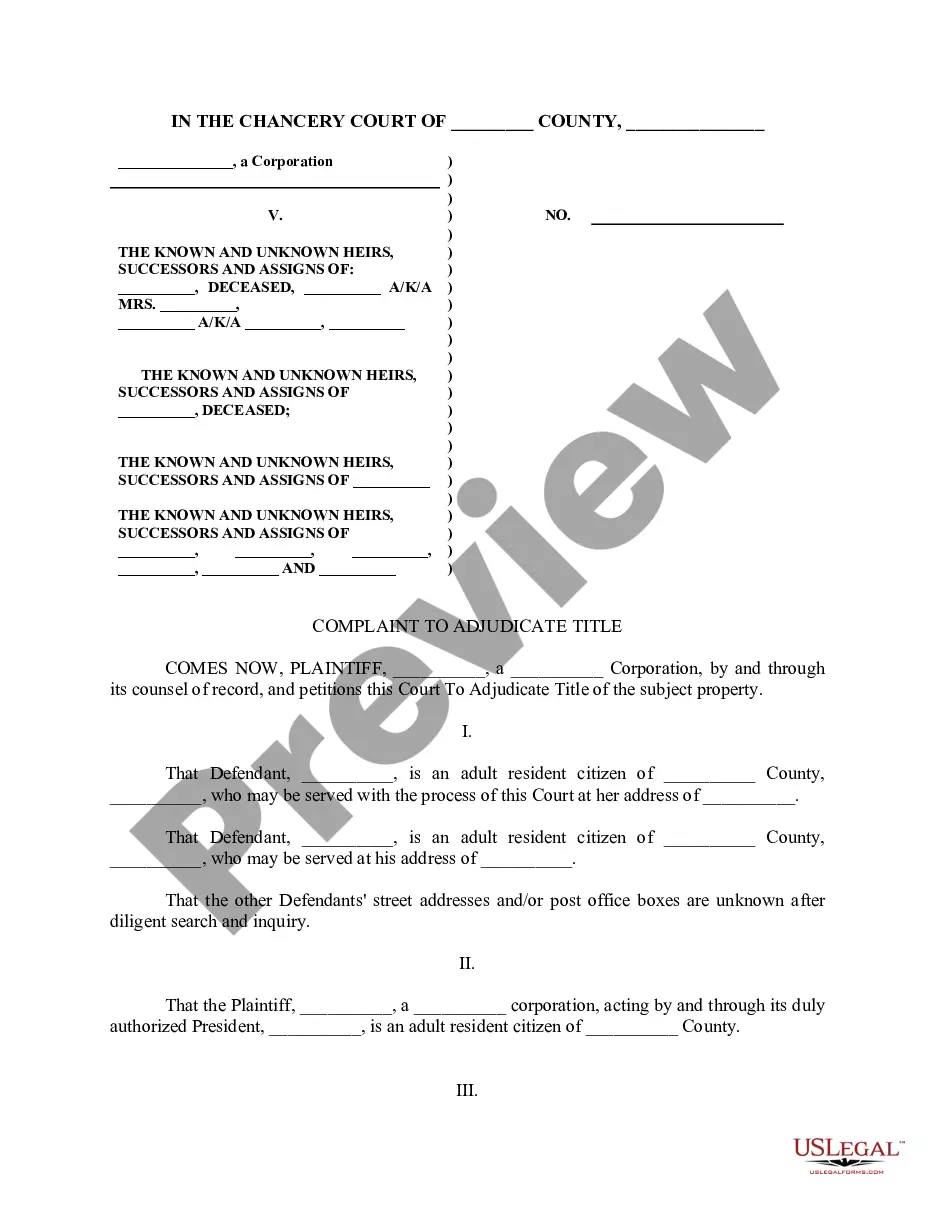
Missouri Complaint to Confirm Title
Description
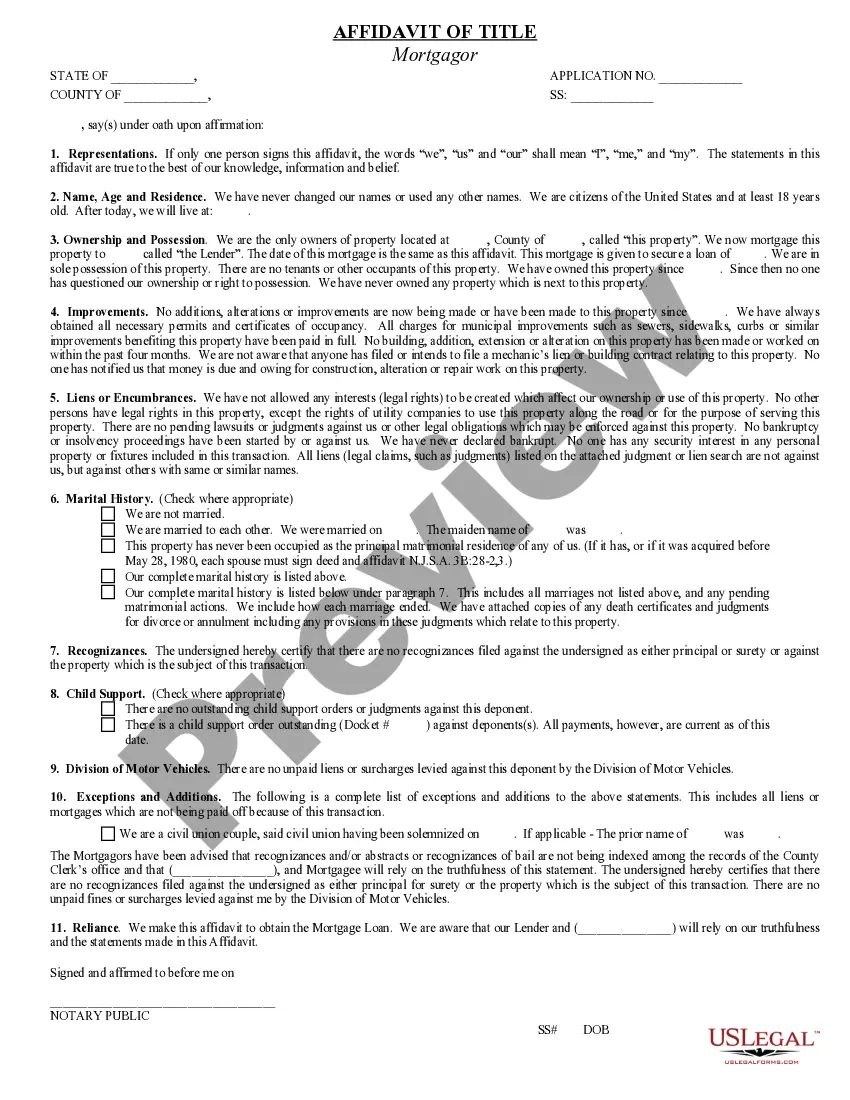
Get your form ready online
Our built-in tools help you complete, sign, share, and store your documents in one place.
Make edits, fill in missing information, and update formatting in US Legal Forms—just like you would in MS Word.
Download a copy, print it, send it by email, or mail it via USPS—whatever works best for your next step.
Sign and collect signatures with our SignNow integration. Send to multiple recipients, set reminders, and more. Go Premium to unlock E-Sign.
If this form requires notarization, complete it online through a secure video call—no need to meet a notary in person or wait for an appointment.
We protect your documents and personal data by following strict security and privacy standards.

Make edits, fill in missing information, and update formatting in US Legal Forms—just like you would in MS Word.

Download a copy, print it, send it by email, or mail it via USPS—whatever works best for your next step.

Sign and collect signatures with our SignNow integration. Send to multiple recipients, set reminders, and more. Go Premium to unlock E-Sign.

If this form requires notarization, complete it online through a secure video call—no need to meet a notary in person or wait for an appointment.

We protect your documents and personal data by following strict security and privacy standards.
Looking for another form?
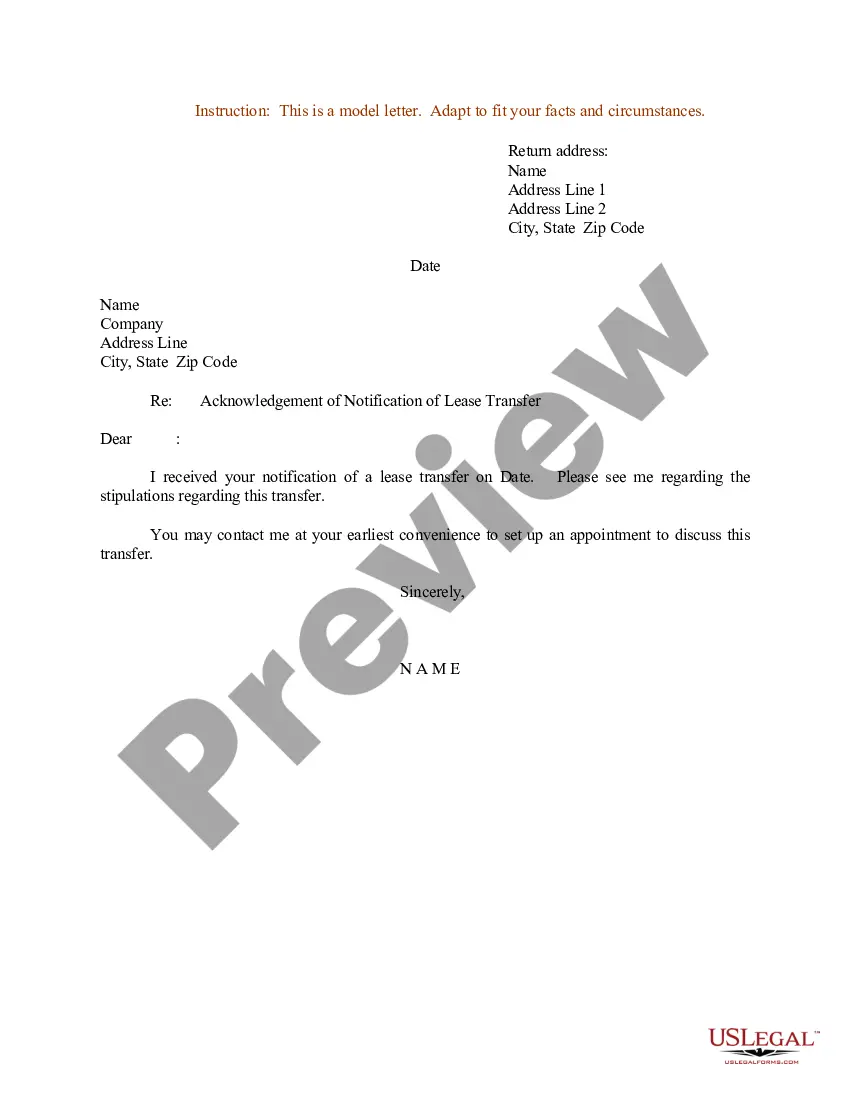


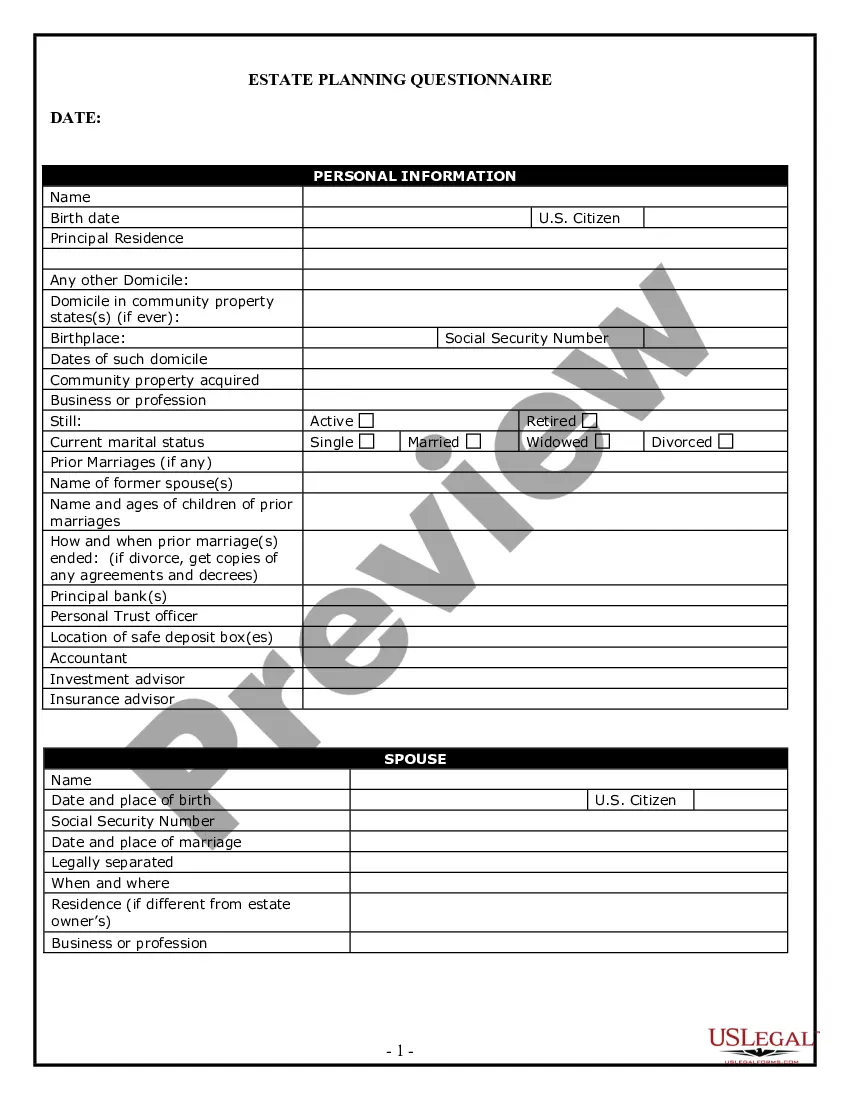
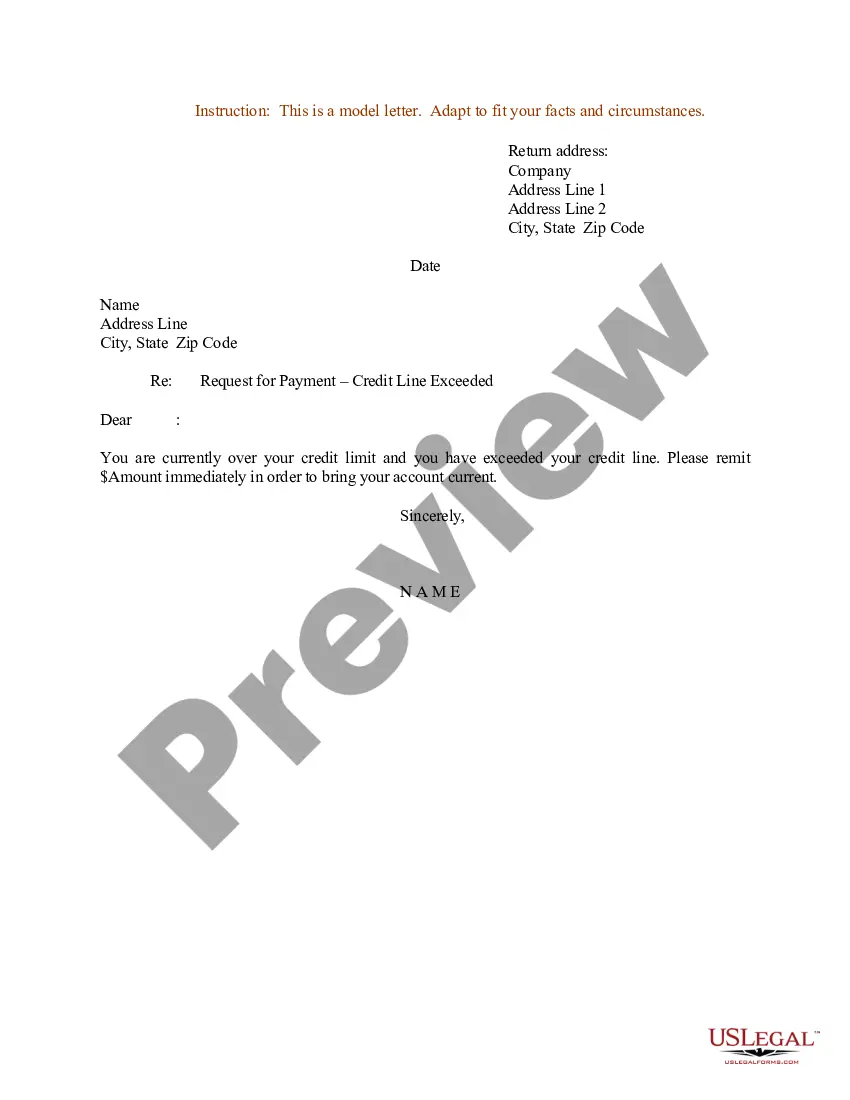



How to fill out Complaint To Confirm Title?
Selecting the optimal legal document template can be a challenge. Obviously, there are numerous templates accessible online, but how can you find the legal form you need? Utilize the US Legal Forms website. The service offers thousands of templates, including the Missouri Complaint to Confirm Title, that can be utilized for both business and personal purposes. All of the documents are reviewed by experts and comply with state and federal standards.
If you are already registered, Log In to your account and click on the Download button to obtain the Missouri Complaint to Confirm Title. Use your account to search through the legal forms you have ordered previously. Visit the My documents section of your account and retrieve another copy of the document you need.
If you are a new user of US Legal Forms, here are simple instructions you can follow: First, ensure you have selected the correct form for your city/county. You can preview the document using the Review button and read the document description to confirm it is suitable for you. If the form does not meet your needs, use the Search field to find the appropriate form. Once you are certain that the document is correct, click the Get now button to acquire the form. Choose the pricing plan you need and enter the required information. Create your account and complete the purchase using your PayPal account or credit card. Select the file format and download the legal document template to your device. Complete, modify, print, and sign the received Missouri Complaint to Confirm Title. US Legal Forms is the largest collection of legal documents where you can find a variety of document templates. Take advantage of the service to obtain professionally crafted documents that adhere to state regulations.
US Legal Forms is the largest collection of legal documents where you can find a variety of document templates.
- Select the optimal legal document template.
- Utilize the US Legal Forms website.
- Log in to your account.
- Preview the document using the Review button.
- Use the Search field to find the appropriate form.
- Download the legal document template to your device.
Form popularity
FAQ
To establish a claim for slander of title under Missouri law, a complaint must allege the defendant: (1) published false words; (2) such publication was done maliciously; and (3) such publication resulted in pecuniary injury to the plaintiff.
Adverse possession is one possible theory of ownership that might be asserted within a quiet title action. Adverse possession is one of the only ways to obtain ownership of property other than deed or inheritance.
A quiet title action is a legal proceeding used to establish clear title against adverse claims to real property. Quiet title actions in California are governed by Cal. Civ. Code §760.010 ? 765.060.
As an example of a quiet title, there could be a Contractor whose primary job is flipping a house, meaning that Contractor A purchases a home for a low price, makes necessary home improvements, and then turns around and sells the home for a profit.
An action to quiet title may be used where there are competing or adverse claims of ownership, gaps in the chain of title, or where a party seeks the determination of priority of competing liens or encumbrances. The court must then determine the better title as between the named parties to the proceeding.
An answer in a quiet title action must also be verified, and must describe any claim that the defendant has to the real property, as well as any facts tending to controvert the material allegations of the complaint and new matter constituting a defense. See Cal. Code of Civil Procedure section 761.030.
Uncertain property boundaries between neighbors, boundary disputes, unclear ownership of inherited property, and claims of adverse possession are some of the common reasons for filing quiet title actions in California.