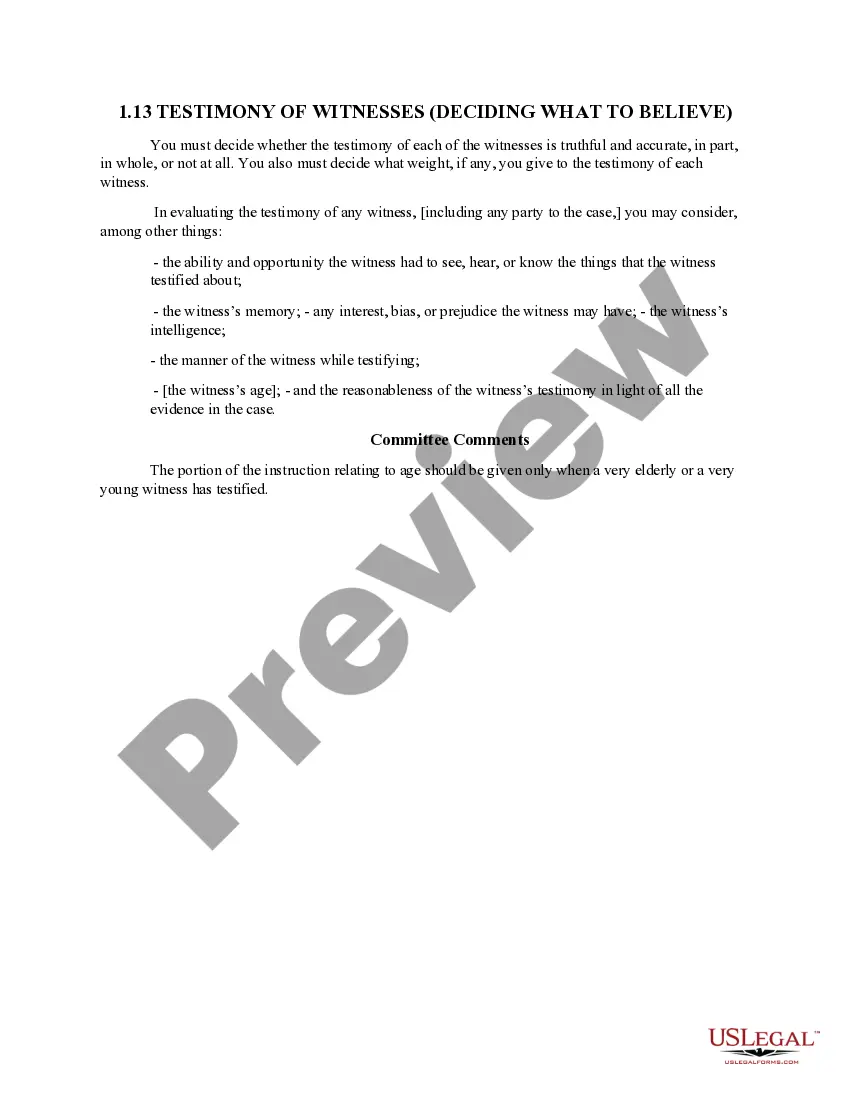
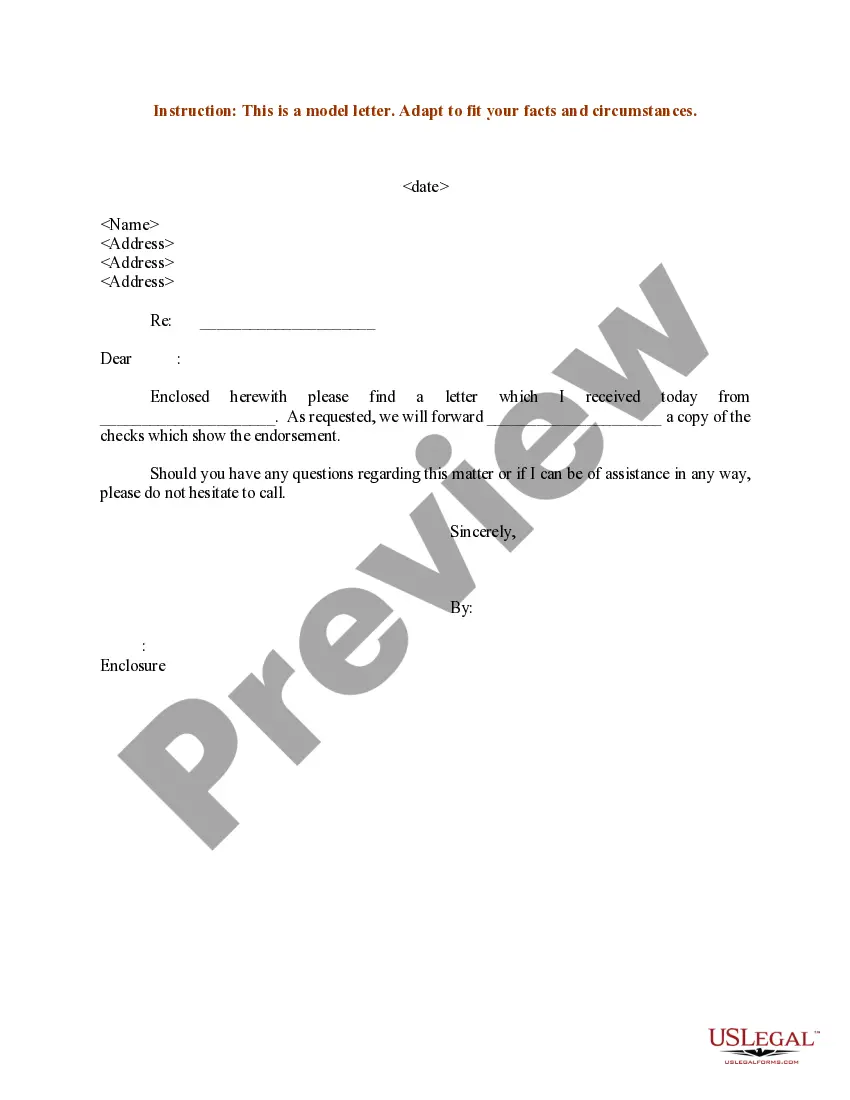
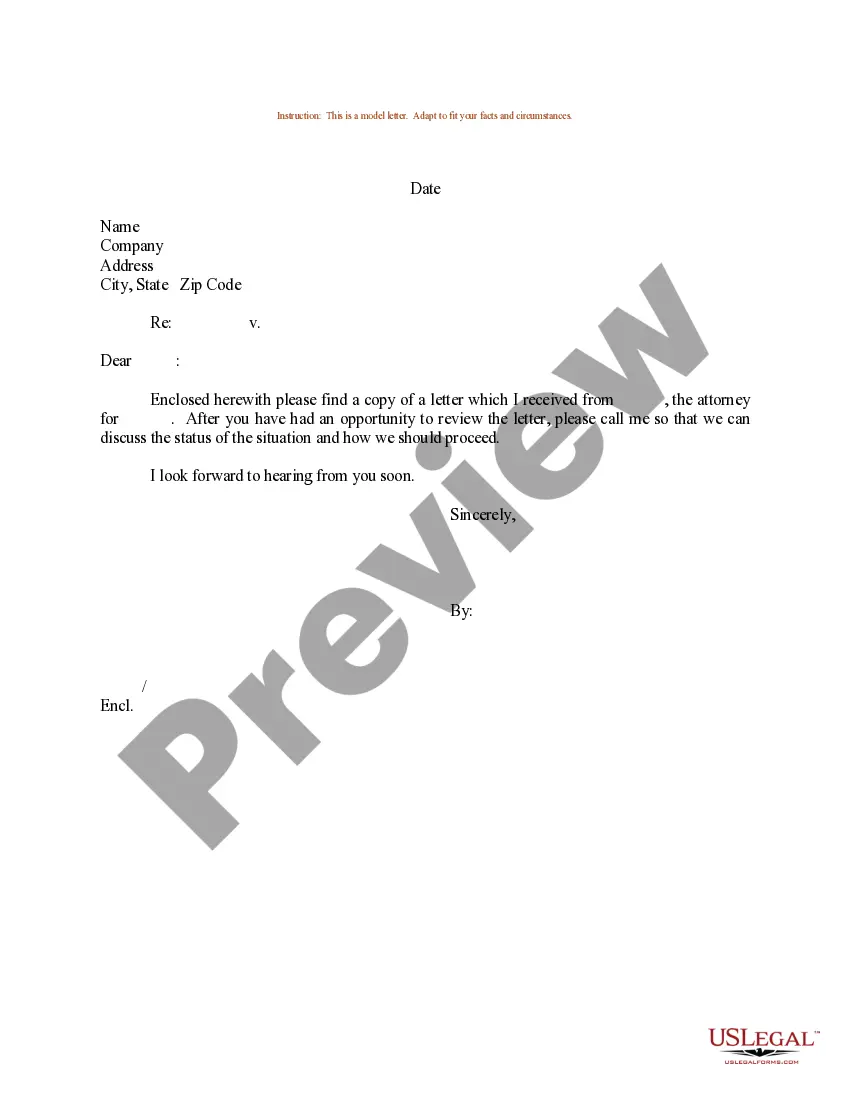
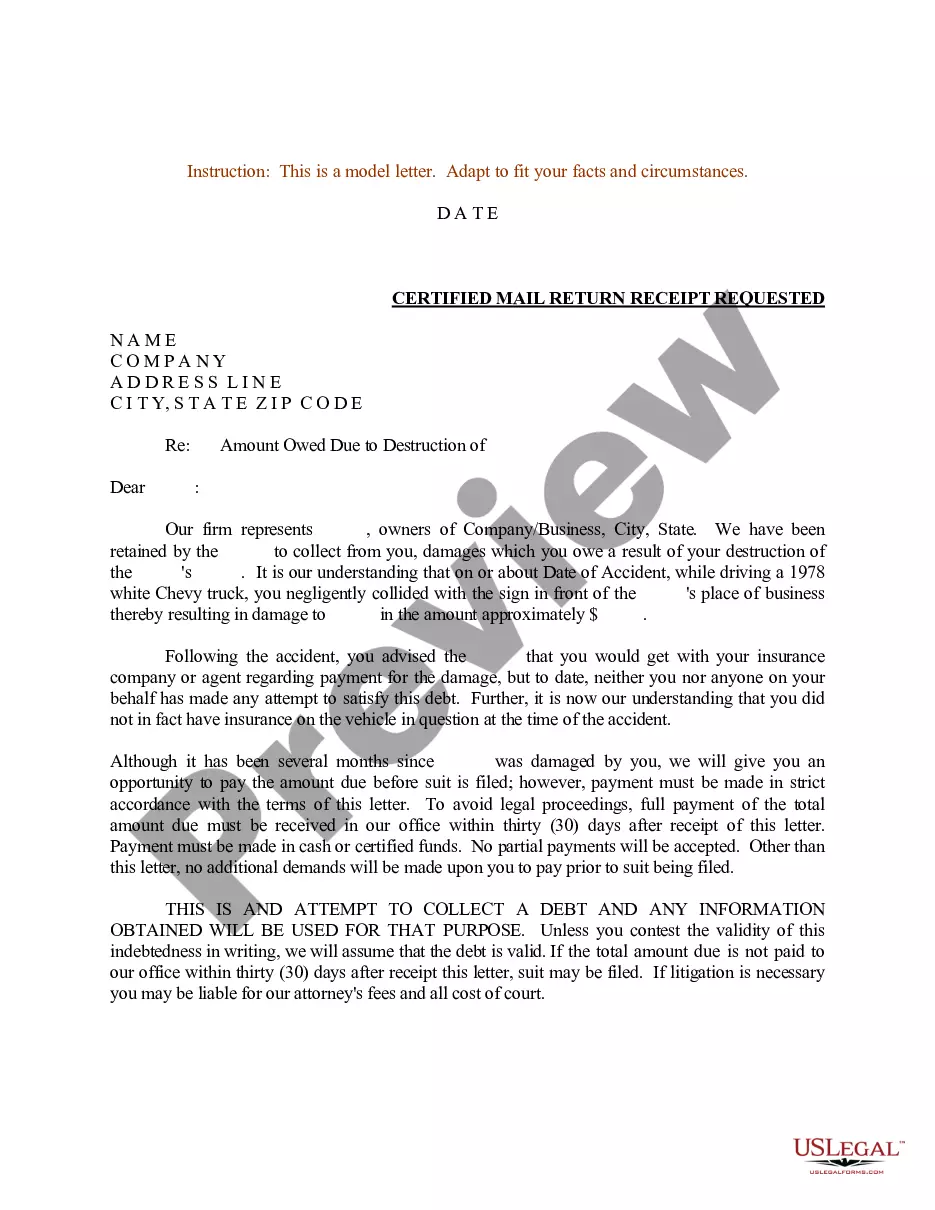
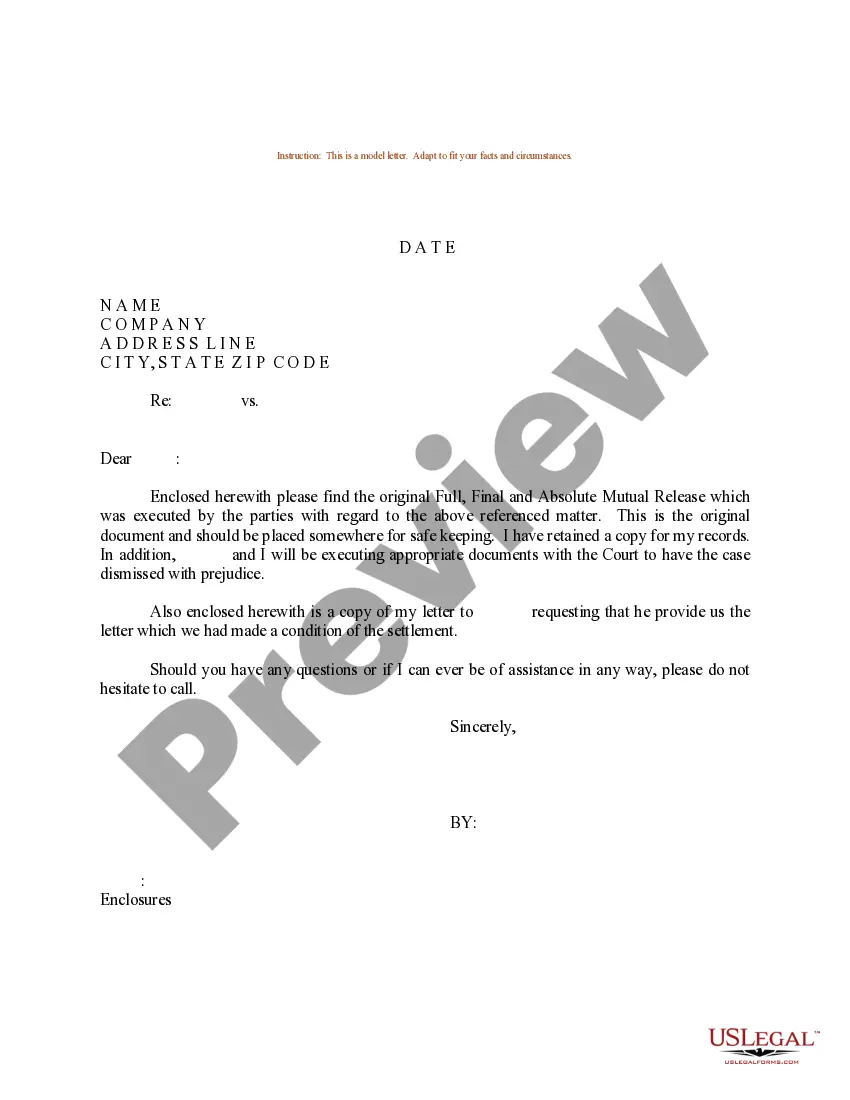
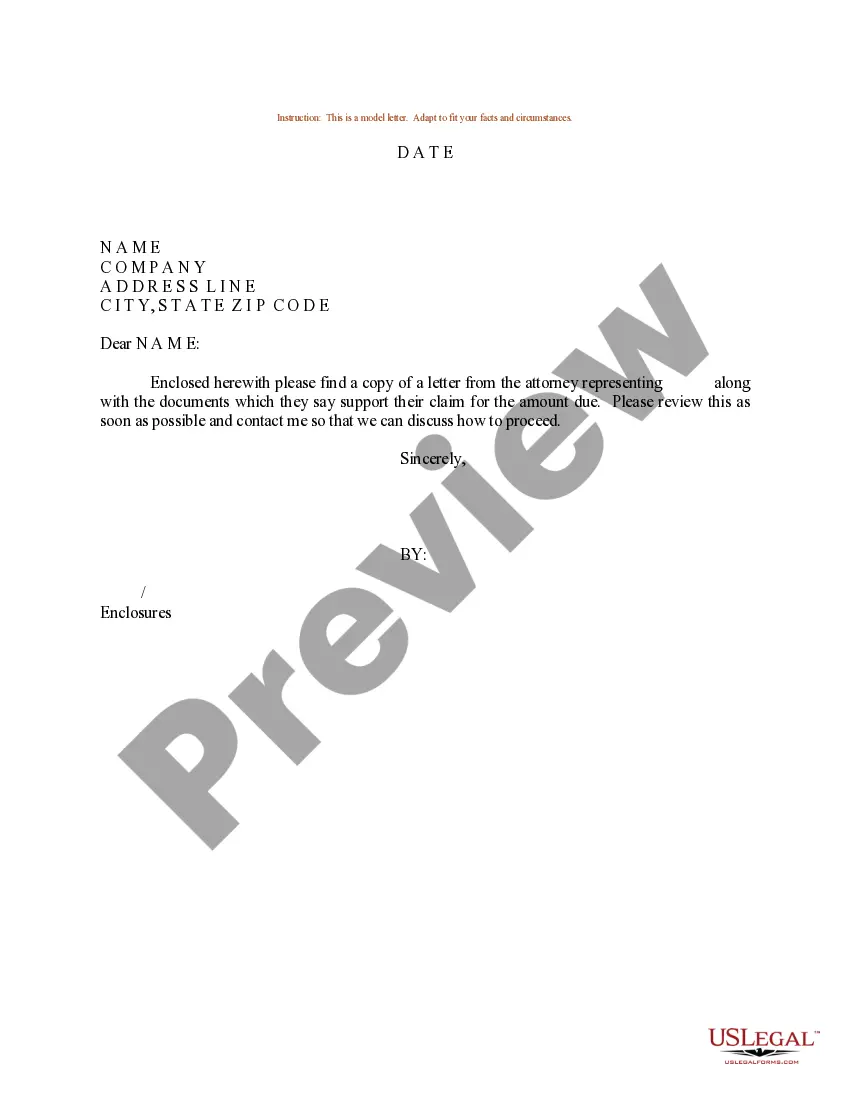
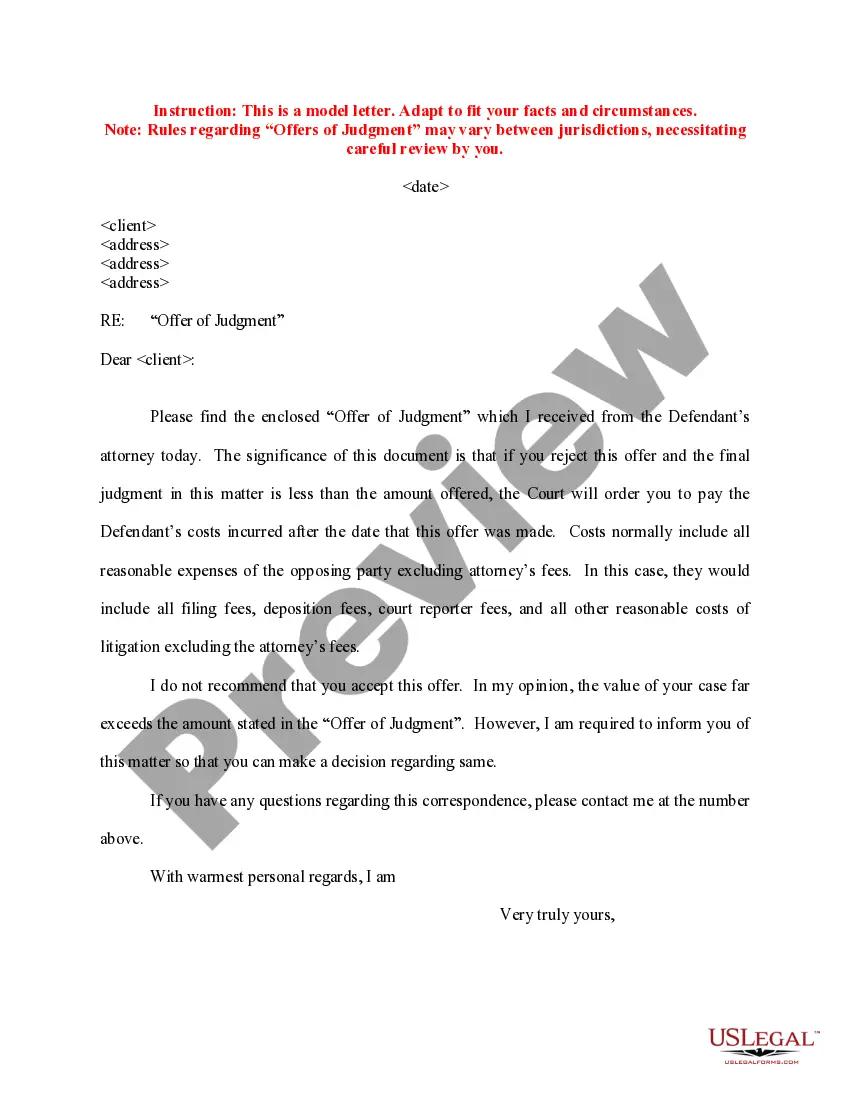
Minnesota Sample Letter for Correspondence received from Defendant
Description
Get your form ready online
Our built-in tools help you complete, sign, share, and store your documents in one place.
Make edits, fill in missing information, and update formatting in US Legal Forms—just like you would in MS Word.
Download a copy, print it, send it by email, or mail it via USPS—whatever works best for your next step.
Sign and collect signatures with our SignNow integration. Send to multiple recipients, set reminders, and more. Go Premium to unlock E-Sign.
If this form requires notarization, complete it online through a secure video call—no need to meet a notary in person or wait for an appointment.
We protect your documents and personal data by following strict security and privacy standards.

Make edits, fill in missing information, and update formatting in US Legal Forms—just like you would in MS Word.

Download a copy, print it, send it by email, or mail it via USPS—whatever works best for your next step.

Sign and collect signatures with our SignNow integration. Send to multiple recipients, set reminders, and more. Go Premium to unlock E-Sign.

If this form requires notarization, complete it online through a secure video call—no need to meet a notary in person or wait for an appointment.

We protect your documents and personal data by following strict security and privacy standards.
Looking for another form?


How to fill out Sample Letter For Correspondence Received From Defendant?
Have you ever found yourself needing documents for either business or personal reasons almost constantly.
There are numerous legitimate document templates accessible online, but obtaining versions you can rely on isn't easy.
US Legal Forms provides a vast array of form templates, such as the Minnesota Sample Letter for Correspondence received from Defendant, which can be utilized to meet state and federal standards.
Utilize US Legal Forms, the most extensive collection of legal templates, to save time and avoid errors.
The service provides professionally crafted legal document templates that can be employed for various purposes. Create your account on US Legal Forms and start simplifying your life.
- If you are already acquainted with the US Legal Forms website and possess an account, simply Log In.
- After that, you can retrieve the Minnesota Sample Letter for Correspondence received from Defendant template.
- If you do not have an account and wish to start using US Legal Forms, follow these steps.
- Locate the form you need and ensure it is for the correct city/county.
- Use the Preview button to review the form.
- Read the description to confirm that you have chosen the correct form.
- If the form isn’t what you are looking for, utilize the Lookup field to find the form that meets your needs and specifications.
- Once you find the appropriate form, click Buy now.
- Select the pricing option you prefer, complete the required information to process your payment, and finalize the order using your PayPal or credit card.
- Choose a convenient file format and download your copy.
- Find all the document templates you have purchased in the My documents section. You can obtain an additional copy of the Minnesota Sample Letter for Correspondence received from Defendant at any time by simply accessing the necessary form to download or print the document template.
Form popularity
FAQ
Guidelines for Letters of Support The letter should be addressed to the Judge, but mailed to the defendant's attorney. ... Who are you? ... Make it personal when describing the defendant's characteristics. ... Only talk about what you know. ... Be truthful. ... Never attack the victims or law enforcement.
You should start your letter by addressing it to the court (for example, ?Dear Judge Jones?). Rather than use the generic term ?Sentencing Judge,? try to find the specific name of the judge that is sentencing the defendant. If you cannot find the name, address the letter to ?Honorable Judge.?
Sample Format for a Character Letter First Paragraph: Explain who you are. ... Second Paragraph: Explain why you are writing the letter. ... Third Paragraph: Thank the court, and make your ?ask.? State that you are available to confirm the facts in this letter as necessary.
You should not attempt to elicit sympathy from the judge. The judge will not feel sorry for you for committing the crime, he or she will feel sympathy for the victim (in the case that there was one). Playing the pity card will simply come across as a ploy to get off easy. If you can help yourself, don't cry.
Correspondence is defined as the exchange of letters as a means of communication. Correspondence from one party to another and responses to such letters constitute what is known as correspondence between parties.
Remember that judges read hundreds of letters. The easier you make it for the judge to read, the most likely the judge will be able to focus on the message you are trying to convey. For most people, a typed letter is more legible than a handwritten one.
These letters can be a very important part of the sentencing process because they help the judge get to know the person they are sentencing in ways other than just the facts of the offense: The letter should be addressed to the Judge, but mailed to the defendant's attorney.
If you're writing on behalf of someone else, include your relationship with them (coworker, family member, etc.) and one or two examples that demonstrate their character to provide context for your claims.