Minnesota Assignment to Living Trust
Overview of this form
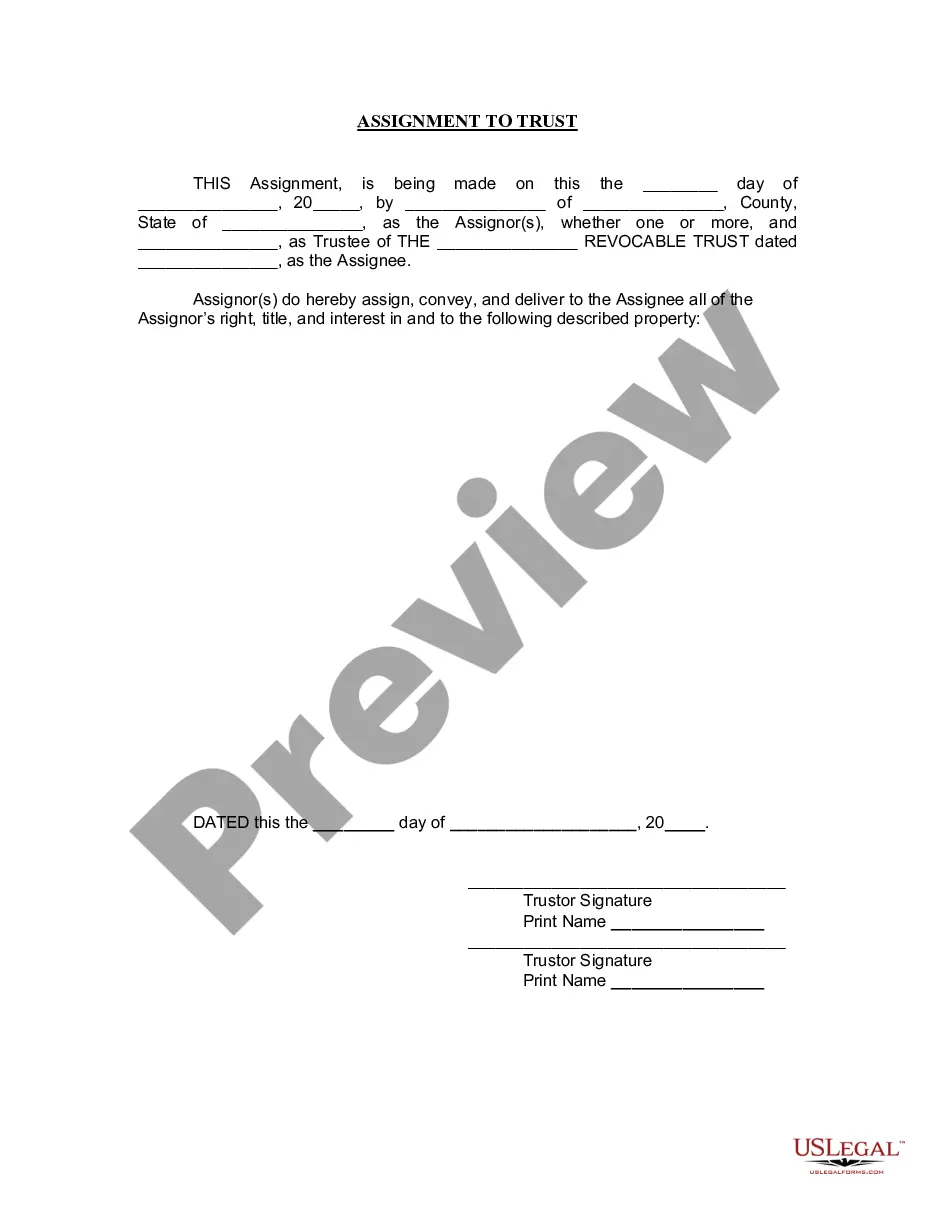
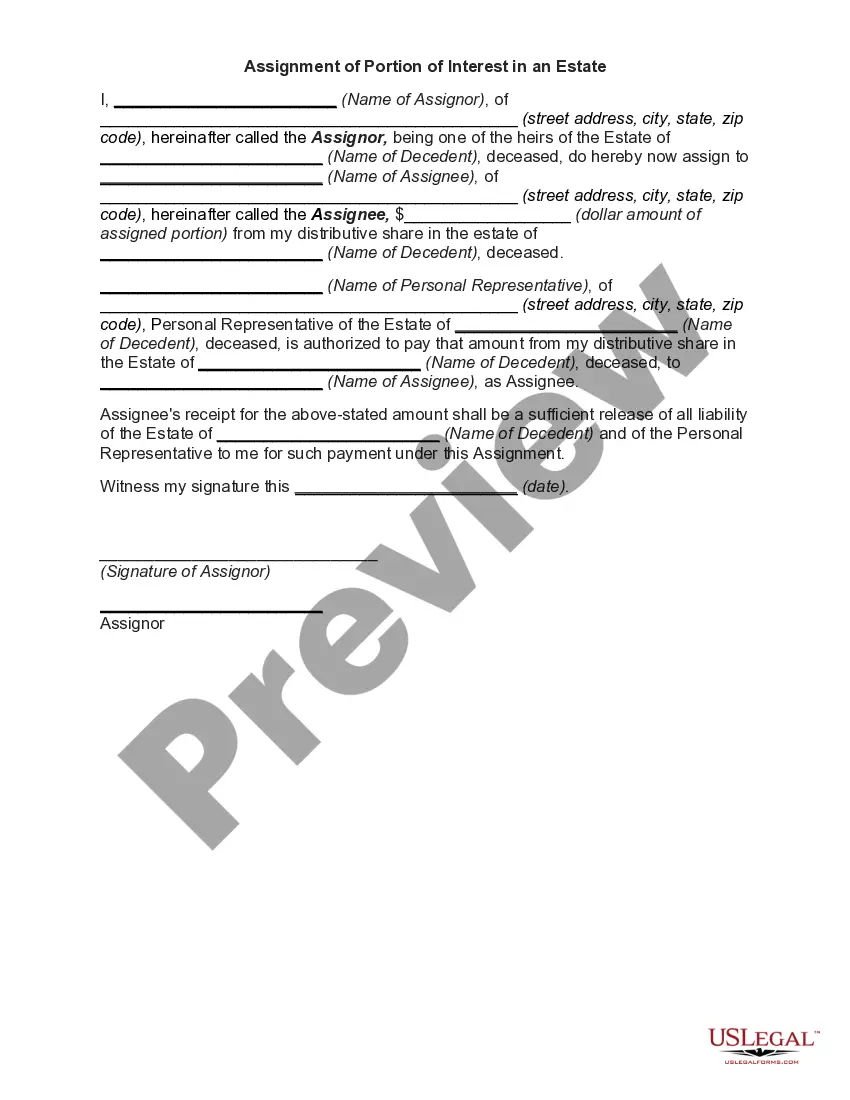
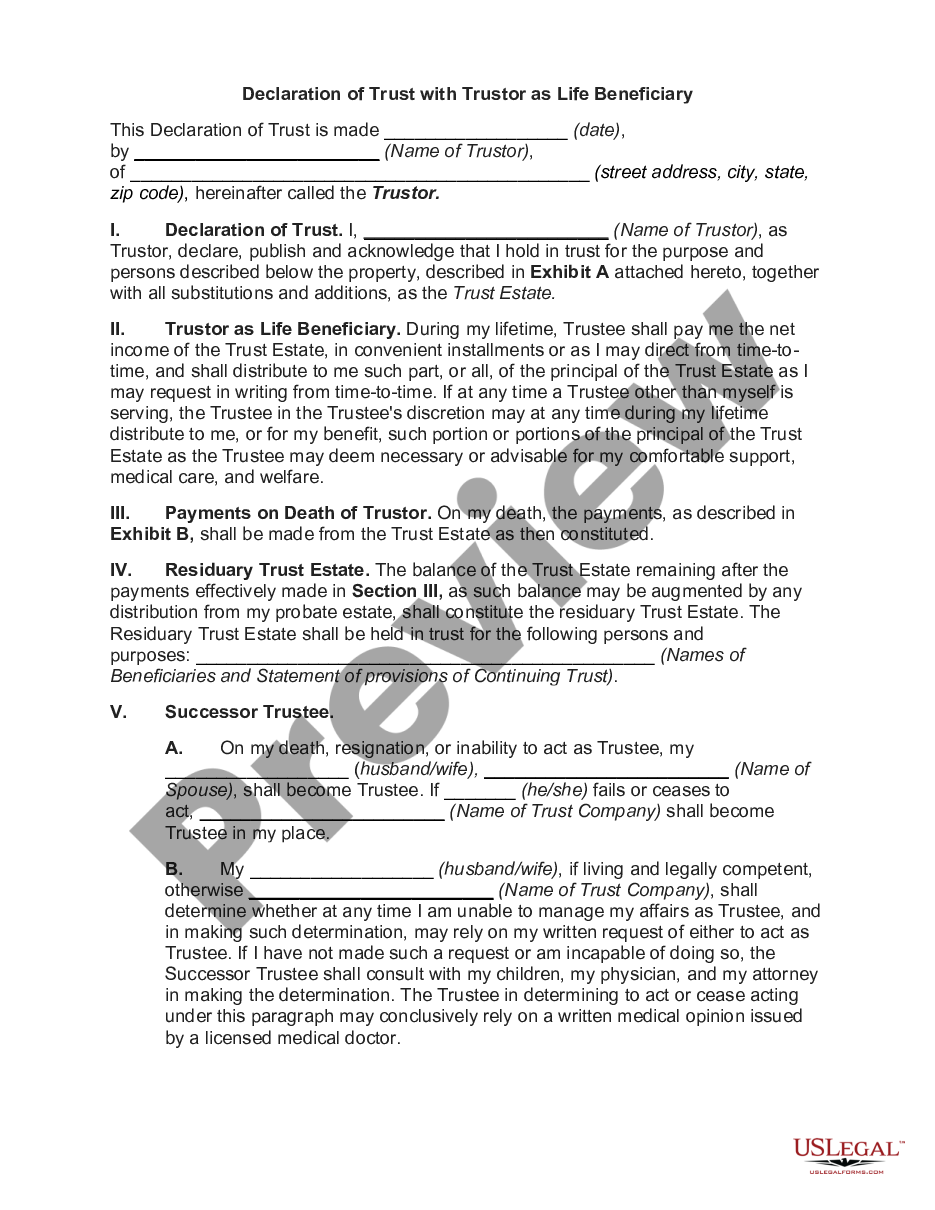
The Assignment to Living Trust form is a legal document used to transfer ownership of specific property into a living trust. A living trust is a tool used in estate planning that allows individuals to manage their assets while they are alive and facilitate the transfer of those assets upon death. This form differentiates itself from other estate planning documents, such as wills, by allowing assets to bypass probate, ensuring a more efficient distribution to beneficiaries.
Main sections of this form
- Assignor's details: Name and address of the person transferring the property.
- Trustee information: Name of the trustee responsible for managing the trust.
- Property description: Specific details about the property being assigned.
- Date of execution: The date on which the assignment is made.
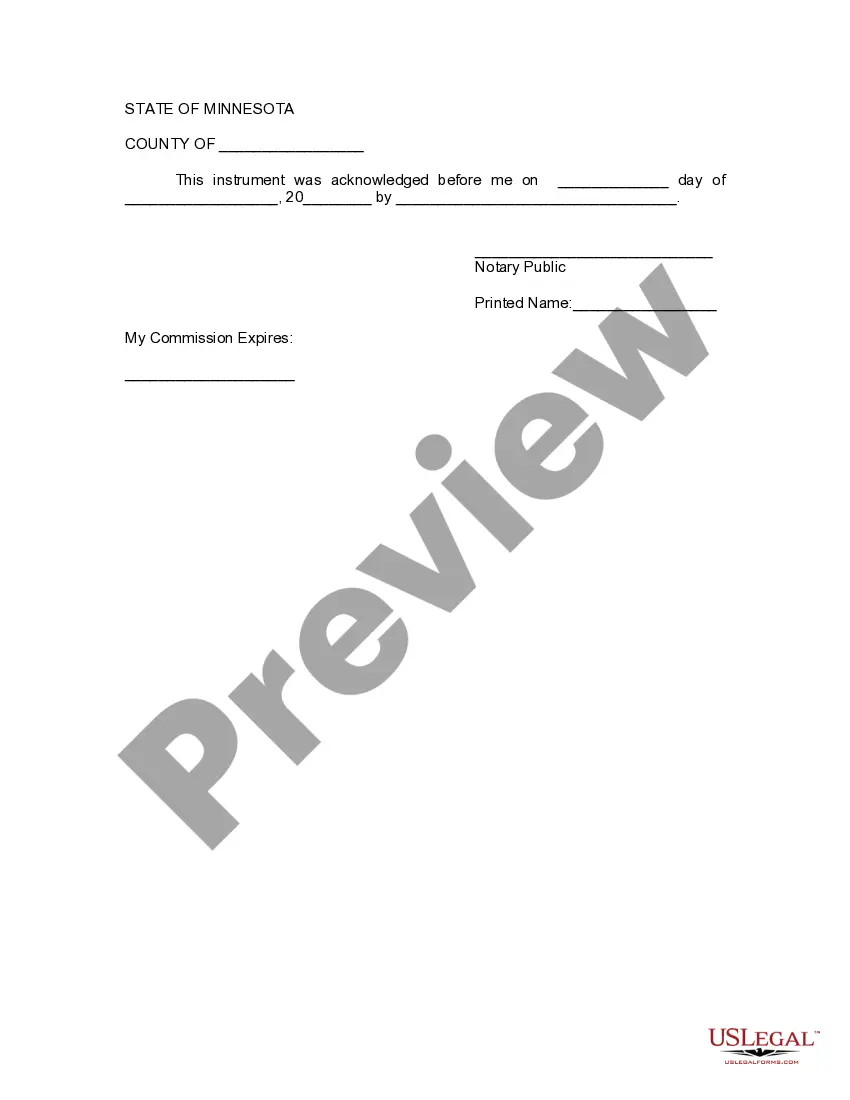
- Notary acknowledgment: A section for the notary public to certify the signature of the assignor.

When to use this document
This form is essential in situations where an individual wishes to transfer their assets into a living trust, particularly for estate planning purposes. It is often used when someone creates a living trust and wants to ensure that their property is included in the trust, allowing them to manage the assets during their lifetime and control the distribution after death.
Who should use this form
- Individuals setting up a living trust for estate planning.
- Owners of specific property who want to transfer that property into a trust.
- Trustees who need documentation demonstrating that property has been assigned to the trust.
- Estate planners or attorneys assisting clients with trust creation.
Steps to complete this form
- Identify the parties: Fill in the names and addresses of the assignor(s) and trustee.
- Specify the property: Clearly describe the property being assigned to the trust.
- Enter the date: Write down the date of the assignment.
- Sign before a notary: The assignor must sign the form in the presence of a notary public.
- Complete the notary section: The notary fills in their details and acknowledges the signature.
Does this form need to be notarized?
To make this form legally binding, it must be notarized. Our online notarization service, powered by Notarize, lets you verify and sign documents remotely through an encrypted video session.
Get your form ready online
Our built-in tools help you complete, sign, share, and store your documents in one place.
Make edits, fill in missing information, and update formatting in US Legal Forms—just like you would in MS Word.
Download a copy, print it, send it by email, or mail it via USPS—whatever works best for your next step.
Sign and collect signatures with our SignNow integration. Send to multiple recipients, set reminders, and more. Go Premium to unlock E-Sign.
If this form requires notarization, complete it online through a secure video call—no need to meet a notary in person or wait for an appointment.
We protect your documents and personal data by following strict security and privacy standards.

Make edits, fill in missing information, and update formatting in US Legal Forms—just like you would in MS Word.

Download a copy, print it, send it by email, or mail it via USPS—whatever works best for your next step.

Sign and collect signatures with our SignNow integration. Send to multiple recipients, set reminders, and more. Go Premium to unlock E-Sign.

If this form requires notarization, complete it online through a secure video call—no need to meet a notary in person or wait for an appointment.

We protect your documents and personal data by following strict security and privacy standards.
Avoid these common issues
- Failing to provide a complete and accurate description of the property being assigned.
- Not having the form signed in the presence of a notary.
- Leaving out critical details about the assignor or trustee.
- Using an outdated version of the form that may not comply with current laws.
Advantages of online completion
- Convenience: Download the form anytime from anywhere, saving time and effort.
- Editability: Easily fill in the required fields using your computer before printing.
- Reliability: Forms are drafted by licensed attorneys, ensuring legal accuracy.
Summary of main points
- The Assignment to Living Trust transfers property into a Living Trust.
- This form simplifies estate planning and avoids probate.
- Proper completion and notarization are essential for validity.
Looking for another form?
Form popularity
FAQ
The downside of putting assets in a trust primarily involves the initial setup and maintenance costs. Additionally, some may find the process of transferring assets cumbersome. Despite these drawbacks, the benefits of a Minnesota Assignment to Living Trust, such as avoiding probate and gaining control over your assets, often outweigh the negatives. Platforms like US Legal Forms can help you navigate these challenges effectively.
You should consider putting significant assets into a living trust, such as real estate, investments, and bank accounts. These assets often benefit from the streamlined management and probate avoidance a Minnesota Assignment to Living Trust offers. However, it's crucial to evaluate each asset's value and your personal circumstances before making decisions.
Assigning assets to a living trust involves executing a few key steps. First, identify the assets you wish to include, such as real estate or bank accounts. Then, complete the necessary paperwork to transfer ownership, ensuring you comply with Minnesota Assignment to Living Trust regulations. US Legal Forms can help streamline this process by providing templates and instructions.
To put your assets in a living trust, you need to formally transfer ownership of each asset to the trust. This typically involves changing the title or deed of the assets to reflect the trust's name. Using a Minnesota Assignment to Living Trust can simplify this process, and resources like US Legal Forms can provide the necessary documents and guidance.
Yes, you can move your assets into a trust. This process involves transferring ownership of your assets to the trust, which allows the trust to manage them according to your wishes. If you're considering a Minnesota Assignment to Living Trust, you may want to consult a legal expert to ensure the process is done correctly and to maximize the benefits of your trust.
A house can remain in a trust indefinitely after death, as long as the trust is properly administered. This means that the property can be managed and passed on according to the terms of the Minnesota Assignment to Living Trust. Proper planning and management can ensure that the house serves your family's needs even after you are gone.
One disadvantage of putting your house in a trust is the potential loss of control over the property. Once you transfer your home into a Minnesota Assignment to Living Trust, you may face limitations on how you can sell or leverage the asset. Additionally, there can be ongoing costs and administrative duties associated with managing the trust.
The new IRS rule on trusts focuses on the taxation of trust income and distributions. This rule impacts how beneficiaries report income received from a trust, particularly regarding a Minnesota Assignment to Living Trust. Staying informed about these regulations can help you manage your trust effectively and avoid unexpected tax liabilities.
The 2 year rule after death involves the handling of assets left in a trust. In Minnesota, any transfers made to a living trust within two years prior to the owner's death may be scrutinized during probate proceedings. It’s essential to understand how this rule interacts with your Minnesota Assignment to Living Trust to ensure a smooth transition of assets.
The 2 year rule for trusts refers to a guideline that affects the transfer of assets into a trust. In Minnesota, if you transfer property into a trust within two years of applying for certain government benefits, that transfer could be considered a gift, impacting your eligibility for those benefits. Understanding the implications of this rule is crucial when considering a Minnesota Assignment to Living Trust.