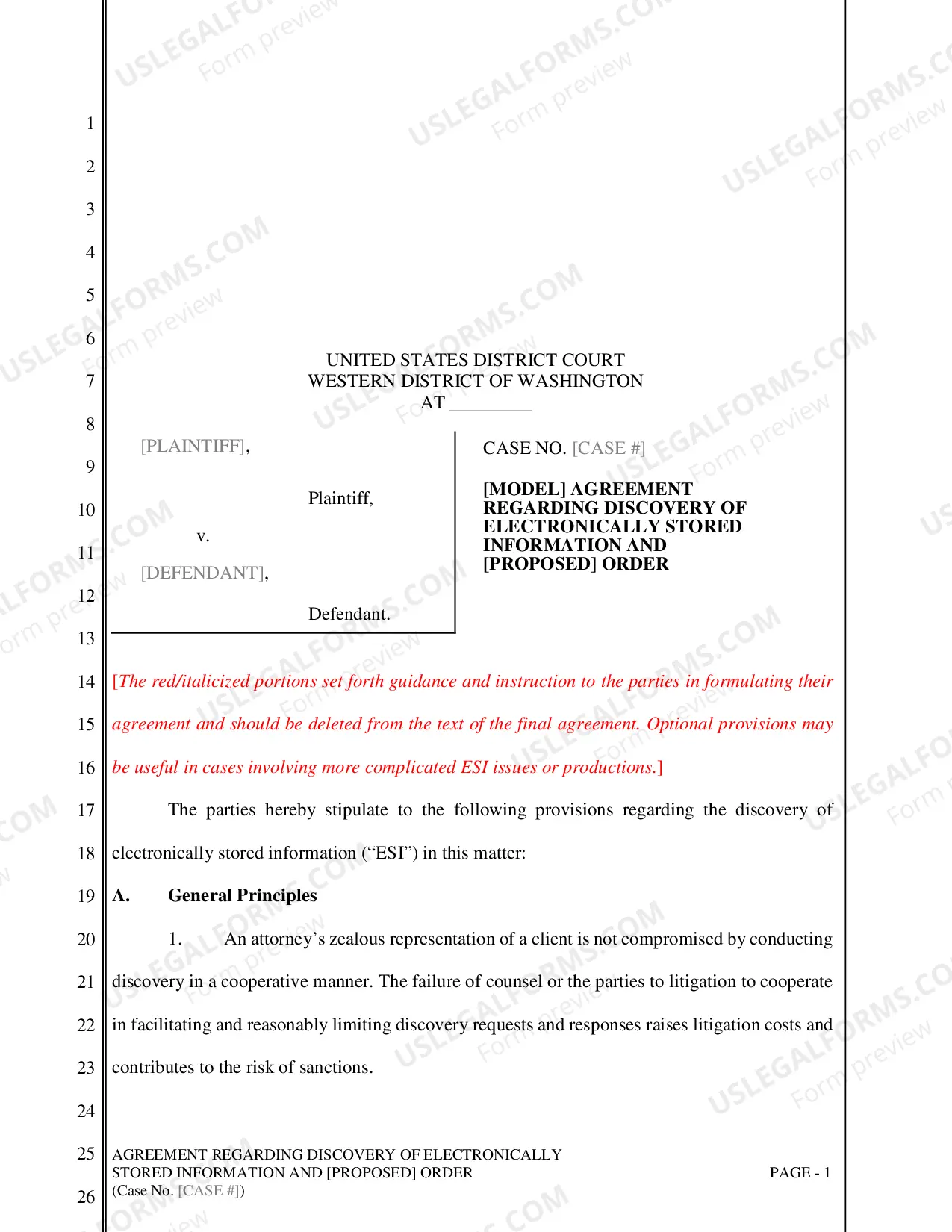
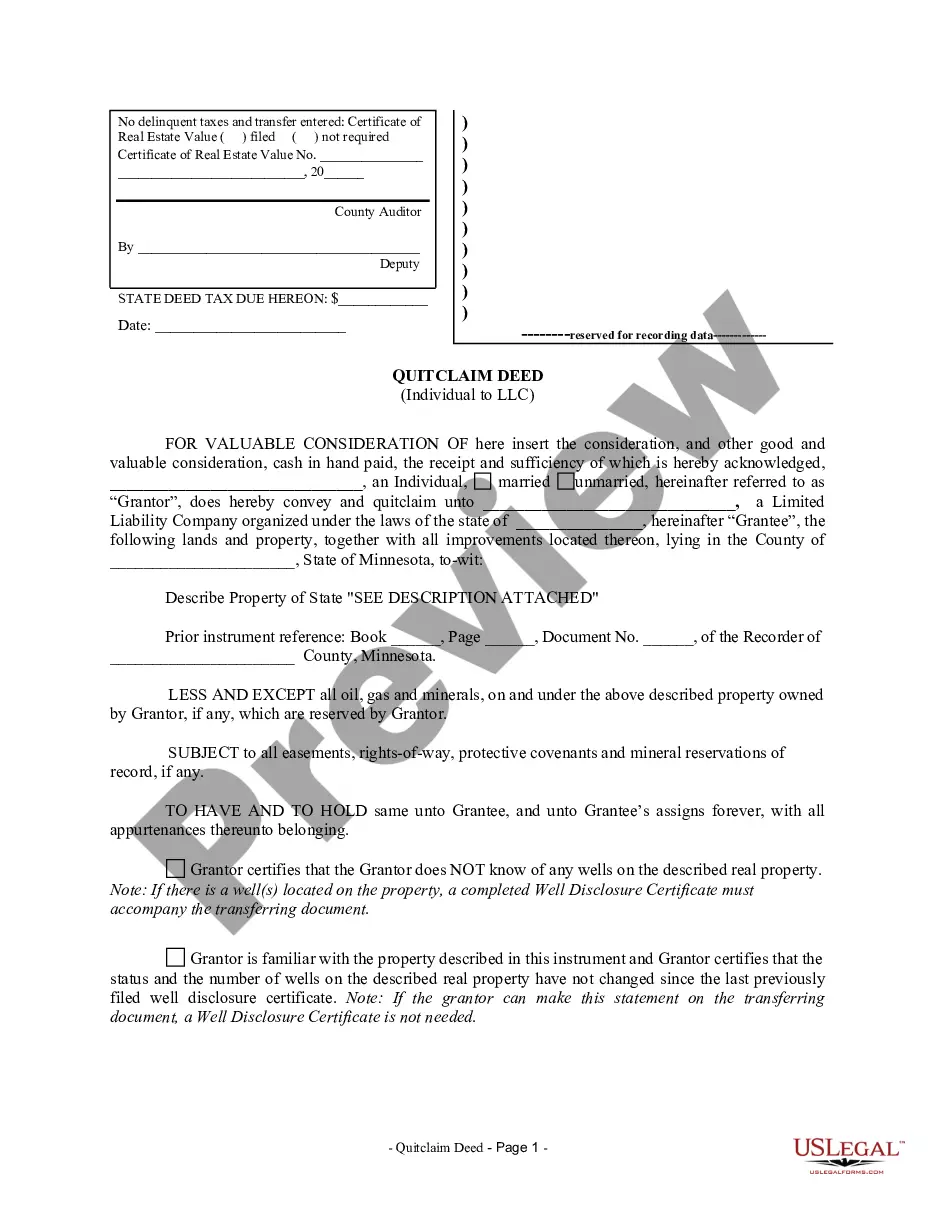
Minnesota Quitclaim Deed from Individual to LLC
About this form
This Quitclaim Deed from Individual to LLC is a legal document that allows an individual (grantor) to transfer ownership of real property to a limited liability company (grantee) without making any warranties about the title. Unlike other types of deeds, a quitclaim deed does not guarantee that the grantor holds clear title to the property, making it a useful instrument for quick transfers, particularly within family or business relationships.
Form components explained
- Grantor and Grantee details: Information about the individual transferring the property and the LLC receiving it.
- Consideration: The amount of compensation for the transfer of property.
- Property description: A detailed description of the property being transferred.
- Reserved rights: Clause indicating any reserved rights, such as oil, gas, and mineral rights.
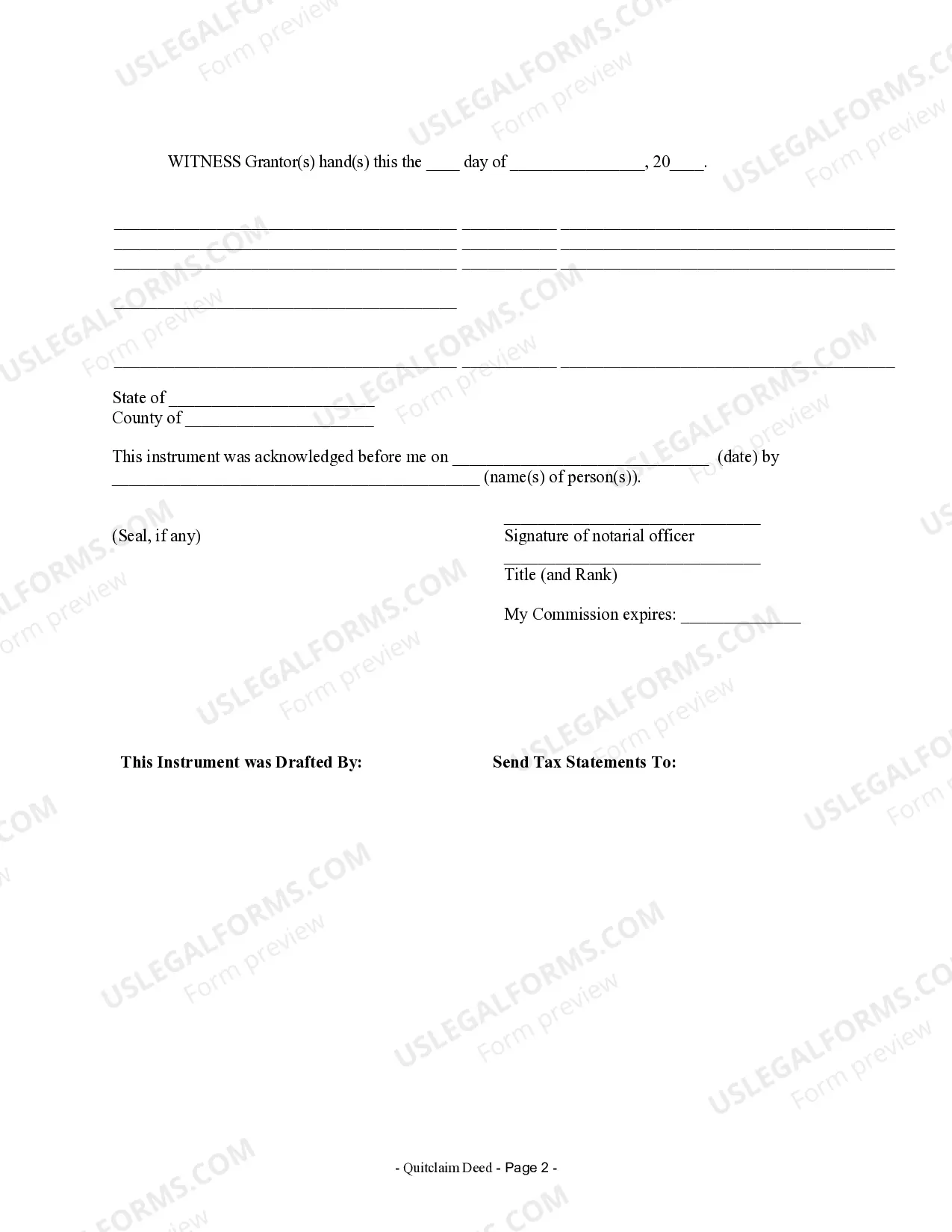
- Notary acknowledgement: Space for notarization to validate the document.




Situations where this form applies
This form is ideal when an individual wishes to transfer real estate ownership to their LLC. Common scenarios include consolidating property under a business entity for liability protection, estate planning purposes, or simplifying ownership records when managing multiple properties.
Who can use this document
- Individuals looking to transfer property to their LLC.
- Business owners needing to secure property within their company structure.
- Real estate professionals assisting clients with property transactions.
How to prepare this document
- Identify the parties: Clearly state the name of the individual as the grantor and the name of the LLC as the grantee.
- Specify the property: Include a comprehensive description of the property being transferred.
- Enter consideration: Document the amount being exchanged for the property.
- Complete the notary section: Ensure the document is executed in front of a notary public as required.
- Sign and date: The grantor must sign and date the document to validate the transfer.
Notarization guidance
This document requires notarization to meet legal standards. US Legal Forms provides secure online notarization powered by Notarize, allowing you to complete the process through a verified video call, available 24/7.
Get your form ready online
Our built-in tools help you complete, sign, share, and store your documents in one place.
Make edits, fill in missing information, and update formatting in US Legal Forms—just like you would in MS Word.
Download a copy, print it, send it by email, or mail it via USPS—whatever works best for your next step.
Sign and collect signatures with our SignNow integration. Send to multiple recipients, set reminders, and more. Go Premium to unlock E-Sign.
If this form requires notarization, complete it online through a secure video call—no need to meet a notary in person or wait for an appointment.
We protect your documents and personal data by following strict security and privacy standards.

Make edits, fill in missing information, and update formatting in US Legal Forms—just like you would in MS Word.

Download a copy, print it, send it by email, or mail it via USPS—whatever works best for your next step.

Sign and collect signatures with our SignNow integration. Send to multiple recipients, set reminders, and more. Go Premium to unlock E-Sign.

If this form requires notarization, complete it online through a secure video call—no need to meet a notary in person or wait for an appointment.

We protect your documents and personal data by following strict security and privacy standards.
Typical mistakes to avoid
- Failing to accurately describe the property, leading to confusion or legal disputes.
- Not including the consideration amount, which is essential for the deed's validity.
- Neglecting to have the form notarized, which may render it unenforceable.
Why complete this form online
- Convenience of downloading and completing the form at home.
- Editability ensures that you can customize the document to meet your specific needs.
- Reliable templates drafted by licensed attorneys for peace of mind.
Looking for another form?

Form popularity
FAQ
To quit claim a property into an LLC, you must first prepare a Minnesota Quitclaim Deed from Individual to LLC. This deed transfers ownership by simply stating the current owner and the LLC as the new owner. You will need to fill out the deed, include a legal description of the property, and sign it in front of a notary. Finally, you should file the deed with the county recorder to make the transfer official.
Yes, you can remove a property from an LLC, but the process requires careful handling. This often involves drafting a new deed, such as a Minnesota Quitclaim Deed, to transfer the property back to an individual or another entity. It's important to follow legal procedures to ensure the transfer is valid and properly documented. Consulting with experts or using services like US Legal Forms can facilitate a smooth transition and protect your interests.
To transfer a Minnesota Quitclaim Deed from Individual to LLC, you must first complete the deed form accurately. After that, both the grantor and grantee need to sign the document in front of a notary public. Finally, you must file the deed with the county recorder's office where the property is located. Utilizing resources from US Legal Forms can provide you with the necessary templates and guidance throughout this process.
Yes, you can file a Minnesota Quitclaim Deed from Individual to LLC yourself, but it's essential to understand the legal requirements. You need to prepare the document correctly, ensuring all necessary information is included and that it adheres to state laws. While it is possible to do this on your own, using a platform like US Legal Forms can simplify the process and help ensure accuracy, reducing the risk of errors.
A quitclaim deed, such as the Minnesota Quitclaim Deed from Individual to LLC, has some downsides. This type of deed does not guarantee that the property title is clear, which means that you may inherit existing liens or claims. Additionally, once the deed is executed, the transfer is irreversible, which can create challenges if you change your mind. It is crucial to understand these risks before proceeding with the deed.
Changing property ownership from personal to LLC involves executing a Minnesota Quitclaim Deed from Individual to LLC. You must draft the deed, ensuring it accurately reflects the transfer of ownership. After signing the document, file it with the appropriate county office to finalize the change. You can find helpful templates and resources on uslegalforms to ease this transition.
While an LLC offers liability protection, there are disadvantages to consider when using it for property ownership. First, transferring a Minnesota Quitclaim Deed from Individual to LLC may trigger tax implications, depending on your situation. Additionally, LLCs have ongoing maintenance costs and require adherence to regulations, which can be burdensome. Lastly, financing options may be more limited for LLCs compared to individuals.
To quit claim a property to an LLC, you need to prepare a Minnesota Quitclaim Deed from Individual to LLC. This document must include the legal description of the property and be signed by the owner. After signing, you should file the deed with the county recorder's office to make the transfer official. Using a platform like uslegalforms can simplify the process by providing templates and guidance.
To file a quit claim deed in Minnesota, first, complete the deed form, ensuring it includes all required information. Next, sign the deed in the presence of a notary public. After notarization, submit the deed to your local county recorder's office along with any applicable filing fees. Utilizing US Legal Forms can help guide you through each step and provide the necessary forms.
You can indeed quit claim a house to an LLC. By using a Minnesota Quitclaim Deed from Individual to LLC, you can transfer your residential property ownership to your business entity. This transfer can offer benefits such as liability protection and potential tax advantages. Remember to file the deed with the county to finalize the transfer legally.