Minnesota Subcontractor's Agreement
What this document covers
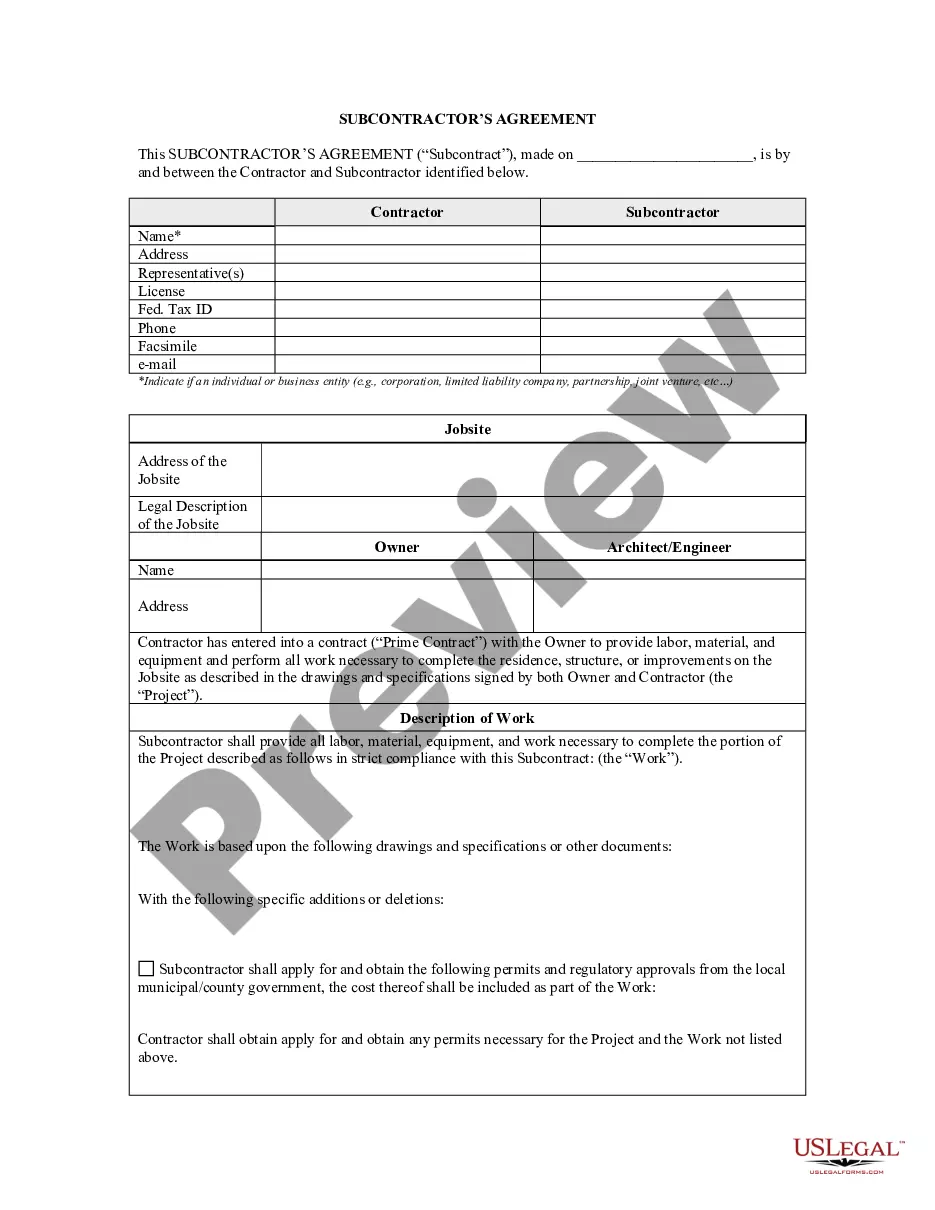
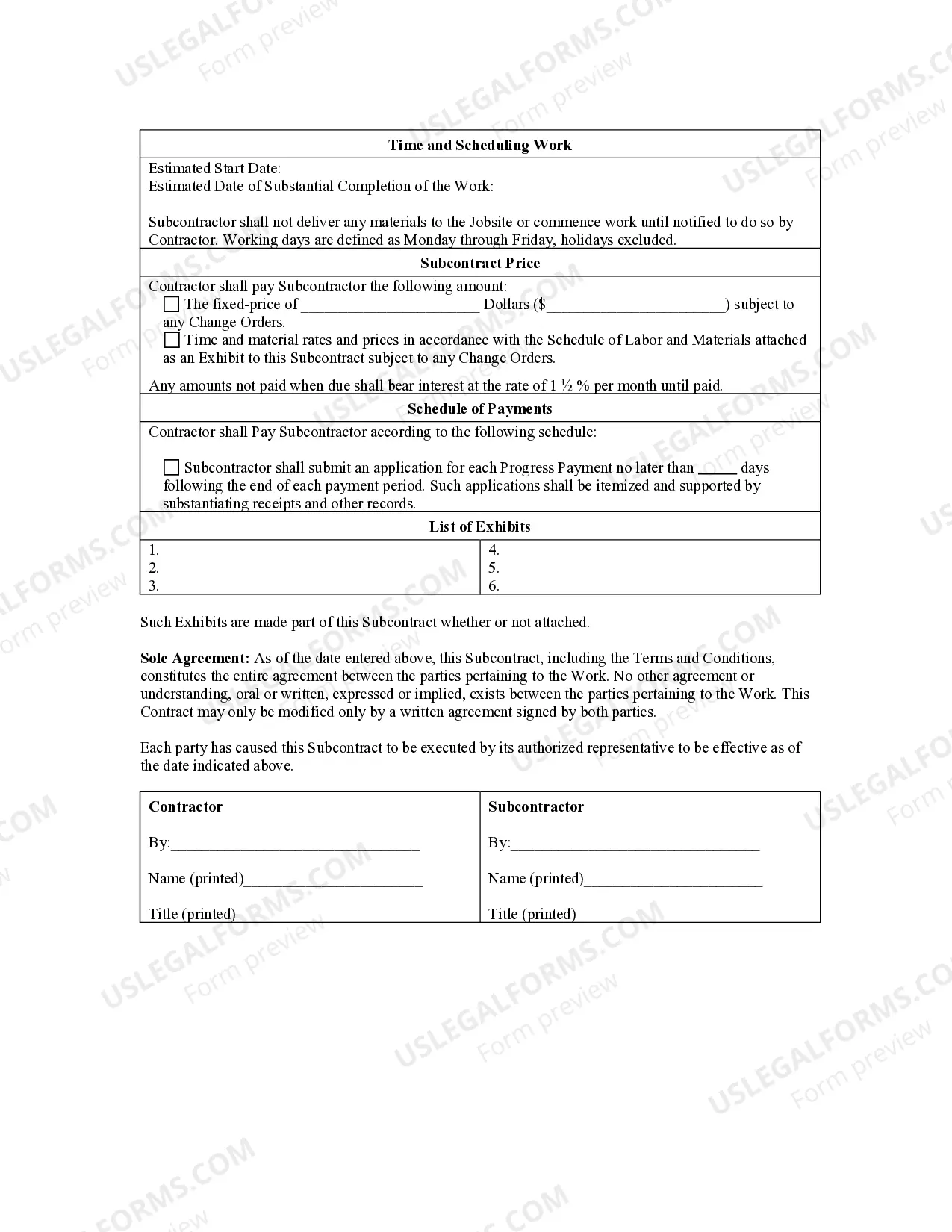
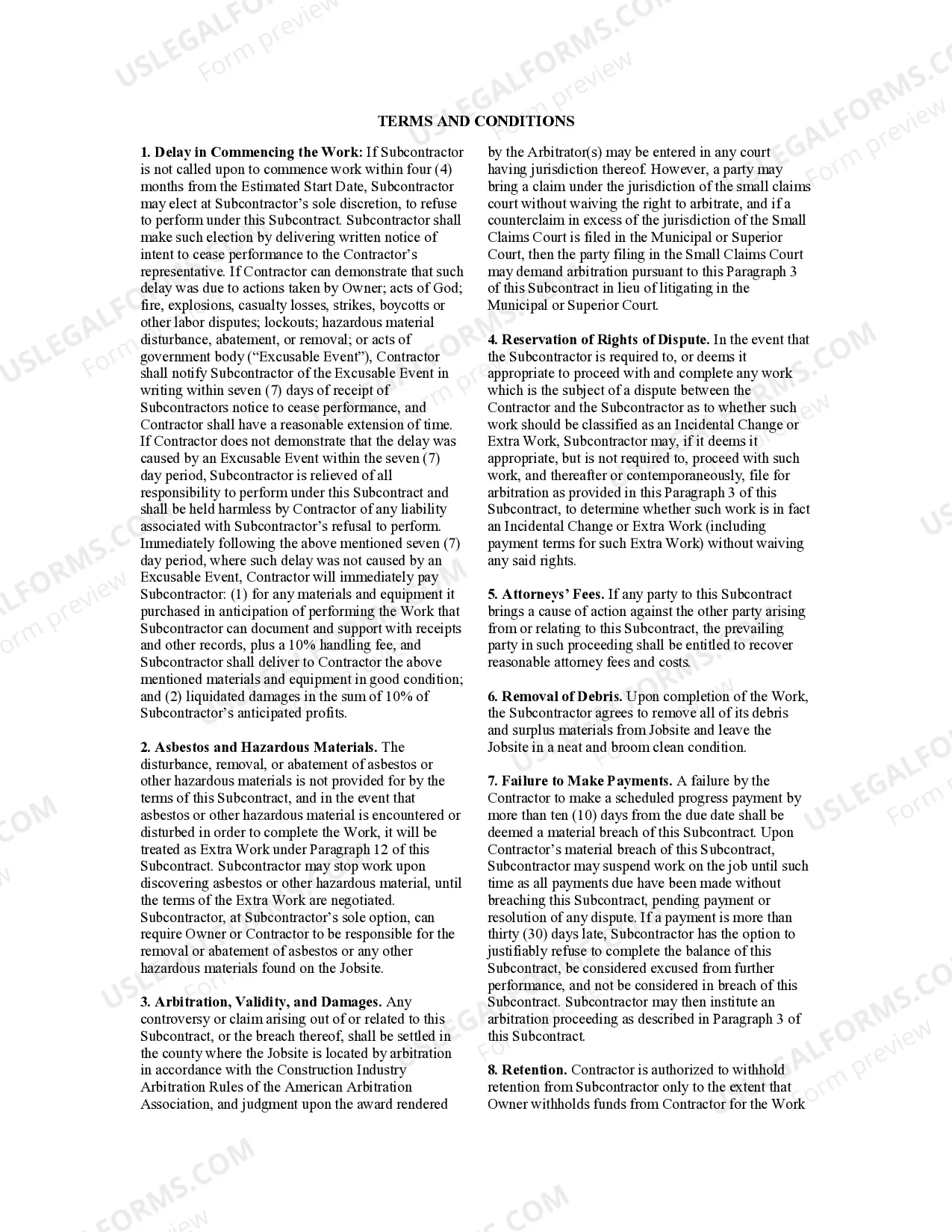
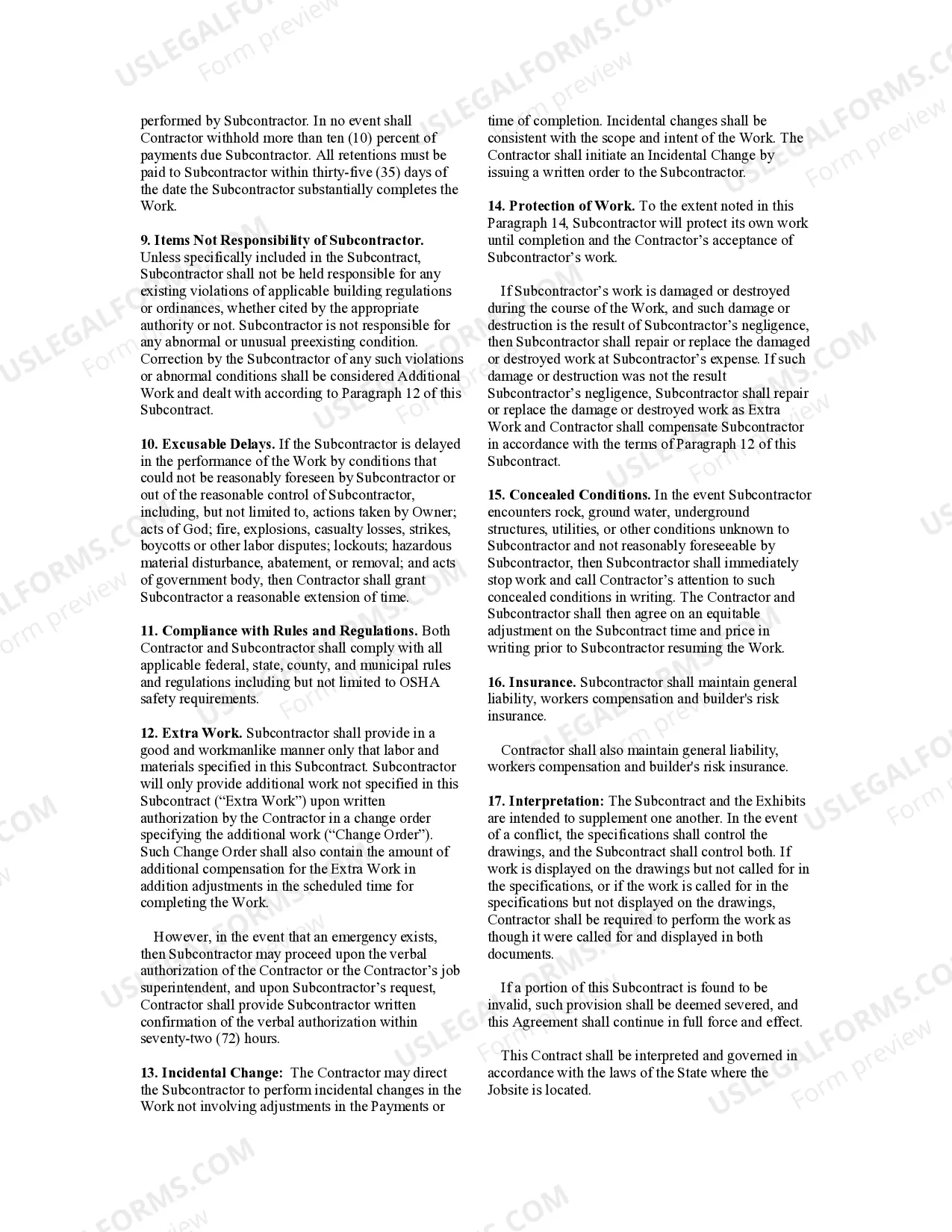
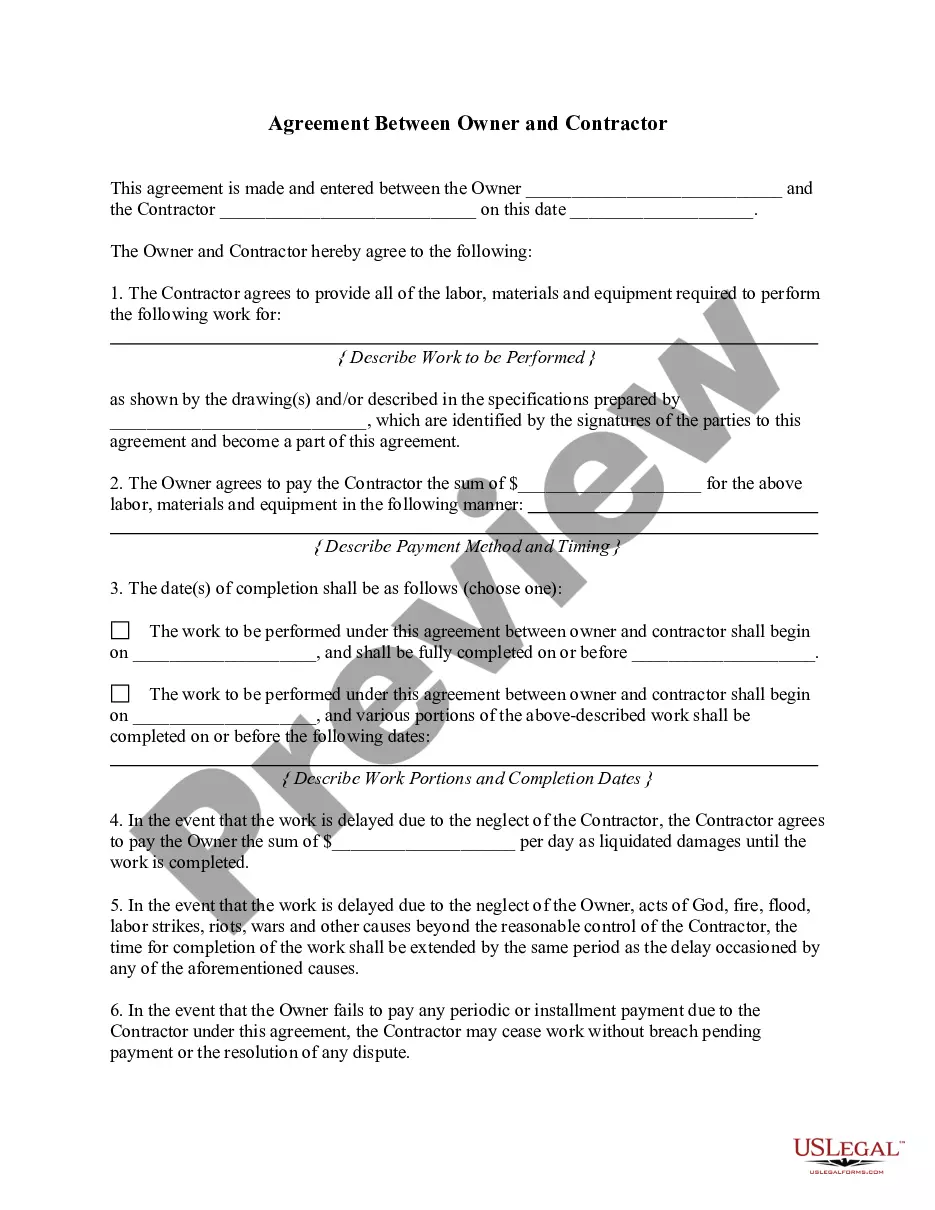
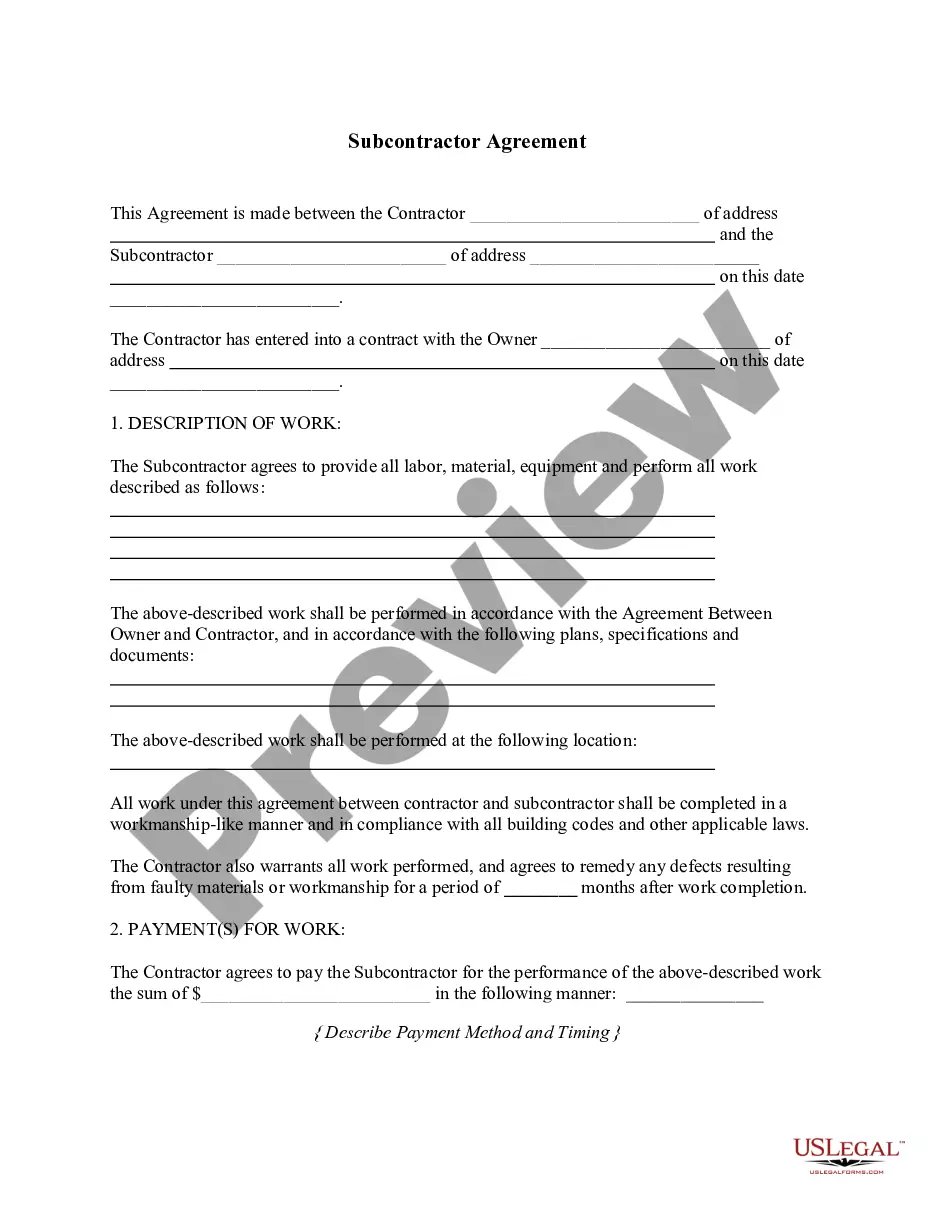
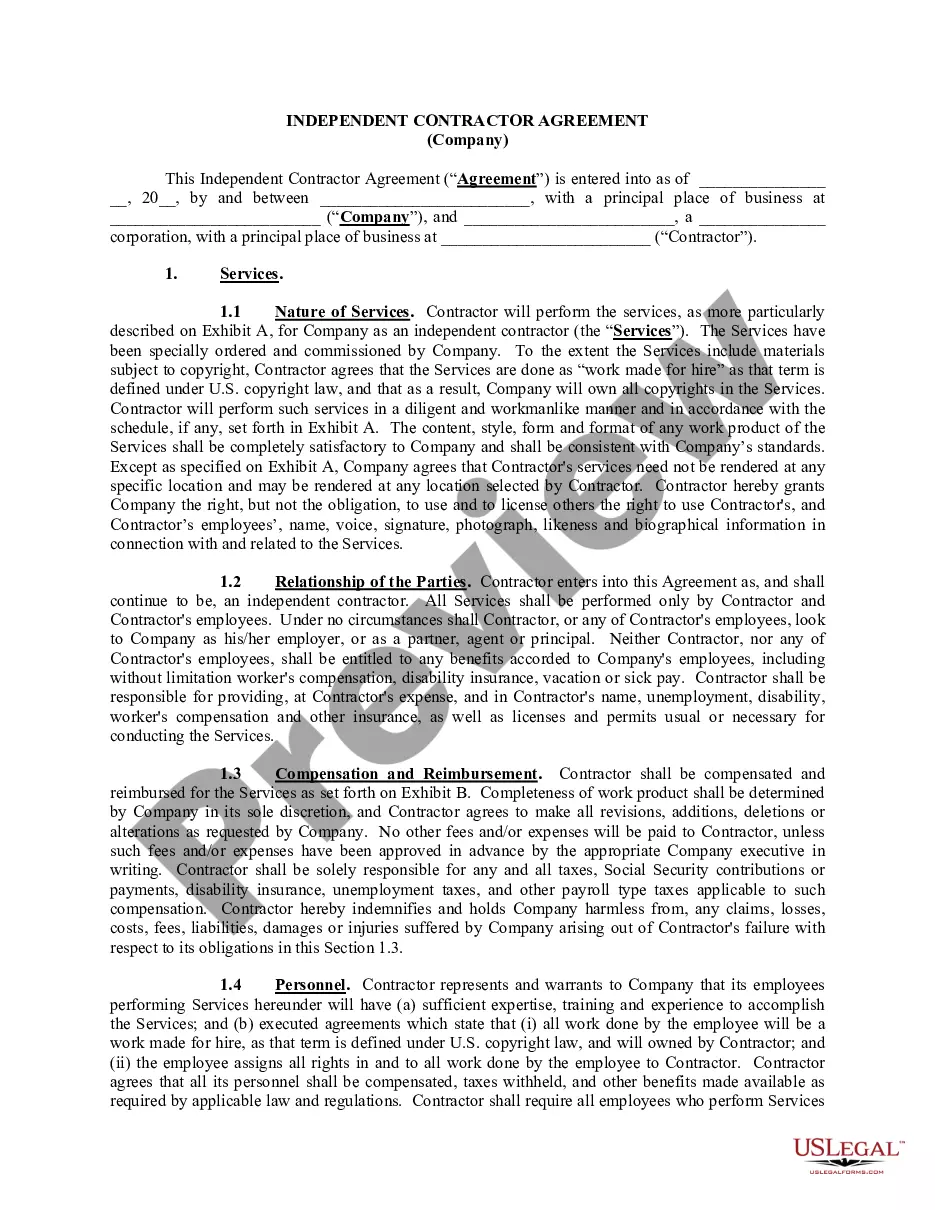
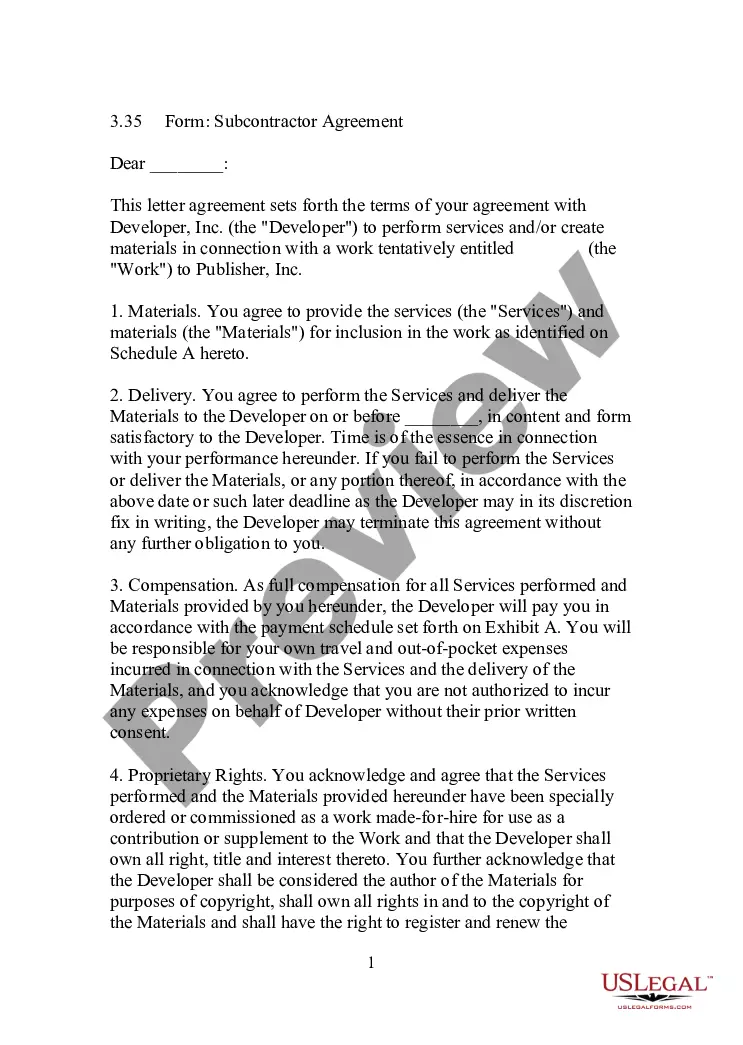
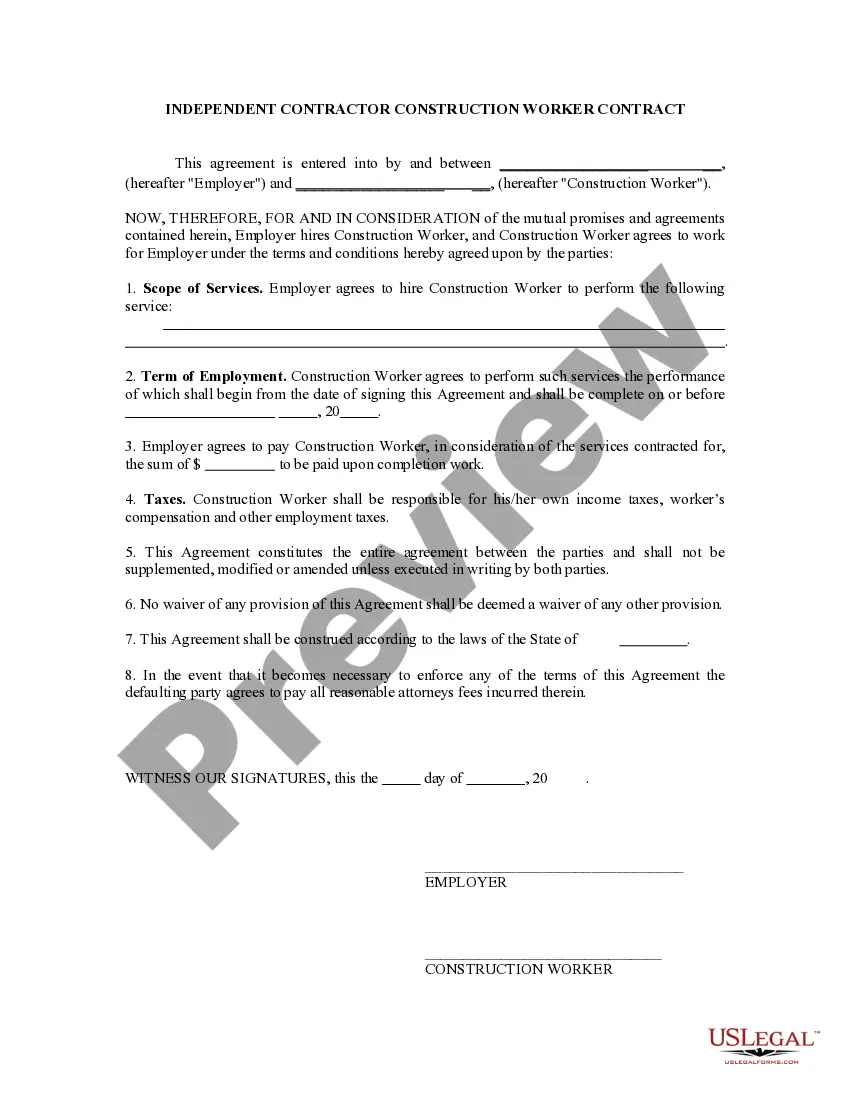
The Subcontractor's Agreement is a legal document that outlines the terms and conditions between a contractor and a subcontractor for a specific construction project. This form addresses critical components such as payment terms, work schedules, dispute resolution, and change orders. It is distinct from other contracts by its focus on the subcontractor's obligations and rights in relation to the primary contractor's scope of work. This agreement ensures that both parties understand their responsibilities and helps prevent misunderstandings throughout the project's duration.
What’s included in this form
- Identification of the parties involved in the subcontract.
- Description of the jobsite and the specific work to be performed.
- Payment amount, schedule, and provisions for change orders.
- Clauses addressing delays, dispute resolution, and insurance requirements.
- Specifications regarding the management of hazardous materials and conditions encountered on site.

Situations where this form applies
This form should be used when a contractor hires a subcontractor to perform specific tasks as part of a larger construction project. It is essential when the project requires specialized labor or services that differ from the general contractor's scope. Additionally, this form is appropriate in cases where clear agreements are needed to ensure timely payments and compliance with safety regulations.
Who this form is for
This form is suitable for:
- General contractors seeking to formalize agreements with subcontractors.
- Subcontractors who wish to ensure their rights and responsibilities are clearly defined.
- Business owners in the construction industry needing a structured framework for subcontracting work.
How to complete this form
- Identify and enter the names and contact information of the contractor and subcontractor.
- Specify the jobsite location and describe the exact work to be performed.
- Detail the payment amount and establish a payment schedule according to project milestones.
- Include contingencies for change orders, delays, and dispute resolution processes as necessary.
- Both parties should review, sign, and date the agreement to acknowledge acceptance of the terms.
Notarization requirements for this form
In most cases, this form does not require notarization. However, some jurisdictions or signing circumstances might. US Legal Forms offers online notarization powered by Notarize, accessible 24/7 for a quick, remote process.
Get your form ready online
Our built-in tools help you complete, sign, share, and store your documents in one place.
Make edits, fill in missing information, and update formatting in US Legal Forms—just like you would in MS Word.
Download a copy, print it, send it by email, or mail it via USPS—whatever works best for your next step.
Sign and collect signatures with our SignNow integration. Send to multiple recipients, set reminders, and more. Go Premium to unlock E-Sign.
If this form requires notarization, complete it online through a secure video call—no need to meet a notary in person or wait for an appointment.
We protect your documents and personal data by following strict security and privacy standards.

Make edits, fill in missing information, and update formatting in US Legal Forms—just like you would in MS Word.

Download a copy, print it, send it by email, or mail it via USPS—whatever works best for your next step.

Sign and collect signatures with our SignNow integration. Send to multiple recipients, set reminders, and more. Go Premium to unlock E-Sign.

If this form requires notarization, complete it online through a secure video call—no need to meet a notary in person or wait for an appointment.

We protect your documents and personal data by following strict security and privacy standards.
Typical mistakes to avoid
- Failing to clearly define the scope of work can lead to misunderstandings.
- Not including a detailed payment schedule may cause financial disputes.
- Neglecting to specify procedures for handling unforeseen conditions can result in complications during the project.
- Overlooking signatures or dates can render the agreement unenforceable.
Why complete this form online
- Convenient access to legal templates designed by licensed attorneys.
- Editable forms that allow personalized details to be added easily.
- Immediate downloads for timely project initiation.
- Reliable guidance to ensure compliance with state-specific regulations.
Legal use & context
- This Agreement is enforceable in a court of law, given that both parties have consented to its terms.
- It outlines clear mechanisms for addressing disputes and payment issues, protecting both parties' interests.
- Specific requirements may vary by state, emphasizing the importance of using an appropriate form for your jurisdiction.
Looking for another form?

Form popularity
FAQ
Some contractors get paid on an hourly basis; for example, a computer programmer might get paid for hours worked on programming tasks. By the Job. The other payment alternative is to pay for the work done or by the job.
Contractors are responsible for supplying the necessary equipment, material, labor, and services to complete your project. They hire specialized subcontractors to perform either a portion or all of the work. Contractors use Subcontractor Agreements to protect themselves and the subcontractors they hire.
Yes, contractors earn (on average) a bit more than full-time employeesbut contracting comes with its own set of issues.Contractors who aren't affiliated with a staffing agency could still have the opportunity to negotiate for benefits and perks with their clients, although this is often a trickier process.
Independent contractors provide goods or services according to the terms of a contract they have negotiated with an employer. Independent contractors are not employees, and therefore they are not covered under most federal employment statutes.An independent contractor's job is characterized by independence.