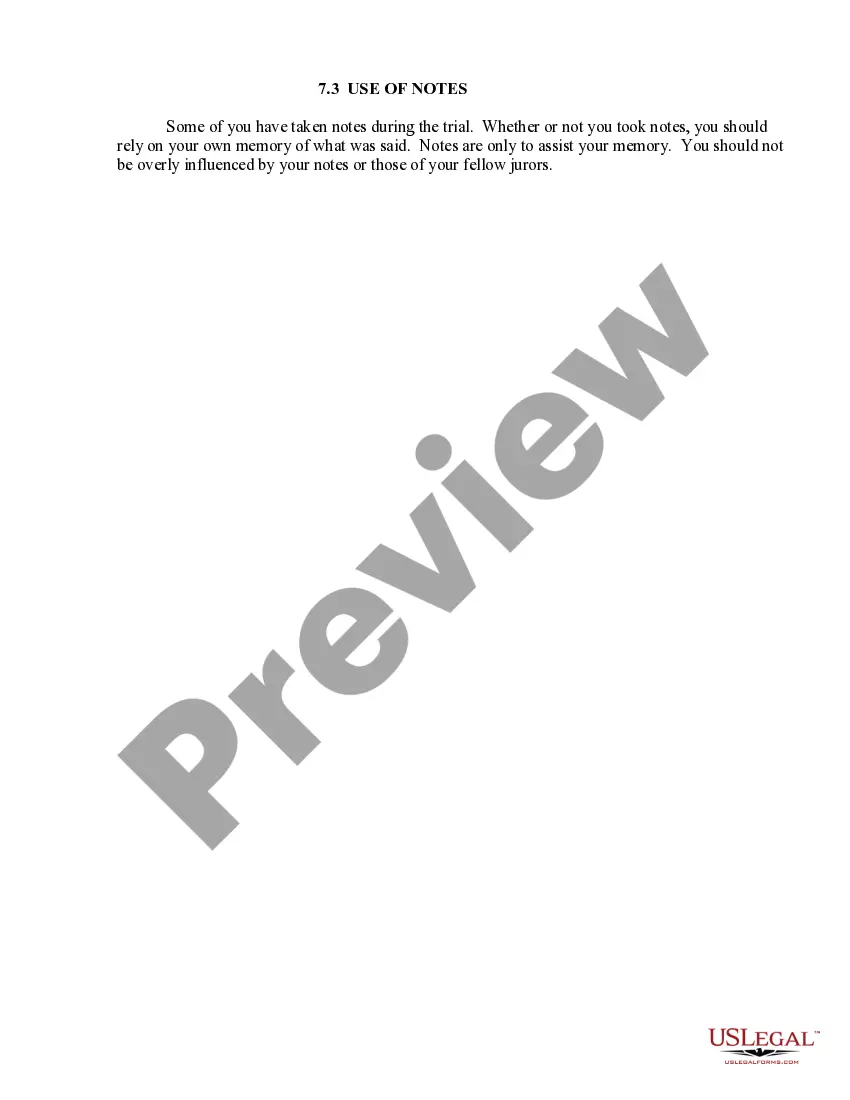
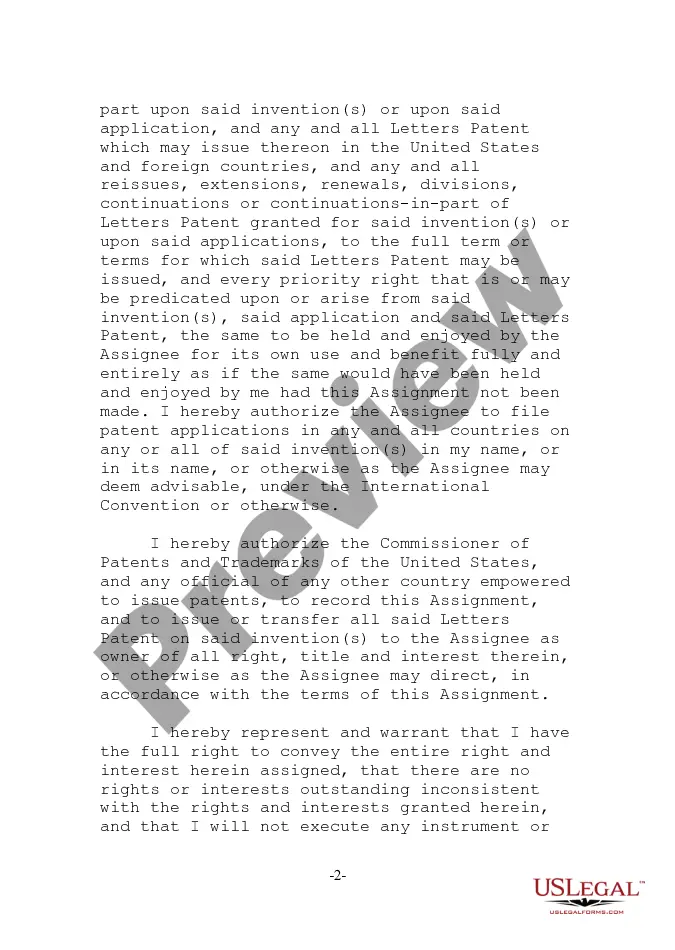
Michigan Assignment - Individual Inventor
Description

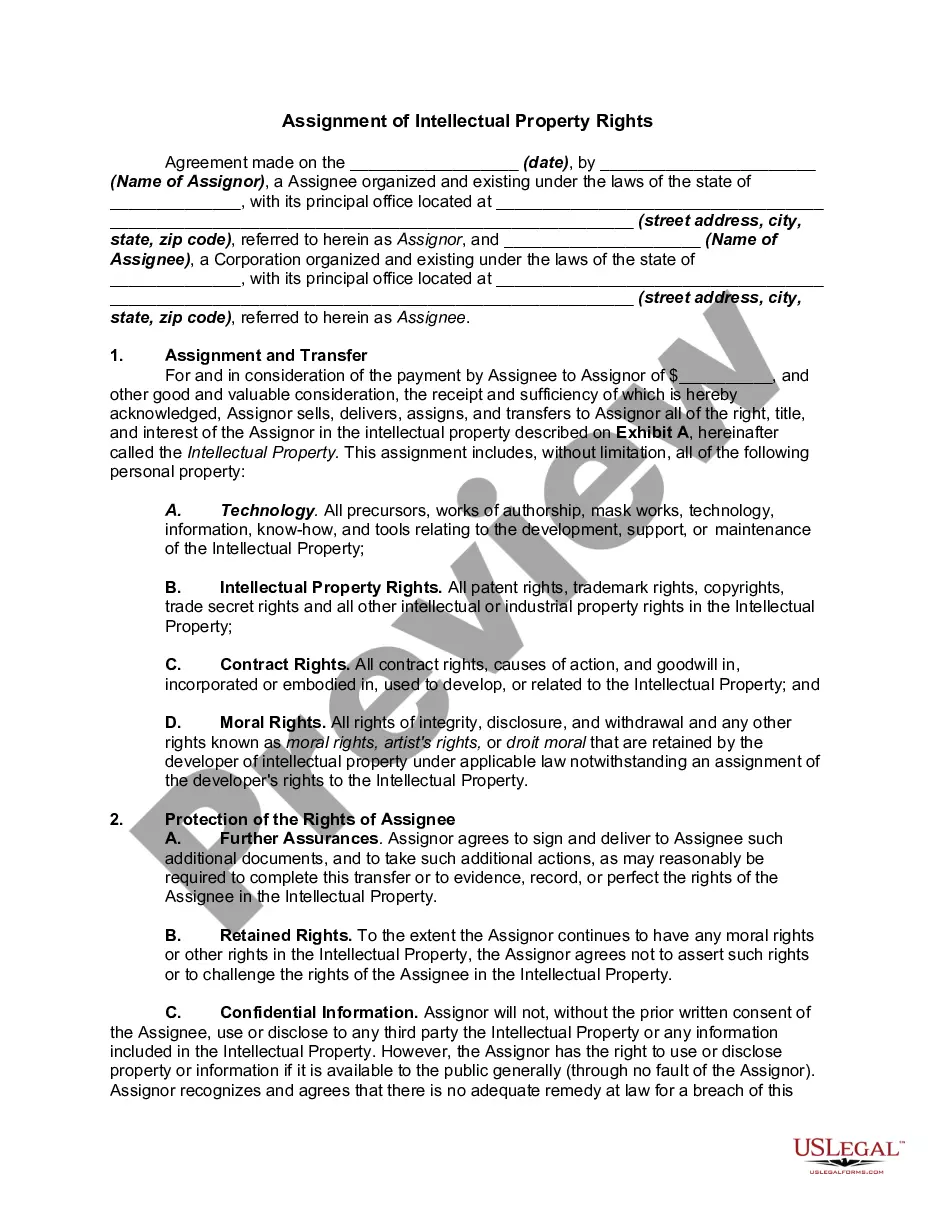
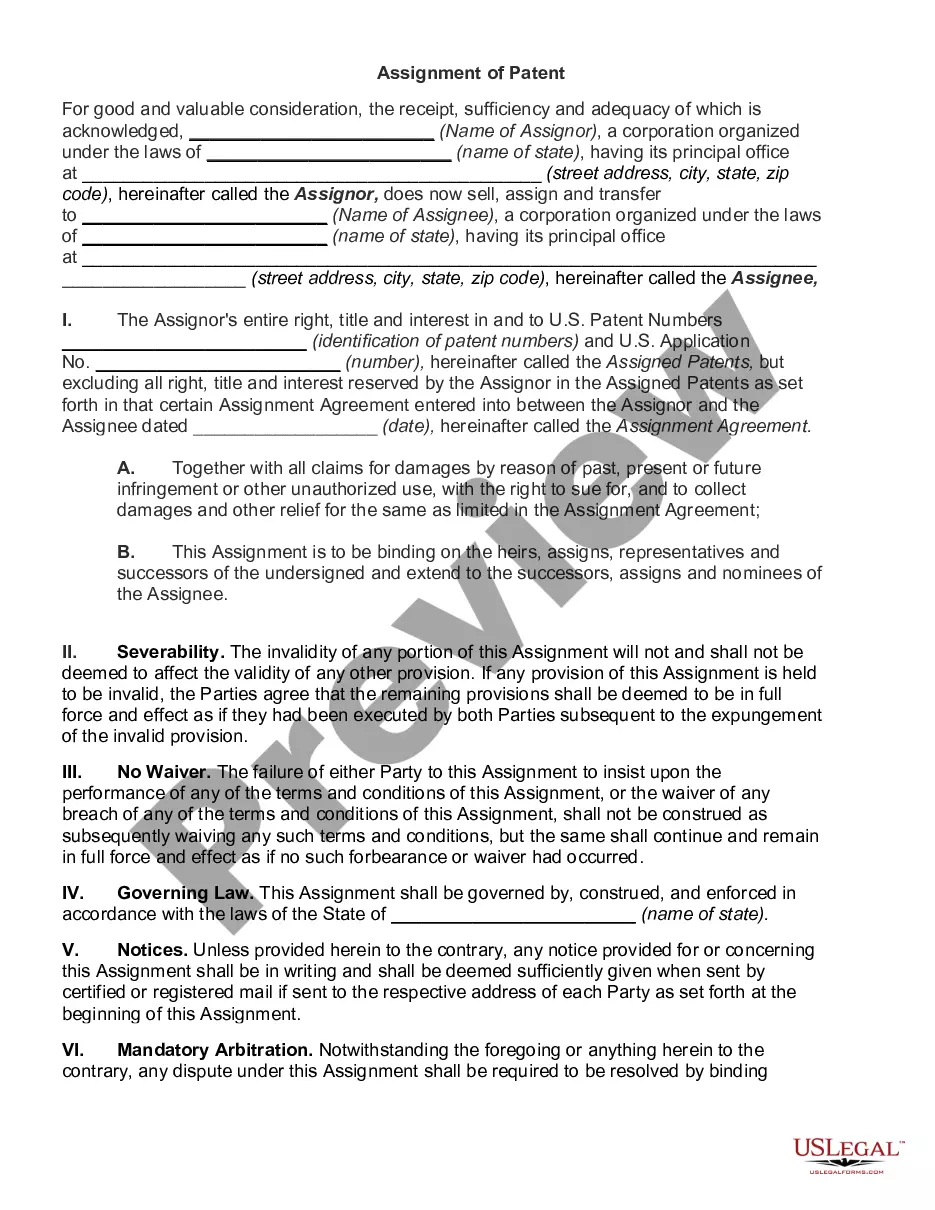
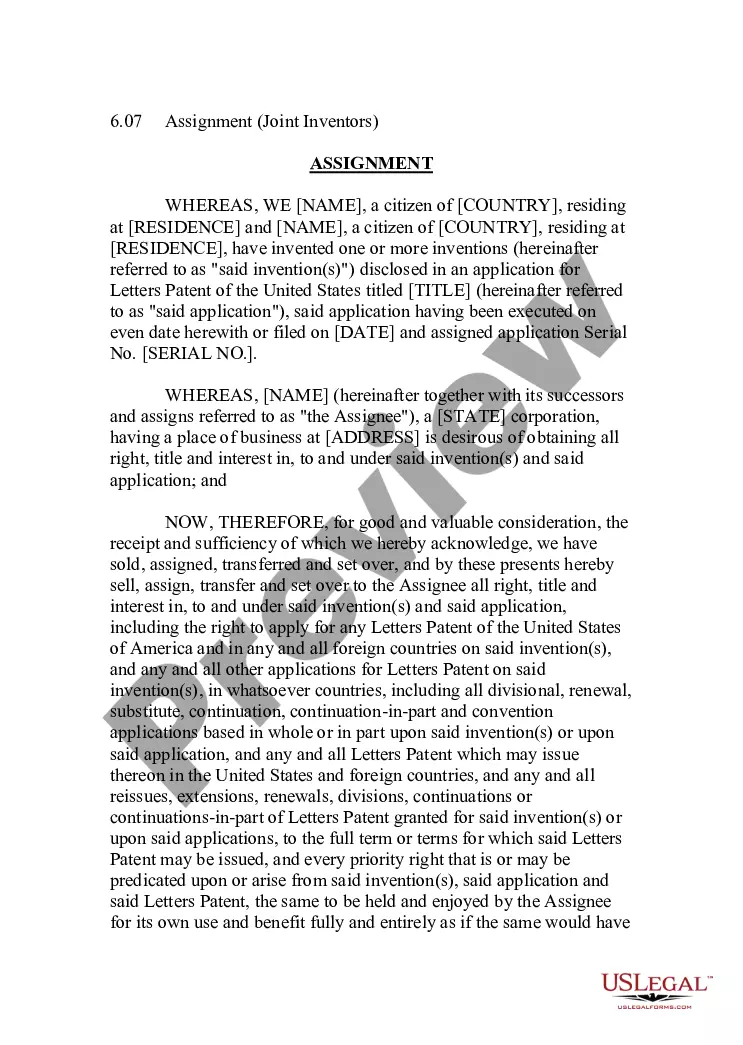
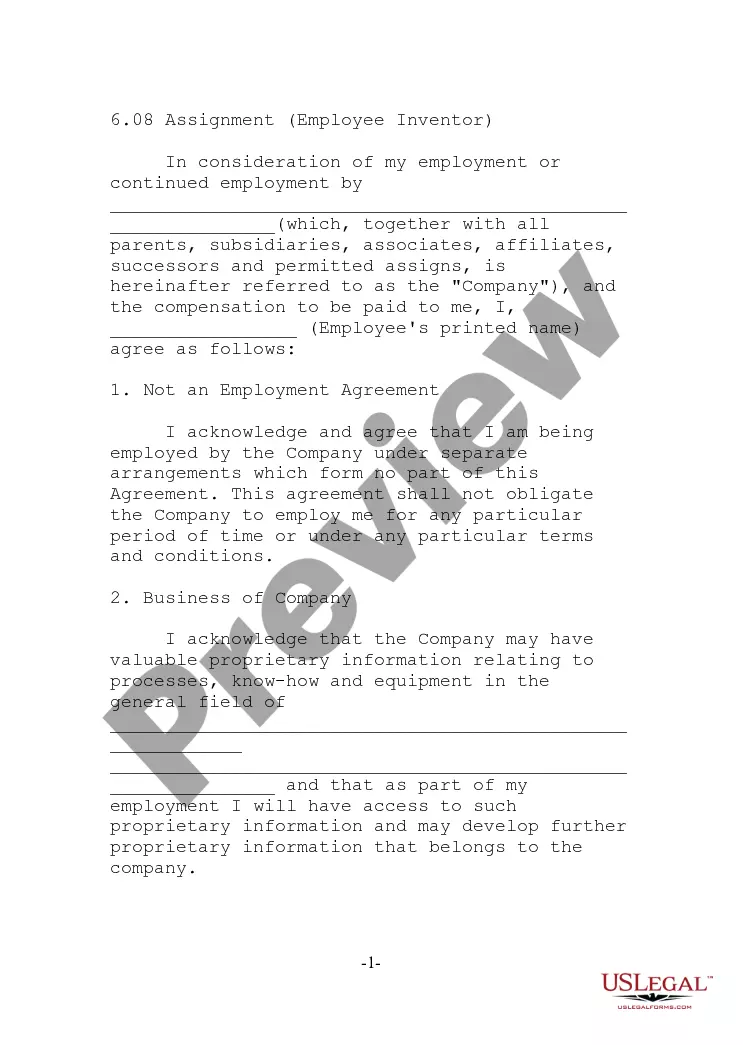
Get your form ready online
Our built-in tools help you complete, sign, share, and store your documents in one place.
Make edits, fill in missing information, and update formatting in US Legal Forms—just like you would in MS Word.
Download a copy, print it, send it by email, or mail it via USPS—whatever works best for your next step.
Sign and collect signatures with our SignNow integration. Send to multiple recipients, set reminders, and more. Go Premium to unlock E-Sign.
If this form requires notarization, complete it online through a secure video call—no need to meet a notary in person or wait for an appointment.
We protect your documents and personal data by following strict security and privacy standards.

Make edits, fill in missing information, and update formatting in US Legal Forms—just like you would in MS Word.

Download a copy, print it, send it by email, or mail it via USPS—whatever works best for your next step.

Sign and collect signatures with our SignNow integration. Send to multiple recipients, set reminders, and more. Go Premium to unlock E-Sign.

If this form requires notarization, complete it online through a secure video call—no need to meet a notary in person or wait for an appointment.

We protect your documents and personal data by following strict security and privacy standards.
Looking for another form?





How to fill out Assignment - Individual Inventor?
Choosing the right lawful record format can be quite a struggle. Obviously, there are a variety of themes available on the net, but how would you discover the lawful type you want? Use the US Legal Forms internet site. The services provides thousands of themes, such as the Michigan Assignment - Individual Inventor, which you can use for company and private requirements. Each of the forms are examined by specialists and meet up with state and federal requirements.
In case you are already listed, log in to the accounts and then click the Download switch to obtain the Michigan Assignment - Individual Inventor. Make use of your accounts to search with the lawful forms you might have ordered earlier. Go to the My Forms tab of your accounts and have another backup in the record you want.
In case you are a brand new end user of US Legal Forms, allow me to share straightforward recommendations that you can stick to:
- Initial, ensure you have selected the appropriate type to your city/area. It is possible to check out the form utilizing the Preview switch and browse the form description to ensure it is the best for you.
- In the event the type fails to meet up with your requirements, utilize the Seach field to get the right type.
- When you are certain the form is acceptable, click the Purchase now switch to obtain the type.
- Pick the rates strategy you desire and enter in the necessary information. Create your accounts and pay money for an order with your PayPal accounts or credit card.
- Select the document formatting and down load the lawful record format to the device.
- Complete, modify and printing and sign the attained Michigan Assignment - Individual Inventor.
US Legal Forms will be the biggest collection of lawful forms that you can find a variety of record themes. Use the company to down load appropriately-manufactured files that stick to express requirements.
Form popularity
FAQ
Though the agreement is a legal document, it does not need to be notarized. However, obtaining notarization for the signatures provides added protection, limiting the risk of a party later claiming a signature was not valid.
In the US, the inventor is presumed to be the initial owner of a patent or patent application. If there is more than one inventor, there may be more than one owner. Ownership can be transferred or reassigned.
Use EPAS to create and submit a Patent Assignment Recordation Coversheet by completing on-line web forms and attaching the supporting legal documentation as black and white TIFF or PDF for submission via the internet. You may email questions about filing electronic patent assignments to EPAS@uspto.gov .
What Constitutes Inventorship? The United States Code authorizes anyone who invents or discovers inventive subject matter to obtain a patent. An inventor is one who, alone or with others, first invents a new and useful process, machine, composition of matter, or other patentable subject matter.
A named patent applicant is the legal owner of a patent application or granted patent. This may be an individual or, more commonly, a company, university or other legal entity. An applicant is named as part of the patent application process and is the legal holder of the rights to any resulting granted patent.
Inventor: individual(s) who have contributed to the claimed invention. However, they may or may not have an ownership interest in the legal rights of the patent. Assignee: Organization(s) and individual(s) that have an ownership interest in the legal rights a patent offers.
Further, the patent offices in some countries require an inventor assignment, even if ownership has automatically passed from the inventor to the patent applicant. Such assignments may be requested several years after the original application was filed.
People commonly confuse patent inventorship with ownership ? or assume that they are the same thing. But they are distinct concepts: The owner of a patent holds the legal rights and benefits granted by the patent. The inventor is not always the owner of the patent, and so doesn't always control those rights.