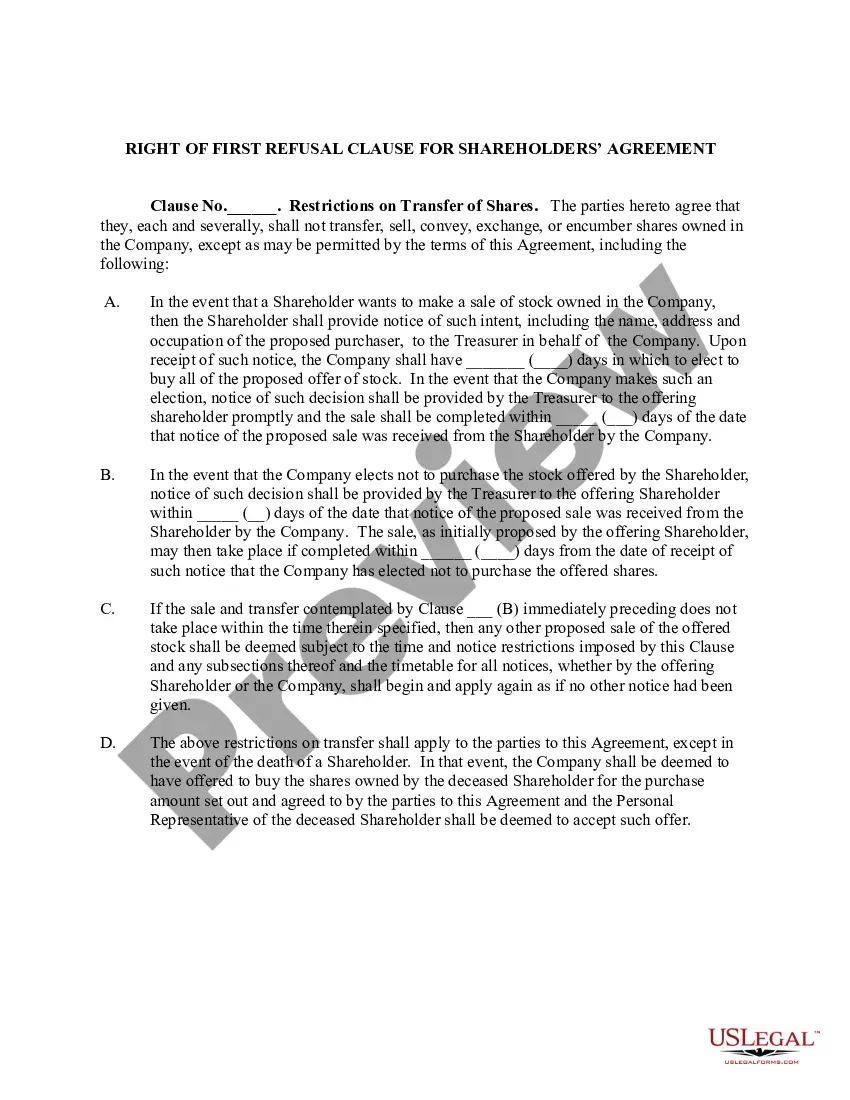
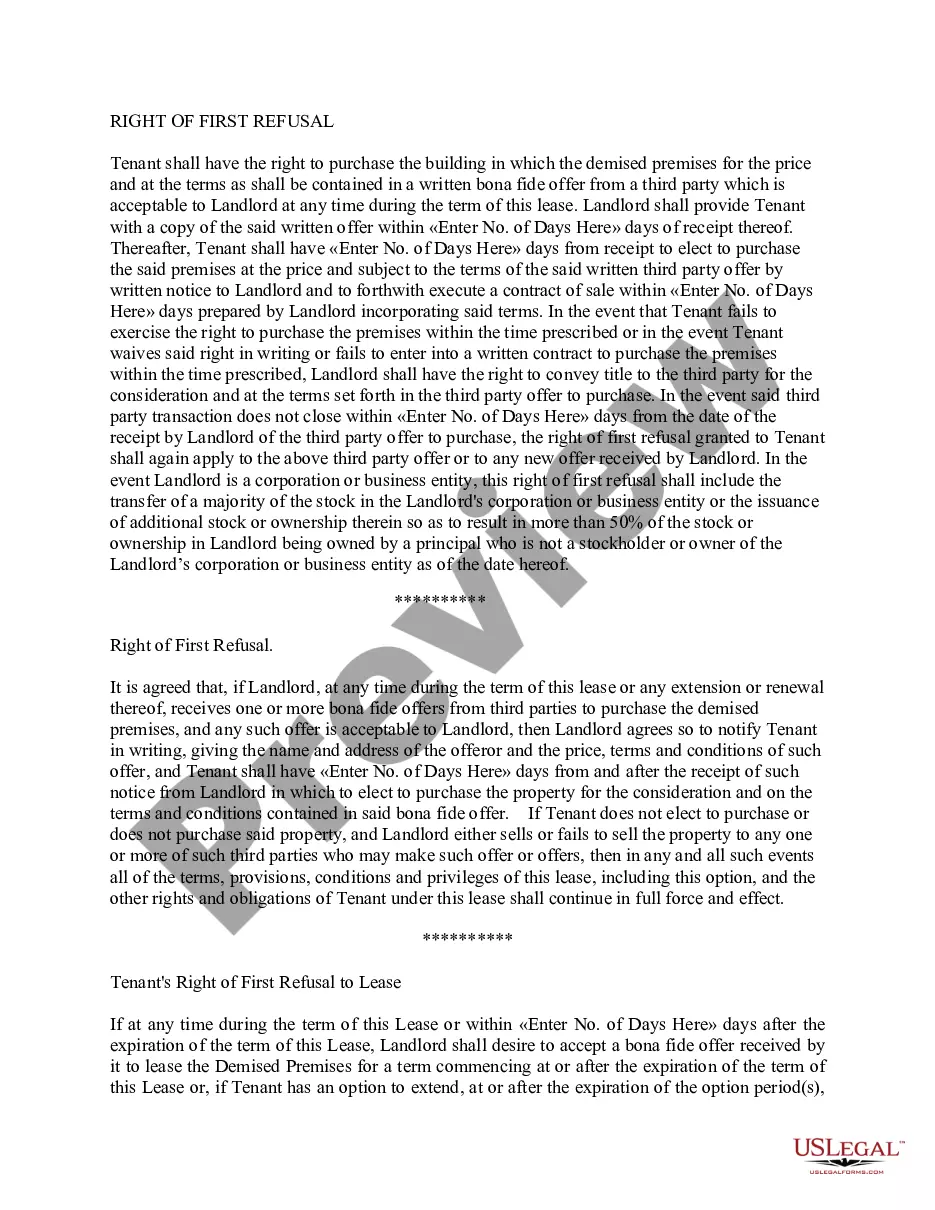
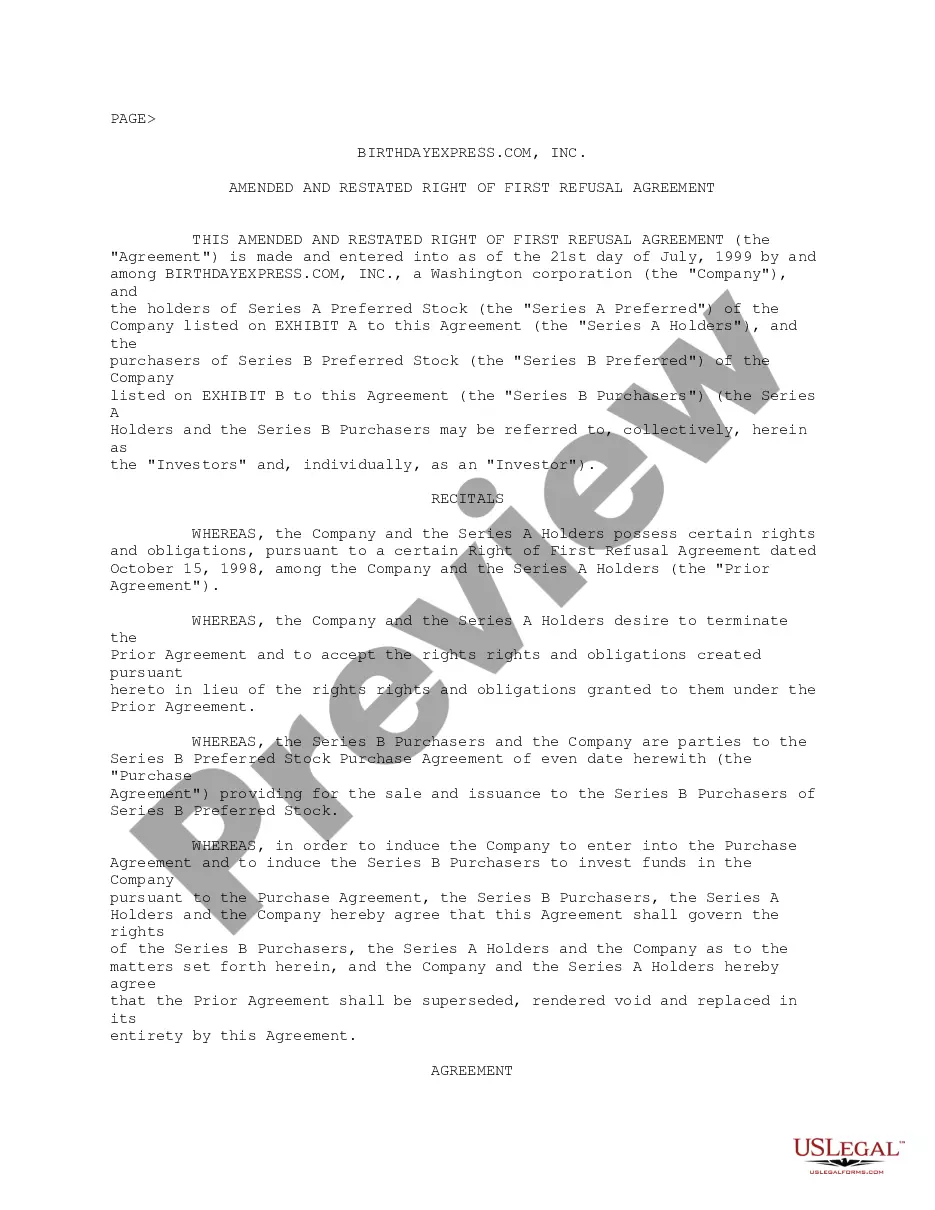
Michigan Right of First Refusal Clause
Description
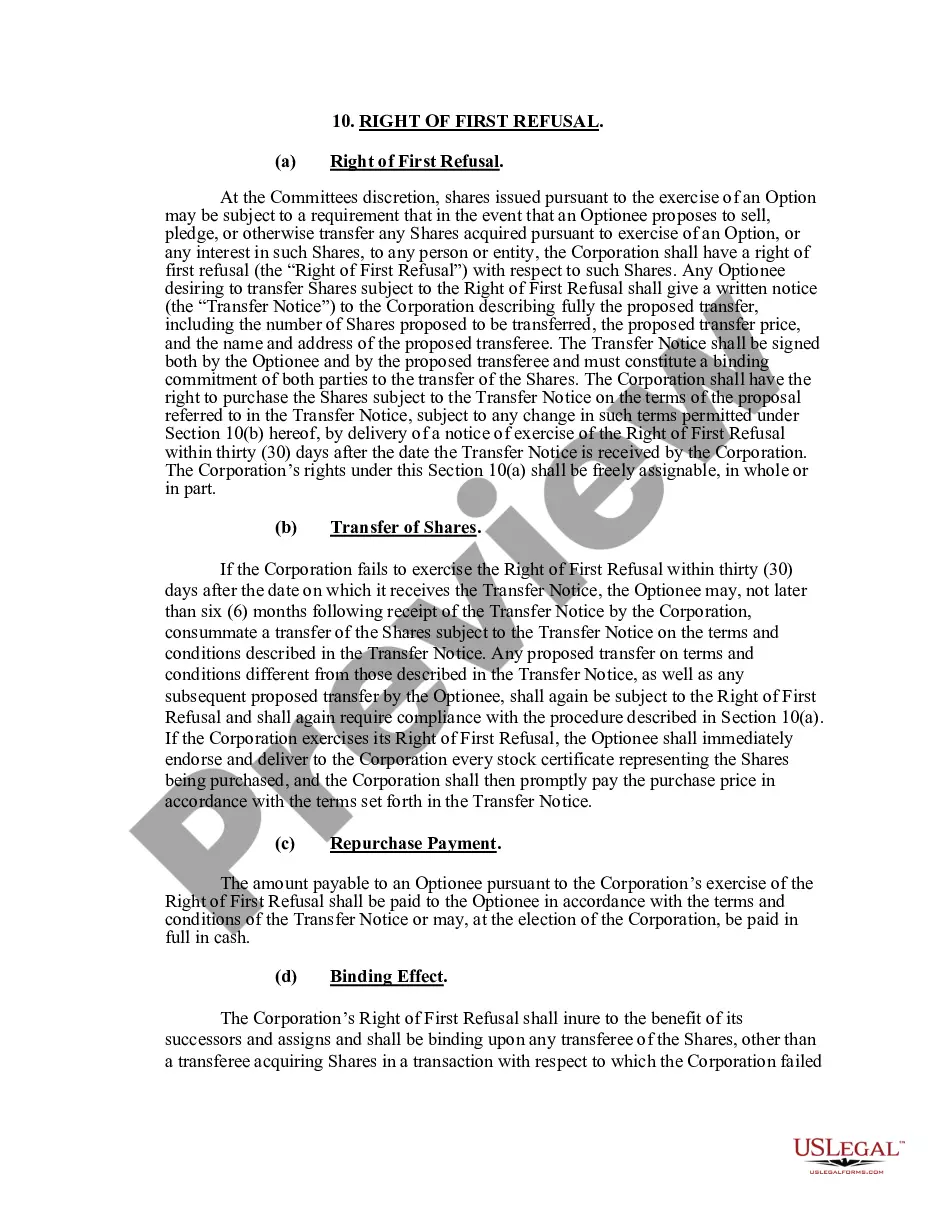
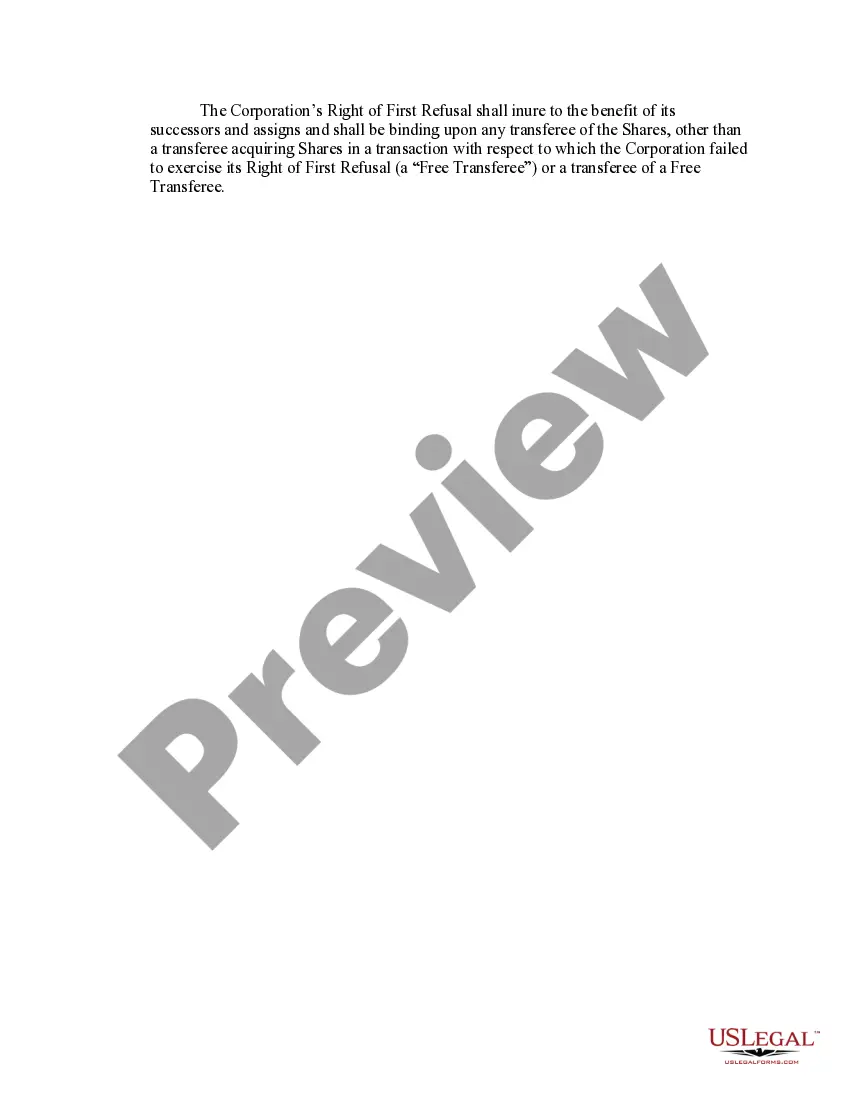
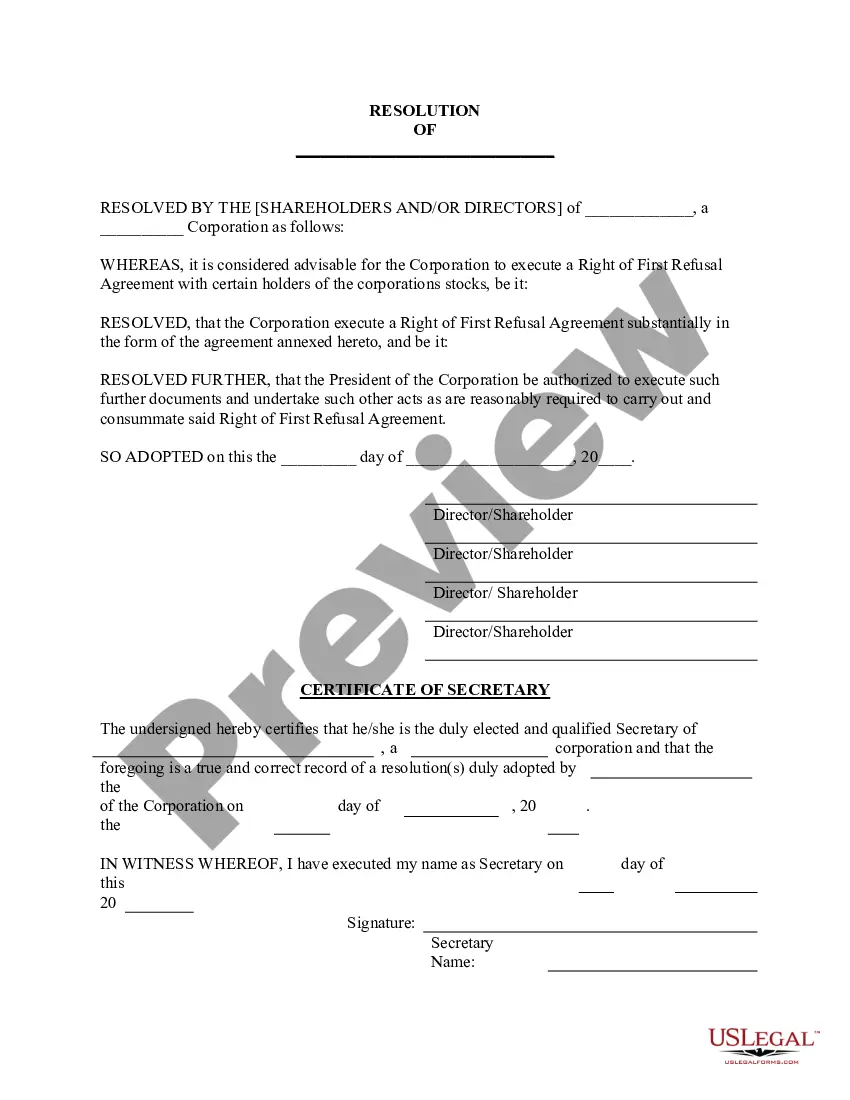
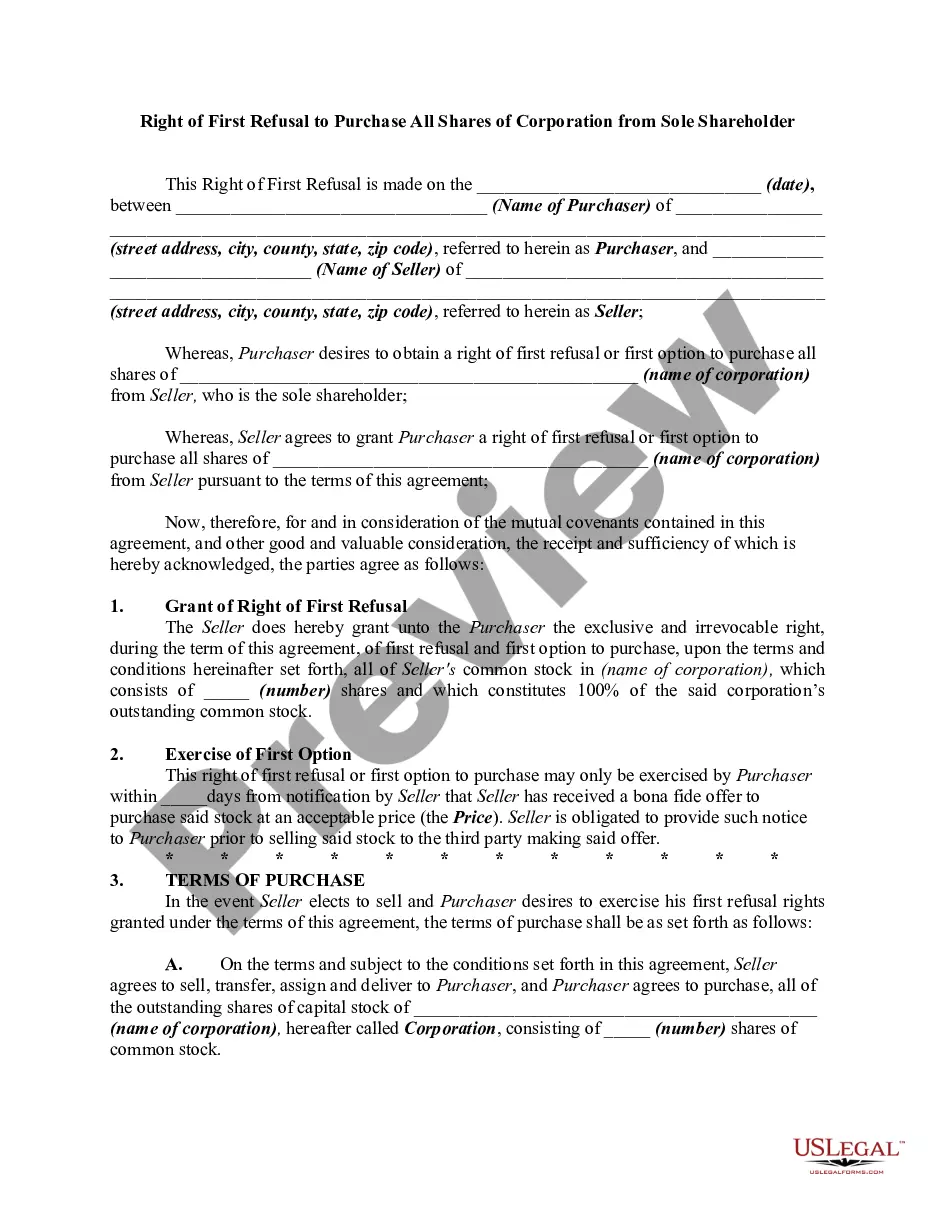
Get your form ready online
Our built-in tools help you complete, sign, share, and store your documents in one place.
Make edits, fill in missing information, and update formatting in US Legal Forms—just like you would in MS Word.
Download a copy, print it, send it by email, or mail it via USPS—whatever works best for your next step.
Sign and collect signatures with our SignNow integration. Send to multiple recipients, set reminders, and more. Go Premium to unlock E-Sign.
If this form requires notarization, complete it online through a secure video call—no need to meet a notary in person or wait for an appointment.
We protect your documents and personal data by following strict security and privacy standards.

Make edits, fill in missing information, and update formatting in US Legal Forms—just like you would in MS Word.

Download a copy, print it, send it by email, or mail it via USPS—whatever works best for your next step.

Sign and collect signatures with our SignNow integration. Send to multiple recipients, set reminders, and more. Go Premium to unlock E-Sign.

If this form requires notarization, complete it online through a secure video call—no need to meet a notary in person or wait for an appointment.

We protect your documents and personal data by following strict security and privacy standards.
Looking for another form?

How to fill out Right Of First Refusal Clause?
You can spend hours online attempting to find the legitimate papers template that suits the federal and state needs you will need. US Legal Forms gives 1000s of legitimate kinds that happen to be evaluated by professionals. You can easily download or print out the Michigan Right of First Refusal Clause from the assistance.
If you have a US Legal Forms account, you can log in and then click the Acquire option. Following that, you can total, change, print out, or signal the Michigan Right of First Refusal Clause. Each and every legitimate papers template you get is your own property forever. To have another copy of the purchased type, go to the My Forms tab and then click the related option.
If you use the US Legal Forms internet site for the first time, adhere to the basic instructions under:
- First, make sure that you have chosen the right papers template for the region/city of your choosing. Read the type outline to ensure you have selected the appropriate type. If accessible, utilize the Preview option to look from the papers template also.
- If you would like get another edition of your type, utilize the Research area to find the template that fits your needs and needs.
- Upon having located the template you need, click Buy now to move forward.
- Select the pricing strategy you need, enter your qualifications, and register for an account on US Legal Forms.
- Full the deal. You can use your Visa or Mastercard or PayPal account to pay for the legitimate type.
- Select the file format of your papers and download it to your gadget.
- Make changes to your papers if required. You can total, change and signal and print out Michigan Right of First Refusal Clause.
Acquire and print out 1000s of papers layouts utilizing the US Legal Forms site, which provides the most important collection of legitimate kinds. Use specialist and status-distinct layouts to handle your organization or individual requirements.
Form popularity
FAQ
This contractual right, also known as ROFR, gives an individual or an entity the option to participate in a business transaction before that opportunity is offered to a third party.
In real estate, the right of first refusal is a clause in a contract that gives a prioritized, interested party the right to make the first offer on a house before the owner can negotiate with other prospective buyers.
A right of first refusal is a fairly common clause in some business contracts that essentially gives a party the first crack at making an offer in a particular transaction.
In the limited liability company (LLC) context, a right of first refusal (ROFR) gives the holder of the right the option to purchase a fellow member's interest after the divesting member has first received an initial bona fide offer from a third party.
A right of first refusal is a contractual right giving its holder the option to transact with the other contracting party before others can. The ROFR assures the holder that they will not lose their rights to an asset if others express interest.
Landlord hereby grants Tenant the on-going option to lease, upon the terms and conditions hereinafter set forth, any then vacant space adjacent to the Premises (the ?First Refusal Space?) during the First Refusal Period (as hereinafter defined).
A right of first refusal clause for inclusion in a commercial contract. The clause requires the grantor of the right to offer contract terms to the grantee before it can conclude a contract on the same terms with a third party.
Court of Appeal: writ granted; right of first refusal was fully enforceable and could not be dodged by ?uncertainty? or bad faith conduct. The Court of Appeal issued the writ and reversed the trial court's order. The court held that the language of the right of first refusal was not too ?uncertain? to enforce.