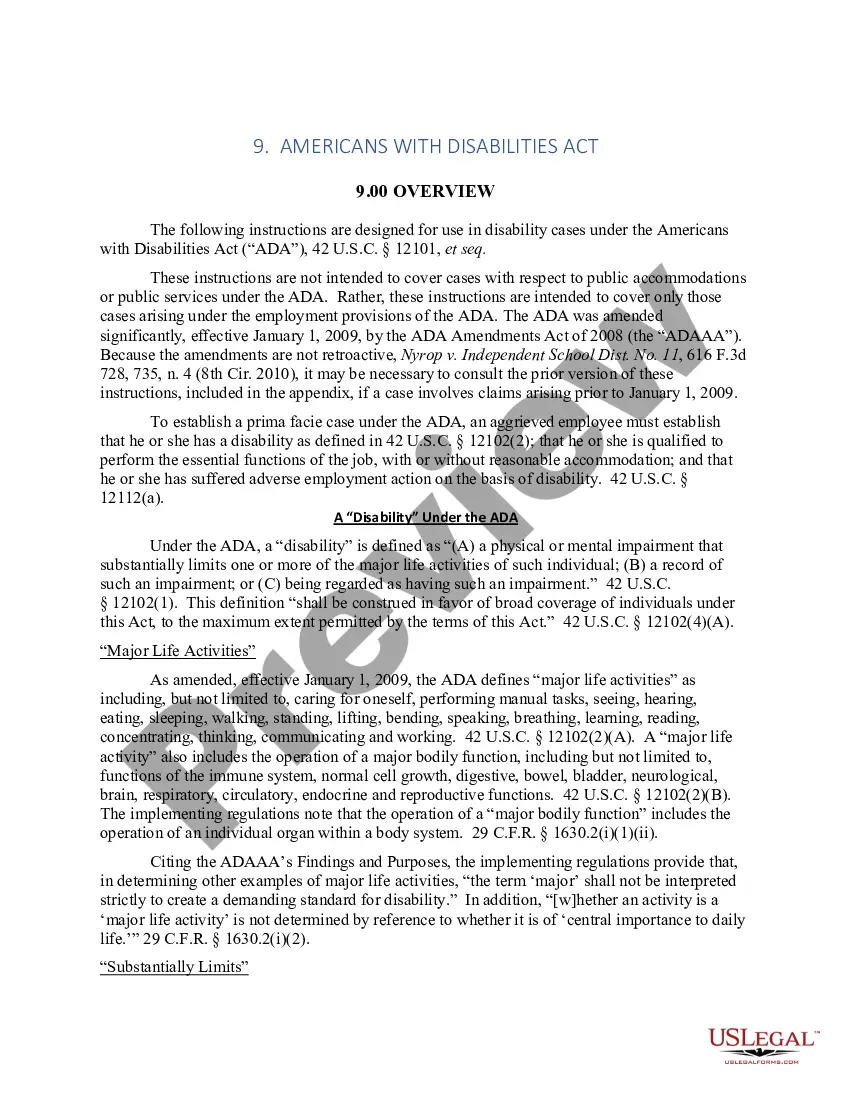
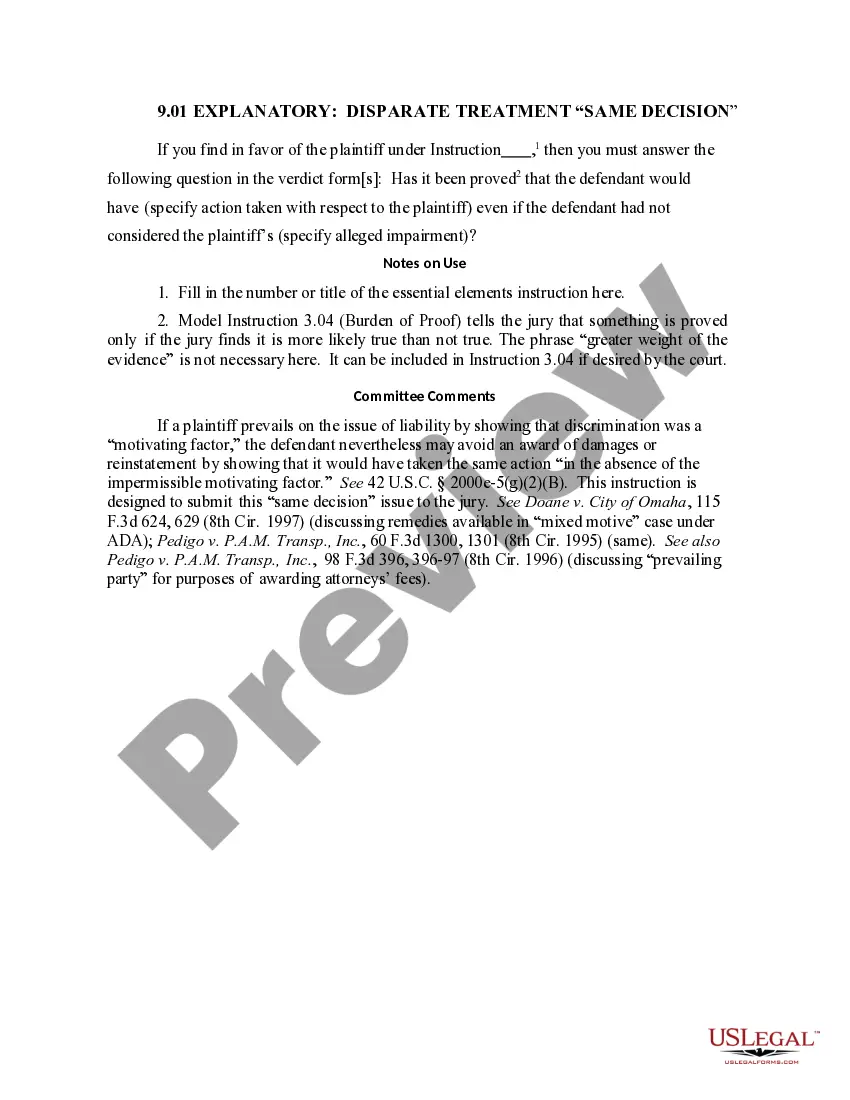
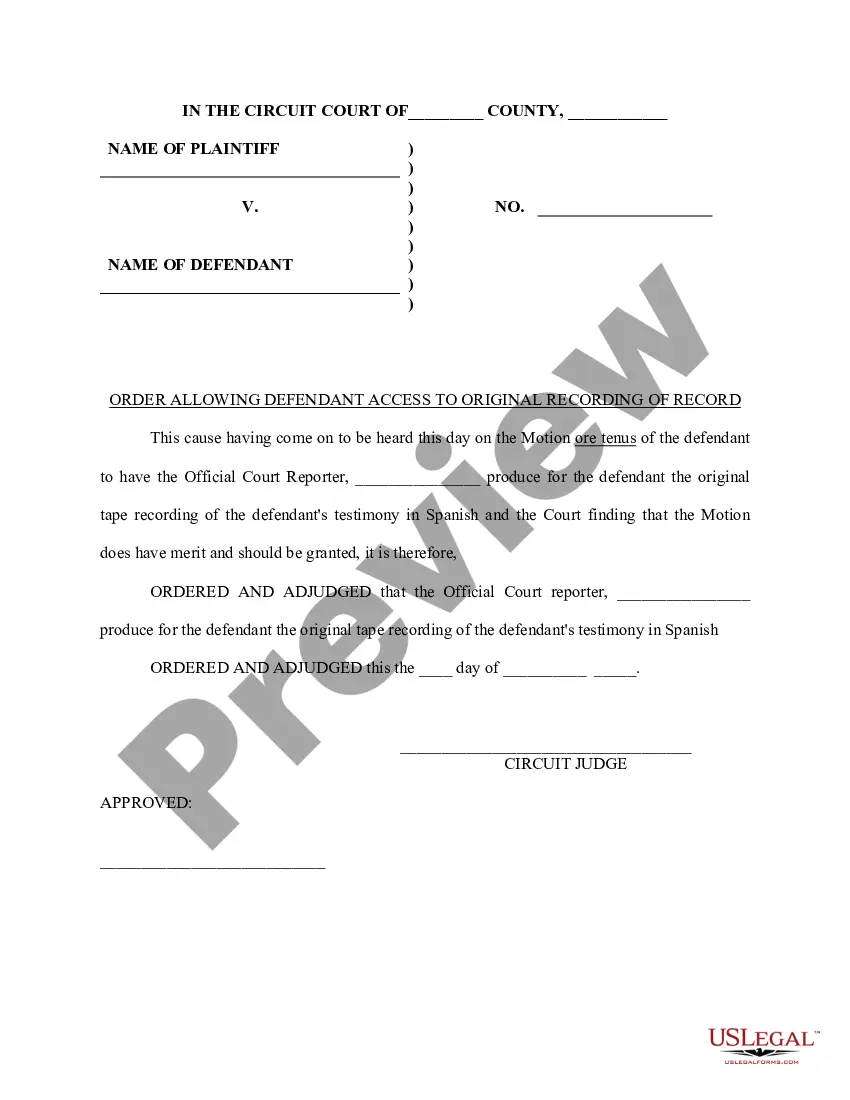
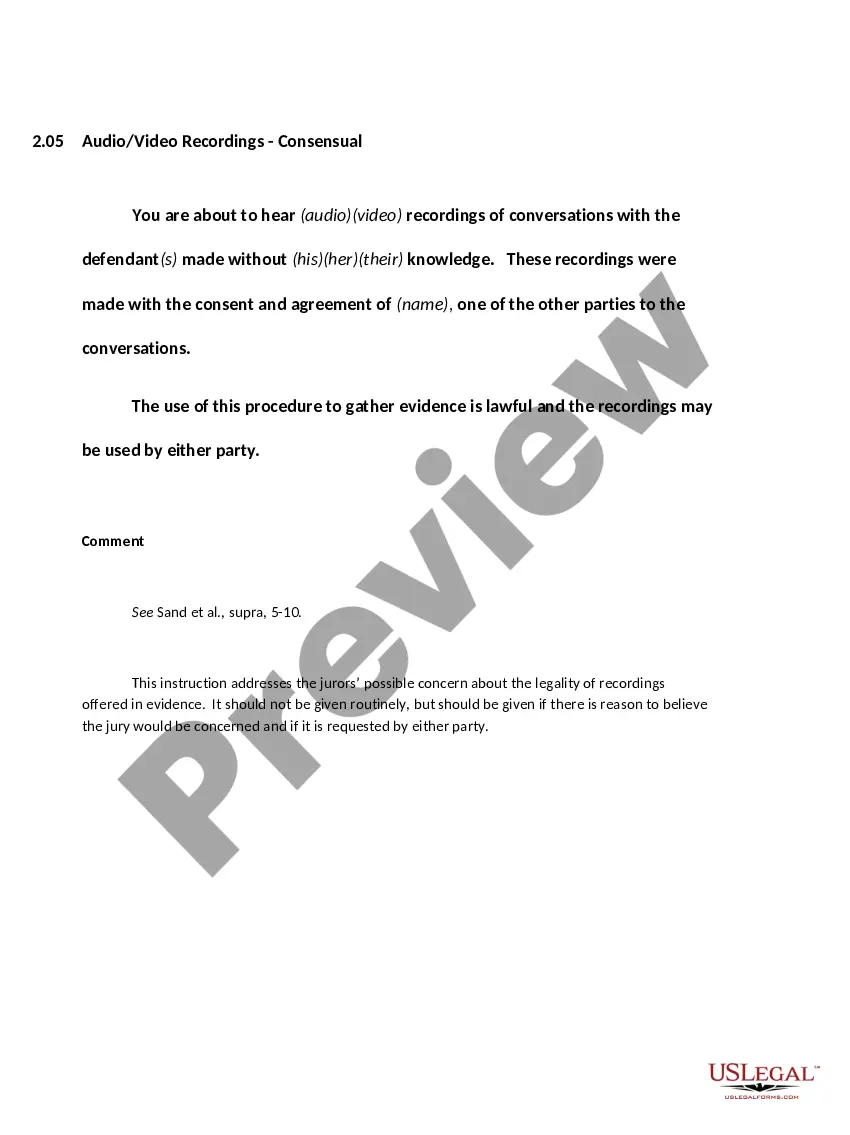
Michigan Order Allowing Defendant Access to Original Recording of Record
Description

Get your form ready online
Our built-in tools help you complete, sign, share, and store your documents in one place.
Make edits, fill in missing information, and update formatting in US Legal Forms—just like you would in MS Word.
Download a copy, print it, send it by email, or mail it via USPS—whatever works best for your next step.
Sign and collect signatures with our SignNow integration. Send to multiple recipients, set reminders, and more. Go Premium to unlock E-Sign.
If this form requires notarization, complete it online through a secure video call—no need to meet a notary in person or wait for an appointment.
We protect your documents and personal data by following strict security and privacy standards.

Make edits, fill in missing information, and update formatting in US Legal Forms—just like you would in MS Word.

Download a copy, print it, send it by email, or mail it via USPS—whatever works best for your next step.

Sign and collect signatures with our SignNow integration. Send to multiple recipients, set reminders, and more. Go Premium to unlock E-Sign.

If this form requires notarization, complete it online through a secure video call—no need to meet a notary in person or wait for an appointment.

We protect your documents and personal data by following strict security and privacy standards.
Looking for another form?

How to fill out Order Allowing Defendant Access To Original Recording Of Record?
US Legal Forms - one of the largest collections of legal documents in the United States - offers a broad selection of legal form templates that you can download or create. By using the site, you can find thousands of forms for business and personal purposes, sorted by categories, states, or keywords. You can access the latest types of forms such as the Michigan Order Allowing Defendant Access to Original Recording of Record in moments.
If you already have an account, Log In and download the Michigan Order Allowing Defendant Access to Original Recording of Record from your US Legal Forms library. The Download button will appear on every form you view. You can access all previously saved forms within the My documents section of your account.
If you are using US Legal Forms for the first time, here are simple steps to get you started: Make sure you have selected the correct form for your area/county. Click the Preview button to review the form’s details. Check the form information to ensure you have chosen the right one. If the form does not meet your needs, use the Search box at the top of the screen to find the one that does. If you are satisfied with the form, confirm your choice by clicking the Buy now button. Then, select your preferred pricing plan and provide your credentials to register for an account.
Utilize thousands of professional and state-specific templates that fulfill your business or personal needs and requirements.
- Complete the transaction. Use Visa or Mastercard or a PayPal account to finalize the transaction.
- Select the format and download the form to your device.
- Make edits. Fill out, modify, and print and sign the saved Michigan Order Allowing Defendant Access to Original Recording of Record.
- Every template you added to your account does not have an expiration date and is yours indefinitely.
- So, if you want to download or print another copy, just go to the My documents section and click on the form you need.
- Access the Michigan Order Allowing Defendant Access to Original Recording of Record with US Legal Forms, the most comprehensive library of legal document templates.
Form popularity
FAQ
The court of record offers this public information without any express or implied warranty as to its accuracy. The information available here is presented on-line for informational use only and does not replace the official record on file with the court.
An out-of-state attorney may be temporarily admitted to practice under this rule in no more than five cases in a 365-day period. Permission to appear and practice is within the discretion of the court, administrative tribunal or agency, or arbitrator and may be revoked at any time for misconduct.
Official transcripts of courtroom proceedings must be ordered from the Court Reporter. Copies of official transcripts already on file with the court are available through the Court Reporter or through the PACER Service Center. A transcript to be delivered within thirty (30) calendar days after receipt of an order.
A PPO is not a criminal case and does not give you a criminal record, but it can affect your freedom. A PPO is a matter of public record and can prevent you from: Appearing in certain locations, and even your own home. Communicating with the Petitioner and other people covered by the PPO, including your children.
Only reporters, recorders, or voice writers certified pursuant to MCR 8.108(G)(1) may record proceedings held in Michigan.
Public Access. Generally, unless access to a file is restricted by statute, court rule or an order pursuant to MCR 8.119(I), any person may inspect pleadings and other papers in a court clerk's office and may obtain copies as provided in MCR 8.119(J).
Anyone can get a copy of court transcripts, but the judge has the final say over what is made public. It's unlikely that you'll get access to sealed documents. If the judge has made the transcript public, you can request a copy from the court.
Most documents in federal courts ? appellate, district, and bankruptcy ? are filed electronically, using a system called Case Management/Electronic Case Files (CM/ECF). The media and public may view most filings found in this system via the Public Access to Court Electronic Records service, better known as PACER.