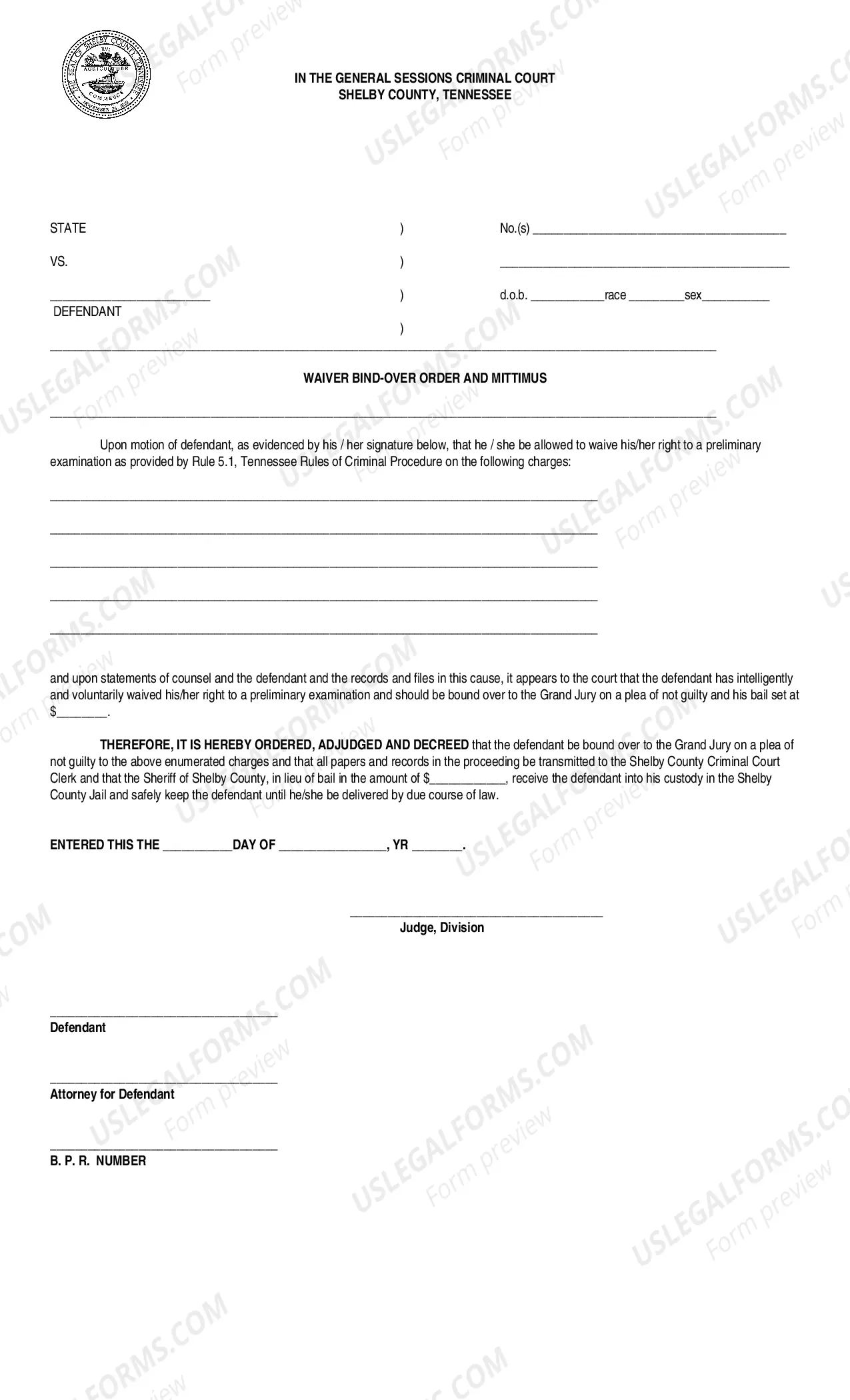
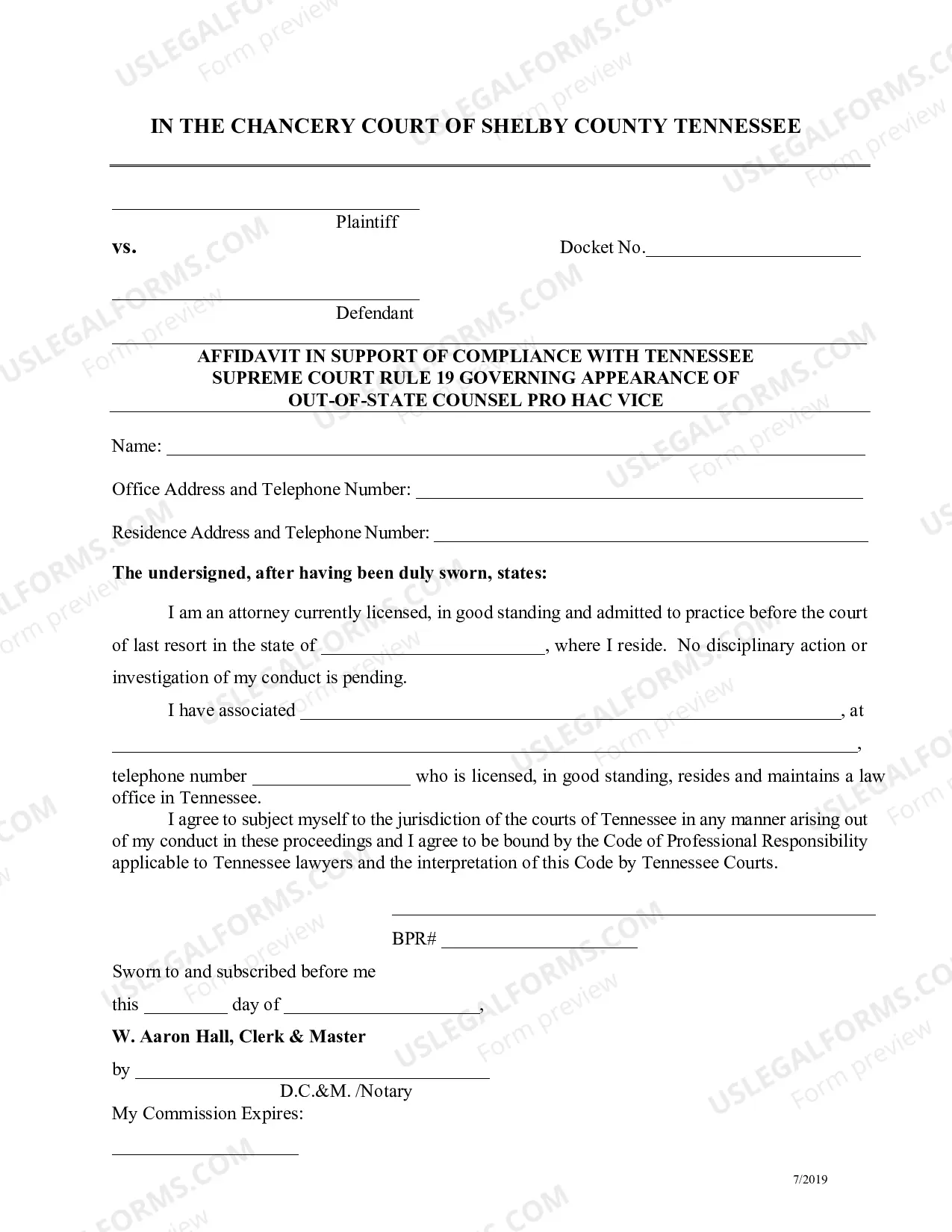
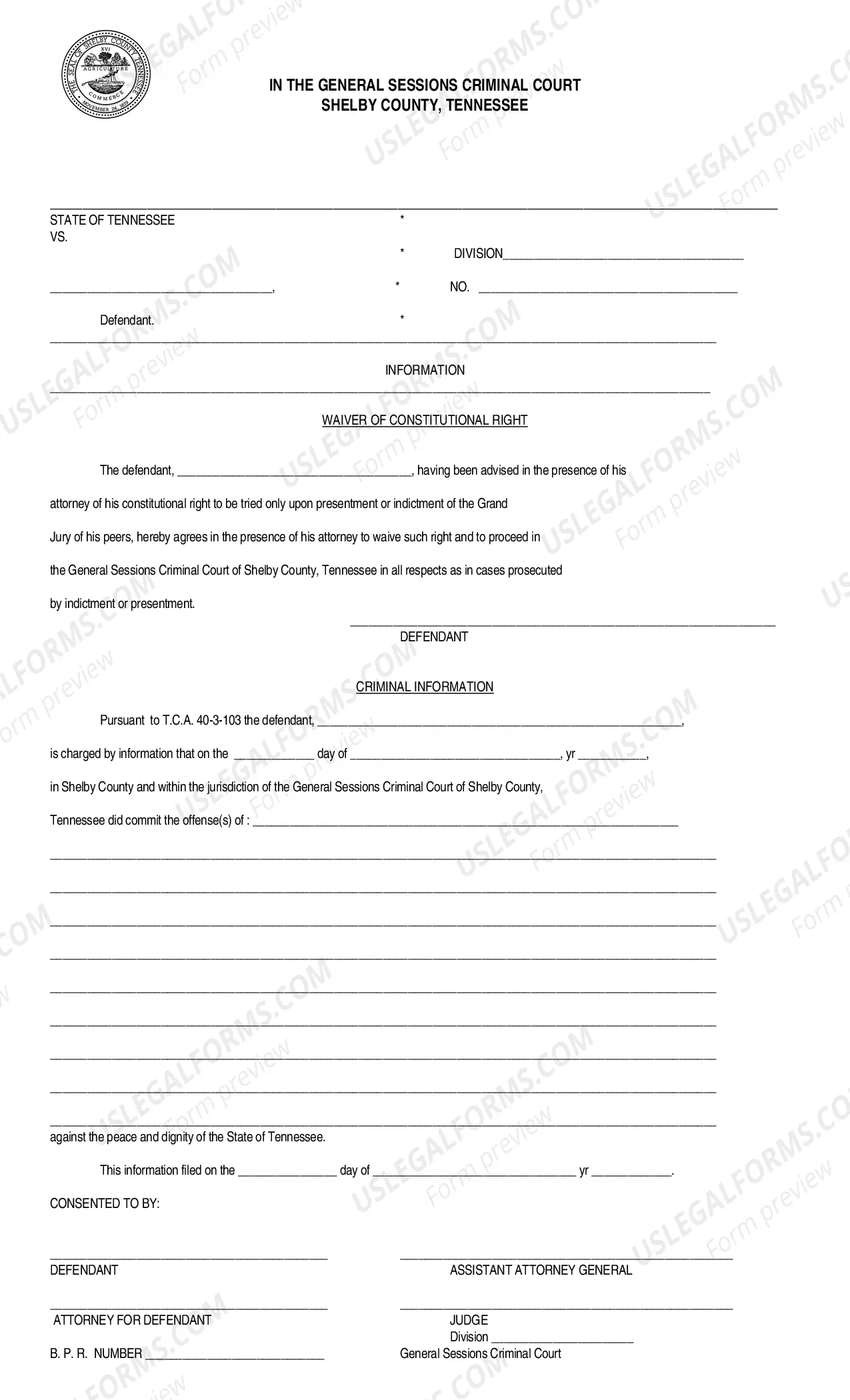
Michigan Non- Resident Defendant Bond
Understanding this form
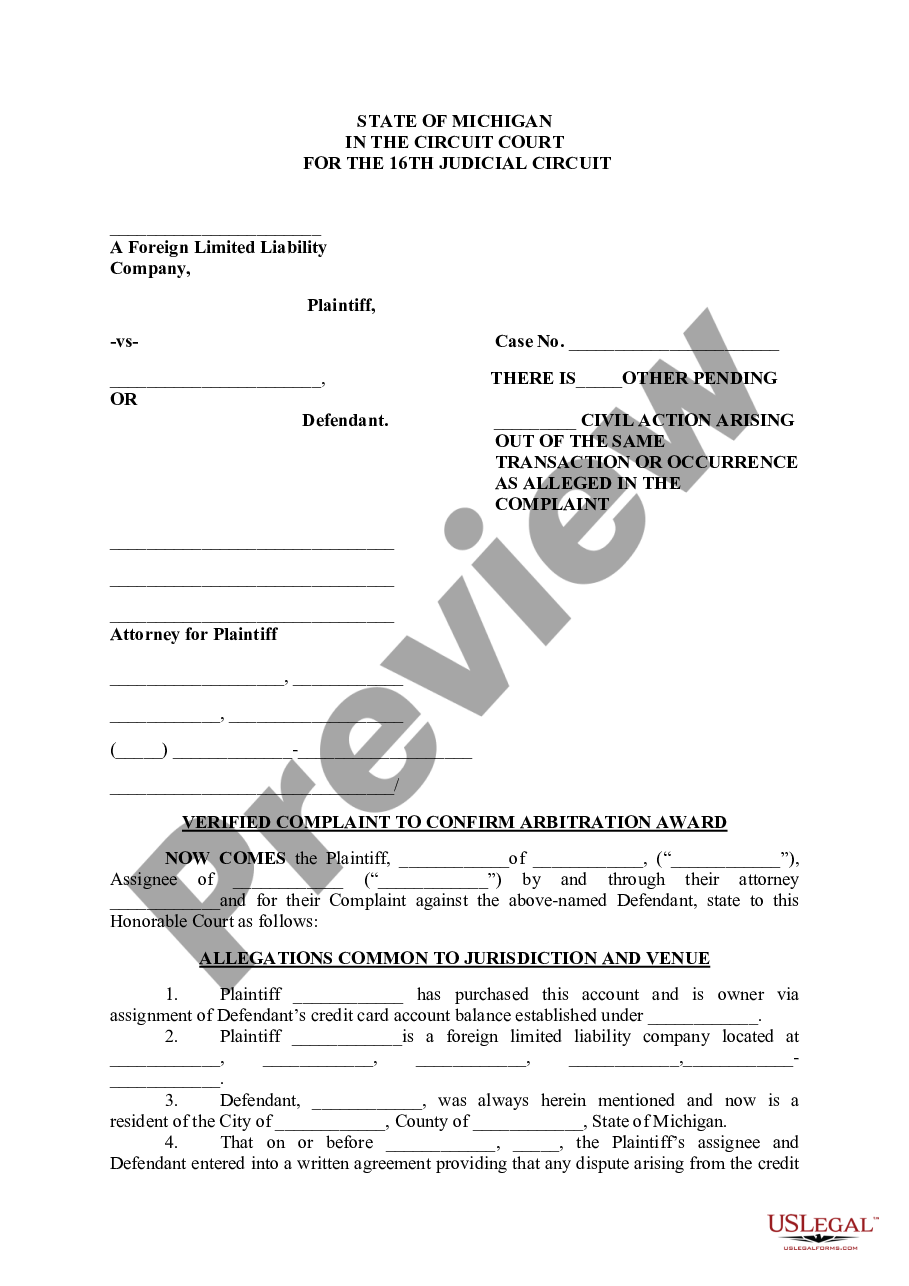
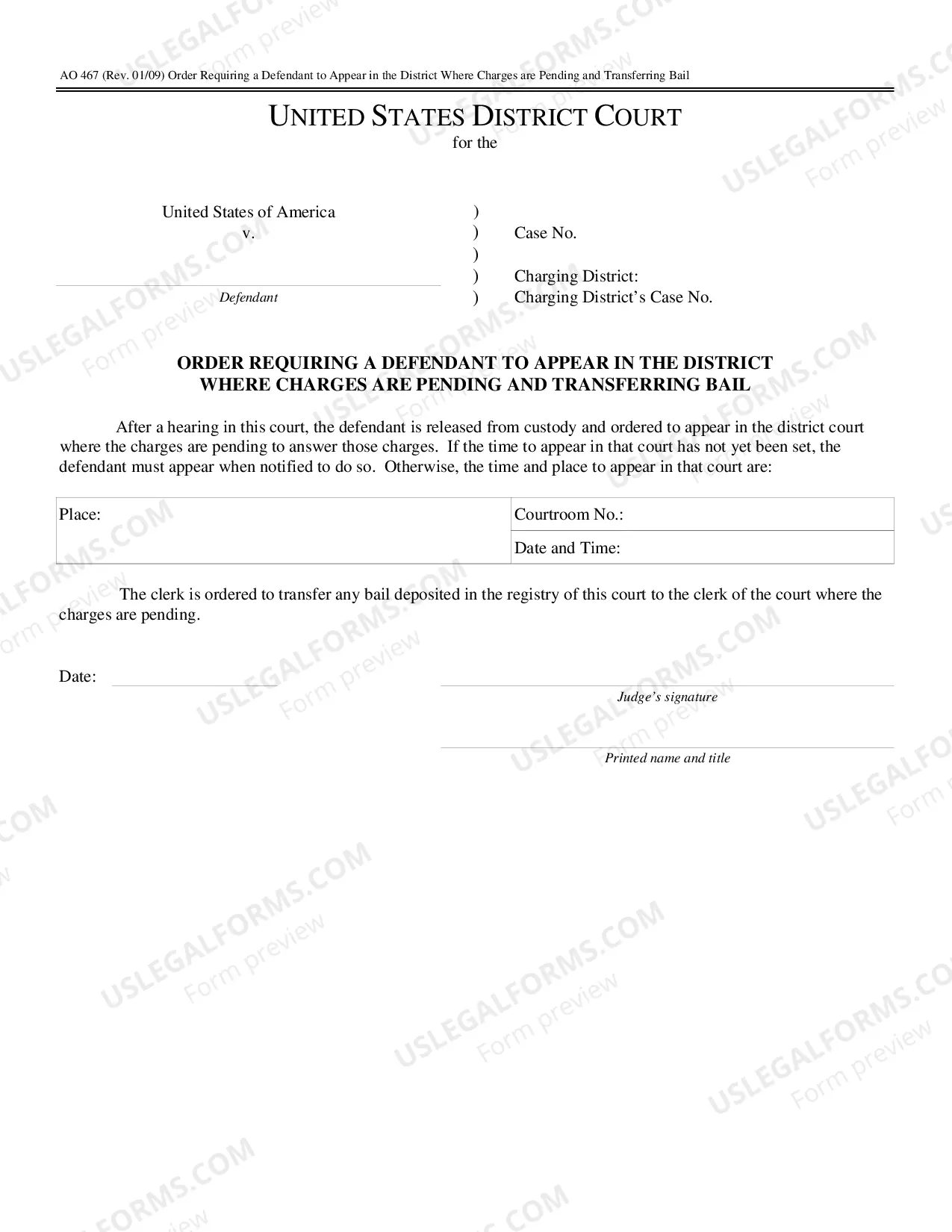
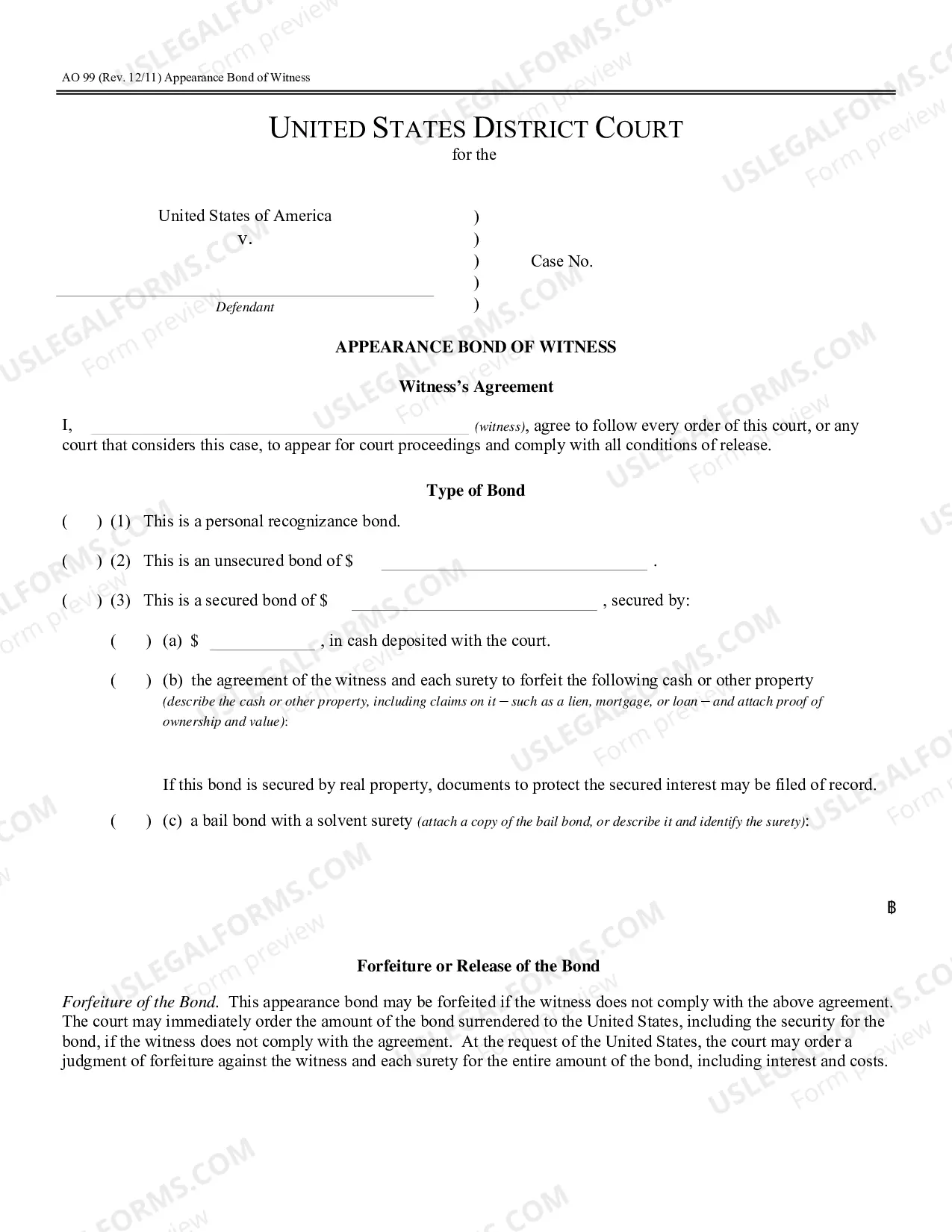
The Non-Resident Defendant Bond is a legal document used to confirm an arbitration award in the jurisdiction where the arbitration agreement was made. This form is specifically designed for situations where a foreign entity, such as a limited liability company, needs to enforce an arbitration award against a defendant who resides outside the jurisdiction. Unlike other legal forms, this bond explicitly addresses the unique challenges of foreign claims and arbitration procedures, ensuring proper legal acknowledgment in the court system.
What’s included in this form
- Title and court information, including the name of the circuit court.
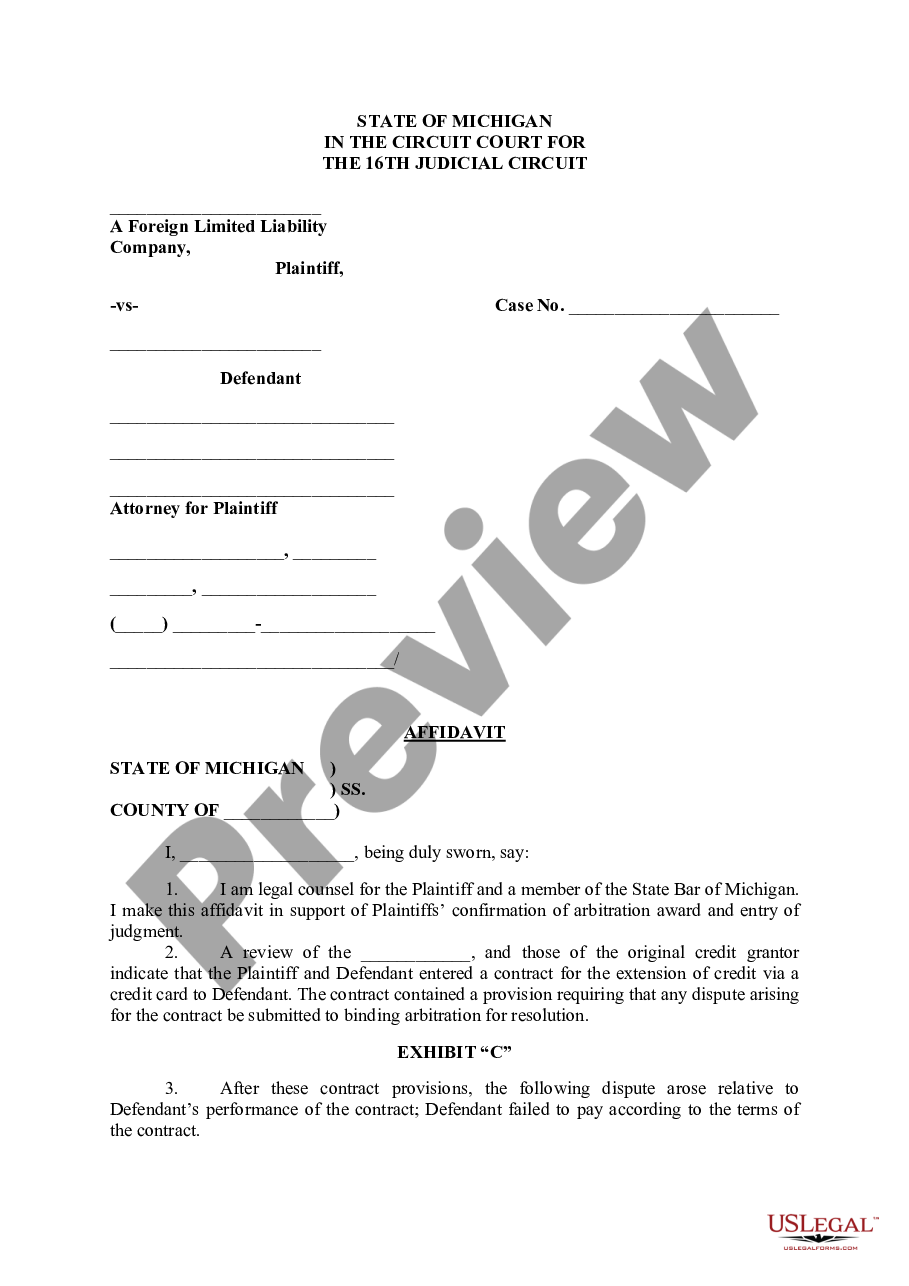
- Details identifying the plaintiff and defendant, including their respective addresses.
- Allegations common to jurisdiction and venue, outlining the basis for the court's jurisdiction.
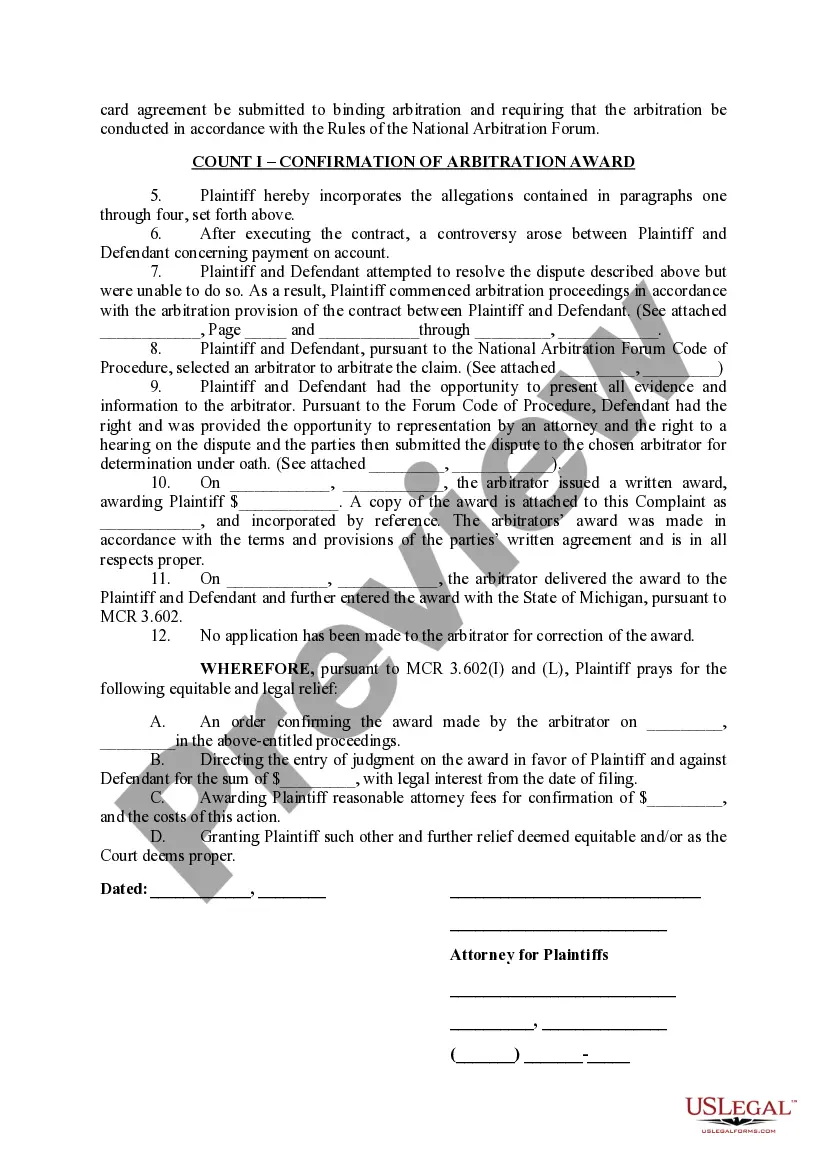
- A section confirming the arbitration award, with details of the arbitration process.
- Request for the court to confirm the arbitration award and other forms of relief.

When this form is needed
This form is necessary when a plaintiff has obtained an arbitration award against a defendant who does not reside in the same jurisdiction. Specifically, it is appropriate when the parties have agreed to resolve disputes through arbitration and the plaintiff needs to have the arbitration result recognized and enforced in court. This situation often arises in cases involving credit agreements, financial disputes, or contractual agreements where one party refuses to pay or comply post-arbitration.
Who can use this document
- Foreign limited liability companies seeking to enforce arbitration awards against non-resident defendants.
- Legal representatives acting on behalf of clients engaged in arbitration agreements.
- Any party that has been awarded a judgment through arbitration and wants to confirm that award in court.
Steps to complete this form
- Identify the parties involved by entering their names and addresses accurately.
- Detail the arbitration agreement, including the date it was executed and its governing rules.
- Incorporate the arbitrator's award details, including the date of the award and the amount awarded.
- Complete the verification section by entering the appropriate attorneyâs credentials.
- Sign and date the form to ensure it is valid and complete.
Is notarization required?
This form does not typically require notarization to be legally valid. However, some jurisdictions or document types may still require it. US Legal Forms provides secure online notarization powered by Notarize, available 24/7 for added convenience.
Get your form ready online
Our built-in tools help you complete, sign, share, and store your documents in one place.
Make edits, fill in missing information, and update formatting in US Legal Forms—just like you would in MS Word.
Download a copy, print it, send it by email, or mail it via USPS—whatever works best for your next step.
Sign and collect signatures with our SignNow integration. Send to multiple recipients, set reminders, and more. Go Premium to unlock E-Sign.
If this form requires notarization, complete it online through a secure video call—no need to meet a notary in person or wait for an appointment.
We protect your documents and personal data by following strict security and privacy standards.

Make edits, fill in missing information, and update formatting in US Legal Forms—just like you would in MS Word.

Download a copy, print it, send it by email, or mail it via USPS—whatever works best for your next step.

Sign and collect signatures with our SignNow integration. Send to multiple recipients, set reminders, and more. Go Premium to unlock E-Sign.

If this form requires notarization, complete it online through a secure video call—no need to meet a notary in person or wait for an appointment.

We protect your documents and personal data by following strict security and privacy standards.
Avoid these common issues
- Failing to accurately identify the parties, which can lead to delays in the confirmation process.
- Not including all necessary attachments, such as the original arbitration award.
- Omitting or incorrectly completing the verification section, risking the form's validity.
- Overlooking state-specific requirements, which may vary by jurisdiction.
Benefits of using this form online
- Convenient access to customizable templates that can be easily downloaded and completed.
- Time-saving process, allowing users to generate necessary legal documents without extensive legal training.
- Reliable forms drafted by licensed attorneys, ensuring legal compliance and accuracy.
Legal use & context
- This form functions as a formal legal request to enforce an arbitration award in court.
- It is enforceable under state law, provided all legal requirements are met.
- Users should be aware of any limitations on enforcing arbitration awards, which may vary by jurisdiction.
Looking for another form?
Form popularity
FAQ
Obtaining a surety bond in Michigan requires several steps. First, research bonding companies that specialize in Michigan Non-Resident Defendant Bonds. After selecting a provider, fill out their application and submit any required documentation. Working with a user-friendly platform, such as US Legal Forms, can simplify the steps and ensure you get your bond efficiently.
To obtain a surety bond in Michigan, start by identifying a reliable bonding company. You will need to complete an application and provide necessary financial and personal details for a Michigan Non-Resident Defendant Bond. Once approved, the bonding company will guide you through the payment and issuance process. Choose a reputable platform like US Legal Forms for a smooth experience.
Getting a surety bond can be straightforward if you meet the required criteria. For a Michigan Non-Resident Defendant Bond, you typically need to provide personal and financial information. The bond amount and your credit history may also influence the process. With the right documentation, you can secure your bond without much hassle.
In Michigan, a DUI conviction typically remains on your driving record for life. However, after a certain period, individuals may apply for expungement under specific conditions. For non-resident defendants facing DUI charges, obtaining a Michigan Non-Resident Defendant Bond can provide the necessary support to address your legal standing and work towards a favorable resolution.
The 77-day rule in Michigan refers to the time frame within which a defendant should be brought to trial to avoid being charged with a violation of their rights. Specifically, it typically applies to misdemeanor offenses. For non-resident defendants, adhering to this timeline is vital, and having a Michigan Non-Resident Defendant Bond can assist in managing your legal obligations efficiently.
In Michigan, the timeline to file DUI charges can vary depending on the circumstances of the case. Generally, prosecutors have a maximum of six months to file charges after the incident occurs. If you are a non-resident defendant, it’s essential to understand how a Michigan Non-Resident Defendant Bond can help you navigate these legal waters and fulfill any requirements needed.
Rule 2.313 in Michigan deals with the discovery process in civil litigation. This rule outlines the requirements for parties to exchange information relevant to their case, ensuring fairness in proceedings. If you find yourself as a non-resident defendant, understanding these rules is crucial when securing a Michigan Non-Resident Defendant Bond to address legal obligations effectively.