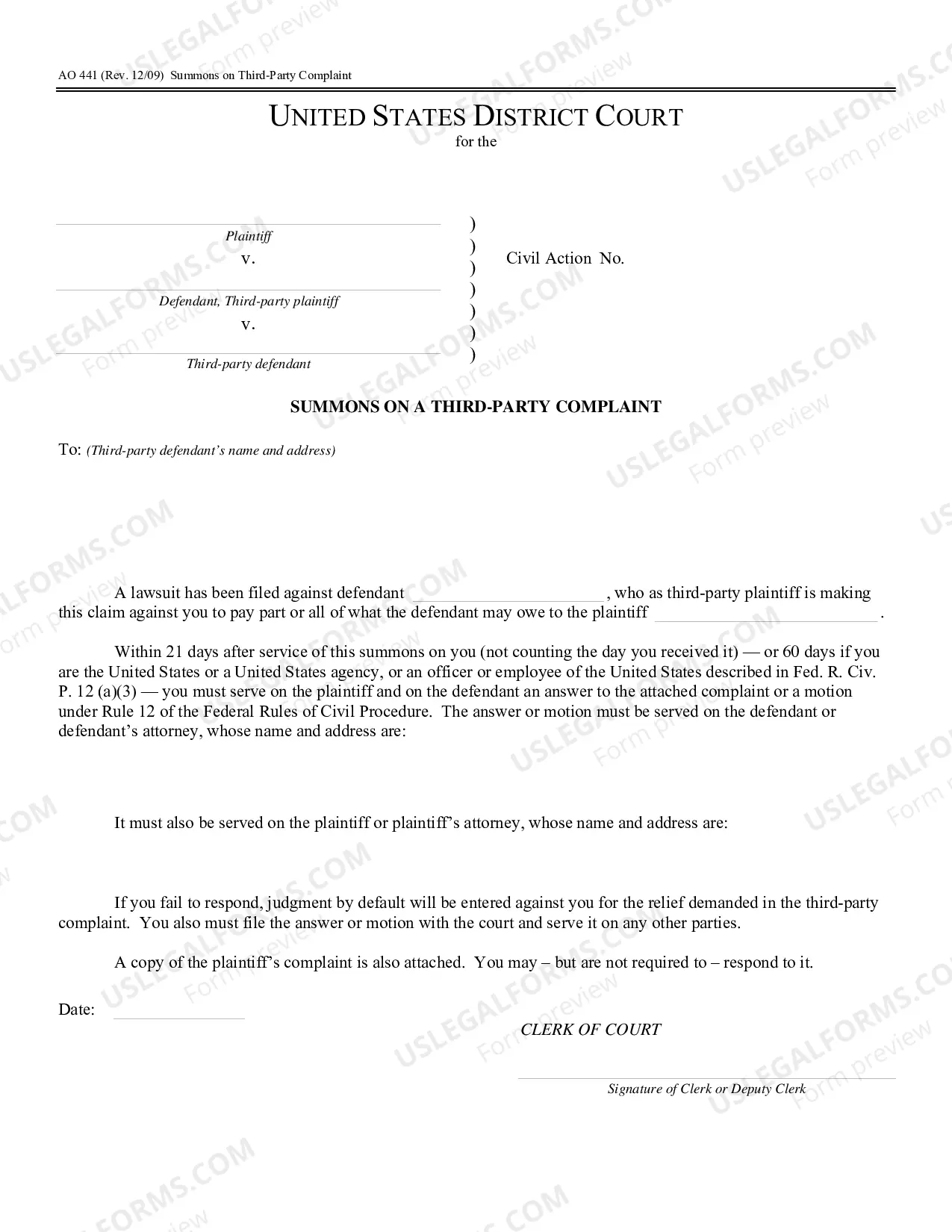
Michigan Defendant's Response to Plaintiff's Demand for Statement of Facts In Support of Affirmative Defenses
Description
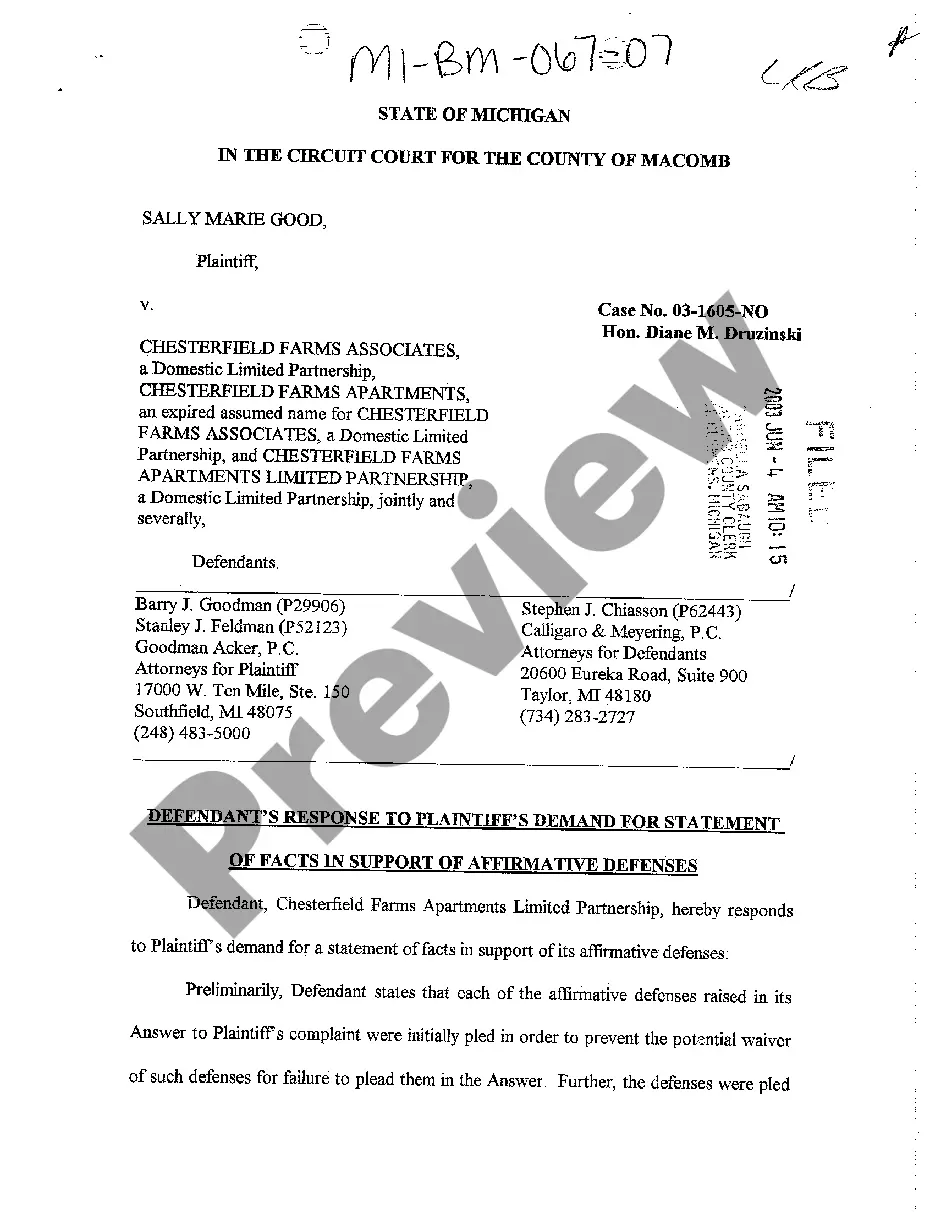
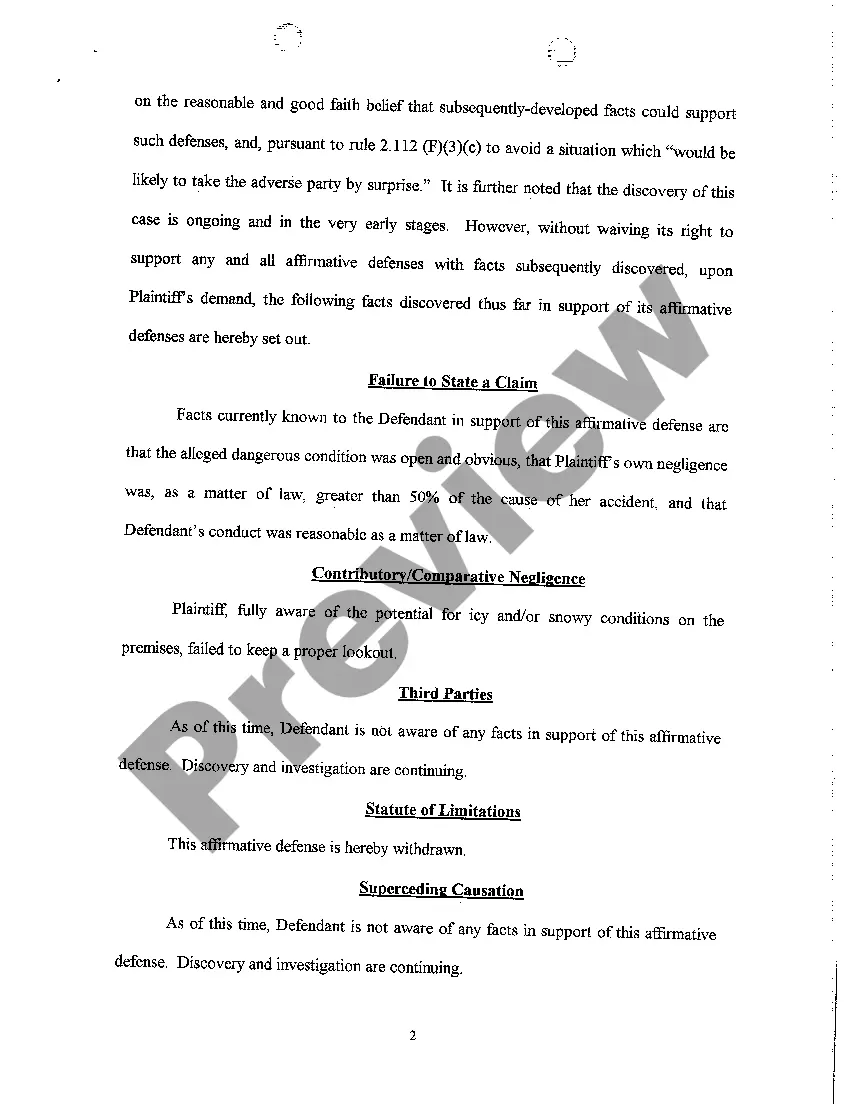
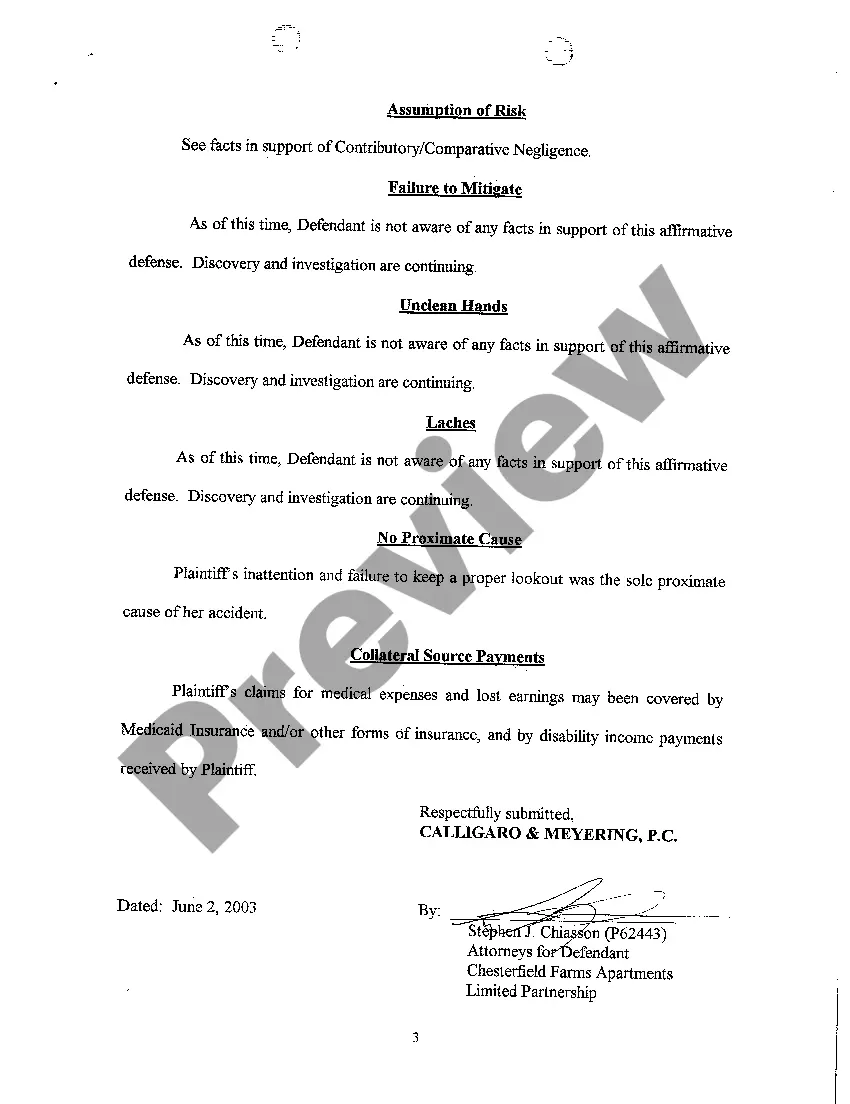
How to fill out Michigan Defendant's Response To Plaintiff's Demand For Statement Of Facts In Support Of Affirmative Defenses?
Obtain any document from 85,000 legal files including Michigan Defendant's Reply to Plaintiff's Request for Statement of Facts in Support of Affirmative Defenses online with US Legal Forms. Each template is crafted and revised by state-authorized attorneys.
If you already possess a subscription, Log In. When you're on the form's page, select the Download button and proceed to My documents to access it.
If you have not signed up yet, follow the instructions below: Check the state-specific criteria for the Michigan Defendant's Reply to Plaintiff's Request for Statement of Facts in Support of Affirmative Defenses you wish to utilize. Review the description and examine the sample. Once you are confident the sample meets your needs, click on Buy Now. Choose a subscription plan that fits your financial situation. Create a personal account. Make payment using one of two convenient methods: by credit card or via PayPal. Choose a format for downloading the document; two choices are available (PDF or Word). Download the file to the My documents section. After your reusable template is prepared, print it out or save it to your device.
- With US Legal Forms, you will consistently have swift access to the appropriate downloadable sample.
- The platform provides access to documents and categorizes them to make your search easier.
- Utilize US Legal Forms to acquire your Michigan Defendant's Reply to Plaintiff's Request for Statement of Facts in Support of Affirmative Defenses quickly and effortlessly.
Form popularity
FAQ
The defendant may also raise counterclaims or affirmative defenses. If a defendant does raise counterclaims in her answer, the plaintiff must respond to those counterclaims with a pleading called an "answer to a counterclaim." The form and content of an "answer to a counterclaim" is similar to that of an answer.
A denial or failure of proof defense focuses on the elements of the crime and prevents the prosecution from meeting its burden of proof. An affirmative defense is a defense that raises an issue separate from the elements of the crime.
The Answer. The defendant's response to a complaint is called the answer. The answer contains the defendant's version of the events leading to the lawsuit and may be based on the contents of the complaint. The filing of the answer is one option that the defendant has in deciding how to respond to the complaint.
Definition. This is a defense in which the defendant introduces evidence, which, if found to be credible, will negate criminal liability or civil liability, even if it is proven that the defendant committed the alleged acts.
An affirmative defense operates to prevent conviction even when the prosecutor has proof beyond a reasonable doubt as to every element of the crime. Some jurisdictions place the burden on the defendant to prove the defense, while others require that the prosecution disprove the defense beyond a reasonable doubt.
The plaintiff must give you responses to your request for admissions within 30 days. You do not need to do anything if you do not get a response. The plaintiff has 30 days to deny or object to the statements.
Answer. General Denial. Demurrer. Motion to Strike. Motion to Transfer. Motion to Quash Service of Summons. Motion to Stay or Dismiss Action.
Accord and Satisfaction, Arbitration and Award, Assumption of the Risk, Contributory Negligence, Discharge in Bankruptcy, Duress, Estoppel, Failure of Consideration,
What does it mean when a defendant intends to put on an affirmative defense? The defendant will offer a legal excuse that justifies his/her conduct.