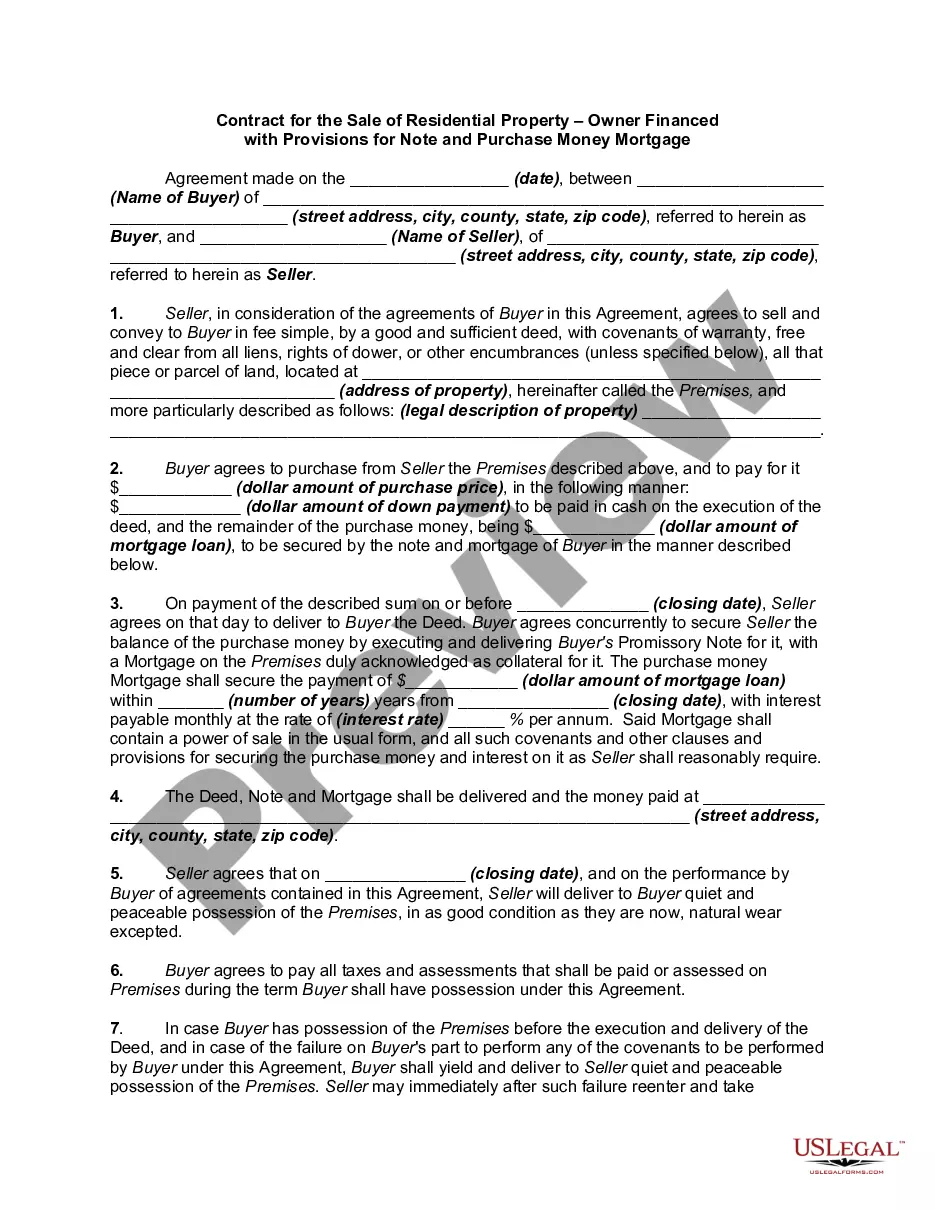
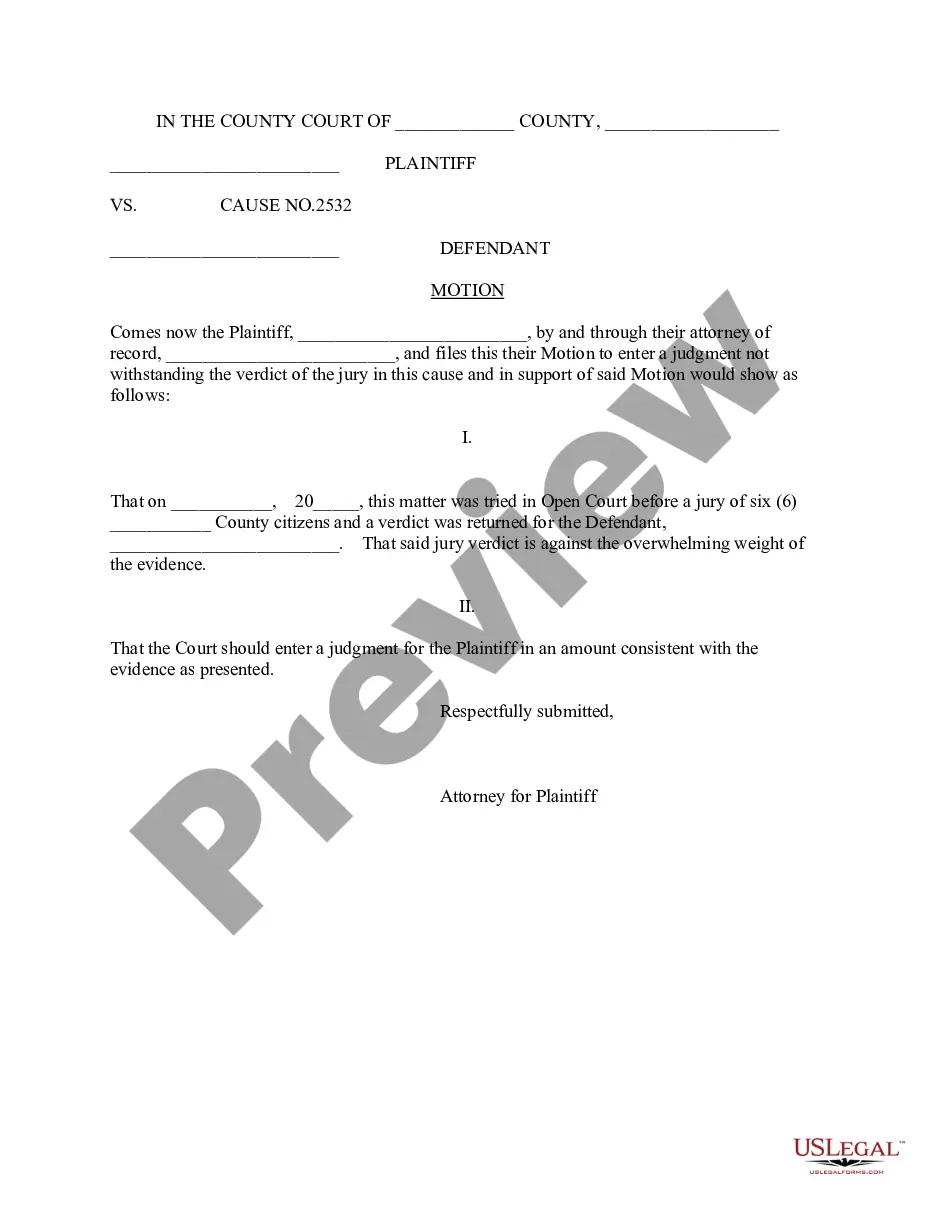
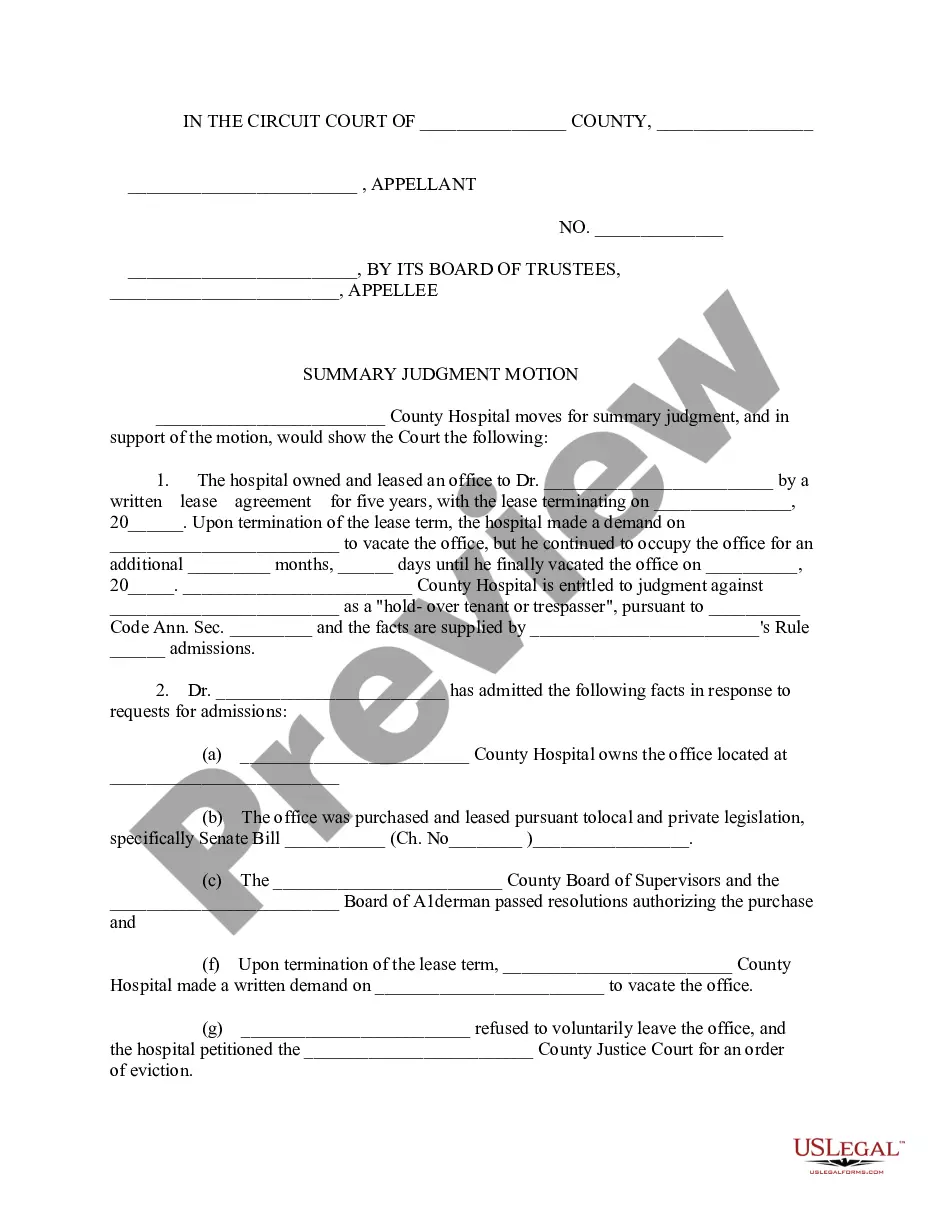
This form is a request for admissions. Plaintiff requests certain admissions from defendant concerning an office building and the terms of a leasing agreement between the parties.
Maine Request for Admissions
State:
Multi-State
Category:
Control #:
US-60927
Format:
Word;
Rich Text
57 downloads
Description
Free preview
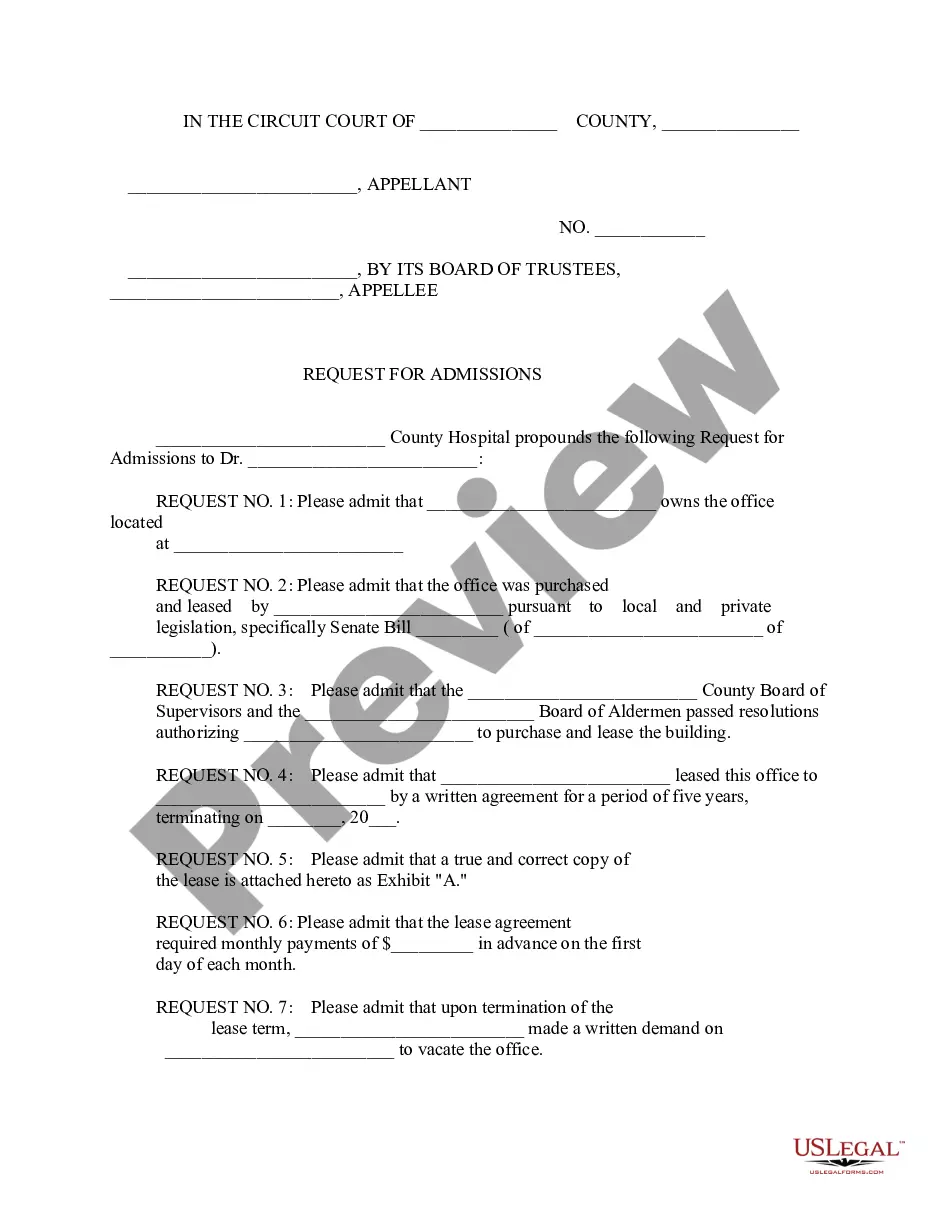
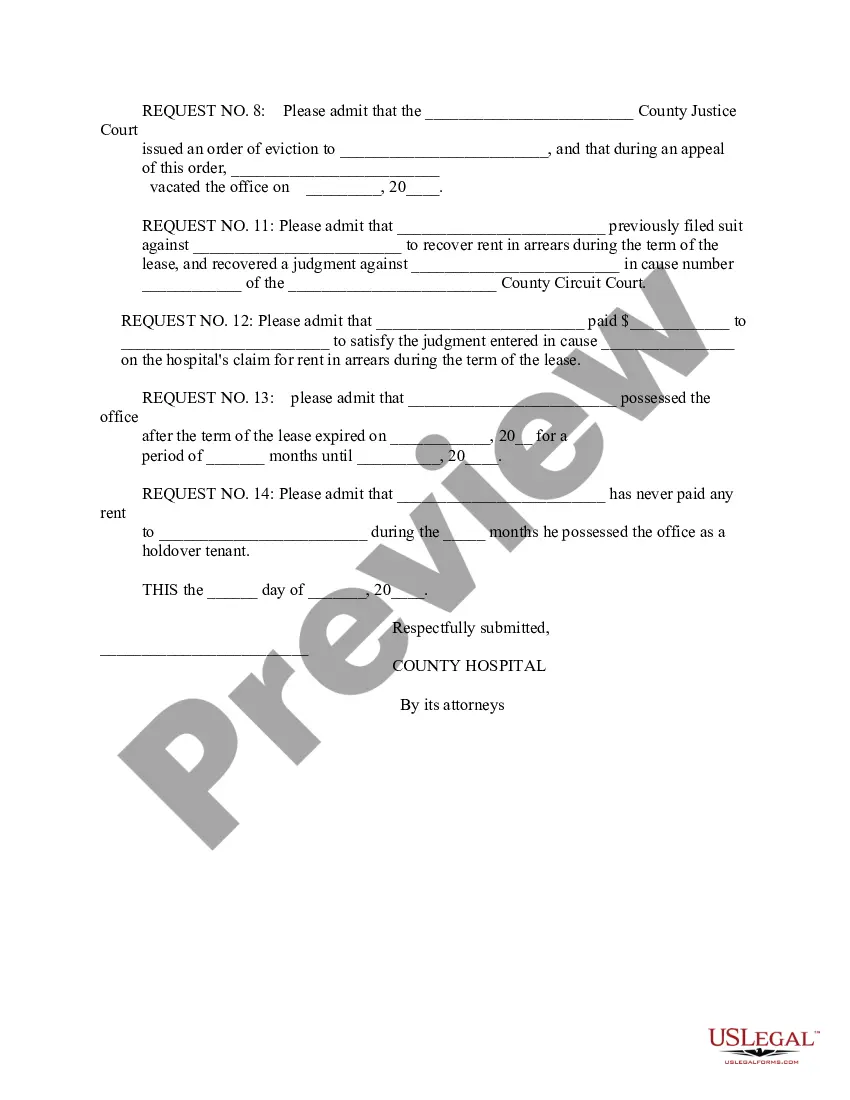
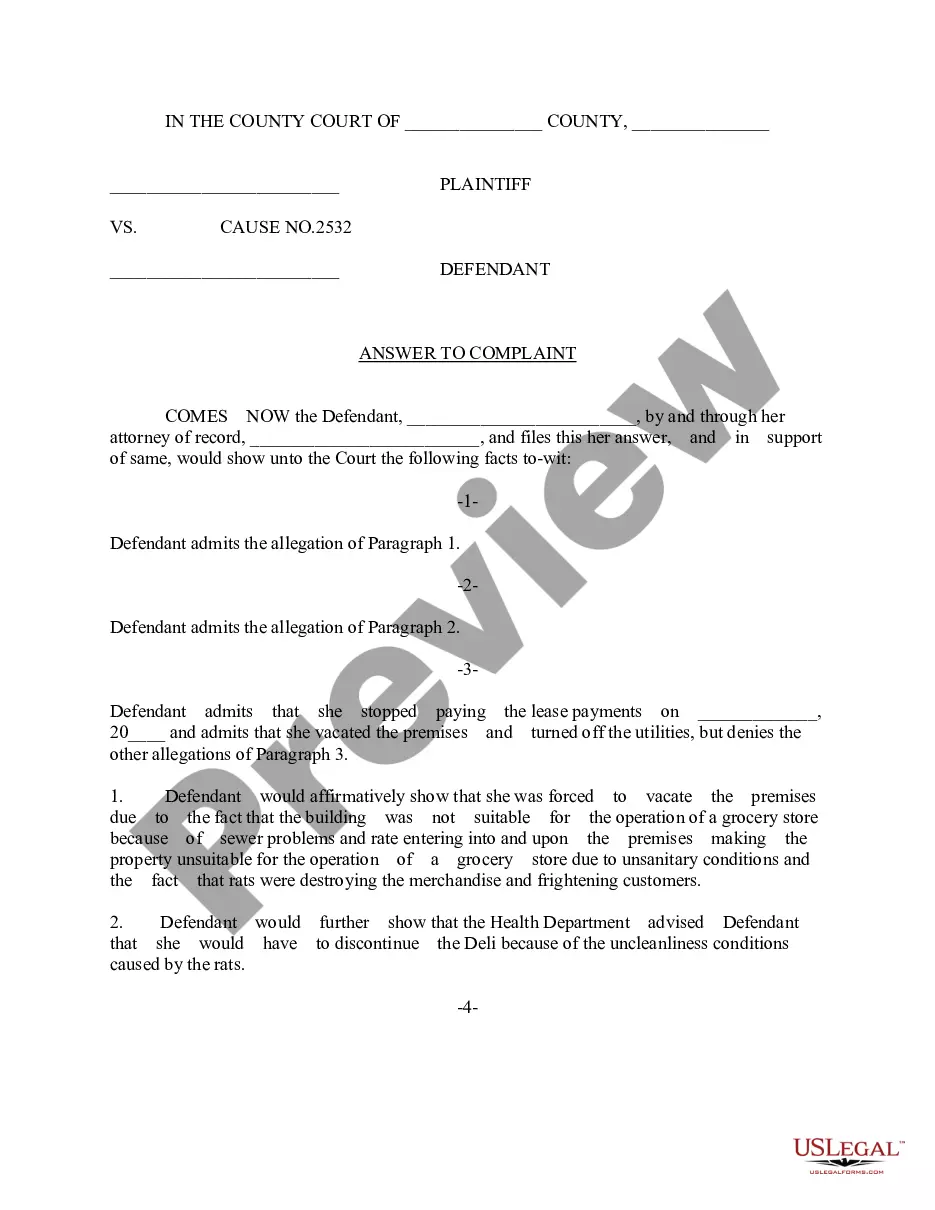
Get your form ready online
Our built-in tools help you complete, sign, share, and store your documents in one place.
Built-in online Word editor
Make edits, fill in missing information, and update formatting in US Legal Forms—just like you would in MS Word.
Export easily
Download a copy, print it, send it by email, or mail it via USPS—whatever works best for your next step.
E-sign your document
Sign and collect signatures with our SignNow integration. Send to multiple recipients, set reminders, and more. Go Premium to unlock E-Sign.
Notarize online 24/7
If this form requires notarization, complete it online through a secure video call—no need to meet a notary in person or wait for an appointment.
Store your document securely
We protect your documents and personal data by following strict security and privacy standards.

Make edits, fill in missing information, and update formatting in US Legal Forms—just like you would in MS Word.

Download a copy, print it, send it by email, or mail it via USPS—whatever works best for your next step.

Sign and collect signatures with our SignNow integration. Send to multiple recipients, set reminders, and more. Go Premium to unlock E-Sign.

If this form requires notarization, complete it online through a secure video call—no need to meet a notary in person or wait for an appointment.

We protect your documents and personal data by following strict security and privacy standards.
Looking for another form?
How to fill out Request For Admissions?
If you aim to be thorough, acquire, or print legitimate document templates, utilize US Legal Forms, the largest collection of legal forms, available online.
Take advantage of the site’s user-friendly search feature to locate the documents you require. Various templates for business and personal purposes are categorized by type and state, or keywords.
Utilize US Legal Forms to find the Maine Request for Admissions in just a few clicks.
Every legal document template you purchase is yours indefinitely. You have access to every form you saved within your account.
Act quickly to obtain and print the Maine Request for Admissions through US Legal Forms. There are countless professional and state-specific forms you can use for your business or personal needs.
- If you are already a US Legal Forms user, Log In to your account and click on the Download button to get the Maine Request for Admissions.
- You can also access forms you previously saved in the My documents tab of your account.
- If you are using US Legal Forms for the first time, follow the instructions below.
- Step 1. Ensure you have selected the form for the correct city/state.
- Step 2. Use the Preview option to review the form’s content. Do not forget to read the instructions carefully.
- Step 3. If you are not satisfied with the form, use the Search area at the top of the screen to find other versions of the legal form template.
- Step 4. Once you have found the form you need, click the Buy now button. Choose the payment plan you prefer and provide your details to register for an account.
- Step 5. Complete the purchase process. You can use your credit card or PayPal account to finalize the transaction.
- Step 6. Select the format of the legal document and download it to your device.
- Step 7. Fill out, modify, and print or sign the Maine Request for Admissions.
Form popularity
FAQ
(1) Admit so much of the matter involved in the request as is true, either as expressed in the request itself or as reasonably and clearly qualified by the responding party. (2) Deny so much of the matter involved in the request as is untrue.
What is a request for admission? The request for admission is a petition filed by one party in a lawsuit on another party in that lawsuit asking the second party to admit to the truthfulness of some fact or opinion. A request may also ask the party to authenticate the genuineness of a document.
Contents hide7.1 Irrelevant.7.2 Privilege or Work Product Protection.7.3 Overbroad.7.4 Excessive Number.7.5 Unduly Burdensome, Expensive, or Oppressive.7.6 Vague and Ambiguous.7.7 The Information is Already Known or Equally Available to the Requesting Party.7.8 Speculation or Question Based on an Improper Assumption.More items...
Rule 11 - Pleas; Special Circumstances As to Acceptance of Certain Pleas; Notice to Noncitizens of Potential Adverse Immigration Consequences of a Plea (a) Pleas for any Crime. (1)In General. A defendant may plead not guilty, not criminally responsible by reason of insanity, guilty, or nolo contendere.
Write each admission as a statement. You don't ask questions in your Request for Admissions. Instead, you state facts. The other side then has to admit or deny the fact.
Common objections to requests for admission include: The request is impermissibly compound. The propounding party may ask you to admit only one fact per statement. You may object to any request that asks you to admit two or more different facts in a single request.
The purpose of requests for admission is to help narrow the scope of the case and determine what facts or aspects of the case are not in dispute between the parties.
Proper Objections A responding party has four options: (1) admit; (2) deny; (3) admit in part and deny in part; or (4) explain why the party is unable to answer. It is possible to object to all or part of a request as well, but courts do not like parties who play word games to avoid responding. Further, Civ.
The purpose of requests for admission is to help narrow the scope of the case and determine what facts or aspects of the case are not in dispute between the parties.
If you admit the request, write admit for your response. If you deny the request, write deny. If you have to qualify an answer or deny only a part, you must specify the part that is true and deny the rest.