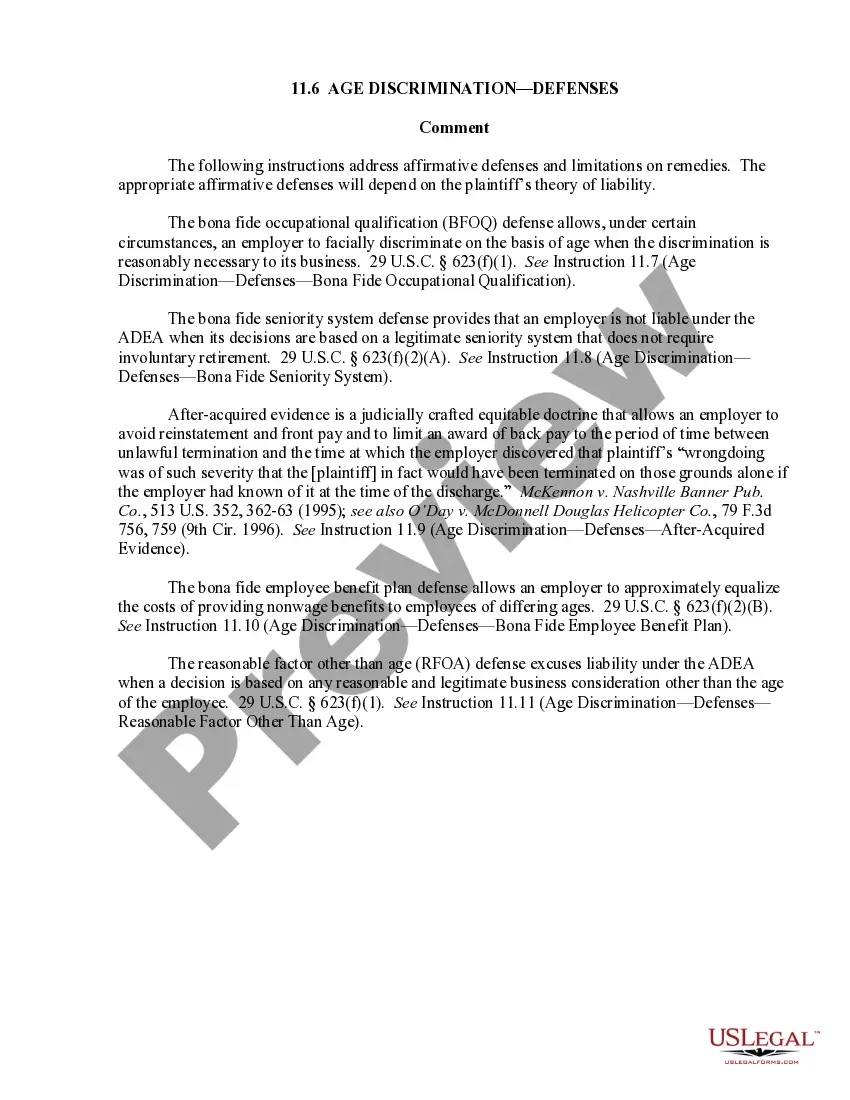
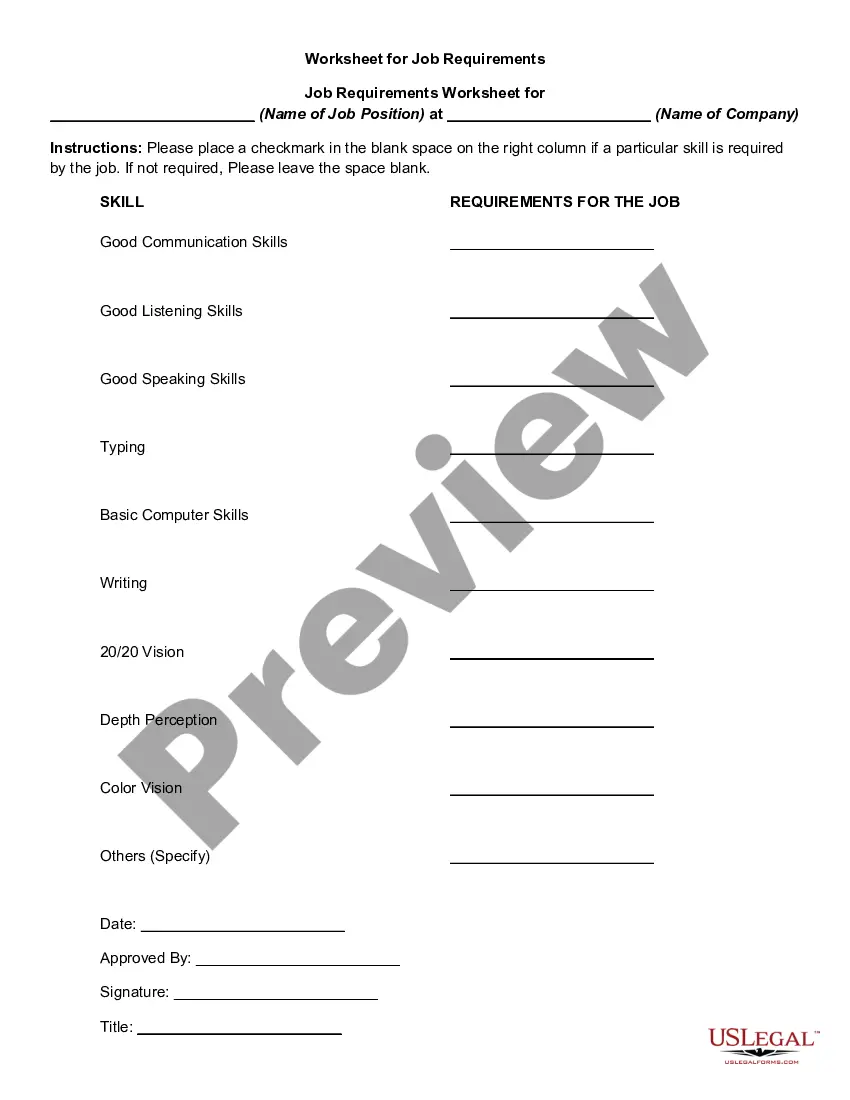
Maine Worksheet - Contingent Worker
Description

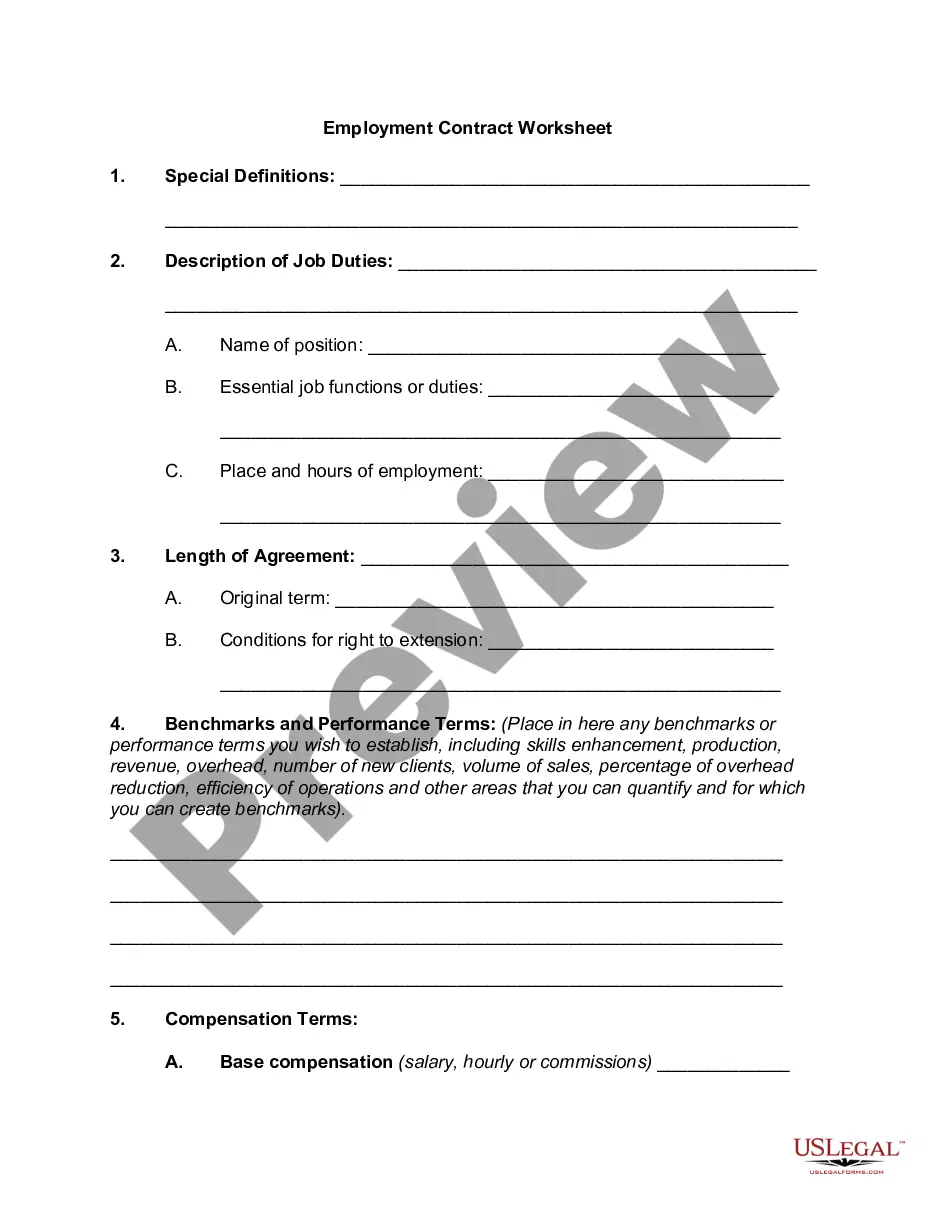
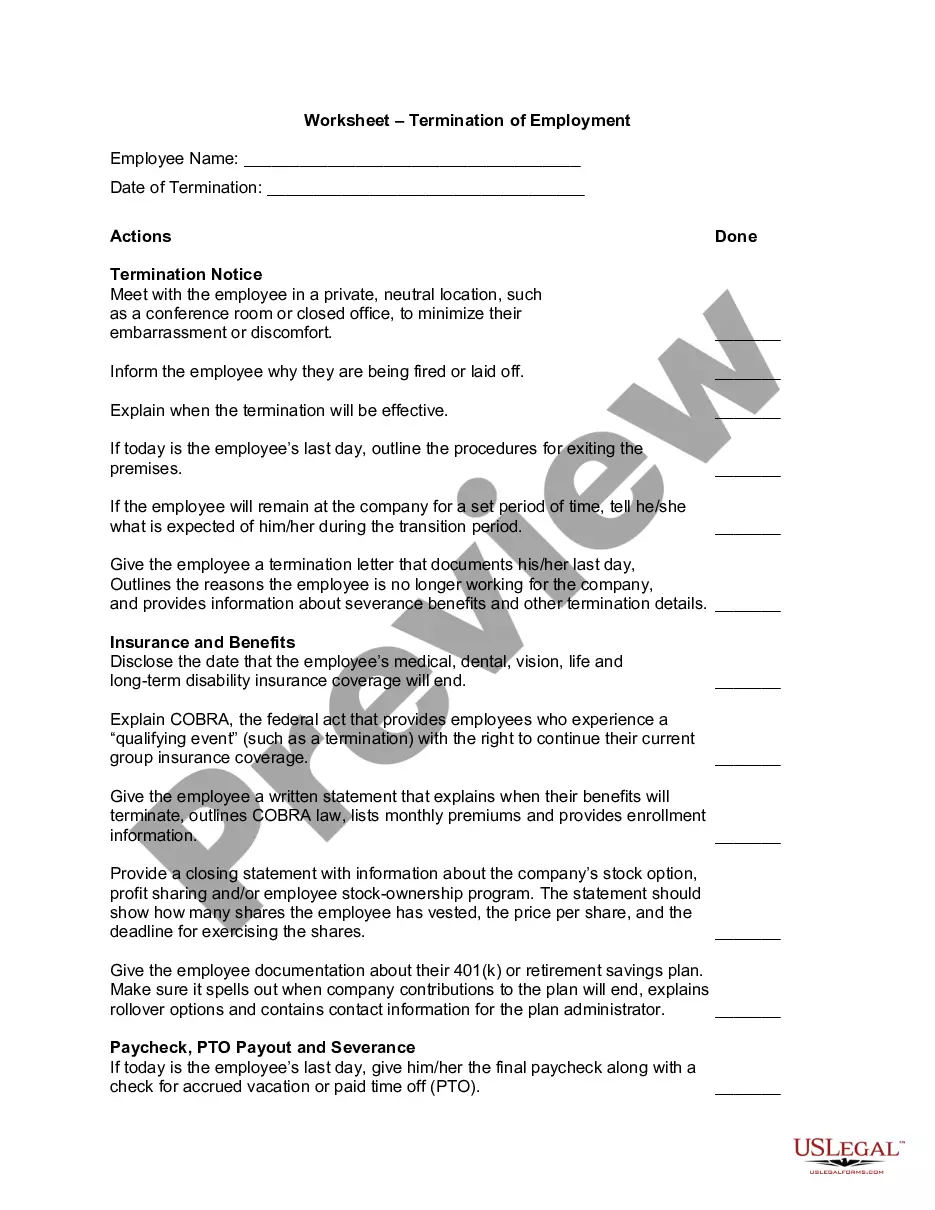
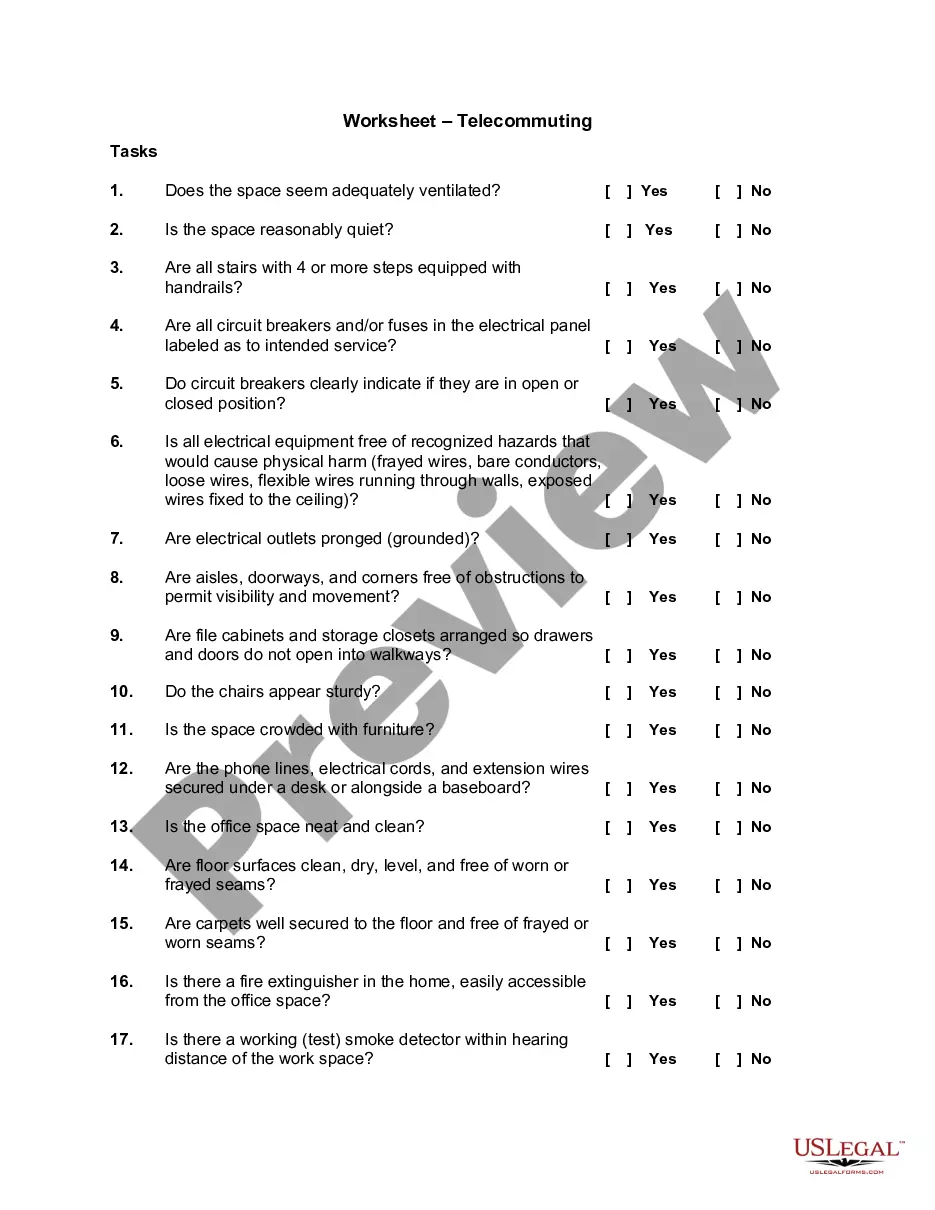
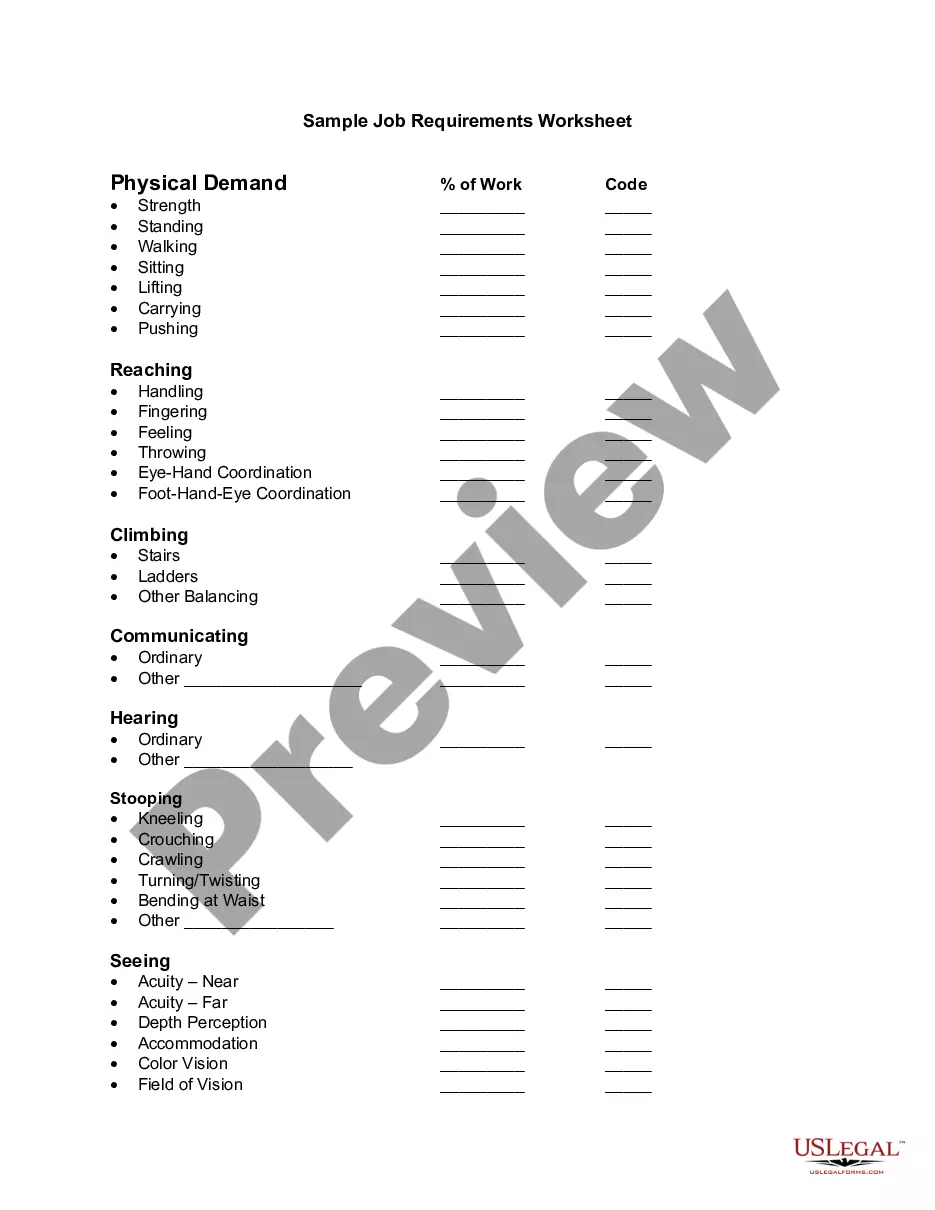
Get your form ready online
Our built-in tools help you complete, sign, share, and store your documents in one place.
Make edits, fill in missing information, and update formatting in US Legal Forms—just like you would in MS Word.
Download a copy, print it, send it by email, or mail it via USPS—whatever works best for your next step.
Sign and collect signatures with our SignNow integration. Send to multiple recipients, set reminders, and more. Go Premium to unlock E-Sign.
If this form requires notarization, complete it online through a secure video call—no need to meet a notary in person or wait for an appointment.
We protect your documents and personal data by following strict security and privacy standards.

Make edits, fill in missing information, and update formatting in US Legal Forms—just like you would in MS Word.

Download a copy, print it, send it by email, or mail it via USPS—whatever works best for your next step.

Sign and collect signatures with our SignNow integration. Send to multiple recipients, set reminders, and more. Go Premium to unlock E-Sign.

If this form requires notarization, complete it online through a secure video call—no need to meet a notary in person or wait for an appointment.

We protect your documents and personal data by following strict security and privacy standards.
Looking for another form?

How to fill out Worksheet - Contingent Worker?
Locating the appropriate authorized document template can be challenging. Naturally, there are numerous templates available online, but how can you find the legal form you need.
Make use of the US Legal Forms website. This service offers a multitude of templates, such as the Maine Worksheet - Contingent Worker, which you can utilize for business and personal purposes. All documents are verified by professionals and comply with federal and state regulations.
If you are already registered, Log In to your account and click on the Download button to obtain the Maine Worksheet - Contingent Worker. Use your account to search through the legal forms you have previously acquired. Visit the My documents section of your account to retrieve another copy of the document you need.
US Legal Forms is the largest collection of legal forms where you can find various document templates. Use the service to download professionally crafted paperwork that complies with state regulations.
- If you are a first-time user of US Legal Forms, here are simple steps for you to follow.
- First, ensure you've selected the correct form for your city/state. You can preview the form using the Preview button and read the description to confirm it's the right one for you.
- If the form doesn't meet your requirements, use the Search box to find the correct form.
- Once you are sure the form is suitable, click the Get Now button to acquire the form.
- Select the pricing plan you prefer and enter the required information. Create your account and pay for your order using your PayPal account or credit card.
- Choose the document format and download the legal document template to your device.
- Complete, modify, print, and sign the downloaded Maine Worksheet - Contingent Worker.
Form popularity
FAQ
Filling out the W-4ME starts with clear identification of your personal information, including name and address. Proceed by selecting your marital status and determining the number of dependents. The Maine Worksheet - Contingent Worker serves as an essential resource, guiding you through crucial calculations and helping you achieve the correct withholding for your financial needs.
Contingent workers typically receive a 1099 form instead of a W-2, as they are often classified as independent contractors. This means that employers do not withhold taxes on their behalf. However, if a contingent worker is misclassified, they may receive a W-2. Understanding your classification can clarify your tax obligations and how the Maine Worksheet - Contingent Worker can play a role in accurately reporting income.
To fill out the W-4ME form, start by entering your personal information, including your name, address, and Social Security number. Next, indicate your filing status and complete the necessary fields based on your financial situation. The Maine Worksheet - Contingent Worker helps guide you through this process, ensuring you capture all applicable deductions and credits.
A contingent workforce consists of freelancers, independent contractors and consultants who are not on the company's payroll because they are not full-time employees of the organization. Organizations can hire a contingent worker directly or from a staffing agency.
Contingent workers are hired on-demand for a defined period of time. Unlike your permanent full-time or part-time employees, you hire contingent workers on-demand and often for a limited duration or project. There's no commitment to retain your contingent hires beyond the scope of the project or contract.
A contingent worker is someone who is hired for a fixed period of time, often on a project basis. Examples of contingent workers are freelancers, consultants, part-timers, on-call workers, independent contractors, and people in other types of alternative work arrangements.
It is made up of four categories: independent contractors, on-call workers, temporary workers, and contract company workerssometimes called "temps" or "freelancers."
An independent contractor is one hired to perform a certain task or tasks outside the control of the hiring party. Contingent workers are those individuals whose services are leased from a staffing company that generally retains the workers as employees.
Contingent workers are individuals hired by a company to do role- or project-based work on its behalf, but not as traditional employees. They could include independent contractors, consultants, freelancers, temps, or other outsourced labor such as gig workers.
A contingent worker may refer to various types of workers, but a common thread is that they are hired on a non-permanent basis to perform certain specific tasks required by the company. Freelancers and independent consultants are two categories of contingent workers.