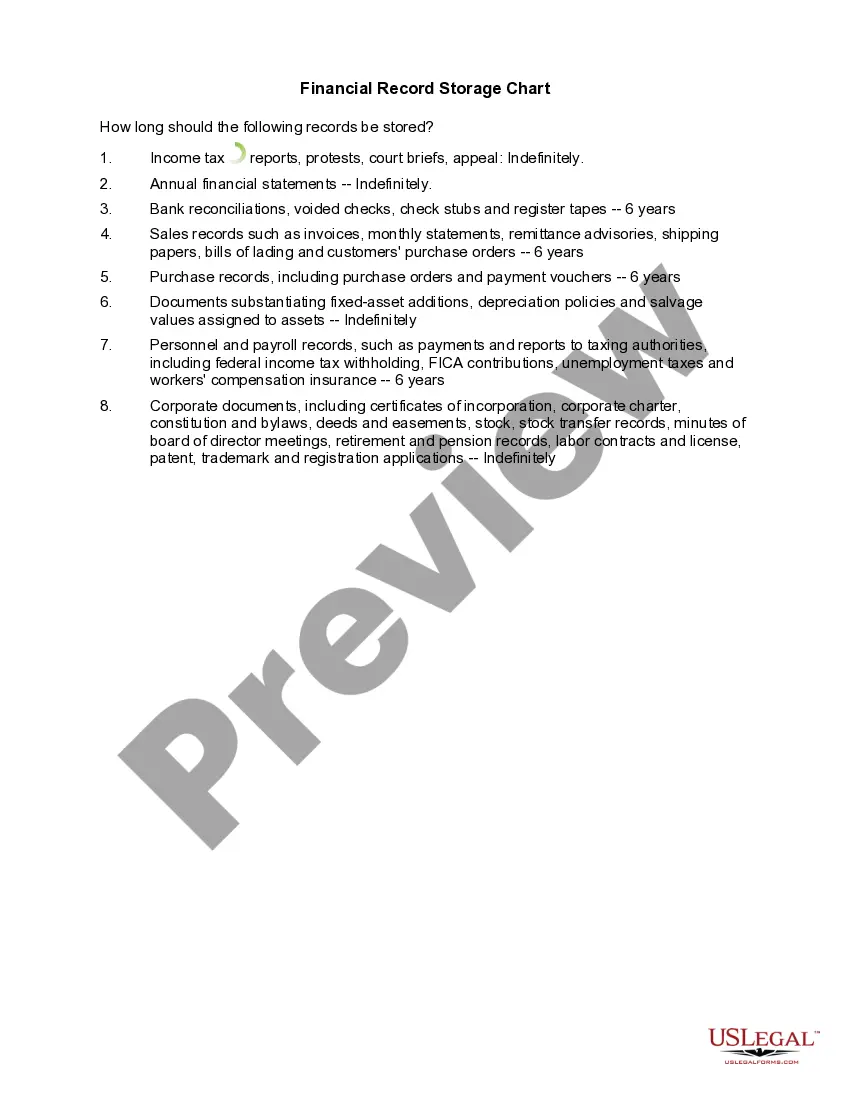
Maine Financial Record Storage Chart
Description
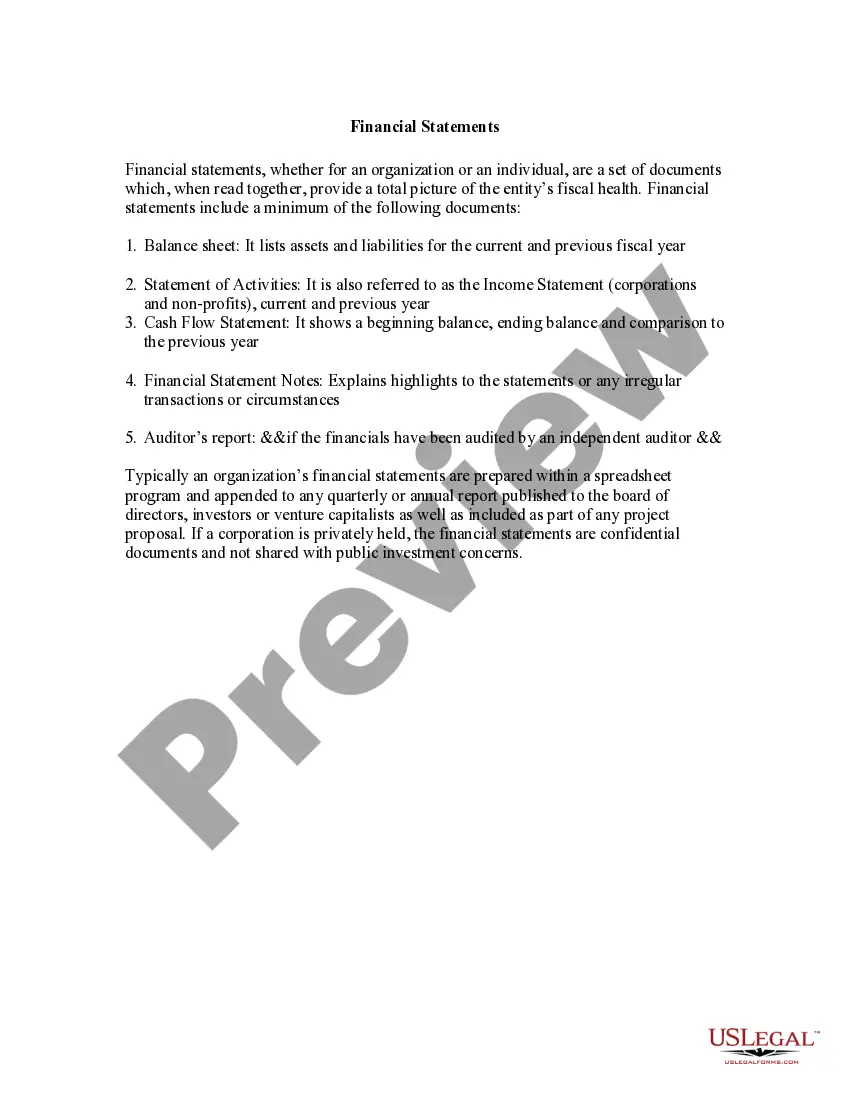
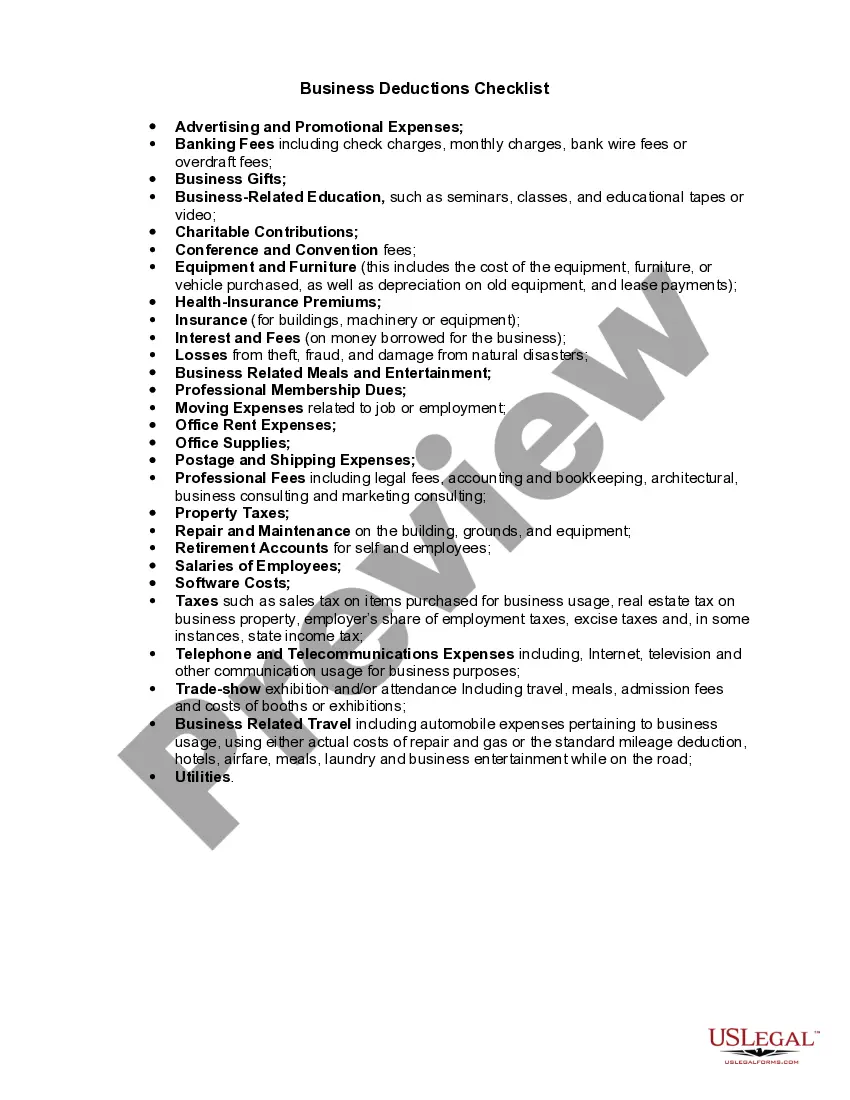
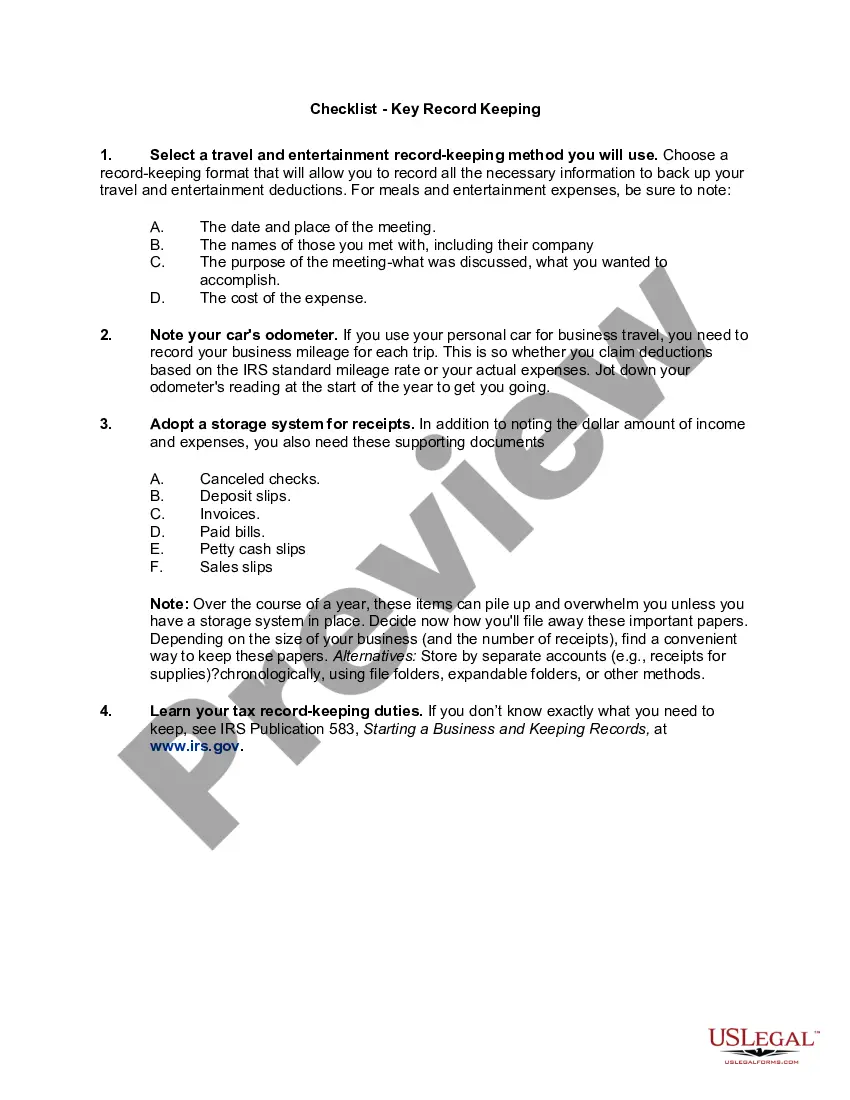
How to fill out Financial Record Storage Chart?
US Legal Forms - one of the largest repositories of legal templates in the United States - offers a selection of legal document formats that you can download or print.
By utilizing the website, you can access thousands of forms for business and personal purposes, categorized by types, states, or keywords.
You can quickly find the latest versions of forms like the Maine Financial Record Storage Chart.
Review the form description to confirm you have selected the right document.
If the form does not suit your needs, use the Search field at the top of the screen to find one that does.
- If you already have an account, Log In and download the Maine Financial Record Storage Chart from the US Legal Forms library.
- The Download button will appear on every form you view.
- You can access all previously saved forms in the My documents section of your account.
- If you are using US Legal Forms for the first time, here are some simple steps to help you get started.
- Ensure you have selected the correct form for your city/state.
- Click the Review button to assess the contents of the form.
Form popularity
FAQ
Financial documents should typically be kept for a minimum of seven years, but some records may need to be stored longer depending on specific circumstances. This duration covers potential audits and legal obligations. To effectively manage this timeline and safeguard your financial information, consider using a Maine Financial Record Storage Chart. This solution simplifies your record-keeping process and helps you avoid costly mistakes.
Generally Accepted Accounting Principles (GAAP) indicate that businesses should keep financial records for at least seven years. This period allows for audits and helps in tracking performance over time. Additionally, maintaining a Maine Financial Record Storage Chart can help you organize these records efficiently and ensure you meet legal requirements. This practice not only supports compliance but also enhances transparency.
The IRS guidelines recommend retaining documents that support income, deductions, or credits for at least three years after the tax return is filed. If you underreport your income by more than 25%, the IRS may require you to keep records for six years. For claims related to bad debt or worthless securities, keep records for seven years. Utilizing a Maine Financial Record Storage Chart can help you easily track these timelines and ensure compliance.
Guidelines for financial document retention include keeping records for the appropriate length of time based on the type of document. For example, tax records generally need to be held for at least seven years. The Maine Financial Record Storage Chart provides a comprehensive overview of these guidelines, helping you stay compliant and organized.
The business owner is responsible for the safe storage of financial records. You should ensure records are kept in a secure location and are easily retrievable when necessary. The Maine Financial Record Storage Chart can offer insights into best practices for effective record storage.
It is primarily your duty as the business owner to maintain accurate financial records. This responsibility includes ensuring that records are updated and organized regularly. Utilizing the Maine Financial Record Storage Chart can help clarify your obligations regarding record maintenance.
You should keep records such as tax returns, bank statements, and receipts for at least seven years. These documents are essential for verifying your financial activities and protecting your interests during audits. Referencing the Maine Financial Record Storage Chart can guide you on which specific records you must retain.
Typically, a designated individual within the business, such as an accountant or bookkeeper, manages the financial records. However, the ultimate responsibility lies with the owner to ensure records are maintained accurately. The Maine Financial Record Storage Chart can assist you in understanding the types of records that need to be kept.
You, as the business owner, bear the responsibility for storing financial records correctly. Proper storage ensures that records are safe, secure, and accessible when needed, such as during audits. The Maine Financial Record Storage Chart can provide you with essential guidelines for effective storage practices.
In most cases, the business owner is responsible for financial record keeping. It is vital for you to maintain accurate records to support your business operations and comply with legal obligations. Utilizing tools like the Maine Financial Record Storage Chart can help you determine what records to keep and for how long.