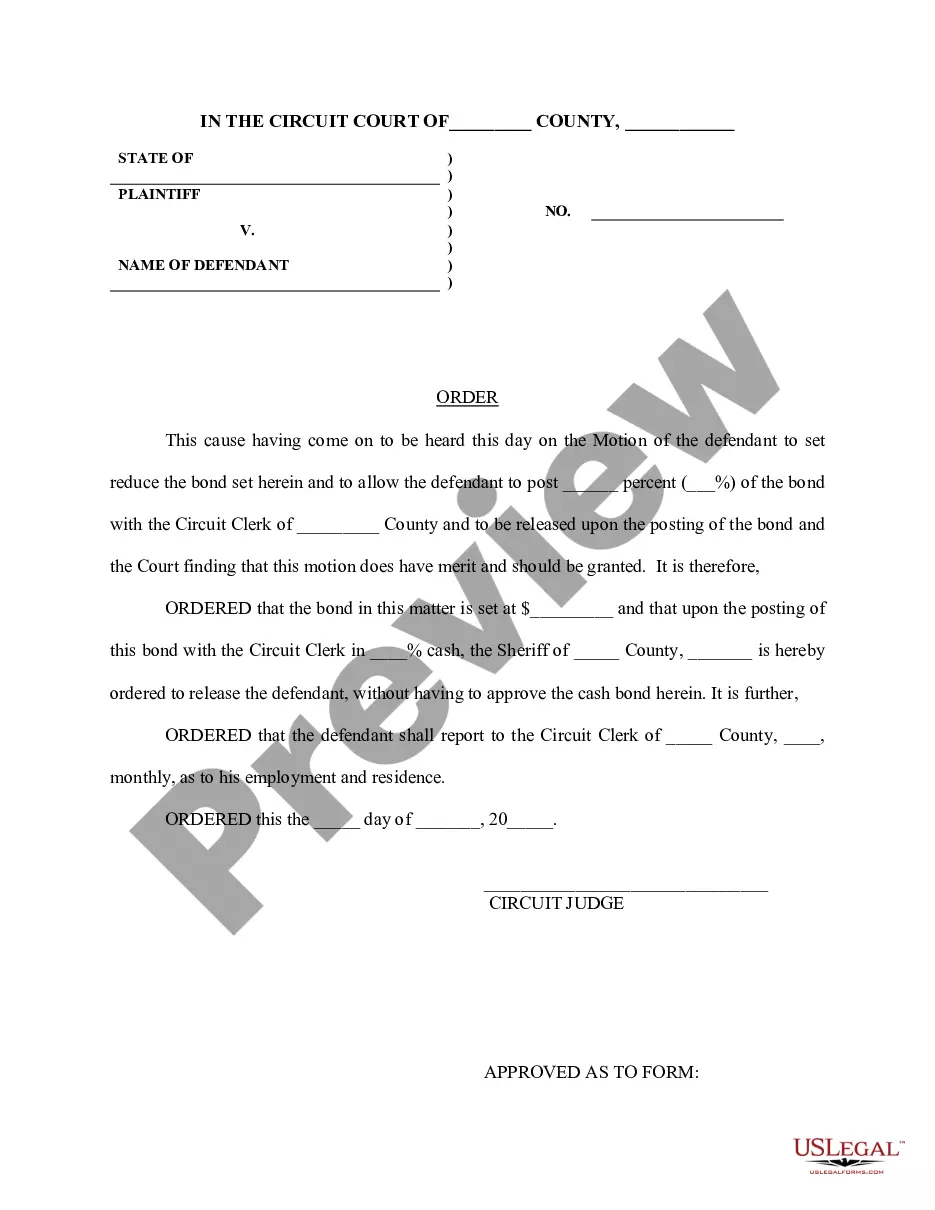
Maine Order to reduce bond
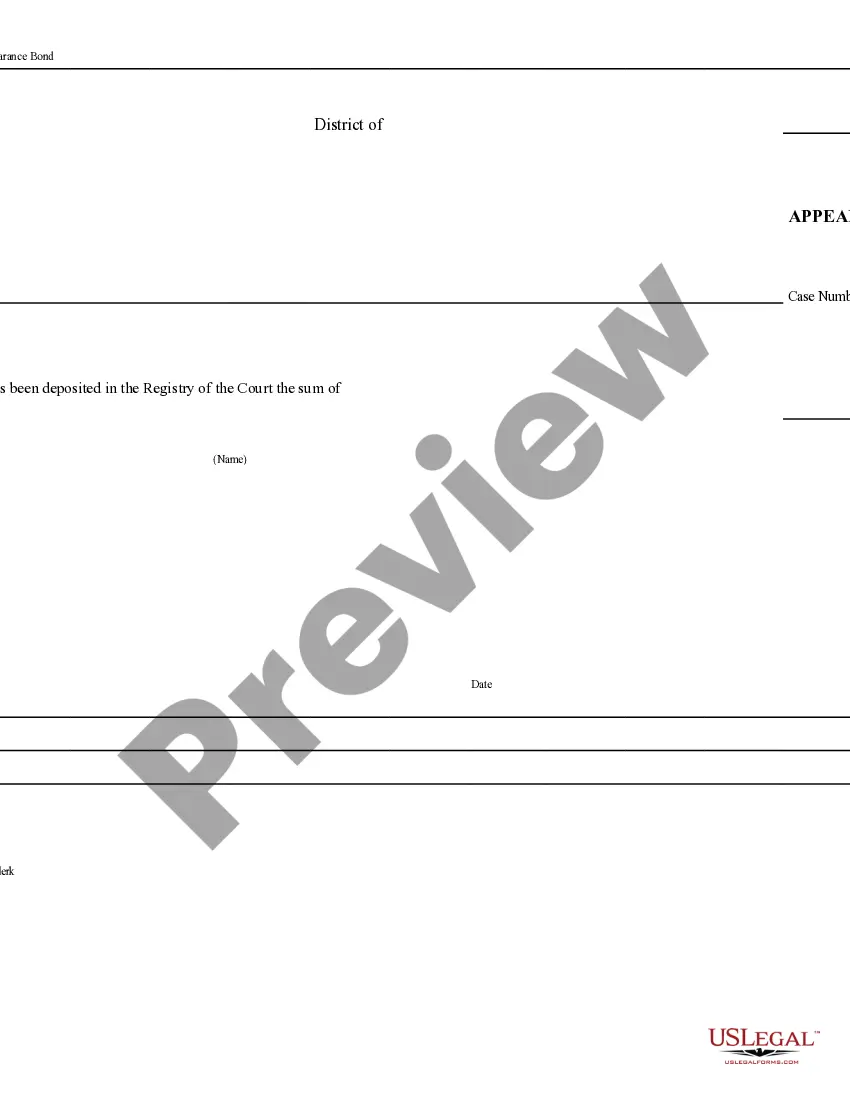
Description
Get your form ready online
Our built-in tools help you complete, sign, share, and store your documents in one place.
Make edits, fill in missing information, and update formatting in US Legal Forms—just like you would in MS Word.
Download a copy, print it, send it by email, or mail it via USPS—whatever works best for your next step.
Sign and collect signatures with our SignNow integration. Send to multiple recipients, set reminders, and more. Go Premium to unlock E-Sign.
If this form requires notarization, complete it online through a secure video call—no need to meet a notary in person or wait for an appointment.
We protect your documents and personal data by following strict security and privacy standards.

Make edits, fill in missing information, and update formatting in US Legal Forms—just like you would in MS Word.

Download a copy, print it, send it by email, or mail it via USPS—whatever works best for your next step.

Sign and collect signatures with our SignNow integration. Send to multiple recipients, set reminders, and more. Go Premium to unlock E-Sign.

If this form requires notarization, complete it online through a secure video call—no need to meet a notary in person or wait for an appointment.

We protect your documents and personal data by following strict security and privacy standards.
Looking for another form?


How to fill out Order To Reduce Bond?
Are you in a situation where you frequently require documents for both professional or personal purposes? There are numerous legitimate document templates accessible online, but locating those you can trust is challenging.
US Legal Forms provides a vast array of form templates, such as the Maine Order to reduce bond, designed to meet state and federal requirements.
If you are already familiar with the US Legal Forms website and possess an account, simply Log In. After that, you can download the Maine Order to reduce bond template.
Select a convenient file format and download your copy.
Access all the document templates you have purchased in the My documents section. You can obtain an additional copy of the Maine Order to reduce bond at any time if needed. Just click on the desired form to download or print the document template. Utilize US Legal Forms, the most extensive collection of legal forms, to save time and avoid mistakes. The service provides professionally created legal document templates that can be used for various purposes. Create an account on US Legal Forms and start making your life easier.
- If you do not have an account and wish to start using US Legal Forms, follow these steps.
- Find the form you need and ensure it is for the correct city/state.
- Utilize the Preview button to view the form.
- Read the description to make sure you have selected the correct form.
- If the form isn’t what you are looking for, use the Search field to find the form that suits your needs.
- Once you find the right form, click Purchase now.
- Choose the payment plan you prefer, fill in the required information to create your account, and finalize your order using your PayPal or credit card.
Form popularity
FAQ
If you've been arrested and charged with Violations of Conditions of Release, you'll be held without bail until you can be brought before a judge. In most cases, the District Attorney will argue for forfeiture of your bail and that you subsequently be held without bail.
In Massachusetts, a motion to suppress is a way to exclude evidence that the police got illegally. If you win a motion to suppress, the Commonwealth cannot introduce the illegal evidence at trial. Sometimes, that means the case is dismissed.
Rule 41A - Motion to Suppress Evidence (a) Grounds of Motion. A defendant may move to suppress as evidence any of the following, on the ground that it was illegally obtained: (1) property; (2) statements of the defendant; (3) test results; (4) out-of-court or in-court eyewitness identifications of the defendant.
Upon motion by the attorney for the State or the defendant and after notice and upon a showing of changed circumstances or upon the discovery of new and significant information, the court may amend the bail order to relieve the defendant of any condition of release, modify the conditions imposed or impose further ...
A motion in limine asks the Court to decide whether specific evidence can be used at trial. Under Federal Rule of Civil Procedure 59(e), after entry of judgment, either party may file a motion to alter or amend the judgment if the party believes a mistake was made in the judgment that could be corrected by changing it.
Rule 303 - Presumptions in Criminal Cases (a) Scope. This rule governs the application of statutory and common law presumptions, including statutory provisions that certain facts are prima facie evidence of other facts or of guilt in criminal cases.
The judge may set both the bail type and amount as well as any bail conditions to be imposed. If this occurs, the bail commissioner must follow the order of the judge and execute the bail documents in ance with the judge's order.
Rule 41A - Motion to Suppress Evidence (a) Grounds of Motion. A defendant may move to suppress as evidence any of the following, on the ground that it was illegally obtained: (1) property; (2) statements of the defendant; (3) test results; (4) out-of-court or in-court eyewitness identifications of the defendant.