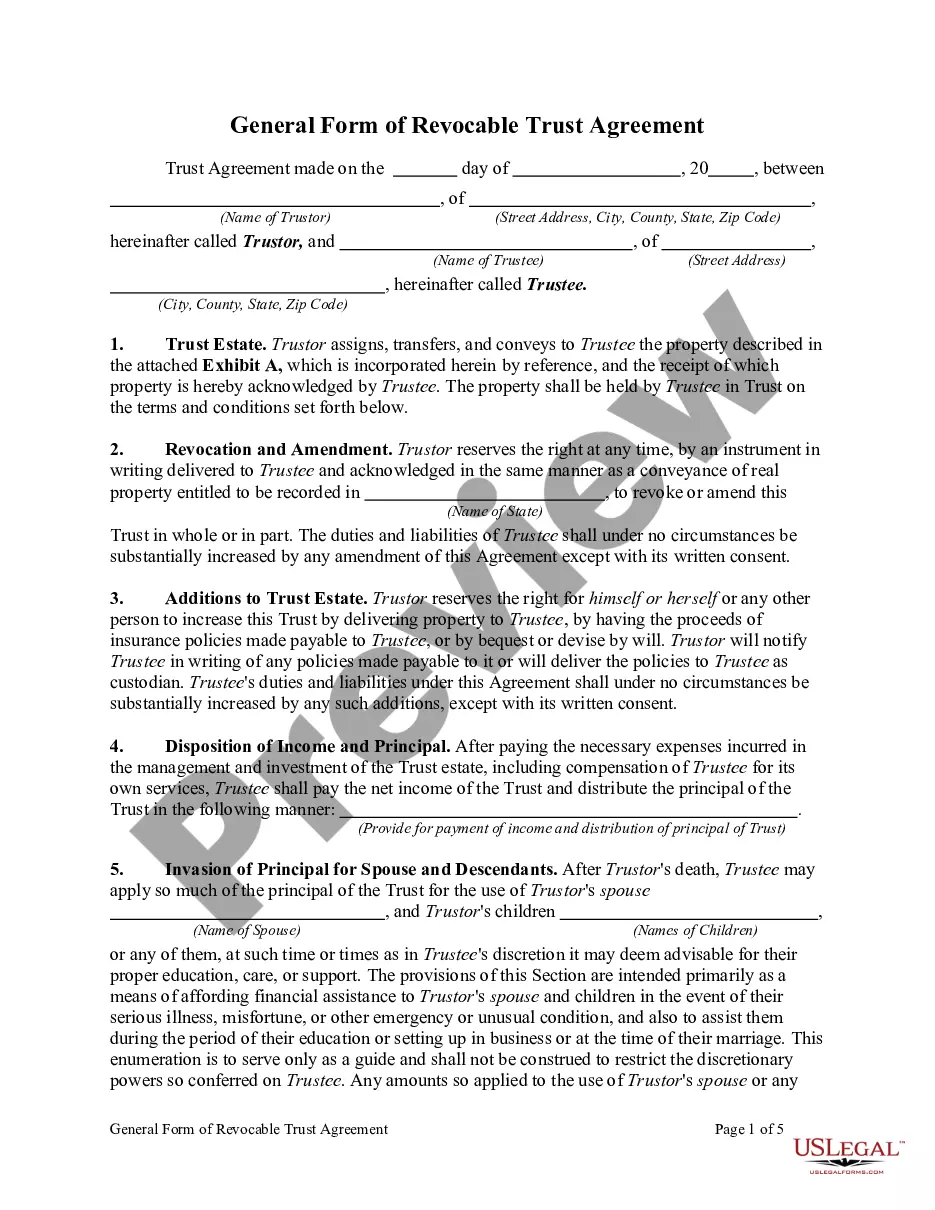
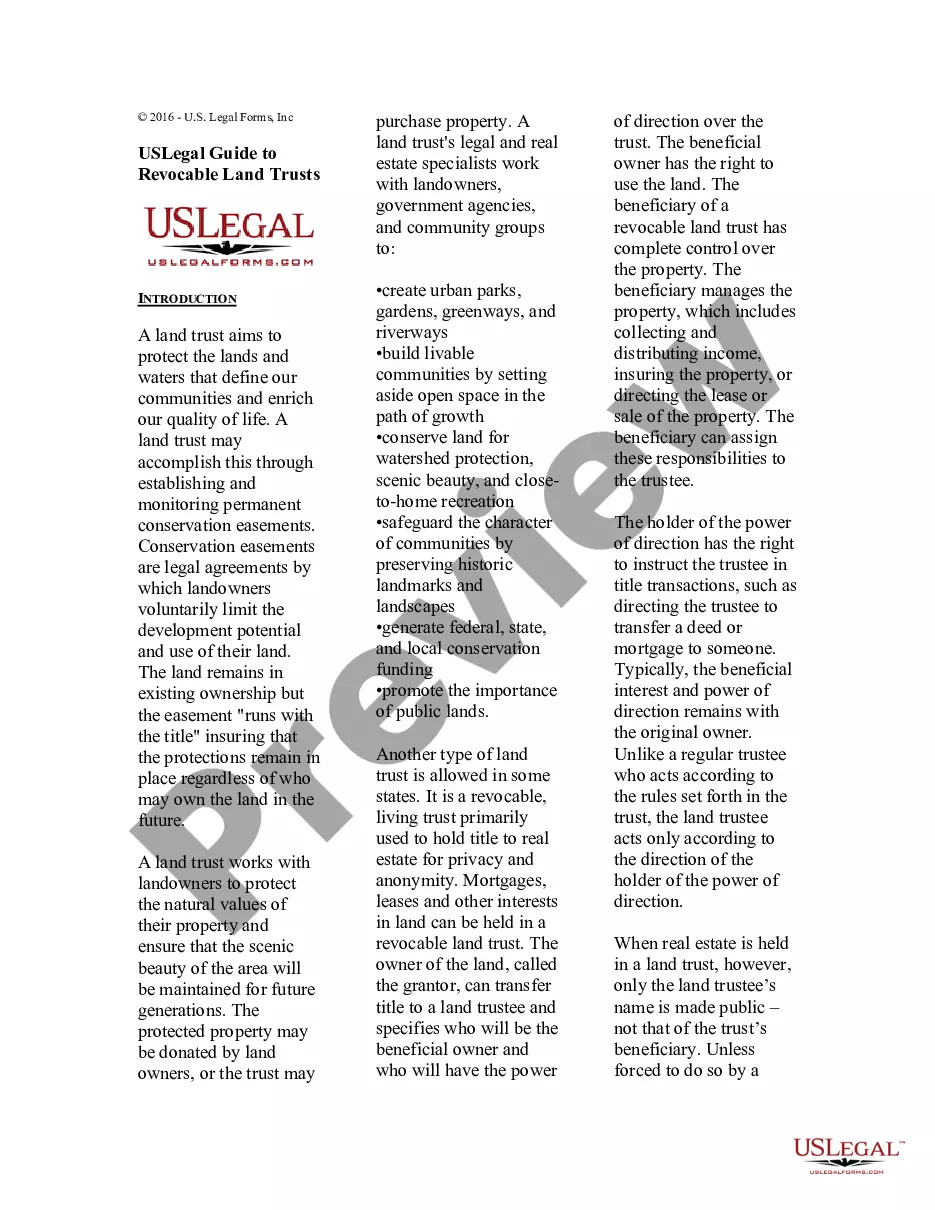
Maine Revocable Living Trust for House
Description
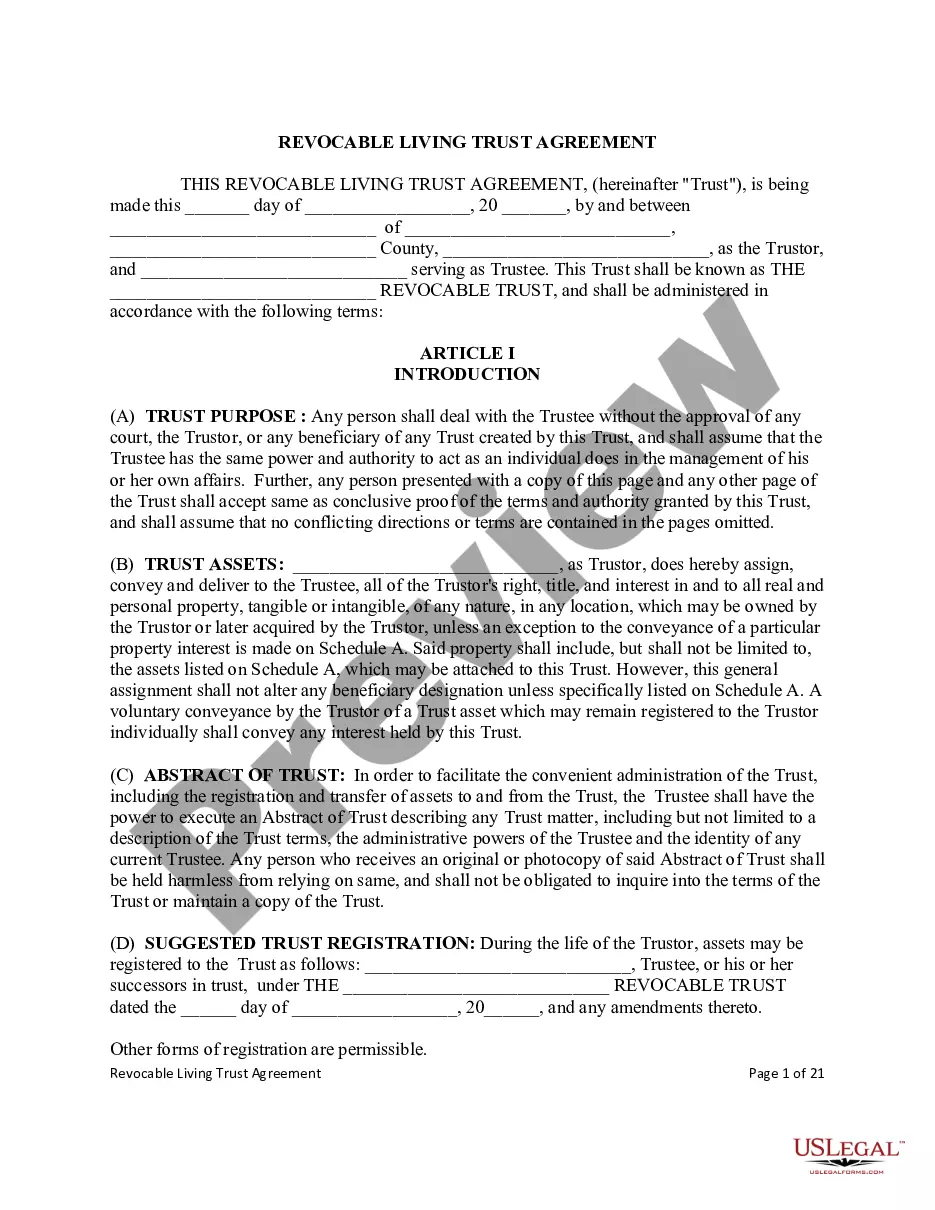
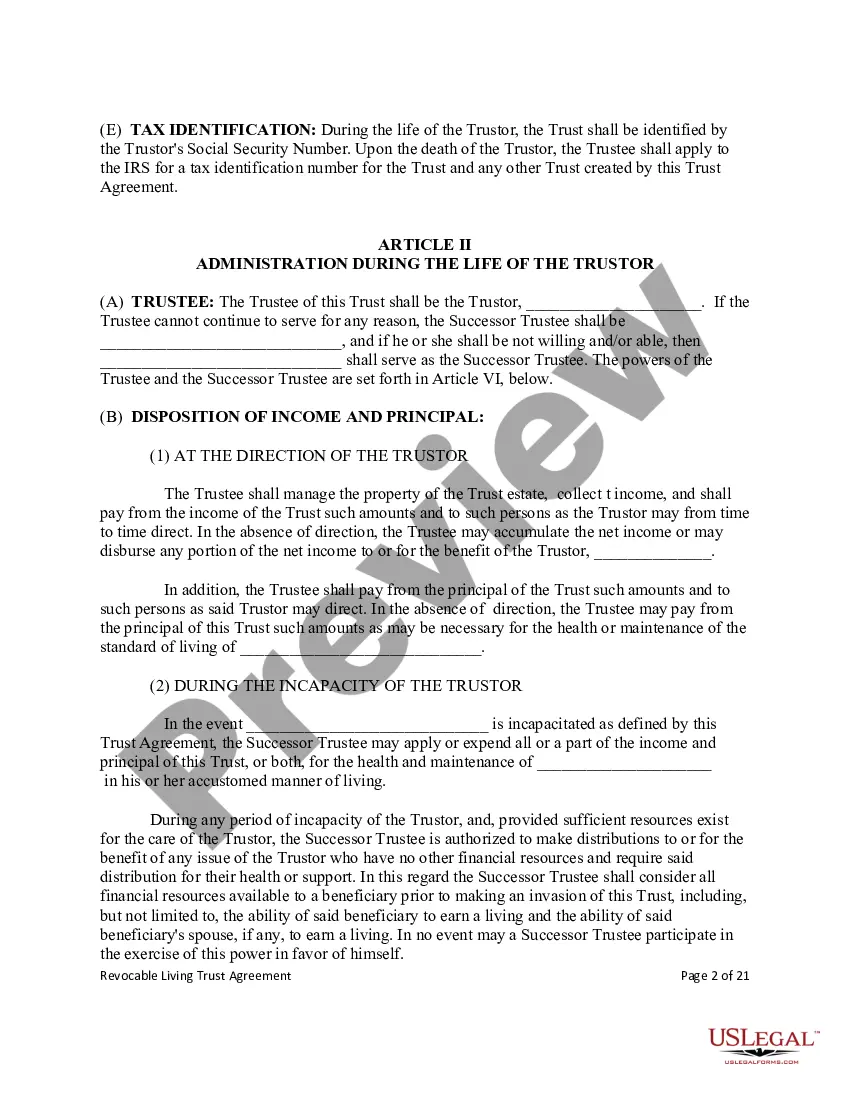
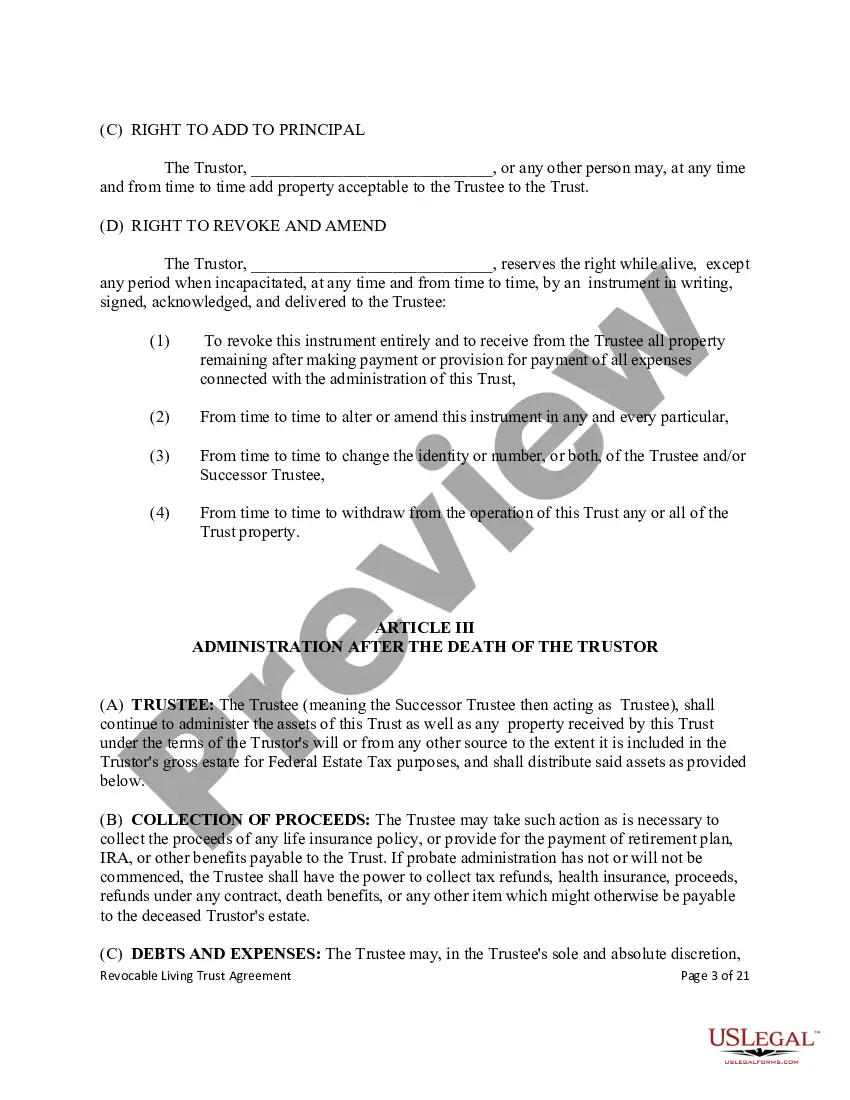
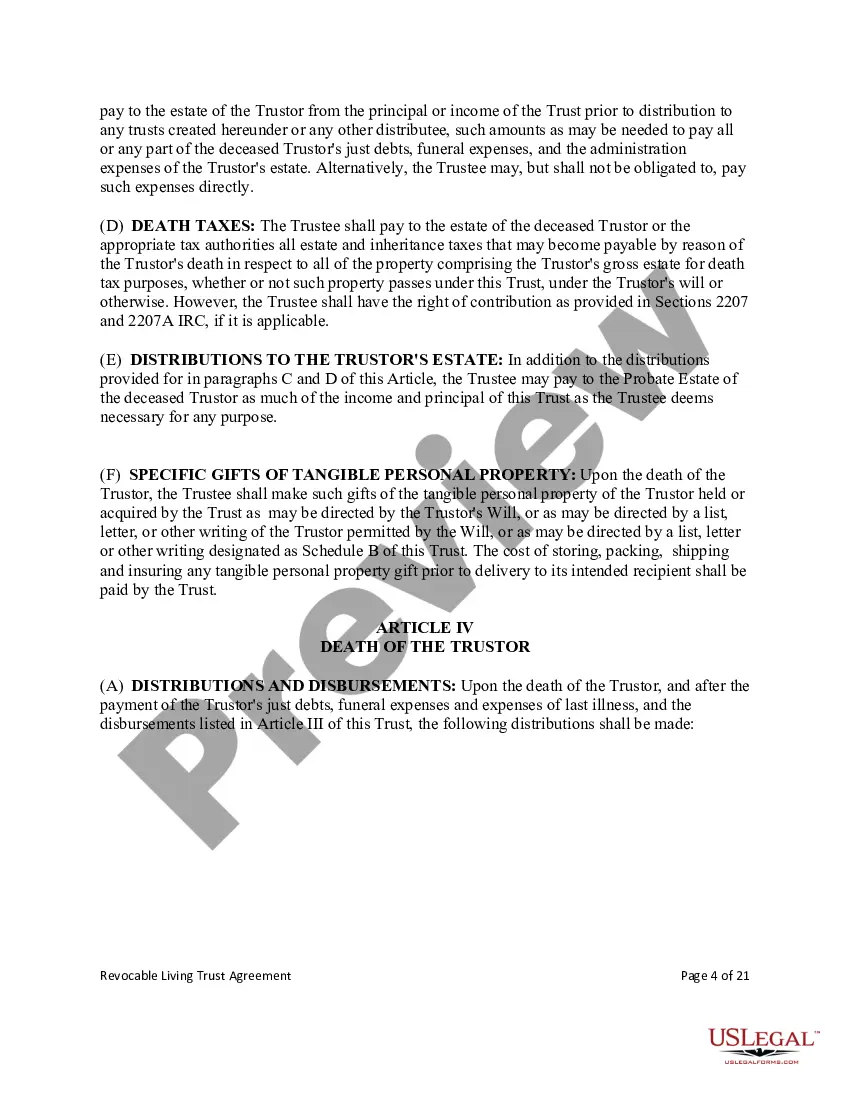
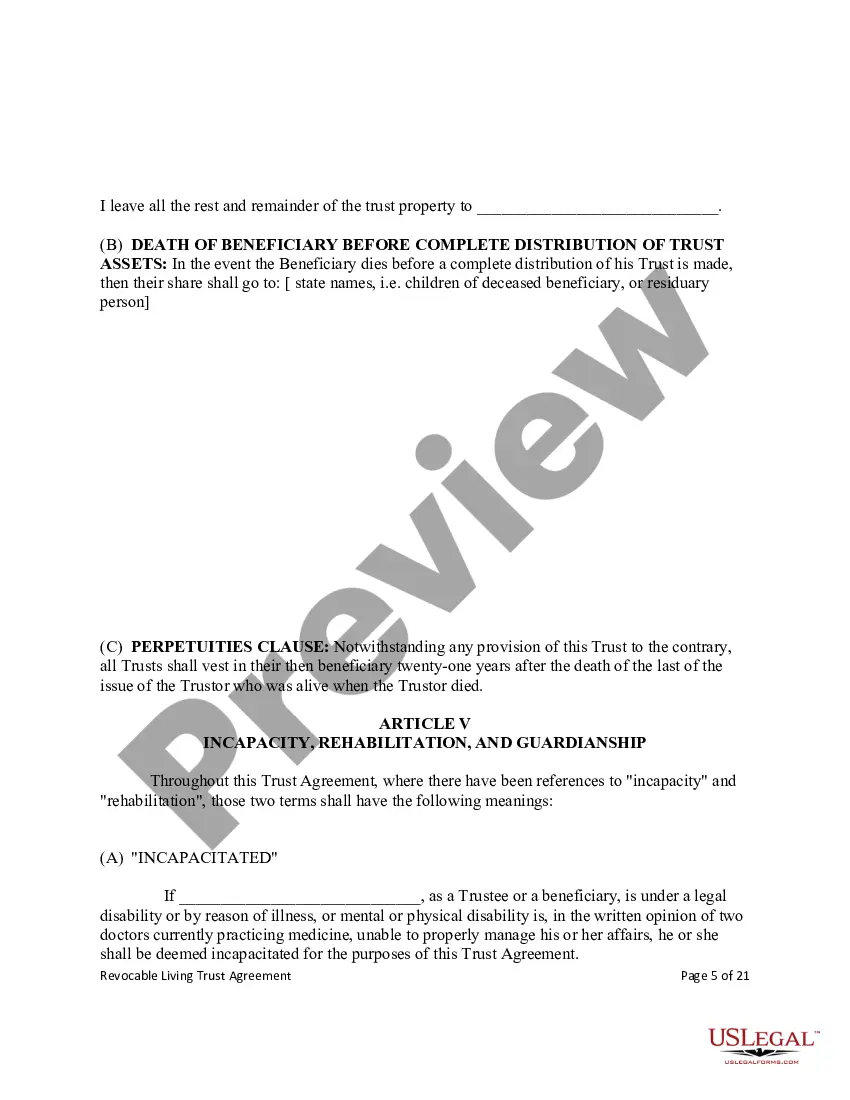
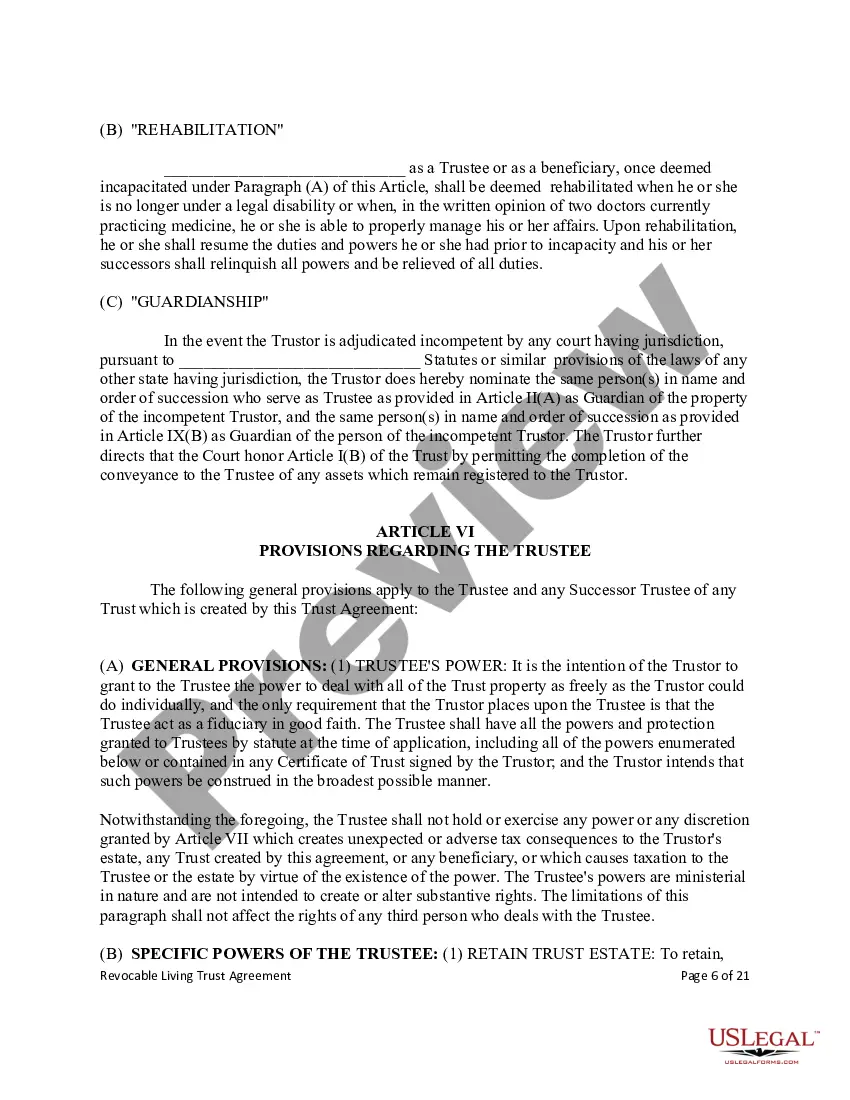
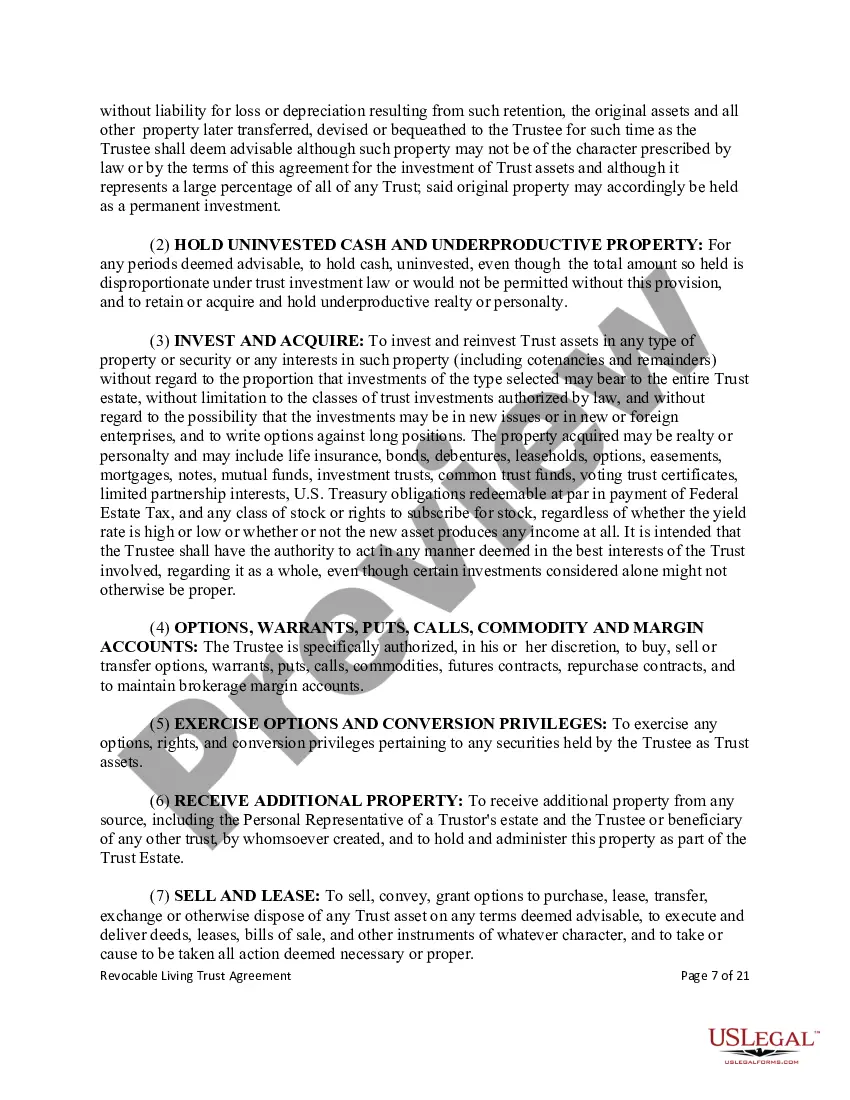
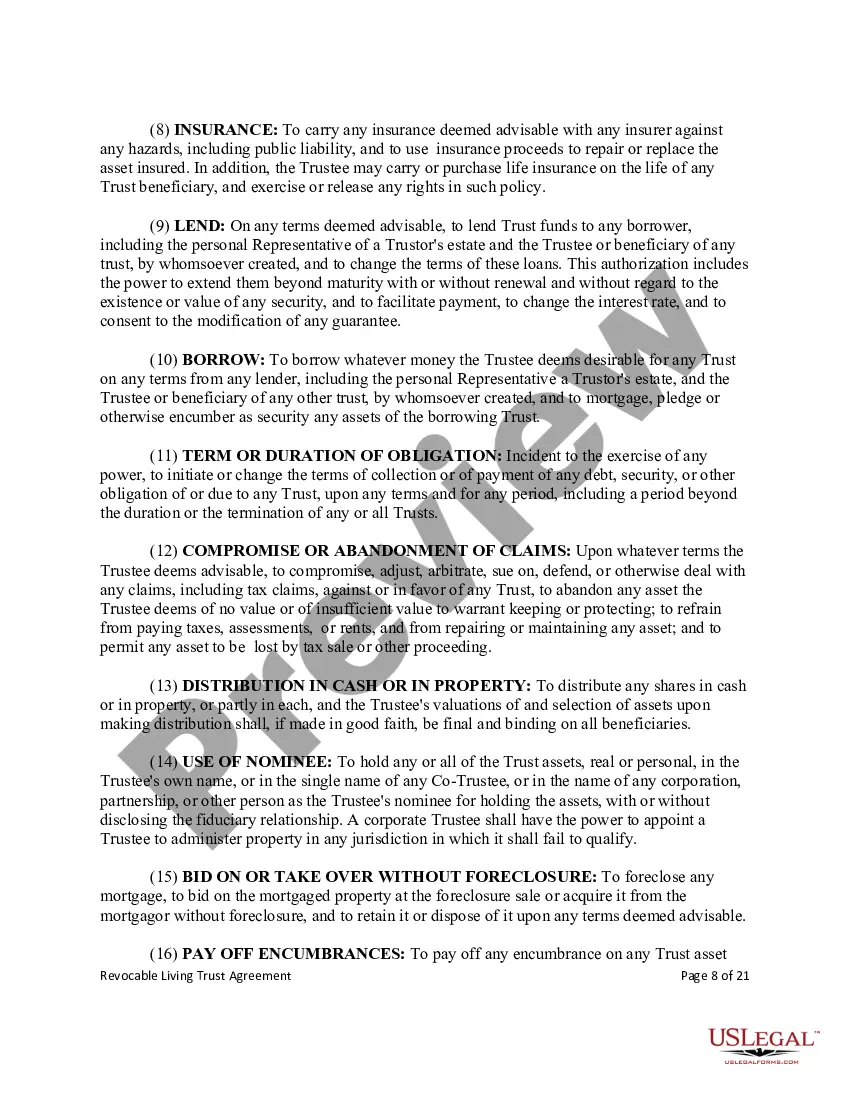
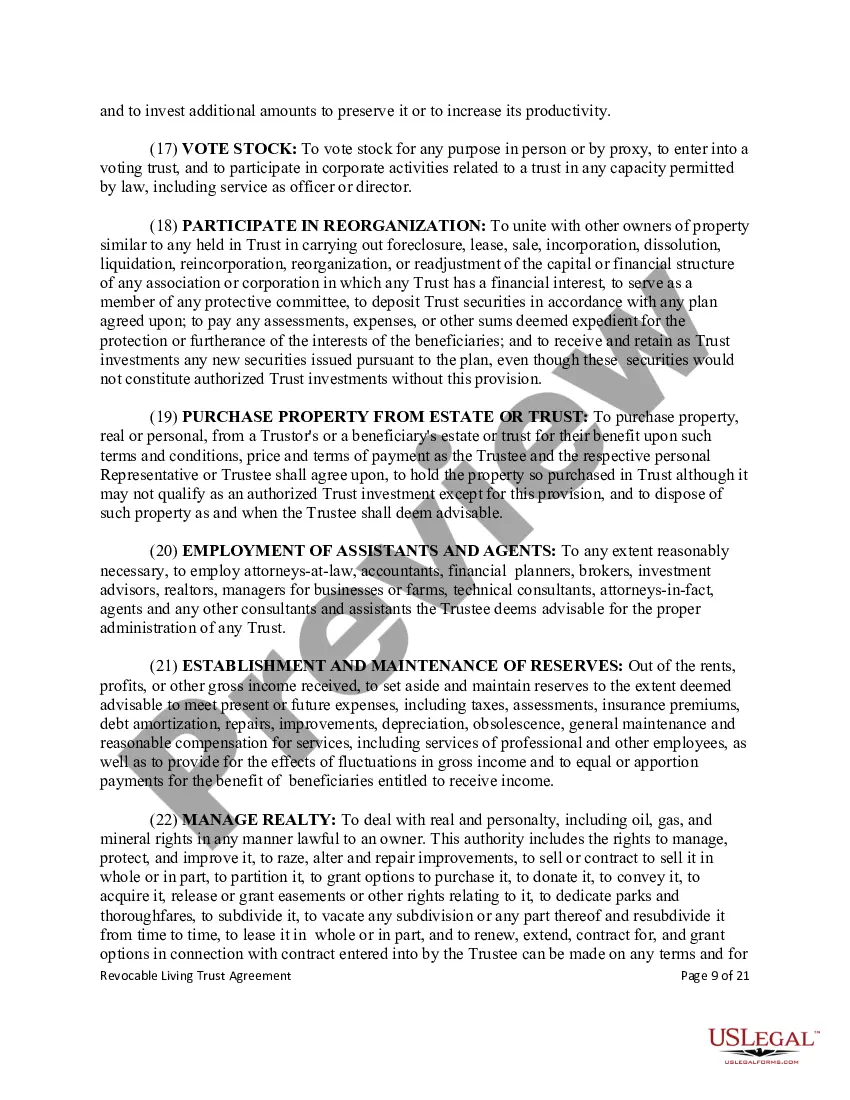
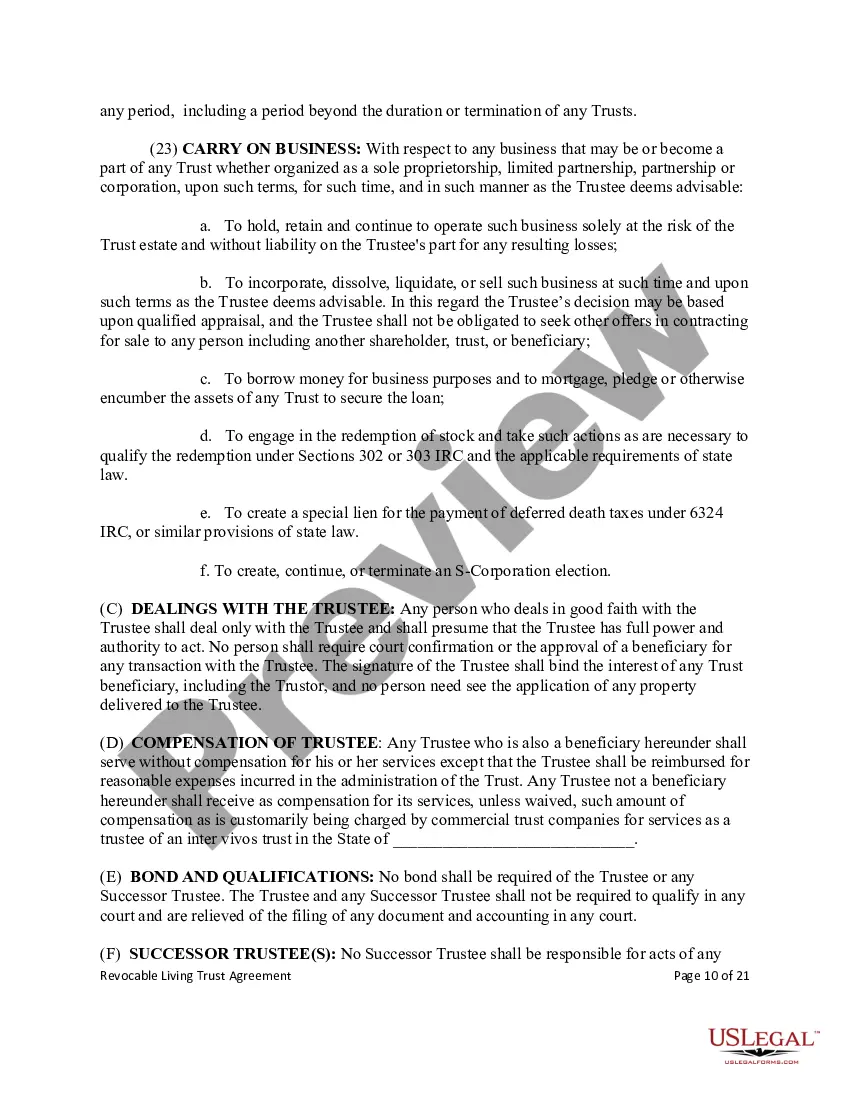

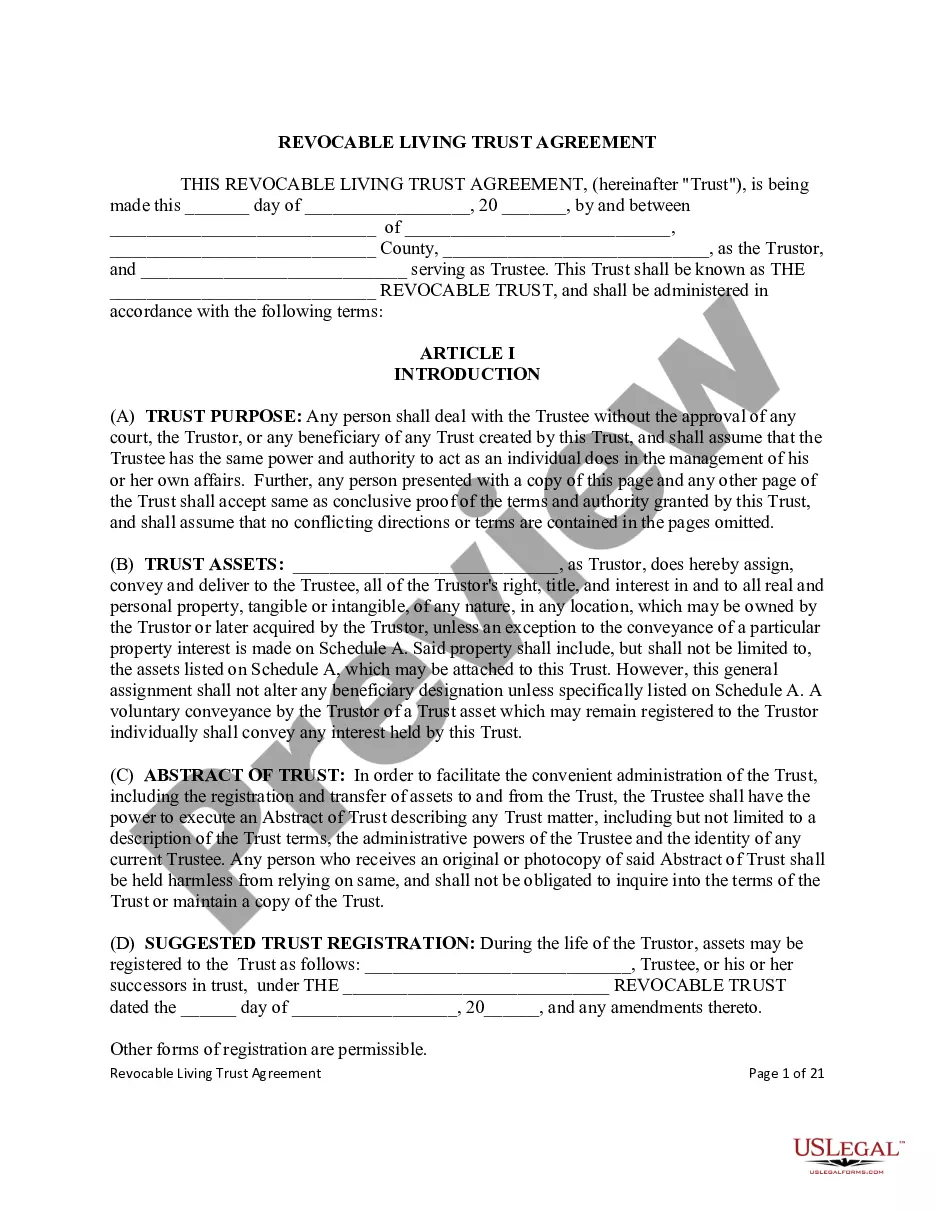
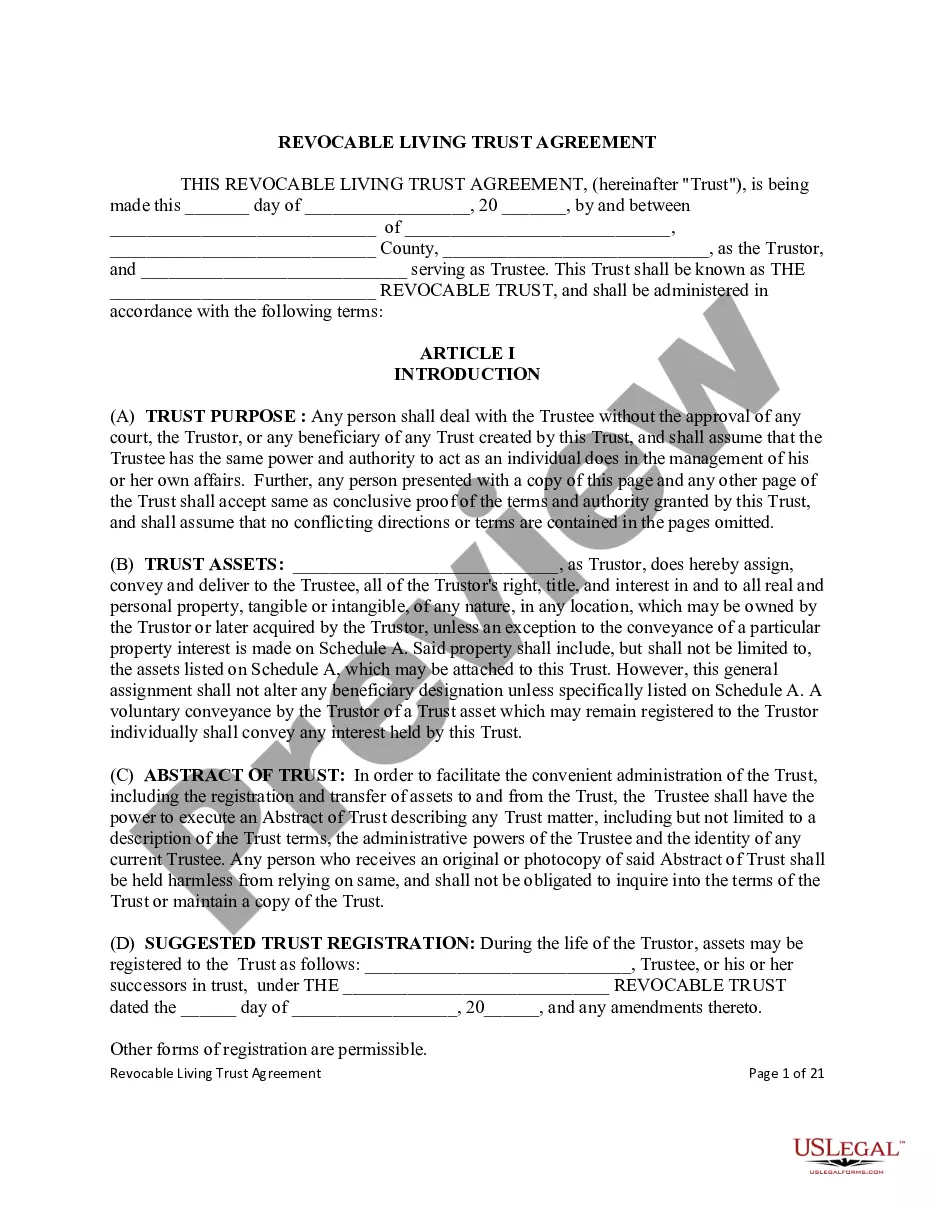
Get your form ready online
Our built-in tools help you complete, sign, share, and store your documents in one place.
Make edits, fill in missing information, and update formatting in US Legal Forms—just like you would in MS Word.
Download a copy, print it, send it by email, or mail it via USPS—whatever works best for your next step.
Sign and collect signatures with our SignNow integration. Send to multiple recipients, set reminders, and more. Go Premium to unlock E-Sign.
If this form requires notarization, complete it online through a secure video call—no need to meet a notary in person or wait for an appointment.
We protect your documents and personal data by following strict security and privacy standards.

Make edits, fill in missing information, and update formatting in US Legal Forms—just like you would in MS Word.

Download a copy, print it, send it by email, or mail it via USPS—whatever works best for your next step.

Sign and collect signatures with our SignNow integration. Send to multiple recipients, set reminders, and more. Go Premium to unlock E-Sign.

If this form requires notarization, complete it online through a secure video call—no need to meet a notary in person or wait for an appointment.

We protect your documents and personal data by following strict security and privacy standards.
Looking for another form?
How to fill out Revocable Living Trust For House?
Locating the appropriate legal document template can be quite challenging.
Of course, there are numerous templates accessible online, but how do you find the legal form you require.
Utilize the US Legal Forms website. This service offers thousands of templates, including the Maine Revocable Living Trust for Property, which you can use for both business and personal purposes.
You can review the form using the Review button and read the form description to confirm it is suitable for you.
- All forms are vetted by experts and comply with state and federal regulations.
- If you are already registered, Log In to your account and click on the Download button to access the Maine Revocable Living Trust for Property.
- Use your account to browse through the legal forms you have previously ordered.
- Visit the My documents tab in your account to retrieve another copy of the document you need.
- If you are a new customer of US Legal Forms, here are simple instructions for you to follow.
- First, ensure you have selected the correct form for your city/region.
Form popularity
FAQ
Yes, you can transfer your property into a trust despite having a mortgage. When using a Maine Revocable Living Trust for House, make sure the mortgage remains in your name to avoid complications. It’s advisable to consult with your lender during this process to ensure compliance with their policies.
Yes, you can place your house in a Maine Revocable Living Trust for House even if you have a mortgage. However, you need to notify your lender of this change. The trust won't eliminate your mortgage obligations, but it can help manage the property after your passing.
To place your home in a Maine Revocable Living Trust, start by drafting the trust agreement, ideally with the help of a qualified attorney. Once drafted, you will need to execute a new deed transferring ownership of the property from your name to the trust. Following this, update any relevant documents, such as your homeowners insurance, to reflect the trust as the new owner, ensuring smooth management of the property.
While a Maine Revocable Living Trust for your house offers many benefits, there are some potential downsides. You may incur costs associated with setting up and maintaining the trust, including attorney fees and potential tax implications. Additionally, you lose direct control over the property once it is placed in the trust, which can complicate decisions regarding its management.
To set up a Maine Revocable Living Trust for your house, begin by choosing a reliable trustee who will manage the trust's assets. Next, transfer the title of your property into the trust's name, effectively protecting it from state claims. It's advisable to consult a legal expert for guidance tailored to your situation to ensure compliance with state laws and to maximize your estate planning benefits.
If you have a Maine revocable living trust for house ownership, your home is generally protected from nursing home claims while you're alive. However, if you require long-term care and apply for Medicaid, the state may consider the value of your trust assets during the eligibility process. It is advisable to discuss this scenario with a legal expert to explore your options and ensure your financial security.
Placing your house in a Maine revocable living trust can simplify the management of your assets and enhance your estate planning. A revocable trust allows you to change or dissolve the trust at any time, giving you flexibility and control. Additionally, it helps beneficiaries inherit your property faster, without the delays and costs associated with probate.
To place your house in a Maine revocable living trust, you start by creating the trust document, which outlines the terms and conditions of the trust. After establishing the trust, you will need to execute a deed that transfers your property into the trust's name. It's essential to consult with a legal professional familiar with Maine laws to ensure all steps are completed correctly and your trust operates as intended.