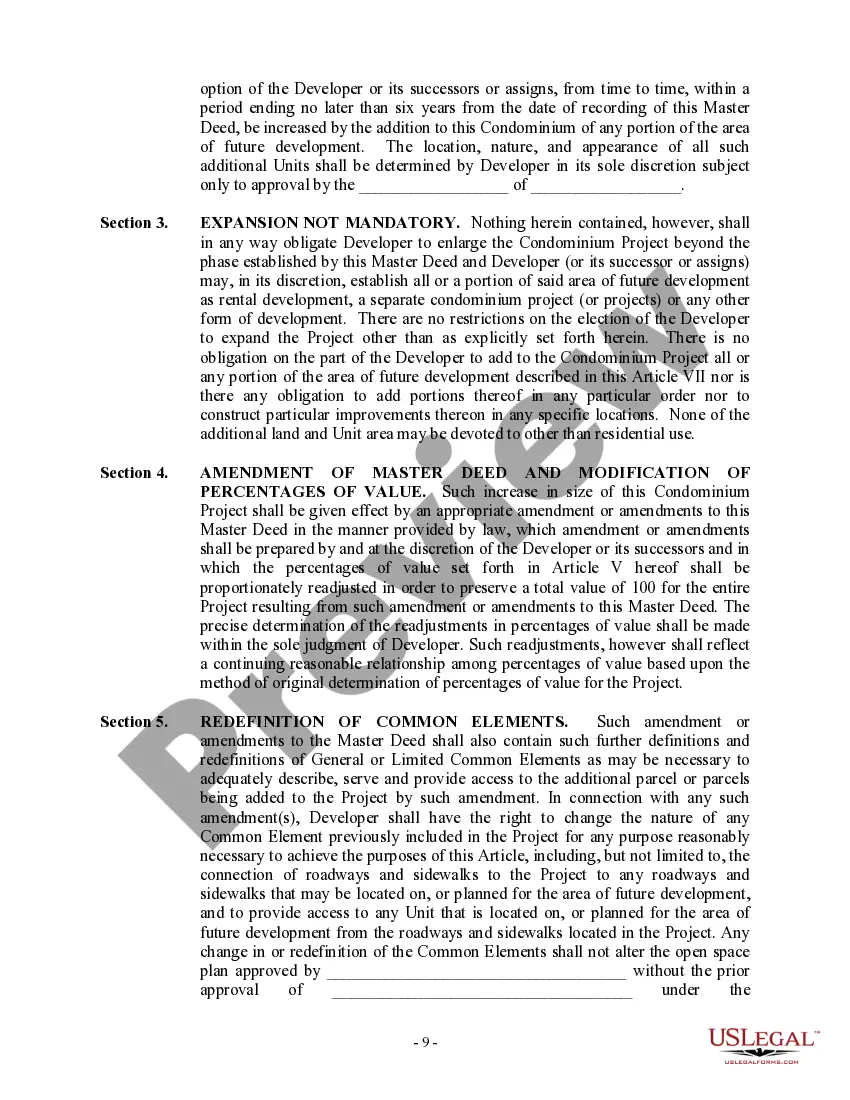
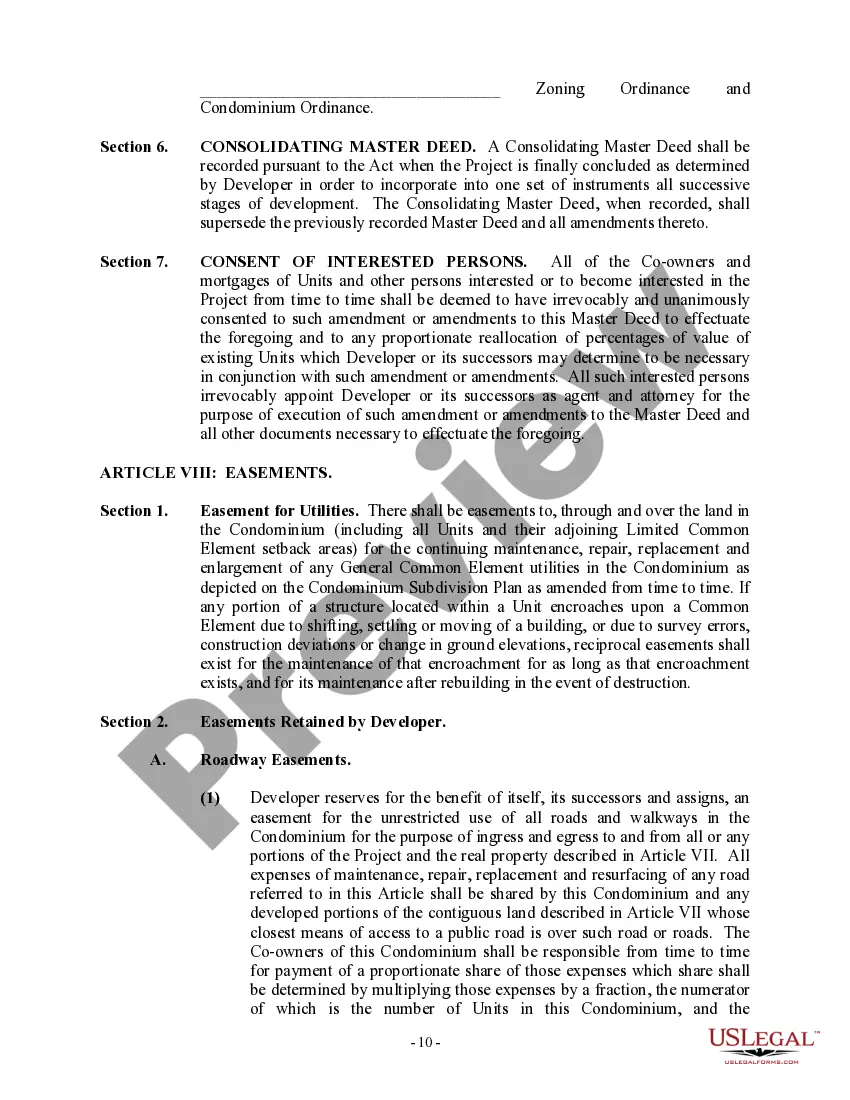
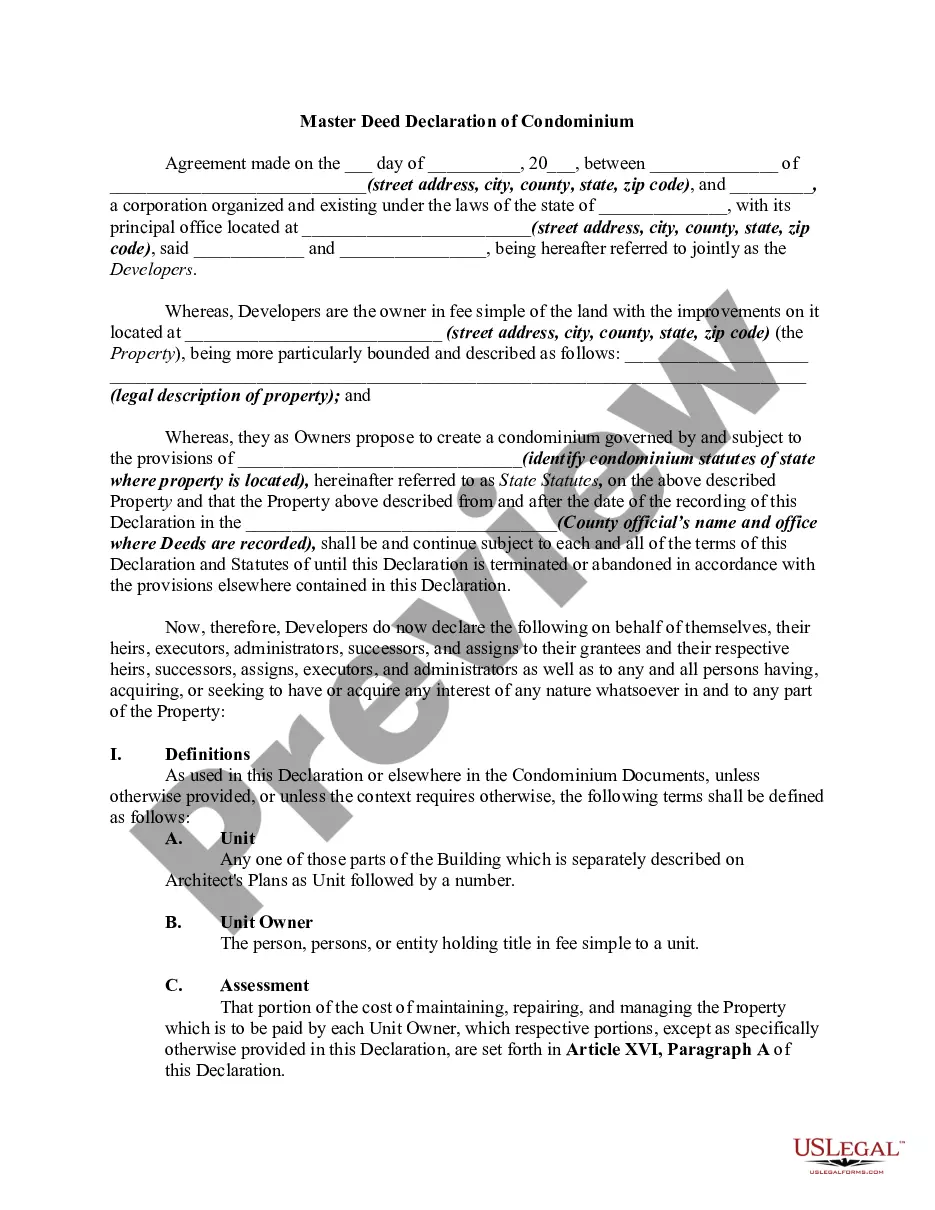
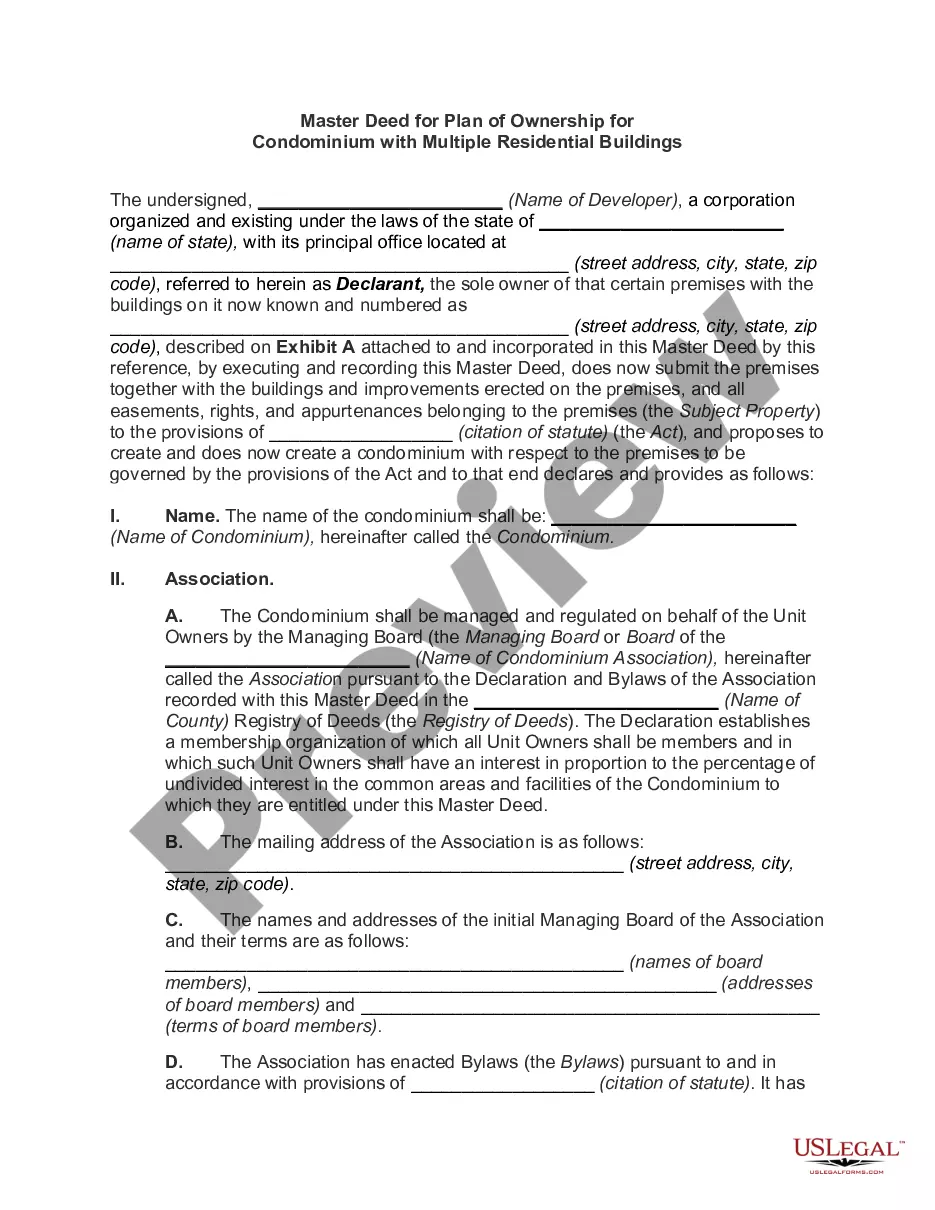
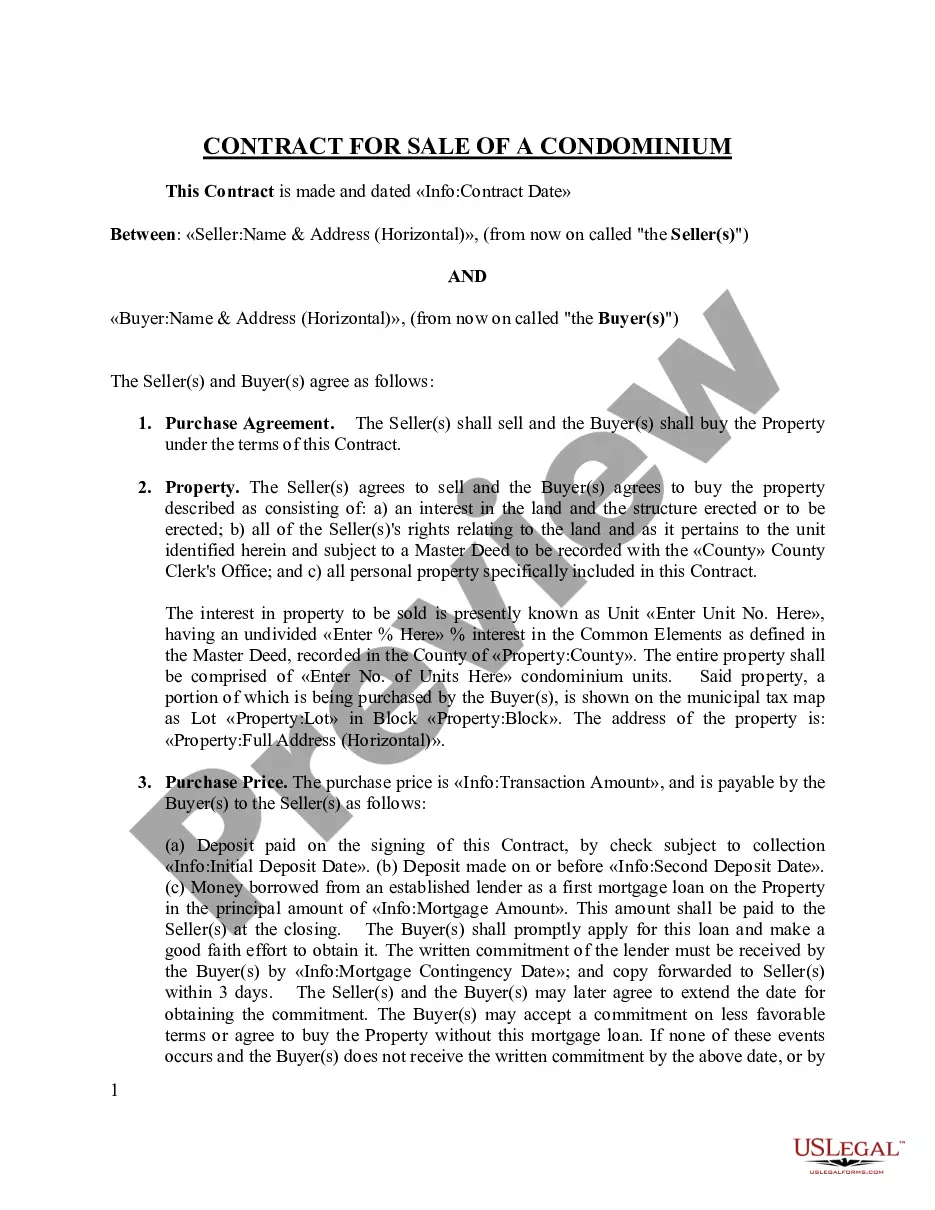
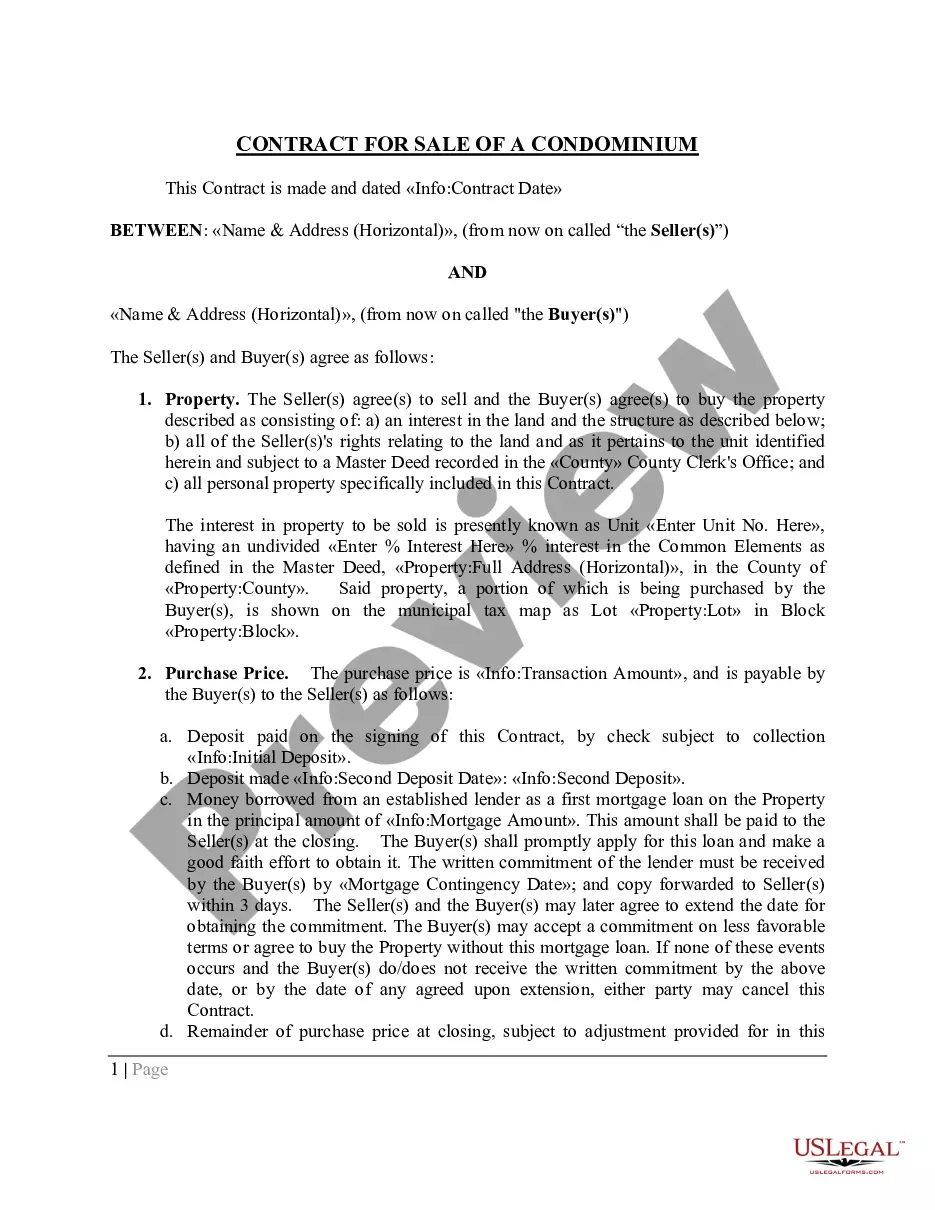
This form is a Master Deed. This Master Deed is executed by a developer pursuant to the provisions of the Condominium Act. The deed contains a legal description of the project and the responsibilities of the co-owner.
Maine Condominium Master Deed - Residential Condo Development
Instant download
Description
Free preview

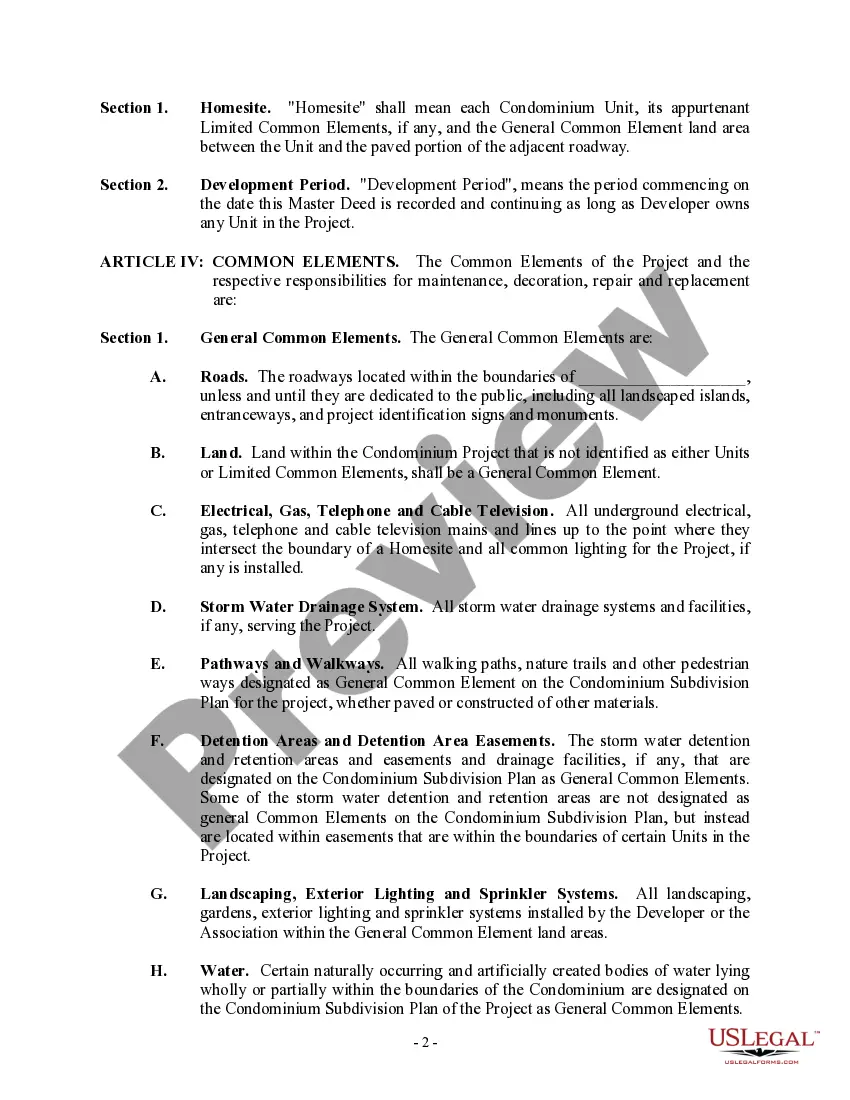
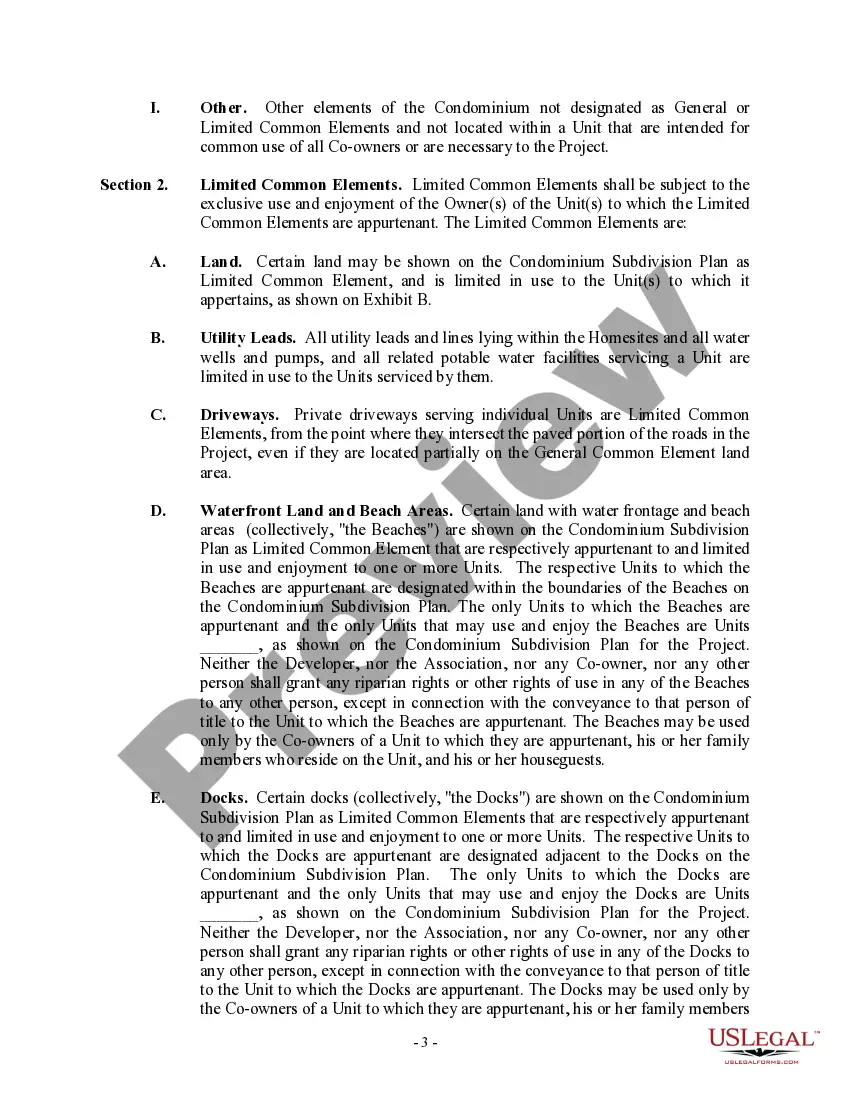
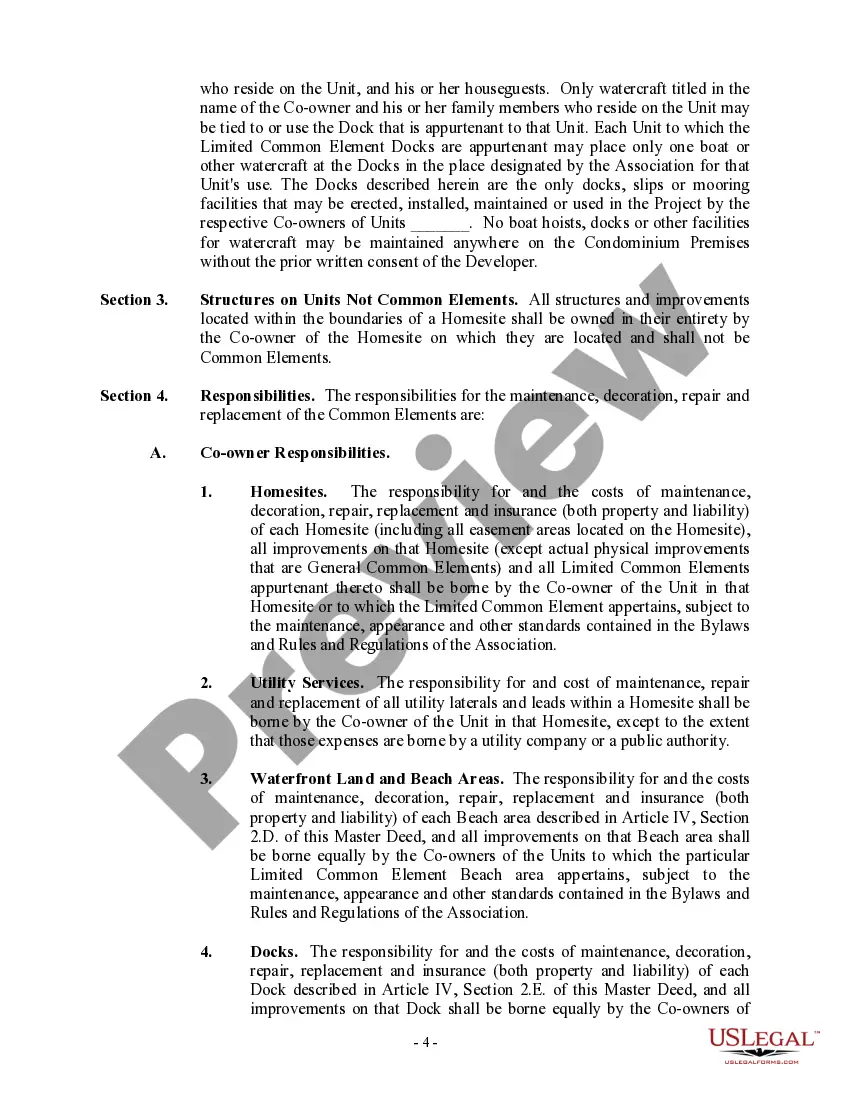
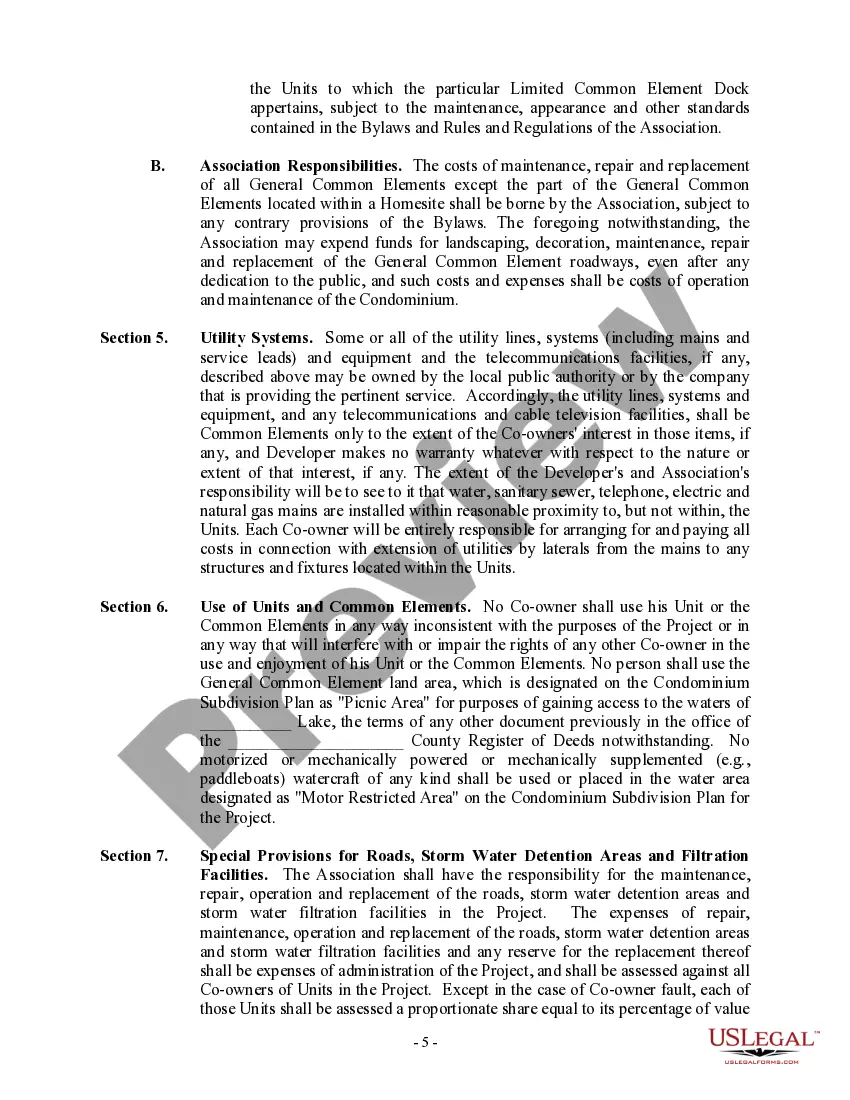
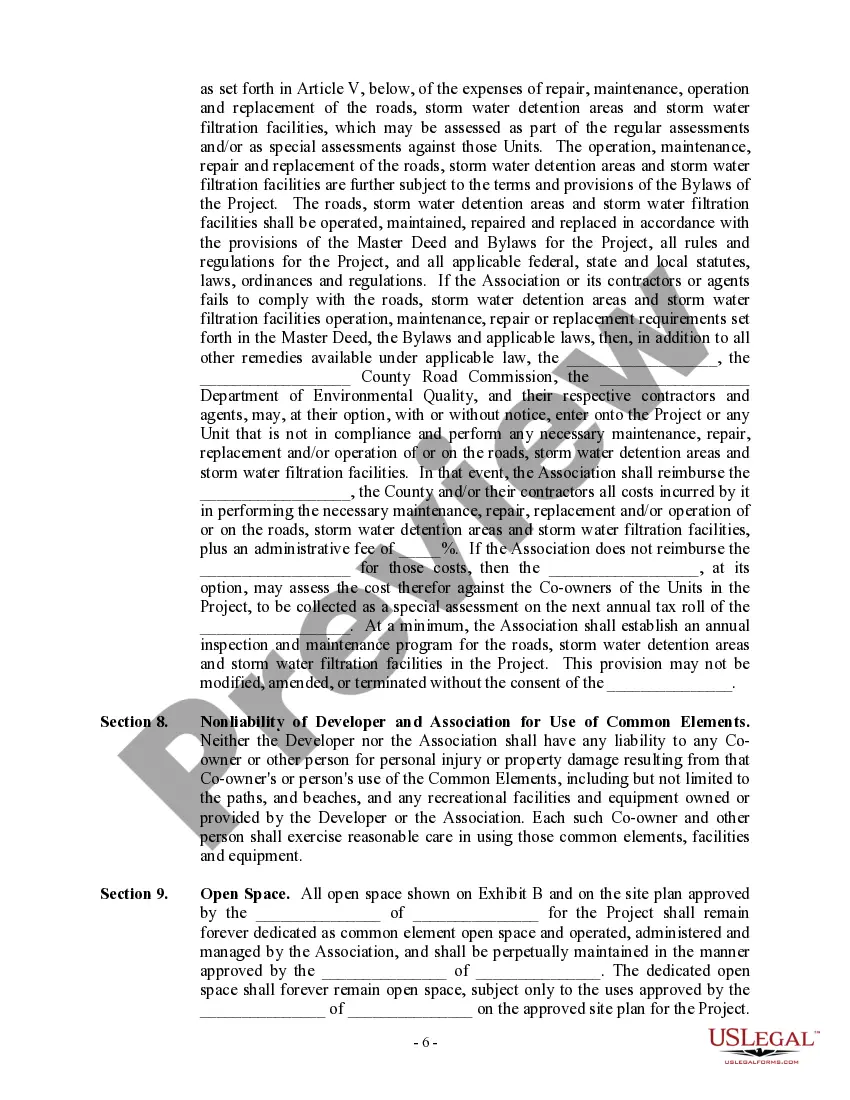
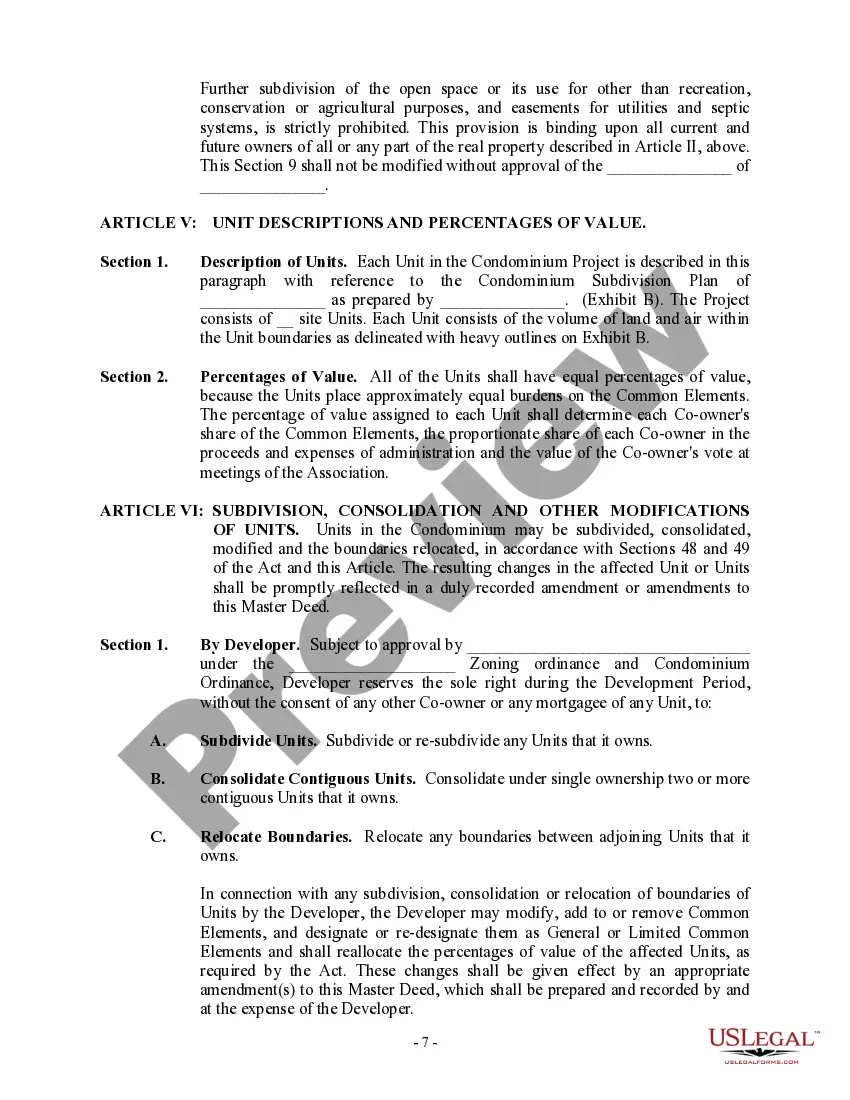
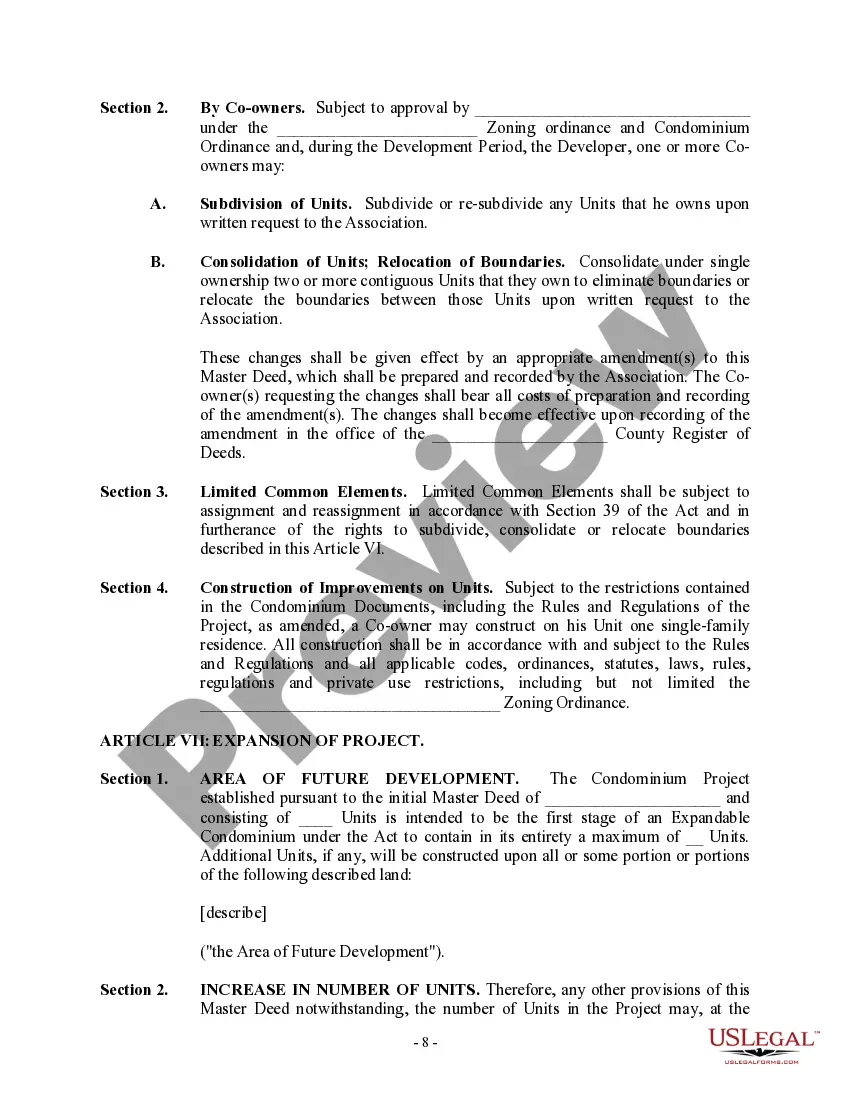


How to fill out Condominium Master Deed - Residential Condo Development?
Locating the correct legal document format can be a real challenge. Obviously, there are numerous templates available online, but how do you find the legal form you need? Utilize the US Legal Forms website. The service offers a vast array of templates, such as the Maine Condominium Master Deed - Residential Condo Development, which can be employed for both business and personal purposes. All of the forms are verified by experts and comply with federal and state regulations.
If you are already registered, Log In to your account and click the Download button to obtain the Maine Condominium Master Deed - Residential Condo Development. Use your account to review the legal forms you have previously acquired. Visit the My documents section of your account and retrieve another copy of the document you need.
If you are a new user of US Legal Forms, here are simple instructions that you can follow: First, make sure you have selected the correct form for your city/state. You can review the form using the Review button and read the form description to ensure this is suitable for you. If the form does not meet your needs, utilize the Search field to find the appropriate form. Once you are confident that the form is suitable, click the Get now button to acquire the form. Choose the pricing plan you want and enter the required information. Create your account and pay for the order using your PayPal account or credit card. Select the file format and download the legal document format to your device. Complete, edit, print, and sign the obtained Maine Condominium Master Deed - Residential Condo Development.
- US Legal Forms is the largest collection of legal forms where you can find numerous document templates.
- Utilize the service to download properly crafted documents that comply with state regulations.
- Navigate through various categories to find the forms you need.
- Access your account to manage your previously downloaded forms.
- Ensure that the forms are suitable for your specific legal circumstances.
- Take advantage of customer support if you encounter any issues.
Form popularity
FAQ
Massachusetts law recognizes three types of deeds, each of which provides varying levels of protection for buyers and sellers. These three types are warranty deeds, quitclaim deeds, and release deeds.
What Are My Rights as a Condo Owner? As a condo owner, you have the right to use your unit as provided in the master deed ? if it's a residential condominium unit ? in a way that allows you to maintain a reasonable standard of living as required by Massachusetts health, safety and building laws.
Under Massachusetts General Law 183A section 6(c), the outstanding condominium fees are treated as a lien against a delinquent unit from the date they become due. A delinquent owner incurs personal liability for delinquent common charges, as well as late fees, fines, interest, and the costs of collection.
The Declaration must contain the marital status of the declarant. All title owners must sign the Declaration.
Master deed. This is a deed filed by a condominium owner to record the property and allow sales of the individual condos and use of communal areas by owners.
Responsibilities of the Association Condominium unit owners elect the members who will govern the association. Most condominiums in Massachusetts are created as trusts, so the unit owners will elect a board of trustees to enforce the association's rules.
Among these documents is the master deed, which is required to establish a condominium. The master deed divides a single property into individually owned units, provides a master floor plan, defines common areas, and lists the rights and obligations of all unit owners. An individual unit deed is also required.