Maine Authorization To Obtain Medical Treatment For Minor Child - Horse Equine Forms
What is this form?
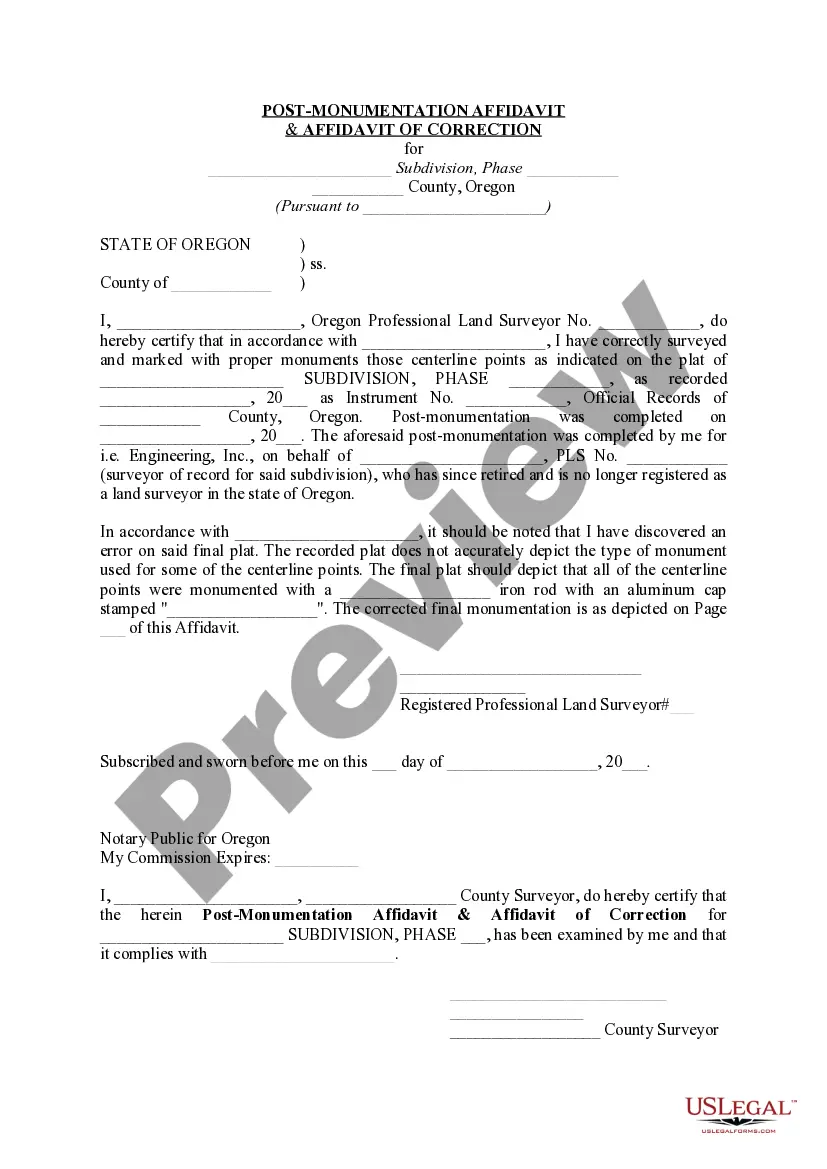
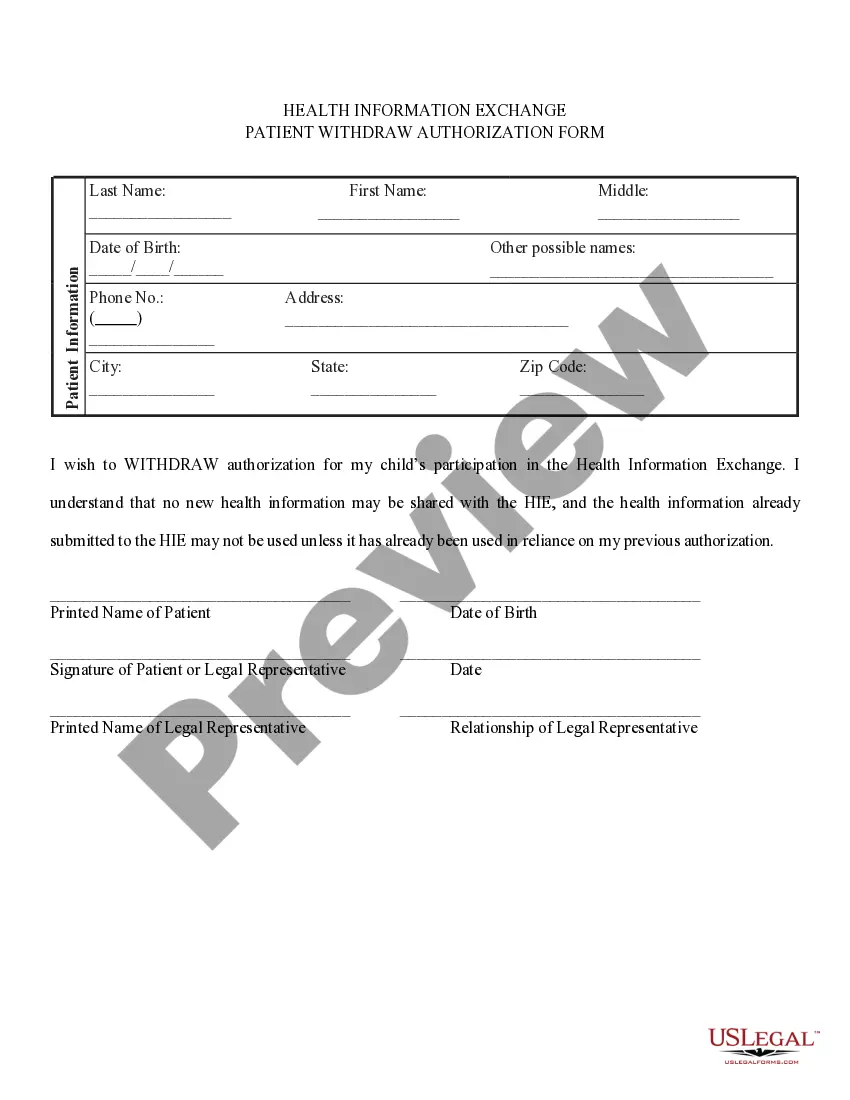
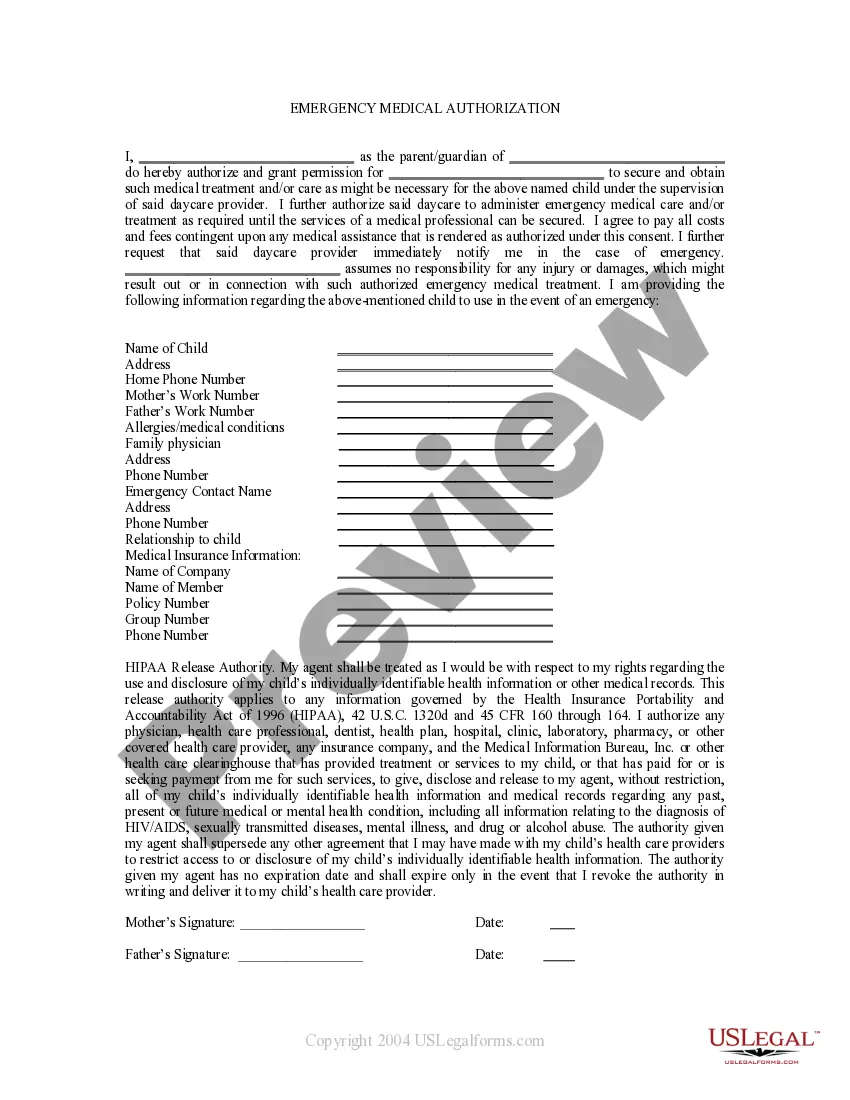
The Authorization To Obtain Medical Treatment For Minor Child is a legal document that allows farm management to secure medical treatment for a minor child involved in equine activities. This authorization is particularly crucial during emergencies, ensuring that necessary care can be provided promptly. It differs from other medical forms as it specifically pertains to situations related to horse-related activities and the responsibilities of parents or guardians in covering the costs incurred.
What’s included in this form
- Identification of the child or children requiring medical treatment.
- Authorization for farm management to obtain necessary medical care.
- Agreement by the parent or guardian to pay for the treatment costs.
- Information on the child's health insurance provider.
- A section for notarization to validate the document.

When this form is needed
This form is essential when a minor child participates in equine-related activities, such as riding lessons, horse shows, or other interactions with horses. It is especially important in scenarios where an injury may occur, and immediate medical attention is necessary. Having this authorization in place ensures that caretakers can act swiftly without delay in emergencies.
Who can use this document
- Parents or guardians of minor children involved in equine activities.
- Horse farm owners and managers who provide services requiring child participation.
- Legal guardians responsible for the health and safety of minors in equestrian settings.
Completing this form step by step
- Enter the farm name at the beginning of the document.
- Fill in the name of the parent or guardian granting authorization.
- List the child's name(s) and their Social Security number(s).
- Provide the details of the child's health insurance carrier and plan number.
- Have the parent or guardian sign the document and have it notarized if required.
Does this document require notarization?
This form must be notarized to be legally valid. Notarization verifies the identity of the signer and adds an extra layer of authenticity to the document. Online notarization options are available for your convenience, allowing secure video calls and eliminating the need for physical travel.
Get your form ready online
Our built-in tools help you complete, sign, share, and store your documents in one place.
Make edits, fill in missing information, and update formatting in US Legal Forms—just like you would in MS Word.
Download a copy, print it, send it by email, or mail it via USPS—whatever works best for your next step.
Sign and collect signatures with our SignNow integration. Send to multiple recipients, set reminders, and more. Go Premium to unlock E-Sign.
If this form requires notarization, complete it online through a secure video call—no need to meet a notary in person or wait for an appointment.
We protect your documents and personal data by following strict security and privacy standards.

Make edits, fill in missing information, and update formatting in US Legal Forms—just like you would in MS Word.

Download a copy, print it, send it by email, or mail it via USPS—whatever works best for your next step.

Sign and collect signatures with our SignNow integration. Send to multiple recipients, set reminders, and more. Go Premium to unlock E-Sign.

If this form requires notarization, complete it online through a secure video call—no need to meet a notary in person or wait for an appointment.

We protect your documents and personal data by following strict security and privacy standards.
Typical mistakes to avoid
- Failing to provide complete information about the child, such as missing names or Social Security numbers.
- Not specifying health insurance information, which may delay treatment in emergencies.
- Omitting the notarization, which could invalidate the form in certain situations.
Advantages of online completion
- Convenience of downloading and completing the form from home.
- Editability allows users to input specific information as needed.
- Reliable templates drafted by licensed attorneys ensure compliance with legal standards.
Summary of main points
- This form authorizes essential medical treatment for minors participating in equine activities.
- It is vital to ensure that the form is completed accurately and notarized.
- Having this authorization in place can prevent delays in emergency medical care.
Looking for another form?
Form popularity
FAQ
If you share legal custody with your child's other parent or parents, you will want to arrange to have the form notarized together.Once the covered time period is up, a new medical release form will need to be notarized for a caregiver's authority to make medical decisions to continue.
Obtaining informed consent in medicine is process that should include: (1) describing the proposed intervention, (2) emphasizing the patient's role in decision-making, (3) discussing alternatives to the proposed intervention, (4) discussing the risks of the proposed intervention and (5) eliciting the patient's
The grandparents' medical consent form allows a parent or legal guardian to hand over all responsibility regarding their child's health care decisions to one of the child's grandparents.
A notarized letter of consent will be required for children who travel without one or both of their parents or legal guardians.There is no standard-issue minor travel consent form, though there are templates online that may be used as examples.
The grandparents' medical consent form allows a parent or legal guardian to hand over all responsibility regarding their child's health care decisions to one of the child's grandparents.
A legal document, dated and signed by a patient and his or her health care provider, designating that the patient has been advised about the care about to be received.
Step 1 Find a Competent Guardian. Step 2 Inform the Guardian of Child's Medical Issues (if any) Step 3 Inform the Guardian of the Child's Medications. Step 4 Determine an End Date. Step 5 Sign the Document.
A care provider may perform a routine test or treatment on a minor who is over the age of 14 without parental consent and without accompaniment, on condition that the minor him/herself gives informed consent for the medical procedure.