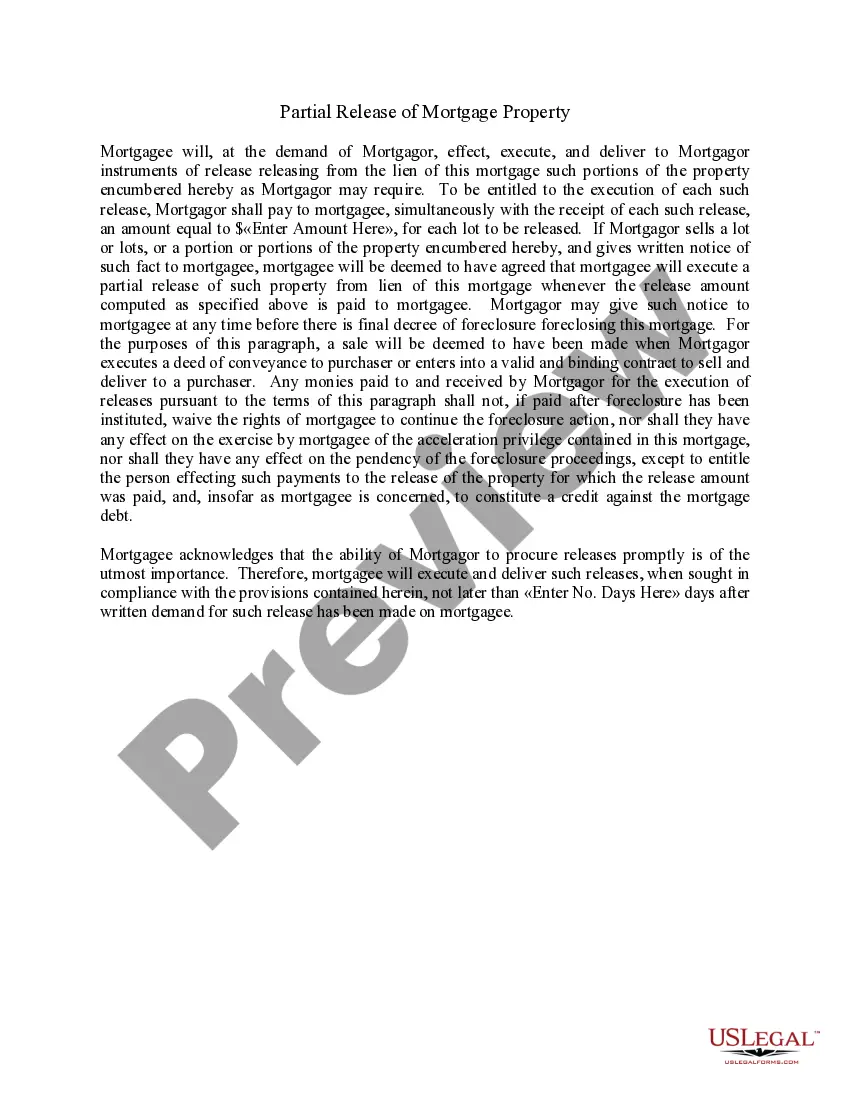
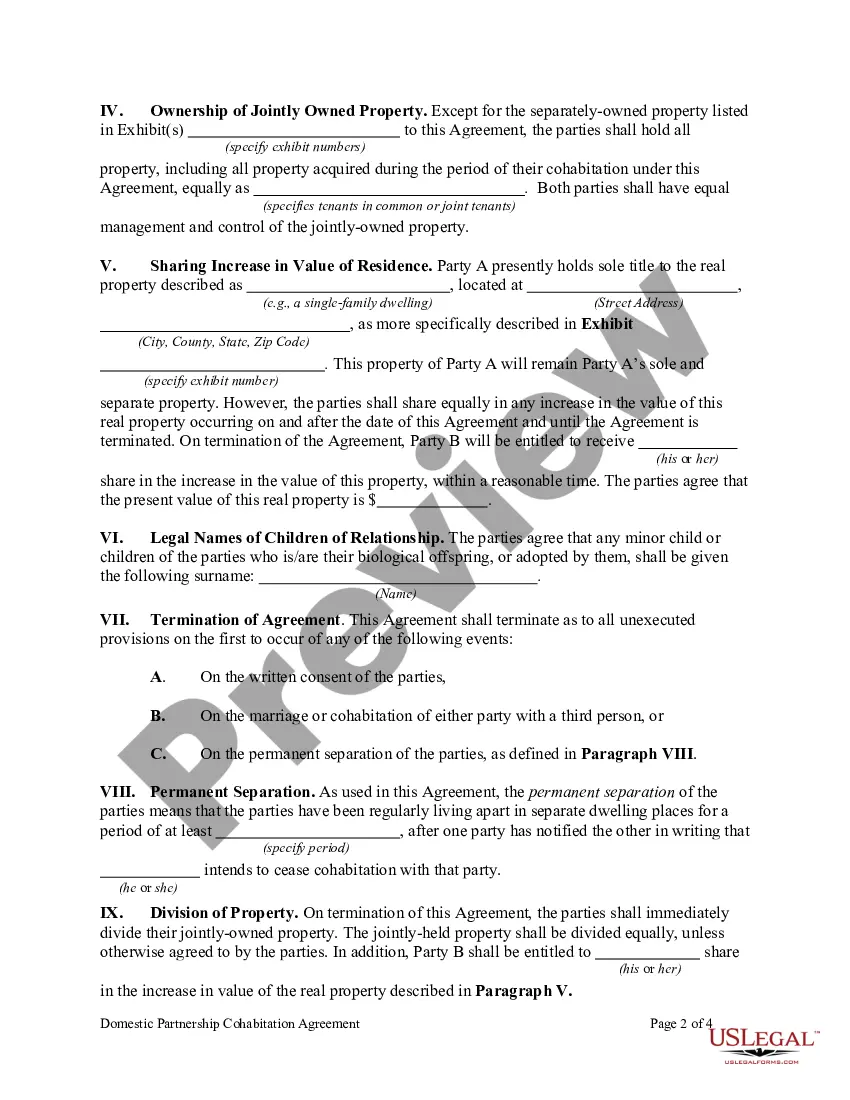
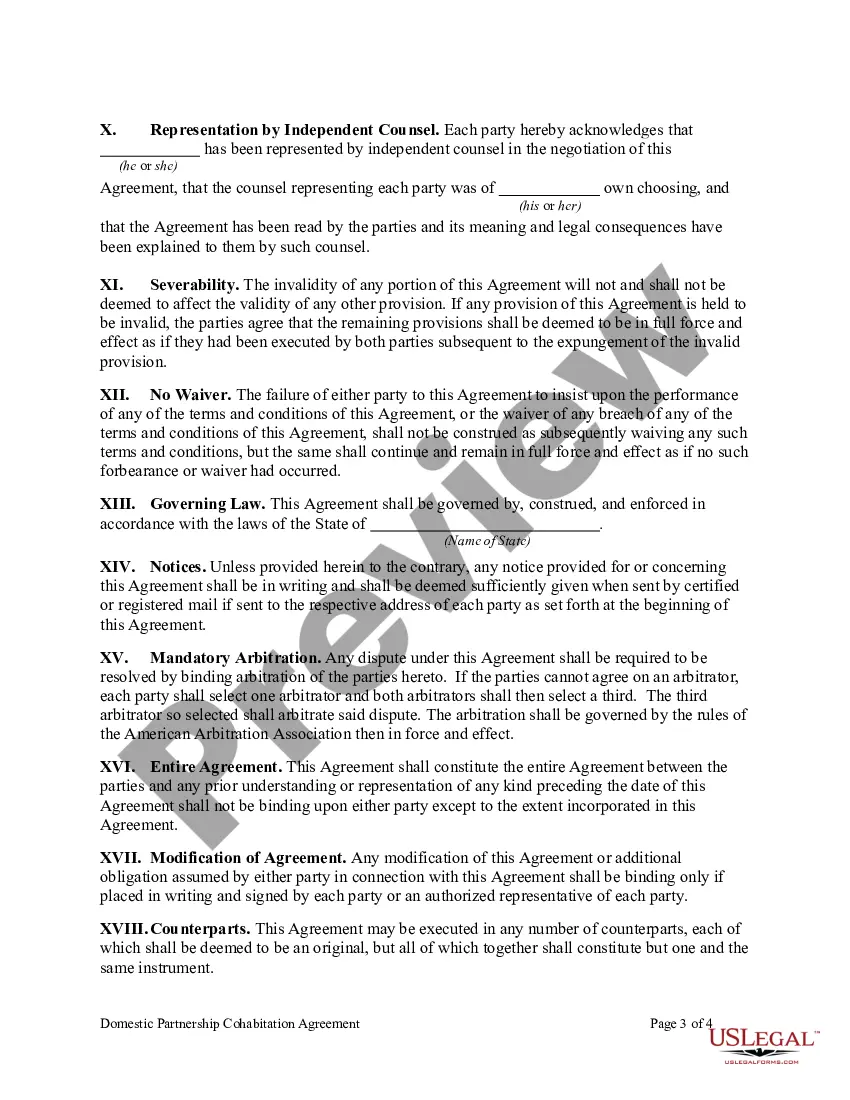
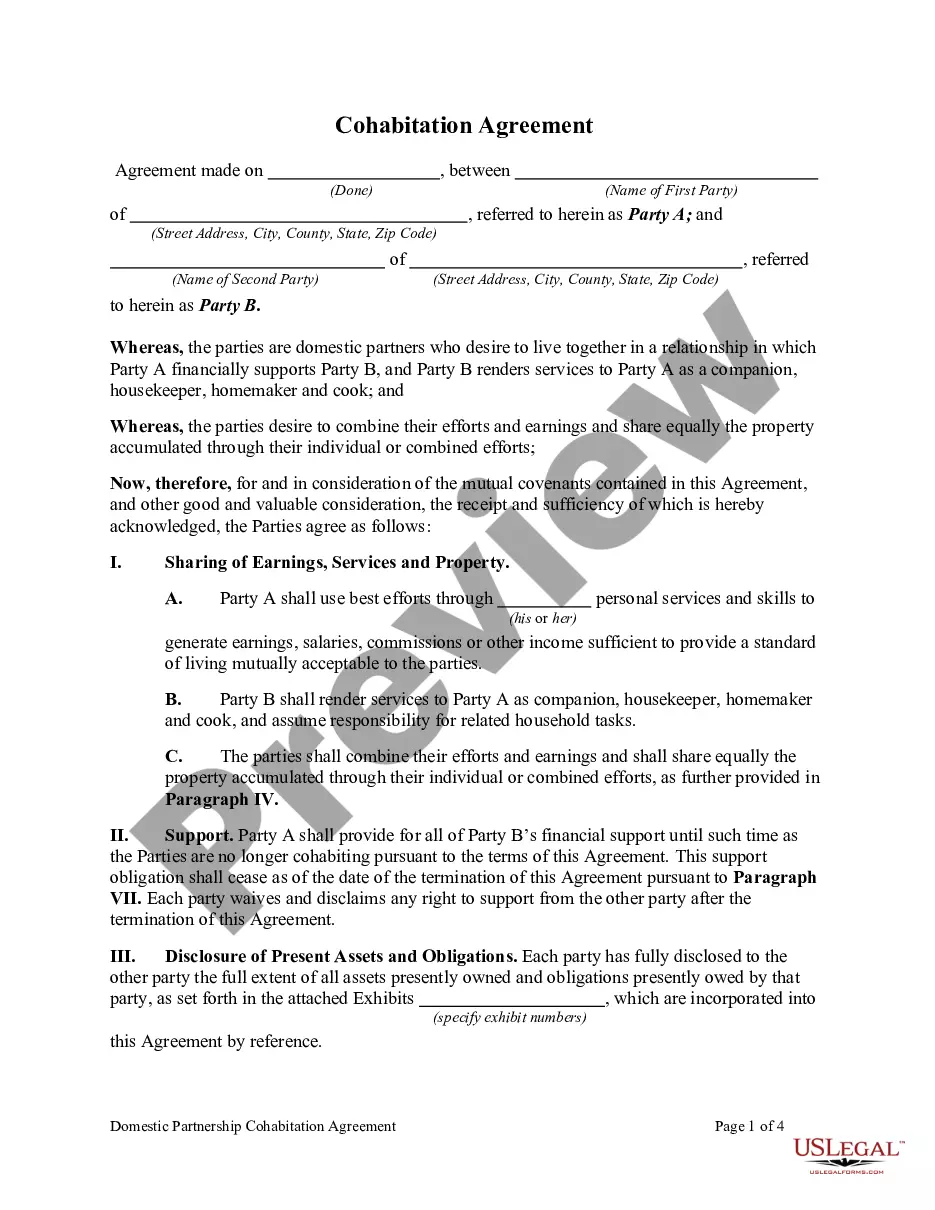
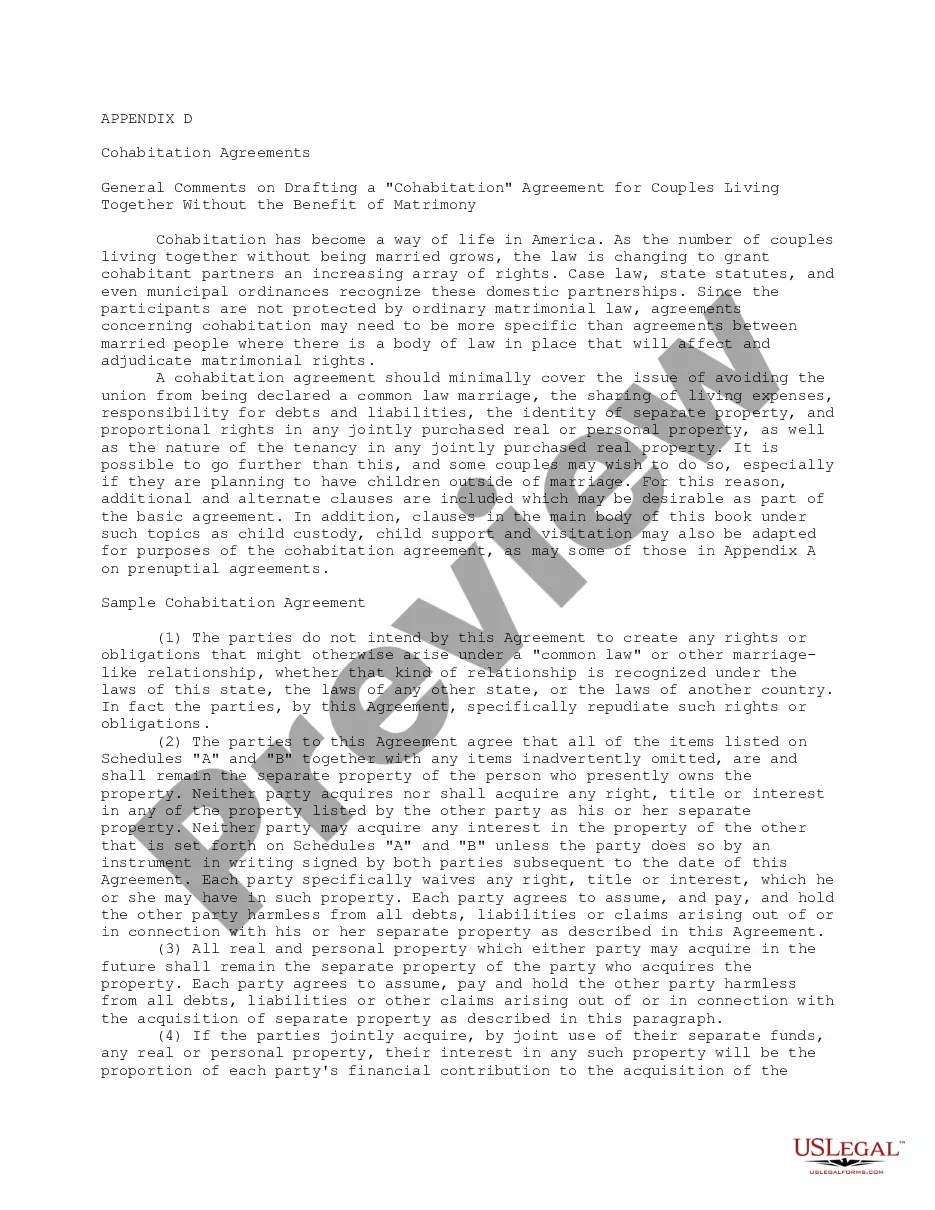
Maryland Cohabitation Agreement for Unmarried Partners
Description
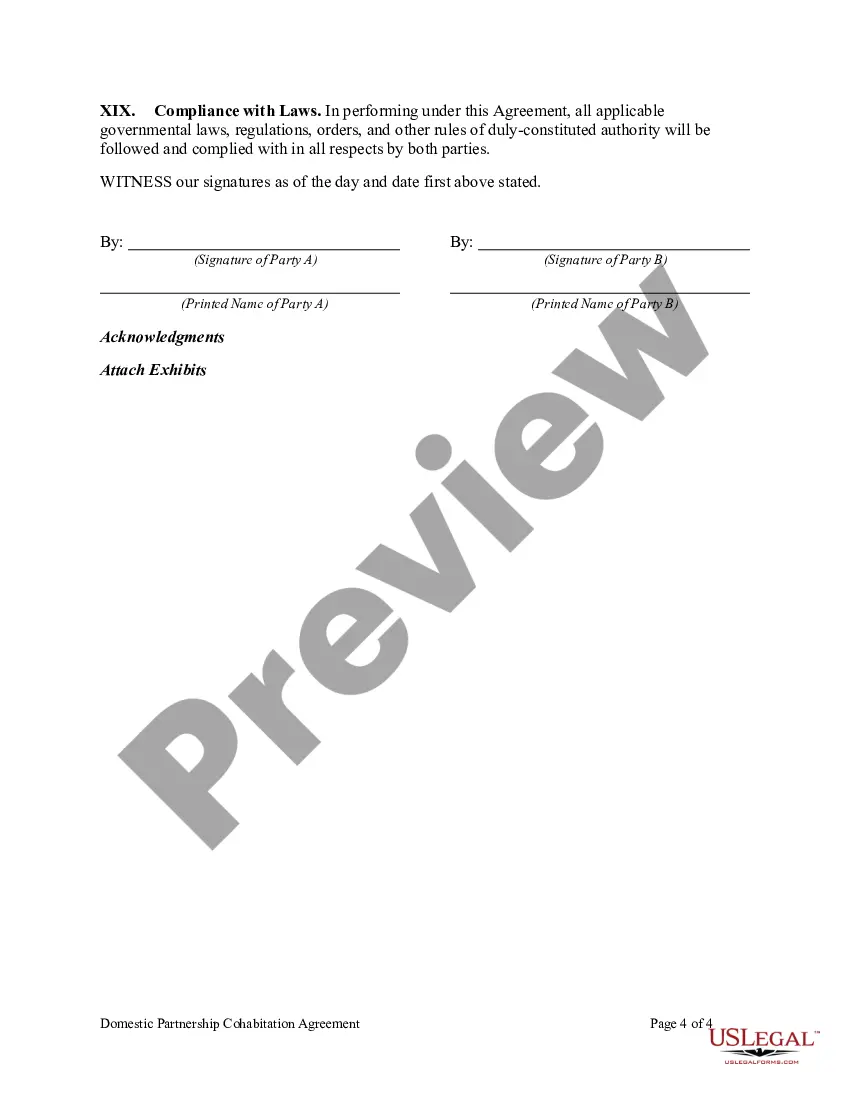
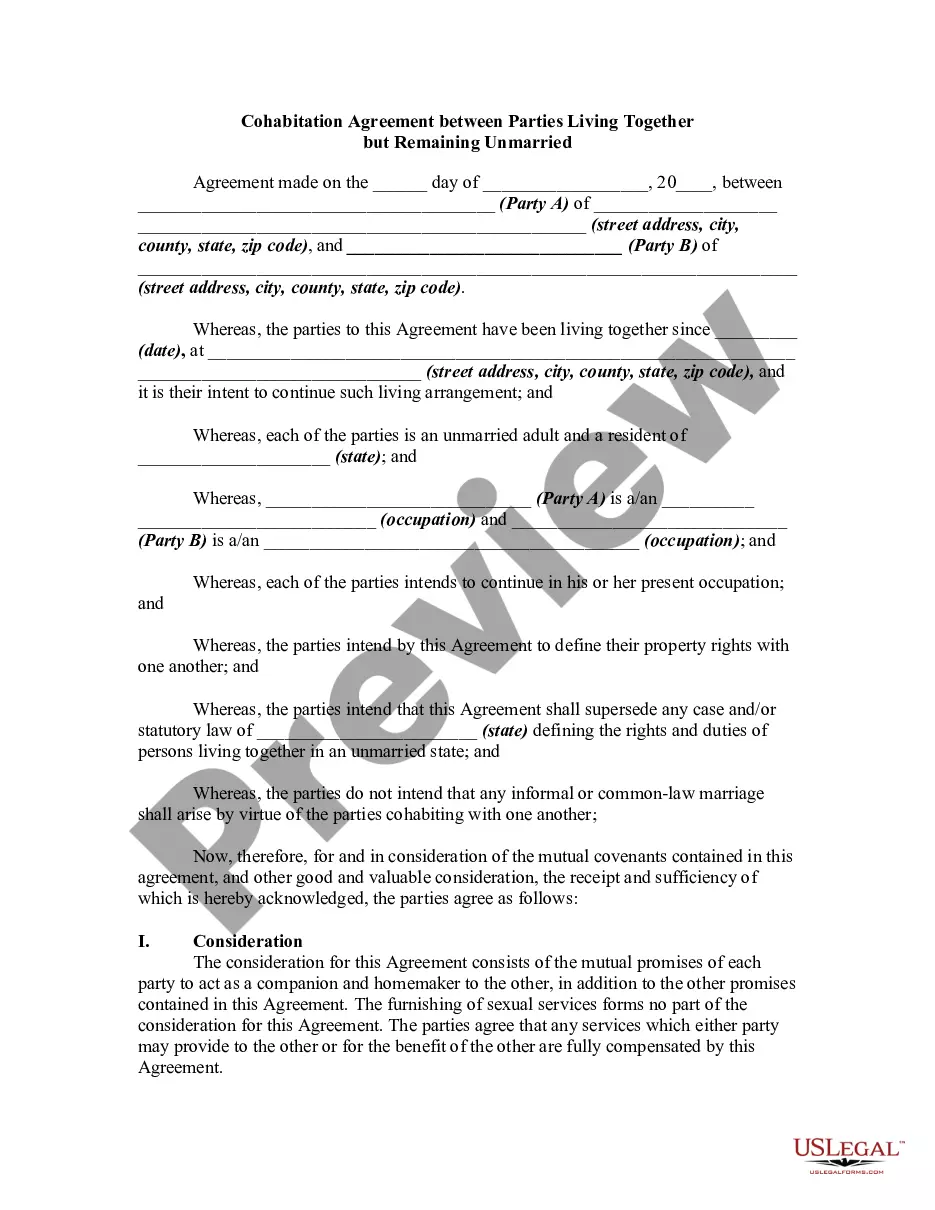
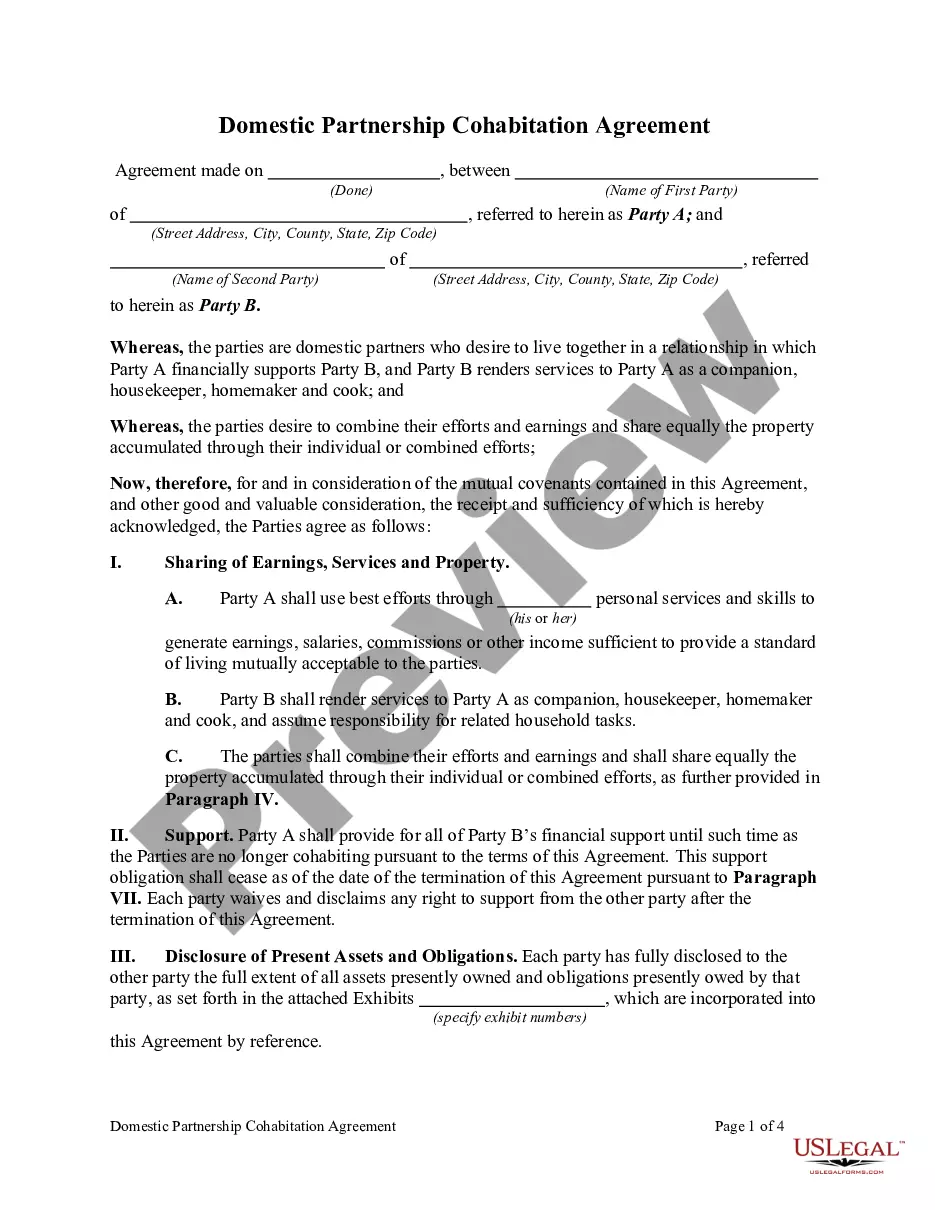
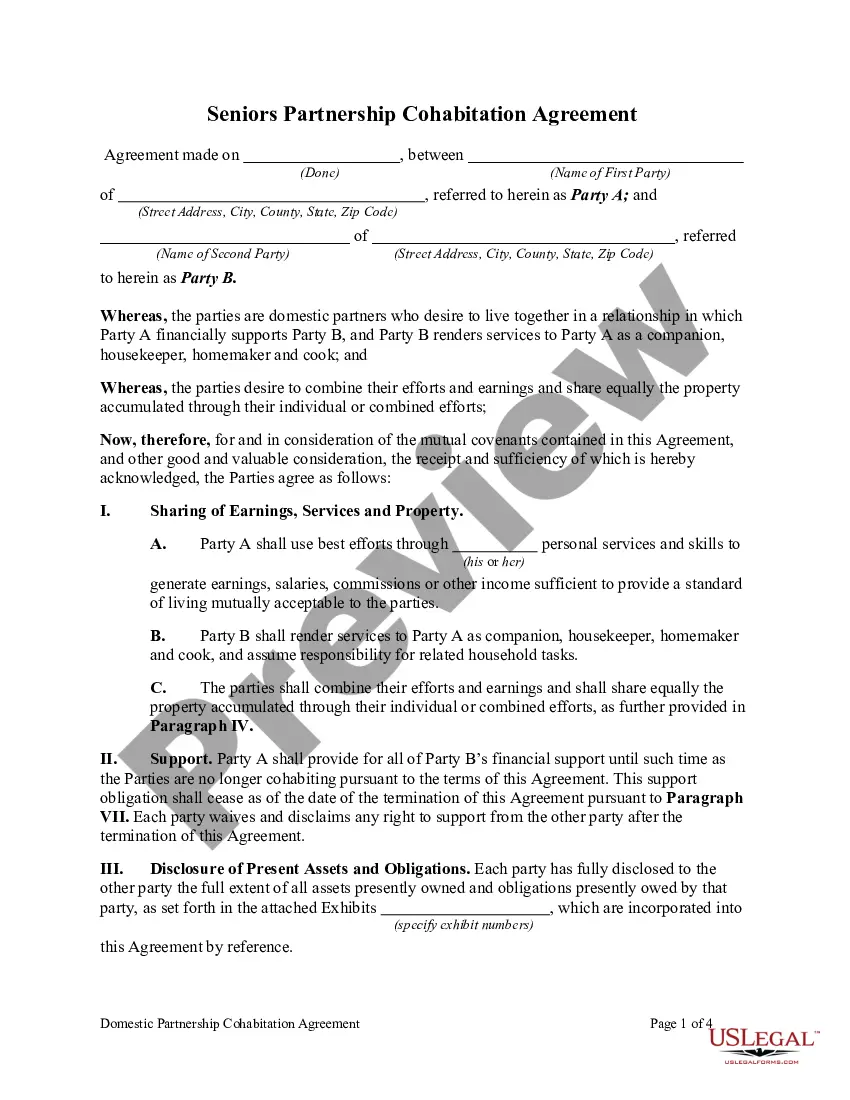
Get your form ready online
Our built-in tools help you complete, sign, share, and store your documents in one place.
Make edits, fill in missing information, and update formatting in US Legal Forms—just like you would in MS Word.
Download a copy, print it, send it by email, or mail it via USPS—whatever works best for your next step.
Sign and collect signatures with our SignNow integration. Send to multiple recipients, set reminders, and more. Go Premium to unlock E-Sign.
If this form requires notarization, complete it online through a secure video call—no need to meet a notary in person or wait for an appointment.
We protect your documents and personal data by following strict security and privacy standards.

Make edits, fill in missing information, and update formatting in US Legal Forms—just like you would in MS Word.

Download a copy, print it, send it by email, or mail it via USPS—whatever works best for your next step.

Sign and collect signatures with our SignNow integration. Send to multiple recipients, set reminders, and more. Go Premium to unlock E-Sign.

If this form requires notarization, complete it online through a secure video call—no need to meet a notary in person or wait for an appointment.

We protect your documents and personal data by following strict security and privacy standards.
Looking for another form?
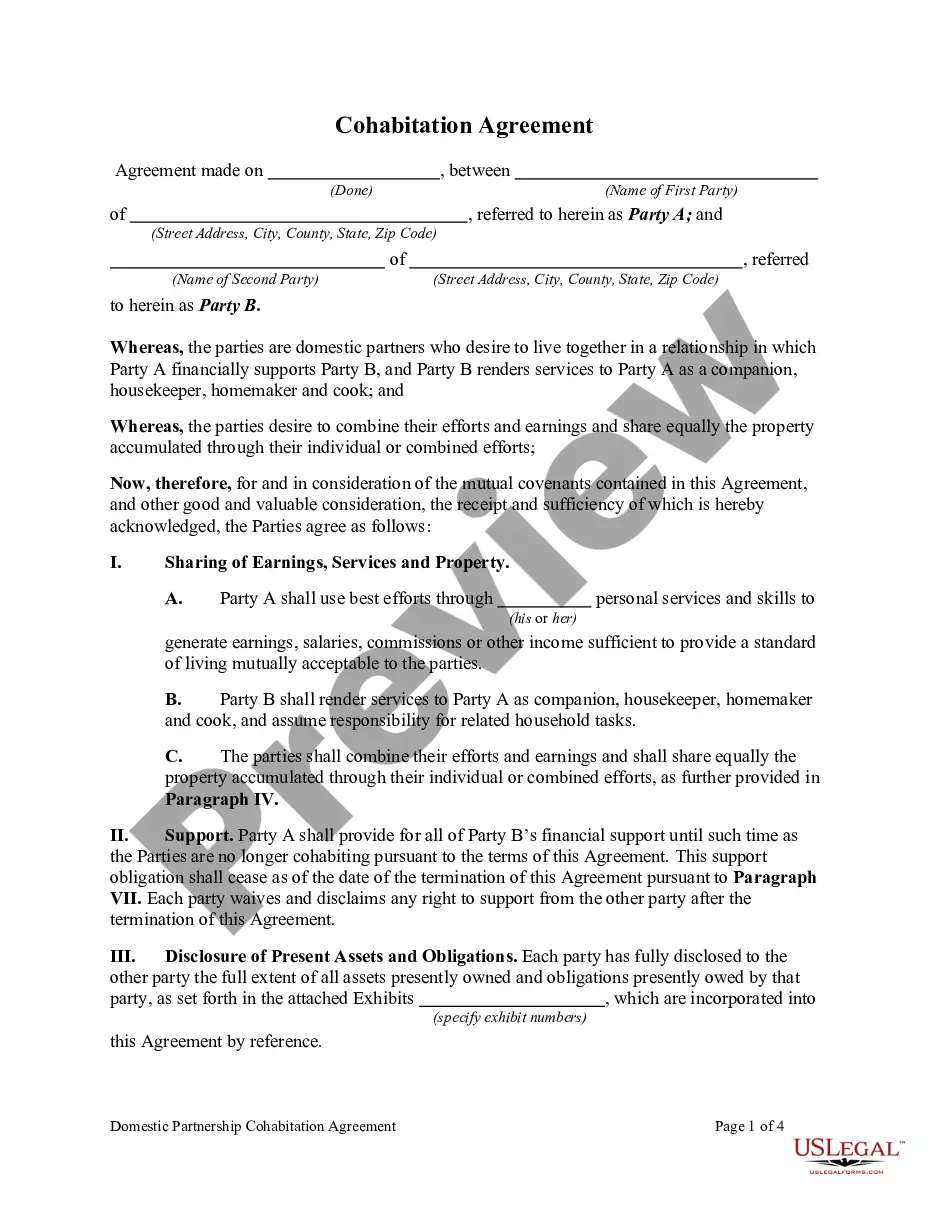
How to fill out Cohabitation Agreement For Unmarried Partners?
You might spend hours online looking for the valid document template that meets the local and national standards you require.
US Legal Forms offers thousands of valid forms that can be reviewed by experts.
You can easily download or print the Maryland Cohabitation Agreement for Unmarried Partners from our service.
If available, utilize the Preview button to review the document template as well.
- If you already have a US Legal Forms account, you can sign in and click the Download button.
- Then, you can complete, modify, print, or sign the Maryland Cohabitation Agreement for Unmarried Partners.
- Each valid document template you acquire is yours indefinitely.
- To retrieve another copy of a purchased form, go to the My documents tab and click the appropriate button.
- If you are visiting the US Legal Forms website for the first time, follow the simple instructions below.
- First, ensure that you have selected the correct document template for the region/area you choose.
- Review the form description to confirm that you have selected the right one.
Form popularity
FAQ
Couples who wish to become domestic partners must provide two pieces of documentation evidence of their bond; examples may include proof of joint liability for a mortgage, lease, or loan, a joint checking account, a life insurance policy where a partner is the beneficiary, or a relationship or cohabitation contract.
Maryland does not allow the creation of a "common law" marriage, a relationship in which a couple lives together but have not participated in a lawful ceremony. Unlike some other states, in Maryland a couple cannot acquire marital rights and responsibilities by living together for a particular period of time.
In fact, members of unmarried couples have no rights to support, unless the two have previously agreed on it. To avoid a tense disagreement about palimony, it's in the couple's best interest to include whether or not support will be paid in a written agreement.
A domestic partner can be broadly defined as an unrelated and unmarried person who shares common living quarters with an employee and lives in a committed, intimate relationship that is not legally defined as marriage by the state in which the partners reside.
It could be a casual arrangement of two young people living together, each with their own income. It could be a decades-long relationship, where one partner depends on another. One person might earn more and spend more.
It is a common misconception that if you have lived together for seven years, you are in a common law marriage. The reality is that there is no magic length of time.
Members of the public, when asked on the street how long a couple had to live together before the woman could call herself a 'common law wife', gave answers ranging from 1 year, to 5 years and even 20 years.
Couples who wish to become domestic partners must provide two pieces of documentation evidence of their bond; examples may include proof of joint liability for a mortgage, lease, or loan, a joint checking account, a life insurance policy where a partner is the beneficiary, or a relationship or cohabitation contract.
A common law marriage cannot be created in Maryland. A couple cannot acquire marital rights and responsibilities by living together for a particular period of time or holding themselves out as spouses. Legal action is not required to dissolve such a relationship.