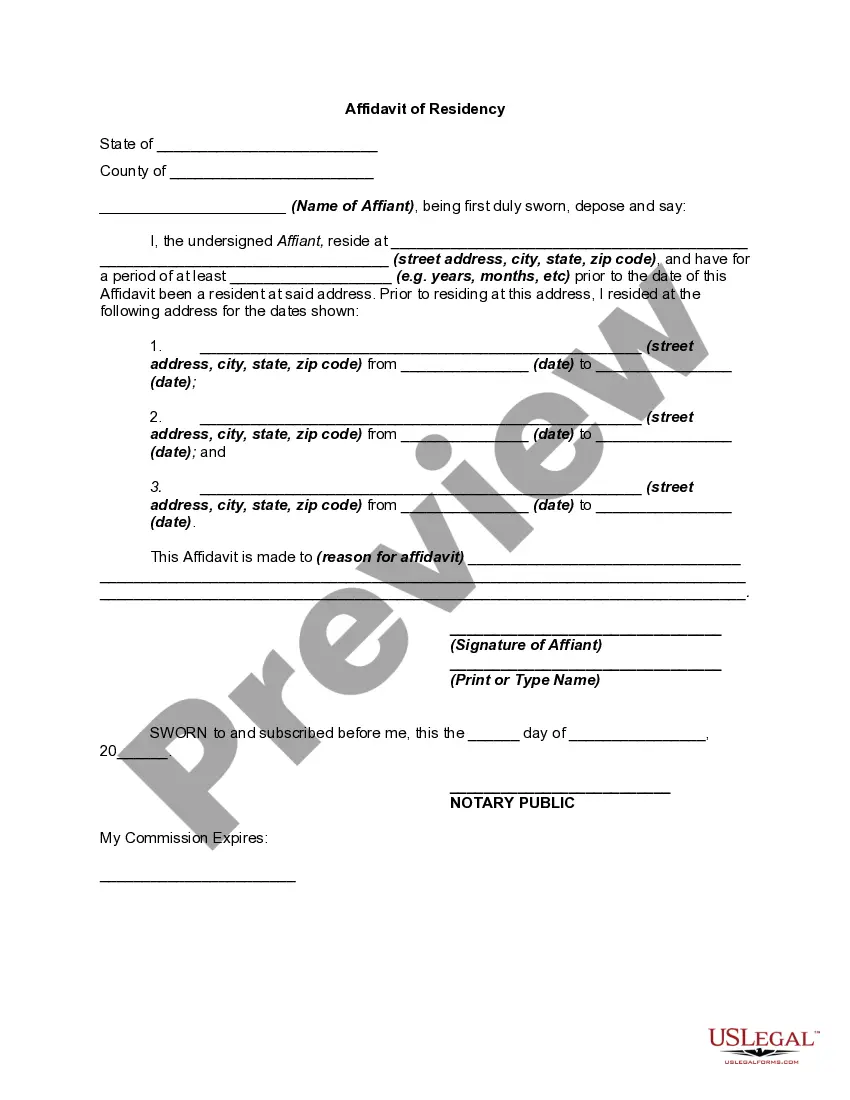
Maryland Proof of Residency for DMV
Description
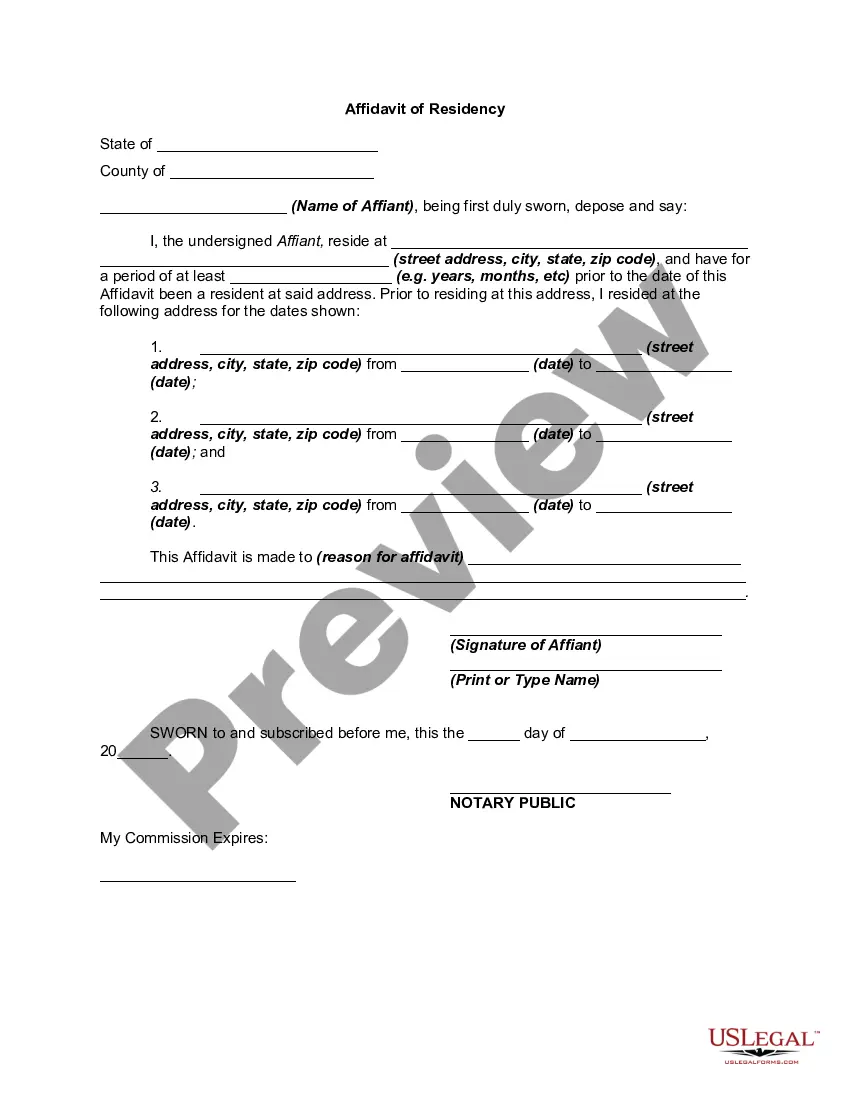
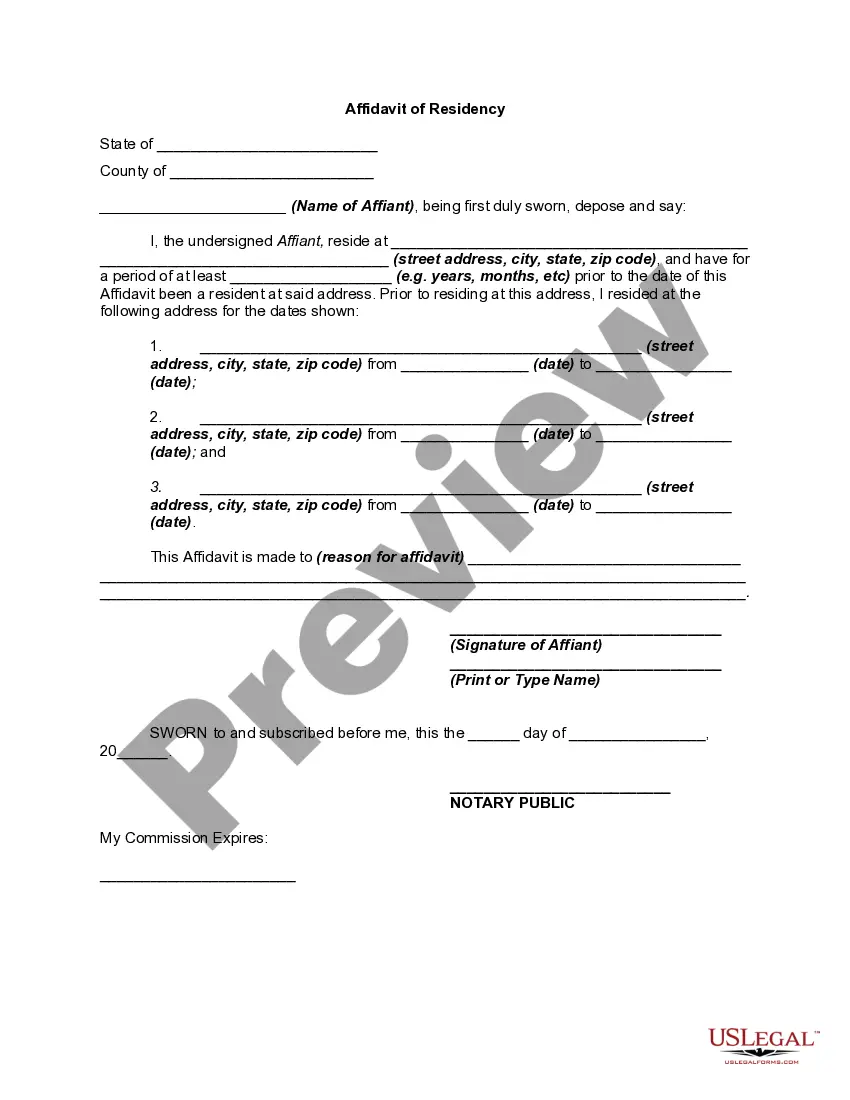
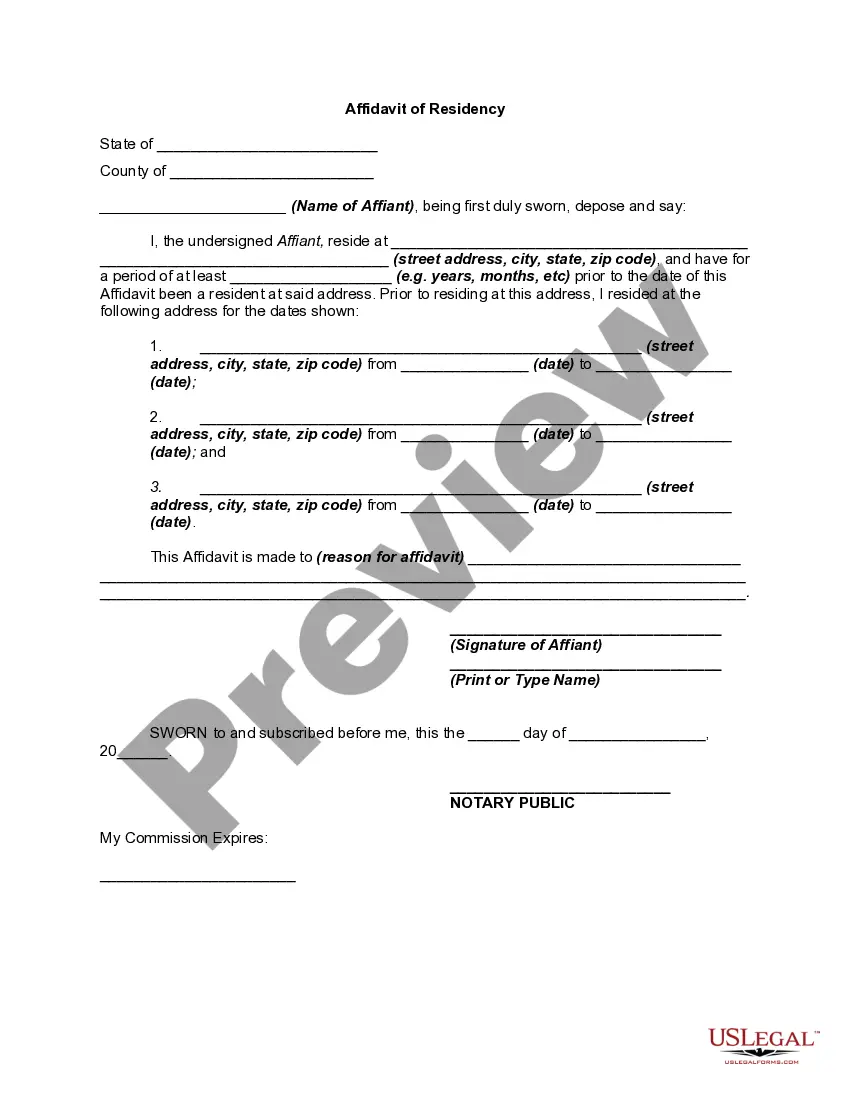
Get your form ready online
Our built-in tools help you complete, sign, share, and store your documents in one place.
Make edits, fill in missing information, and update formatting in US Legal Forms—just like you would in MS Word.
Download a copy, print it, send it by email, or mail it via USPS—whatever works best for your next step.
Sign and collect signatures with our SignNow integration. Send to multiple recipients, set reminders, and more. Go Premium to unlock E-Sign.
If this form requires notarization, complete it online through a secure video call—no need to meet a notary in person or wait for an appointment.
We protect your documents and personal data by following strict security and privacy standards.

Make edits, fill in missing information, and update formatting in US Legal Forms—just like you would in MS Word.

Download a copy, print it, send it by email, or mail it via USPS—whatever works best for your next step.

Sign and collect signatures with our SignNow integration. Send to multiple recipients, set reminders, and more. Go Premium to unlock E-Sign.

If this form requires notarization, complete it online through a secure video call—no need to meet a notary in person or wait for an appointment.

We protect your documents and personal data by following strict security and privacy standards.
Looking for another form?
How to fill out Proof Of Residency For DMV?
Finding the appropriate legal document template can be challenging.
Naturally, there are numerous templates accessible online, but how can you acquire the legal form you require.
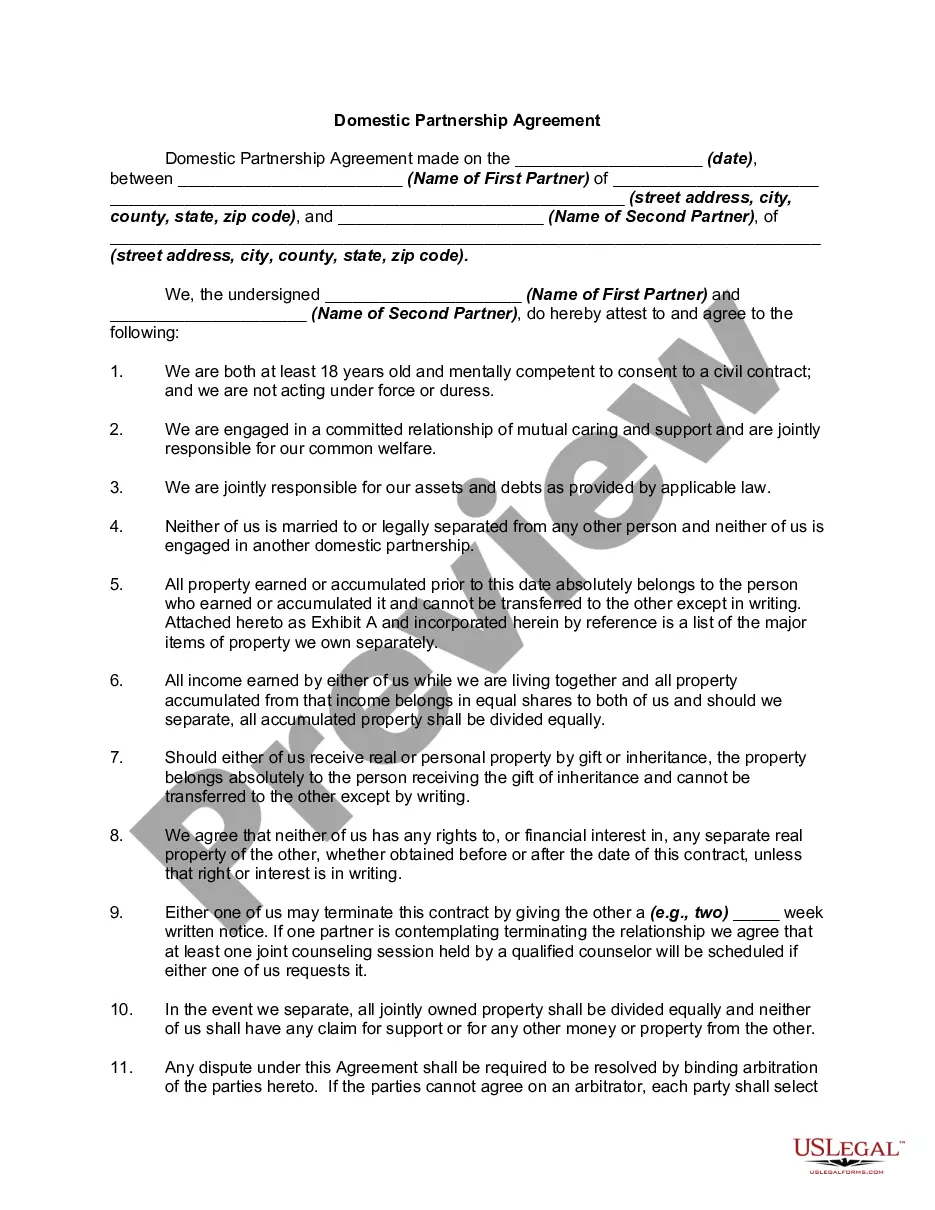
Utilize the US Legal Forms website. The service provides a vast collection of templates, including the Maryland Proof of Residency for DMV, which can be utilized for both business and personal purposes. All the forms are verified by experts and comply with federal and state regulations.
If the form does not meet your requirements, use the Search field to find the appropriate form. Once you are certain that the form will work, click the Purchase now button to acquire the form. Choose the pricing plan you prefer and enter the necessary information. Create your account and pay for the order using your PayPal account or credit card. Select the format and download the legal document template to your device. Complete, modify, print, and sign the received Maryland Proof of Residency for DMV. US Legal Forms is the premier repository of legal forms where you can find a variety of document templates. Utilize the service to obtain professionally-crafted documents that adhere to state requirements.
- If you are already registered, Log In to your account and click the Download button to obtain the Maryland Proof of Residency for DMV.
- Use your account to review the legal forms you have purchased previously.
- Navigate to the My documents tab in your account and get another copy of the document you need.
- If you are a new user of US Legal Forms, here are simple steps you should follow.
- First, ensure you have selected the correct form for your city/region.
- You can preview the form using the Review button and examine the form outline to confirm it is suitable for you.
Form popularity
FAQ
A utility bill, credit card statement, lease agreement or mortgage statement will all work to prove residency. If you've gone paperless, print a billing statement from your online account.
Two proofs of Maryland physical address, such as vehicle registration, insurance card, bank statement, credit card or utility bill or mail from a federal, state or local government agency.
The Real ID Core Four are the four documents you'll need to verify who you are and where you live. One Proof of Age and Identity, One Proof of Social Security and TWO Proofs of Maryland residency. Don't leave for your MDOT MVA visit without them! NEW: MDOT MVA may already have social security documents on file!
Two (2) proofs of Maryland residency Examples: Insurance Card, Vehicle Registration, Credit Card Bill, Utility Bill, Bank Statement, or Mail from a Federal, State, or Local government agency.
You will need to bring along the following documentation when you visit the MD DMV: Your current out-of-state license. Proof of identity. Proof of lawful presence. Social security card. Proof of Maryland residency (two documents)
What are the criteria for in-state residency? Owning or renting and continuously occupying living quarters in Maryland. Having substantially all personal property in Maryland. Paying Maryland income tax. Registering all vehicles in Maryland. If licensed, possessing a valid Maryland driver's license.
One Proof of Age and Identity, One Proof of Social Security and TWO Proofs of Maryland residency. Don't leave for your MDOT MVA visit without them! NEW: MDOT MVA may already have social security documents on file!
Briefly stated, an individual is a resident of Maryland if the individual is domiciled in Maryland on the last day of the taxable year or if the individual maintains a place of abode in Maryland for more than six months of the taxable year and is physically present in the State for 183 days or more during the taxable ...