Massachusetts Last Will and Testament for Civil Union Partner with Adult and Minor Children from Prior Marriage
What is this form?
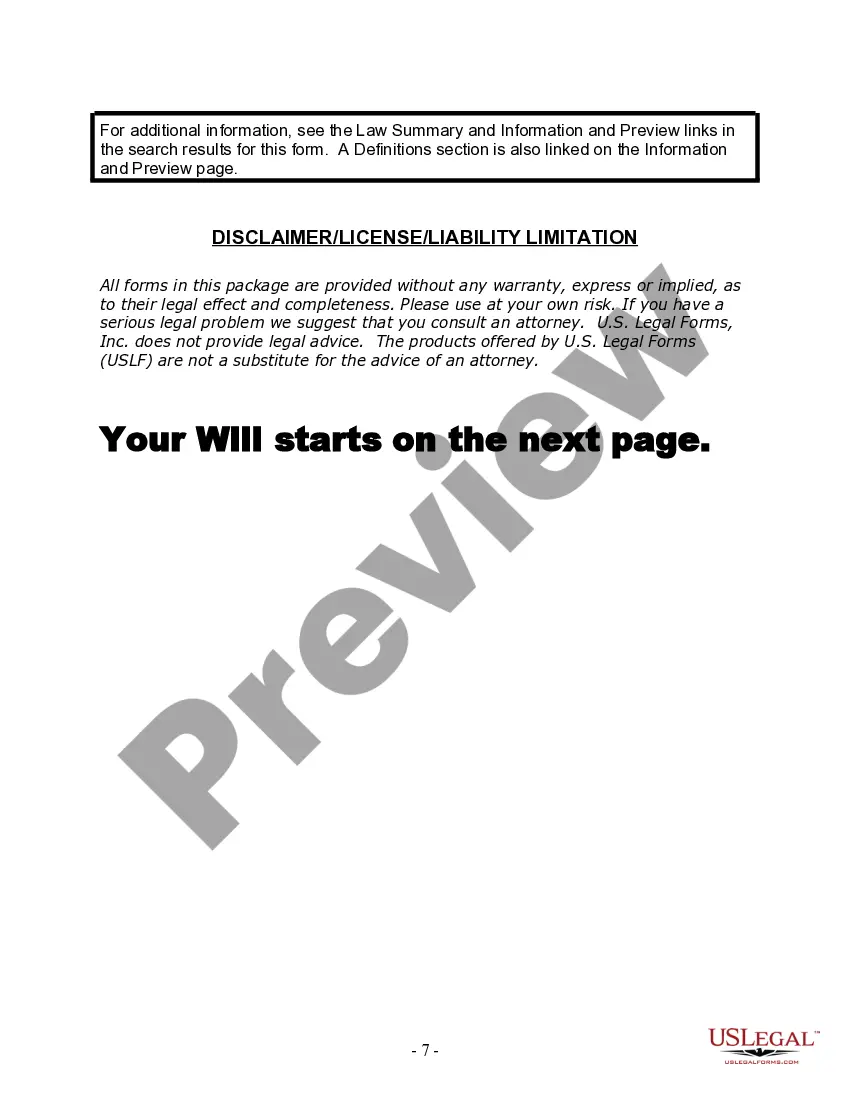
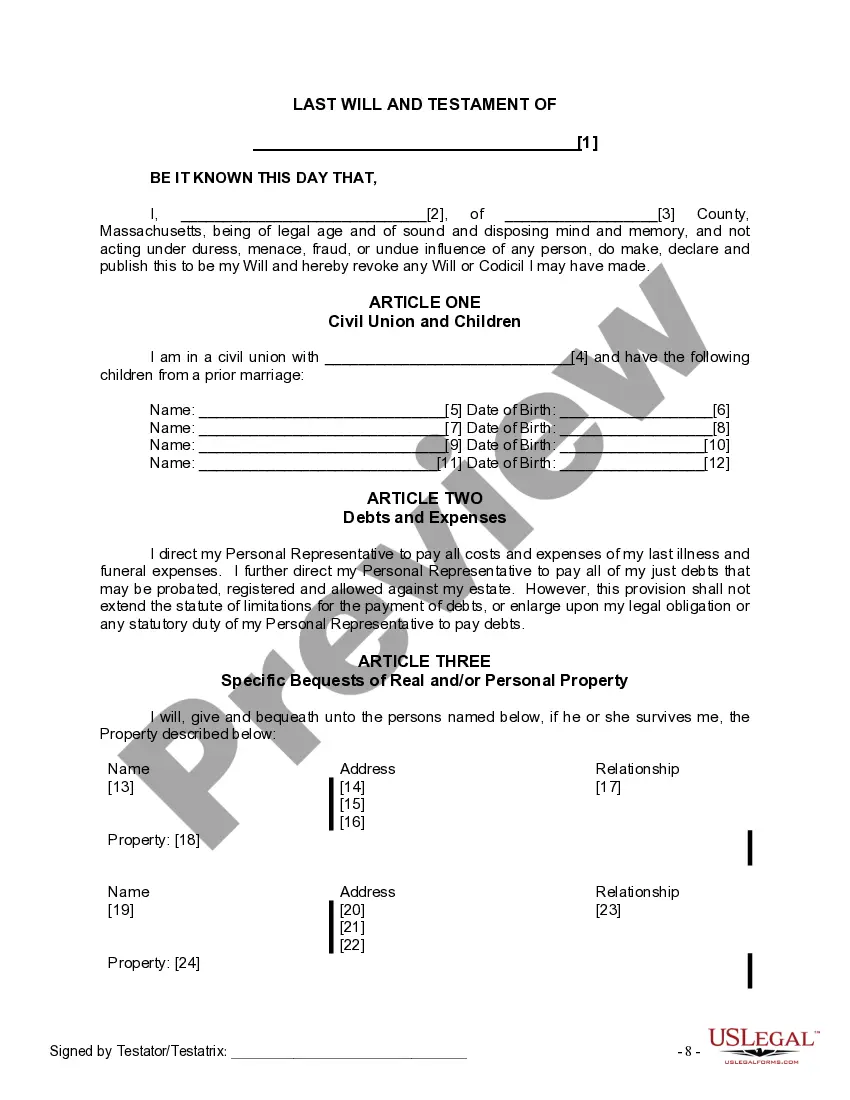
This Last Will and Testament for Civil Union Partner with Adult and Minor Children from Prior Marriage is a legal document that allows individuals in a civil union to outline their final wishes regarding the distribution of their property and care for their children upon their death. This form is tailored specifically for those with children from previous marriages, providing guidance on how to appoint guardians, manage trusts, and specify inheritances. It serves to clarify the testator's intentions and can help prevent disputes among heirs.
Key components of this form
- Personal information of the testator, including name and residence.
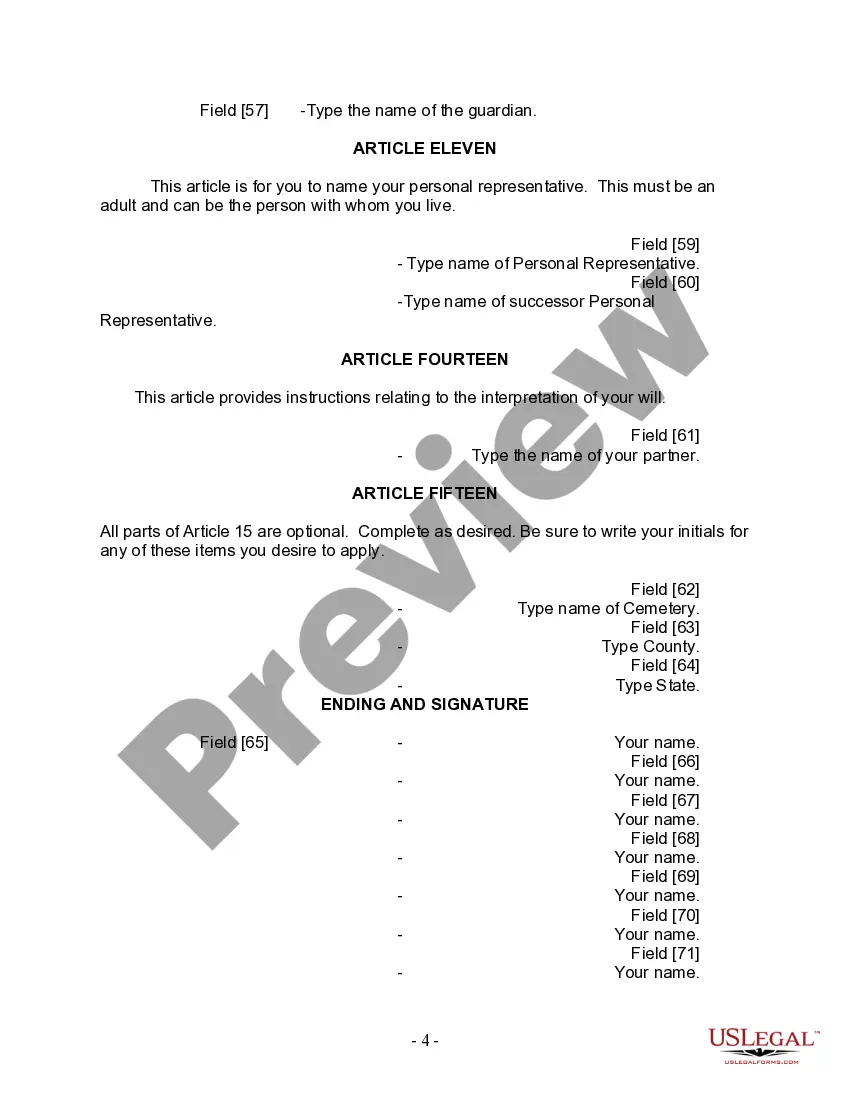
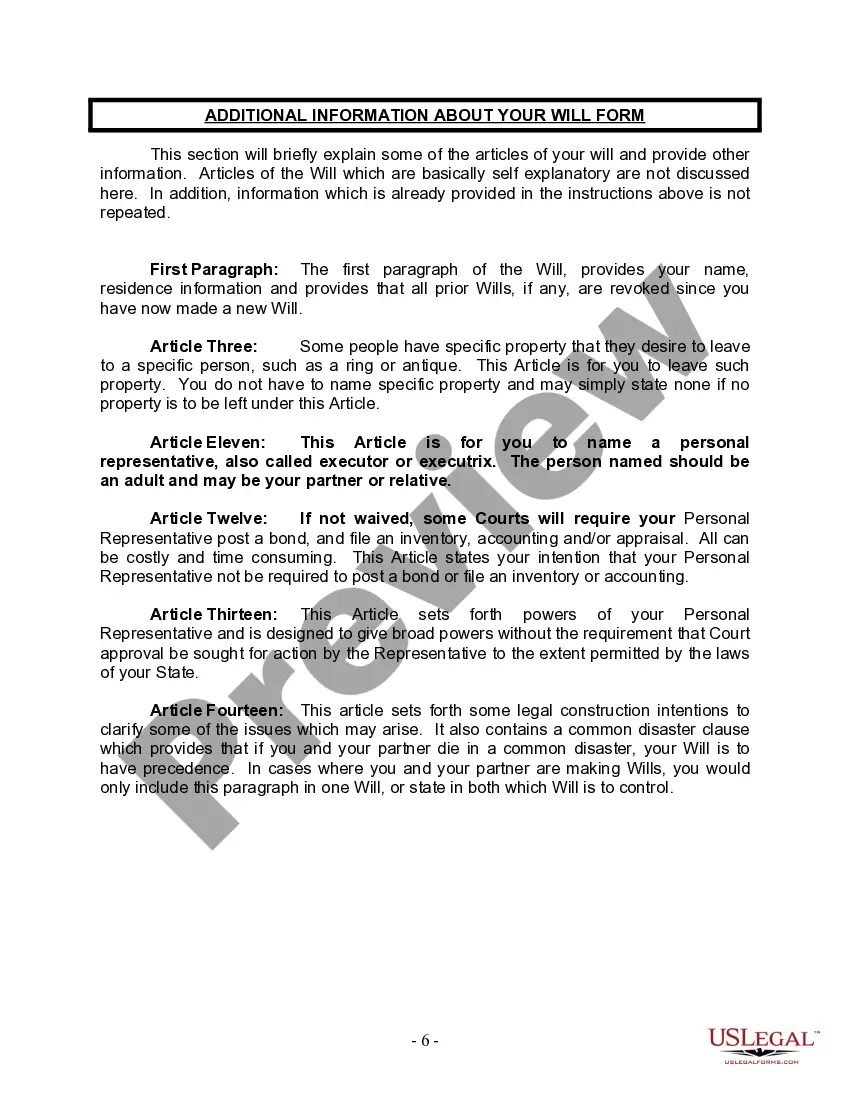
- Appointment of a personal representative (executor) to administer the estate.
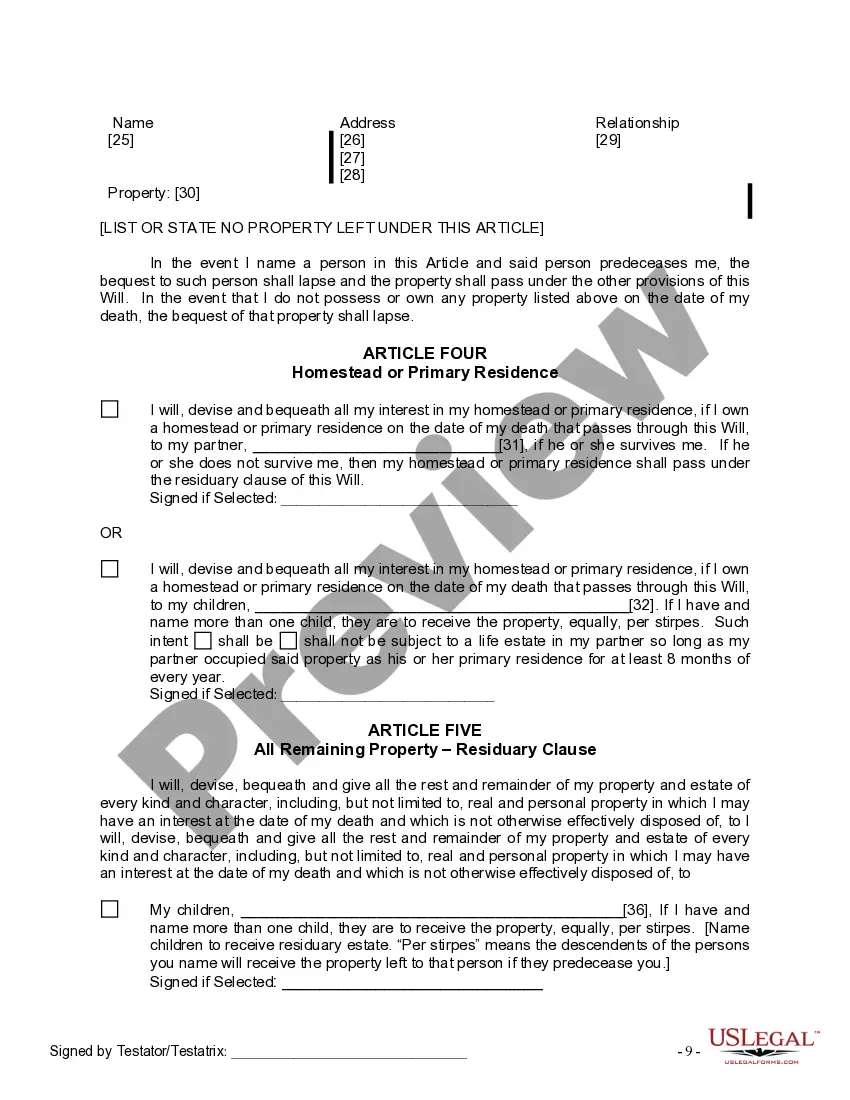
- Provisions for specific bequests to the civil union partner and children.
- Appointment of a guardian for any minor children.
- Establishment of trusts for minor childrenâs inheritance.
- Self-proving affidavit options to simplify probate processes.





Common use cases
This form should be used when an individual in a civil union wishes to ensure their estate is distributed according to their wishes, particularly when they have children from prior marriages. It is essential for those who want to clearly outline how assets should be managed and who will be responsible for the guardianship of their children. This is important to secure both the partner and children's futures effectively.
Who can use this document
- Individuals in a civil union with children from previous marriages.
- Those seeking to name a personal representative for their estate.
- Parents who want to establish guardianship arrangements for their children.
- Anyone wishing to designate specific bequests to partners and children.
Completing this form step by step
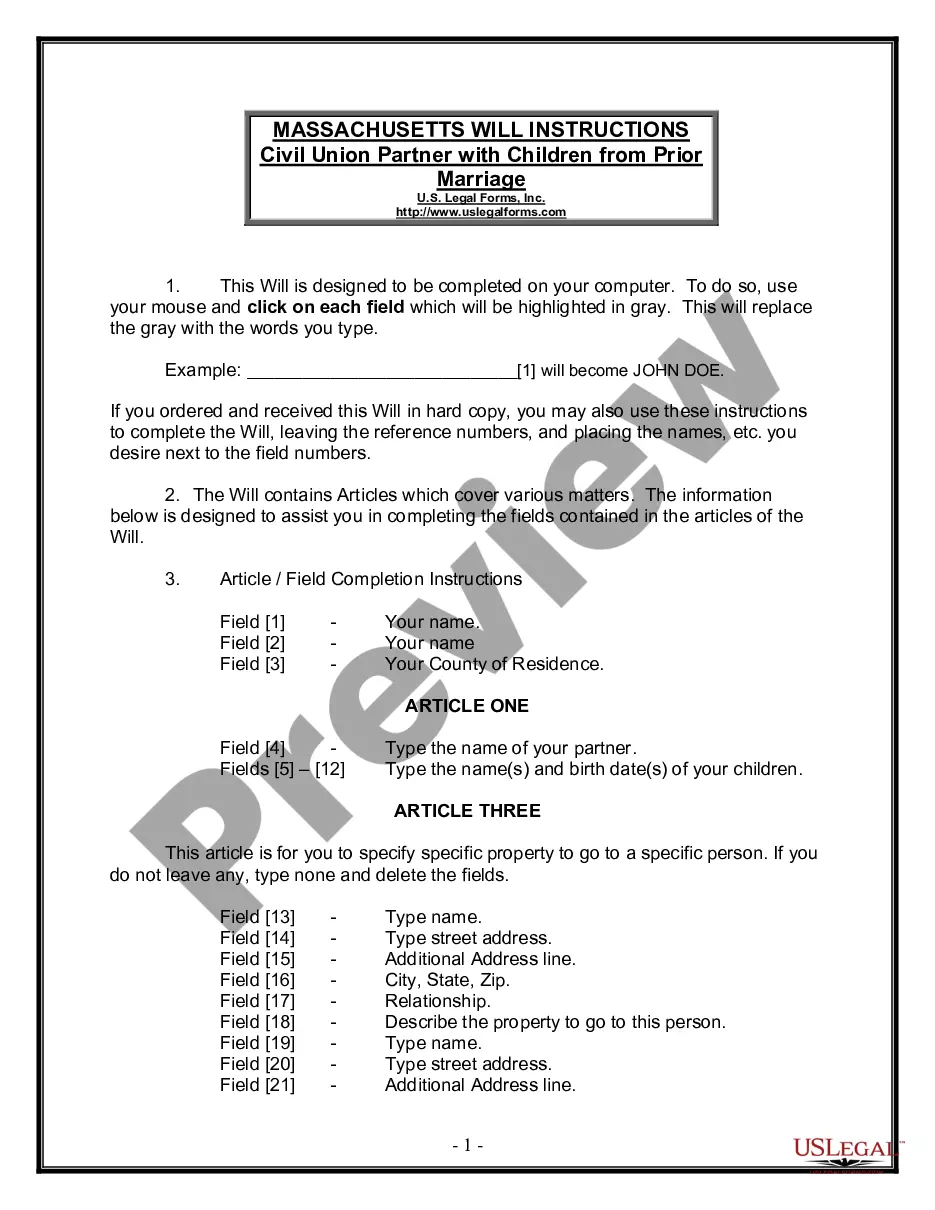
- Open the document and enter your name and county of residence.
- Provide the name of your civil union partner and list the names and birth dates of your children.
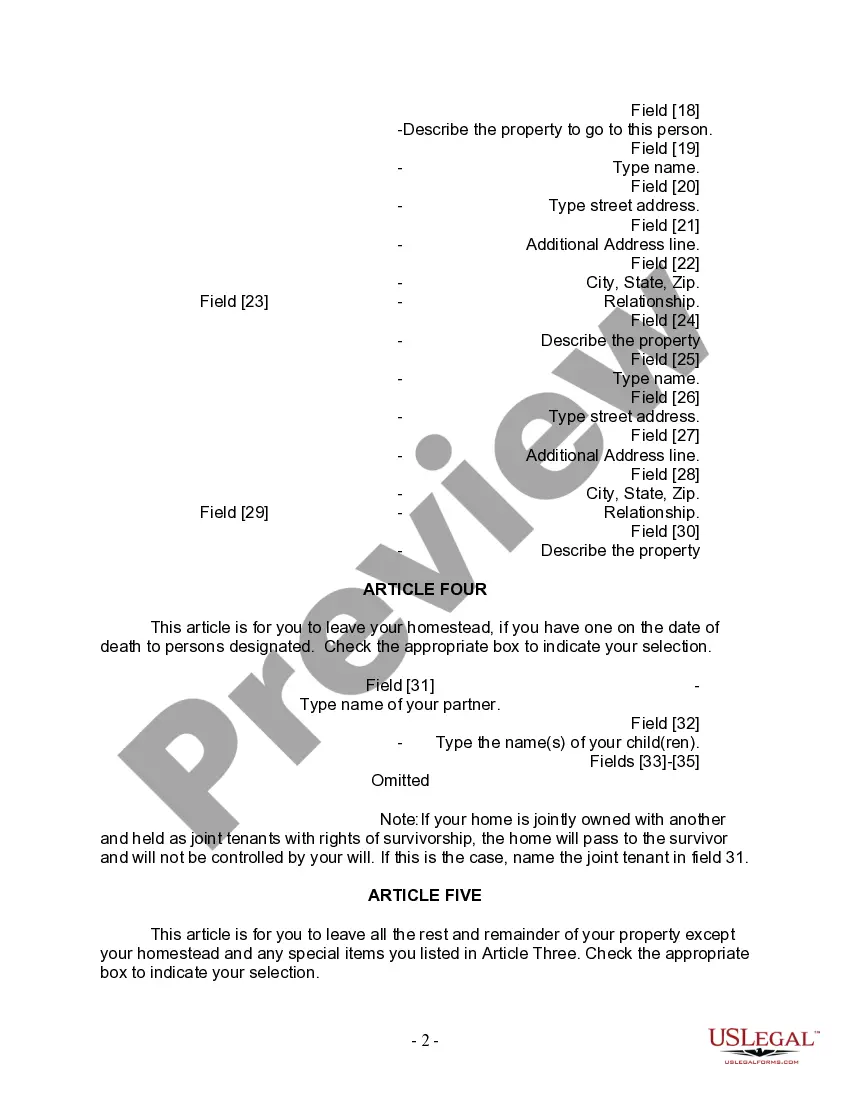
- Specify any specific property bequests under the designated sections.
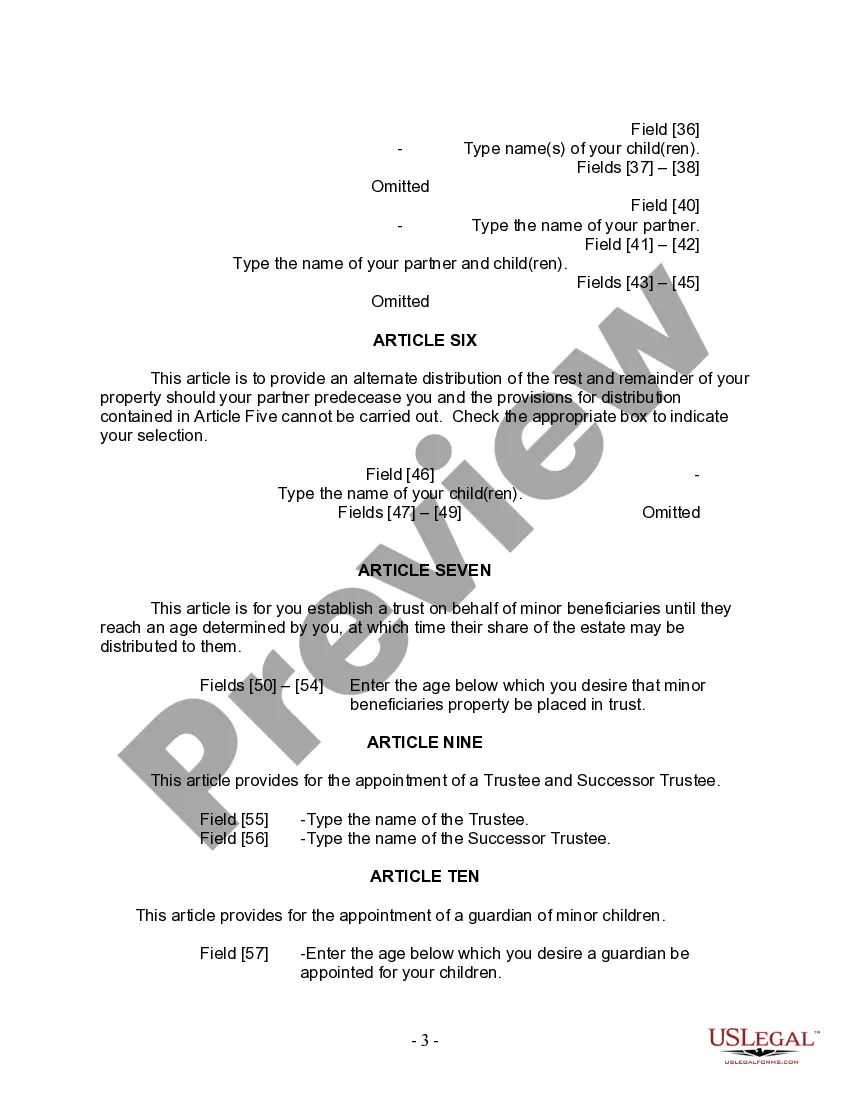
- Fill in the appointment fields for your executor, guardian, and trustee for minor children.
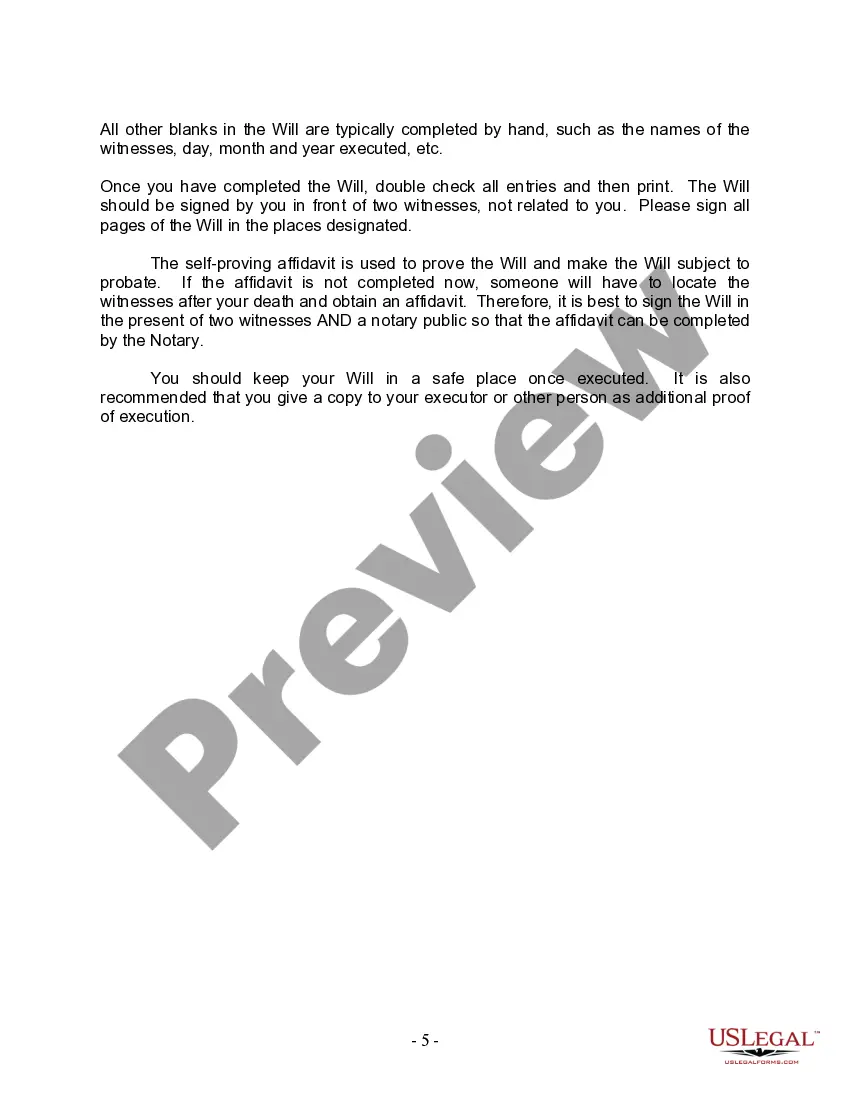
- Sign the will in front of two witnesses who are not related to you, and consider having it notarized if required in your state.
Does this form need to be notarized?
Yes, this form must be notarized to be legally valid. This ensures that your will is self-proving and can be admitted to probate without witnessing evidence. You can easily access US Legal Formsâ integrated online notarization service, offering a secure and convenient way to notarize your documents via video call.
Get your form ready online
Our built-in tools help you complete, sign, share, and store your documents in one place.
Make edits, fill in missing information, and update formatting in US Legal Forms—just like you would in MS Word.
Download a copy, print it, send it by email, or mail it via USPS—whatever works best for your next step.
Sign and collect signatures with our SignNow integration. Send to multiple recipients, set reminders, and more. Go Premium to unlock E-Sign.
If this form requires notarization, complete it online through a secure video call—no need to meet a notary in person or wait for an appointment.
We protect your documents and personal data by following strict security and privacy standards.

Make edits, fill in missing information, and update formatting in US Legal Forms—just like you would in MS Word.

Download a copy, print it, send it by email, or mail it via USPS—whatever works best for your next step.

Sign and collect signatures with our SignNow integration. Send to multiple recipients, set reminders, and more. Go Premium to unlock E-Sign.

If this form requires notarization, complete it online through a secure video call—no need to meet a notary in person or wait for an appointment.

We protect your documents and personal data by following strict security and privacy standards.
Mistakes to watch out for
- Failing to sign the will in the presence of the required witnesses.
- Not naming an alternate executor or guardian in case the primary choice is unavailable.
- Leaving property descriptions vague or incomplete.
- Not updating the will after significant life changes such as marriage, divorce, or having more children.
Why complete this form online
- Immediate access to a professionally drafted form tailored for civil unions.
- Easy customization options to meet your specific needs regarding property and guardianship.
- Convenient editing directly on your computer, ensuring accuracy.
- Easy downloading and printing for signing in compliance with legal requirements.
Summary of main points
- This Last Will and Testament is vital for civil union partners with children from previous marriages to ensure their wishes are honored.
- It includes provisions for property distribution, guardianship, and requires specific signing and witnessing formalities.
- Using this form can prevent potential legal issues regarding asset distribution upon your passing.
Looking for another form?

Form popularity
FAQ
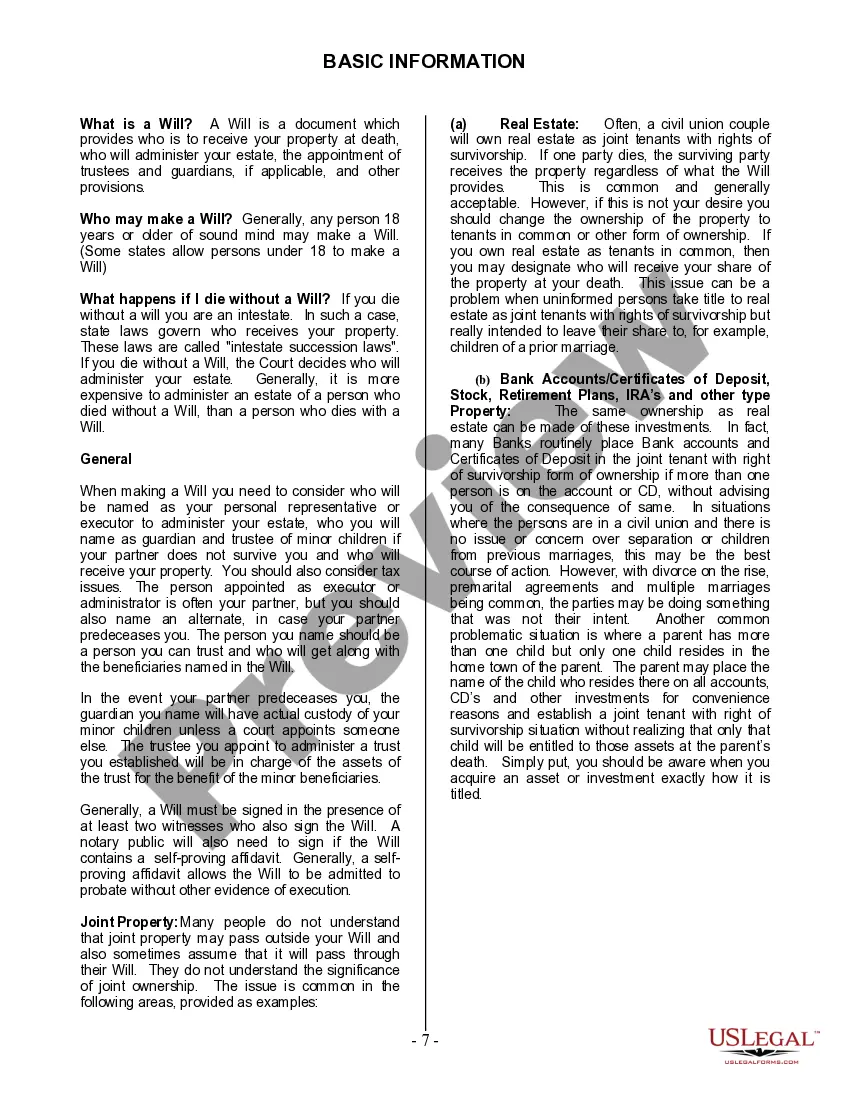
Will Probate Be Necessary? Probate court proceedings aren't always necessary. Usually, they are required only if the deceased person owned assets in his or her name alone. Other assets can probably be transferred to their new owners without probate.
Does Massachusetts recognize domestic partnerships? Yes. Massachusetts allows any couple to register for domestic partnership if they meet certain requirements. Requirements for domestic partnership can be viewed in the section above that lists them.
You can either download a template (many are free) and write your Will at your own pace offline using your word processor, or tell us your wishes in our online questionnaire and let us write it for you.
It does not matter whether the will was prepared online or by an attorney, so long as it is valid. In order for a will to be valid, it must meet the requirements of the state where the testator lives.
In Massachusetts, if you are over 18 and of sound mind, and have the signatures of 2 witnesses, your handwritten will may be considered valid. However, there are some issues you should consider before deciding a handwritten will (also called holographic) is sufficient for your estate planning needs.
There must be multiple witnesses of a will in order for it to be valid. In Massachusetts, there must be a minimum of two witnesses, and in most circumstances, they should not be set to benefit from the outcome of the will.
No, in Massachusetts, it is not necessary to notarize your will to make it legal. Massachusetts does, however, allow you to make your will "self-proving." A self-proving will speeds up probate because the court can accept the will without contacting the witnesses who signed it.
Technically, you can create your own will in Massachusetts. The only legal requirement is that you sign it in front of at least 2 witnesses and that those witnesses also sign the will.