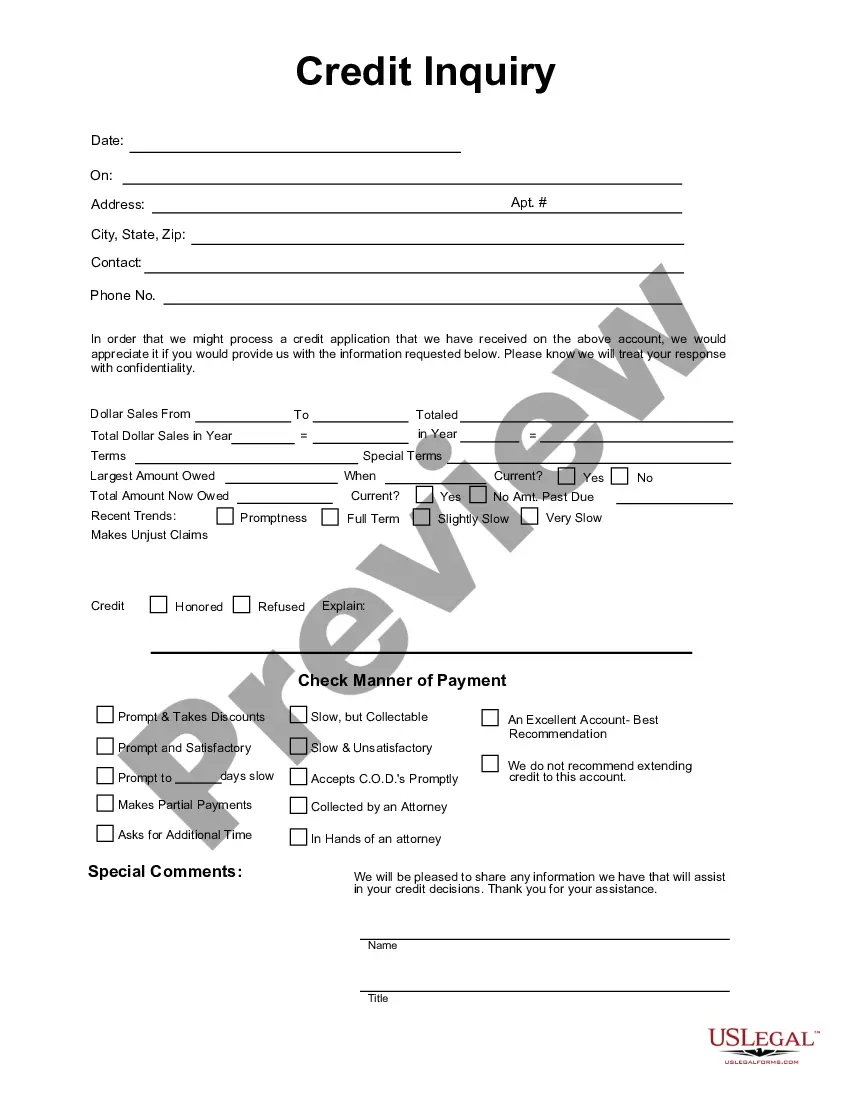
This form is a business type form that is formatted to allow you to complete the form using Adobe Acrobat or Word. The word files have been formatted to allow completion by entry into fields. Some of the forms under this category are rather simple while others are more complex. The formatting is worth the small cost.
Massachusetts Credit Inquiry
Category:
State:
Multi-State
Control #:
US-135-AZ
Format:
Word;
PDF;
Rich Text
Instant download
Description
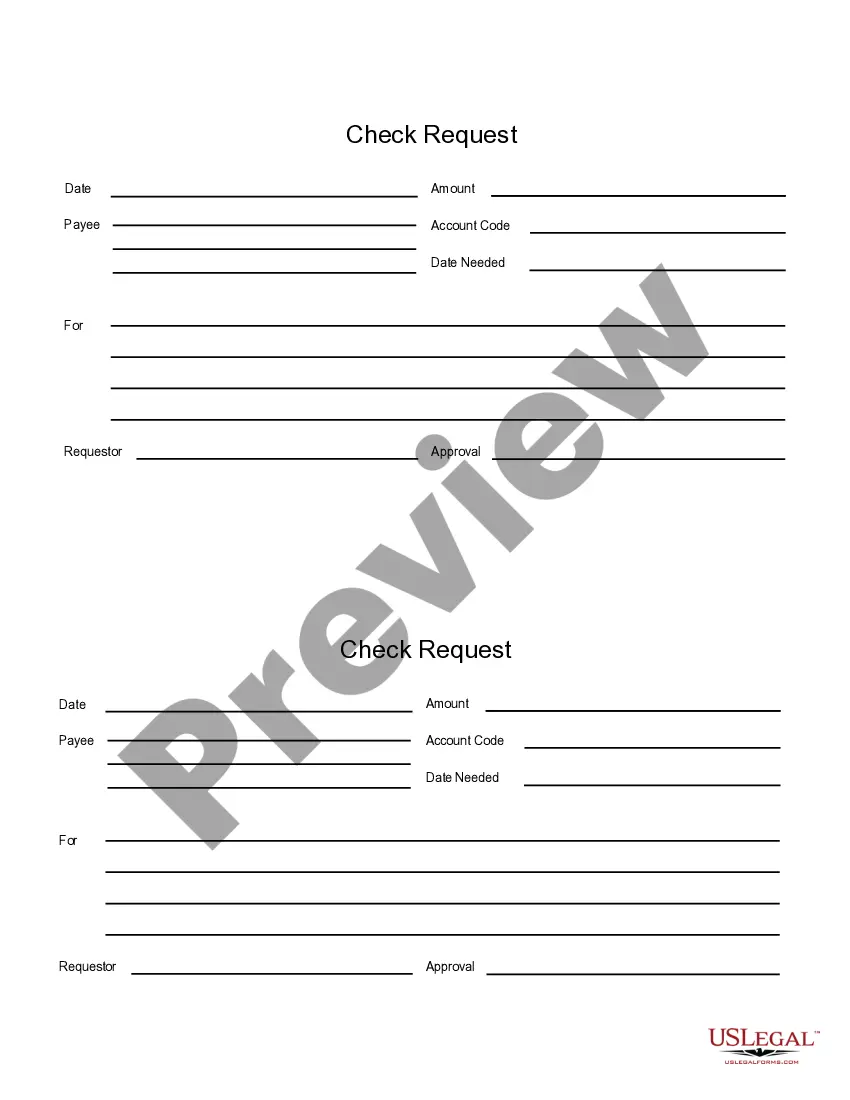
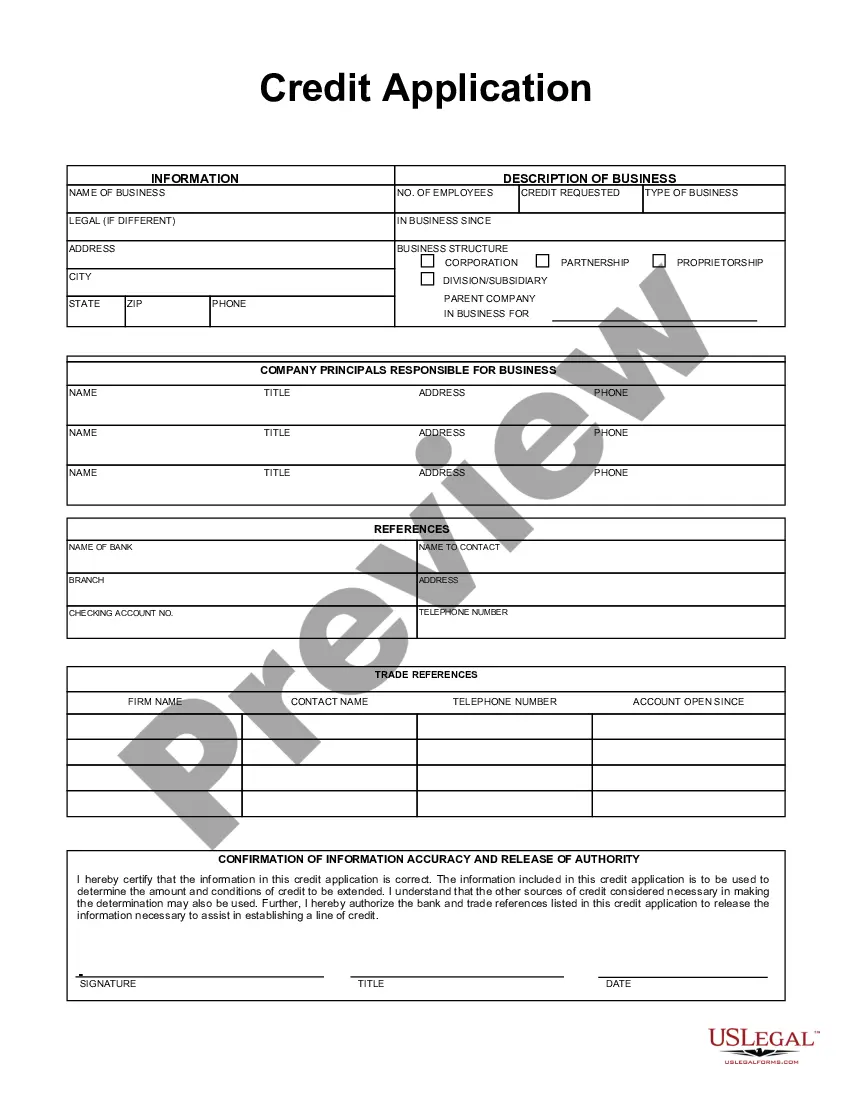
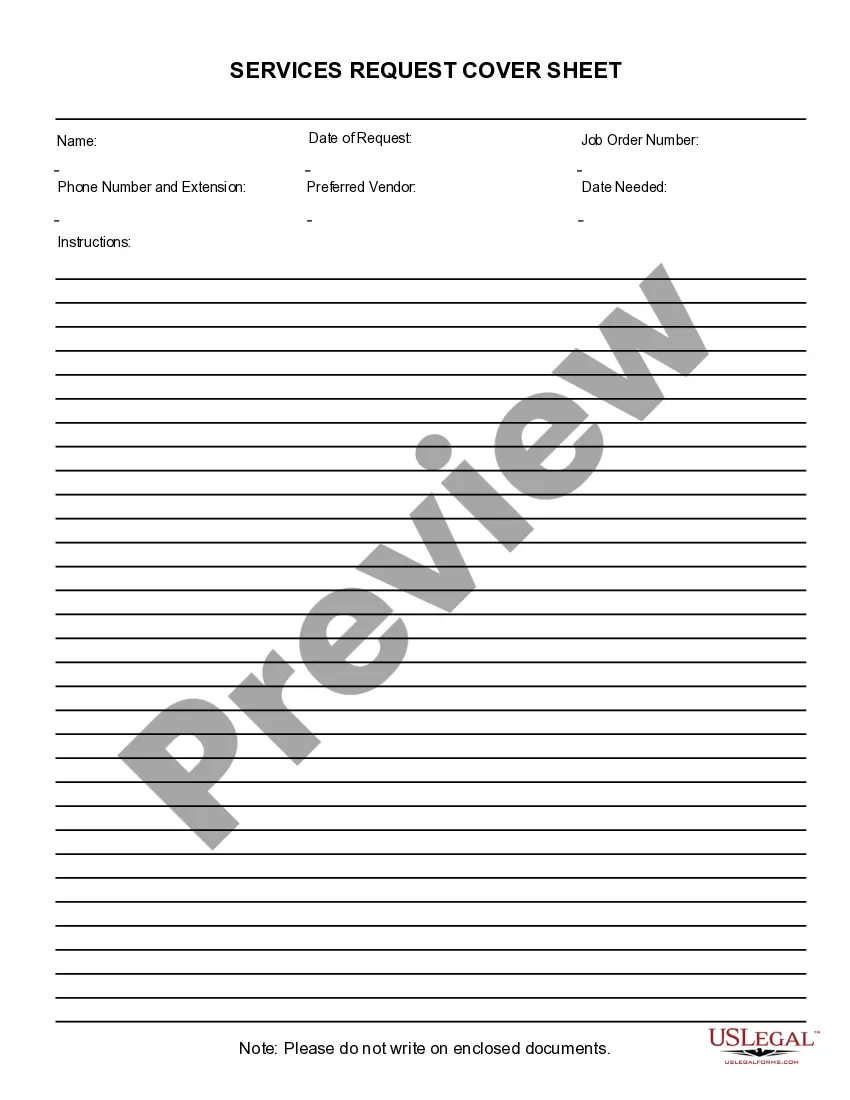
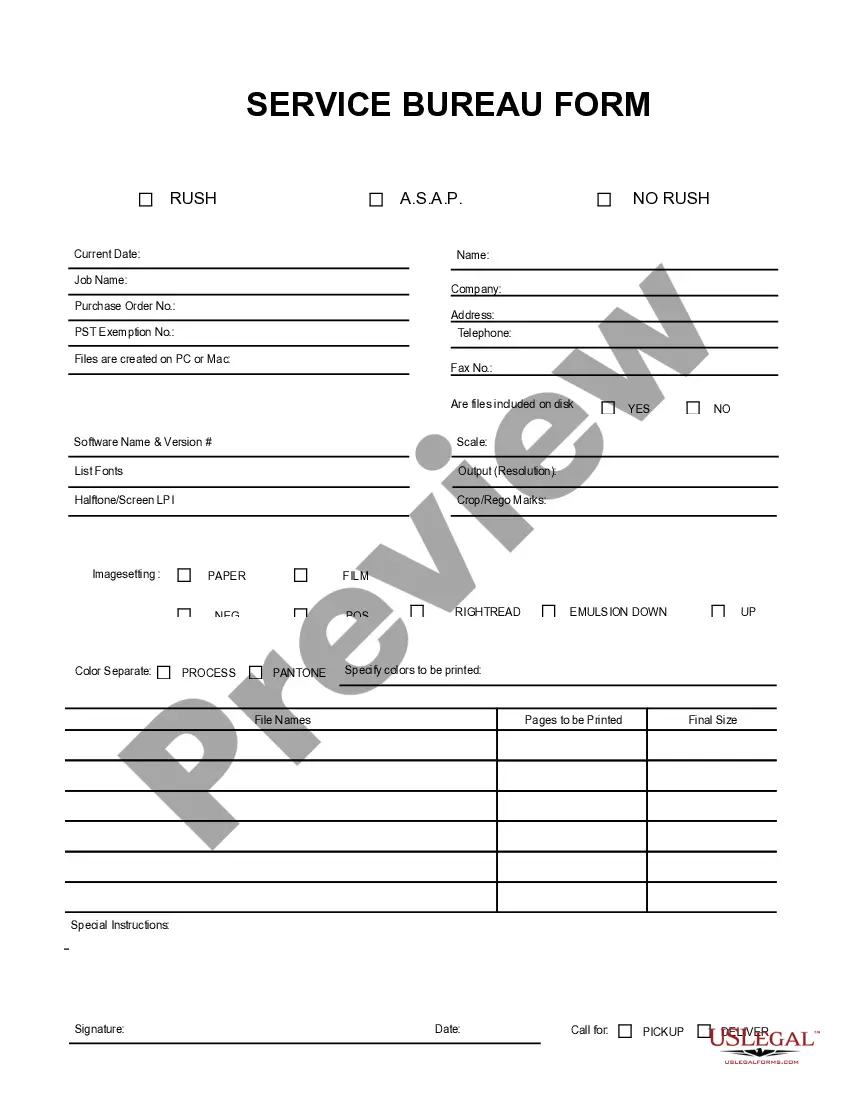
Get your form ready online
Our built-in tools help you complete, sign, share, and store your documents in one place.
Built-in online Word editor
Make edits, fill in missing information, and update formatting in US Legal Forms—just like you would in MS Word.
Export easily
Download a copy, print it, send it by email, or mail it via USPS—whatever works best for your next step.
E-sign your document
Sign and collect signatures with our SignNow integration. Send to multiple recipients, set reminders, and more. Go Premium to unlock E-Sign.
Notarize online 24/7
If this form requires notarization, complete it online through a secure video call—no need to meet a notary in person or wait for an appointment.
Store your document securely
We protect your documents and personal data by following strict security and privacy standards.

Make edits, fill in missing information, and update formatting in US Legal Forms—just like you would in MS Word.

Download a copy, print it, send it by email, or mail it via USPS—whatever works best for your next step.

Sign and collect signatures with our SignNow integration. Send to multiple recipients, set reminders, and more. Go Premium to unlock E-Sign.

If this form requires notarization, complete it online through a secure video call—no need to meet a notary in person or wait for an appointment.

We protect your documents and personal data by following strict security and privacy standards.
Looking for another form?





How to fill out Credit Inquiry?
You might spend numerous hours online attempting to locate the legal document template that meets the federal and state requirements you have. US Legal Forms offers thousands of legal templates that are evaluated by professionals.
You can obtain or print the Massachusetts Credit Inquiry from my service.
If you possess a US Legal Forms account, you may Log In and click on the Download button. Subsequently, you may fill out, modify, print, or sign the Massachusetts Credit Inquiry. Each legal document template you receive is yours forever.
Complete the transaction. You may use your credit card or PayPal account to pay for the legal form. Choose the format of your document and download it to your device. Make adjustments to your document if needed. You can fill out, modify, sign, and print the Massachusetts Credit Inquiry. Download and print thousands of document templates using the US Legal Forms site, which provides the largest selection of legal forms. Use professional and state-specific templates to address your business or personal needs.
- To acquire an additional copy of any purchased form, go to the My documents section and click on the appropriate button.
- If you are using the US Legal Forms website for the first time, follow the simple instructions below.
- First, ensure that you have selected the correct document template for the region/city that you choose. Review the document description to confirm that you have chosen the correct form.
- If available, utilize the Preview button to review the document template as well.
- If you wish to find another version of your form, use the Search field to locate the template that fits your needs.
- Once you have found the template you want, click Buy now to proceed.
- Select the payment plan you desire, enter your information, and register for your account on US Legal Forms.
Form popularity
FAQ
Filing a dispute has no impact on your score, however, if information on your credit report changes after your dispute is processed, your credit scores could change.
If you spot a hard credit inquiry on your credit report and it's legitimate (i.e., you knew you were applying for credit), there's nothing you can do to remove it besides wait. It won't impact your score after 12 months and will fall off your credit report after two years.
All new auto or mortgage loan or utility inquiries will show on your credit report; however, only one of the inquiries within a specified window of time will impact your credit score. This exception generally does not apply to other types of loans, such as credit cards.
According to FICO, a hard inquiry from a lender will decrease your credit score five points or less. If you have a strong credit history and no other credit issues, you may find that your scores drop even less than that.
This information is reported to Equifax by your lenders and creditors and includes the types of accounts (for example, a credit card, mortgage, student loan, or vehicle loan), the date those accounts were opened, your credit limit or loan amount, account balances, and your payment history.
The idea of removing hard inquiries from your credit report to improve your credit score may sound appealing. But disputing a genuine hard inquiry on your credit report will likely not result in any change to your scores. You can, however, dispute ones that are a result of fraud.
Though prospective employers don't see your credit score in a credit check, they do see your open lines of credit (such as mortgages), outstanding balances, auto or student loans, foreclosures, late or missed payments, any bankruptcies and collection accounts.
No, requesting your credit report will not hurt your credit score. Checking your own credit report is not an inquiry about new credit, so it has no effect on your score.
If you find an unauthorized or inaccurate hard inquiry, you can file a dispute letter and request that the bureau remove it from your report. The consumer credit bureaus must investigate dispute requests unless they determine your dispute is frivolous. Still, not all disputes are accepted after investigation.
A credit freeze typically lasts until you remove it. But in a few states, a credit freeze expires after seven years, according to the Federal Trade Commission (FTC). Do you need to freeze your credit with all the credit bureaus? Yes, you should, for full protection.