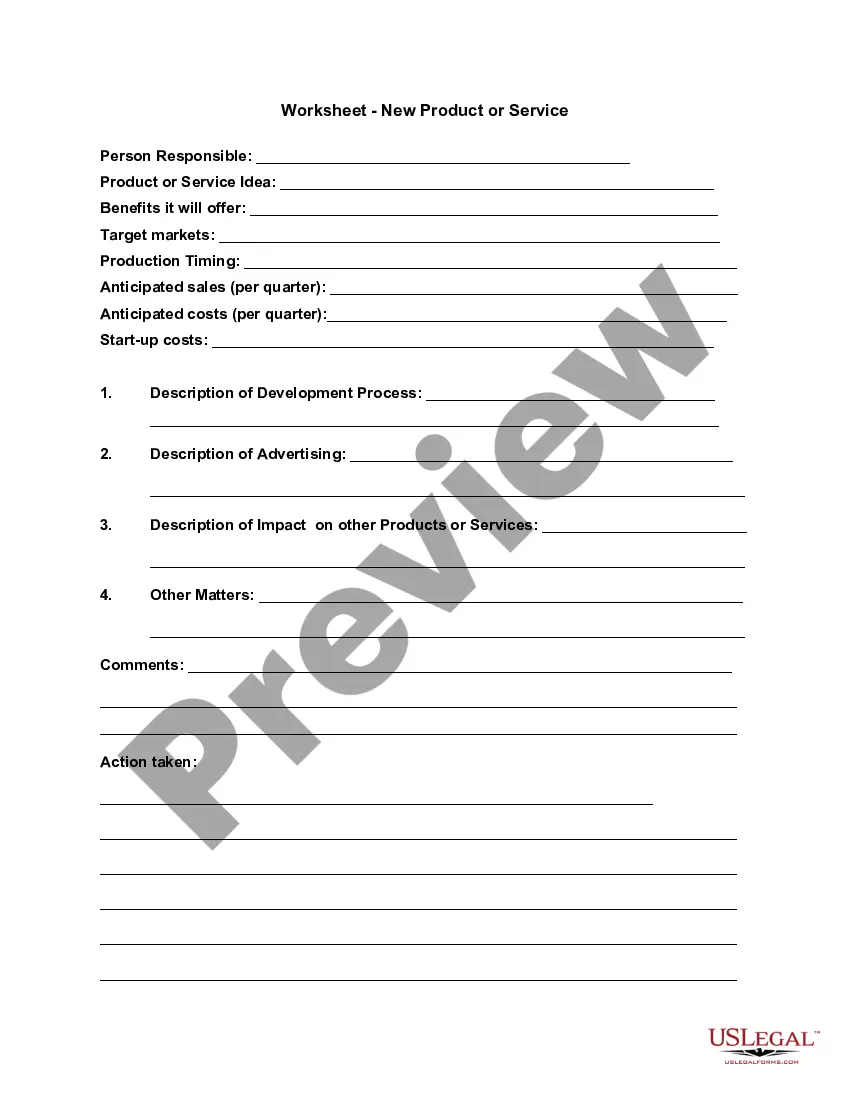
Massachusetts Products and Services Differentiation Worksheet
Description
Get your form ready online
Our built-in tools help you complete, sign, share, and store your documents in one place.
Make edits, fill in missing information, and update formatting in US Legal Forms—just like you would in MS Word.
Download a copy, print it, send it by email, or mail it via USPS—whatever works best for your next step.
Sign and collect signatures with our SignNow integration. Send to multiple recipients, set reminders, and more. Go Premium to unlock E-Sign.
If this form requires notarization, complete it online through a secure video call—no need to meet a notary in person or wait for an appointment.
We protect your documents and personal data by following strict security and privacy standards.

Make edits, fill in missing information, and update formatting in US Legal Forms—just like you would in MS Word.

Download a copy, print it, send it by email, or mail it via USPS—whatever works best for your next step.

Sign and collect signatures with our SignNow integration. Send to multiple recipients, set reminders, and more. Go Premium to unlock E-Sign.

If this form requires notarization, complete it online through a secure video call—no need to meet a notary in person or wait for an appointment.

We protect your documents and personal data by following strict security and privacy standards.
Looking for another form?


How to fill out Products And Services Differentiation Worksheet?
You have the ability to dedicate several hours online searching for the legal document template that meets your federal and state requirements.
US Legal Forms provides thousands of legal forms that have been verified by experts.
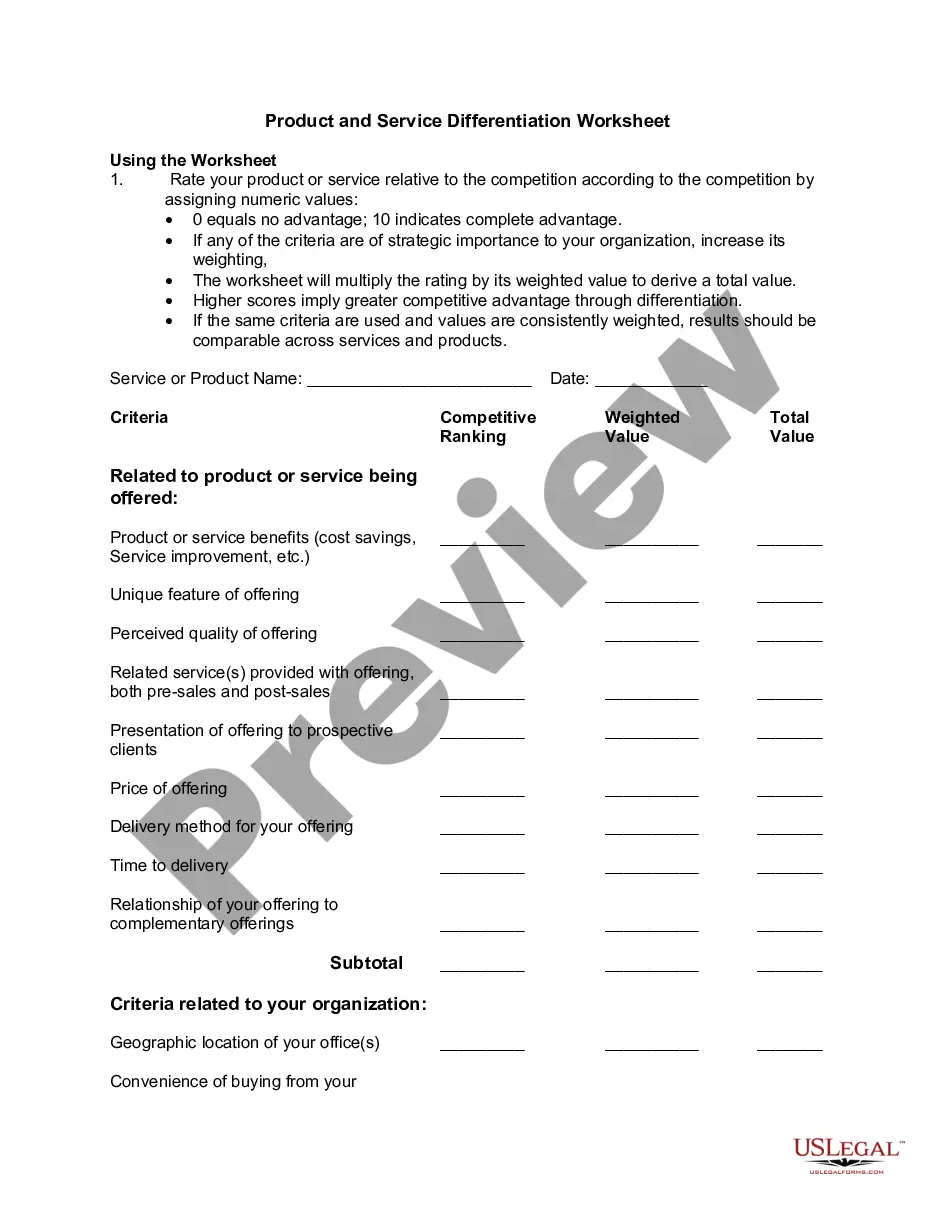
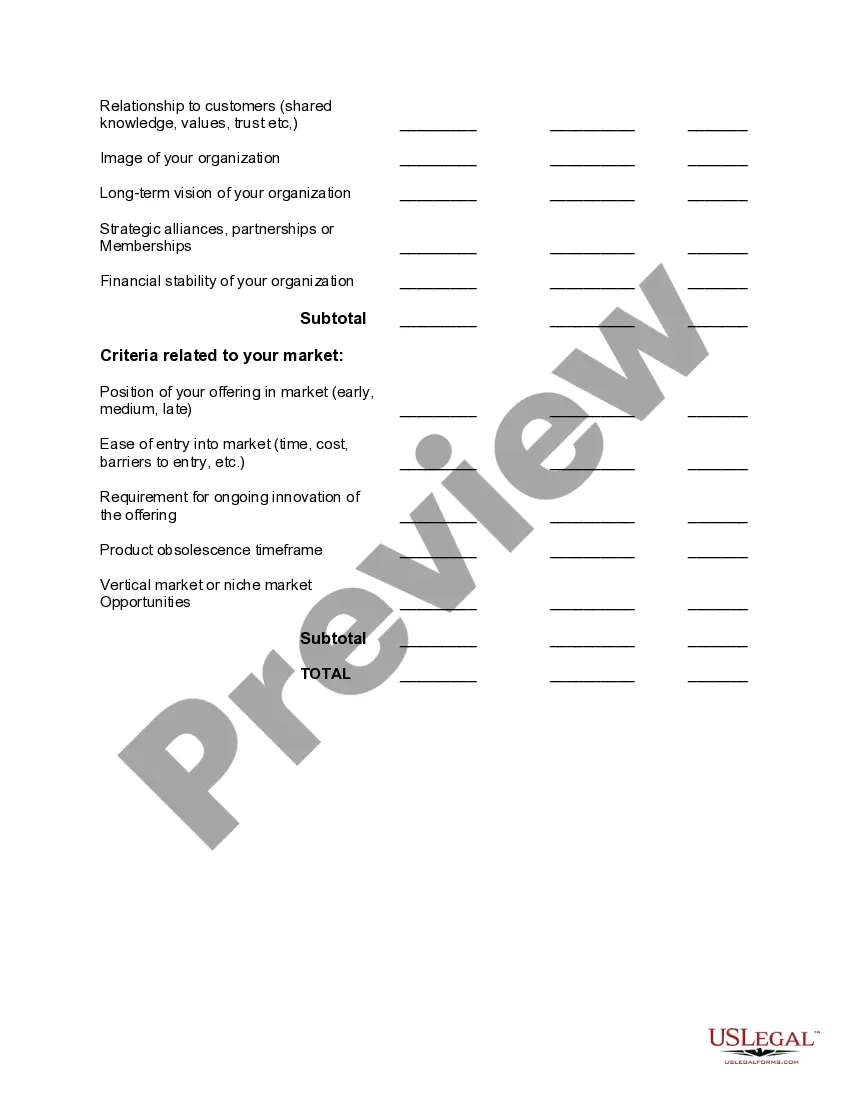
You can download or print the Massachusetts Products and Services Differentiation Worksheet from our platform.
If available, utilize the Review feature to examine the document template as well.
- If you already have a US Legal Forms account, you can sign in and then click the Obtain button.
- Afterward, you can complete, modify, print, or sign the Massachusetts Products and Services Differentiation Worksheet.
- Every legal document template you obtain remains yours indefinitely.
- To receive an additional copy of any purchased form, navigate to the My documents section and click the appropriate option.
- If you are using the US Legal Forms site for the first time, follow the simple instructions below.
- First, ensure you have selected the correct document template for the jurisdiction/town that you choose.
- Review the document description to verify you have chosen the correct form.
Form popularity
FAQ
Content differentiated worksheets are developed to accommodate differences in a student's cognitive process, which might be affected by factors such as a background in another language.
20 Differentiated Instruction Strategies and Examples + Downloadable ListCreate Learning Stations.Use Task Cards.Interview Students.Target Different Senses Within Lessons.Share Your Own Strengths and Weaknesses.Use the Think-Pair-Share Strategy.Make Time for Journaling.Implement Reflection and Goal-Setting Exercises.More items...?
Differentiated instruction is based on modification of four elements: content, process,product, and affect/learning environment. This modification is guided by the.teacher201fs understanding of student needsthe students201f readiness, interests, and.learning profile.
You can differentiate instruction across four main areas: content, process, product, and environment. To differentiate content, teachers consider the objective of a lesson, then provide students with flexible options about the content they study to meet the objective, from subject or topic to approach or presentation.
20 Differentiated Instruction Strategies and Examples + Downloadable ListCreate Learning Stations.Use Task Cards.Interview Students.Target Different Senses Within Lessons.Share Your Own Strengths and Weaknesses.Use the Think-Pair-Share Strategy.Make Time for Journaling.Implement Reflection and Goal-Setting Exercises.More items...?20 Sept 2021
An example of product differentiation is when a company emphasizes a characteristic of a new product to market that sets it apart from others already on the market. For example, Tesla differentiates itself from other auto brands because their cars are innovative, high-end, and battery-operated.
As teachers begin to differentiate instruction, there are three main instructional elements that they can adjust to meet the needs of their learners:Contentthe knowledge and skills students need to master.Processthe activities students use to master the content.Productthe method students use to demonstrate learning.
Another example of differentiating instruction is creating literature circles. While this sounds like an English concept, it can be applied in any class where you can group students with leveled texts. Students could all be reading about the Civil War, but they could be reading a text that is at their reading level.
Seven Principles of Differentiated InstructionUnderstand student learning strengths and weaknesses.Get to know student interests.Identify student readiness for a particular concept, skill, or task.Develop respectful tasks.Use flexible grouping.Embed ongoing assessment and adjustment.More items...
Examples of differentiating content at the elementary level include the following:Using reading materials at varying readability levels;Putting text materials on tape;Using spelling or vocabulary lists at readiness levels of students;Presenting ideas through both auditory and visual means;Using reading buddies; and.More items...