Massachusetts Stand Alone Confidentiality and Noncompetition Agreement with Employee
Description
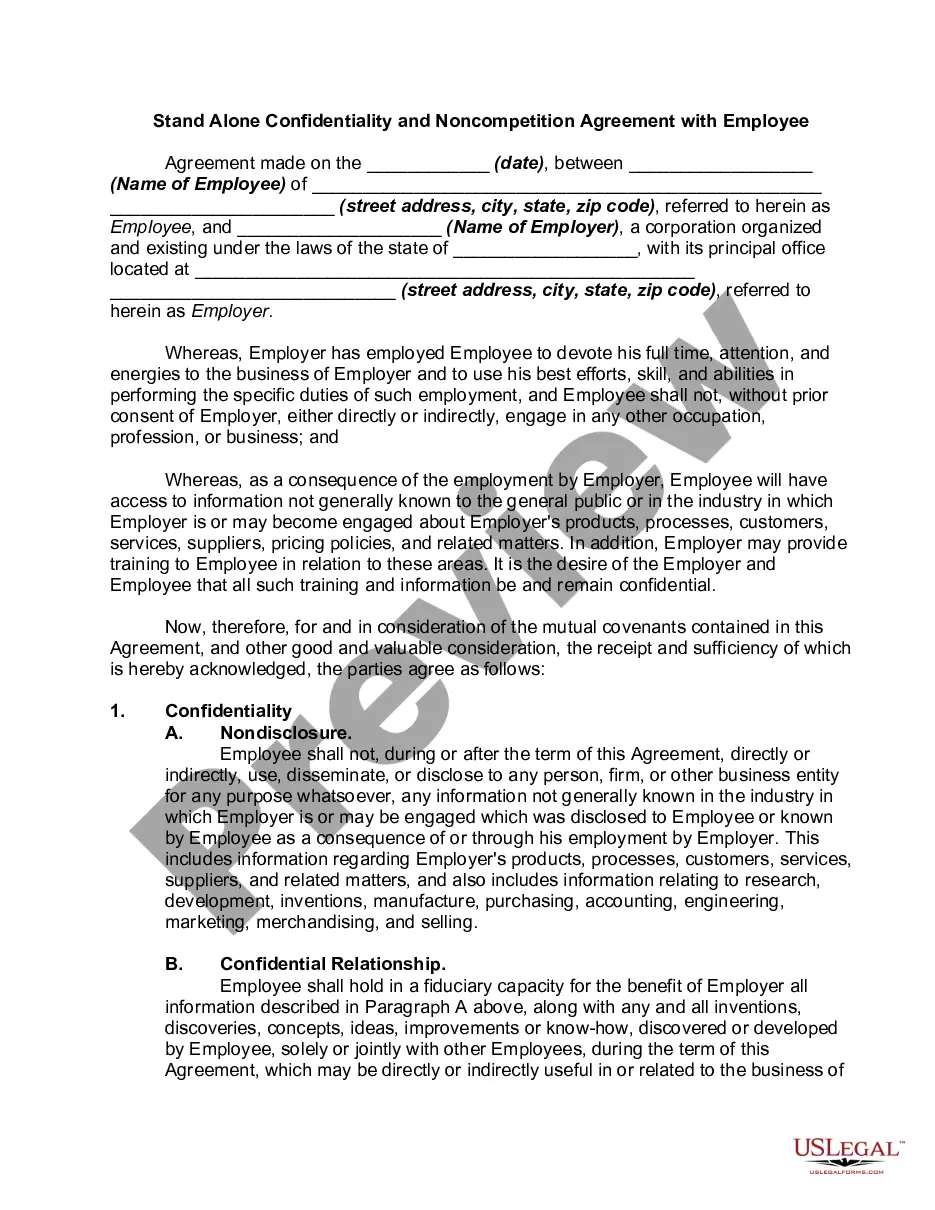
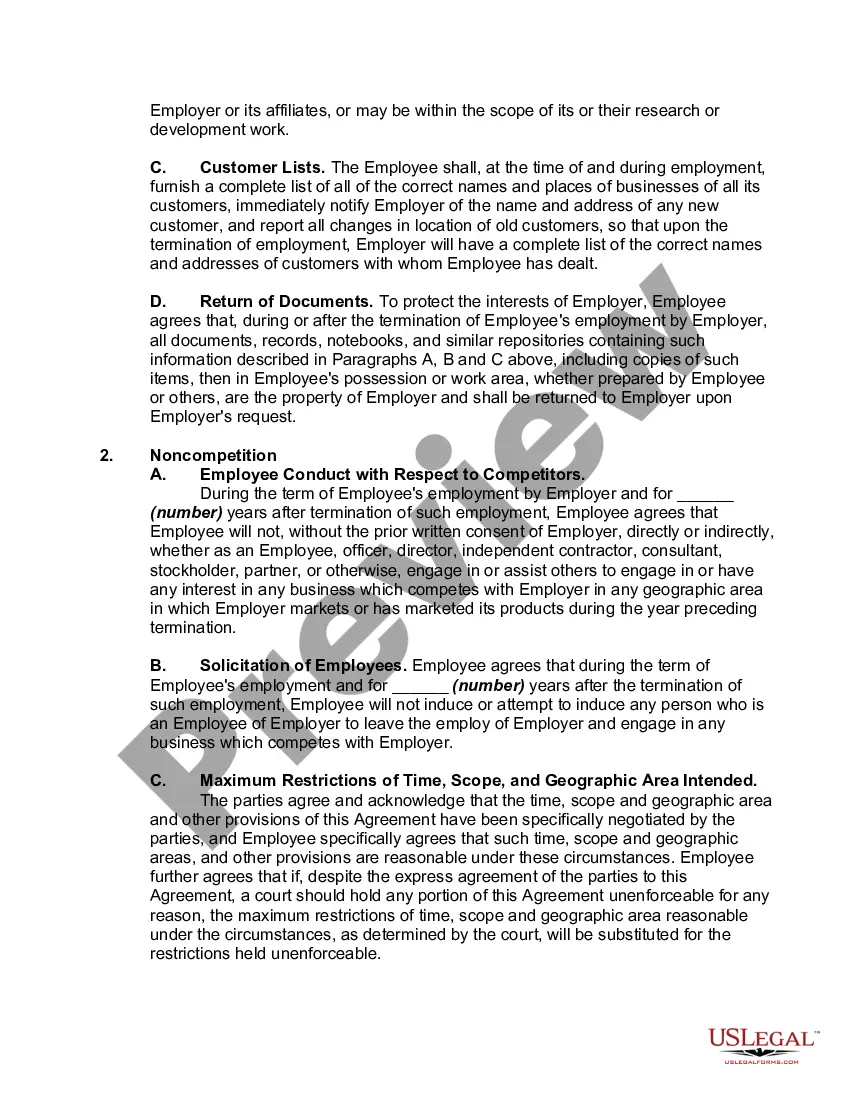
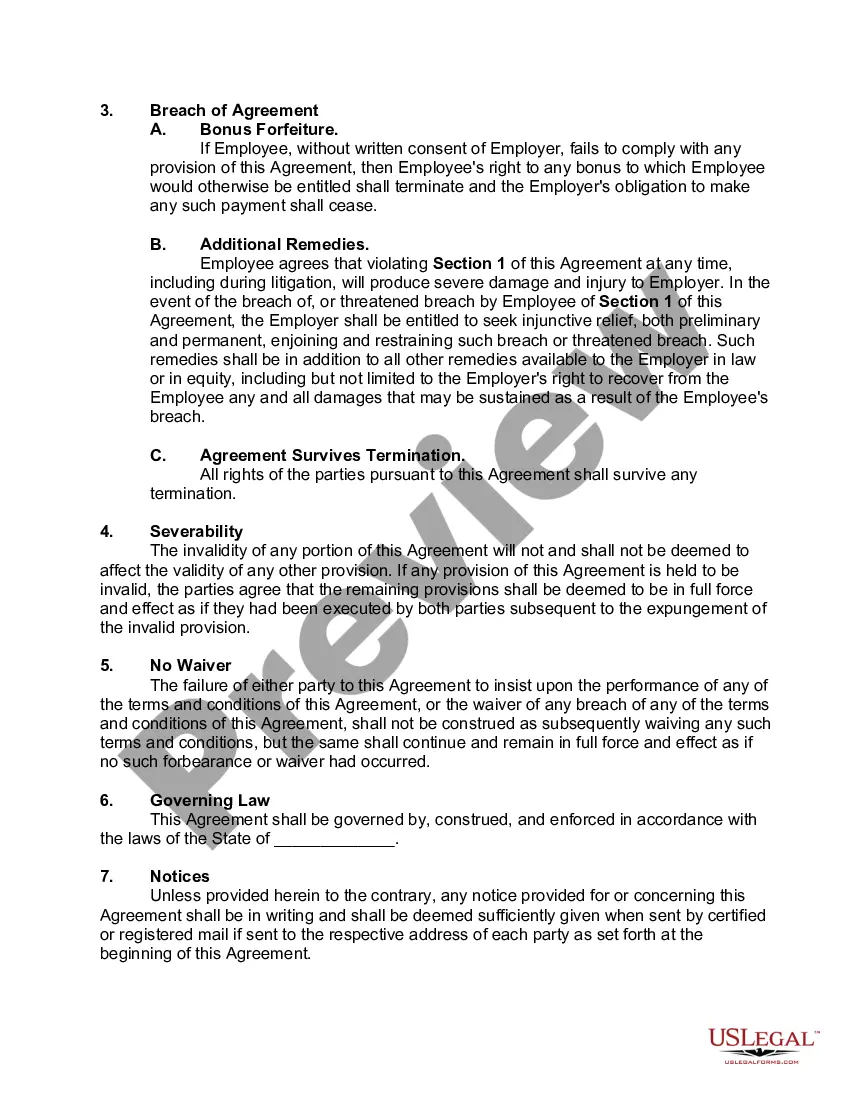
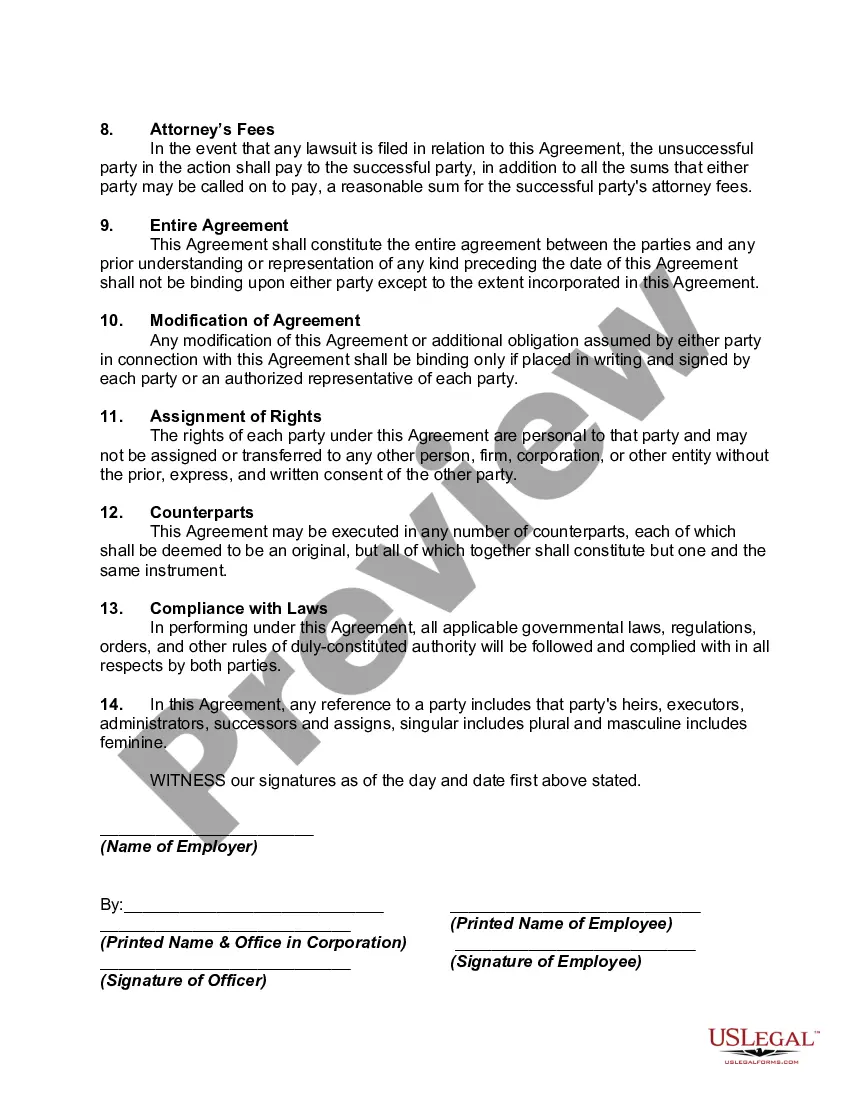
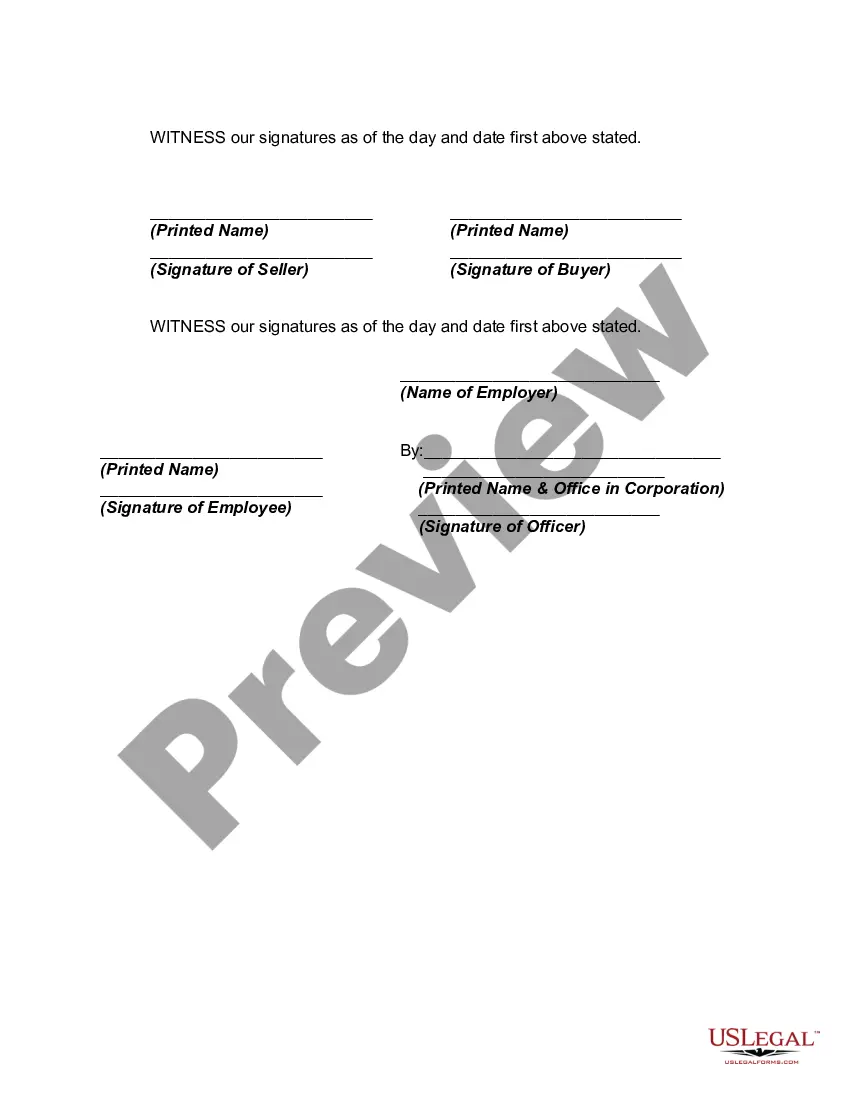
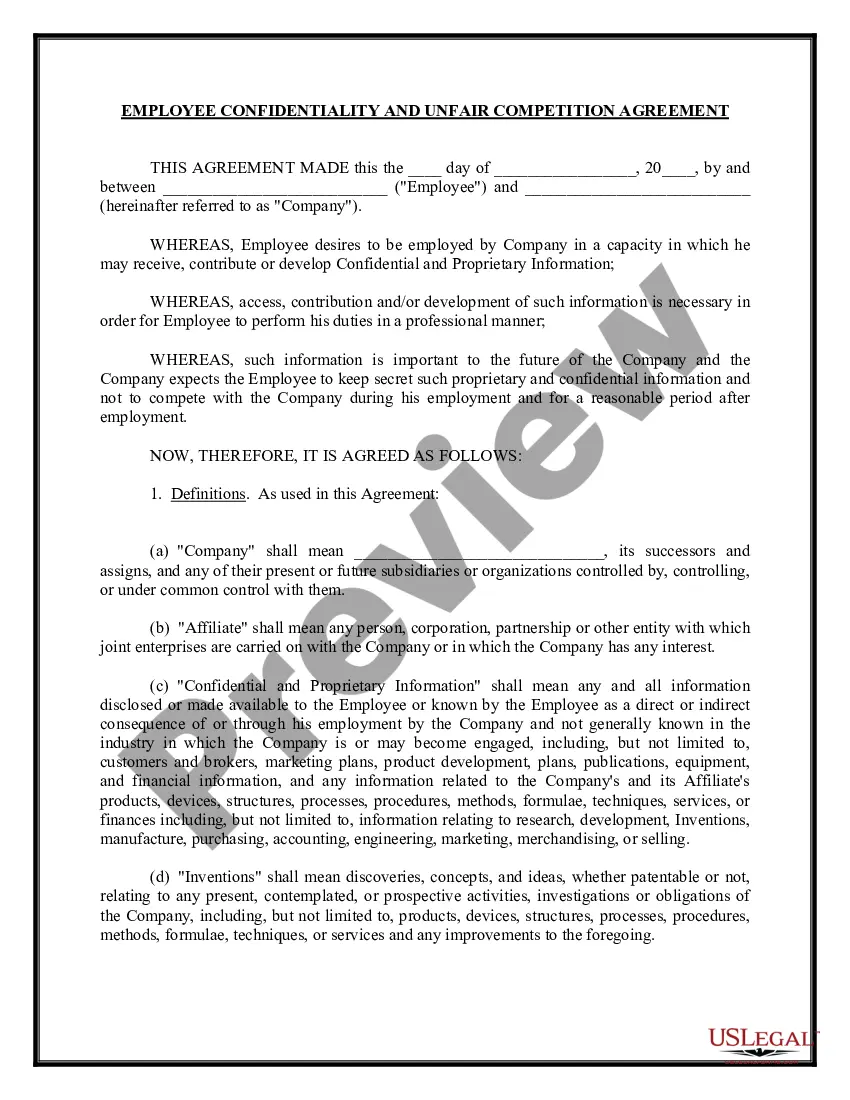
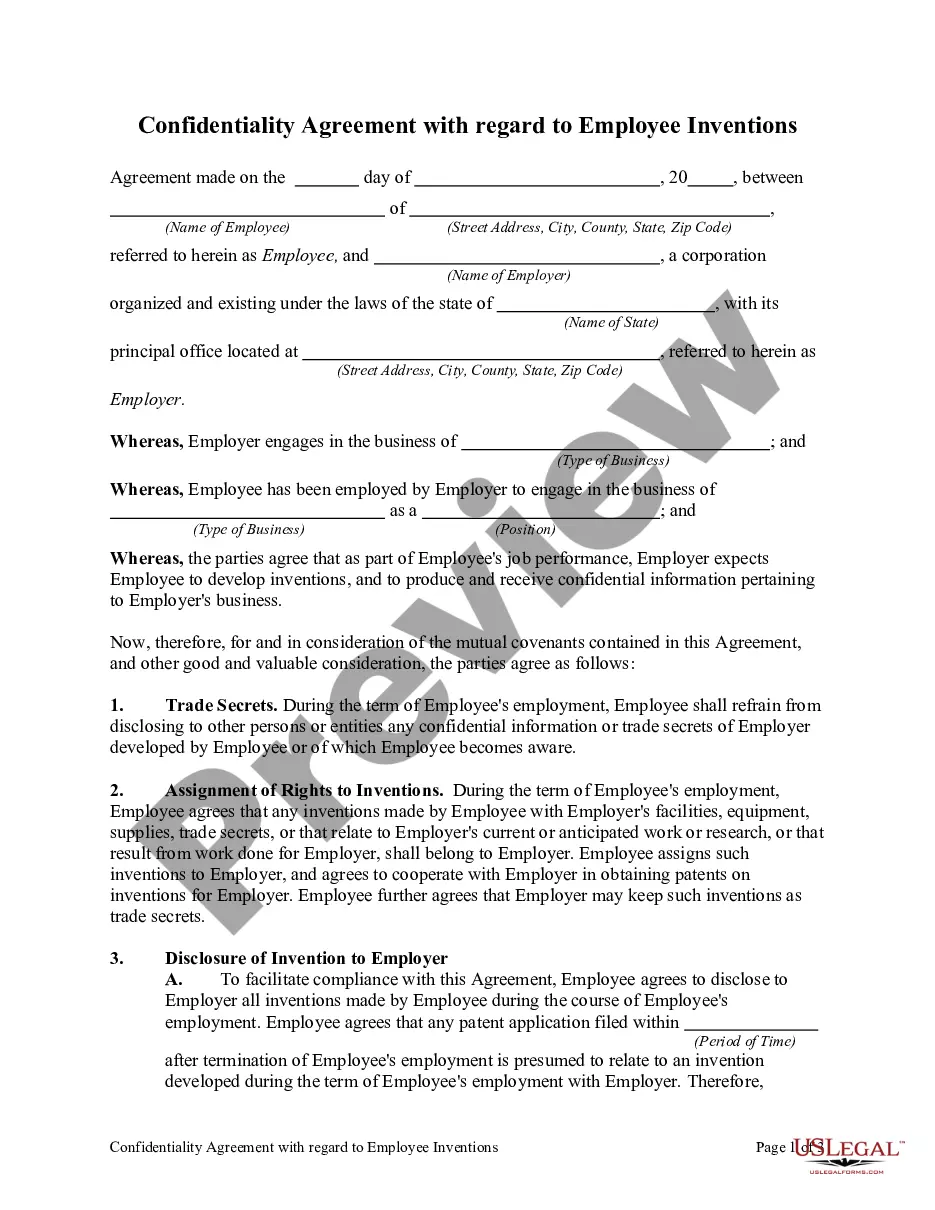
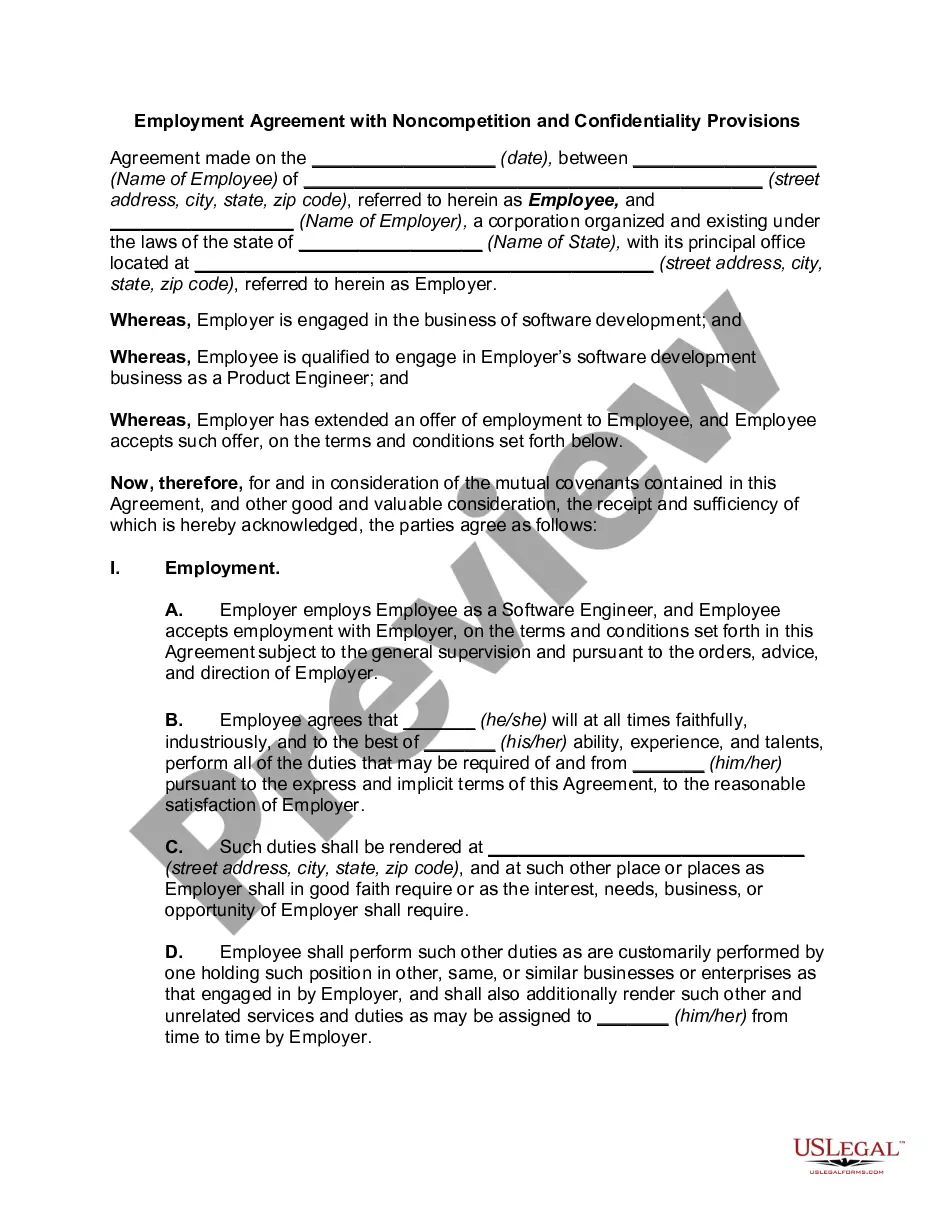
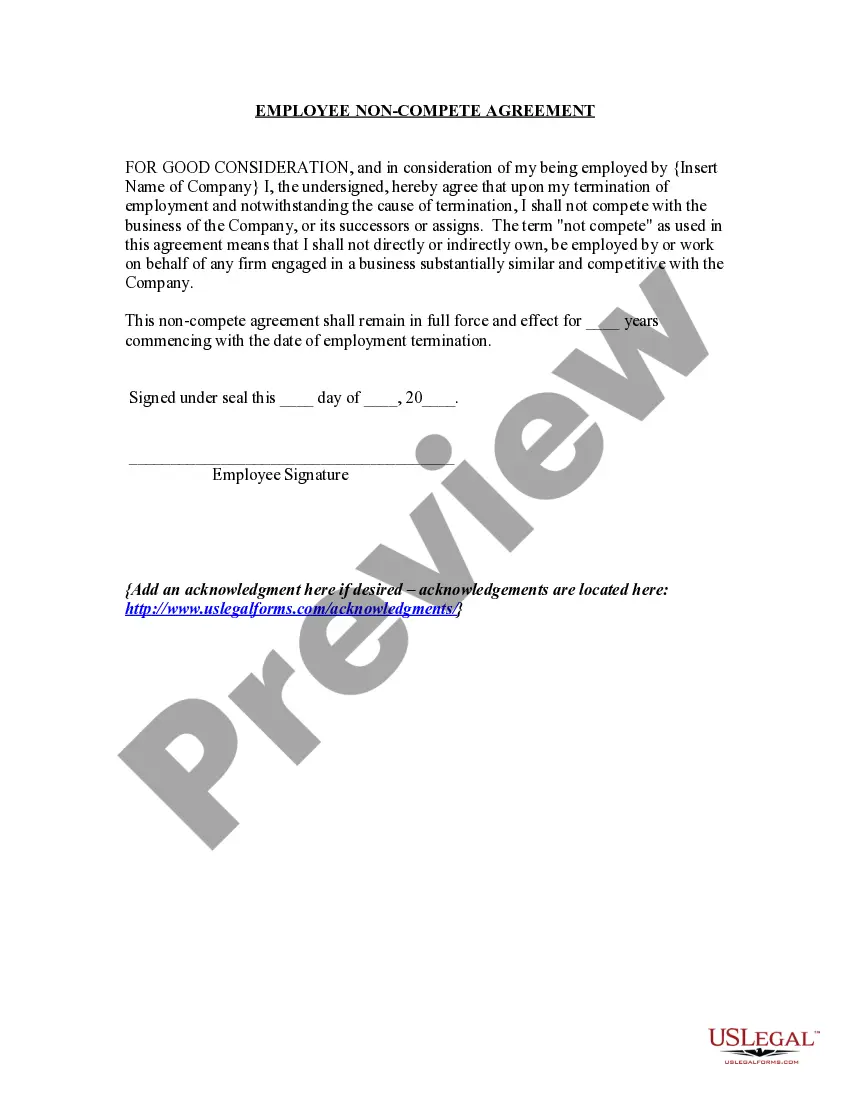
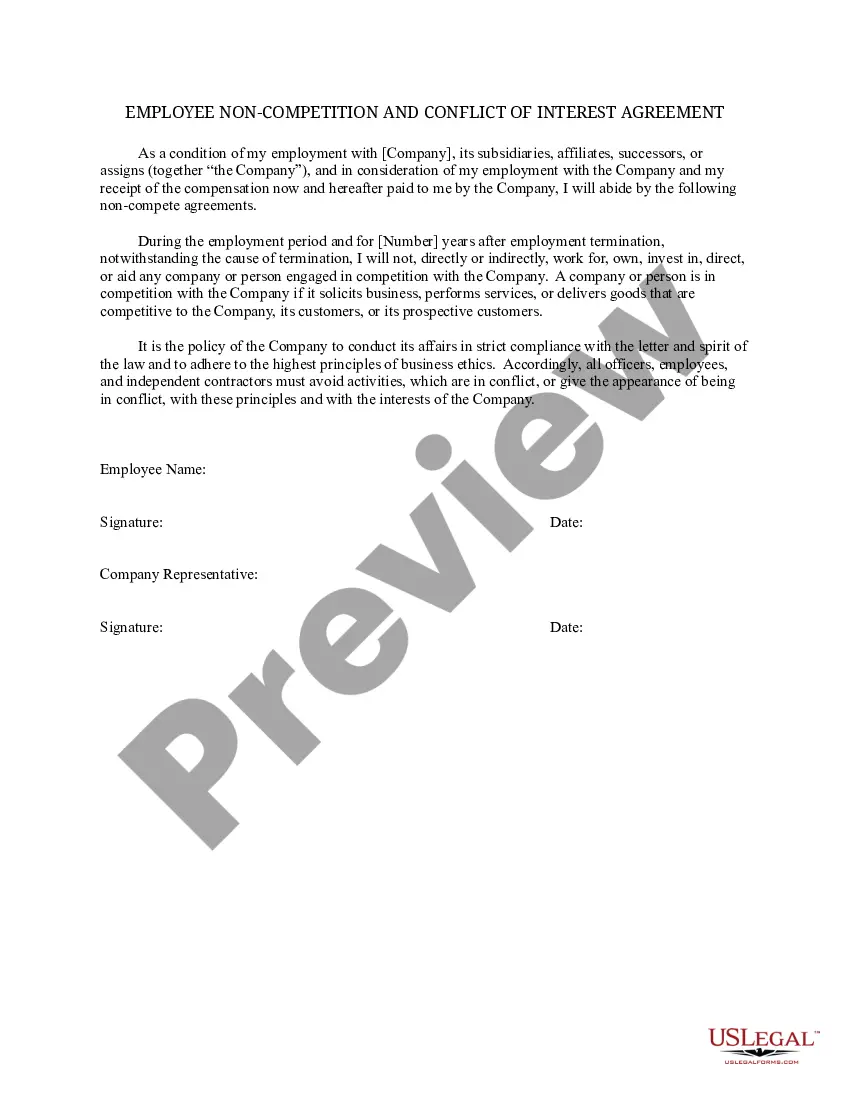
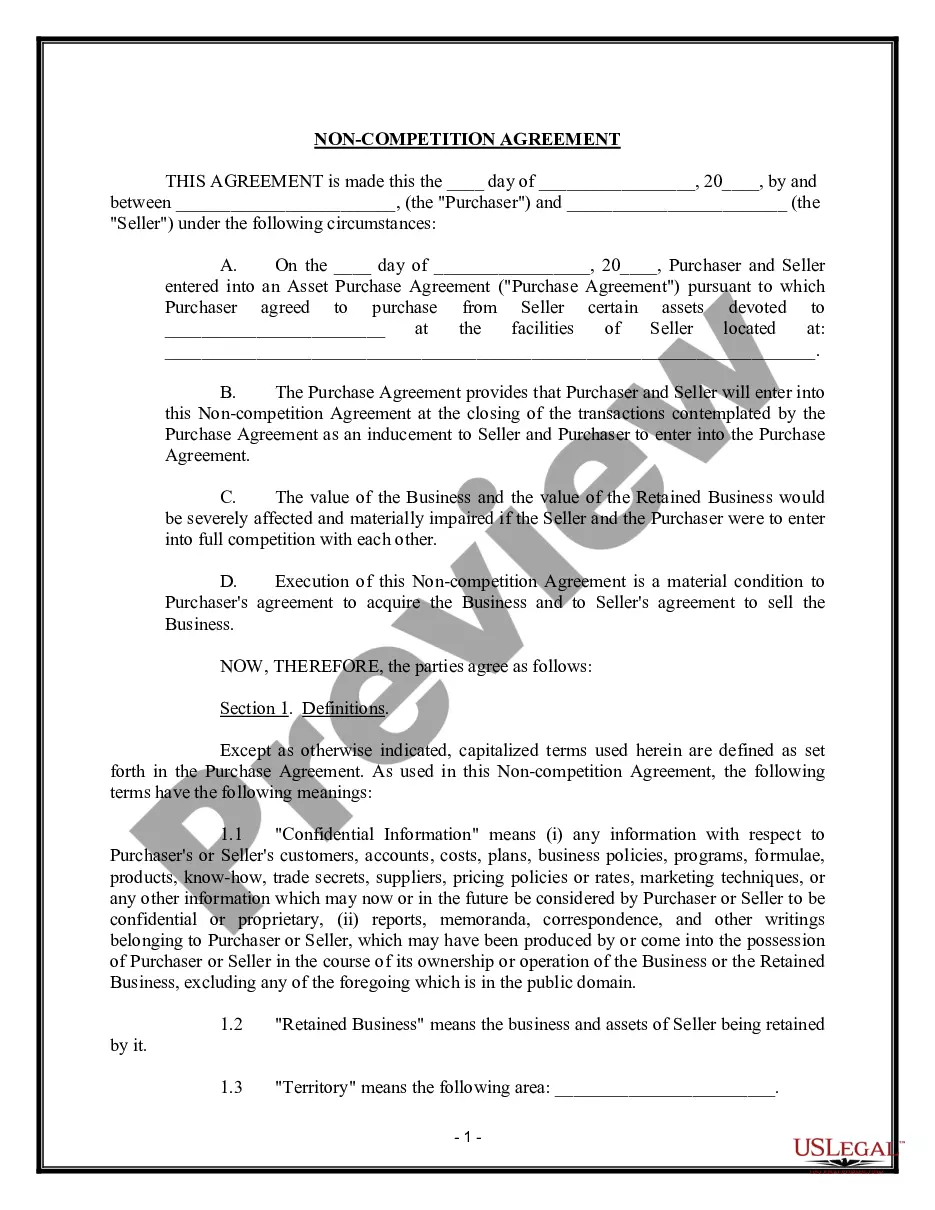


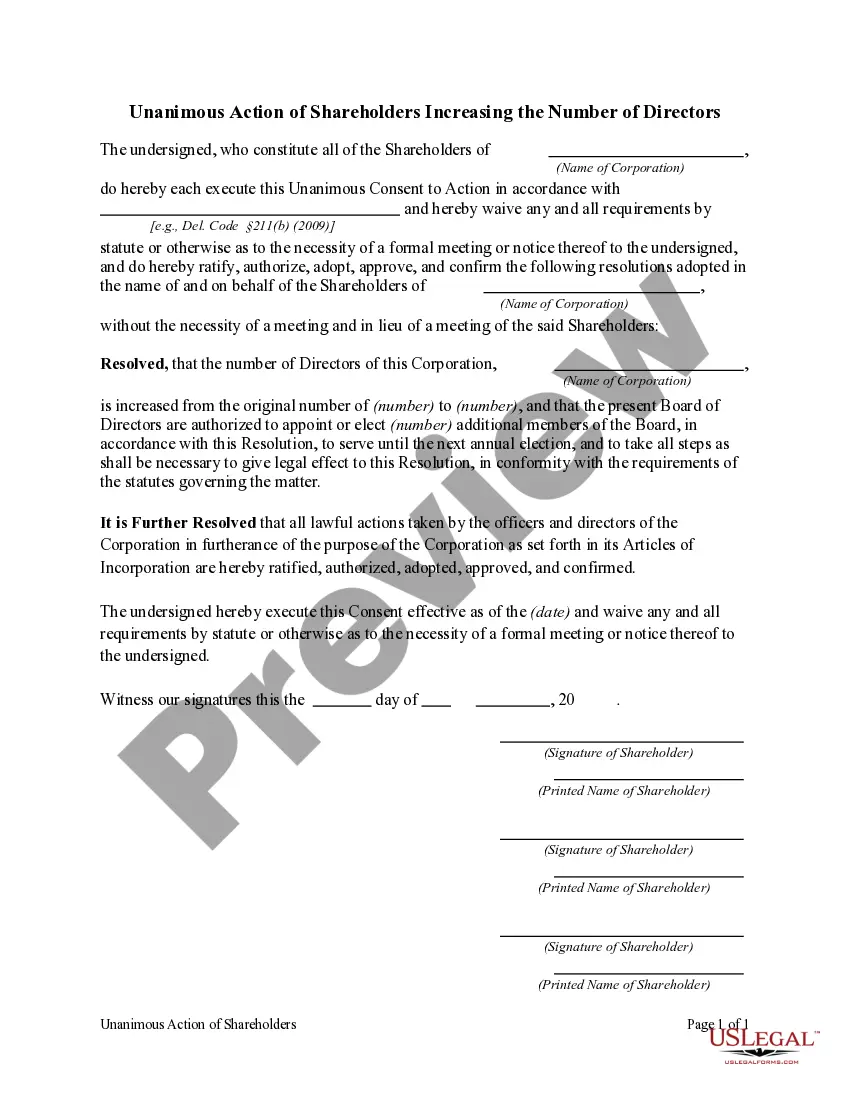
How to fill out Stand Alone Confidentiality And Noncompetition Agreement With Employee?
You can spend hours online trying to locate the legal document template that meets the state and federal requirements you need.
US Legal Forms offers thousands of legal templates that have been reviewed by professionals.
You can easily download or print the Massachusetts Stand Alone Confidentiality and Noncompetition Agreement with Employee from our service.
If available, use the Preview button to check the document template as well. If you want to get another version of the form, use the Search area to find the template that meets your needs and requirements. Once you have found the template you need, click Get now to proceed. Choose the pricing plan you need, enter your credentials, and sign up for an account on US Legal Forms. Complete the purchase. You can use your Visa or Mastercard or PayPal account to pay for the legal form. Choose the format of the document and download it to your device. Make changes to the document if necessary. You can complete, edit, sign, and print the Massachusetts Stand Alone Confidentiality and Noncompetition Agreement with Employee. Download and print thousands of document templates using the US Legal Forms website, which provides the largest collection of legal forms. Utilize professional and state-specific templates to address your business or personal needs.
- If you already have a US Legal Forms account, you may Log In and click on the Download button.
- Then, you can complete, edit, print, or sign the Massachusetts Stand Alone Confidentiality and Noncompetition Agreement with Employee.
- Every legal template you purchase is yours permanently.
- To obtain an additional copy of a purchased form, go to the My documents tab and click on the corresponding button.
- If you are using the US Legal Forms site for the first time, follow the basic instructions below.
- First, make sure you have selected the correct document template for the county/city of your choice.
- Check the type outline to ensure you have chosen the appropriate form.
Form popularity
FAQ
Yes, Massachusetts does allow non-solicitation agreements, provided they meet certain legal standards. These agreements need to protect legitimate business interests without imposing undue restrictions on an employee's ability to work. A Massachusetts Stand Alone Confidentiality and Noncompetition Agreement with Employee can be a robust way to define these conditions, thereby securing your business's interests while respecting employees' rights.
Yes, non-solicitation of employees can be enforceable in Massachusetts, but it depends on several factors, including reasonableness of time and scope. An effectively written Massachusetts Stand Alone Confidentiality and Noncompetition Agreement with Employee can ensure that these non-solicitation clauses are valid and defensible. Consulting with a legal expert is advisable to navigate these complexities.
In Massachusetts, the law regarding solicitation mainly focuses on the protection of trade secrets and contractual agreements. The state allows employers to limit employees from soliciting clients or other employees under specific circumstances. A well-crafted Massachusetts Stand Alone Confidentiality and Noncompetition Agreement with Employee can clearly outline the parameters of permitted and prohibited solicitation, enhancing legal clarity and protection.
Yes, non-disclosure agreements (NDAs) are legal in Massachusetts. These agreements protect sensitive information shared between parties, including employers and employees. When drafted correctly, a Massachusetts Stand Alone Confidentiality and Noncompetition Agreement with Employee can provide strong legal protections. It's important for both parties to understand the terms to ensure enforceability.
Non-compete agreements are generally enforceable while an employee is still working for the company, as long as the agreement is reasonable. They are designed to protect business interests during employment and can prevent employees from sharing trade secrets or sensitive information. A well-drafted Massachusetts Stand Alone Confidentiality and Noncompetition Agreement with Employee ensures clarity around expectations for both the employee and employer.
Confidentiality agreements are generally enforceable if they are reasonable and protect legitimate business interests. Courts often assess the clarity of the agreement and its scope when determining enforceability. Utilizing a Massachusetts Stand Alone Confidentiality and Noncompetition Agreement with Employee can strengthen your case for enforceability, provided it meets legal standards.
The new noncompete law in Massachusetts emphasizes fairness and transparency within employee agreements. Key elements include a 12-month limit on duration, clarity in terms, and the need for employee consent. Employers using the Massachusetts Stand Alone Confidentiality and Noncompetition Agreement with Employee should ensure these features are included to maintain compliance with the new law.
While a confidentiality agreement and a non-compete agreement share a goal of protecting the business, they address different issues. A confidentiality agreement focuses on safeguarding sensitive information, while a non-compete agreement prevents employees from working for competitors after leaving. A comprehensive Massachusetts Stand Alone Confidentiality and Noncompetition Agreement with Employee often combines elements of both agreements.
The new rule on non-compete agreements requires employers to write these agreements in clear language and limit their applicability. Employers must also provide employees with a signed copy and allow sufficient time for review before signing. This aligns with the principles behind a Massachusetts Stand Alone Confidentiality and Noncompetition Agreement with Employee, ensuring both parties understand their rights and responsibilities.
Non-compete agreements can be enforceable in Massachusetts if they meet specific criteria. These agreements must be reasonable in duration, geographic scope, and purpose. When properly structured and aligned with a Massachusetts Stand Alone Confidentiality and Noncompetition Agreement with Employee, these agreements can provide valuable protection for businesses against unfair competition.