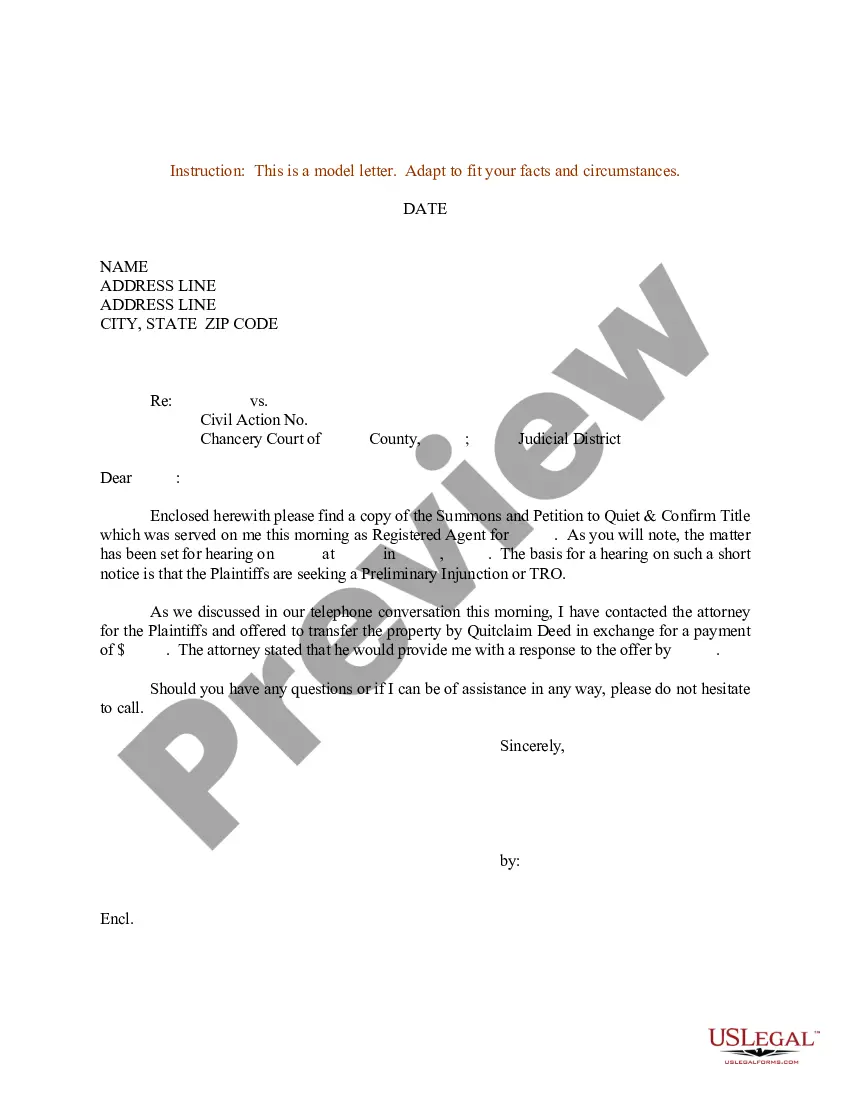
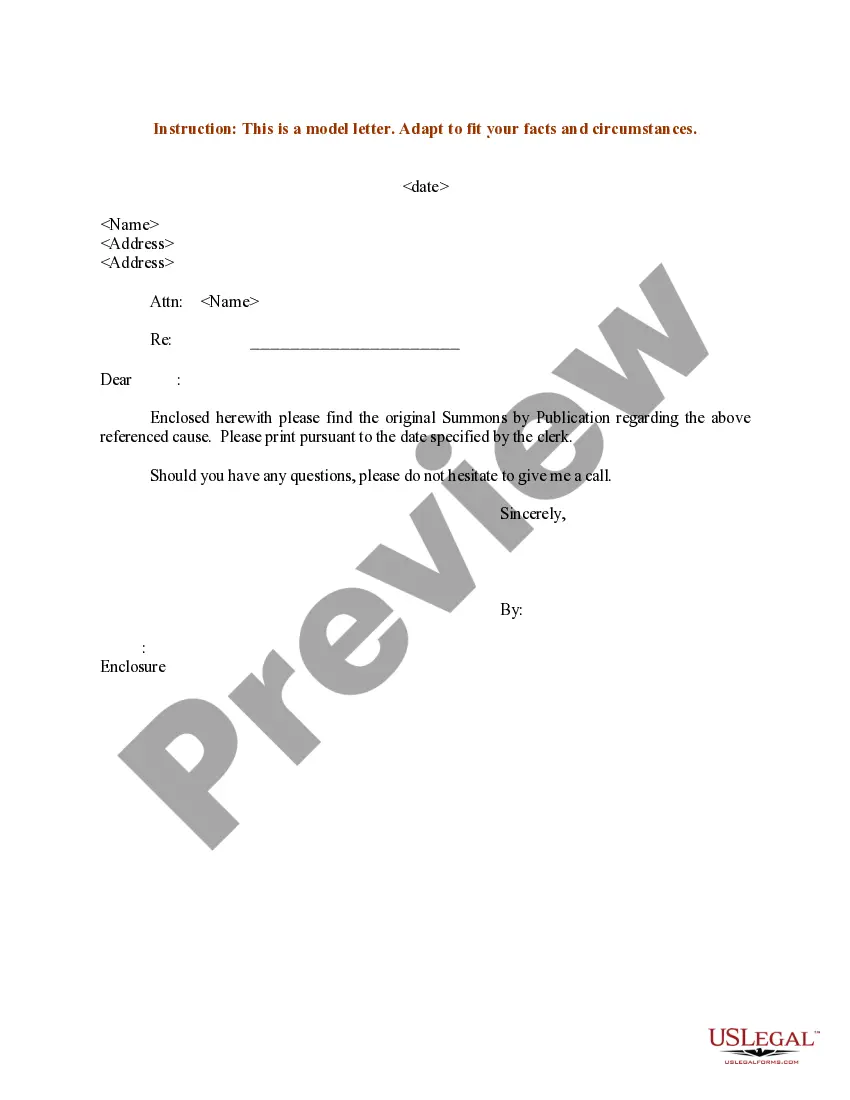
Massachusetts Sample Letter for Summons and Petition to Quiet and Confirm Title
Description
Get your form ready online
Our built-in tools help you complete, sign, share, and store your documents in one place.
Make edits, fill in missing information, and update formatting in US Legal Forms—just like you would in MS Word.
Download a copy, print it, send it by email, or mail it via USPS—whatever works best for your next step.
Sign and collect signatures with our SignNow integration. Send to multiple recipients, set reminders, and more. Go Premium to unlock E-Sign.
If this form requires notarization, complete it online through a secure video call—no need to meet a notary in person or wait for an appointment.
We protect your documents and personal data by following strict security and privacy standards.

Make edits, fill in missing information, and update formatting in US Legal Forms—just like you would in MS Word.

Download a copy, print it, send it by email, or mail it via USPS—whatever works best for your next step.

Sign and collect signatures with our SignNow integration. Send to multiple recipients, set reminders, and more. Go Premium to unlock E-Sign.

If this form requires notarization, complete it online through a secure video call—no need to meet a notary in person or wait for an appointment.

We protect your documents and personal data by following strict security and privacy standards.
Looking for another form?
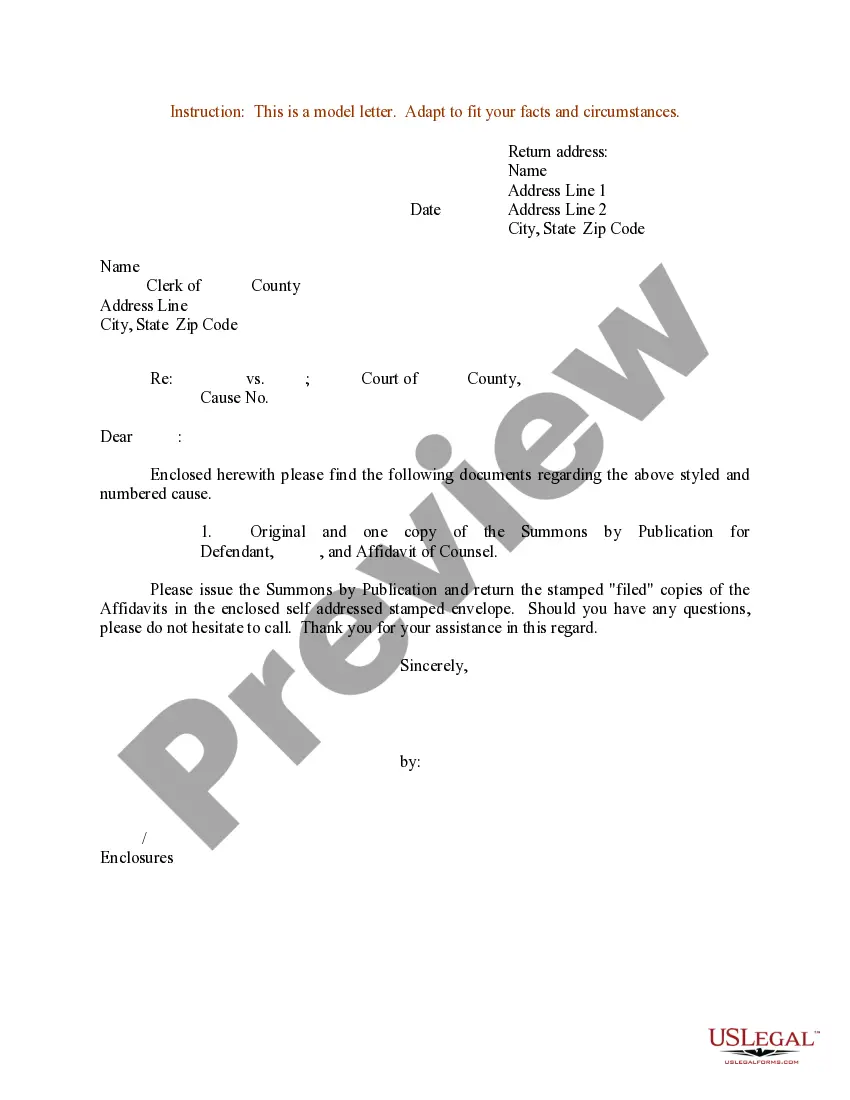
How to fill out Sample Letter For Summons And Petition To Quiet And Confirm Title?
Are you presently in a circumstance where you need documents for either business or personal purposes almost every day.
There are numerous legal document templates available online, but finding reliable ones is not easy.
US Legal Forms offers thousands of form templates, including the Massachusetts Sample Letter for Summons and Petition to Quiet and Confirm Title, which are designed to comply with federal and state requirements.
Avoid altering or removing any HTML tags. Only synonymize plain text outside of the HTML tags.
- If you are already familiar with the US Legal Forms site and have an account, just Log In.
- Then, you will be able to download the Massachusetts Sample Letter for Summons and Petition to Quiet and Confirm Title template.
- If you do not have an account and wish to start using US Legal Forms, follow these steps.
- Locate the form you need and ensure it is for the correct city/state.
- Use the Review button to examine the form.
- Read the summary to confirm that you have selected the right form.
- If the form is not what you are looking for, utilize the Search field to find the form that meets your needs and requirements.
- When you find the appropriate form, click on Get now.
- Select the pricing plan you need, fill in the required information to create your account, and pay for the order using your PayPal or Visa or Mastercard.
- Choose a convenient file format and download your copy.
- Find all the document templates you have purchased in the My documents menu.
- You can obtain an additional copy of the Massachusetts Sample Letter for Summons and Petition to Quiet and Confirm Title at any time, if necessary.
- Just click the desired form to download or print the template.
- Use US Legal Forms, the most extensive collection of legal forms, to save time and avoid mistakes.
- The service provides professionally crafted legal document templates that can be used for various purposes.
- Create your account on US Legal Forms and start simplifying your life.
Form popularity
FAQ
A summons is an official notice of a lawsuit. It is given to the person being sued. If you sue someone, they need to know about it. This way, they can come to court and fight the lawsuit. When you serve the defendant with a summons, you officially tell them that you are suing them.
When drafting an answer, one must: (1) follow the local, state, and federal court rules; (2) research the legal claims in the adversary's complaint; (3) respond to the adversary's factual allegations; and (4) assert affirmative defenses, counterclaims, cross-claims, or third-party claims, if applicable.
How do you write a Summon? Every summons includes the following: the names of the plaintiff(s) and defendant(s), the case number, the place where the lawsuit has been filed, the name and address of the plaintiffs lawyer or the plaintiff, and the date by which the defendant has to respond to the lawsuit.
Majorly, there are three types of summons that are issued under the law: Civil Summons. These summons are issued in a civil case under CPC to the defendant to appear in court. ... Criminal Summons. ... Administrative Summons. ... Substituted service of summons.
Your response should cover every paragraph in the complaint and whether you admit or deny each point raised. If you can't remember whether part of the complaint is correct, it may be safer to deny it and avoid relying on your memory. For each point that you admit or deny, include a brief reason why.