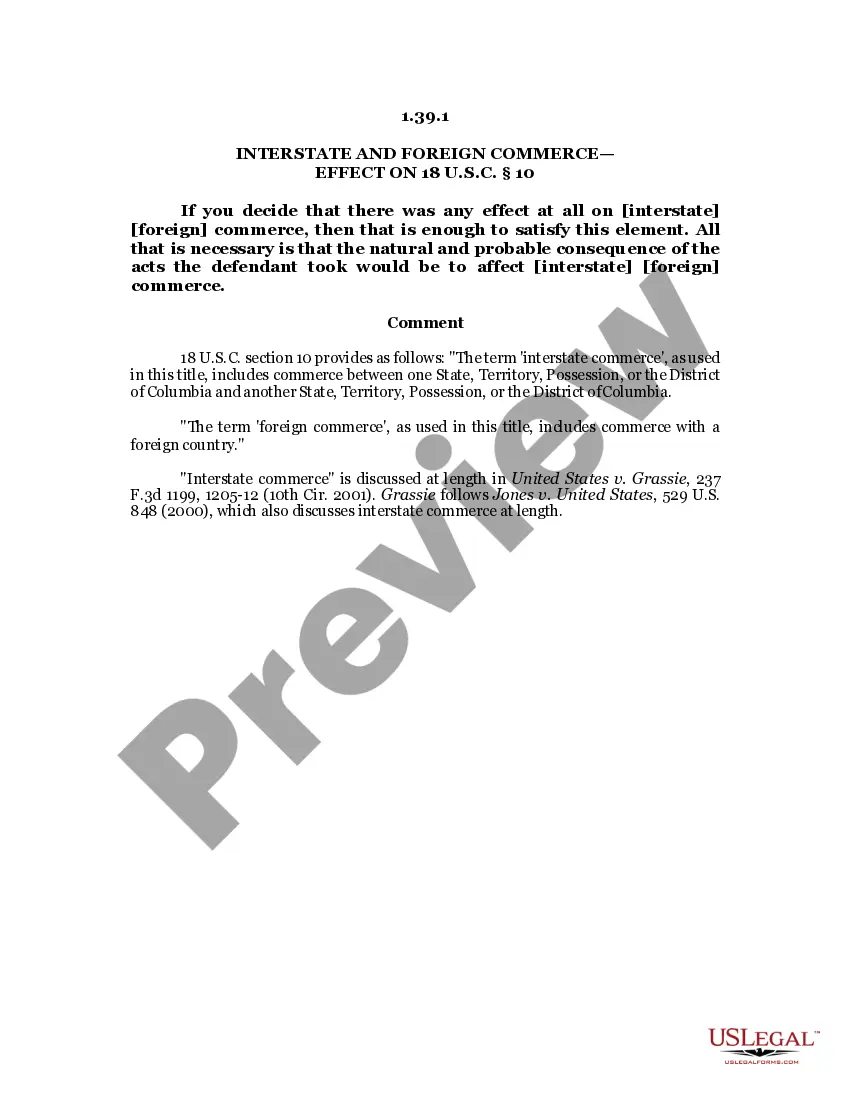
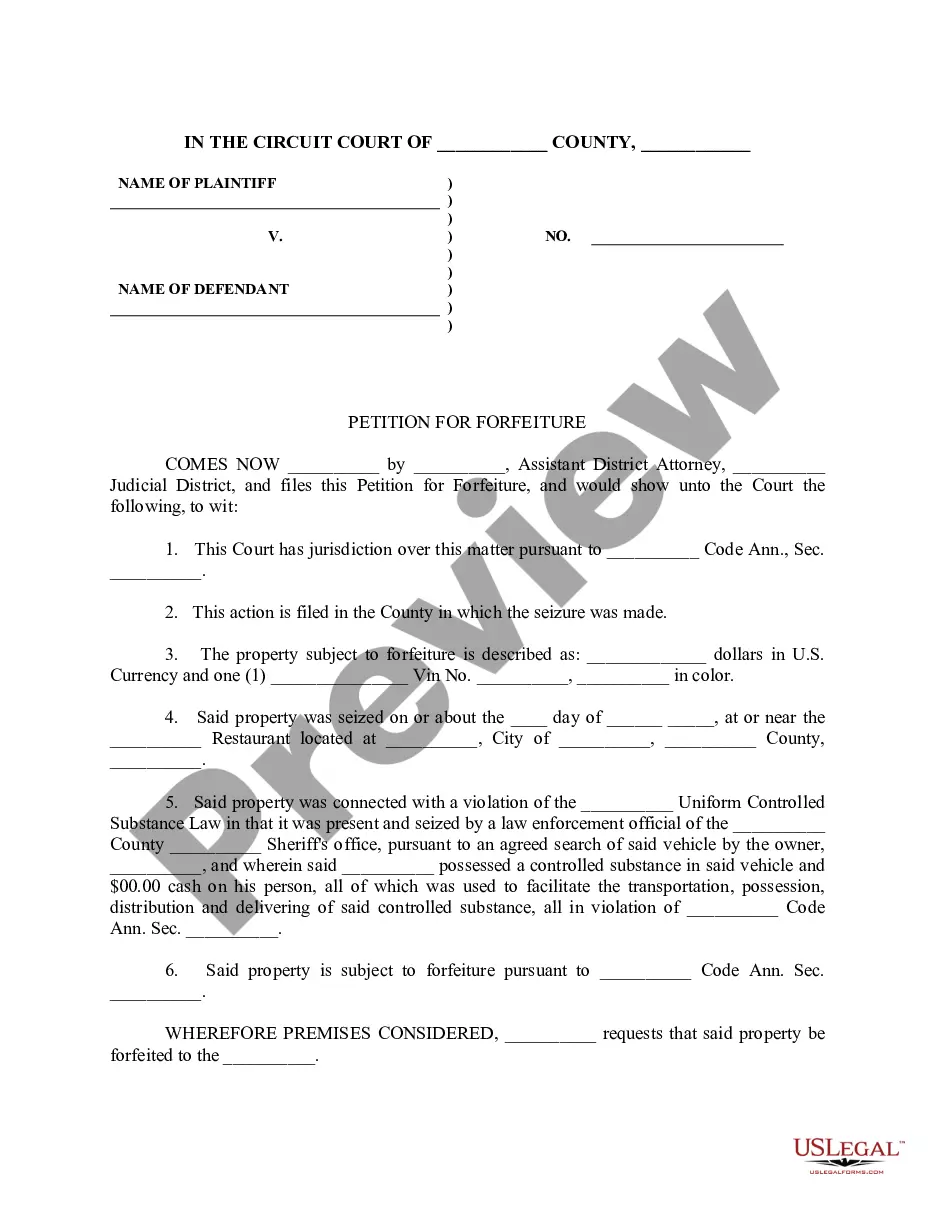
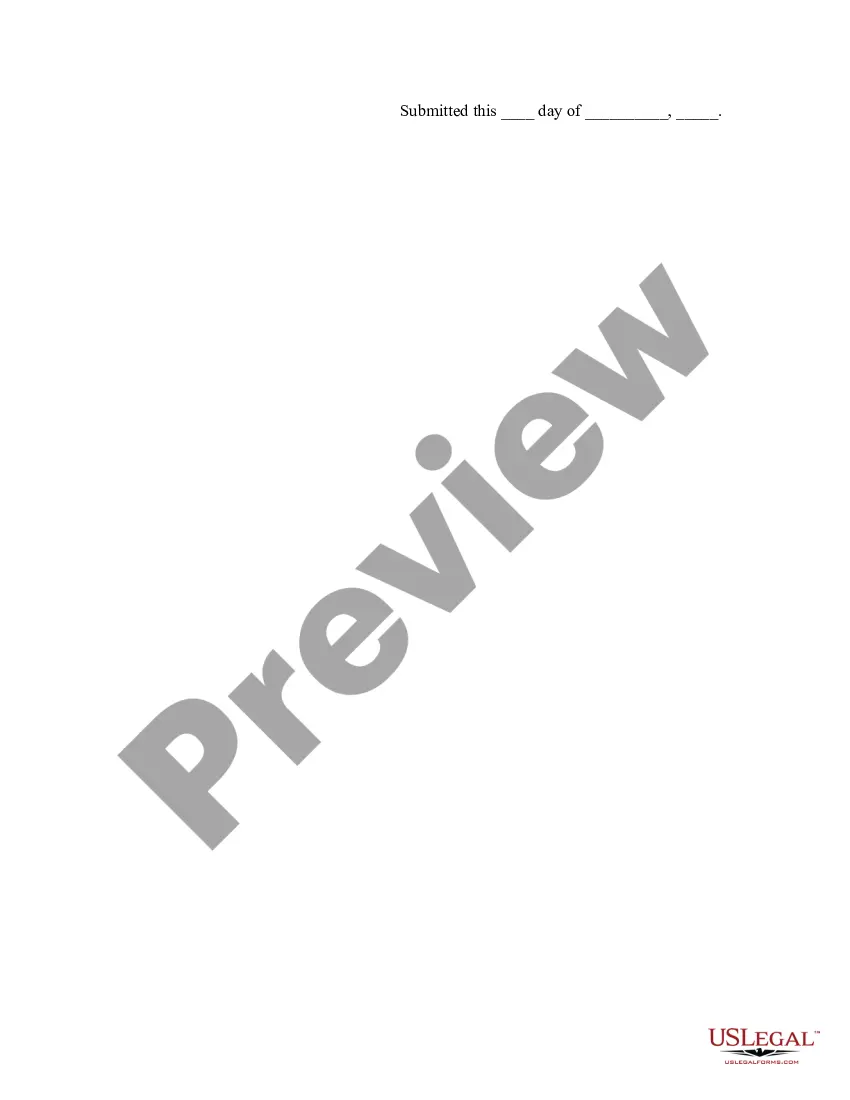
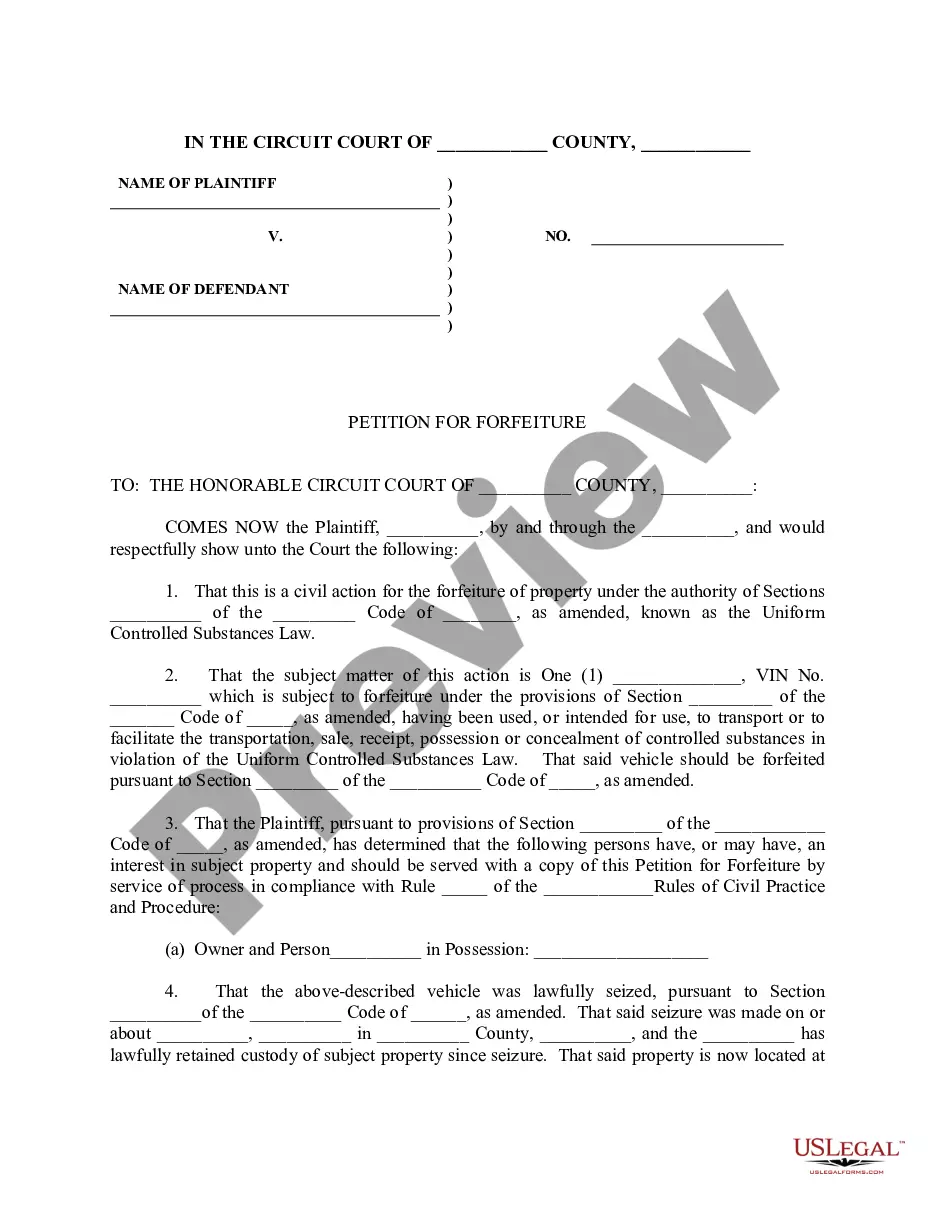
Massachusetts Petition for Forfeiture
Description
Get your form ready online
Our built-in tools help you complete, sign, share, and store your documents in one place.
Make edits, fill in missing information, and update formatting in US Legal Forms—just like you would in MS Word.
Download a copy, print it, send it by email, or mail it via USPS—whatever works best for your next step.
Sign and collect signatures with our SignNow integration. Send to multiple recipients, set reminders, and more. Go Premium to unlock E-Sign.
If this form requires notarization, complete it online through a secure video call—no need to meet a notary in person or wait for an appointment.
We protect your documents and personal data by following strict security and privacy standards.

Make edits, fill in missing information, and update formatting in US Legal Forms—just like you would in MS Word.

Download a copy, print it, send it by email, or mail it via USPS—whatever works best for your next step.

Sign and collect signatures with our SignNow integration. Send to multiple recipients, set reminders, and more. Go Premium to unlock E-Sign.

If this form requires notarization, complete it online through a secure video call—no need to meet a notary in person or wait for an appointment.

We protect your documents and personal data by following strict security and privacy standards.
Looking for another form?


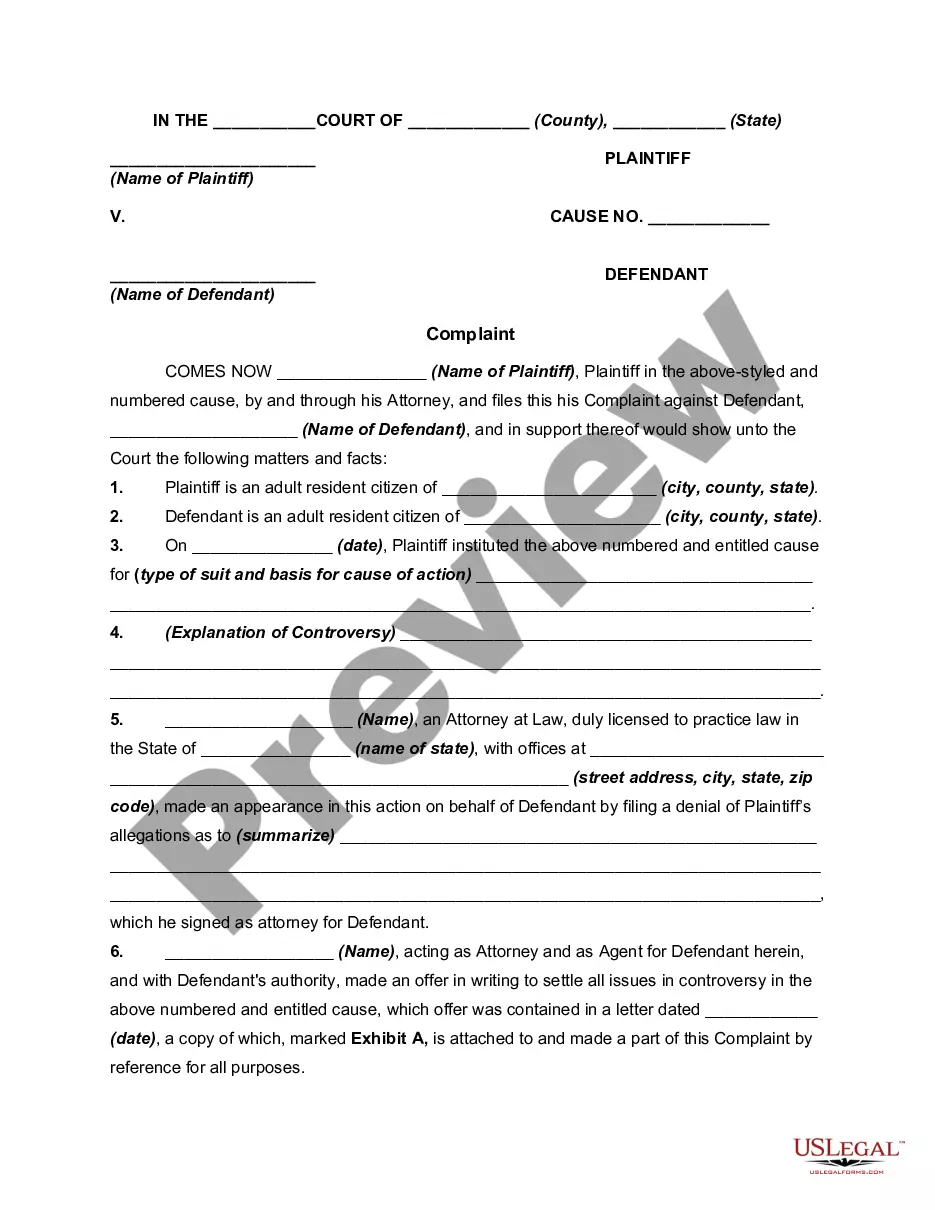
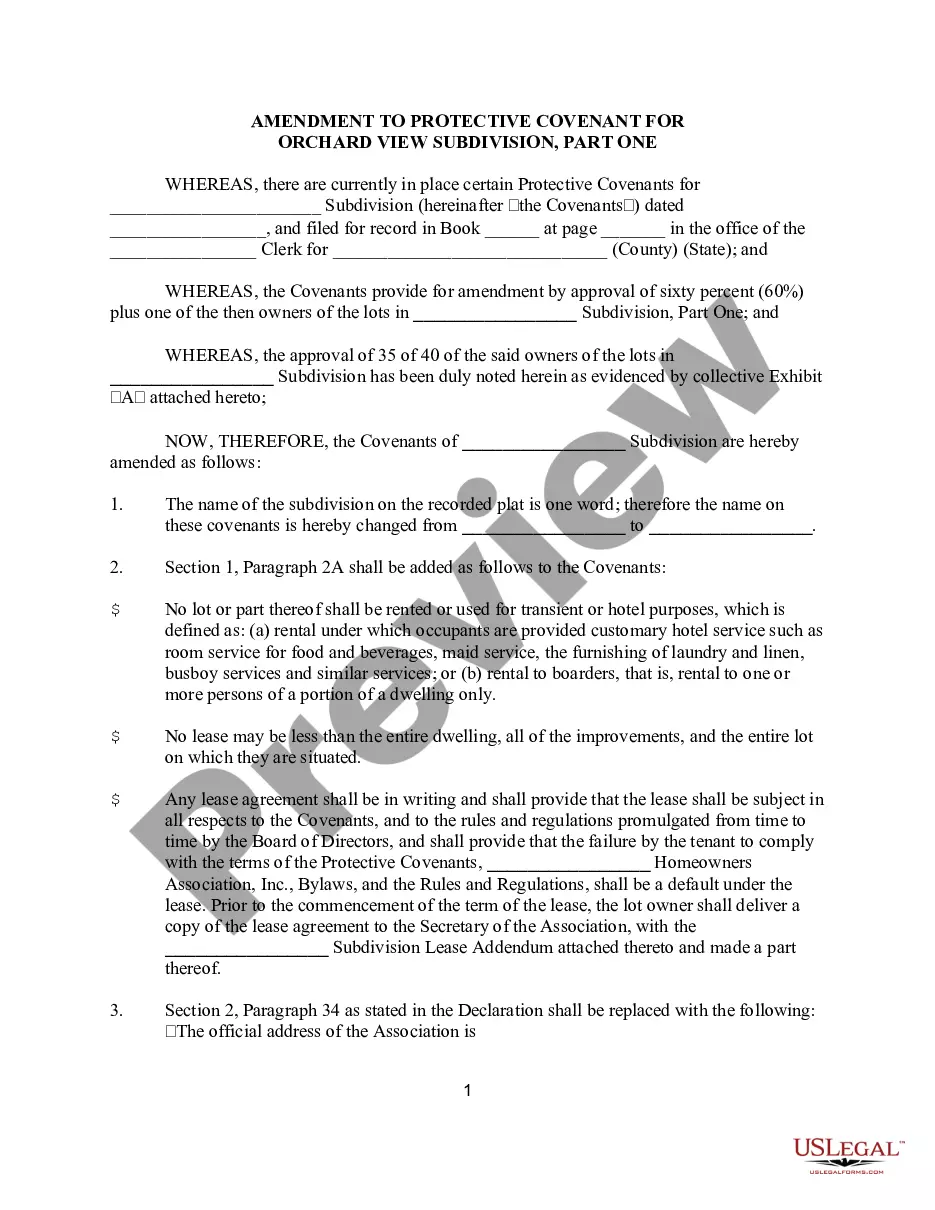


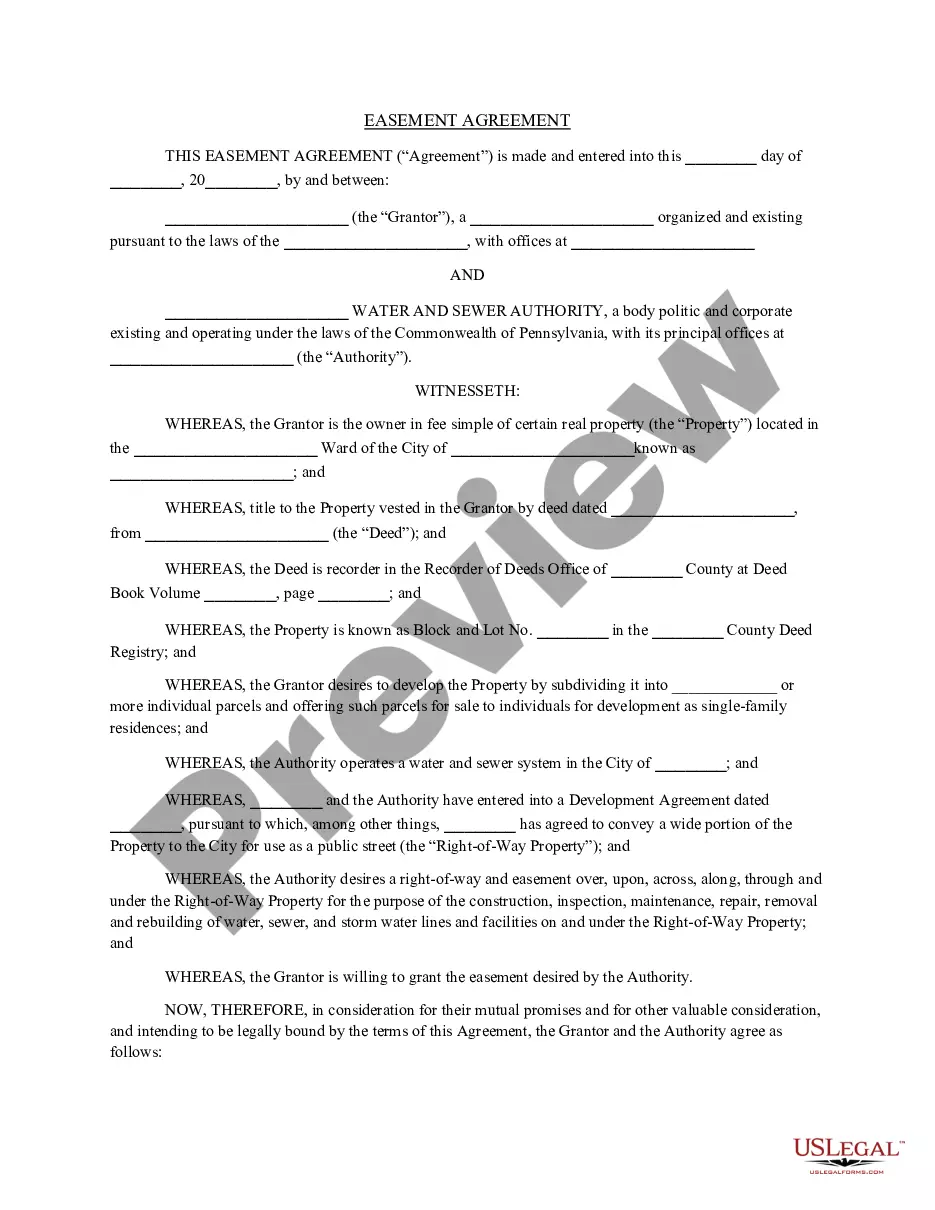

How to fill out Petition For Forfeiture?
Are you in a situation where you require documents for potential business or specific purposes on a daily basis? There are numerous legitimate document templates available online, but finding reliable ones can be challenging. US Legal Forms offers thousands of form templates, including the Massachusetts Petition for Forfeiture, which are designed to comply with federal and state regulations.
If you are already familiar with the US Legal Forms website and have an account, simply Log In. After that, you can download the Massachusetts Petition for Forfeiture template.
If you do not have an account and wish to start using US Legal Forms, follow these instructions: Get the form you need and make sure it is for the correct city/county. Use the Preview button to review the form. Check the details to ensure that you have selected the appropriate form. If the form isn’t what you are looking for, use the Search section to find the form that meets your needs and requirements. Once you find the right form, click Buy now. Choose the pricing plan you want, fill in the required information to create your account, and pay for the transaction using your PayPal or credit card. Select a convenient file format and download your copy.
Avoid altering or removing any HTML tags. Only synonymize plain text outside of the HTML tags.
- Find all of the document templates you have purchased in the My documents section.
- You can get another copy of the Massachusetts Petition for Forfeiture anytime, if needed.
- Click on the desired form to download or print the document template.
- Utilize US Legal Forms, the most extensive collection of legal forms, to save time and avoid mistakes.
- The service provides properly crafted legal document templates that can be used for various purposes.
- Create an account on US Legal Forms and start simplifying your life.
Form popularity
FAQ
(j) A forfeiture proceeding affecting the title to real property or the use and occupation thereof or the buildings thereon shall not have any effect except against the parties thereto and persons having actual notice thereof, until a memorandum containing the names of the parties to such proceeding, the name of the ...
Unlike criminal forfeiture, in which the ill-gotten gains of criminal activity may be seized after an individual is convicted of the crime, police and prosecutors can use civil forfeiture to take away cash, cars, homes or other property without having to convict or even charge the owner of any wrongdoing.
What is Asset Forfeiture? Forfeiture is the government taking of property, because it was used or obtained in violation of the law. Assets subject to seizure include cars, cash, real estate, or anything of value used to commit a drug crime or bought with drug proceeds.
Forfeiture is broadly defined as the loss of property for failing to obey the law, and that property is generally lost to the state. A person may have a vested interest in property to be forfeit in two ways: In personum jurisdiction and in rem jurisdiction.
Criminal forfeiture operates as punishment for a crime. It, therefore, requires a conviction, following which the state takes the assets in question from the criminal. Civil forfeiture rests on the idea (a legal fiction) that the property itself, not the owner, has violated the law.