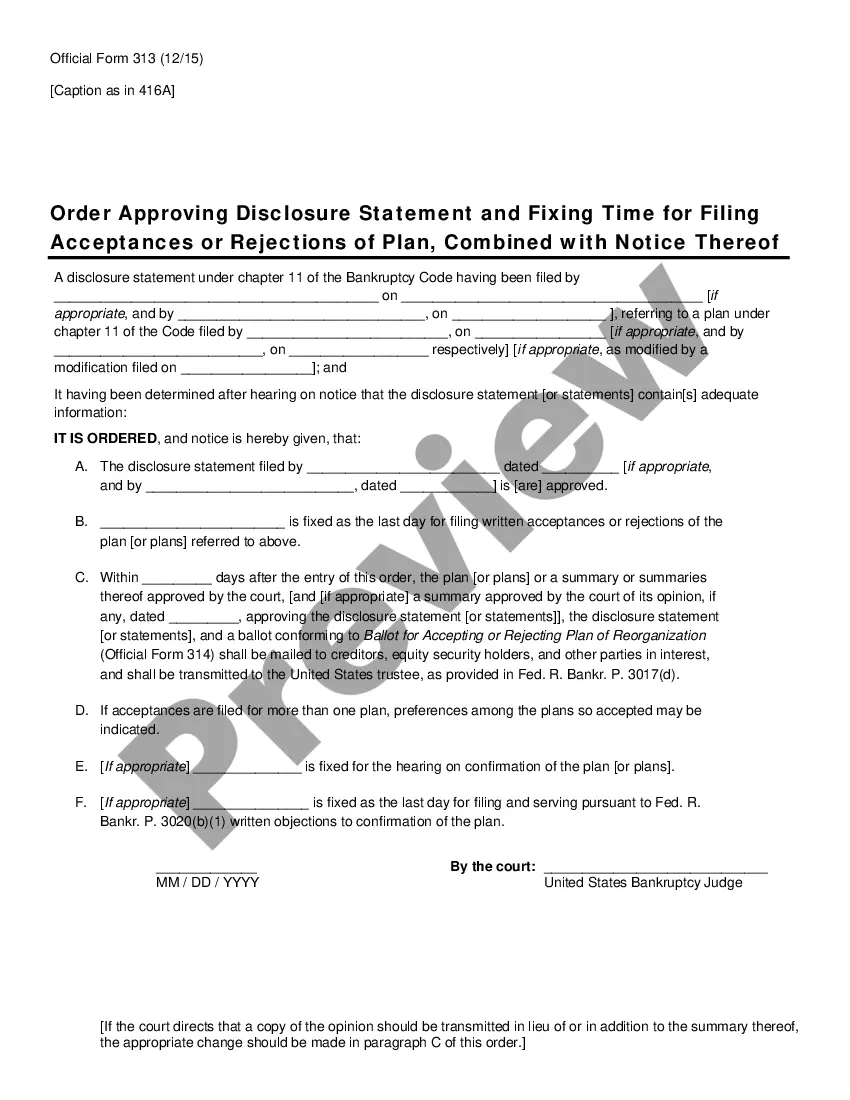
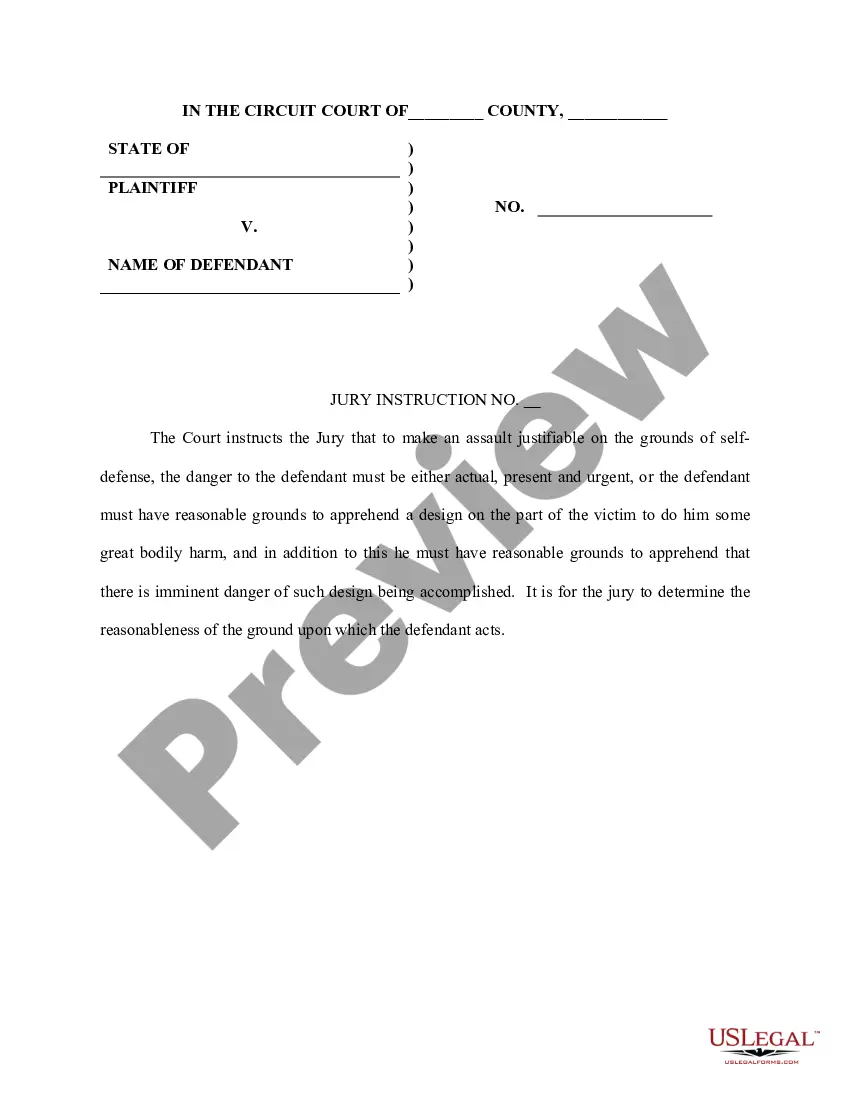
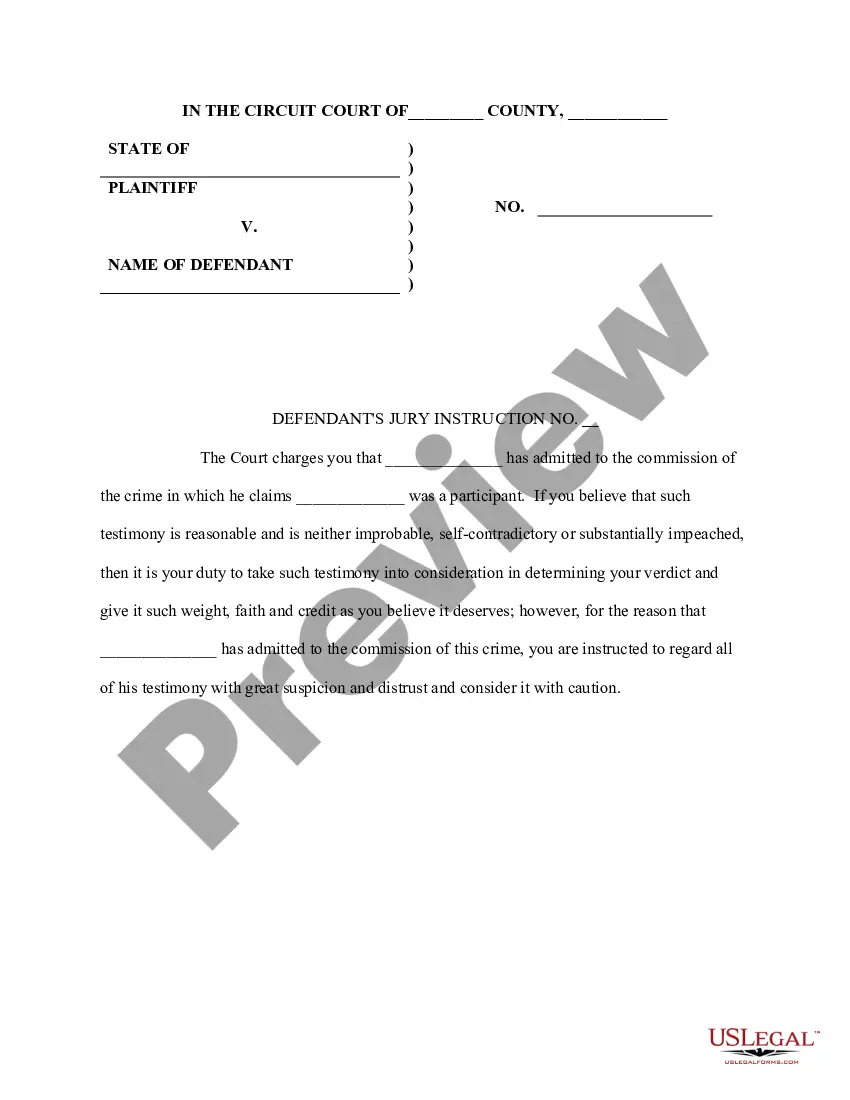
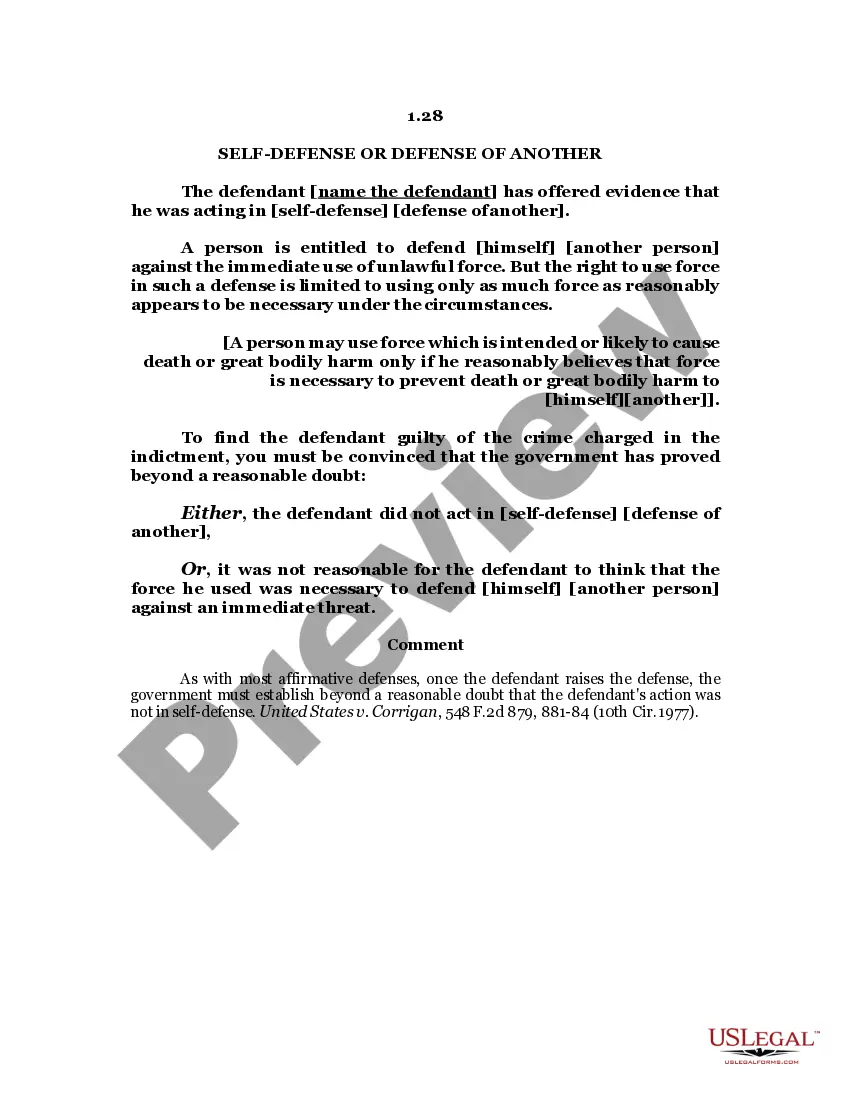
Massachusetts Self-Defense - Assault
Description
Get your form ready online
Our built-in tools help you complete, sign, share, and store your documents in one place.
Make edits, fill in missing information, and update formatting in US Legal Forms—just like you would in MS Word.
Download a copy, print it, send it by email, or mail it via USPS—whatever works best for your next step.
Sign and collect signatures with our SignNow integration. Send to multiple recipients, set reminders, and more. Go Premium to unlock E-Sign.
If this form requires notarization, complete it online through a secure video call—no need to meet a notary in person or wait for an appointment.
We protect your documents and personal data by following strict security and privacy standards.

Make edits, fill in missing information, and update formatting in US Legal Forms—just like you would in MS Word.

Download a copy, print it, send it by email, or mail it via USPS—whatever works best for your next step.

Sign and collect signatures with our SignNow integration. Send to multiple recipients, set reminders, and more. Go Premium to unlock E-Sign.

If this form requires notarization, complete it online through a secure video call—no need to meet a notary in person or wait for an appointment.

We protect your documents and personal data by following strict security and privacy standards.
Looking for another form?


How to fill out Self-Defense - Assault?
Are you presently in a situation where you require documentation for either business or personal reasons on a regular basis.
There are numerous legal document templates accessible online, but locating reliable ones can be challenging.
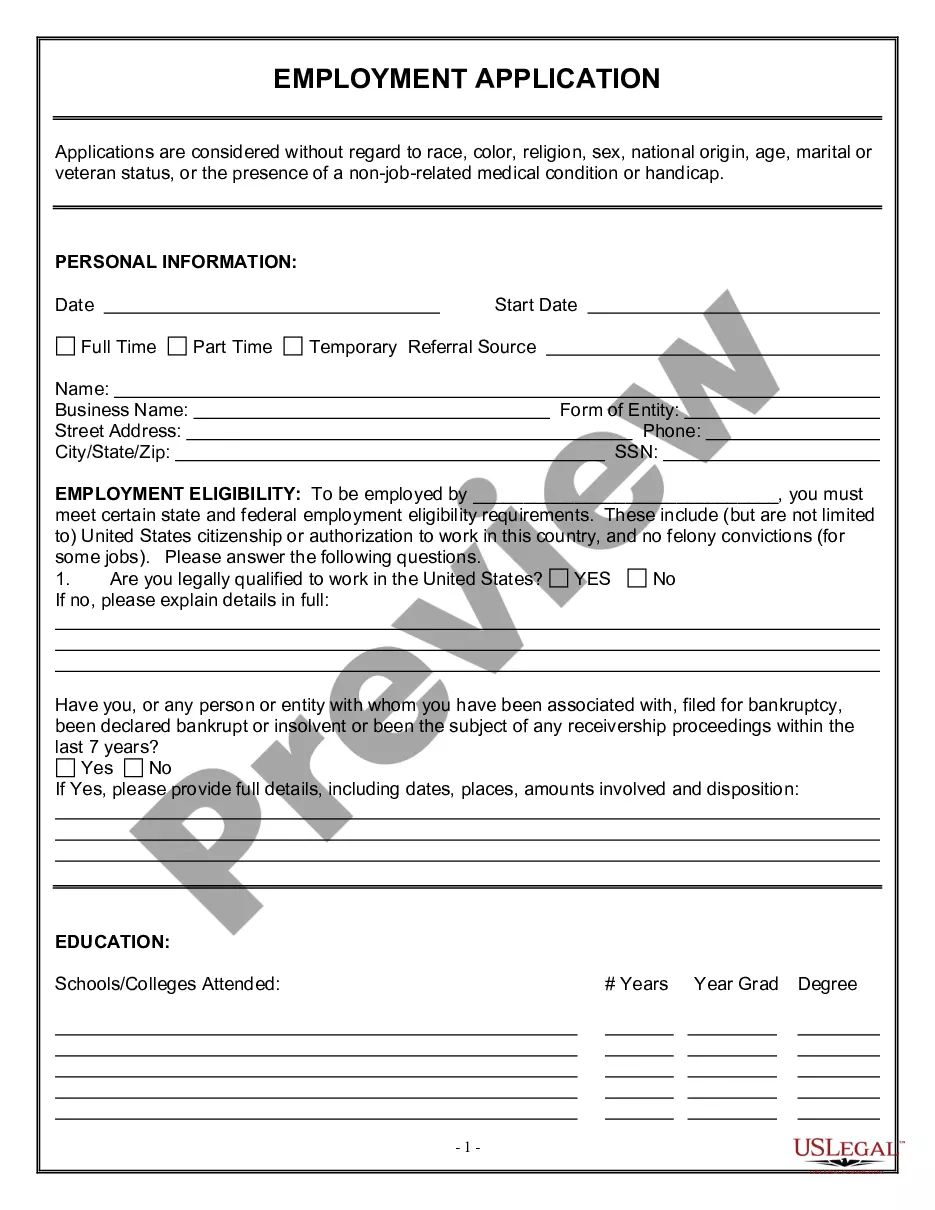
US Legal Forms offers thousands of form templates, including the Massachusetts Self-Defense - Assault, designed to comply with federal and state regulations.
Utilize US Legal Forms, the most extensive collection of legal documents, to save time and avoid mistakes.
The service provides professionally crafted legal document templates that you can use for various purposes. Create an account on US Legal Forms and begin simplifying your life.
- If you are already familiar with the US Legal Forms website and possess an account, just Log In.
- After logging in, you can download the Massachusetts Self-Defense - Assault template.
- If you do not have an account and wish to use US Legal Forms, follow these steps.
- Obtain the form you need and ensure it corresponds to the correct city/state.
- Use the Review button to examine the document.
- Check the description to ensure you have selected the appropriate form.
- If the form is not what you are seeking, utilize the Search field to find the form that meets your needs.
- Once you find the correct form, click Get now.
- Choose the pricing plan you prefer, fill out the necessary information to create your account, and pay for your order using PayPal or a credit card.
- Select a convenient document format and download your copy.
- Access all the document templates you have purchased in the My documents section. You can obtain another copy of Massachusetts Self-Defense - Assault anytime, if required. Simply click on the desired form to download or print the document template.
Form popularity
FAQ
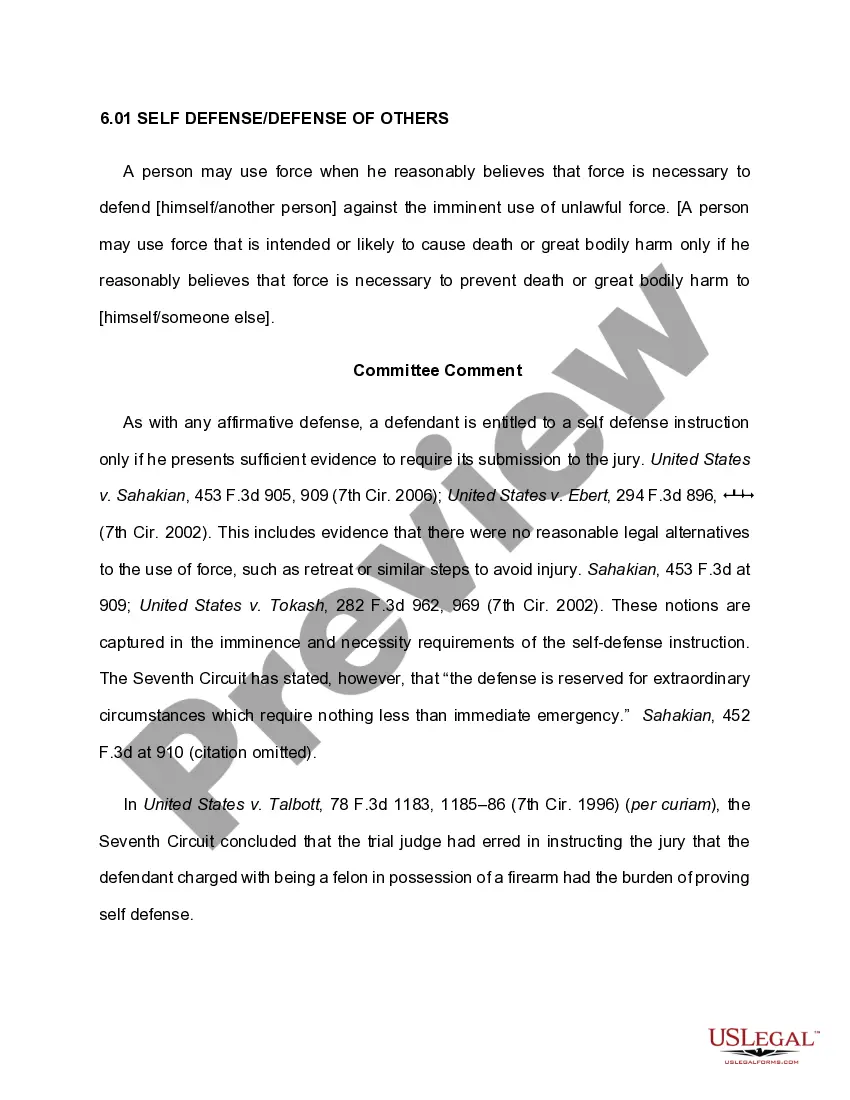
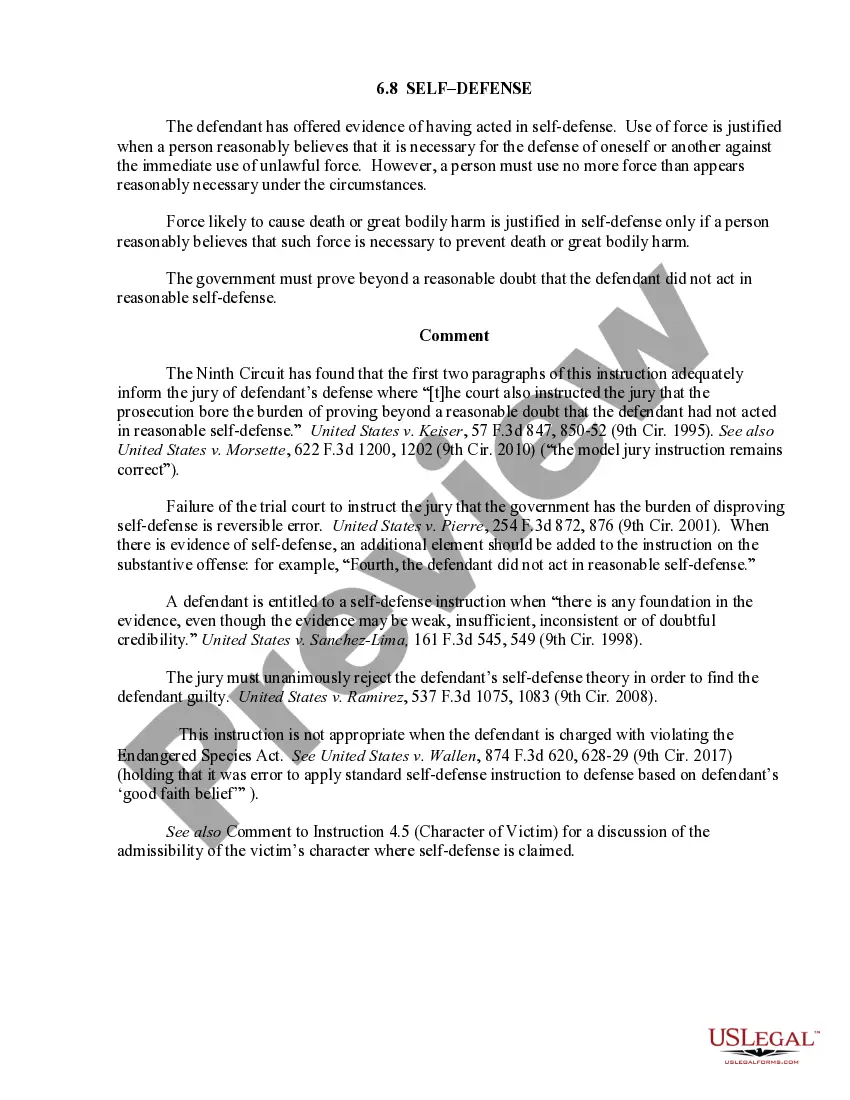
Generally, a defendant may be able to argue defense of another where: They held a reasonable belief that the use of force was necessary to protect someone from an immediate threat of harm. They used reasonable force, that wasn't excessive in the circumstances.
An example is if Brad sees that Adam will immediately hit Chris. Brad can use a proportionate amount of force in defending Chris and invoke the defense of others if Adam ends up suing him for an intentional tort.
The traditional justification defenses are Self- Defense, Defense of Others, Defense of Property, Use of Force to Make an Arrest, or in Crime Prevention, Use of Force pursuant to Domestic or Public Authority, and Choice of Evils (Necessity).
It refers to a person's right to use reasonable force to protect a third party from another person who threatens to use force on the third party.
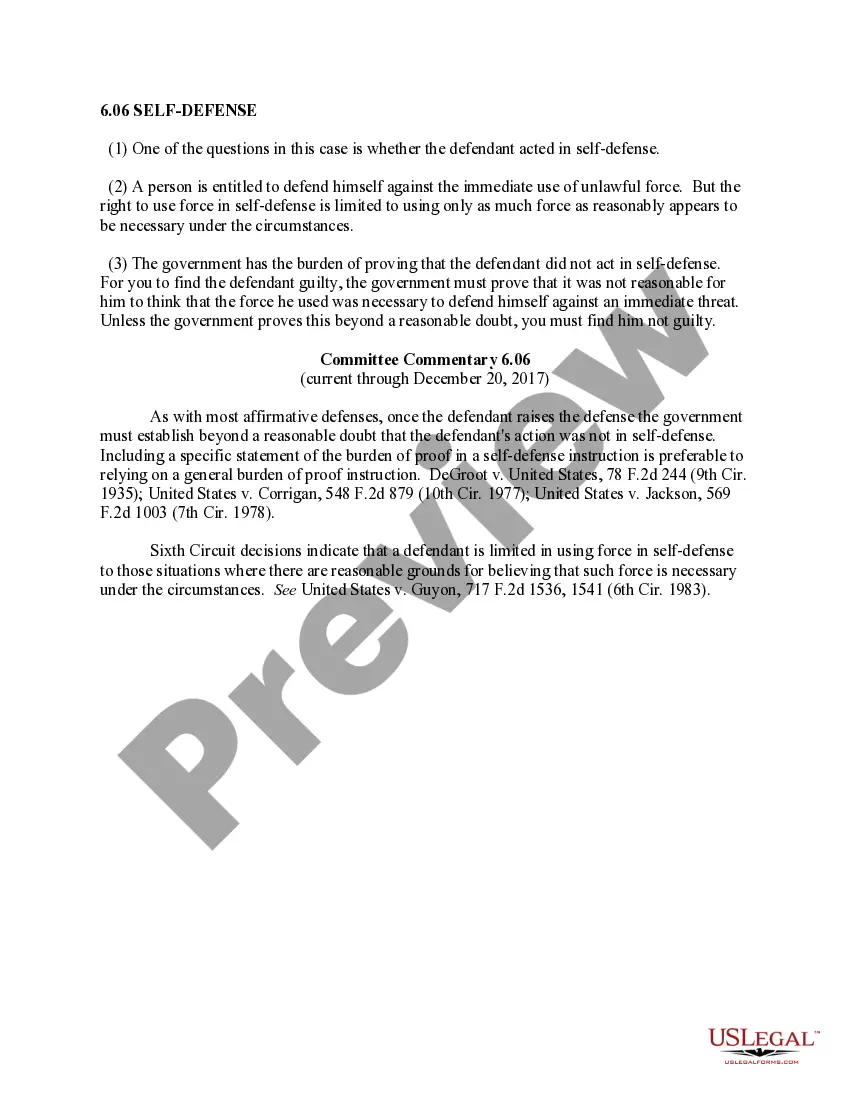
A person is allowed to act in self-defense. If evidence of self-defense is present, the Commonwealth must prove beyond a reasonable doubt that the defendant did not act in self-defense. In other words, if you have a reasonable doubt whether or not the defendant acted in self-defense, your verdict must be not guilty.
Self-defense is probably the most common defense used in assault and battery cases. In order to establish self-defense, an accused must generally show: a threat of unlawful force or harm against them; a real, honest perceived fear of harm to themselves (there must be a reasonable basis for this perceived fear);
In situations involving mutual combat, a person may use no more force than is reasonably necessary in all of the circumstances to defend himself. Unreasonable or excessive force is force that is manifestly disproportionate under all the circumstances.
Defense of Another: The right of a person to protect a third party with reasonable force against another person who is threatening to inflict force upon the third party.