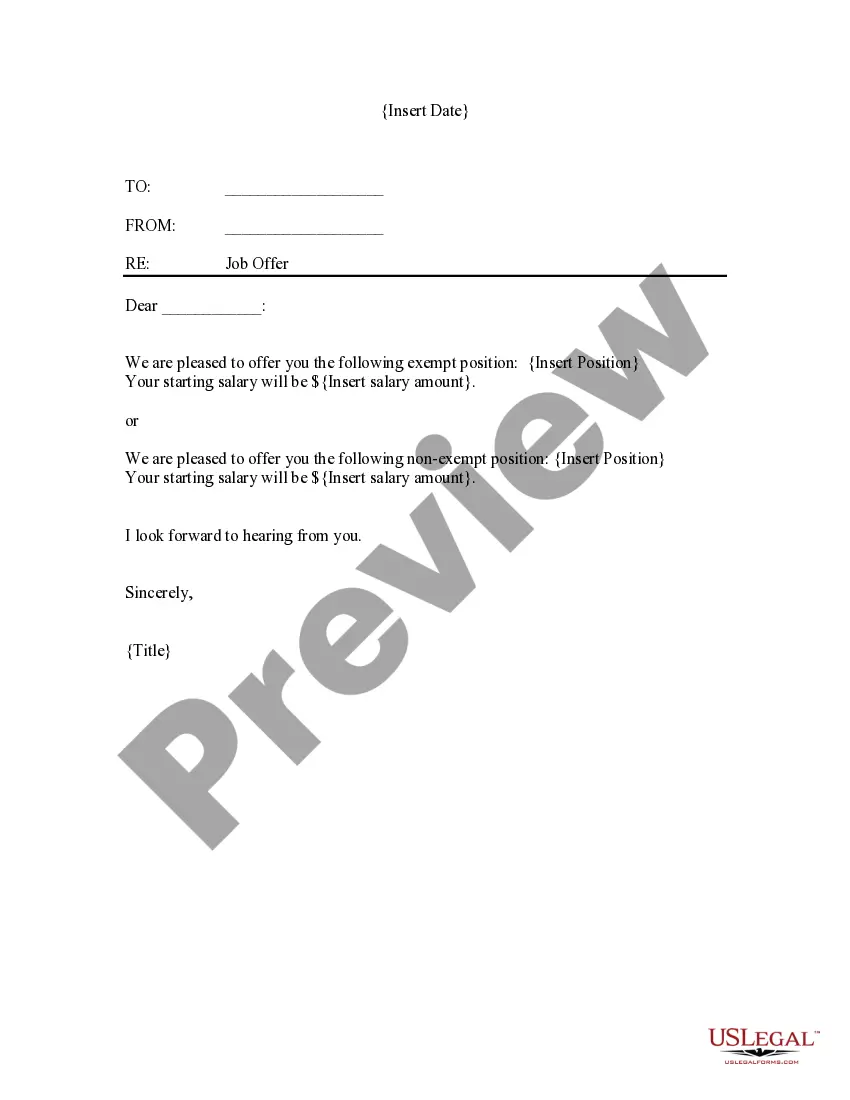
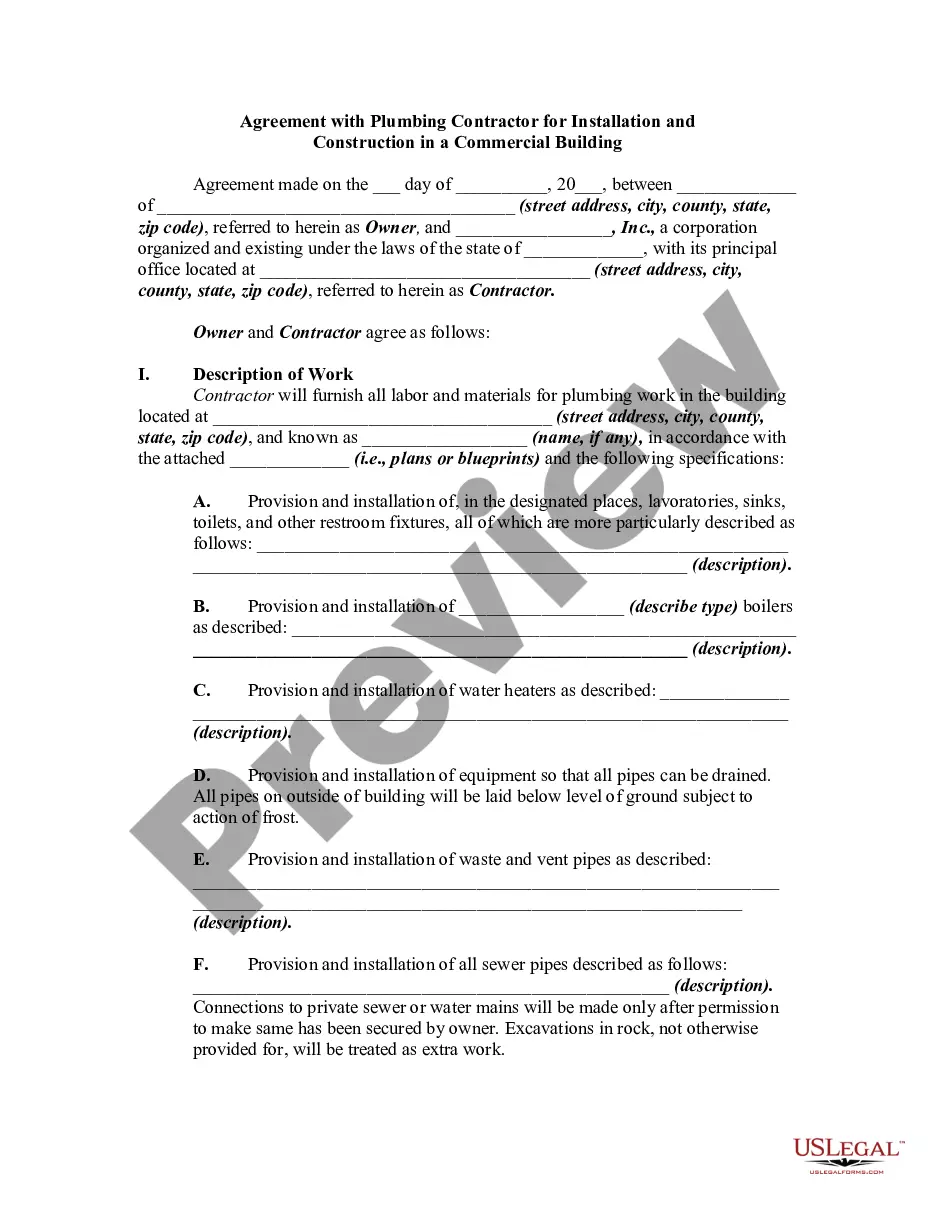
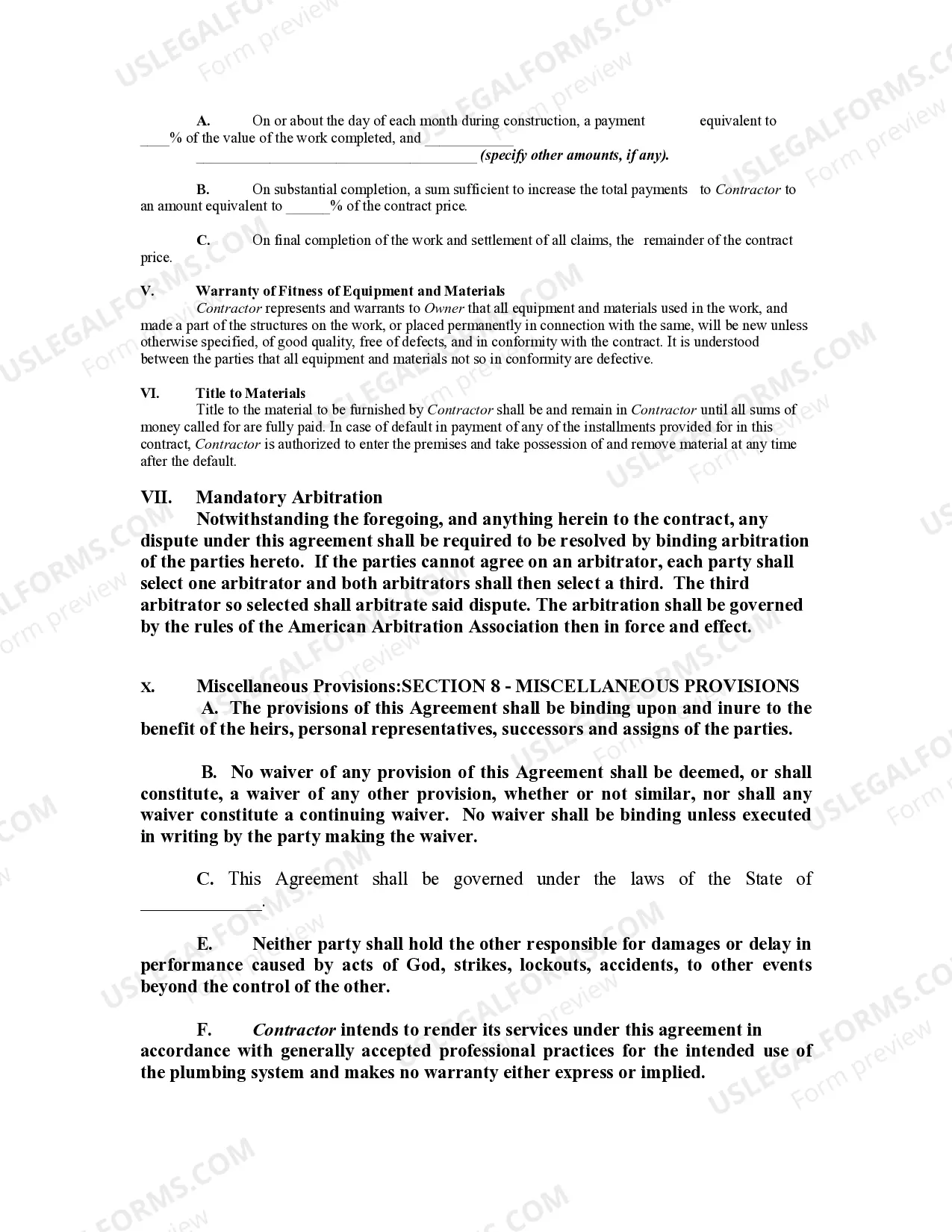
Massachusetts Agreement with Plumbing Contractor for Installation and Construction in a Commercial Building
Description
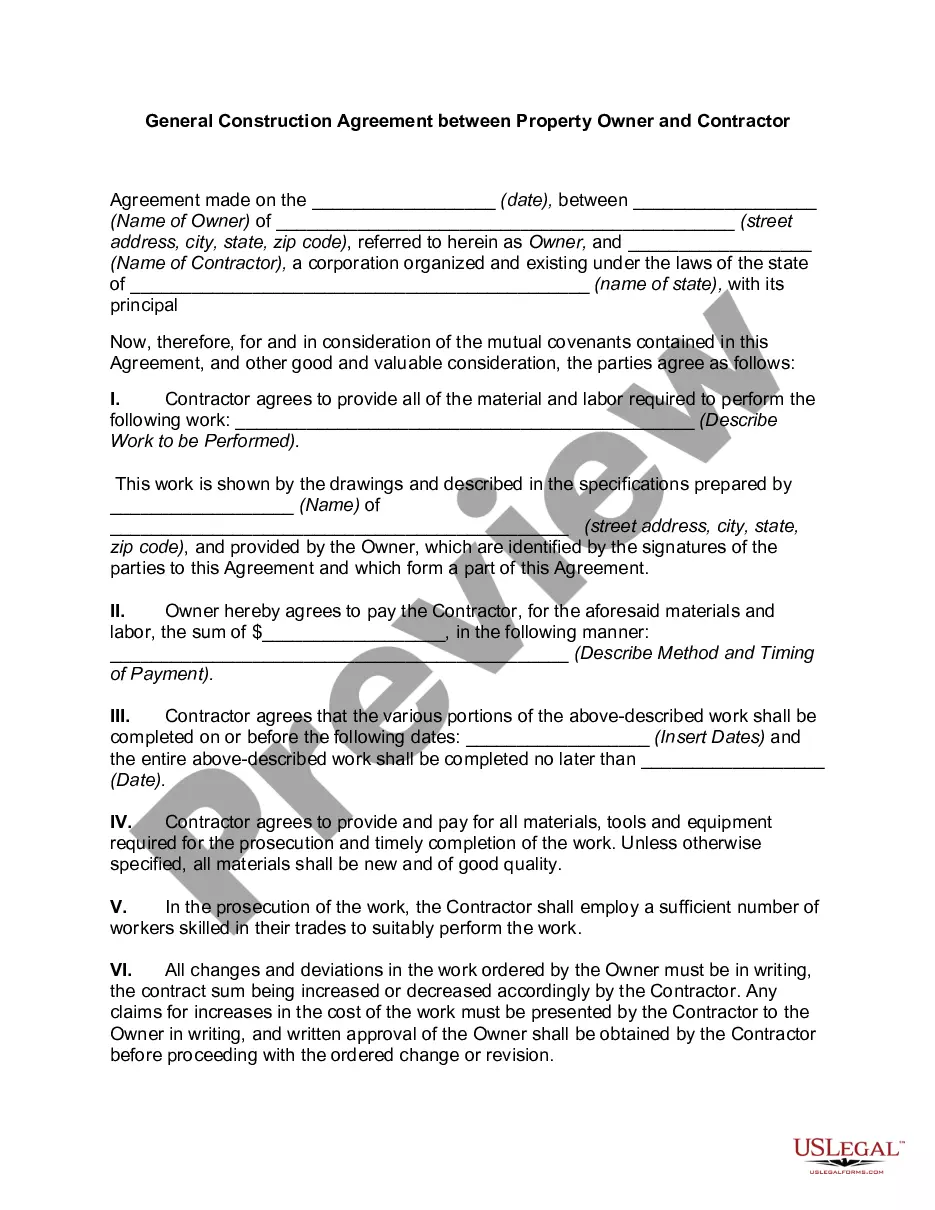

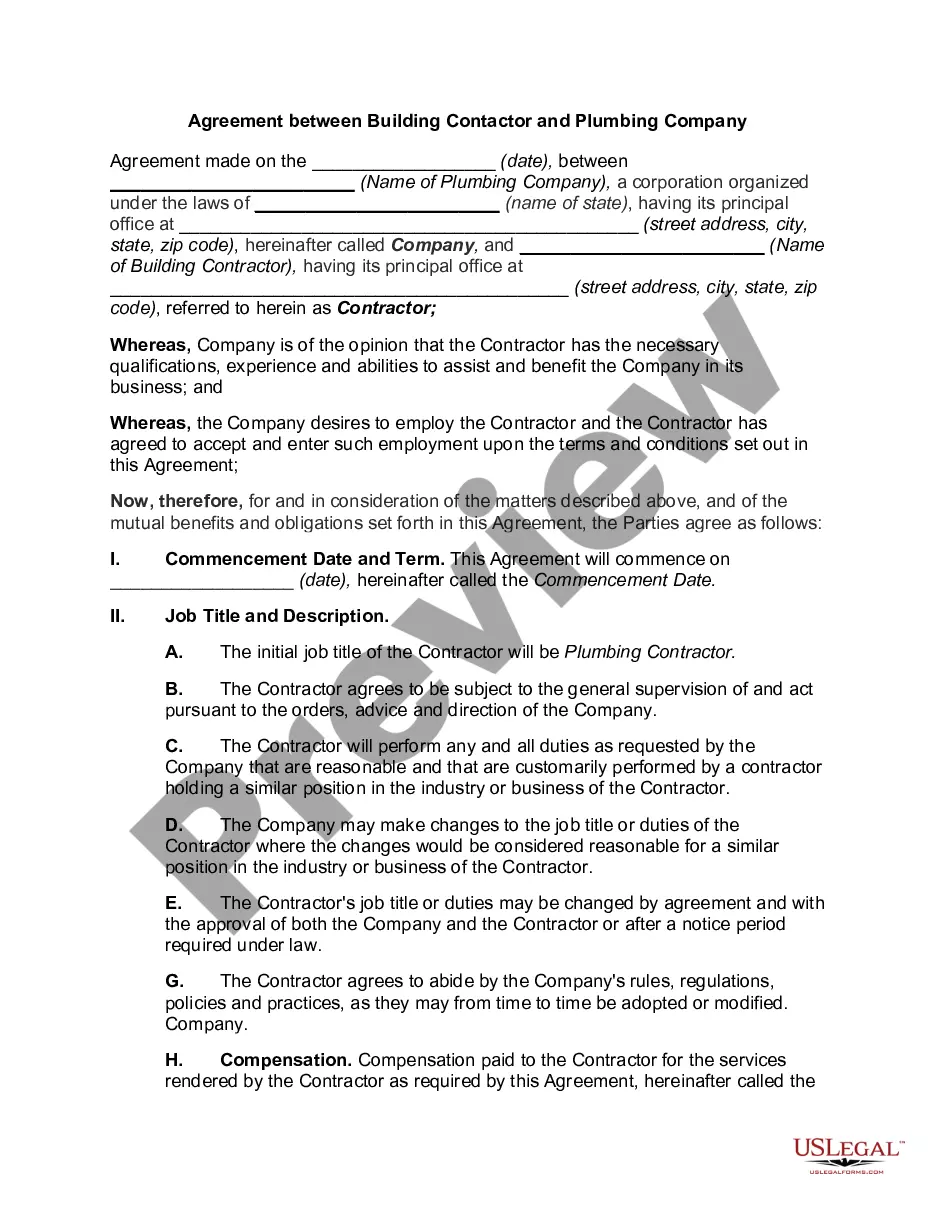
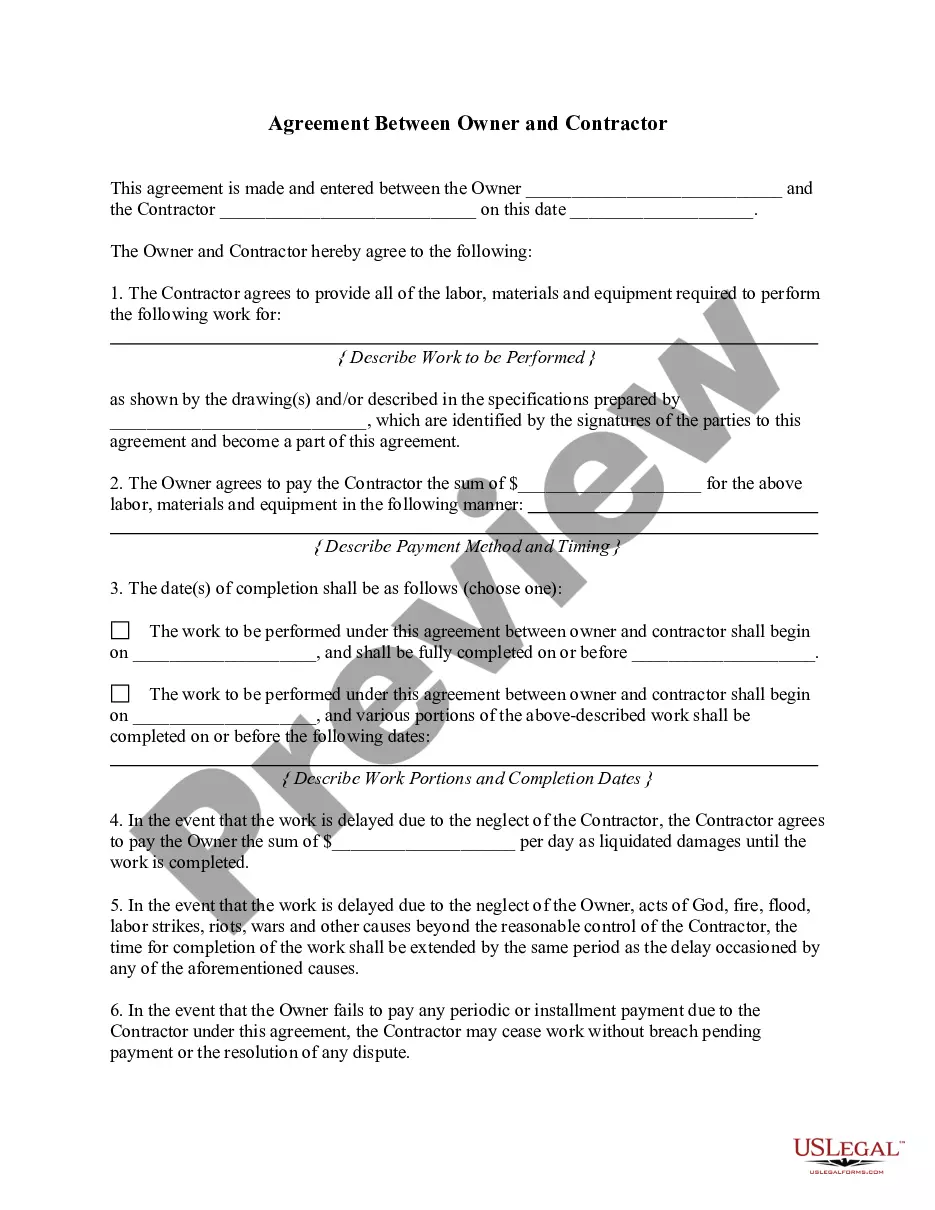
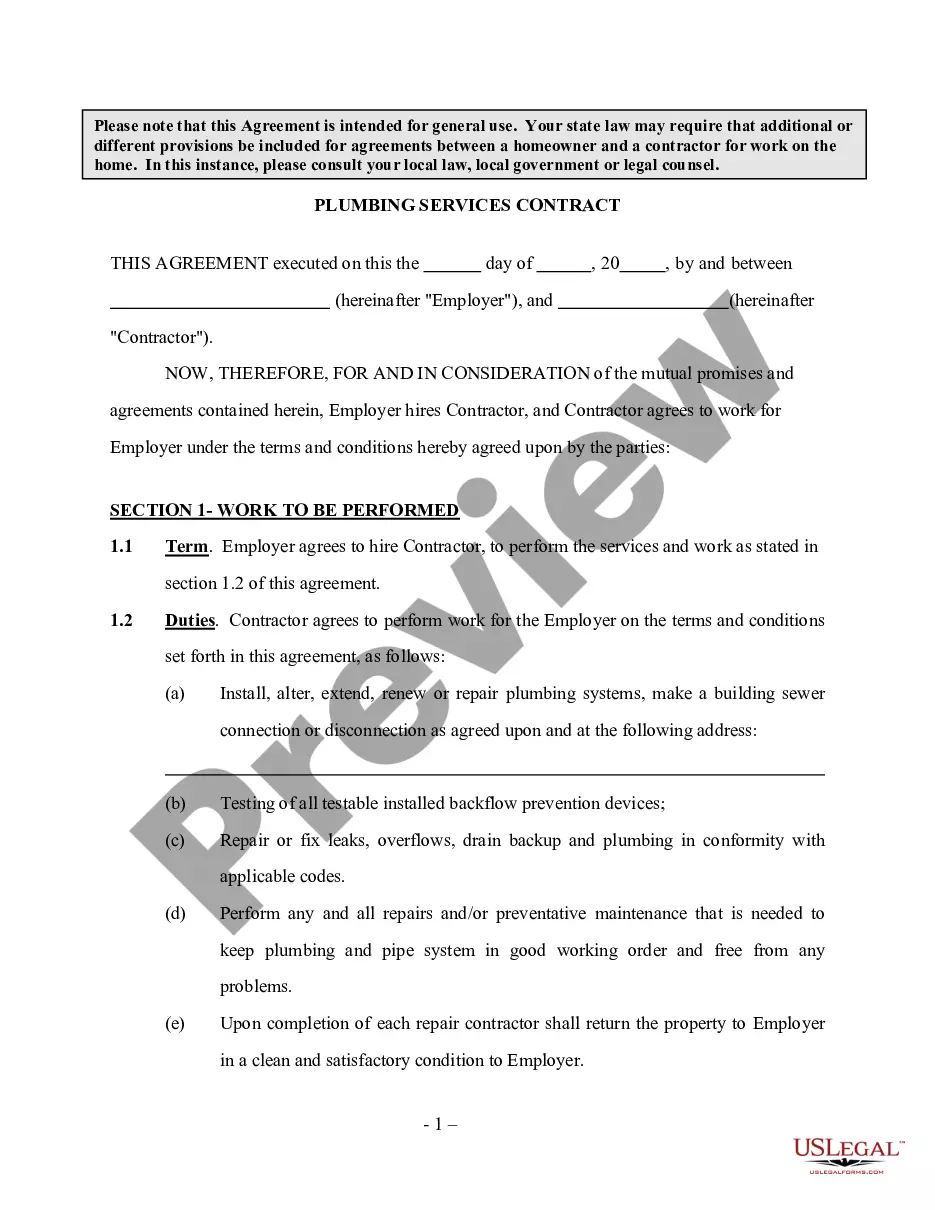
Get your form ready online
Our built-in tools help you complete, sign, share, and store your documents in one place.
Make edits, fill in missing information, and update formatting in US Legal Forms—just like you would in MS Word.
Download a copy, print it, send it by email, or mail it via USPS—whatever works best for your next step.
Sign and collect signatures with our SignNow integration. Send to multiple recipients, set reminders, and more. Go Premium to unlock E-Sign.
If this form requires notarization, complete it online through a secure video call—no need to meet a notary in person or wait for an appointment.
We protect your documents and personal data by following strict security and privacy standards.

Make edits, fill in missing information, and update formatting in US Legal Forms—just like you would in MS Word.

Download a copy, print it, send it by email, or mail it via USPS—whatever works best for your next step.

Sign and collect signatures with our SignNow integration. Send to multiple recipients, set reminders, and more. Go Premium to unlock E-Sign.

If this form requires notarization, complete it online through a secure video call—no need to meet a notary in person or wait for an appointment.

We protect your documents and personal data by following strict security and privacy standards.
Looking for another form?






How to fill out Agreement With Plumbing Contractor For Installation And Construction In A Commercial Building?
Have you ever been in a situation where you need documents for either business or personal matters nearly every day.
There are numerous legal document templates accessible online, but locating trustworthy ones can be challenging.
US Legal Forms offers thousands of document templates, like the Massachusetts Agreement with Plumbing Contractor for Installation and Construction in a Commercial Building, designed to meet state and federal requirements.
When you locate the suitable document, click Get now.
Choose the pricing plan you prefer, provide the required information to create your account, and pay for your order using PayPal or Visa or Mastercard.
- If you are already acquainted with the US Legal Forms website and possess an account, simply Log In.
- Then, you may download the Massachusetts Agreement with Plumbing Contractor for Installation and Construction in a Commercial Building template.
- If you do not have an account and wish to start using US Legal Forms, follow these steps.
- Obtain the document you need and ensure it is for the correct city/region.
- Use the Preview option to review the form.
- Check the description to confirm that you have selected the correct document.
- If the document is not what you are looking for, utilize the Search box to find the form that fits your needs.
Form popularity
FAQ
Replacing a toilet in Massachusetts typically does not require a permit if you are simply swapping out an old unit for a new one. However, if your project involves changes to plumbing or drainage systems, a permit may be necessary. To avoid complications, it can be wise to consult a licensed plumber under a Massachusetts Agreement with Plumbing Contractor for Installation and Construction in a Commercial Building. This ensures that all work is up to code.
Homeowners in Massachusetts can perform some plumbing tasks, but they must adhere strictly to state regulations. For example, minor repairs are generally allowed without professional help, but larger projects usually require a licensed contractor. If you plan to undertake a significant project, consider a Massachusetts Agreement with Plumbing Contractor for Installation and Construction in a Commercial Building to ensure compliance and quality work.
A plumbing permit is required for various significant installations and modifications in Massachusetts. This includes all new plumbing systems, extensive renovations, and major installations like water heaters. Engaging a qualified professional under a Massachusetts Agreement with Plumbing Contractor for Installation and Construction in a Commercial Building typically streamlines this process and ensures that all regulations are met.
In Massachusetts, certain small plumbing tasks can be completed without a license. Homeowners can typically handle basic repairs and replacements, such as swapping out fixtures. Nevertheless, for more extensive plumbing work, especially under a Massachusetts Agreement with Plumbing Contractor for Installation and Construction in a Commercial Building, you should always consult a licensed plumber. This helps ensure safety and compliance with local standards.
In Massachusetts, homeowners can perform minor repairs without a permit. This includes tasks such as fixing leaks or replacing faucets. However, significant plumbing work, especially in relation to a Massachusetts Agreement with Plumbing Contractor for Installation and Construction in a Commercial Building, often needs a professional's involvement. Understanding the regulations can help homeowners avoid legal issues.
Drafting a contract agreement requires careful attention to detail and clarity. To create a Massachusetts Agreement with Plumbing Contractor for Installation and Construction in a Commercial Building, start with the basic information, such as involved parties and project descriptions. Make sure to include terms for completion, payment arrangements, and dispute resolution to protect everyone's interests.
In Massachusetts, a licensed plumber or a plumbing contractor can pull a plumbing permit for installation and construction projects. It's essential to have the right qualifications to avoid issues during the process. For a Massachusetts Agreement with Plumbing Contractor for Installation and Construction in a Commercial Building, ensure that your chosen contractor is fully licensed and insured for the work.
Making your own contract agreement involves gathering the information related to the project and the parties involved. For a Massachusetts Agreement with Plumbing Contractor for Installation and Construction in a Commercial Building, define the terms clearly and include relevant details like deliverables and payment schedules. It's helpful to consult existing templates or legal resources to ensure all necessary components are present and valid.
To create a contract for construction, start by defining the project details and the roles of everyone involved. Include elements like deadlines, budgets, and liability terms to form a Massachusetts Agreement with Plumbing Contractor for Installation and Construction in a Commercial Building. This document should be comprehensive to prevent disputes, so consider using a platform like uslegalforms for template guidance.
Writing a contract for a contractor involves outlining the specifics of the project and the responsibilities of each party. To create a Massachusetts Agreement with Plumbing Contractor for Installation and Construction in a Commercial Building, ensure you include important details such as project scope, payment terms, timelines, and any necessary permits. Be clear and concise to avoid misunderstandings, and both parties should review and sign the document.