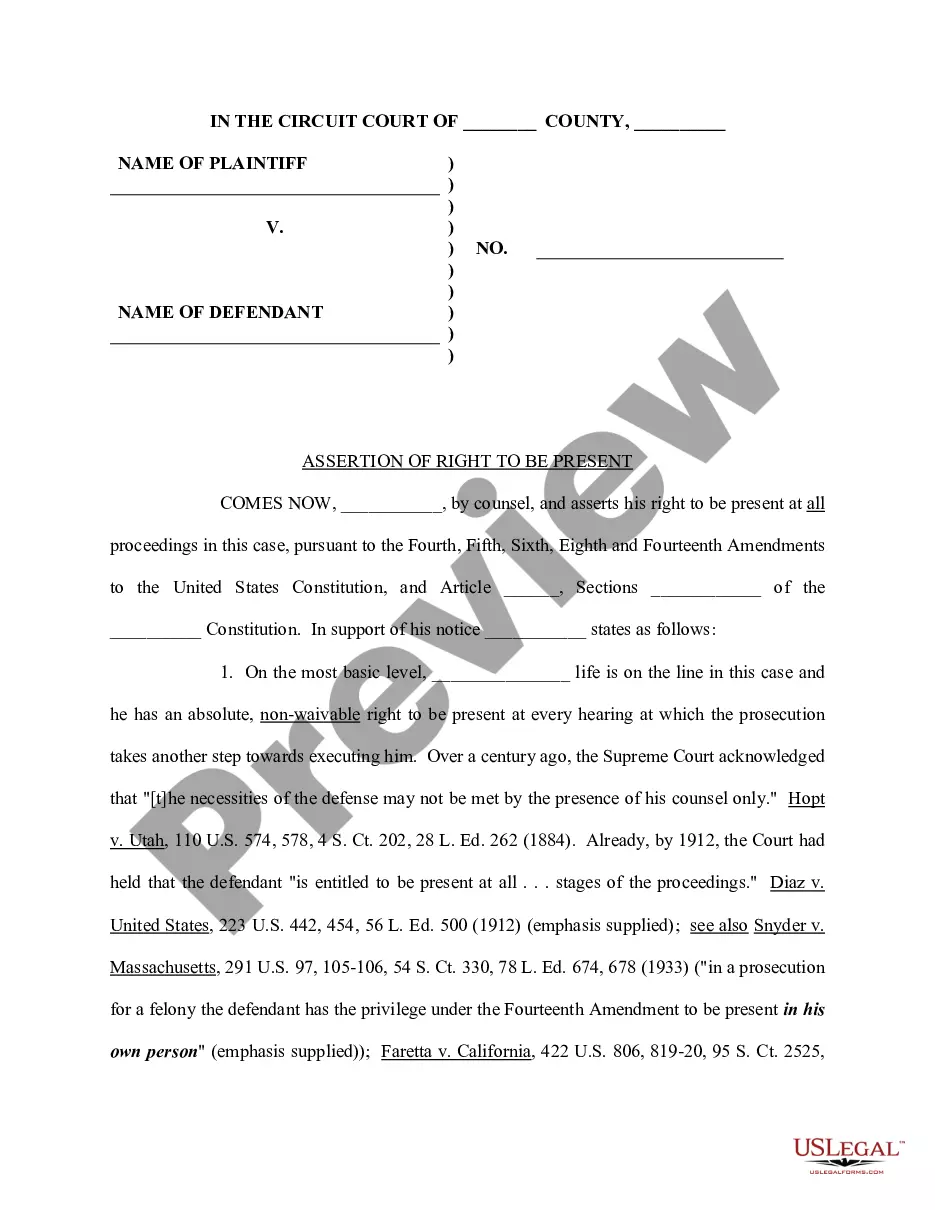
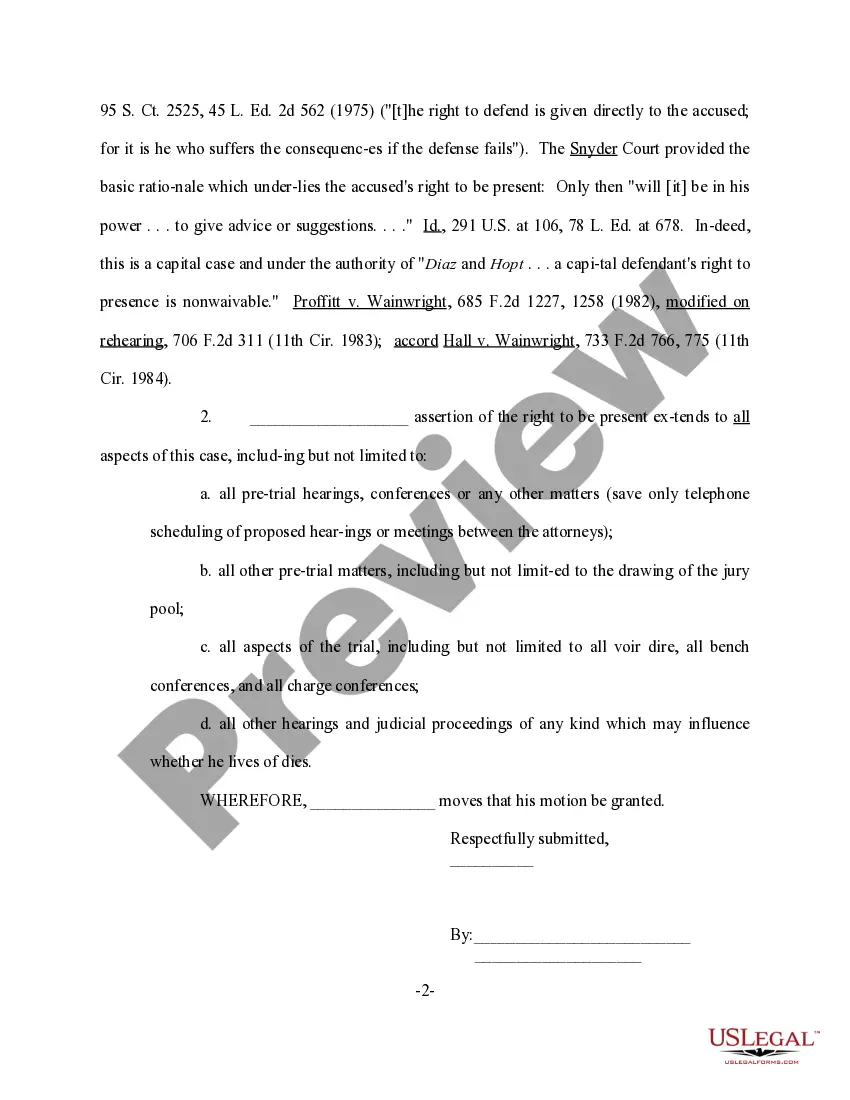
Massachusetts Assertion of Right to Be Present
Description
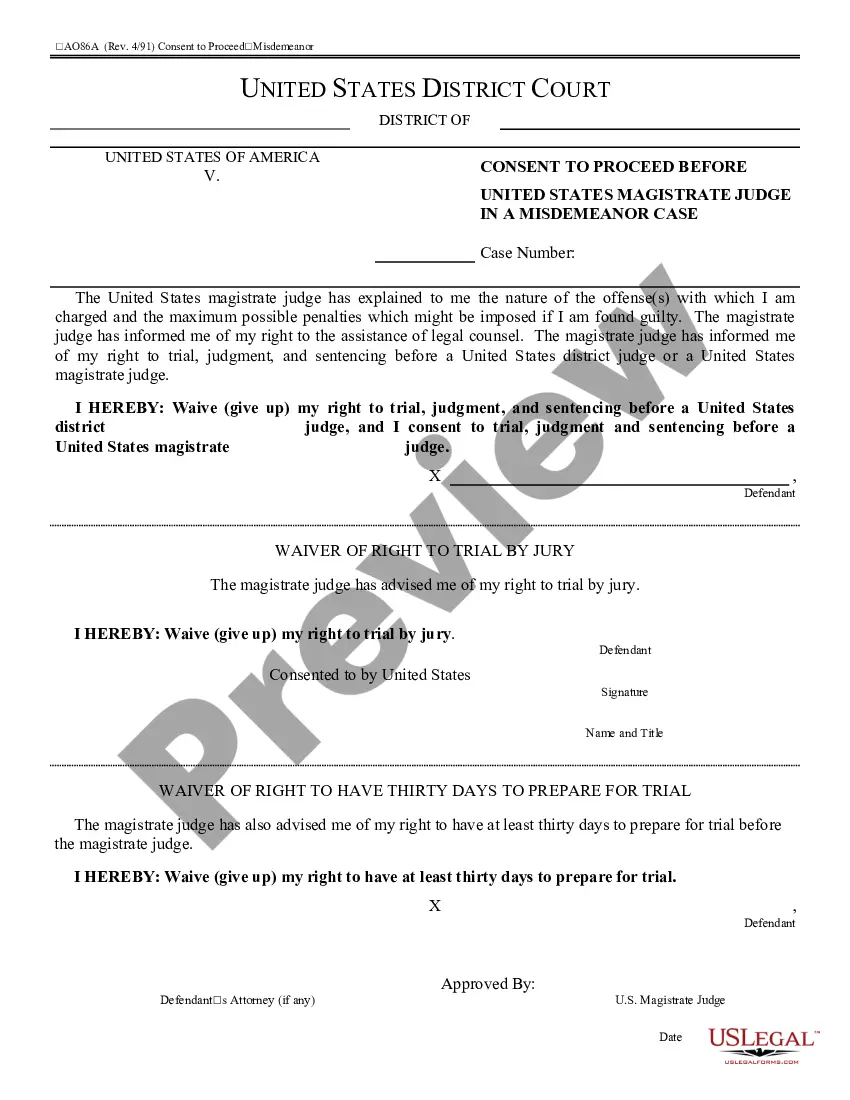
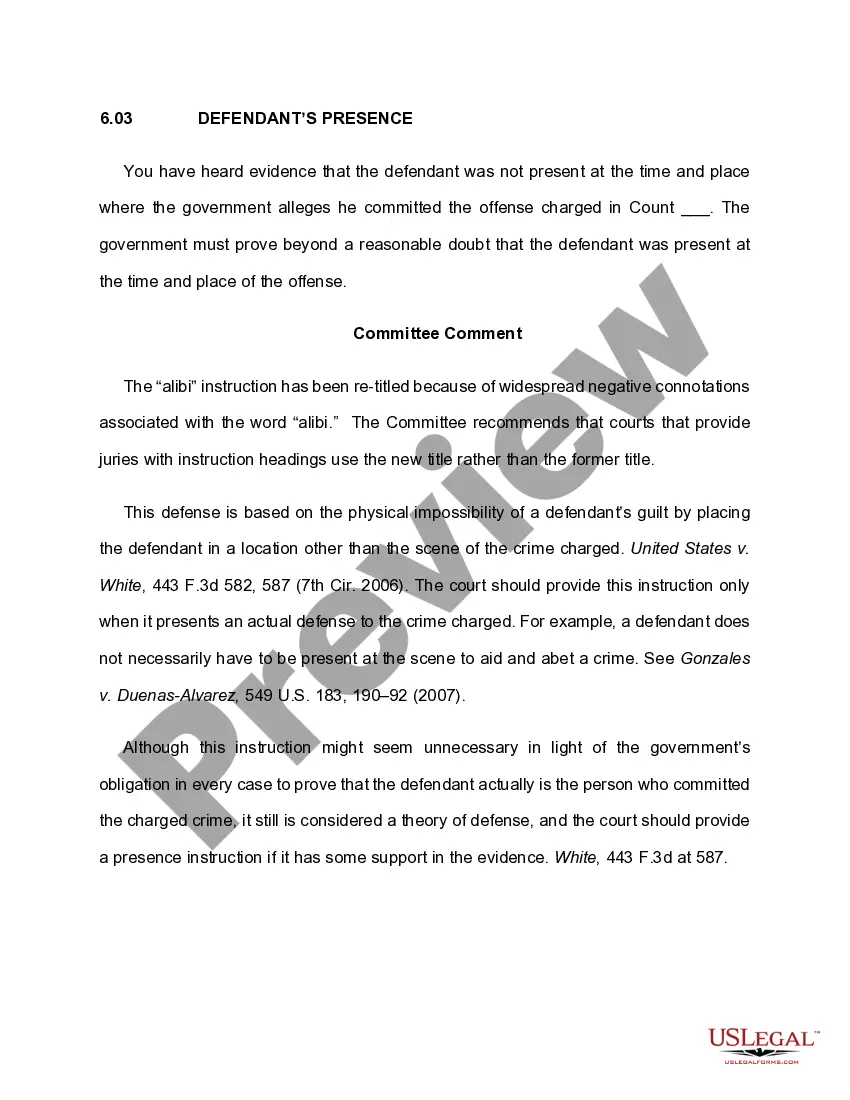
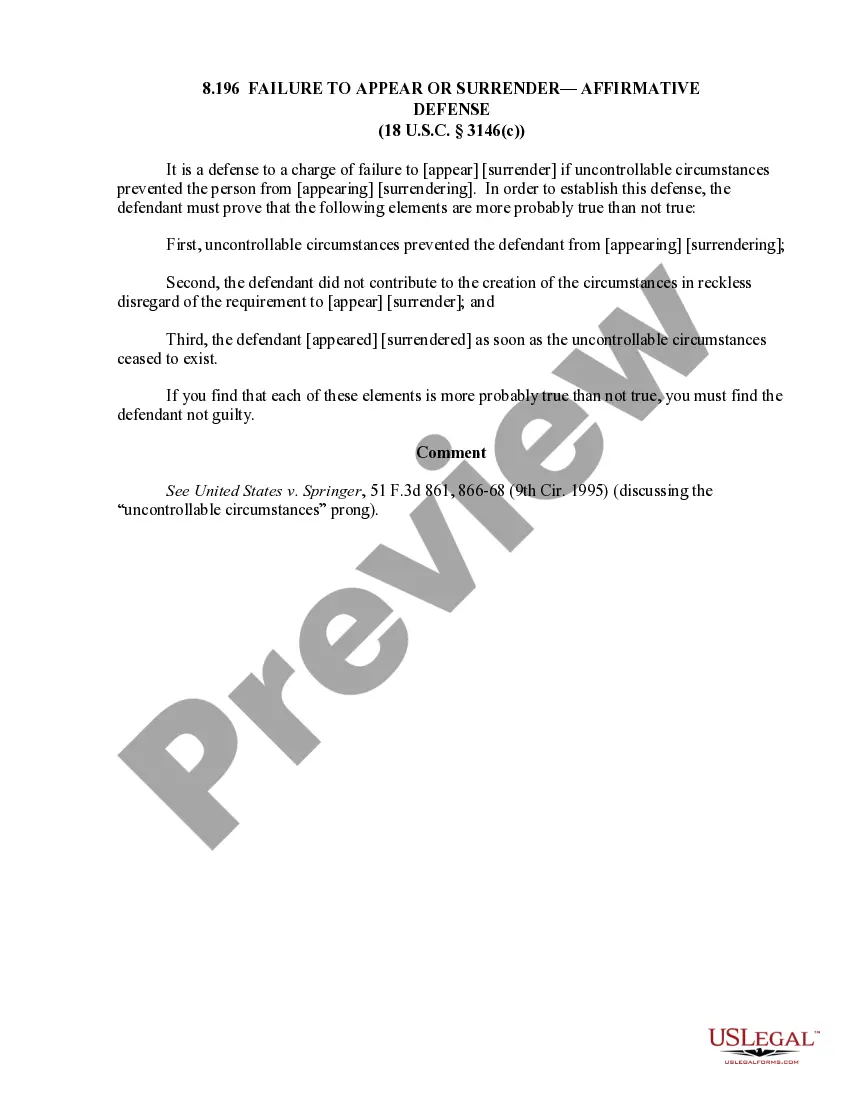
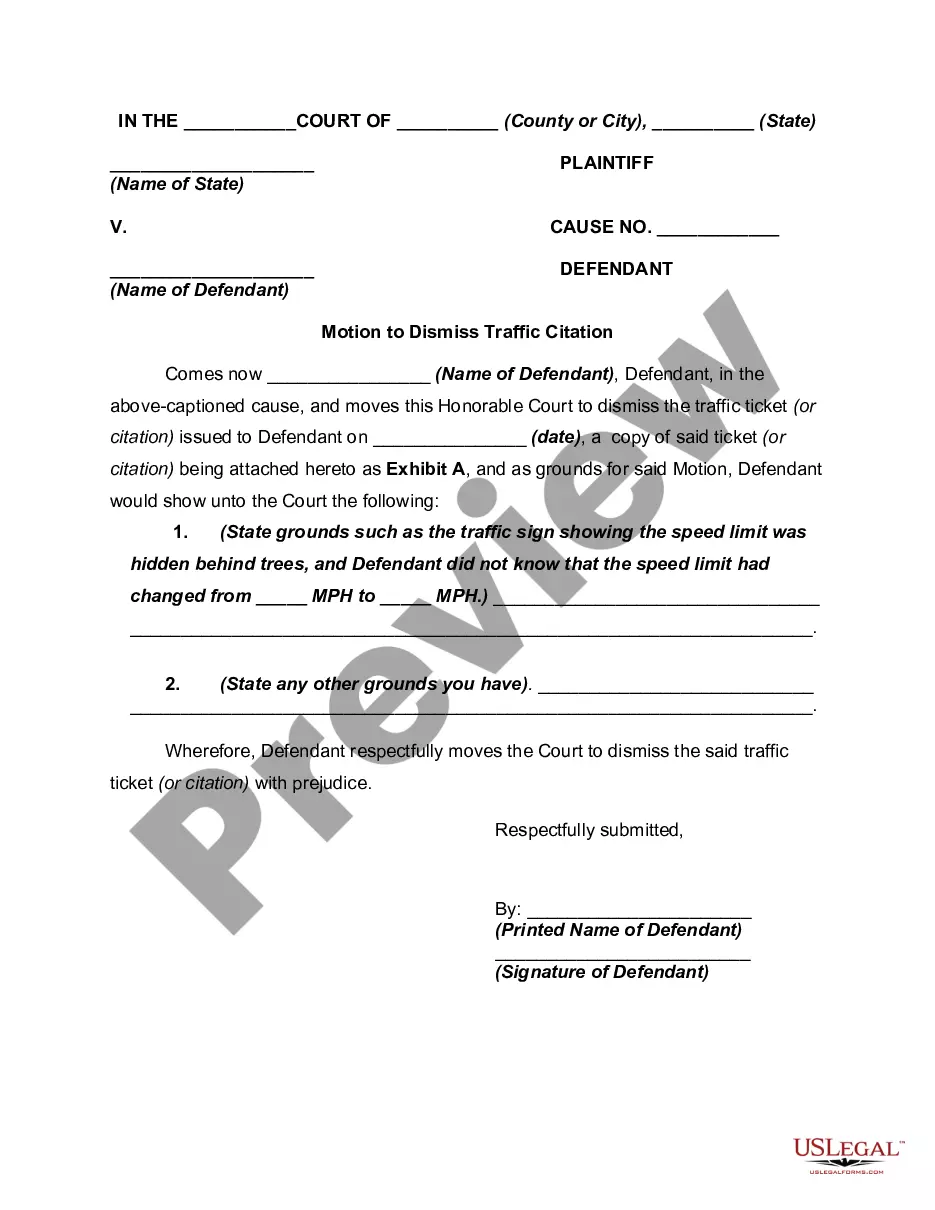
Get your form ready online
Our built-in tools help you complete, sign, share, and store your documents in one place.
Make edits, fill in missing information, and update formatting in US Legal Forms—just like you would in MS Word.
Download a copy, print it, send it by email, or mail it via USPS—whatever works best for your next step.
Sign and collect signatures with our SignNow integration. Send to multiple recipients, set reminders, and more. Go Premium to unlock E-Sign.
If this form requires notarization, complete it online through a secure video call—no need to meet a notary in person or wait for an appointment.
We protect your documents and personal data by following strict security and privacy standards.

Make edits, fill in missing information, and update formatting in US Legal Forms—just like you would in MS Word.

Download a copy, print it, send it by email, or mail it via USPS—whatever works best for your next step.

Sign and collect signatures with our SignNow integration. Send to multiple recipients, set reminders, and more. Go Premium to unlock E-Sign.

If this form requires notarization, complete it online through a secure video call—no need to meet a notary in person or wait for an appointment.

We protect your documents and personal data by following strict security and privacy standards.
Looking for another form?




How to fill out Assertion Of Right To Be Present?
If you need to finalize, obtain, or create valid document templates, utilize US Legal Forms, the largest collection of legal forms, available online. Take advantage of the site's straightforward and user-friendly search to find the documents you require. Various templates for business and personal purposes are organized by categories and states, or keywords. Use US Legal Forms to acquire the Massachusetts Assertion of Right to Be Present in just a few clicks.
If you are currently a US Legal Forms user, sign in to your account and click on the Download button to access the Massachusetts Assertion of Right to Be Present. You can also retrieve forms you previously downloaded from the My documents section of your account.
If you are using US Legal Forms for the first time, follow the steps outlined below: Step 1. Ensure you have selected the form for your specific city/state. Step 2. Use the Preview option to review the form's content. Don’t forget to read the description. Step 3. If you are not satisfied with the form, utilize the Search area at the top of the page to find other versions of the legal form template. Step 4. Once you have located the form you want, click the Purchase now button. Choose the pricing plan you prefer and enter your details to register for the account. Step 5. Process the transaction. You can use your Visa, Mastercard, or PayPal account to complete the transaction. Step 6. Select the format of your legal form and download it to your device. Step 7. Complete, edit, and print or sign the Massachusetts Assertion of Right to Be Present.
- Each legal document template you obtain is yours indefinitely.
- You have access to every form you downloaded in your account.
- Click the My documents section and select a form to print or download again.
- Complete and download, and print the Massachusetts Assertion of Right to Be Present with US Legal Forms.
- There are numerous professional and state-specific forms available for your business or personal needs.
Form popularity
FAQ
"The best evidence rule provides that, where the contents of a document are to be proved, the party must either produce the original or show a sufficient excuse for its nonproduction.
Rule 609 of the Federal Rules of Evidence deals with the impeachment of a witness by evidence that the witness has been previously convicted of a crime.
(2) for any crime regardless of the punishment, the evidence must be admitted if the court can readily determine that establishing the elements of the crime required proving ? or the witness's admitting ? a dishonest act or false statement.
"The Guide is an invaluable resource to attorneys, judges, and self-represented litigants. The 2023 edition reflects important legal developments and includes the addition of Section 1120, which compiles the law concerning courtroom demonstrations, experiments, and computer simulations.?
Under Rule 12(f), however, motions to strike are limited to addressing ?an insufficient defense or any redundant, immaterial, impertinent, or scandalous matter.? Because ?the Court must view the pleadings in a light most favorable to the pleading party,? a 12(f) motion to strike will rarely be granted.
Section 404: Misleading Filings It is unlawful for any person to make or cause to be made, in any document filed with the secretary or in any proceeding under this chapter, any statement which is, at the time and in the light of the circumstances under which it is made, false or misleading in any material respect.
Under Rule 12(f), as under existing federal practice, a motion to strike an insufficient defense searches the pleadings; in hearing such a motion, the court may properly dismiss the complaint for failure to state a claim upon which relief can be granted, just as though the defendant had been the moving party under Rule ...
Rule 26(c), which substantially copies Federal Rule 26(c), provides the mechanism by which a person (whether party or not) from whom discovery is sought may obtain court relief in the event he believes he is being unfairly oppressed. Generally, the order will be sought in the court in which the action is pending.
Rule 12(f) indicates explicitly that although the court may, sua sponte, clean up the pleadings (literally and figuratively) at any time, it may strike an insufficient defense only if the plaintiff takes the initiative.
Rule 609(c) as submitted by the Court provided in part that evidence of a witness' prior conviction is not admissible to attack his credibility if the conviction was the subject of a pardon, annulment, or other equivalent procedure, based on a showing of rehabilitation, and the witness has not been convicted of a ...