Massachusetts Document of Anatomical Gift
About this form
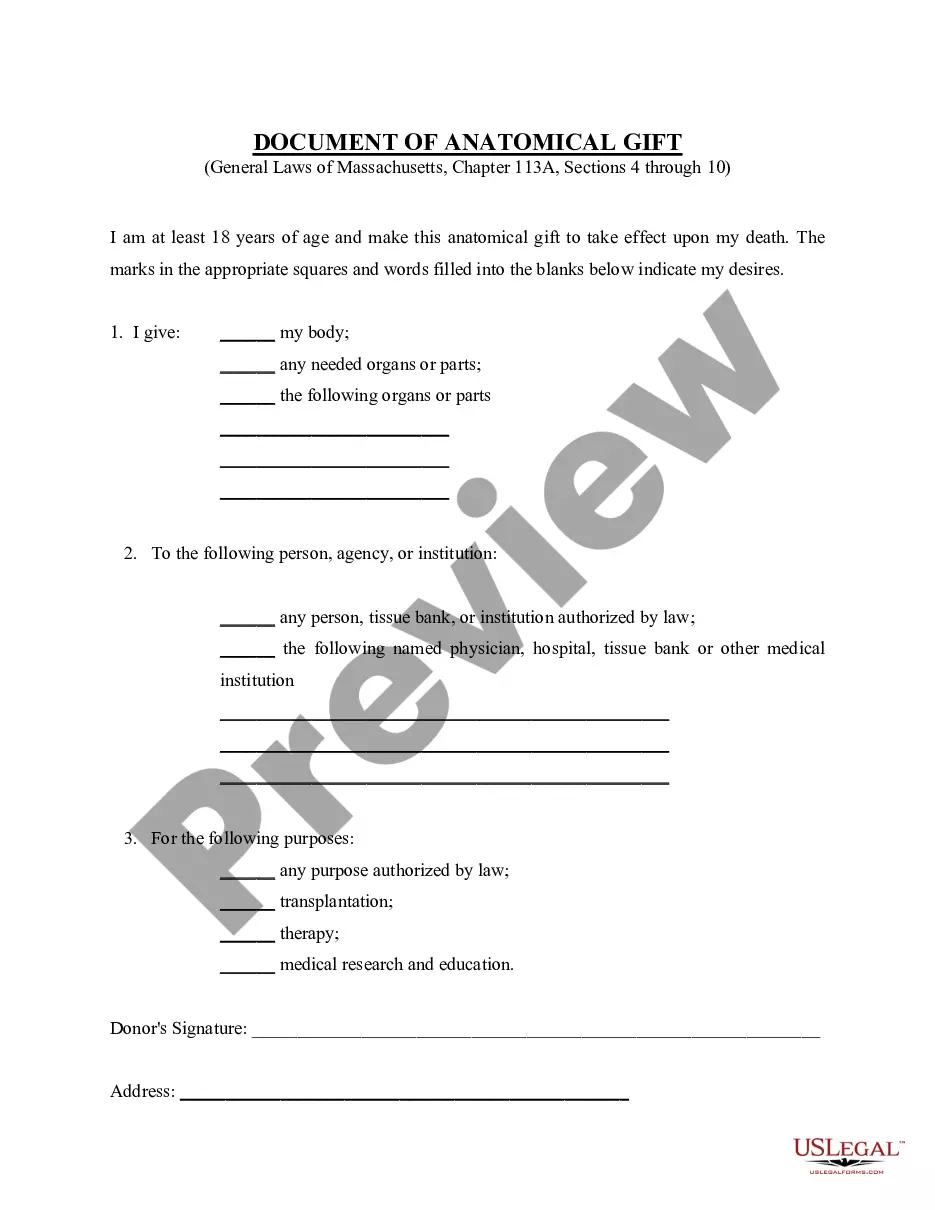
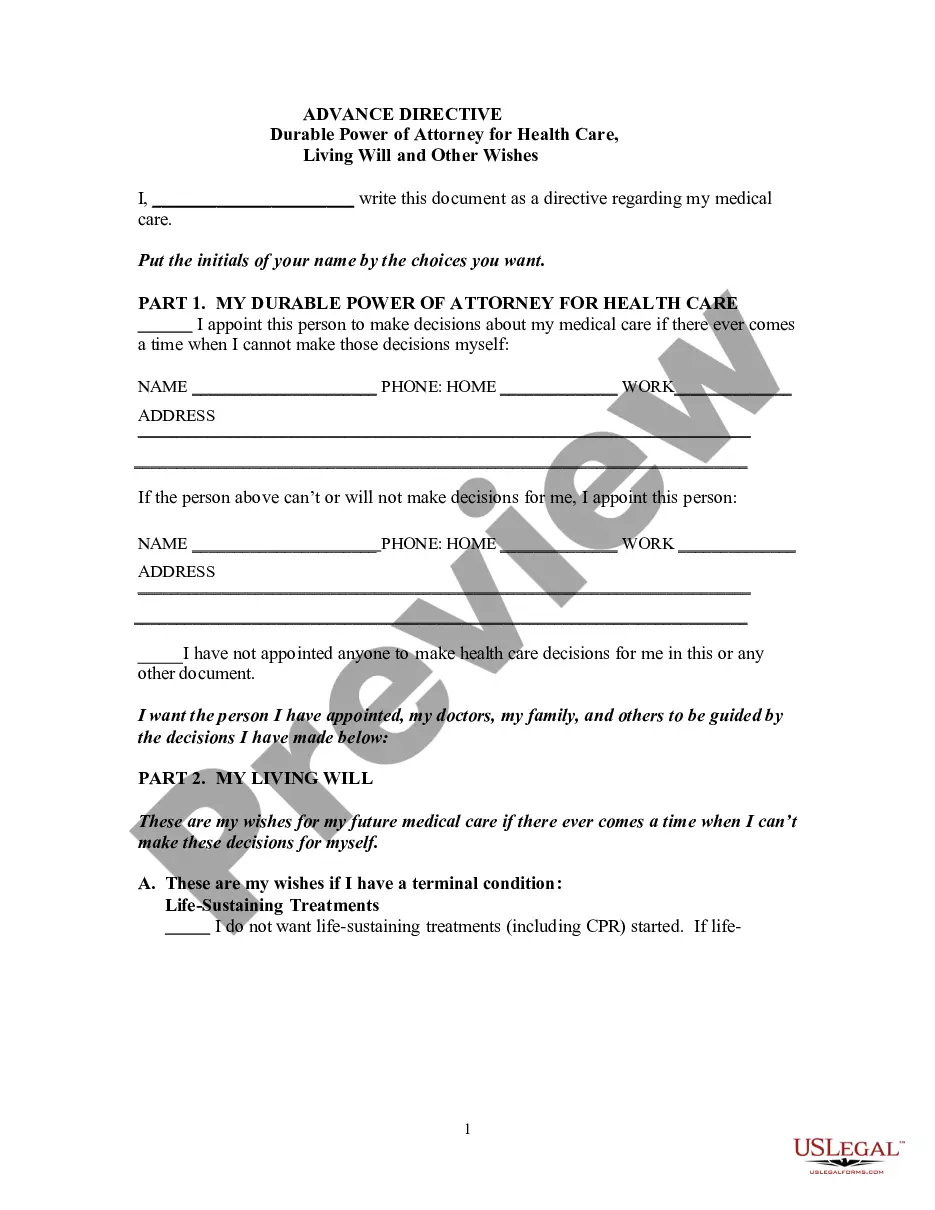
The Document of Anatomical Gift is a legal document that allows individuals to specify their wishes regarding organ and tissue donation upon death. This form differentiates itself by enabling individuals to detail which specific parts of their body they wish to donate, thereby facilitating a more personalized approach to organ donation. It ensures that the donorâs intentions are clearly communicated according to the Uniform Anatomical Gift Act and relevant state laws.
Main sections of this form
- Donor's declaration regarding the anatomical gift.
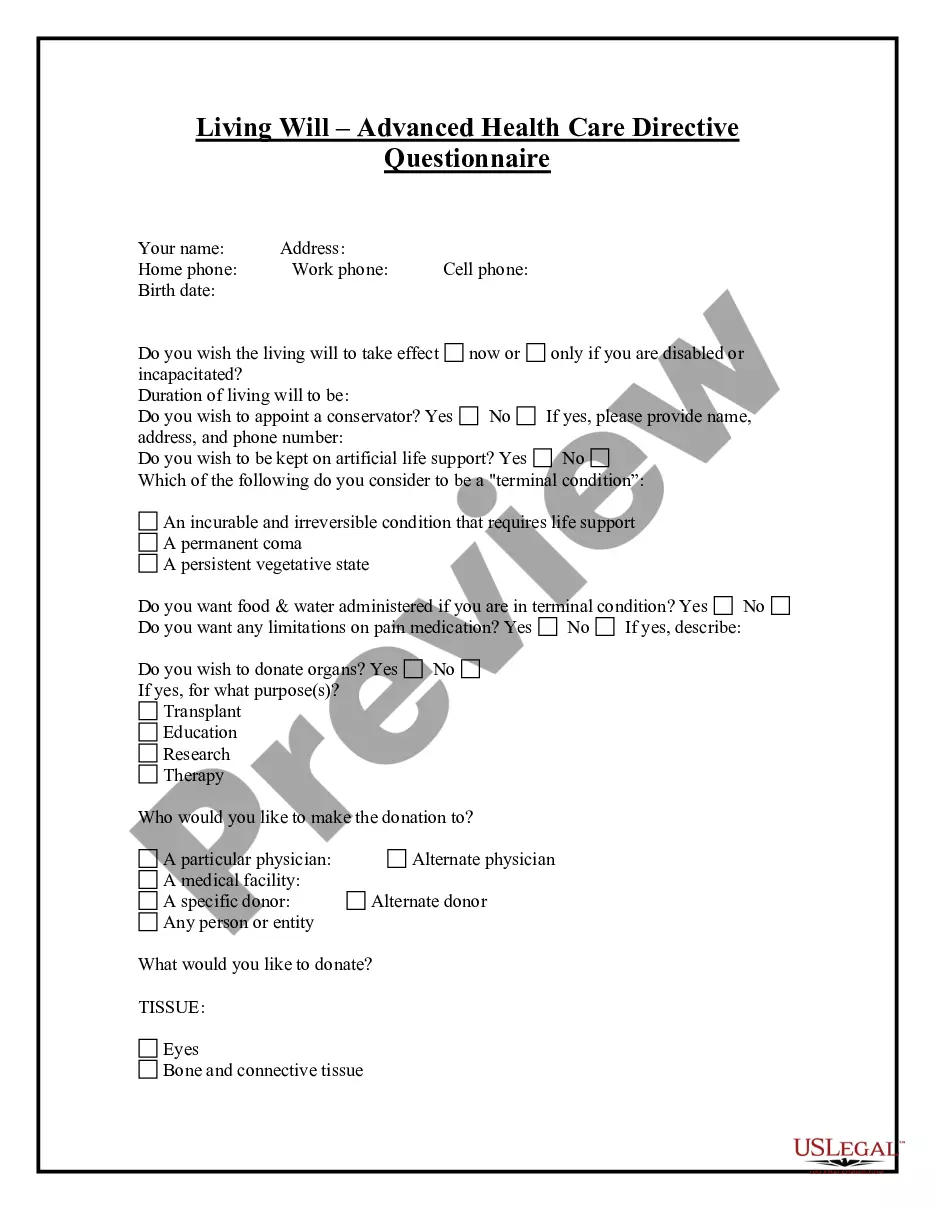
- Selection of specific organs or parts to donate.
- Identification of the designated recipient (physician, hospital, or institution).
- Purpose of donation (e.g., transplantation, medical research, or education).
- Signature of the donor, witnesses, and where applicable, physicians involved in transplantation.

Common use cases
This form is commonly used when individuals wish to make an anatomical gift and ensure their preferences are known at the time of their death. It is useful in situations where someone wants to leave a legacy through organ donation or contribute to medical research. The form is critical in addressing one's wishes ahead of time, which can help ease the decision-making process for loved ones during a difficult time.
Who this form is for
- Individuals aged eighteen or older who wish to donate their organs or body parts.
- Those with specific wishes regarding which organs should be donated.
- People wanting to ensure their decision on organ donation is legally documented.
- Individuals wishing to relieve their family from making this decision in the event of their death.
Completing this form step by step
- Identify yourself as the donor and affirm your age (at least 18 years).
- Select which parts of your body or organs you wish to donate.
- Specify the recipient(s) of your anatomical gift.
- Indicate the intended purposes for the donation (e.g., transplantation, therapy).
- Sign the document and have it witnessed by two individuals, as well as notarized if required.
Does this document require notarization?
Yes, this form must be notarized to be legally valid. US Legal Forms provides integrated online notarization services, offering 24/7 availability through secure video calls, ensuring legal equivalence without the need for travel.
Get your form ready online
Our built-in tools help you complete, sign, share, and store your documents in one place.
Make edits, fill in missing information, and update formatting in US Legal Forms—just like you would in MS Word.
Download a copy, print it, send it by email, or mail it via USPS—whatever works best for your next step.
Sign and collect signatures with our SignNow integration. Send to multiple recipients, set reminders, and more. Go Premium to unlock E-Sign.
If this form requires notarization, complete it online through a secure video call—no need to meet a notary in person or wait for an appointment.
We protect your documents and personal data by following strict security and privacy standards.

Make edits, fill in missing information, and update formatting in US Legal Forms—just like you would in MS Word.

Download a copy, print it, send it by email, or mail it via USPS—whatever works best for your next step.

Sign and collect signatures with our SignNow integration. Send to multiple recipients, set reminders, and more. Go Premium to unlock E-Sign.

If this form requires notarization, complete it online through a secure video call—no need to meet a notary in person or wait for an appointment.

We protect your documents and personal data by following strict security and privacy standards.
Avoid these common issues
- Failing to have the form witnessed and notarized, which can render it invalid.
- Not clearly stating the specific organs or body parts to be donated.
- Leaving the recipient section blank or not clearly identifying the recipient.
- Not keeping a copy of the signed document for personal records.
Why complete this form online
- Convenience of completing the document at your own pace from home.
- Easy access to templates created by licensed attorneys, ensuring legal compliance.
- Immediate download and secure storage options for your completed forms.
Main things to remember
- The Document of Anatomical Gift allows you to declare your intentions for organ and tissue donation posthumously.
- Completing this form ensures clarity for your loved ones regarding your wishes.
- Notarization and witness signatures are crucial for the document's validity.
- Using this form can facilitate the donation process during challenging times for families.
Looking for another form?
Form popularity
FAQ
Any person wishing to donate their body can make prior arrangements with the local medical college, hospital, or an NGO, before death. Individuals may request a consent form from a medical institution or an NGO, who will then give information about policies and procedures followed after the potential donor is deceased.
(3) "Anatomical gift" means a donation of all or part of a human body to take effect after the donor's death for the purpose of transplantation, therapy, research, or education.
The Uniform Anatomical Gift Act (UAGA or the Act) was passed in the US in 1968 and has since been revised in 1987 and in 2006. The Act sets a regulatory framework for the donation of organs, tissues, and other human body parts in the US. The UAGA helps regulate body donations to science, medicine, and education.