Massachusetts Condominium Unit Quitclaim Deed
Overview of this form
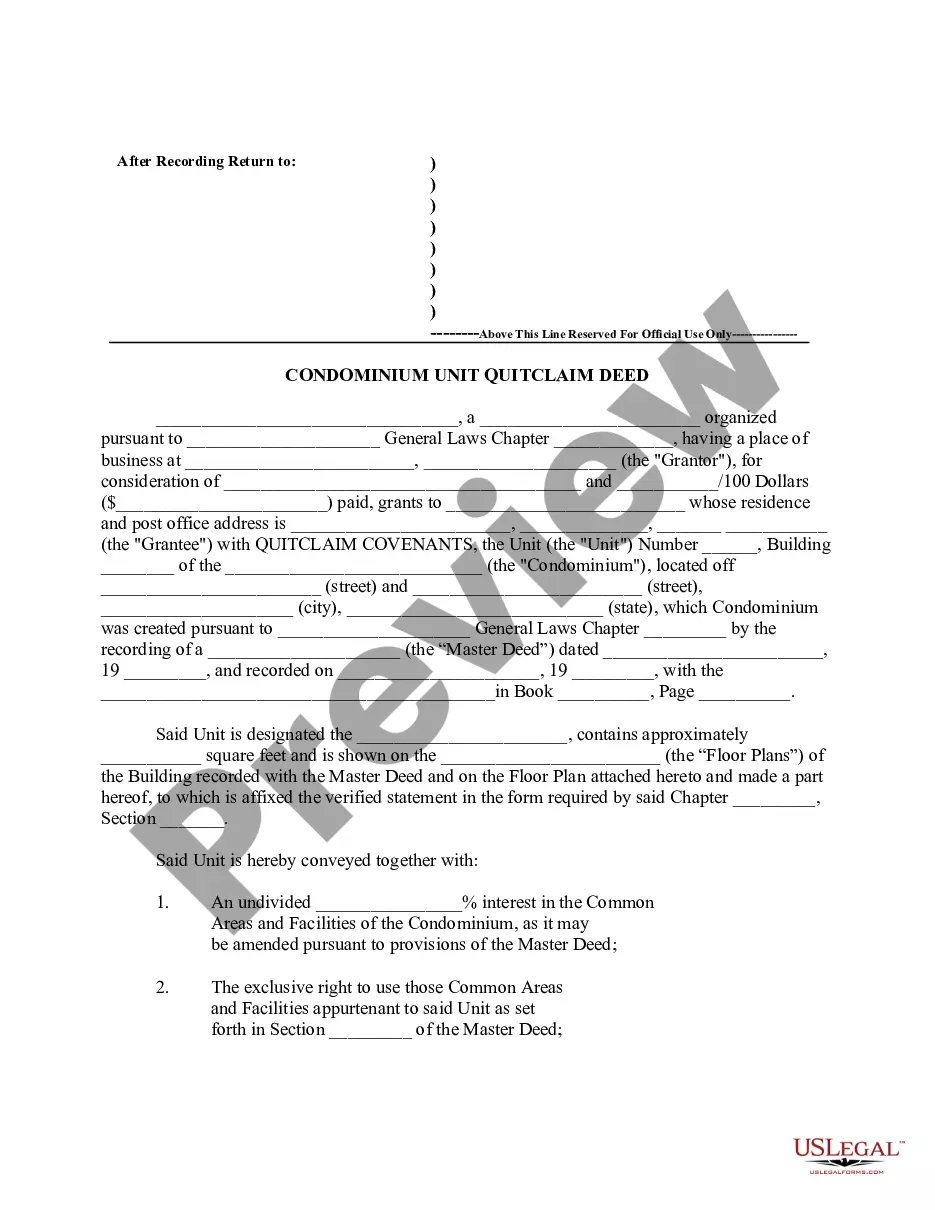
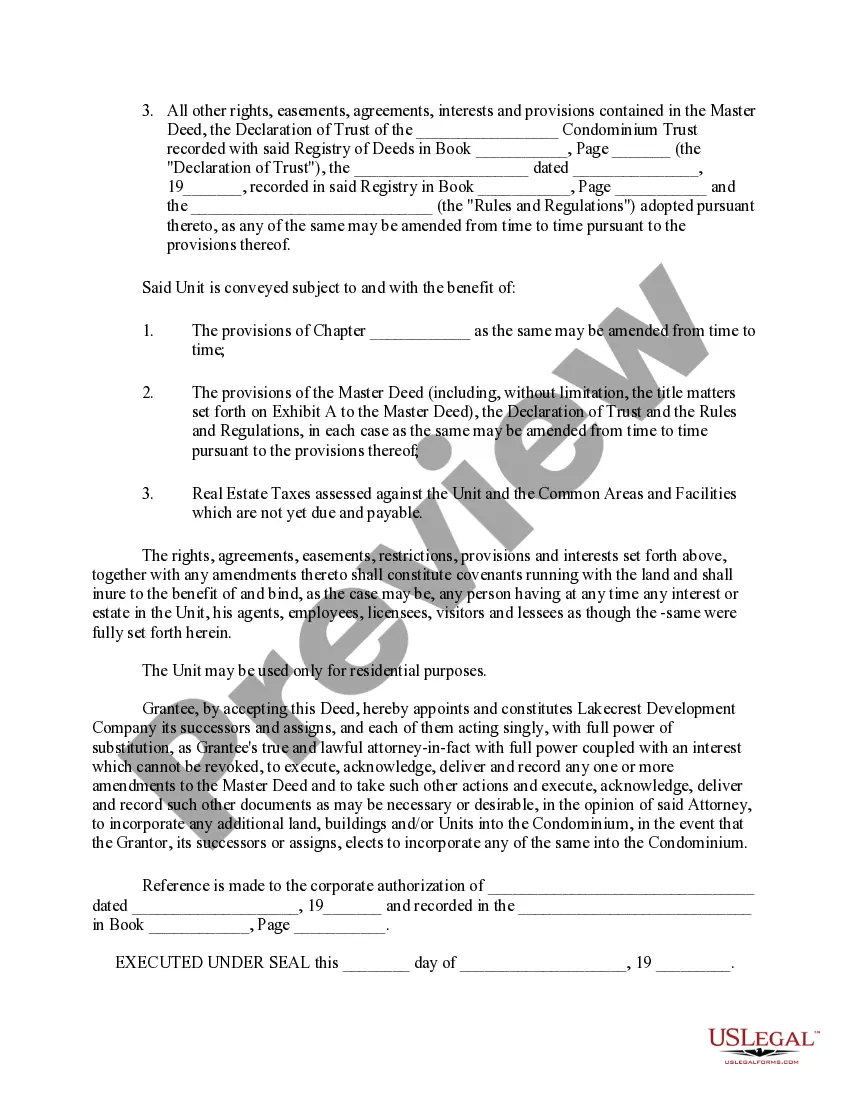
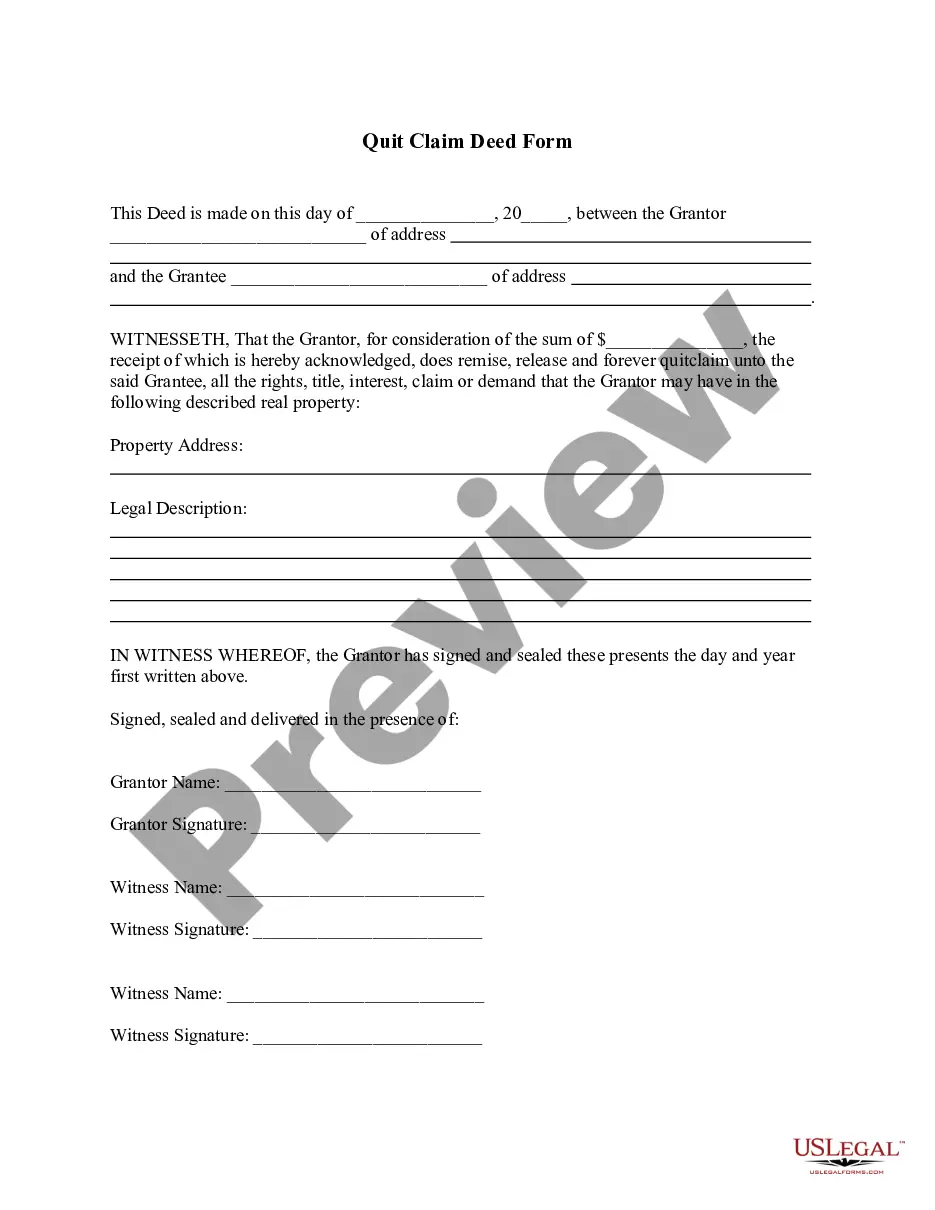
The Condominium Unit Quitclaim Deed is a legal document used to transfer ownership of a condominium unit from one party to another. Unlike a warranty deed, which provides guarantees about the title, a quitclaim deed offers no such assurances. This form is essential in property transactions where the grantor wishes to relinquish any claim to the property without expressing any guarantees about its condition or title.
Key parts of this document
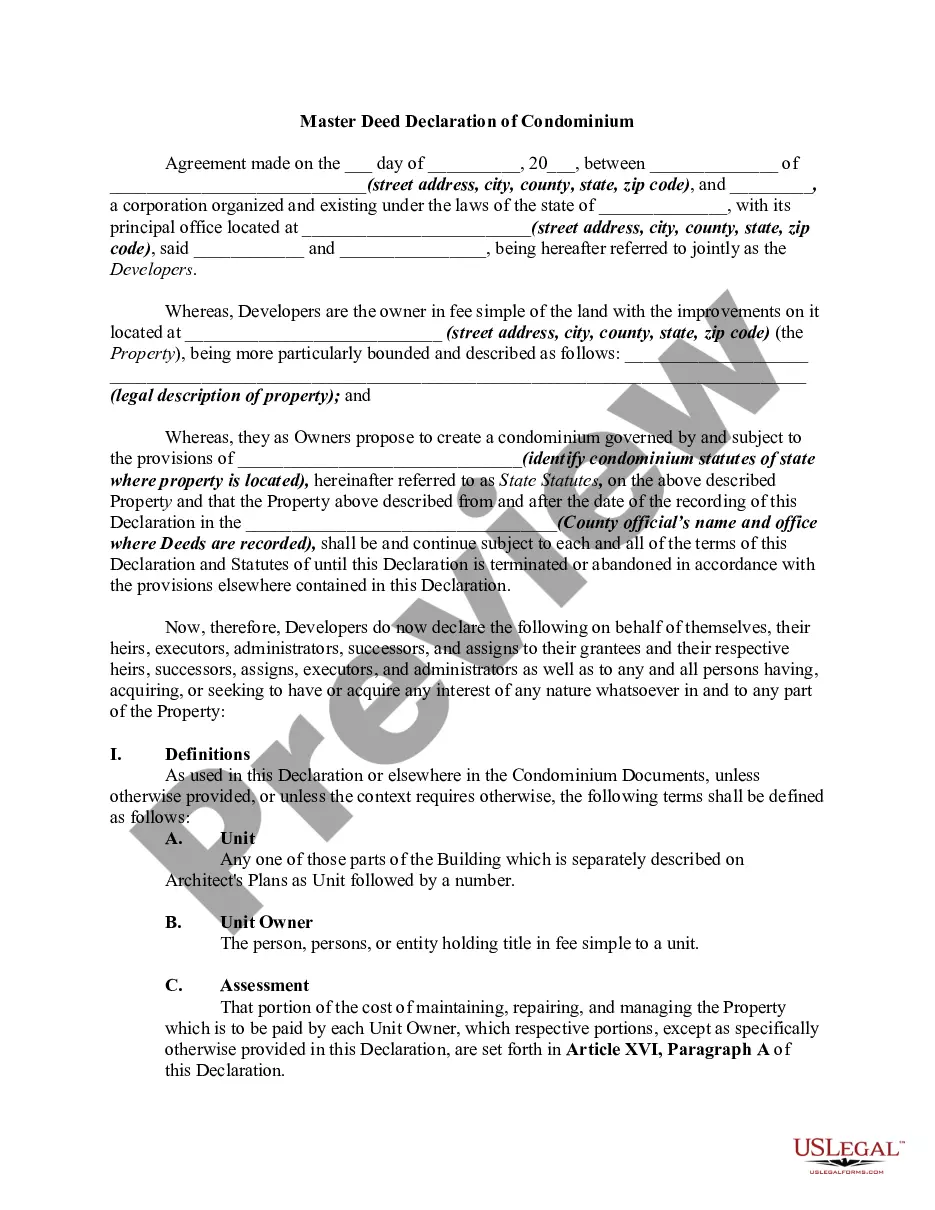
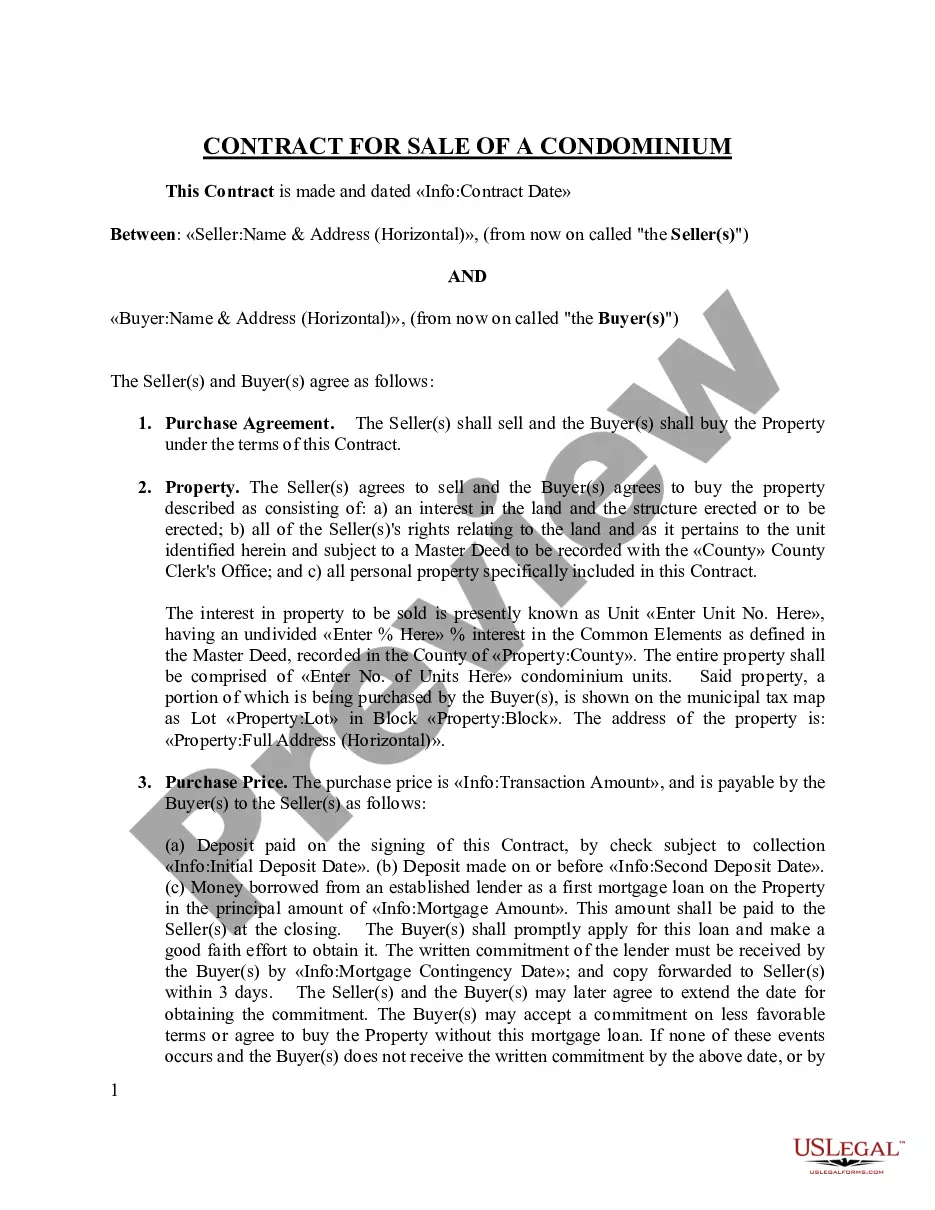
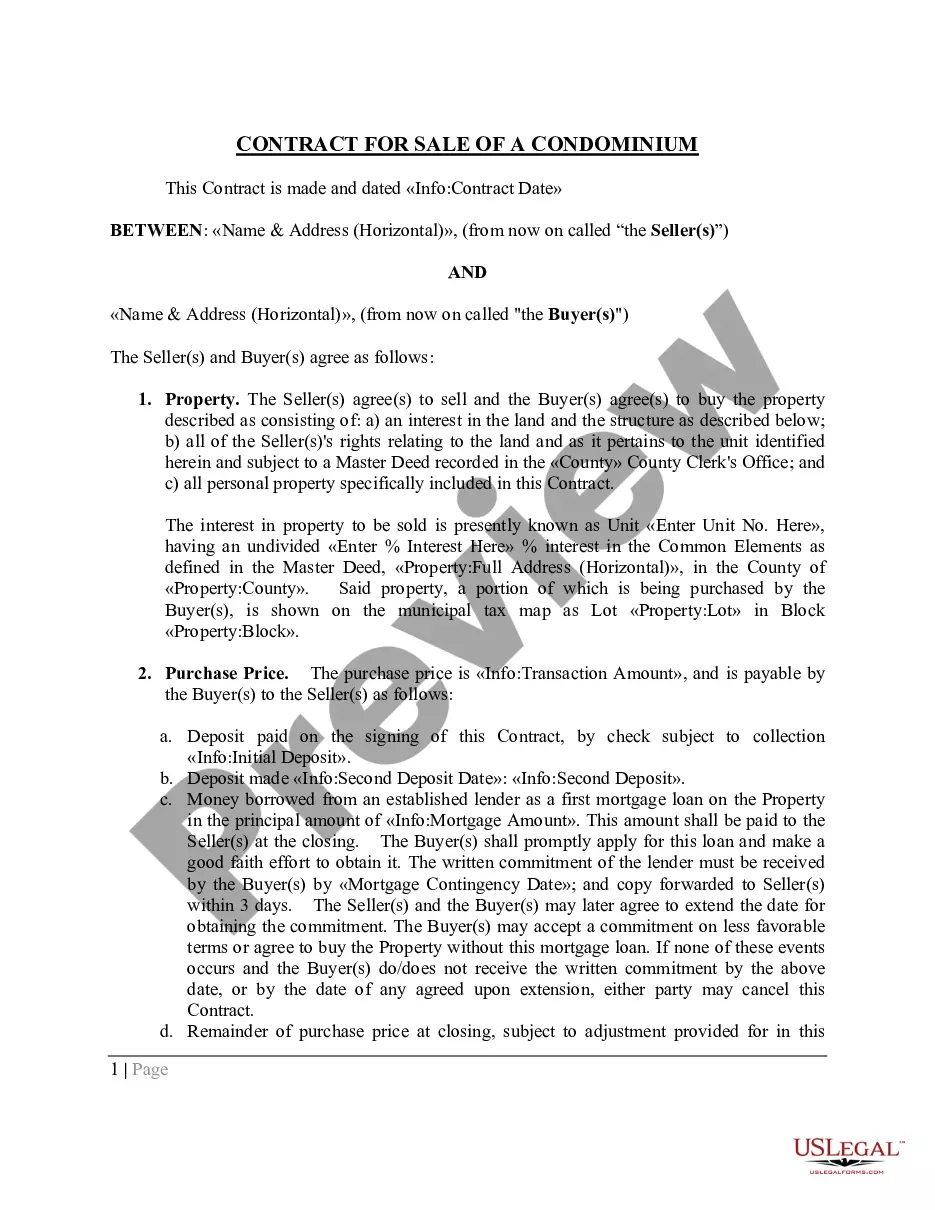
- Grantor and Grantee Information: Identify the parties involved in the transaction.
- Property Description: Details of the condominium unit, including unit number and building location.
- Consideration: State the amount paid for the property transfer.
- Common Areas: Acknowledge the rights to use common areas and facilities of the condominium.
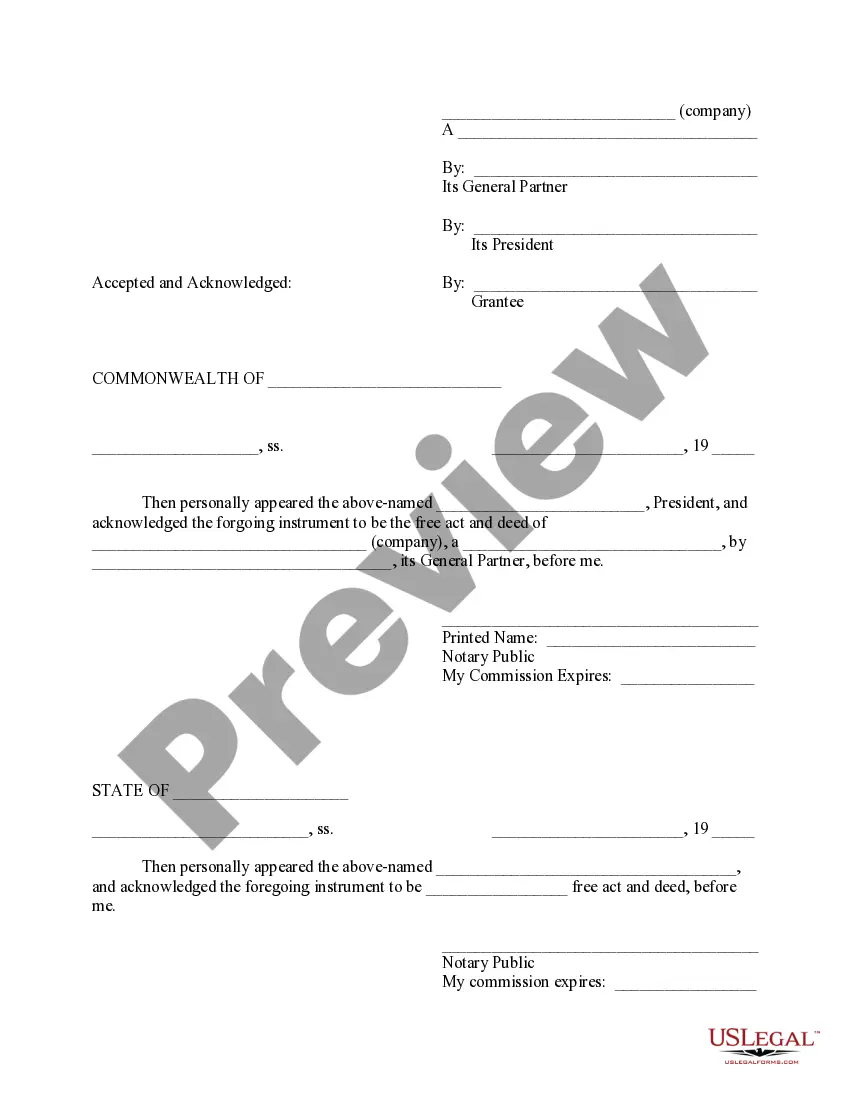
- Notarization: Specific provisions for notarization may apply based on jurisdiction.
When this form is needed
This form should be used when an owner (grantor) wishes to transfer their ownership rights of a condominium unit to another party (grantee) without guaranteeing the title quality. It can be utilized in situations where the transaction occurs between family members, when gifting property, or in informal property transfers where formal title assurance is not necessary.
Who should use this form
The following individuals or entities may find this form applicable:
- Current owners of condominium units who wish to transfer ownership.
- Family members transferring ownership as a gift.
- Individuals engaging in simple property transactions where formal warranties are not required.
Completing this form step by step
- Identify the grantor and grantee, including full names and addresses.
- Specify the property being conveyed, including the unit number and master deed details.
- State the consideration amount paid for the property transfer.
- Include any relevant declarations about common area rights and property usage.
- Ensure appropriate signatures are provided for both parties and include notarization where required.
Notarization guidance
This form must be notarized to be legally valid. US Legal Forms provides secure online notarization powered by Notarize, allowing you to complete the process through a verified video call.
Get your form ready online
Our built-in tools help you complete, sign, share, and store your documents in one place.
Make edits, fill in missing information, and update formatting in US Legal Forms—just like you would in MS Word.
Download a copy, print it, send it by email, or mail it via USPS—whatever works best for your next step.
Sign and collect signatures with our SignNow integration. Send to multiple recipients, set reminders, and more. Go Premium to unlock E-Sign.
If this form requires notarization, complete it online through a secure video call—no need to meet a notary in person or wait for an appointment.
We protect your documents and personal data by following strict security and privacy standards.

Make edits, fill in missing information, and update formatting in US Legal Forms—just like you would in MS Word.

Download a copy, print it, send it by email, or mail it via USPS—whatever works best for your next step.

Sign and collect signatures with our SignNow integration. Send to multiple recipients, set reminders, and more. Go Premium to unlock E-Sign.

If this form requires notarization, complete it online through a secure video call—no need to meet a notary in person or wait for an appointment.

We protect your documents and personal data by following strict security and privacy standards.
Common mistakes to avoid
- Failing to accurately describe the property, which can lead to disputes.
- Omitting the consideration amount paid, making the transfer incomplete.
- Not including all necessary signatures, particularly from the grantor and witnesses.
- Neglecting to notarize the document if required by state law.
Why complete this form online
- Convenience of immediate access and download.
- Editability allows you to customize the form to fit your specific circumstances.
- Reliable templates drafted by licensed attorneys ensure compliance with legal standards.
Looking for another form?


Form popularity
FAQ
To obtain a copy of a Massachusetts Condominium Unit Quitclaim Deed, you can visit your local registry of deeds or search their online database. Ensure you have the necessary property details, such as the address and previous owner’s name, to make your search easier. If you prefer, you can also use platforms like USLegalForms, which provide state-specific forms and guidance to assist you in your search.
Less Space and Flexibility. Another one of the reasons not to buy a condo is that you have less space and flexibility in how you use your place. Some condos offer owners extra storage space or possibly a basement, but you'll still likely have a smaller, more compact living environment than you would in a house.
The biggest difference between a condo vs. apartment is ownership. An apartment is defined as a residence that is rented, often as part of a larger residential building. A condo is similar in structure to an apartment usually a unit within a larger residential building but condos are owned instead of rented.
A condominium, called condo for short, is a privately-owned individual unit within a community of other units. Condo owners jointly own shared common areas, such as pools, garages, elevators and outside hallways and gyms, to name a few.Condominiums are often referred to as a 'common interest development.'
A condominium is similar to an apartment in that it's an individual unit residing in a building or community of buildings. But unlike an apartment, a condo is owned by its resident, not rented from a landlord. A townhouse is an attached home also owned by its resident.
What's the difference between a house and a condo?Owners of single-family homes purchase the home structure and the land it sits on, while condo owners own just the unit they live in, not the larger building or the land on which it's built.
Condos. In a condominium block, the dwellings are owned by different individuals, who team up to make a body corporate, which is also known as an owners corporation.
A condominium, called condo for short, is a privately-owned individual unit within a community of other units. Condo owners jointly own shared common areas, such as pools, garages, elevators and outside hallways and gyms, to name a few.Condominiums are often referred to as a 'common interest development.'
It's a common misconception that renting a condo is more expensive than renting an apartment. However, this isn't always true. Apartment and condo rates tend to stay competitive and consistent in the same areas. Condos are often more cost efficient with flat utility fees and waived add-ons like HOA fees.
The biggest difference between a condo vs. apartment is ownership. An apartment is defined as a residence that is rented, often as part of a larger residential building. A condo is similar in structure to an apartment usually a unit within a larger residential building but condos are owned instead of rented.