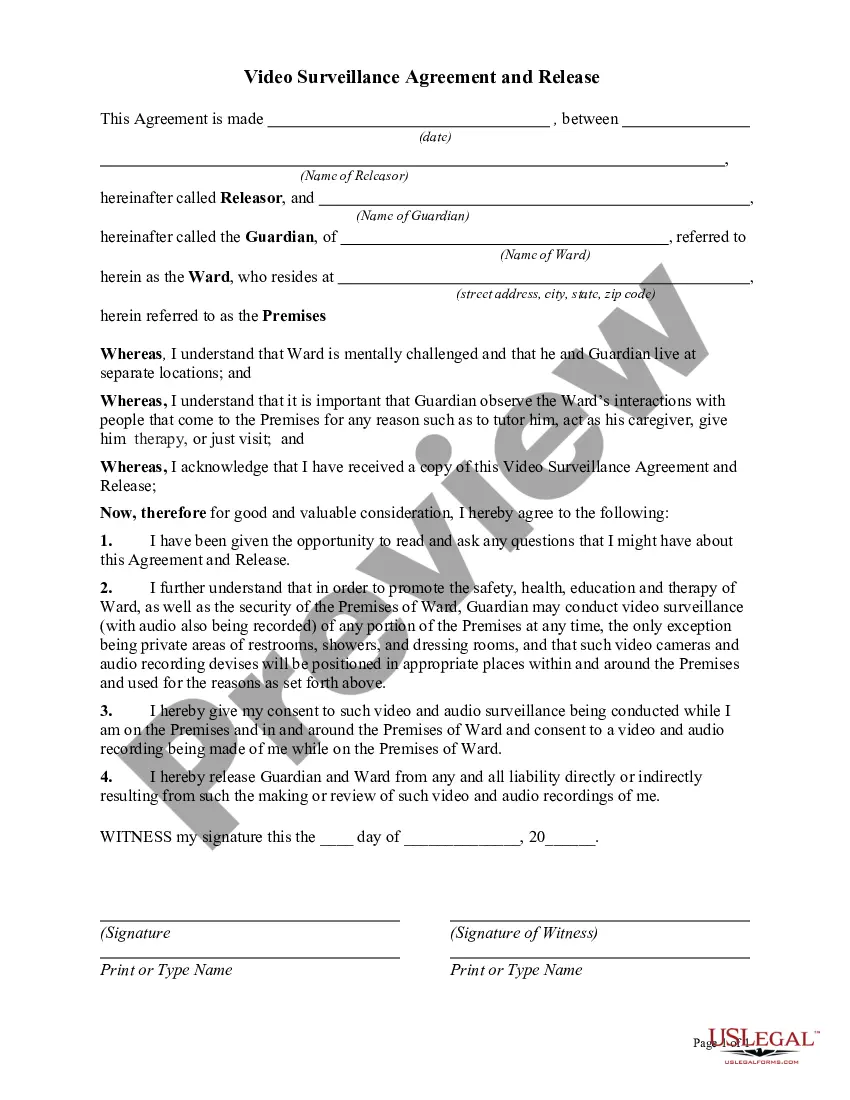
Louisiana Video Surveillance Agreement and Release
Description
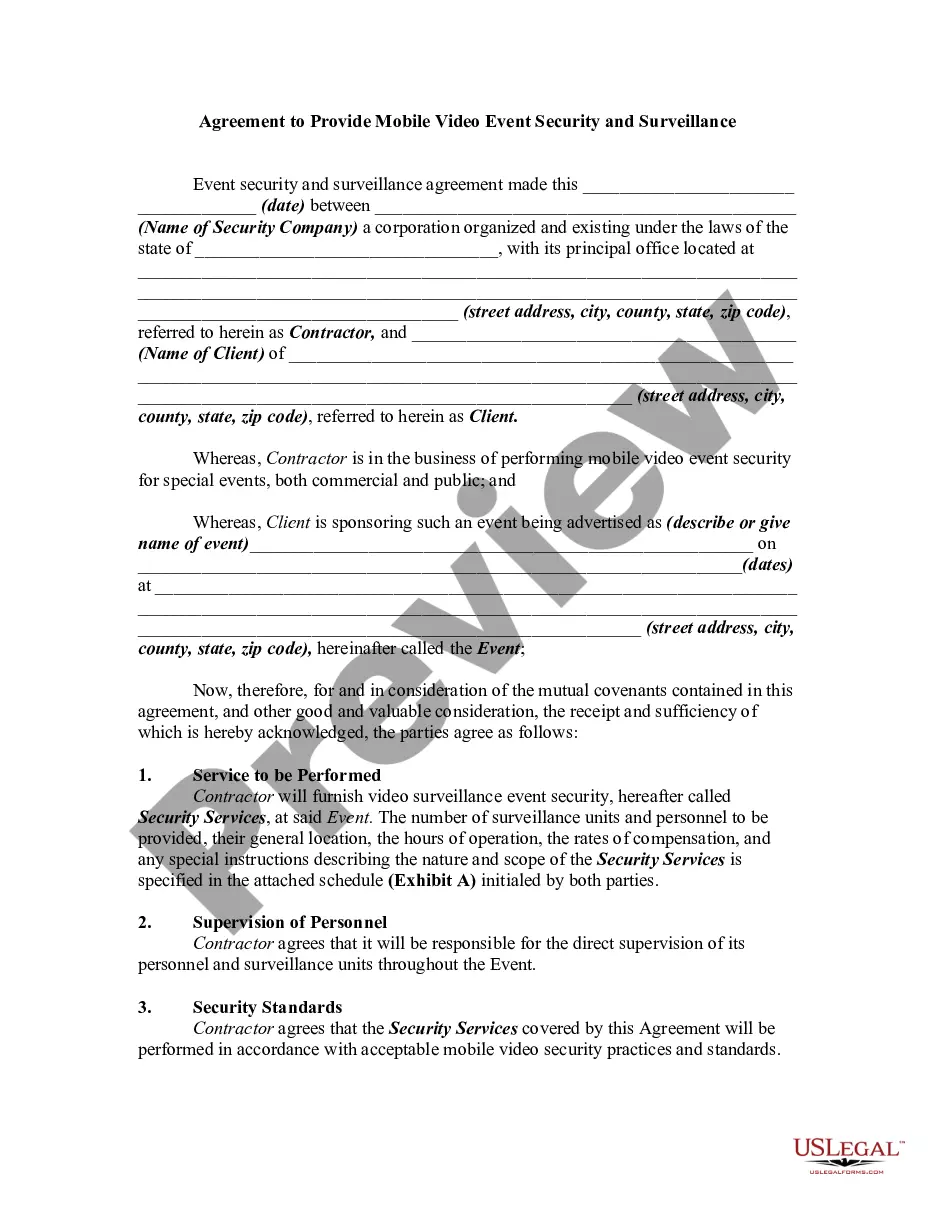
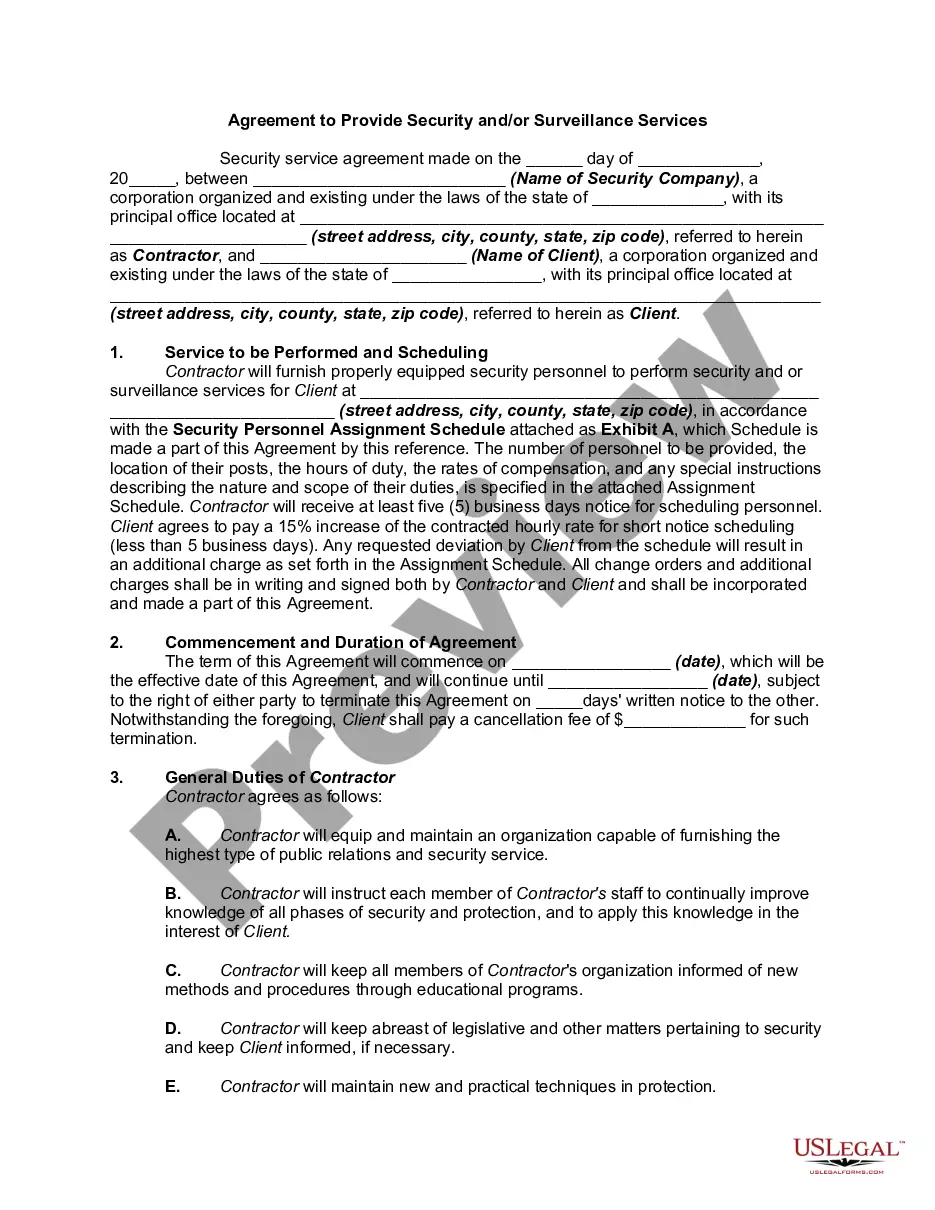
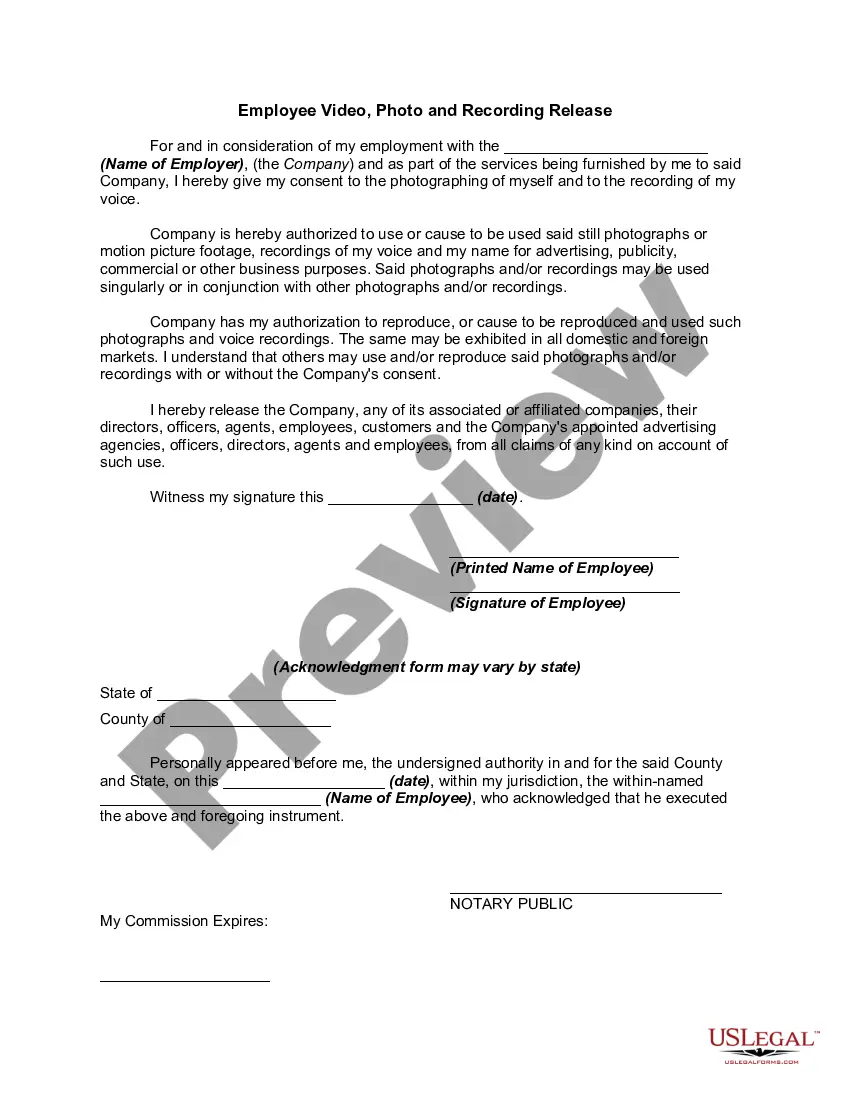
Get your form ready online
Our built-in tools help you complete, sign, share, and store your documents in one place.
Make edits, fill in missing information, and update formatting in US Legal Forms—just like you would in MS Word.
Download a copy, print it, send it by email, or mail it via USPS—whatever works best for your next step.
Sign and collect signatures with our SignNow integration. Send to multiple recipients, set reminders, and more. Go Premium to unlock E-Sign.
If this form requires notarization, complete it online through a secure video call—no need to meet a notary in person or wait for an appointment.
We protect your documents and personal data by following strict security and privacy standards.

Make edits, fill in missing information, and update formatting in US Legal Forms—just like you would in MS Word.

Download a copy, print it, send it by email, or mail it via USPS—whatever works best for your next step.

Sign and collect signatures with our SignNow integration. Send to multiple recipients, set reminders, and more. Go Premium to unlock E-Sign.

If this form requires notarization, complete it online through a secure video call—no need to meet a notary in person or wait for an appointment.

We protect your documents and personal data by following strict security and privacy standards.
Looking for another form?
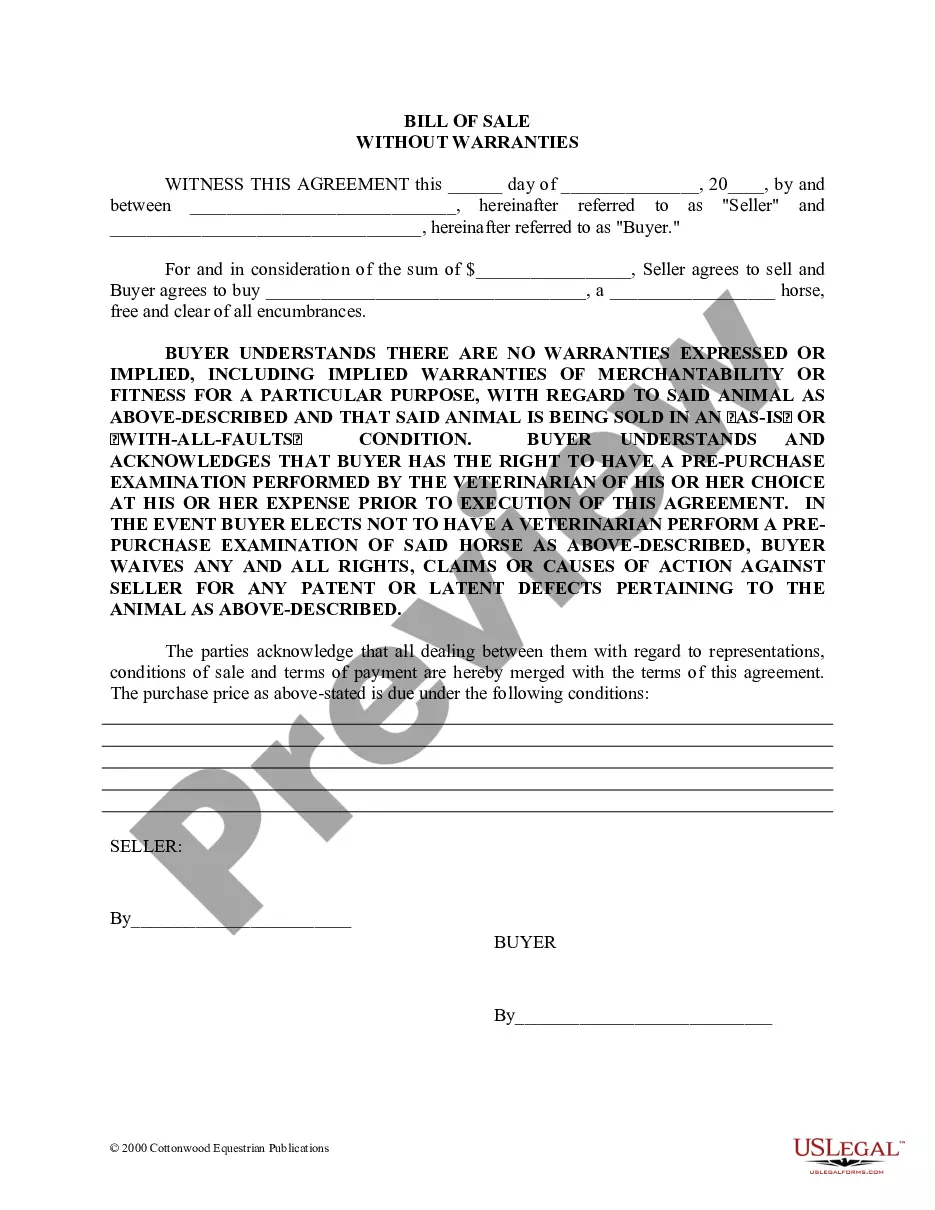
How to fill out Video Surveillance Agreement And Release?
Are you presently in a scenario where you need documents for either professional or personal reasons nearly every day.
There is an assortment of legal document templates accessible online, but finding reliable ones is not easy.
US Legal Forms provides thousands of document templates, such as the Louisiana Video Surveillance Agreement and Release, designed to comply with federal and state regulations.
- If you are already acquainted with the US Legal Forms website and have an account, simply Log In.
- After that, you can download the Louisiana Video Surveillance Agreement and Release template.
- If you do not have an account and wish to start using US Legal Forms, follow these steps.
- Locate the template you need and ensure it is for the correct city/region.
- Utilize the Review button to examine the form.
- Read the description to confirm that you have selected the correct template.
- If the template is not what you are looking for, use the Search field to find the document that fits your needs and criteria.
- Once you find the right template, click on Acquire now.
- Choose the pricing plan you prefer, fill in the required information to create your account, and pay for the order using your PayPal or Visa/MasterCard.
- Select a suitable file format and download your copy.
- Access all the document templates you have purchased in the My documents section. You can obtain another copy of the Louisiana Video Surveillance Agreement and Release anytime if necessary. Just click on the respective template to download or print the document.
- Utilize US Legal Forms, one of the largest collections of legal forms, to save time and avoid errors. The service provides professionally crafted legal document templates for various purposes. Create an account on US Legal Forms and start making your life a little simpler.
Form popularity
FAQ
Individuals and law enforcement officials cannot conduct surveillance without limits, however. Constitutionally, the Fourth Amendment protects individuals from unreasonable searches and seizures, and this can protect individuals against surveillance.
Louisiana's Electronic Surveillance Act bars the recording, interception, use or disclosure of any in-person, telephone or electronic communication without the consent of at least one party to the conversation.
Under the federal Wiretap Act, it is illegal for any person to secretly record an oral, telephonic, or electronic communication that other parties to the communication reasonably expect to be private. (18 U.S.C. § 2511.)
Disadvantages of Video Surveillance Camera Systemscost Probably the biggest downside of a video surveillance camera system is how expensive it is.difficult to use If you are not a techie person, you may have a hard time learning how to use your video surveillance camera system as some systems can be very complex.More items...?
The surveillance cameras are allowed where it is necessary to protect public safety, assist to deter or detect in the investigation of a criminal act. Commercial video surveillance is not permitted to be placed so that they can be directed to windows of other buildings.
State law in California deems it illegal for anyone to make a video recording of communications that are considered confidential. This is information passed from one individual to another and is only intended to be heard by the person being addressed.
Louisiana's Electronic Surveillance Act bars the recording, interception, use or disclosure of any in-person, telephone or electronic communication without the consent of at least one party to the conversation.
Under Louisiana's Electronic Surveillance Act, it is illegal to intercept or record oral, wire or electronic conversations unless at least one party has consented. Violators may be subject to fines, imprisonment, and/or civil damages.
In most states where taping someone who hasn't consented to the recording is illegal, the recorded person can sue the individual doing the recording. Damages are available to a person who wins such a civil lawsuit.
Short answer no. If you're in a public place, you have no reasonable expectation of privacy. Video surveillance is intended to protect people and property from harm. Video does not judge; it merely observes and records.