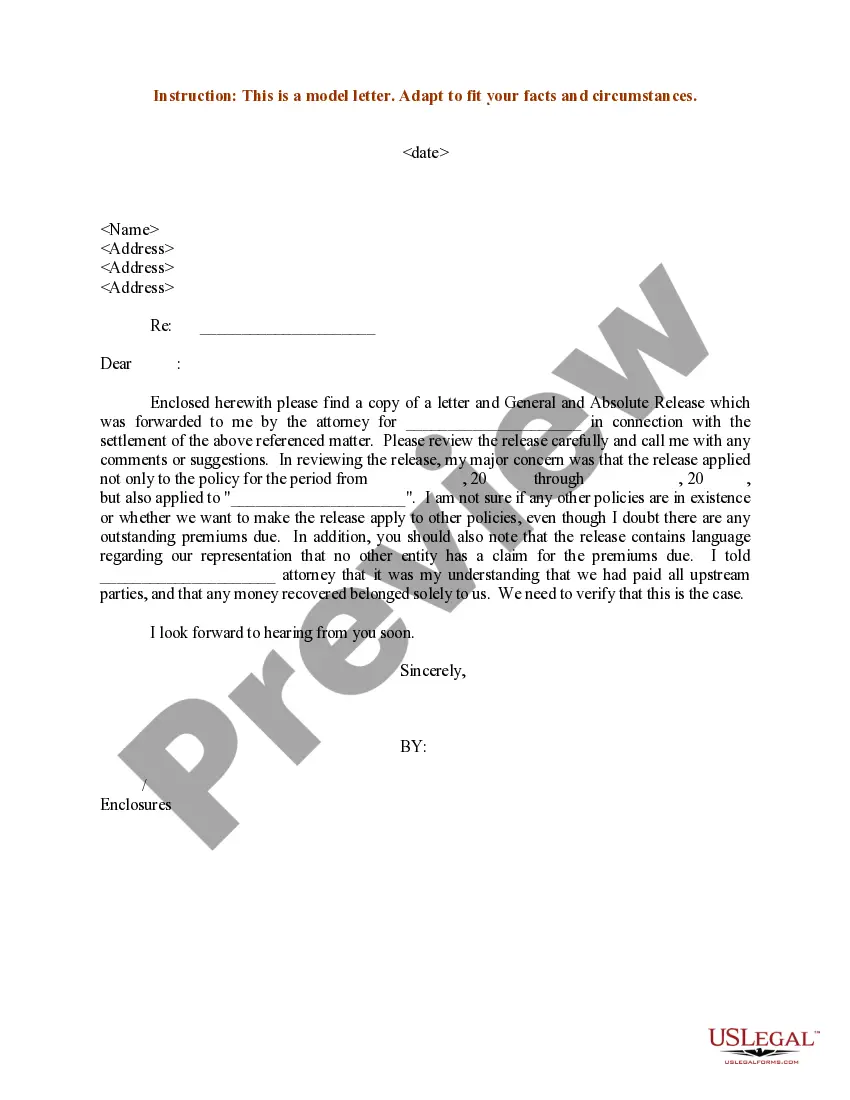
Louisiana Sample Letter for General and Absolute Release for Settlement Offer
Description

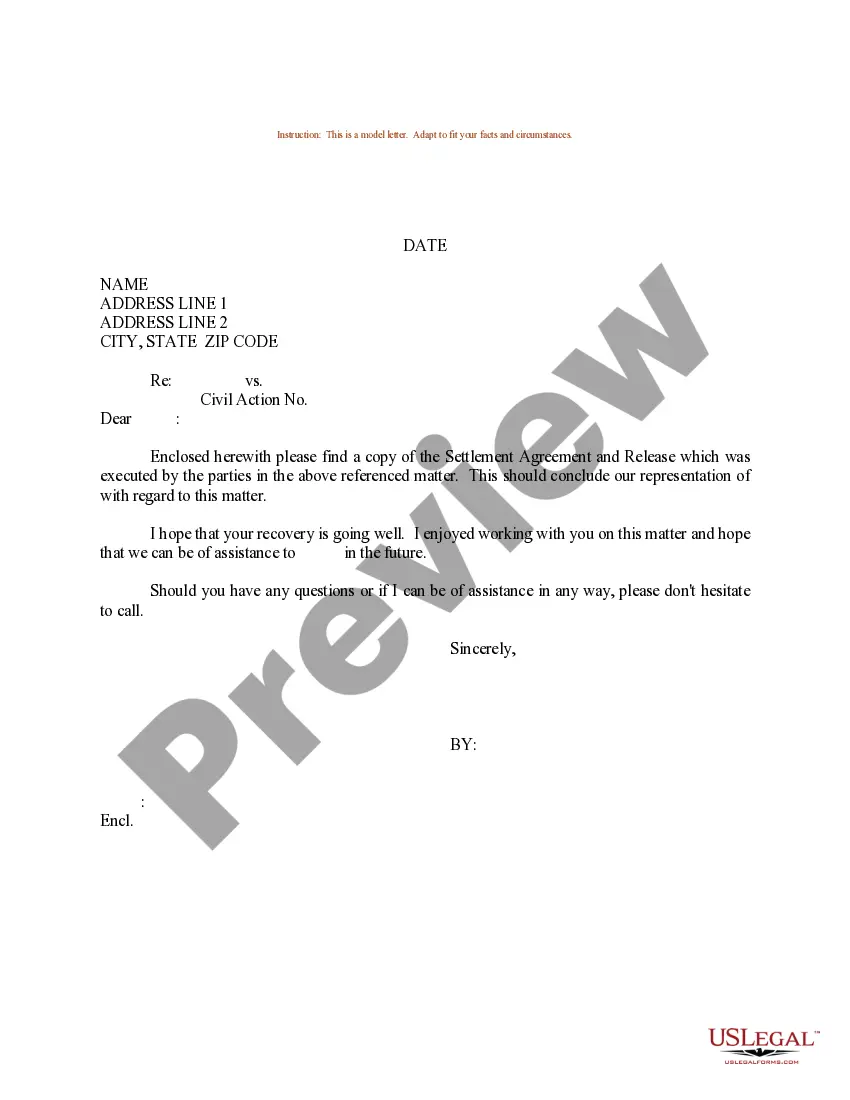
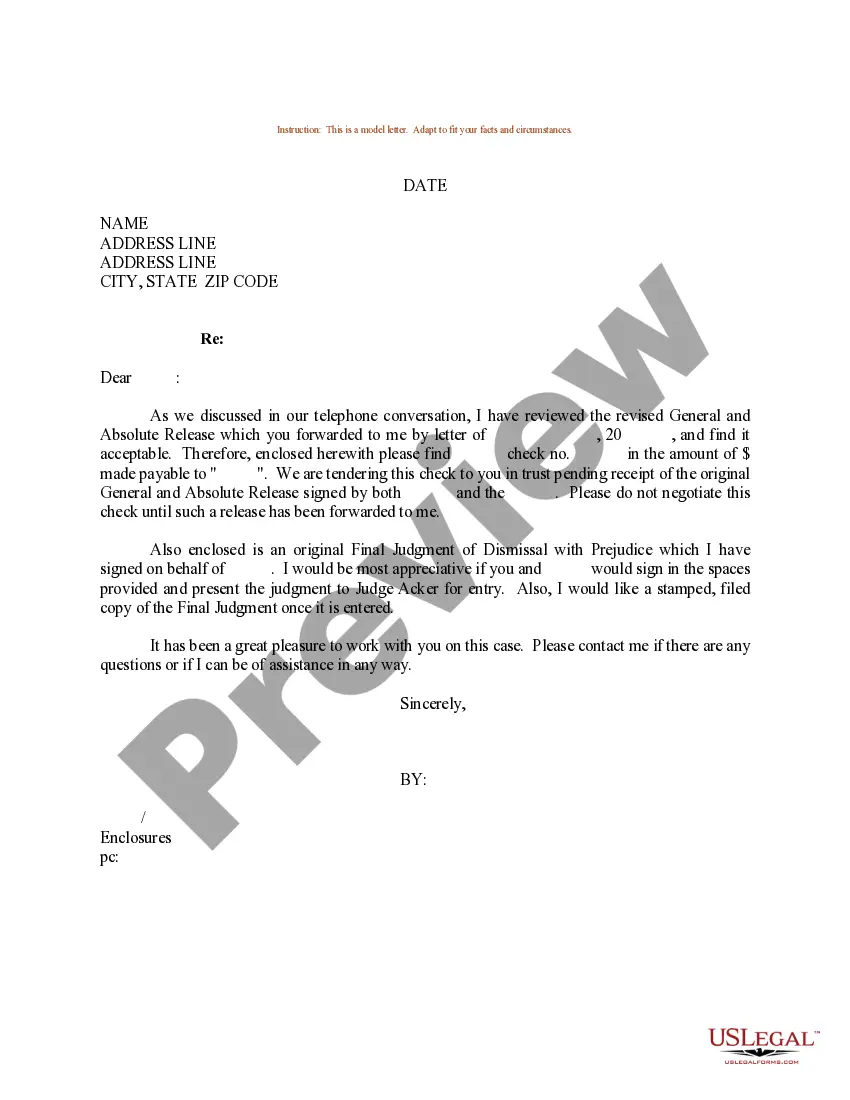
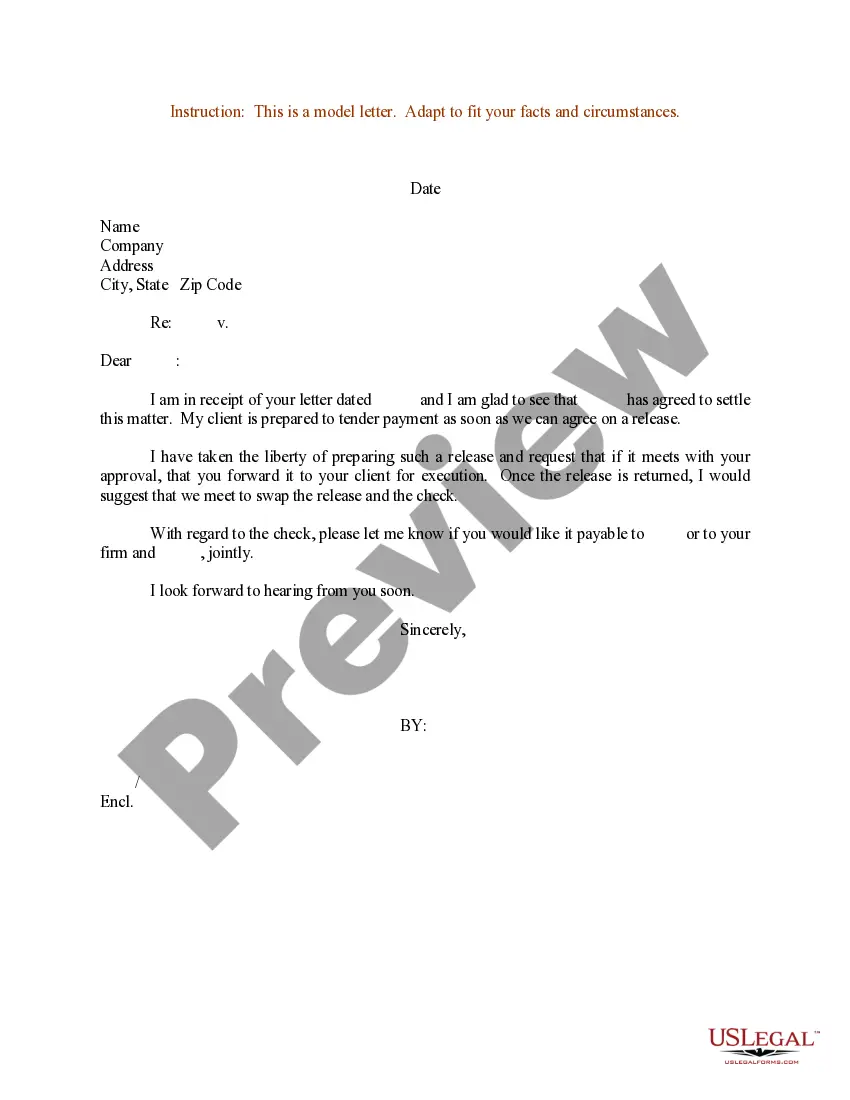
Get your form ready online
Our built-in tools help you complete, sign, share, and store your documents in one place.
Make edits, fill in missing information, and update formatting in US Legal Forms—just like you would in MS Word.
Download a copy, print it, send it by email, or mail it via USPS—whatever works best for your next step.
Sign and collect signatures with our SignNow integration. Send to multiple recipients, set reminders, and more. Go Premium to unlock E-Sign.
If this form requires notarization, complete it online through a secure video call—no need to meet a notary in person or wait for an appointment.
We protect your documents and personal data by following strict security and privacy standards.

Make edits, fill in missing information, and update formatting in US Legal Forms—just like you would in MS Word.

Download a copy, print it, send it by email, or mail it via USPS—whatever works best for your next step.

Sign and collect signatures with our SignNow integration. Send to multiple recipients, set reminders, and more. Go Premium to unlock E-Sign.

If this form requires notarization, complete it online through a secure video call—no need to meet a notary in person or wait for an appointment.

We protect your documents and personal data by following strict security and privacy standards.
Looking for another form?



How to fill out Sample Letter For General And Absolute Release For Settlement Offer?
It is feasible to spend multiple hours online searching for the legal document template that fits the state and federal requirements you desire.
US Legal Forms offers thousands of legal templates that can be evaluated by professionals.
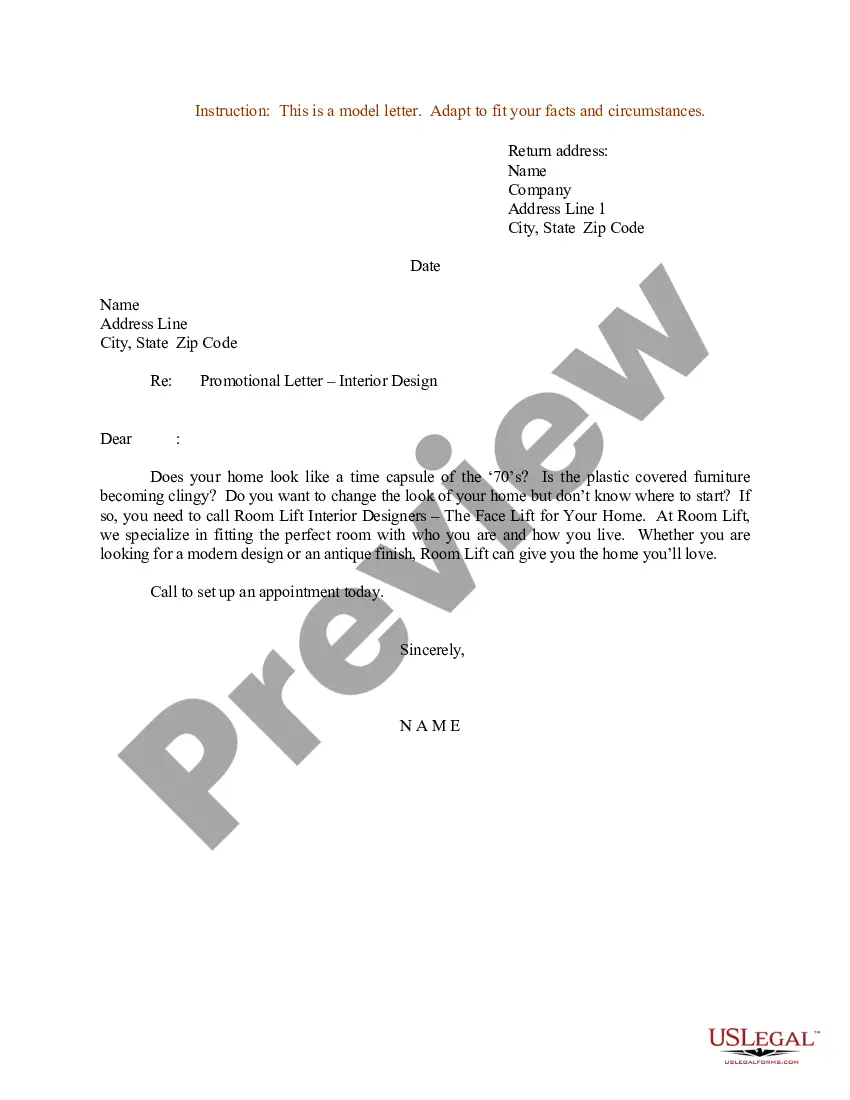
You can conveniently download or print the Louisiana Sample Letter for General and Absolute Release for Settlement Offer from the service.
To obtain another version of the template, use the Search area to find the template that meets your needs and requirements.
- If you already have a US Legal Forms account, you may Log In and click on the Acquire button.
- Then, you can complete, edit, print, or sign the Louisiana Sample Letter for General and Absolute Release for Settlement Offer.
- Every legal document template you buy is yours permanently.
- To obtain another copy of any purchased template, visit the My documents tab and click on the corresponding button.
- If you are using the US Legal Forms site for the first time, follow the basic instructions below.
- First, ensure you have selected the correct document template for the area/region you choose.
- Read the template description to make sure you have chosen the right one.
Form popularity
FAQ
A settlement agreement, also called a release, is a binding contract that settles a lawsuit or potential lawsuit between two or more parties and stipulates that no lawsuit can be filed in the future. The courts encourage parties to resolve their dispute through a settlement agreement rather than through the courts.
A release clause is a legal agreement between two parties in which the rights to potentially file a lawsuit are being relinquished by one or both parties.
A ?release? is a discharge of obligations. An ?indemnity? is an undertaking or a legally binding promise whereby one party agrees to accept the risk of loss or damage the other party may incur as a result of a transaction or event occurring.
What Is a Release Clause? A release clause is a term that refers to a provision within a mortgage contract. The release clause allows for the freeing of all or part of a property from a claim by the creditor after a proportional amount of the mortgage has been paid.
When you accept a settlement offer, you must sign a release before receiving the agreed-upon funds. The release, which is legally binding, contains the terms to which you must adhere before getting your compensation and means the claim is closed and you cannot pursue it further.
A typical clause found in a deed of settlement is a 'mutual release' clause. This clause would usually say that both parties agree to release each other from any future claims arising from this matter. A release from future claims would typically not include the deed itself.
The point of a settlement demand letter is to request compensation from someone who has wronged you. But they won't just hand money over and accept fault because you say so. Your demand letter must state what the guilty party did, and why they're liable for it in the eyes of the law.
Examples of release clauses include: Example 1: Releasing mortgage lenders from collateral liability. Example 2: Preventing football players from leaving the team. Example 3: Releasing an agency after hiring one of their temps in-house.