Louisiana Affidavit of Witness to Will
About this form
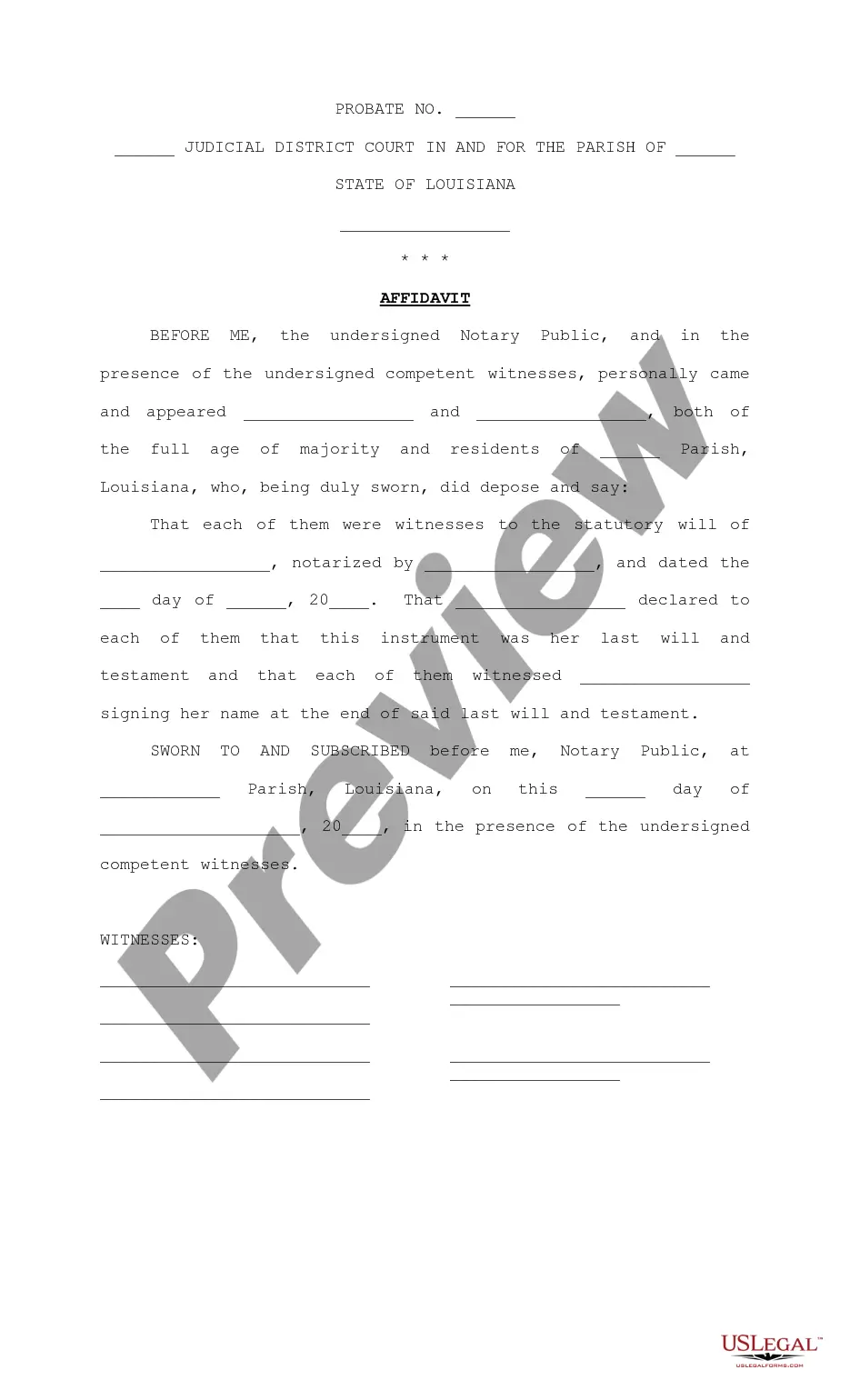
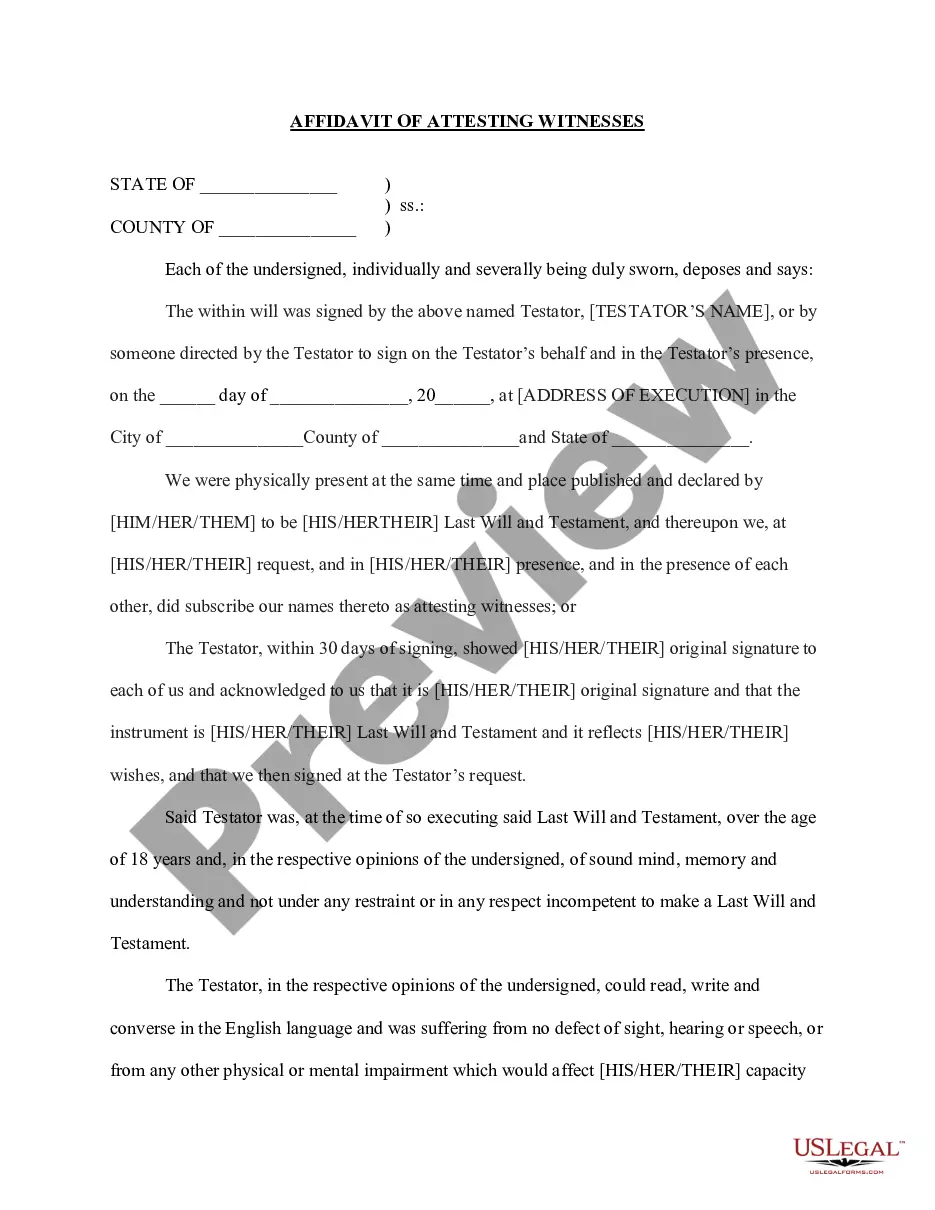
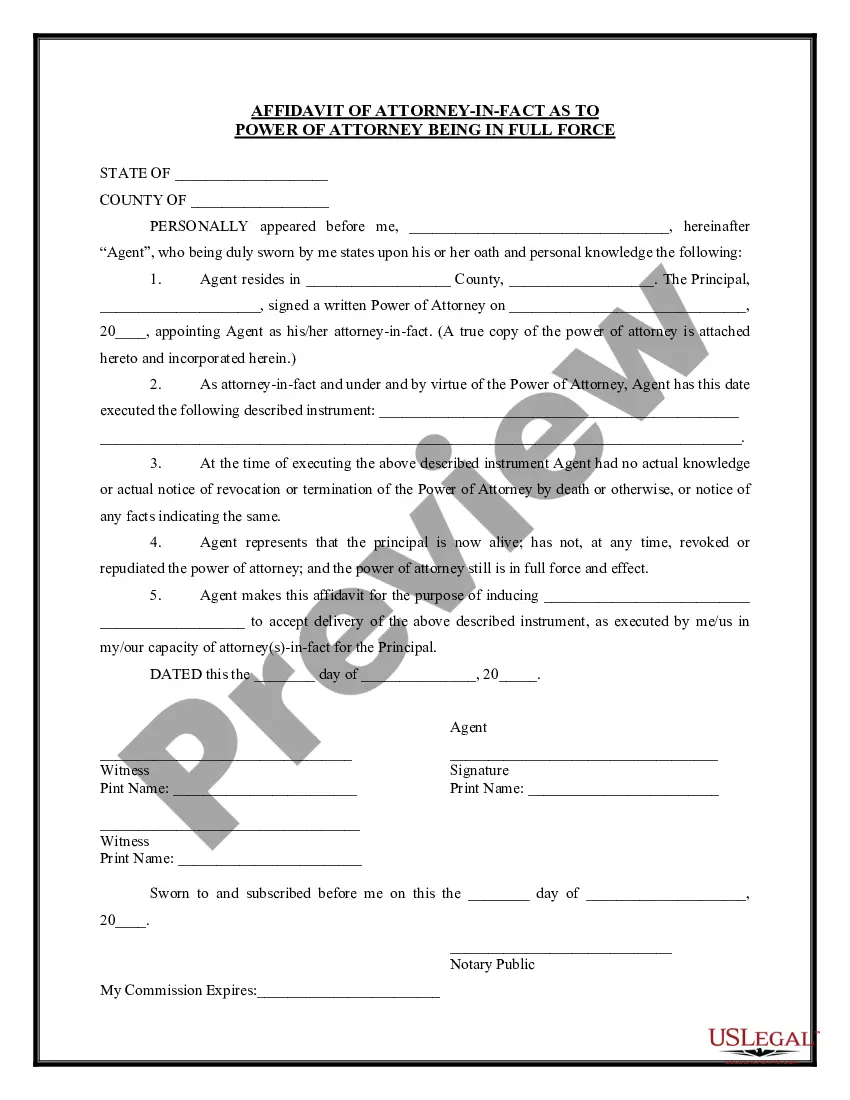
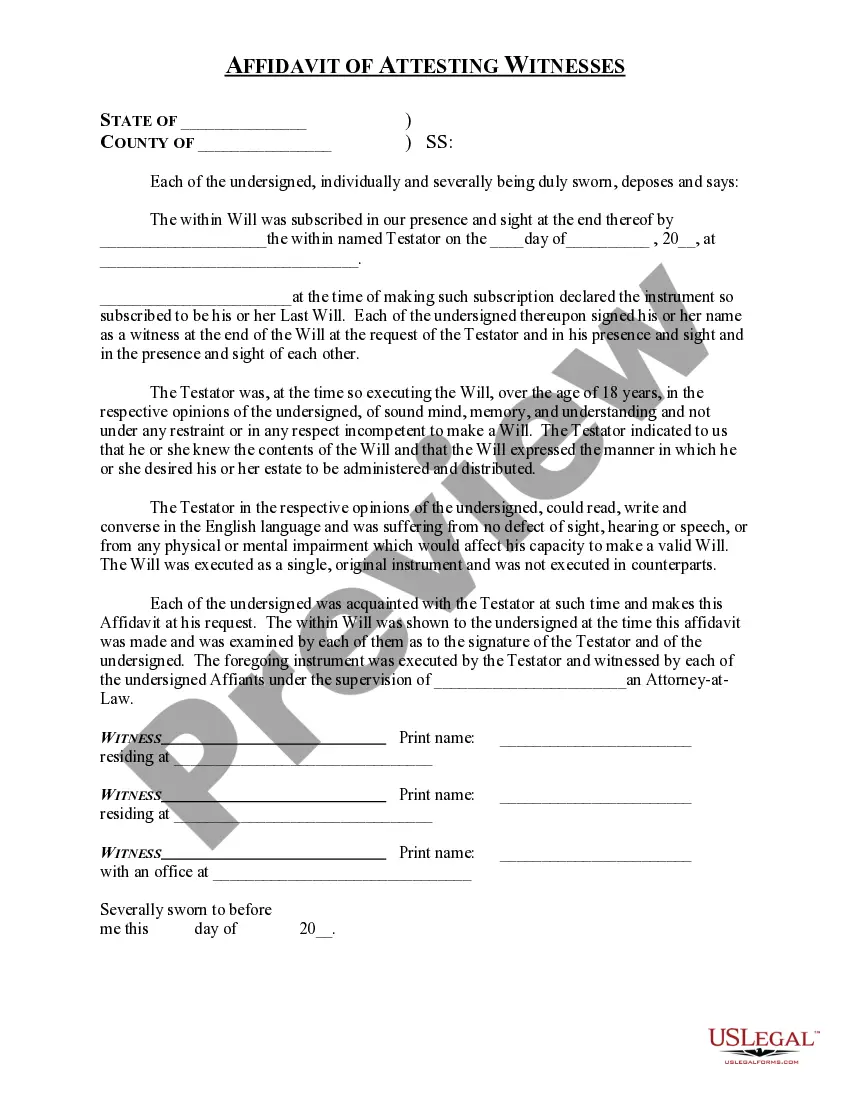
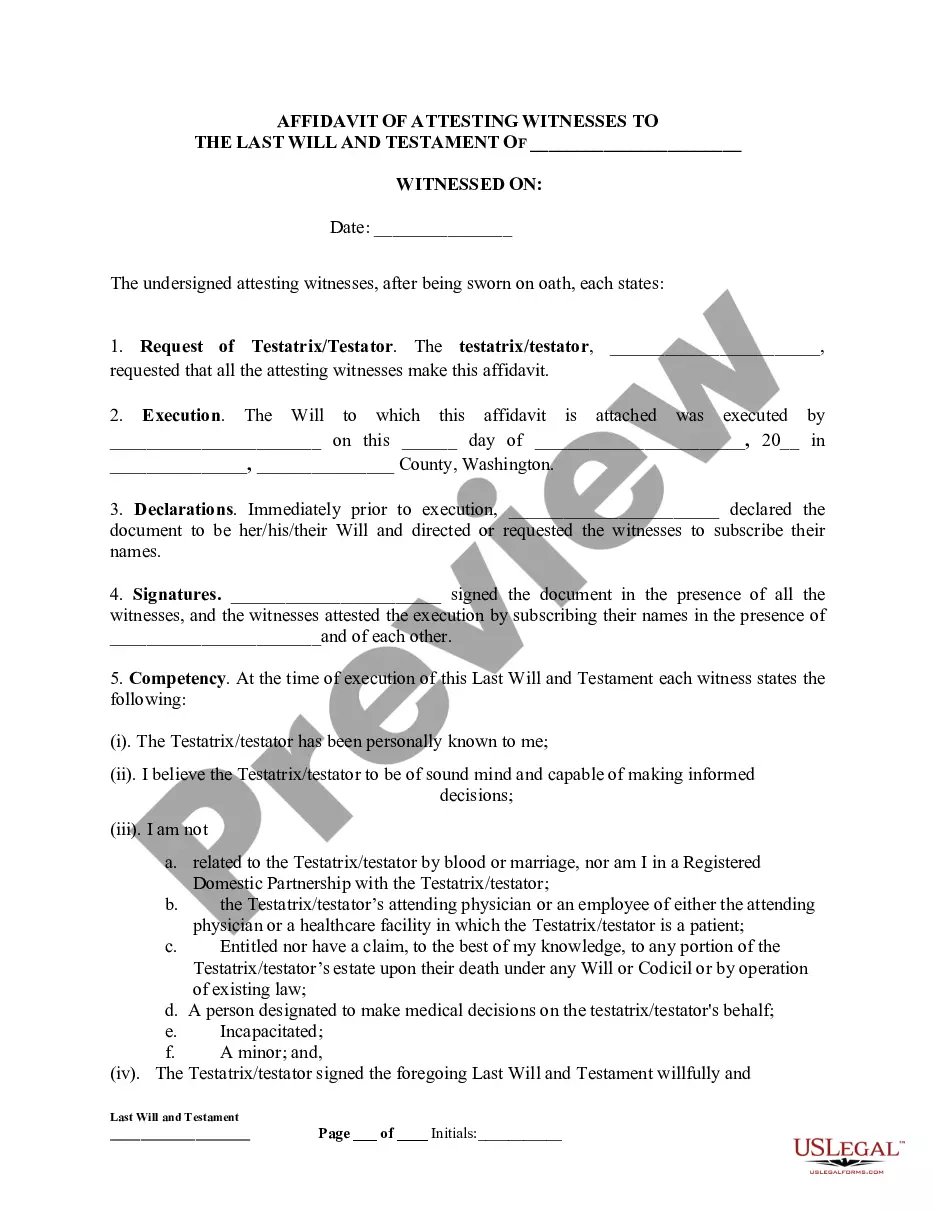
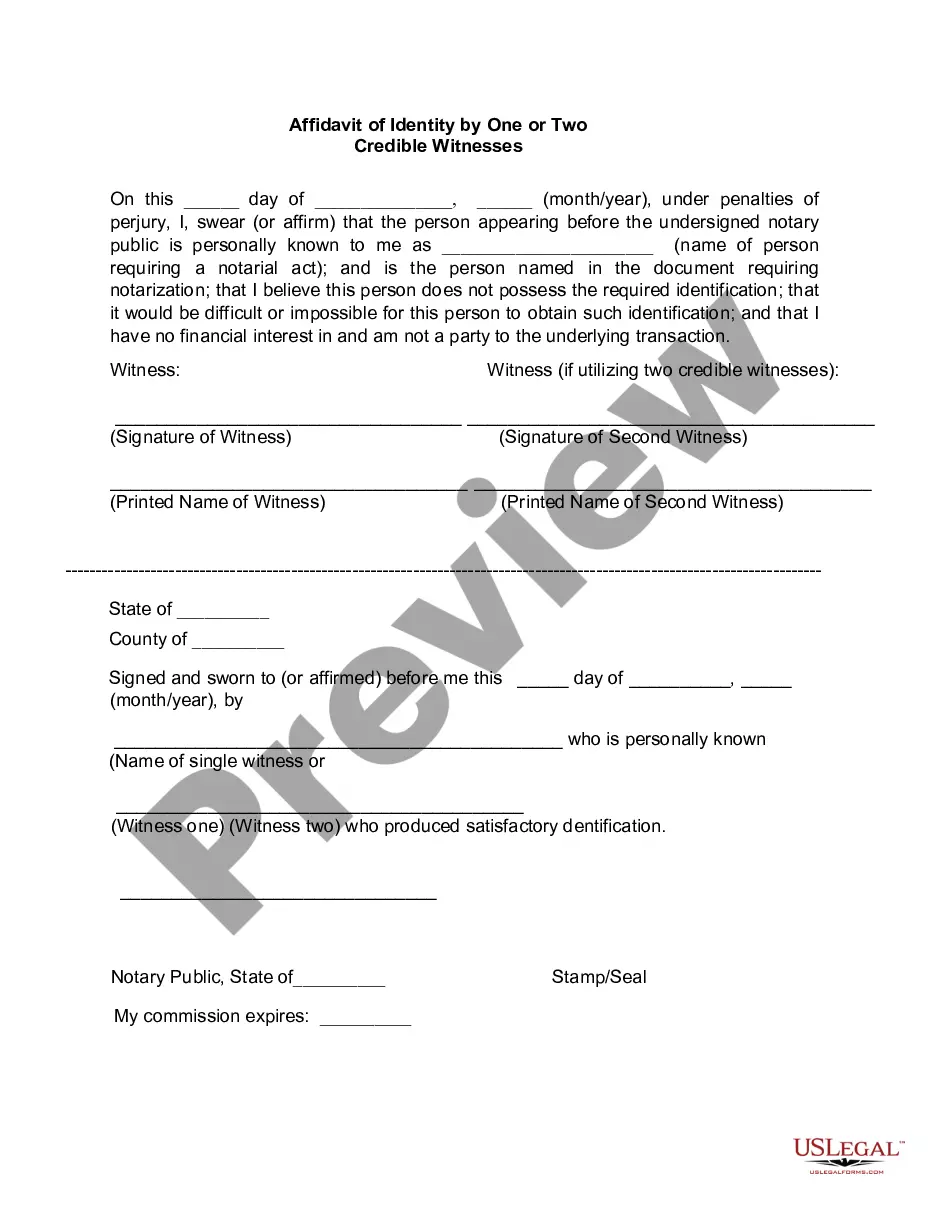
The Affidavit of Witness to Will is a legal document used to prove that two individuals witnessed the signing of a decedent's will. This affidavit serves to affirm the authenticity of the will by stating the identities of the witnesses and their relationship to the decedent. Unlike a simple witness statement, this form must be notarized and signed by both witnesses, bolstering its reliability in legal proceedings concerning the will's validity.
Key parts of this document
- Name and address of the parish and state where the affidavit is executed
- Names of the affiants (witnesses) and details of their residency
- Identification of the decedent (the person whose will is being witnessed)
- Statement confirming that each affiant witnessed the decedent sign the will
- Signatures of the affiants and witnesses
- Notary publicâs signature and seal indicating official witnessing

Situations where this form applies
This form is essential when you need to establish the legitimacy of a will in the probate process. It is particularly necessary if the will is contested or if there are concerns about the decedent's capacity at the time of signing. The affidavit acts as supportive evidence that the required legal standards for the execution of the will were met.
Intended users of this form
- Individuals who witnessed the signing of a will and need to affirm its validity
- Heirs or beneficiaries who require proof of the will's authenticity
- Lawyers or legal representatives assisting in probate litigation
How to prepare this document
- Identify the names and addresses of the affiants and the decedent.
- Enter the date the will was signed and notarized.
- Confirm that both affiants witnessed the signing of the will.
- Have all parties sign the affidavit, including the witnesses and the notary public.
- Ensure the notary public adds their signature and seal to finalize the affidavit.
Does this form need to be notarized?
Yes, this form must be notarized to be legally valid. US Legal Forms offers integrated online notarization services, providing 24/7 availability through secure video calls, ensuring your affidavit is completed efficiently and legally.
Get your form ready online
Our built-in tools help you complete, sign, share, and store your documents in one place.
Make edits, fill in missing information, and update formatting in US Legal Forms—just like you would in MS Word.
Download a copy, print it, send it by email, or mail it via USPS—whatever works best for your next step.
Sign and collect signatures with our SignNow integration. Send to multiple recipients, set reminders, and more. Go Premium to unlock E-Sign.
If this form requires notarization, complete it online through a secure video call—no need to meet a notary in person or wait for an appointment.
We protect your documents and personal data by following strict security and privacy standards.

Make edits, fill in missing information, and update formatting in US Legal Forms—just like you would in MS Word.

Download a copy, print it, send it by email, or mail it via USPS—whatever works best for your next step.

Sign and collect signatures with our SignNow integration. Send to multiple recipients, set reminders, and more. Go Premium to unlock E-Sign.

If this form requires notarization, complete it online through a secure video call—no need to meet a notary in person or wait for an appointment.

We protect your documents and personal data by following strict security and privacy standards.
Common mistakes to avoid
- Failing to have the document notarized, which is essential for its validity.
- Not including all required signatures from the affiants and witnesses.
- Leaving out crucial details such as the date of signing.
Why complete this form online
- Convenience of downloading and completing the form at your own pace.
- Easy access to templates reviewed by licensed attorneys.
- Ability to fill in the form digitally, reducing errors from handwriting.
Quick recap
- The affidavit of witness to will is essential for validating a will during probate proceedings.
- Two witnesses must confirm they observed the signing of the will.
- Notarization is a critical step for the affidavit to be legally effective.
Looking for another form?


Form popularity
FAQ
Although a last will and testament is not legally required, without a will, state laws (called laws of intestacy) will determine the distribution of the deceased's assets.In Louisiana, a Petition for Probate of Testament must be filed with the court to request the recognition of the will as valid.
A will doesn't have to be notarized to be valid. But in most states, you'll want to add a self-proving affidavit to your will, which must be signed by your witnesses and notarized.If you sign your will in a lawyer's office, the lawyer will provide a notary public.
Your witnesses Anyone can be a witness to the signing of a will, as long as they are over the age of 18 and are not blind. A witness does not have to be a professional person, and they are not required to have any special qualifications.
(iii) The Will should be signed by the testator in the presence of two witnesses (other than the beneficiaries under a Will), and the witnesses must also attest (i.e., sign).However, non-registration of a Will does not lead to any inference against its genuineness.
In order to satisfy legal requirements in Louisiana, a will must be signed by two (2) witnesses who have attested the testator's signature. In addition, a will must be notarized by a state-authorized individual and registered with the Secretary of State's Office.
Form a Last Will in Louisiana Witnesses: At least two people must sign a declaration signifying that they have witnessed the testator signing the will or declaring the document to be his will. This must be done in the presence of a notary. Writing: A Louisiana will must be in writing to be valid.
A notarized will does not need to be probated.When a person dies leaving behind a will that is not notarized, the law requires that its validity be ascertained by a notary or by a court. Similarly, any non-notarized modification made to a will must be probated, whether the will is notarized or not.
The general requirements for a valid Will are usually as follows: (a) the document must be written (meaning typed or printed), (b) signed by the person making the Will (usually called the testator or testatrix, and (c) signed by two witnesses who were present to witness the execution of the document by the maker