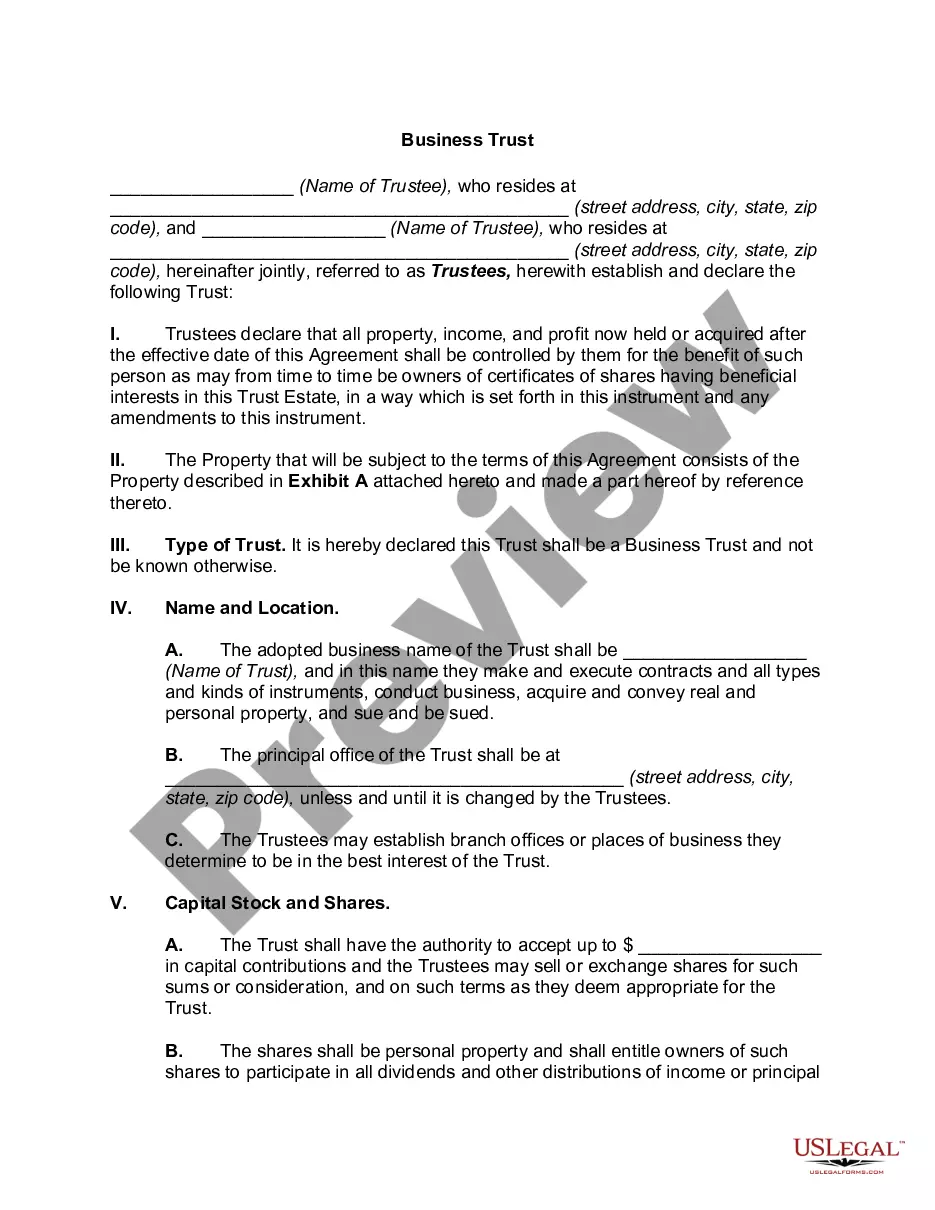
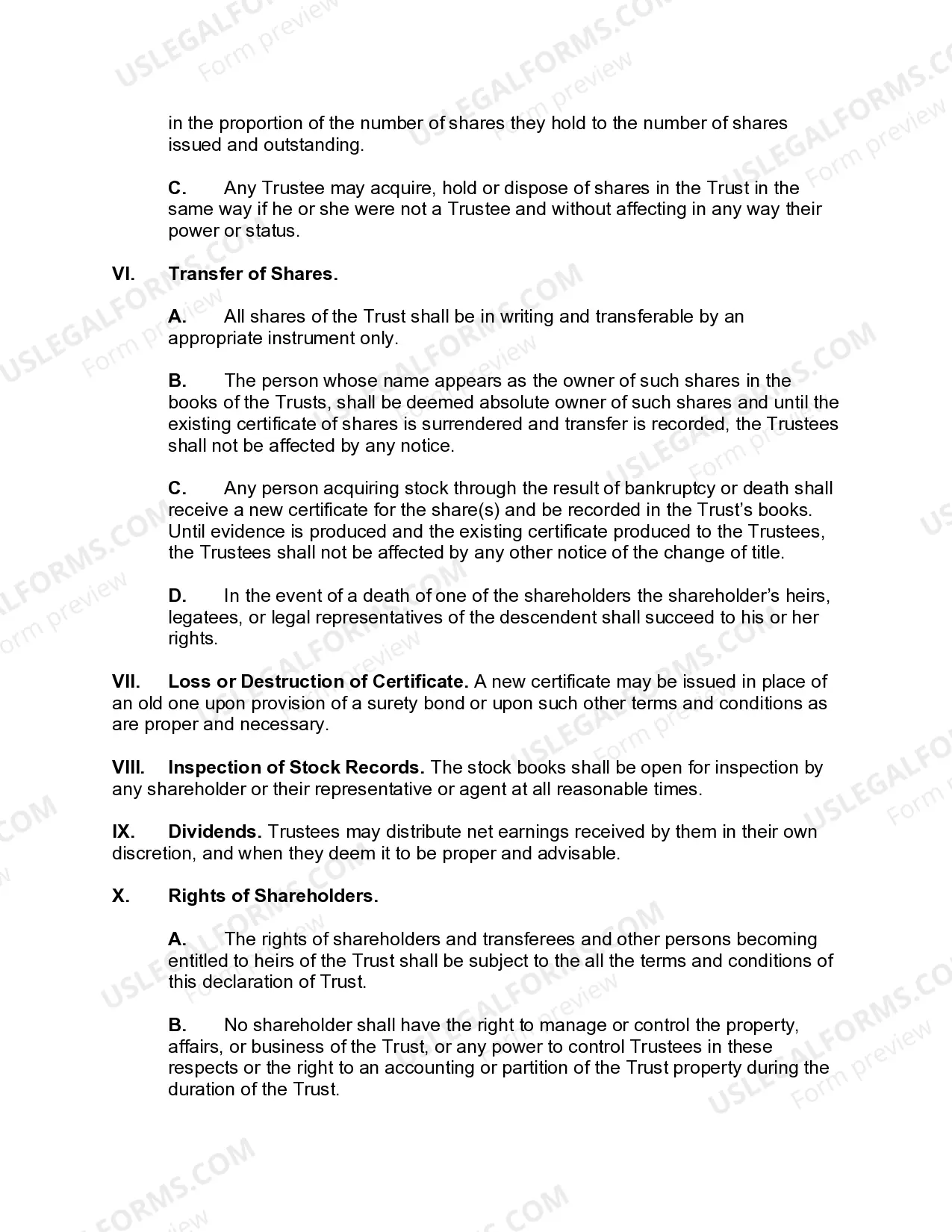
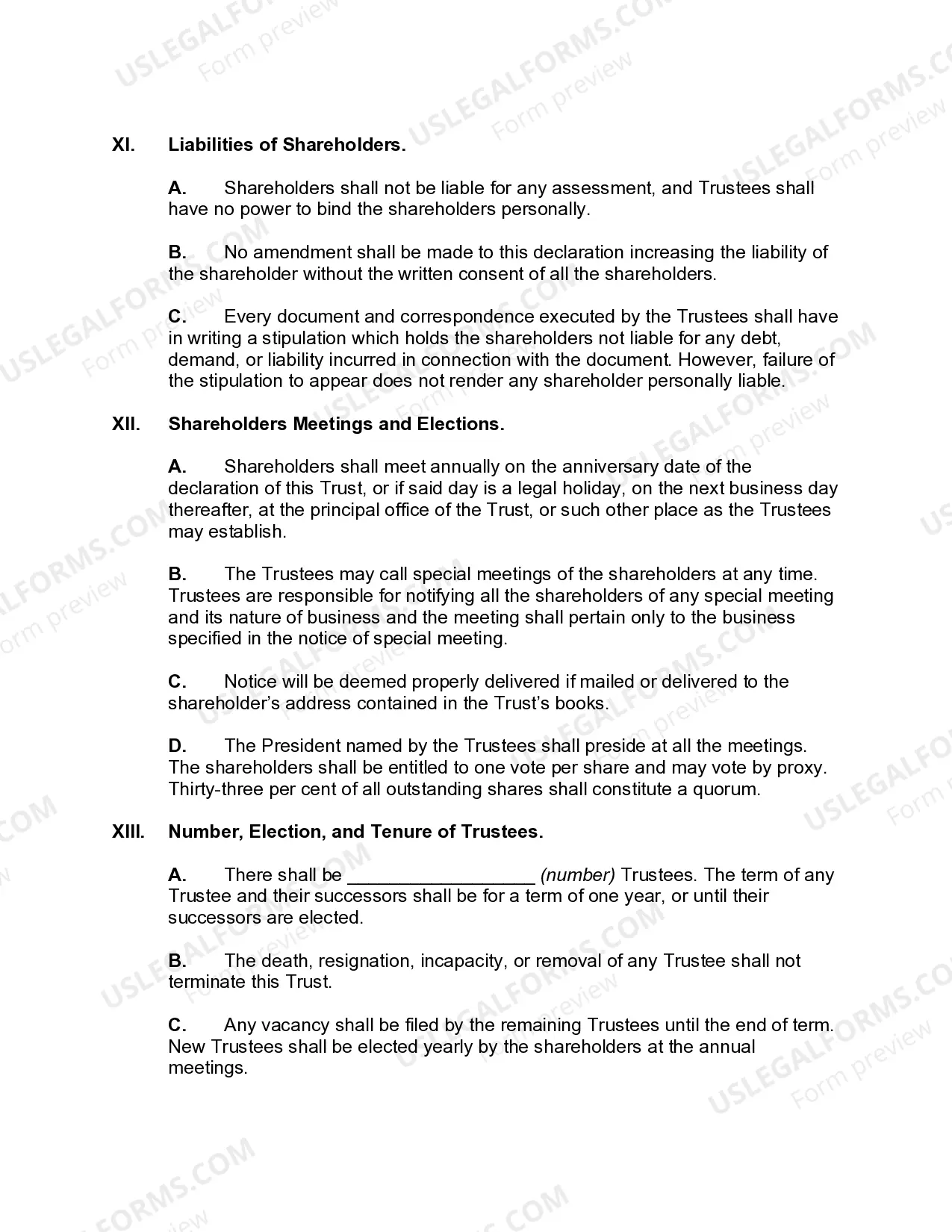
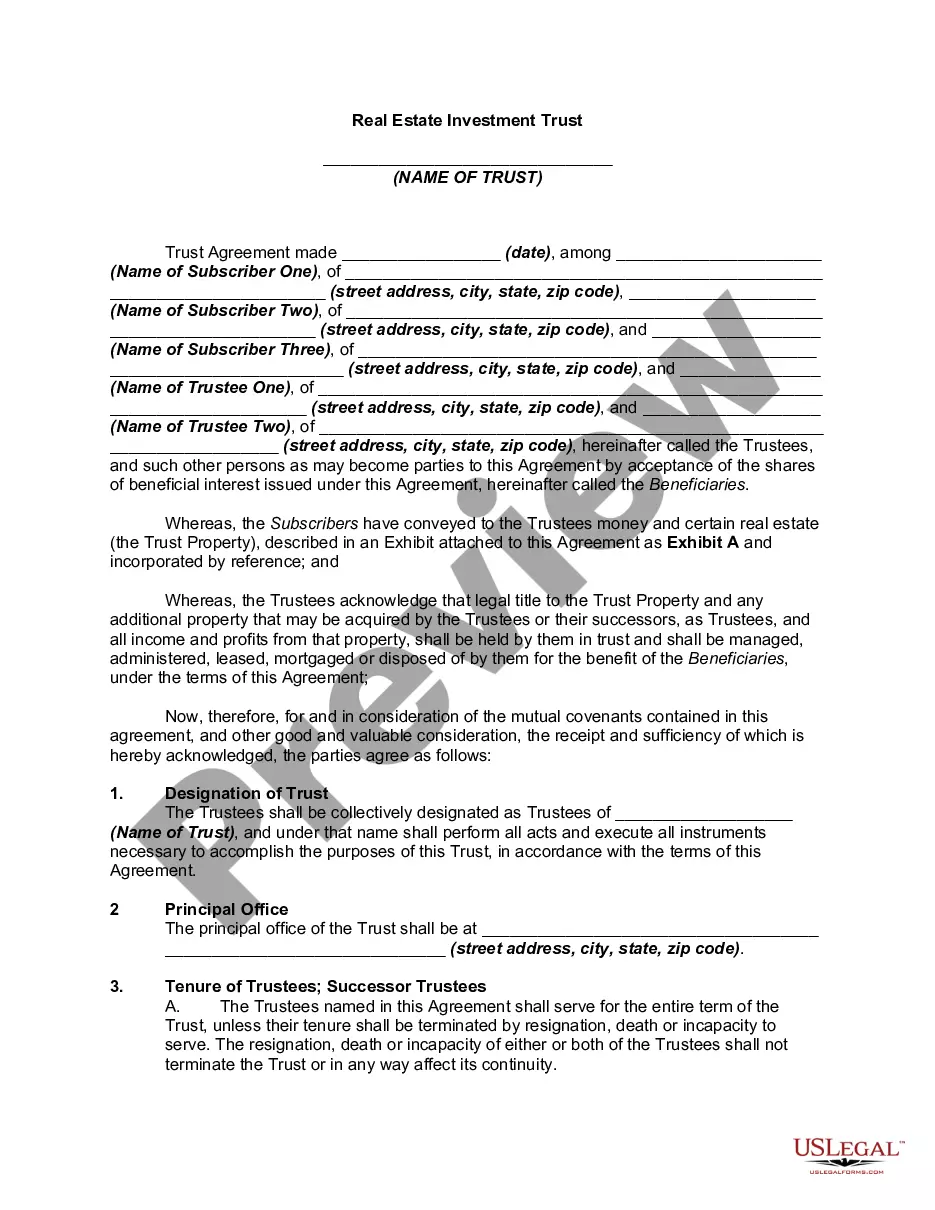
Kentucky Business Trust
Description

Get your form ready online
Our built-in tools help you complete, sign, share, and store your documents in one place.
Make edits, fill in missing information, and update formatting in US Legal Forms—just like you would in MS Word.
Download a copy, print it, send it by email, or mail it via USPS—whatever works best for your next step.
Sign and collect signatures with our SignNow integration. Send to multiple recipients, set reminders, and more. Go Premium to unlock E-Sign.
If this form requires notarization, complete it online through a secure video call—no need to meet a notary in person or wait for an appointment.
We protect your documents and personal data by following strict security and privacy standards.

Make edits, fill in missing information, and update formatting in US Legal Forms—just like you would in MS Word.

Download a copy, print it, send it by email, or mail it via USPS—whatever works best for your next step.

Sign and collect signatures with our SignNow integration. Send to multiple recipients, set reminders, and more. Go Premium to unlock E-Sign.

If this form requires notarization, complete it online through a secure video call—no need to meet a notary in person or wait for an appointment.

We protect your documents and personal data by following strict security and privacy standards.
Looking for another form?
How to fill out Business Trust?
Selecting the appropriate legal document template can be challenging. Obviously, there are numerous templates accessible online, but how can you find the legal form you require.
Utilize the US Legal Forms platform. This service provides a vast selection of templates, such as the Kentucky Business Trust, which are applicable for both business and personal needs. All forms are reviewed by experts and comply with federal and state regulations.
If you are already registered, Log In to your account and click the Download button to access the Kentucky Business Trust. Use your account to review the legal forms you have previously purchased. Visit the My documents tab of your account to obtain another copy of the document you need.
US Legal Forms is the largest repository of legal templates where you can access countless document formats. Utilize the service to obtain professionally crafted paperwork that adheres to state regulations.
- First, ensure you have selected the correct form for your region/area. You can browse the form using the Preview button and read the form details to verify it is suitable for you.
- If the form does not fulfill your needs, make use of the Search field to locate the appropriate document.
- Once you are confident that the form is adequate, click the Buy now button to acquire the document.
- Select the pricing plan you prefer and enter the required information. Create your account and pay for your order using your PayPal account or credit card.
- Choose the file format and download the legal document template to your device.
- Complete, edit, print, and sign the downloaded Kentucky Business Trust.
Form popularity
FAQ
A business trust is a legal instrument that can be used to delegate the authority to manage a beneficiary stake in a certain business. It can also be used to run the business itself.
How Does a Business Trust Work? A trust is an agreement that allows one party, known as a trustee, to hold, manage, and direct assets or property on behalf of another party, called the beneficiary. In a business trust, a trustee manages a business and conducts transactions for the benefit of its beneficiaries.
Trust advantages and disadvantageslimited liability is possible if a corporate trustee is appointed.the structure provides more privacy than a company.there can be flexibility in distributions among beneficiaries.trust income is generally taxed as income of an individual.
An individual trust typically contains assets such as money or property, but a business trust holds the rights to an individual's stake or interest in a business. As a result, a business trust can be the legal entity that technically owns a business. Business trusts can have one or multiple beneficiaries.
Business trusts are formed when the assets, debts, properties, and profits of a business are handed over to a nominated and appointed trustee. The trustee manages these items during the operation of the business rather than for profit.
(1) A business trust is an express trust created by a written declaration of trust whereby property is conveyed to one (1) or more trustees, who hold and manage same for the benefit and profit of such persons as may be or become, the holders of transferable certificates evidencing the beneficial interest in the trust
Business trusts are formed when the assets, debts, properties, and profits of a business are handed over to a nominated and appointed trustee. The trustee manages these items during the operation of the business rather than for profit.
An example of business trust assets might include stocks, cash, real estate, ownership in a company, or items of value. Depending on the terms in the declaration of trust, the trustees may have the rights to sell existing property, buy additional property, or try to expand the assets through business.
Advantages of a trust A trust provides asset protection and limits liability in relation to the business. Trusts separate the control of an asset from the owner of the asset and so may be useful for protecting the income or assets of a young person or a family unit. Trusts are very flexible for tax purposes.
A business trust is defined as a trust where the trustee uses the trust assets to do business for profit in order to benefit the trust beneficiary or to further the aims of the trust.